Health
Discover facts about health. Small discoveries that change the way you see familiar things.
Health

How pressure cookers inspired medical sterilizers
The useful part of a pressure cooker is not just that it gets steamy—it keeps steam trapped under pressure, so it gets hotter. Medical sterilizers harness the…
Discover more
Why nurse caps looked like tiny nun veils
Early nurse caps drew on the veils worn by monastic caregivers. Over time, the veil-like covering was pared down into the small white hospital hat many people…
Discover more
Roller bandages were invented by an ancient Greek surgeon
A strip of cloth is awkward to manage while treating an injury, so Hippocrates advised rolling it up beforehand. That simple preparation made it easier to…
Discover more
The Red Cross is a Swiss flag with its colors swapped
The red cross on white reverses Switzerland's white cross on red. The design honors the country where the movement began while providing a simple,…
Discover more
The first stethoscope started as a paper tube
The paper tube carried the sound of the patient's chest to Laënnec's ear while keeping some distance between them. That simple workaround let him listen…
Discover more
Ancient Romans used syringes for ointments
A Roman syringe worked by pushing a piston through a tube, forcing thick medicinal paste out the other end. It was less a modern needle than a hand-powered…
Discover more STACKY FOR IPHONE
A bigger world.
One discovery
at a time.
Keep discovering with Stacky. Interesting facts in an app that is always within reach.

Medical chart clipboards were created to organize wards
A spring clip kept each patient’s papers together right at the bedside. In a busy ward, that simple clamp made it harder for one person’s chart to wander into…
Discover more
The hidden chamber pots inside old hospital cabinets
The lower compartment was built with ventilation and enough room to keep a chamber pot out of sight. In a hospital room, that meant visitors could sit with a…
Discover more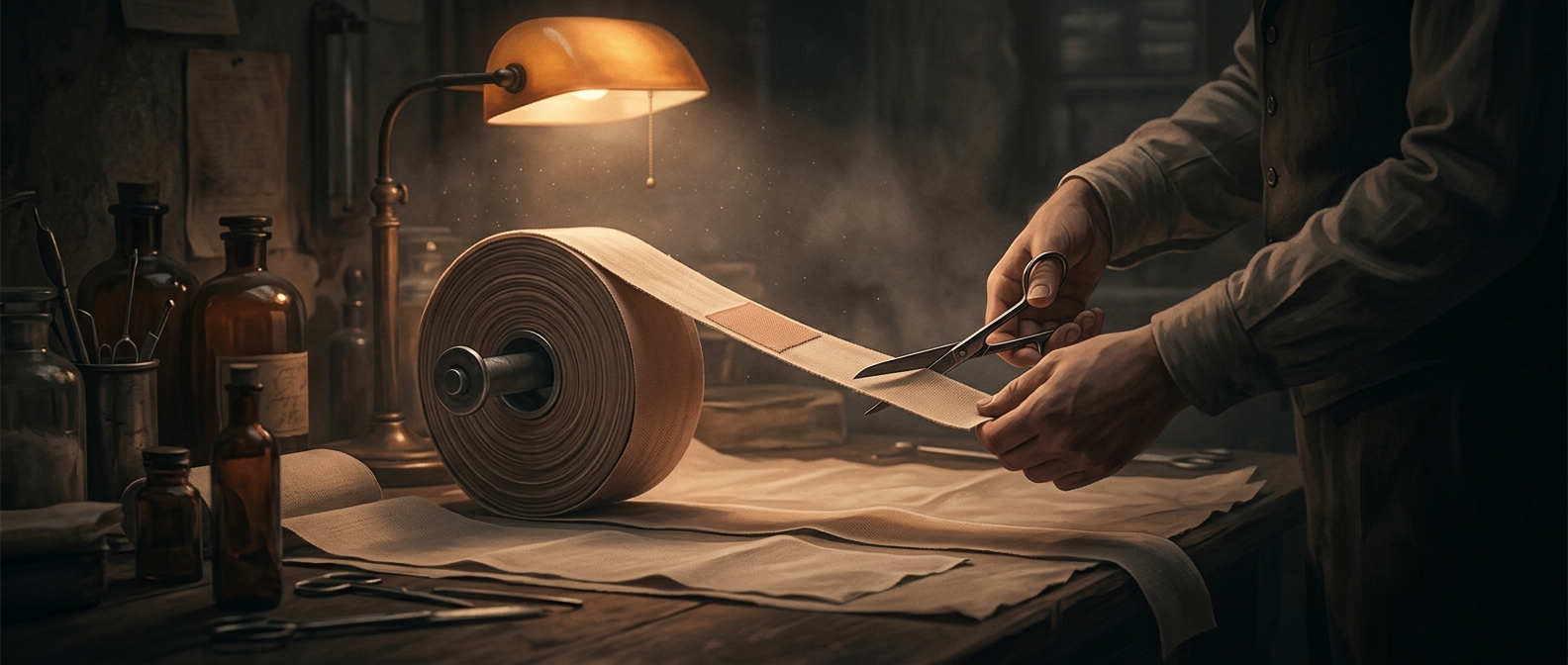
The first Band-Aids required you to cut your own bandage
The 1921 product came as a strip three inches wide and eighteen inches long. Users cut off what they needed; ready-made individual bandages followed in 1924.…
Discover more
Hospital helipads are painted with a red cross or an H
A rooftop helipad needs to be recognizable from the air, where the whole roof can look like one broad, featureless surface. Its H or red-cross marking points…
Discover more
Why nurses relied on the humble safety pin
A bandage could involve several thick layers that needed to stay together. Safety pins gave nurses a quick, reliable fastening, turning a common household…
Discover more
Your stool is mostly water
About three-quarters of a healthy bowel movement is water. The rest includes bacteria and indigestible fiber, so what looks solid is mostly fluid held…
Discover more
Why your mother's genes may affect male-pattern baldness
Men inherit their single X chromosome from their mother, and one major receptor gene linked to male-pattern baldness sits on that chromosome. That makes a…
Discover more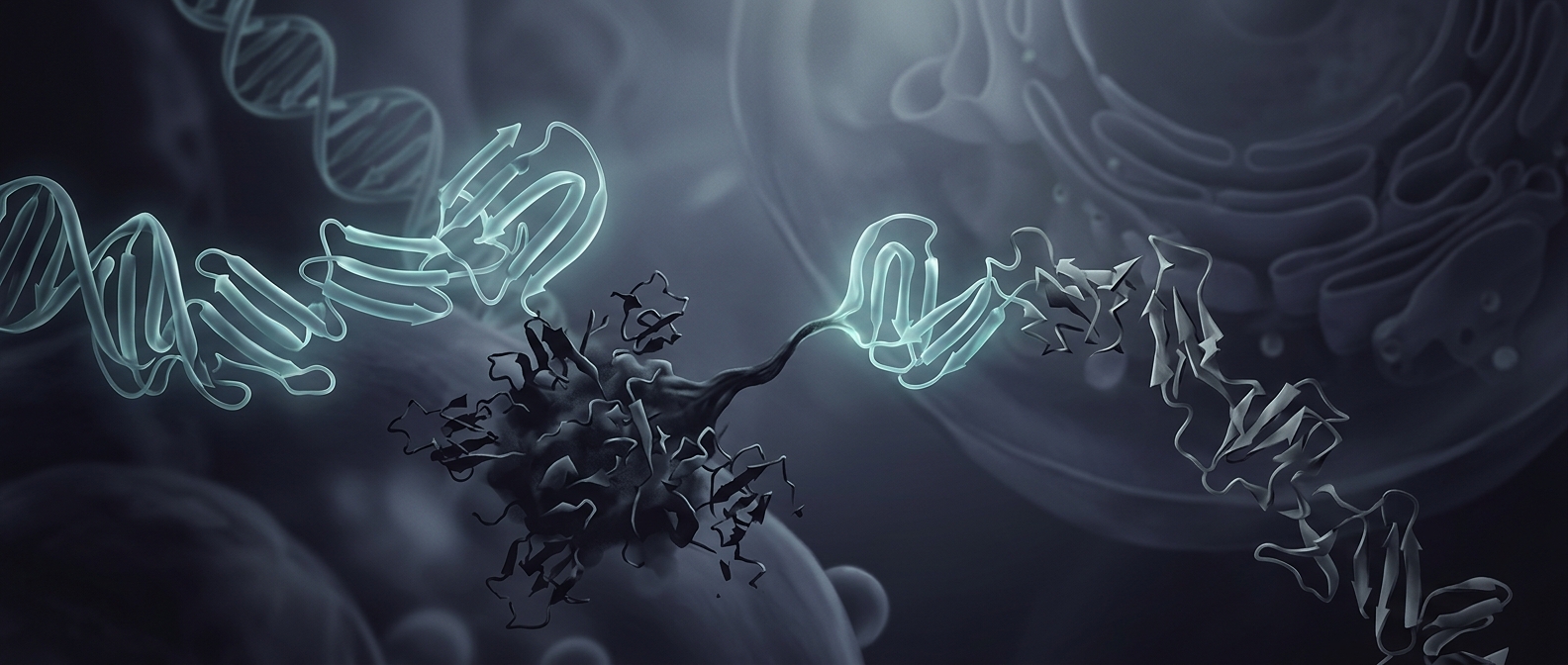
How prions make healthy proteins turn deadly
A prion is a protein folded into the wrong shape, and that shape can make nearby normal proteins misfold too. As more proteins change shape, damage…
Discover more
Industrial formaldehyde permanently crosslinks delicate tissue proteins
Formaldehyde forms links between nearby proteins in tissue, making the structures harder to break apart. That slows decomposition and helps a preserved…
Discover more
Colloidal silver can turn your skin blue
When colloidal silver is swallowed, silver particles can settle in the skin and remain there. Light can darken those deposits, giving the skin a lasting…
Discover more
How uterine fibroids can grow to enormous sizes
Sometimes uterine muscle cells multiply into dense, rubbery growths called fibroids, though why this happens remains unclear. If a growth becomes large, it…
Discover more
Making antifreeze bitter does not make it safe
Bittering agents have been added to discourage swallowing, but poison-control evidence shows that taste changes do not reliably prevent poisoning. The toxic…
Discover more
Severe onychomycosis actively destroys hard keratin structures
The fungus feeds on keratin, the tough material that makes up nails, and severe infection can leave a nail yellow, thick, and crumbly. Because the fungus can…
Discover more
How one ancient woman links human mitochondrial DNA
Mitochondrial DNA usually passes from mothers to their children with little mixing, so researchers can follow that maternal line backward. The shared ancestor…
Discover more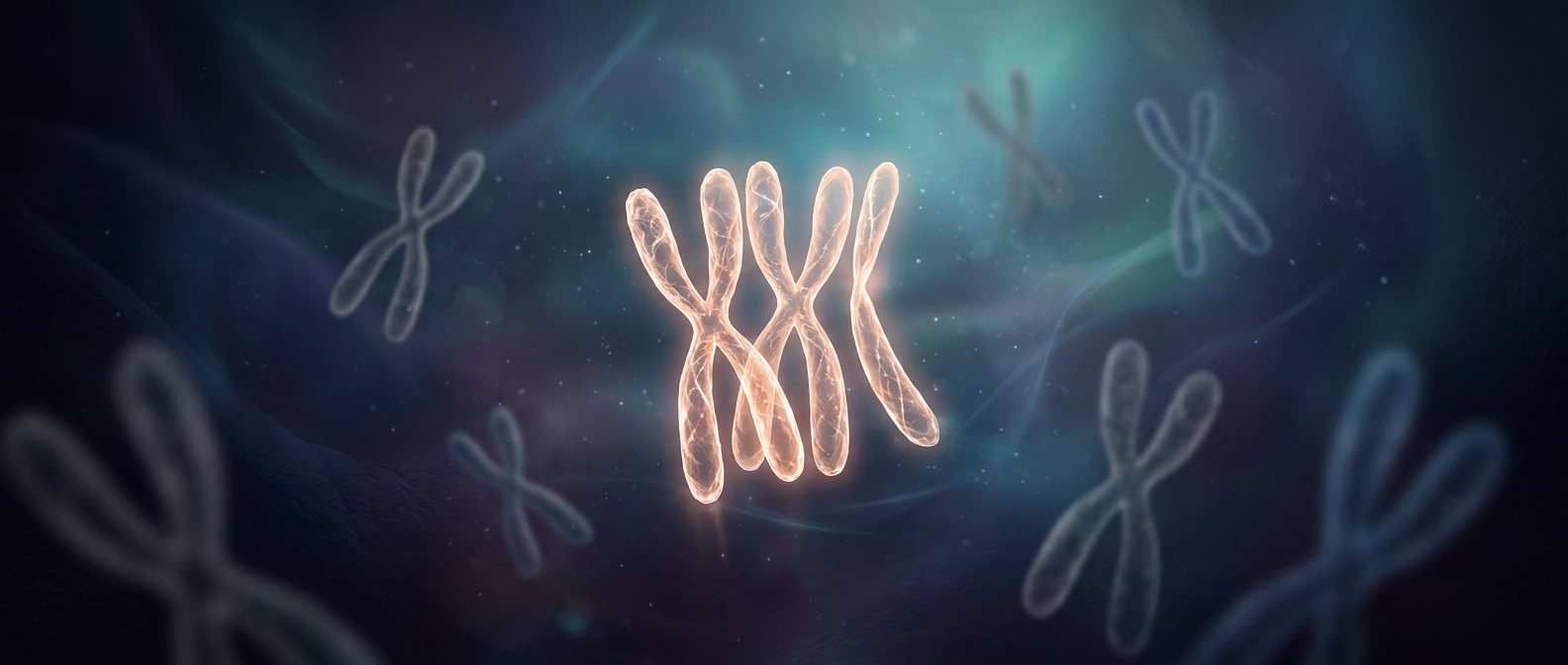
Down syndrome specifically requires three copies of chromosome 21
Down syndrome occurs when cells have an extra copy of chromosome 21. That adds another set of genetic instructions, which can alter developmental pathways as…
Discover more
Why worn enamel makes cold hurt
Enamel shields dentin, which is packed with tiny tubes leading toward the tooth’s sensitive inner nerve. When enamel wears away, cold can travel through those…
Discover more
How elephants defend themselves against cancer
When a cell is badly damaged, a tumor-suppressor gene can trigger it to self-destruct. Elephants carry 20 copies of one such gene, giving them extra backup…
Discover more
Radioactive polonium is lethal in microscopic microscopic doses
Inside the body, polonium-210 releases alpha particles that damage nearby cells. Alpha radiation cannot travel far through tissue, but that offers little…
Discover more