Health
Discover facts about health. Small discoveries that change the way you see familiar things.
Health

Medical encyclopedias were famously sold door-to-door
Before the internet revolutionized hypochondria, you had to buy your anxiety in heavily bound volumes. Traveling salesmen aggressively peddled massive…
Discover more
The click that teaches CPR
Nothing ensures proper technique quite like Pavlovian conditioning. Training dummies are outfitted with hidden metal clickers specifically to provide an…
Discover more
Hula hoops were once sold as adult workout gear
What is now considered a trivial children's playground toy began as a highly aggressive core workout trend. The plastic rings were heavily promoted in the…
Discover more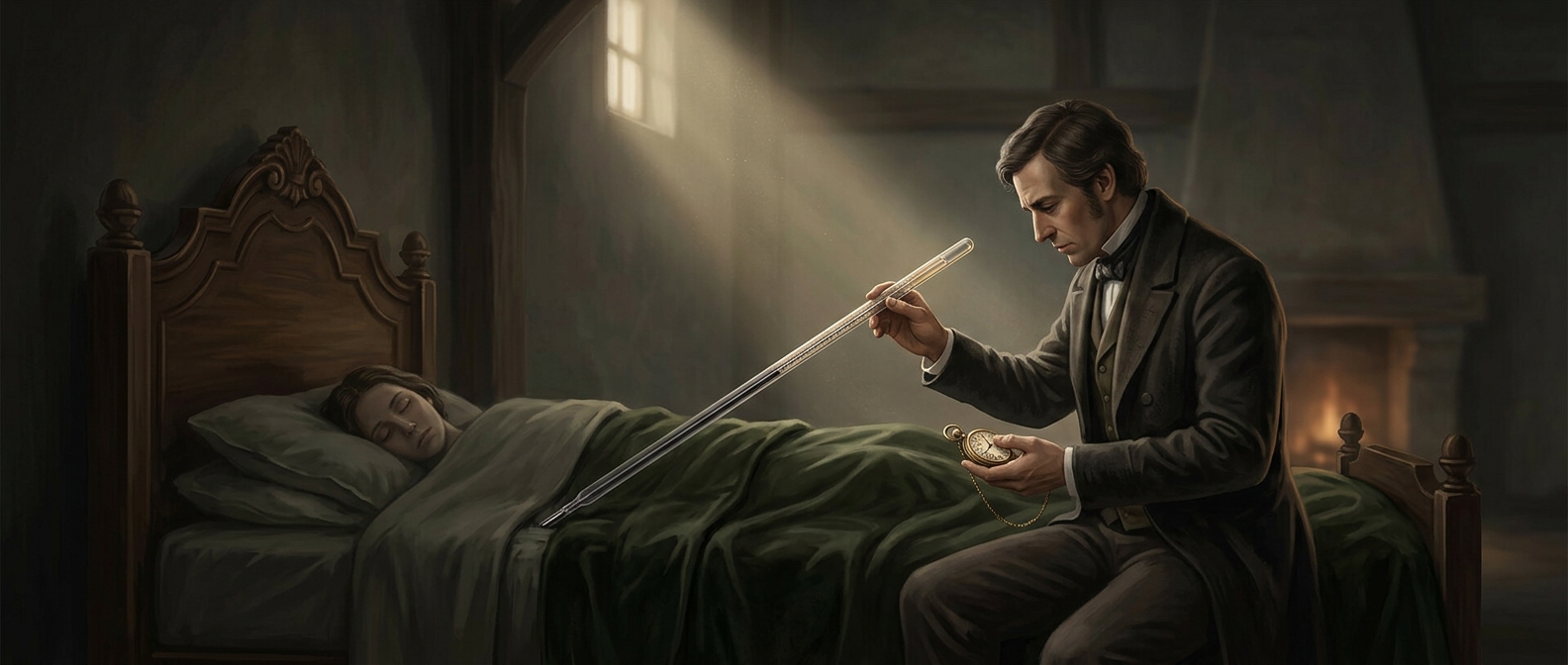
Early thermometers took 20 minutes to read
Diagnosing a fever used to require the patience of a saint. The earliest glass temperature devices were comically massive, incredibly fragile, and required…
Discover more
Victorians swung heavy clubs for exercise
Before specialized machines, the absolute pinnacle of domestic exercise was furiously swinging heavy wooden bowling pins around your living room. Originally…
Discover more
Early surgical masks protected doctors, not patients
In a shocking twist of historical irony, the first widespread use of face coverings wasn't to protect the vulnerable person on the table. They were…
Discover more STACKY FOR IPHONE
A bigger world.
One discovery
at a time.
Keep discovering with Stacky. Interesting facts in an app that is always within reach.

Why hospital privacy curtains resemble theater curtains
Because every clinical encounter is essentially a highly tragic stage play. The heavy, sliding fabric partitions that barely dampen sound were completely…
Discover more
Band-Aids were invented for one accident-prone wife
Necessity is the mother of invention, but constant domestic accidents are a close second. Earle Dickson created the first self-adhesive dressing because his…
Discover more
Crutches were famously depicted in ancient Egyptian tombs
The fundamental concept of wedging a large stick under your arm to avoid putting weight on a bad leg is incredibly ancient. Carvings from thousands of years…
Discover more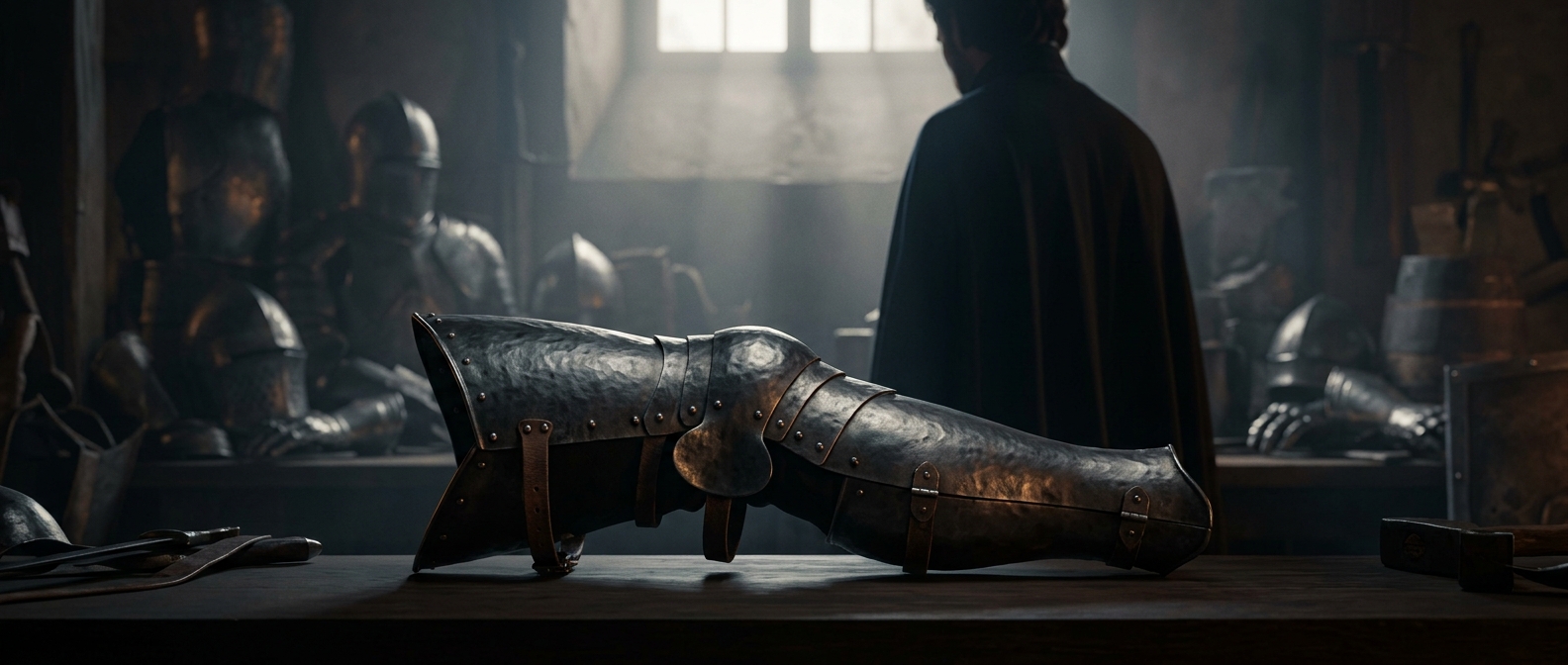
The iron hands made for wounded knights
When knights lost an appendage, they didn't just carve a piece of wood. They commissioned their personal blacksmiths to forge highly articulated, excessively…
Discover more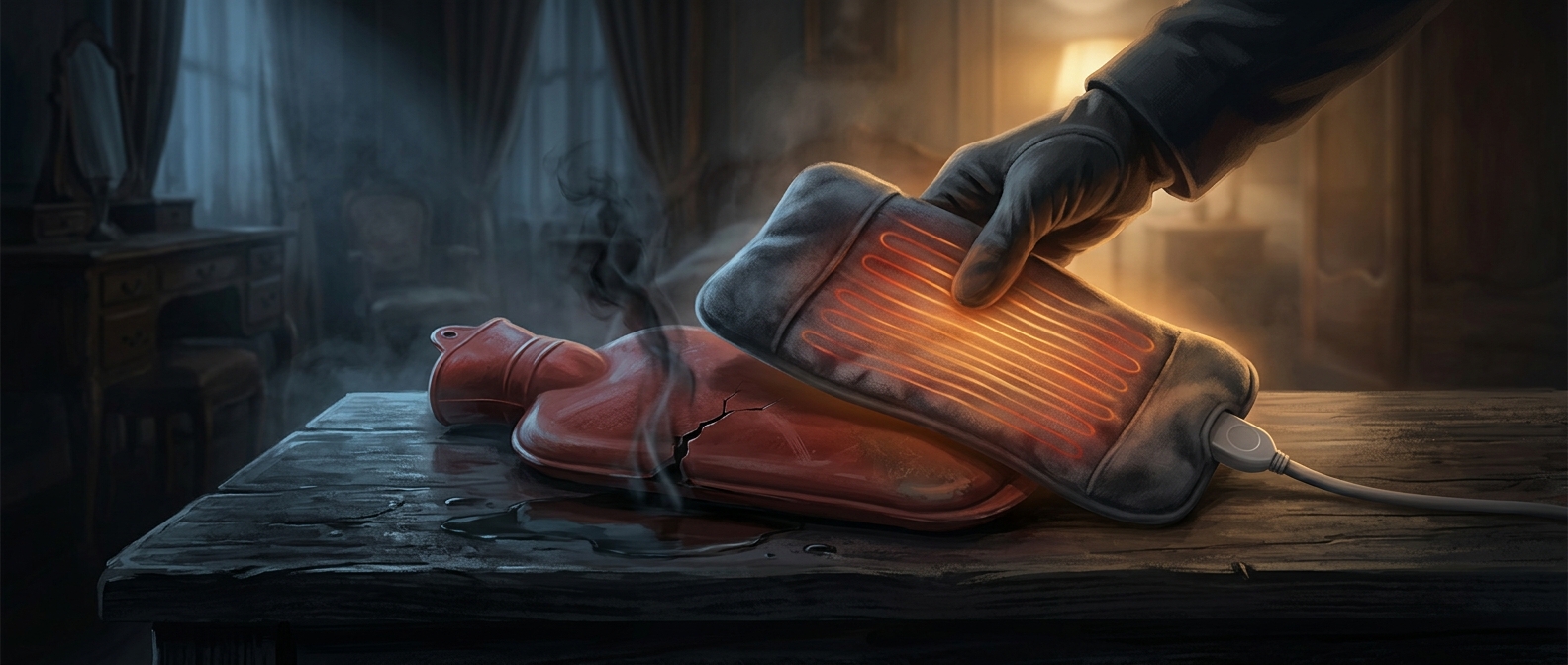
How heating pads replaced scalding hot-water bottles
Nothing screams 'comfort' quite like taking a rubber sack full of scalding, near-boiling liquid to bed. The invention of the wired heating pad was a massive…
Discover more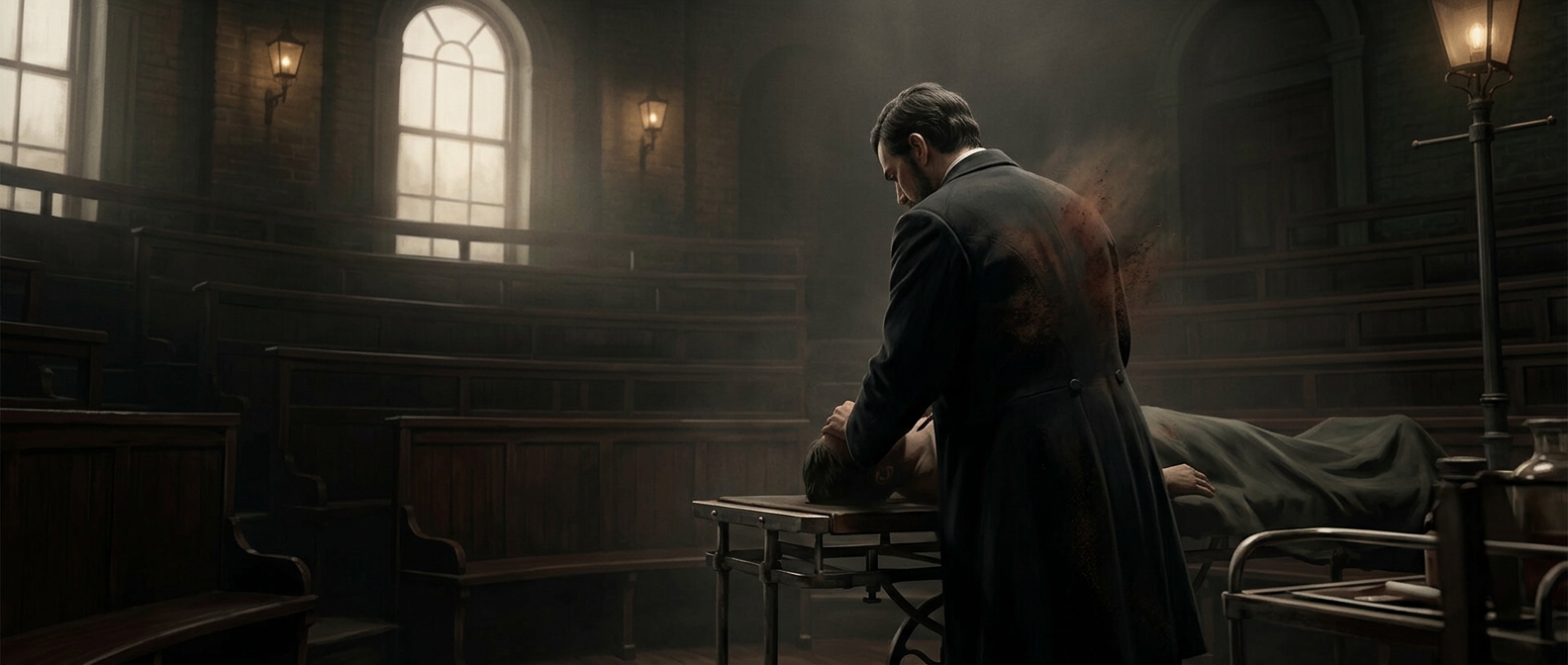
Surgeons once wore black coats to hide the stains
Hygiene used to be completely optional. Early surgeons proudly wore heavy black frock coats specifically because the dark fabric successfully hid all the…
Discover more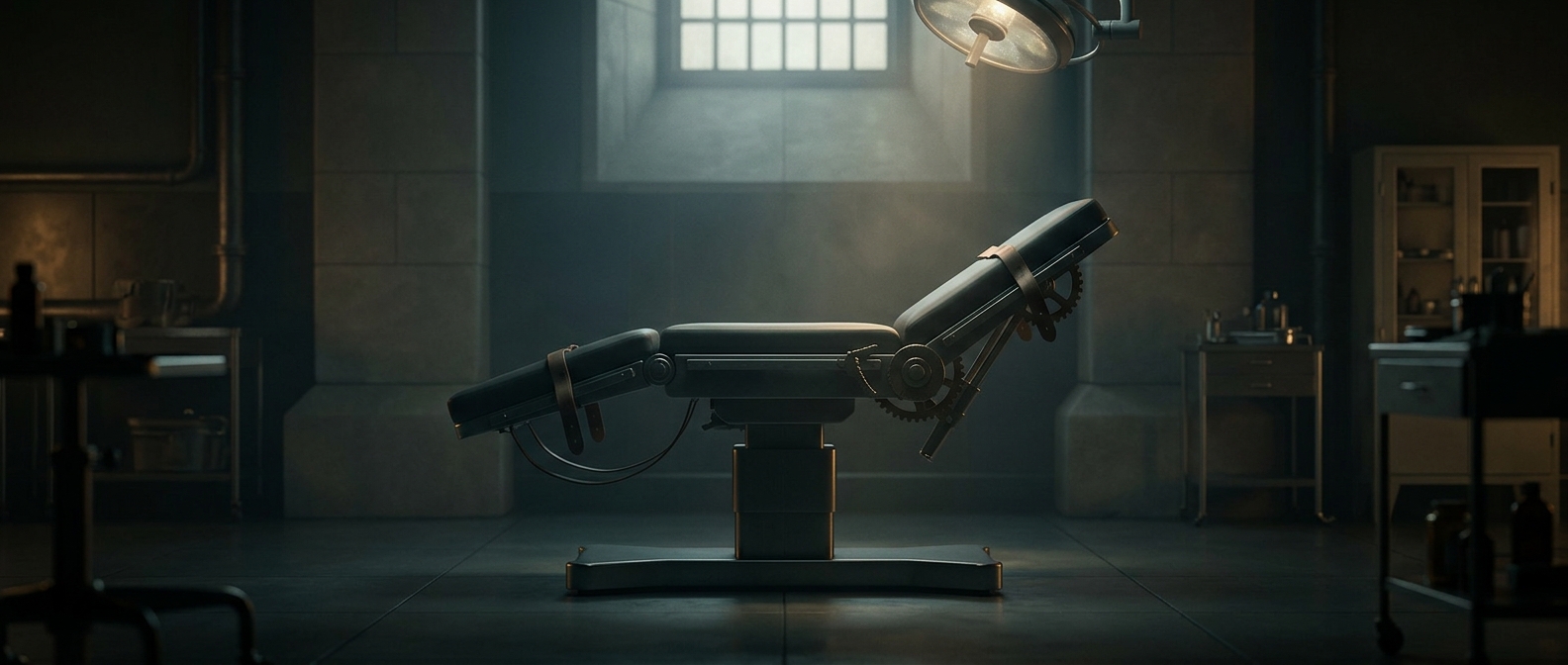
Why an examination table feels strangely intimidating
If you have ever felt incredibly uncomfortable lying on that crinkly paper, you are completely justified. The basic design of adjustable, flat, unyielding…
Discover more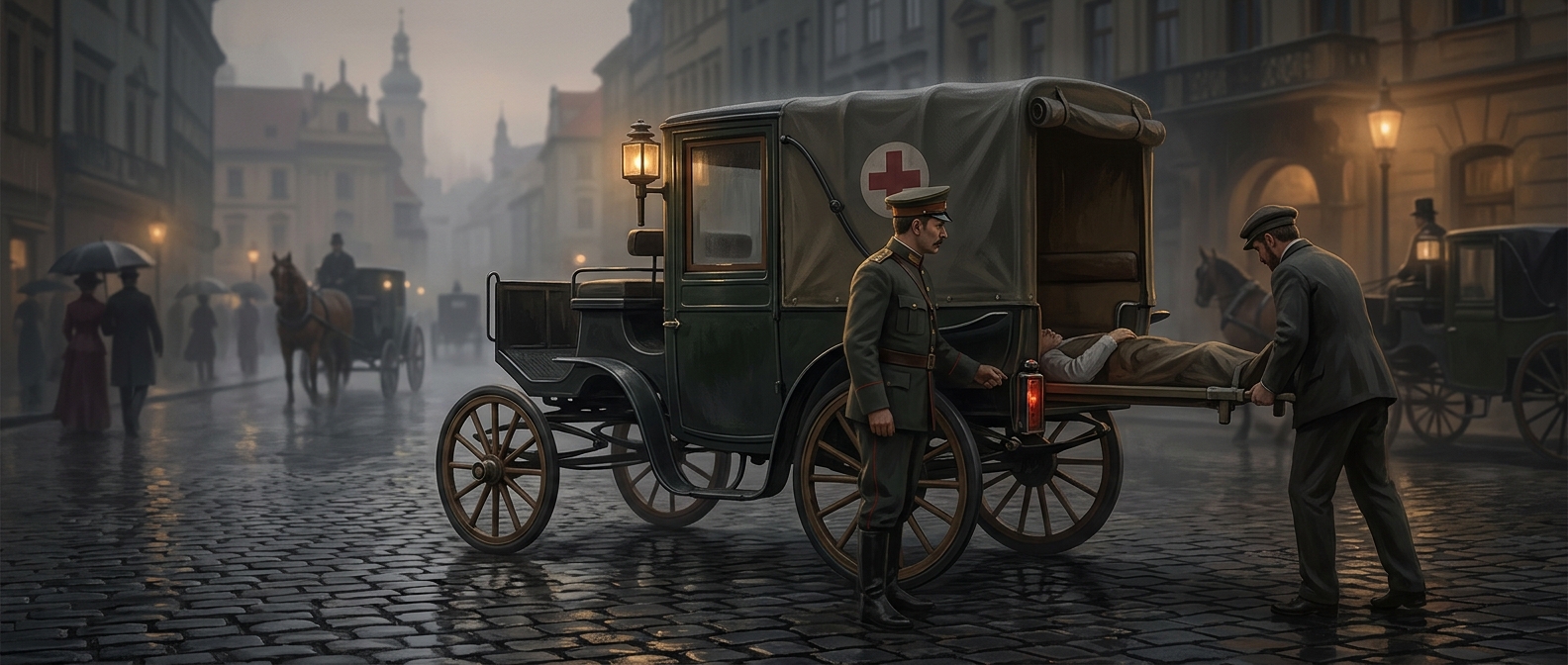
Motorized ambulances were first introduced in the late 1890s
Replacing exhausted horses with loud, wildly unpredictable combustion engines was considered a massive upgrade. The first motorized emergency transport…
Discover more
Why dumbbells have such a strange name
If you ever wondered why heavy iron weights have such a remarkably stupid name, blame resourceful bell ringers. Early practitioners would remove the clappers…
Discover more
Floating hospitals were heavily used during the Crimean War
When the battlefield is a logistical nightmare, just throw the entire facility on a boat. Massive converted transport ships were aggressively utilized to…
Discover more
How Florence Nightingale changed hospital design
It turns out that cramming patients into a dark, unventilated box is a terrible idea. Nightingale completely completely upended the medical establishment by…
Discover more
Why obsidian can beat surgical steel in sharpness
Long before high-grade surgical steel, ancient practitioners relied on literal volcanic glass. Obsidian can hold an edge significantly sharper than modern…
Discover more
Why doctors started wearing white coats
If you want people to trust you, just dress exactly like a chemist. The medical profession adopted crisp white lab coats in the late 1800s purely as a public…
Discover more
When barbers also performed surgery
Why visit a specialized clinic when the guy holding the shears is already right there? For centuries, local barbers were trusted to perform invasive…
Discover more
Before IV stands, doctors used coat hangers
Sometimes highly advanced medical infrastructure begins with blatant closet raiding. Before standardized metal stands were mass-produced, early practitioners…
Discover more
Why doctors once carried tuning forks
Before highly advanced imaging machines, diagnosing a problem often involved acting like an eccentric piano tuner. Practitioners would smack a metal fork and…
Discover more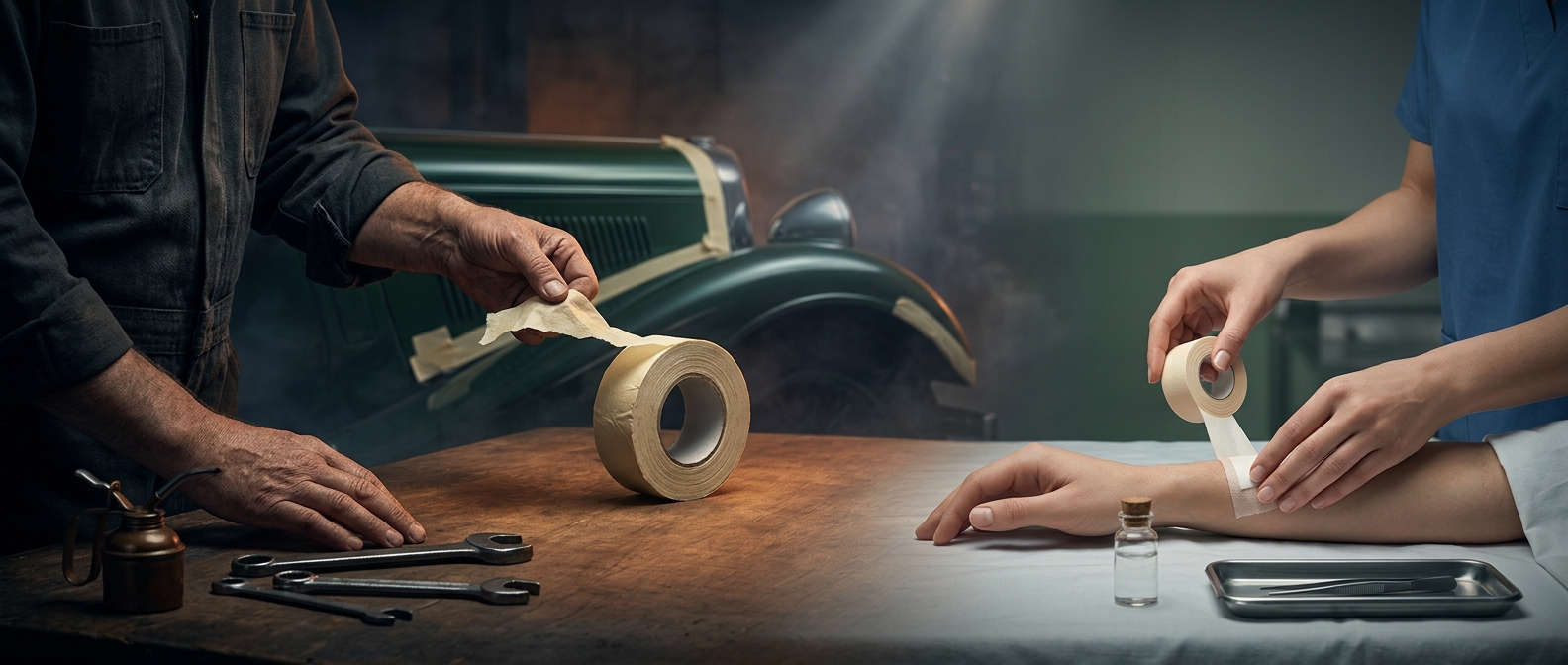
The surprising link between car paint and medical tape
The exact same technology used to paint a flawless racing stripe on a vintage car is what holds a gauze pad in place. The invention of mild,…
Discover more
When Victorian patients were prescribed basket weaving
The nineteenth-century elite believed that total idleness was inherently dangerous. Affluent patients seeking rural retreats were aggressively forced into…
Discover more