Health
Discover facts about health. Small discoveries that change the way you see familiar things.
Health
Lengthening muscles under tension guarantees maximum agony
Lowering a weight is not a rest phase: your muscles are still braking the load as they lengthen. That eccentric work can leave tiny muscle damage associated…
Discover more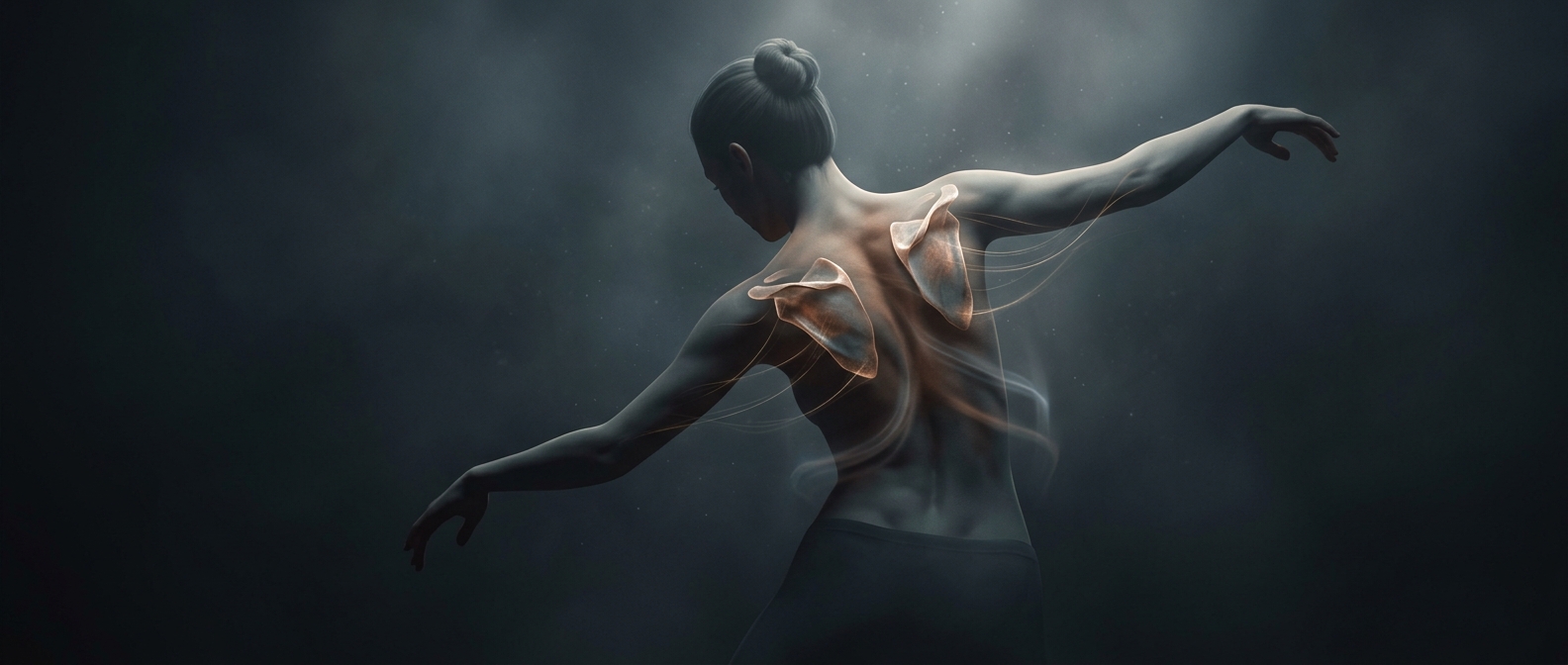
Your shoulder blade slides over your ribs instead of hinging to them
Muscles guide the shoulder blade across the rib cage as you reach overhead or forward. That sliding surface is not a true bone-to-bone joint, although the…
Discover more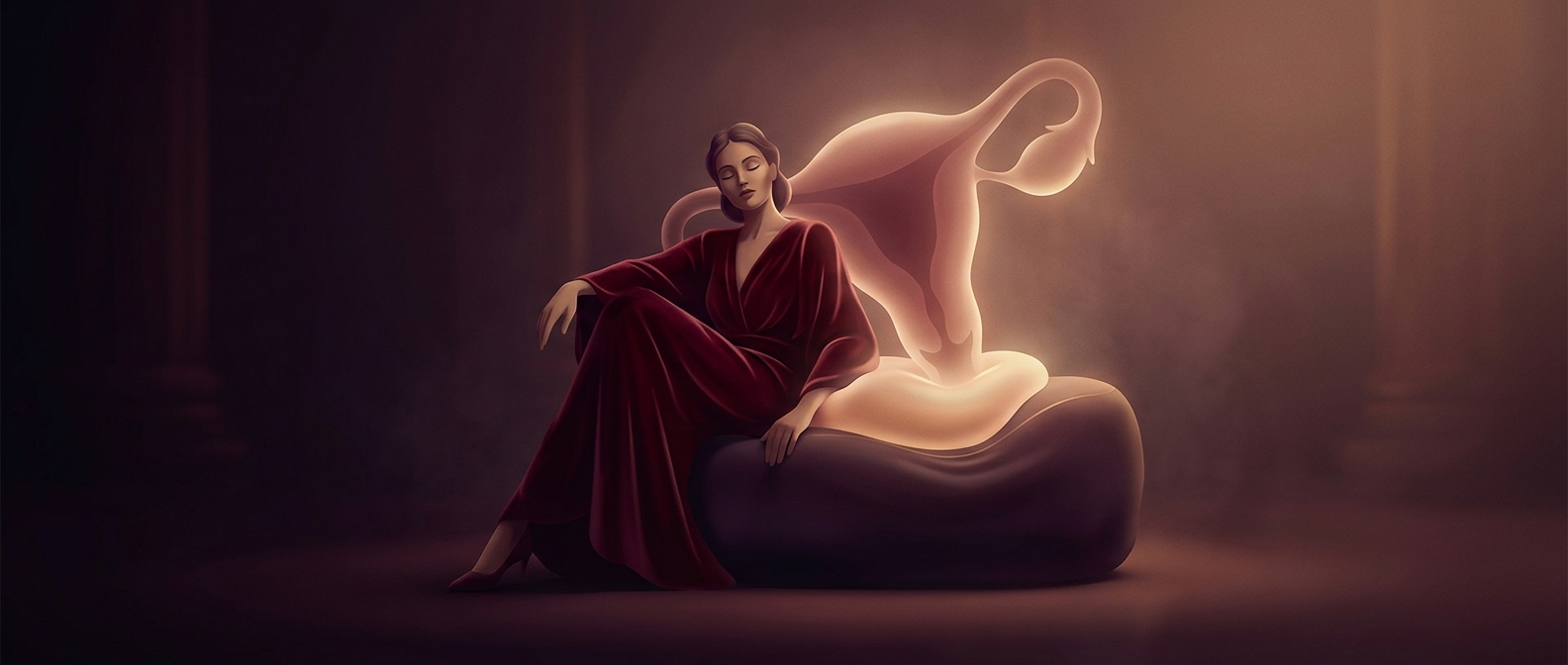
Why pregnancy makes you need the bathroom constantly
As the uterus expands, it presses against the nearby bladder and leaves less space for urine to collect. The bladder reaches its “full” signal sooner, so…
Discover more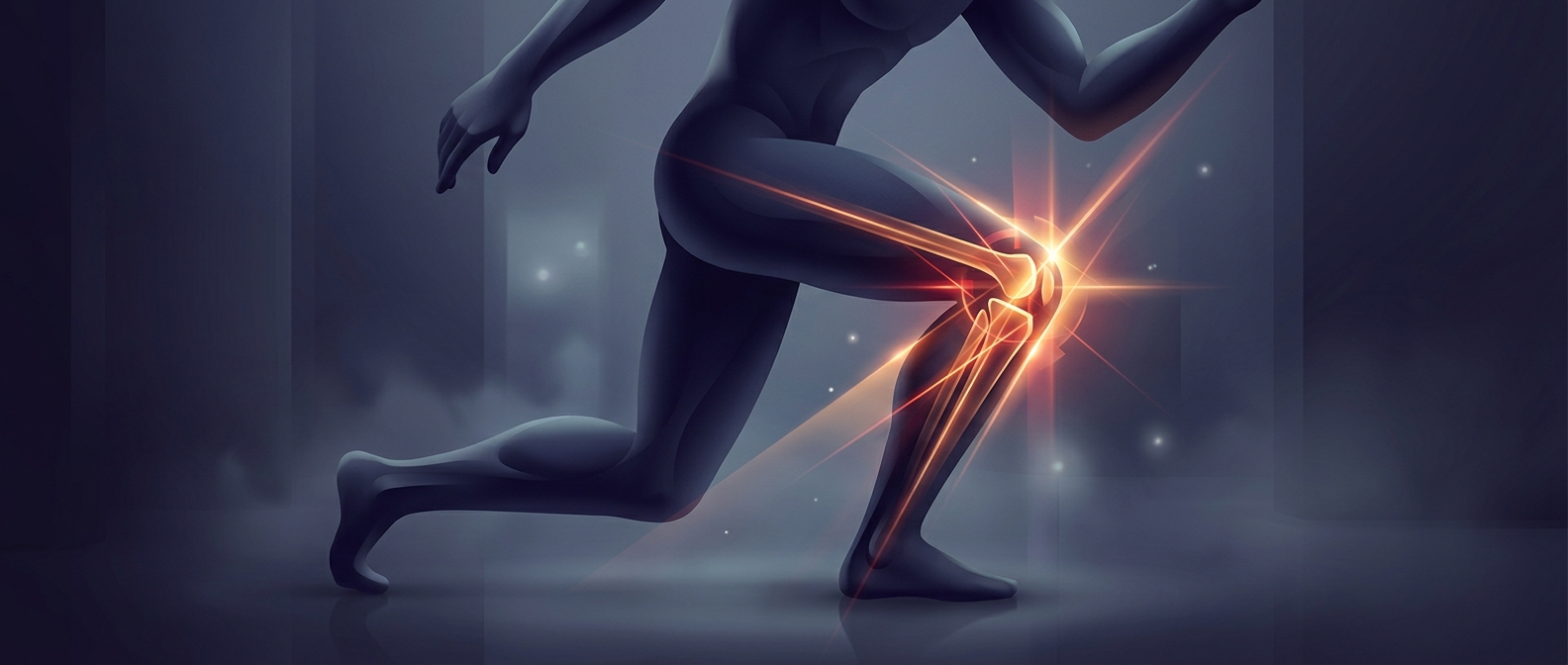
A bicep curl is just reducing a joint angle
During a bicep curl, the forearm swings toward the upper arm, reducing the angle between the two bones at the elbow. That joint-bending movement is called…
Discover more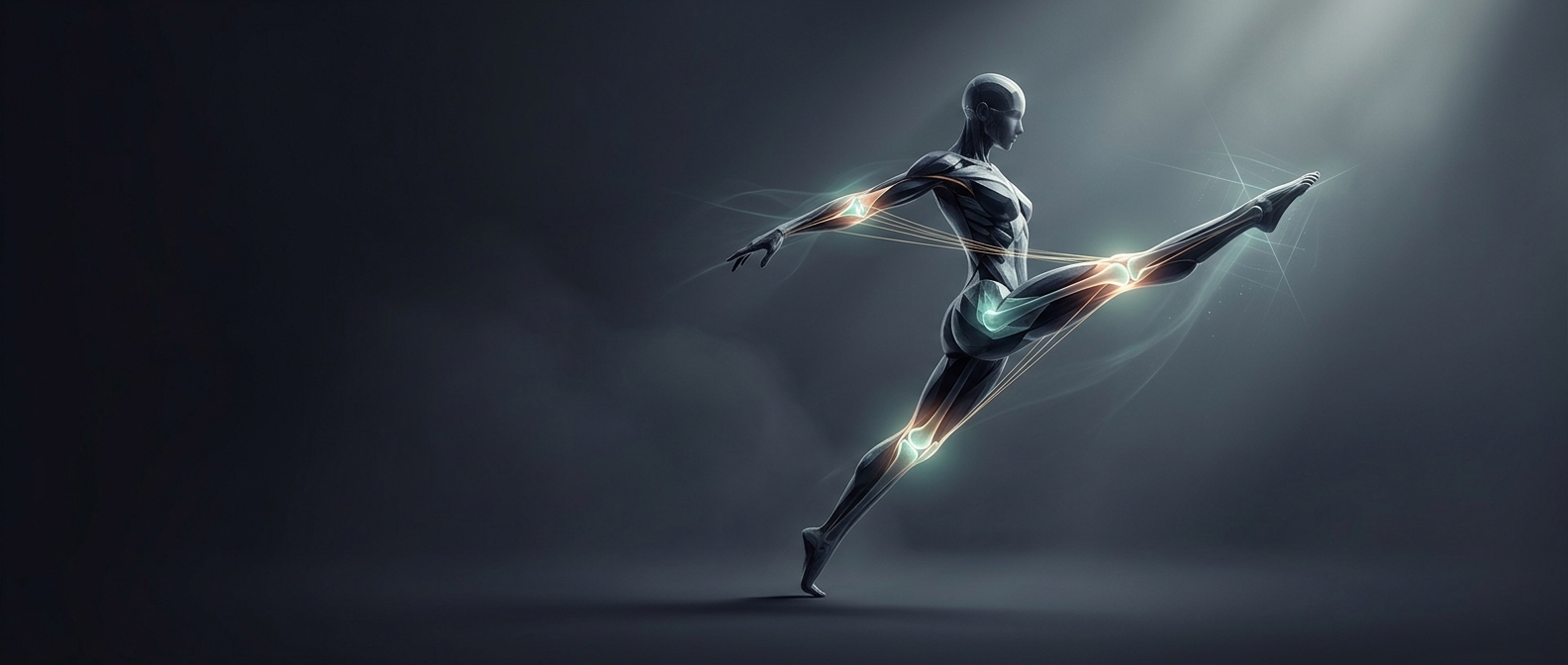
Straightening joints aggressively maximizes anatomical angles
When you straighten an elbow or knee, you extend the joint: the angle between the bones opens until the limb is straight. The name describes the direction of…
Discover more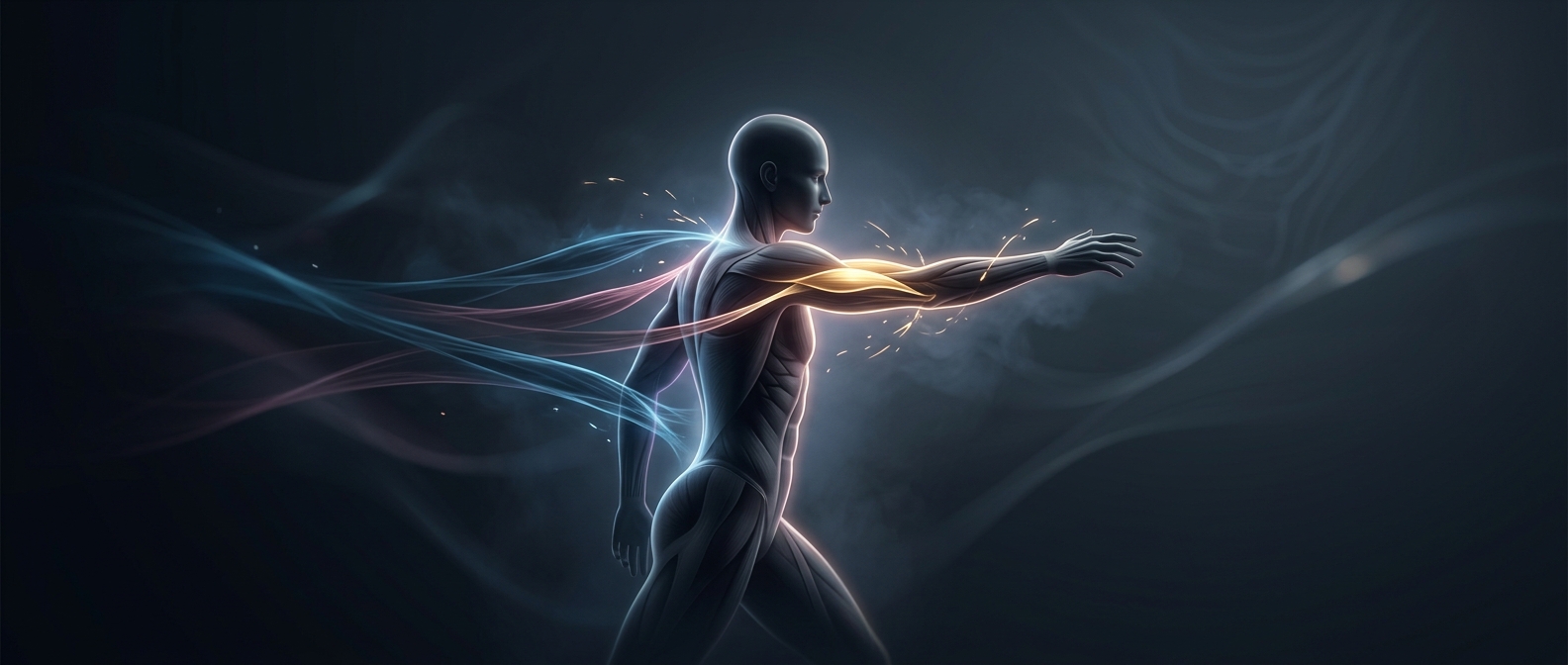
The muscles that stop you from moving too far
When one muscle pulls a joint, the muscle on the other side lengthens under control. It acts like a brake, helping the movement stop smoothly instead of…
Discover more STACKY FOR IPHONE
A bigger world.
One discovery
at a time.
Keep discovering with Stacky. Interesting facts in an app that is always within reach.
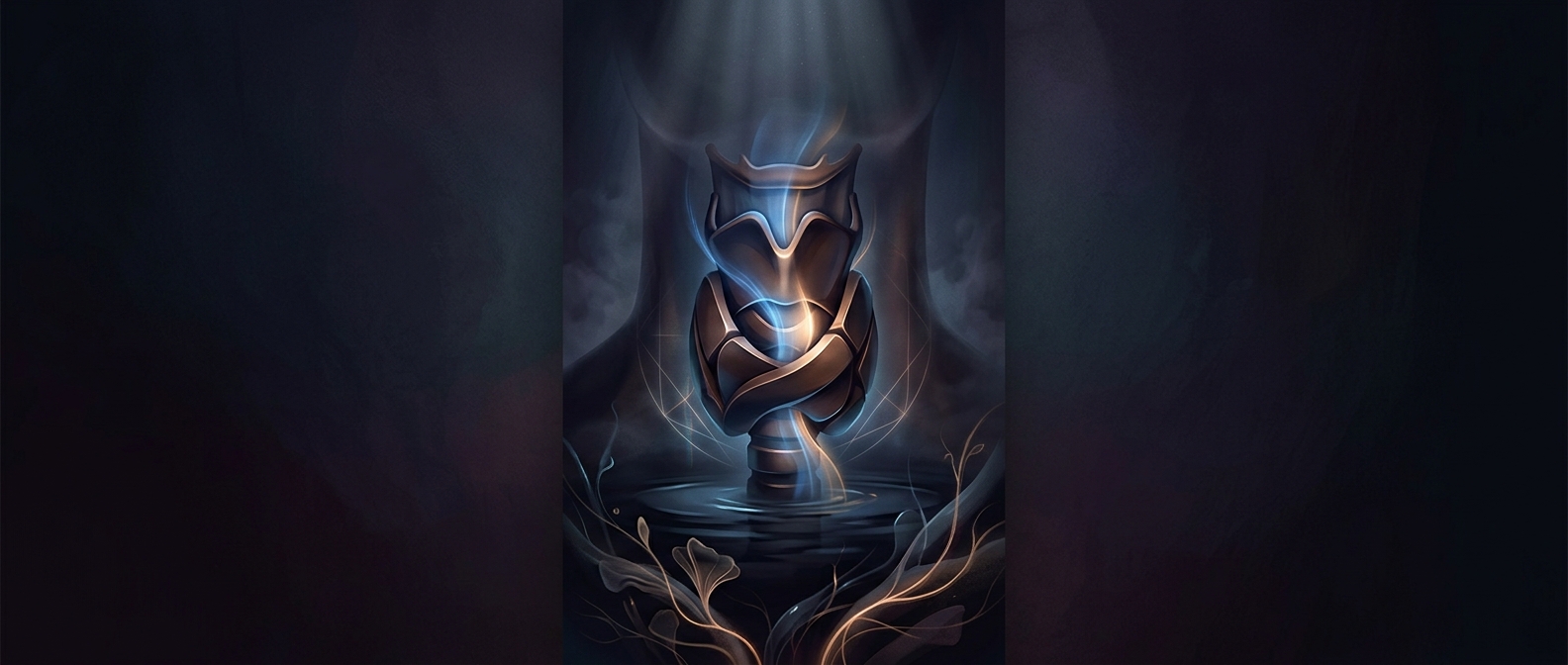
Larynx cartilage creates that weird protruding neck bump
The bump is the front edge of the thyroid cartilage, a firm shield around the voice box and vocal cords. During puberty, hormones often make this cartilage…
Discover more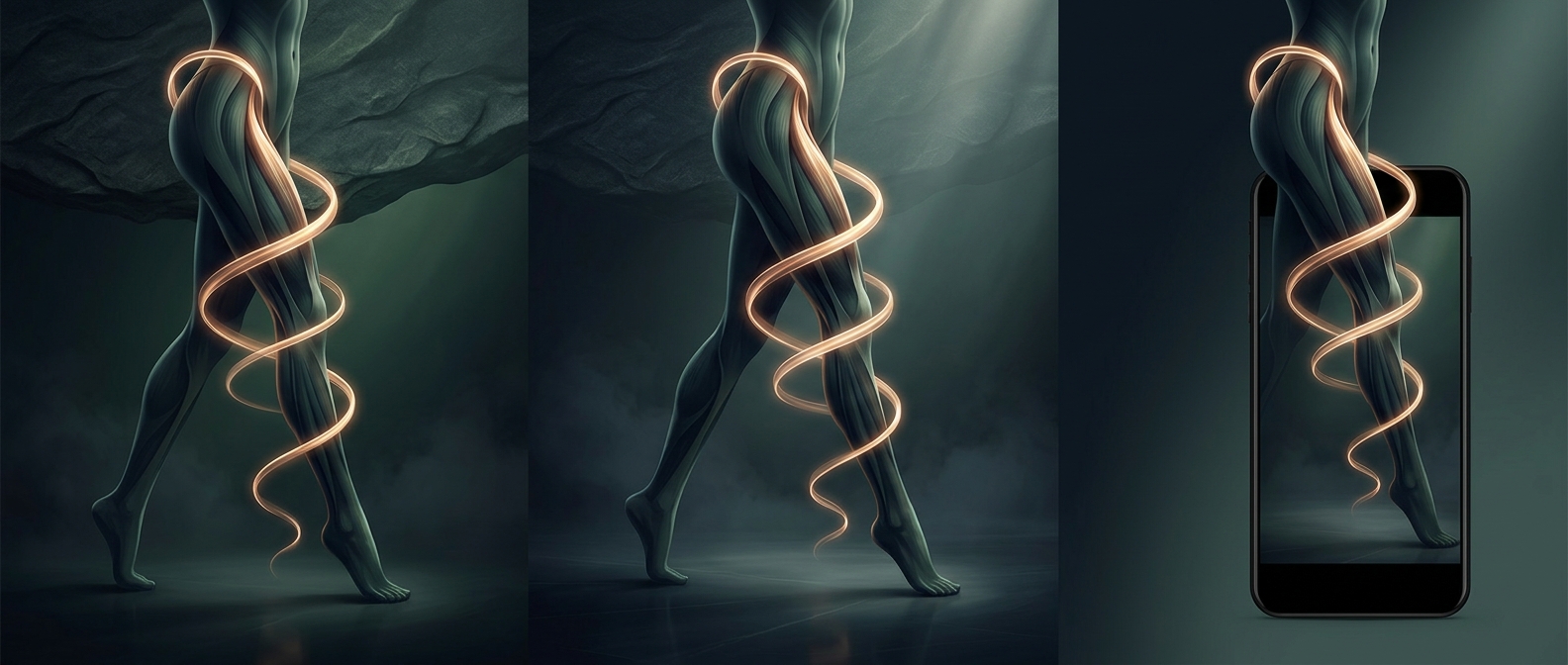
Longest human muscle spirals down your entire leg
The longest muscle in the body is a long diagonal strap, not a giant slab: the sartorius runs from the outer hip to the inner knee. Because it crosses the hip…
Discover more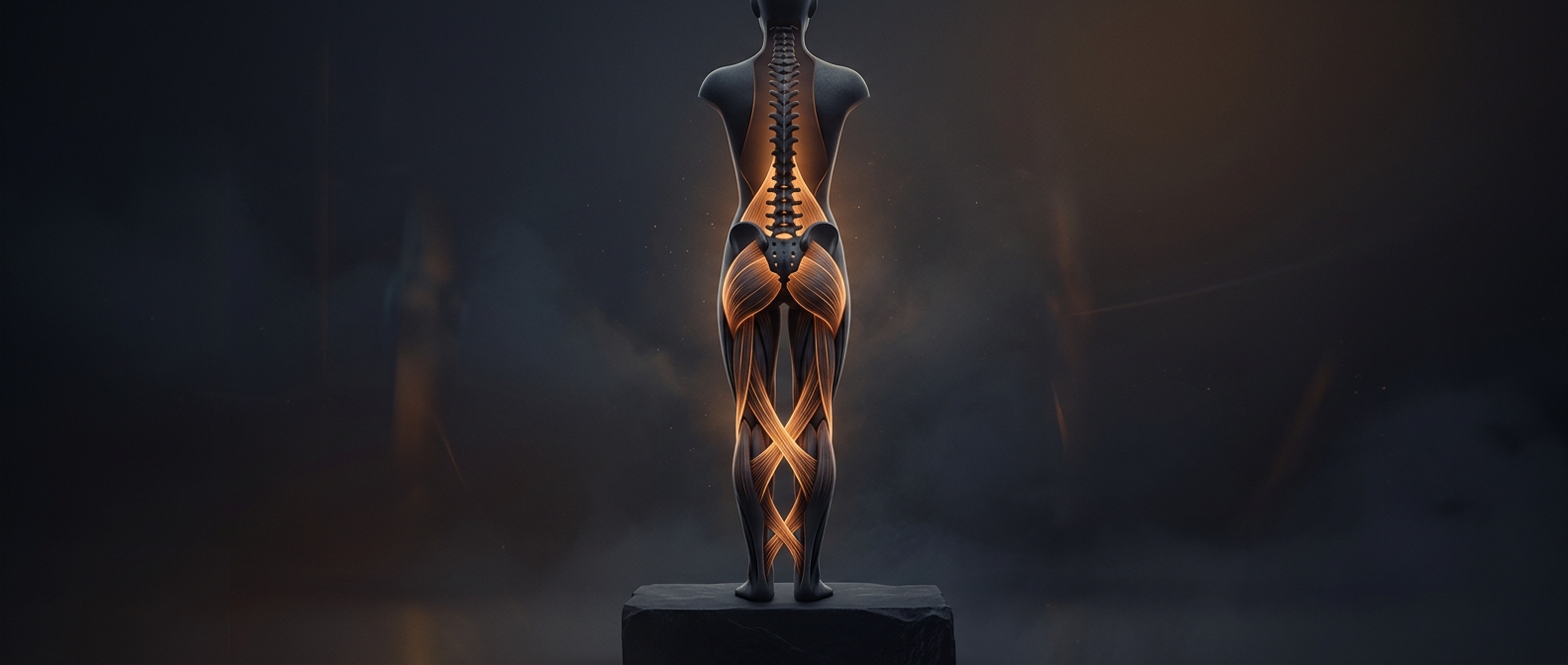
The muscle that links your spine to your thigh
The psoas muscle runs from the lower spine to the thighbone. When it contracts, it pulls the thigh toward the torso, helping lift your knee—one reason it…
Discover more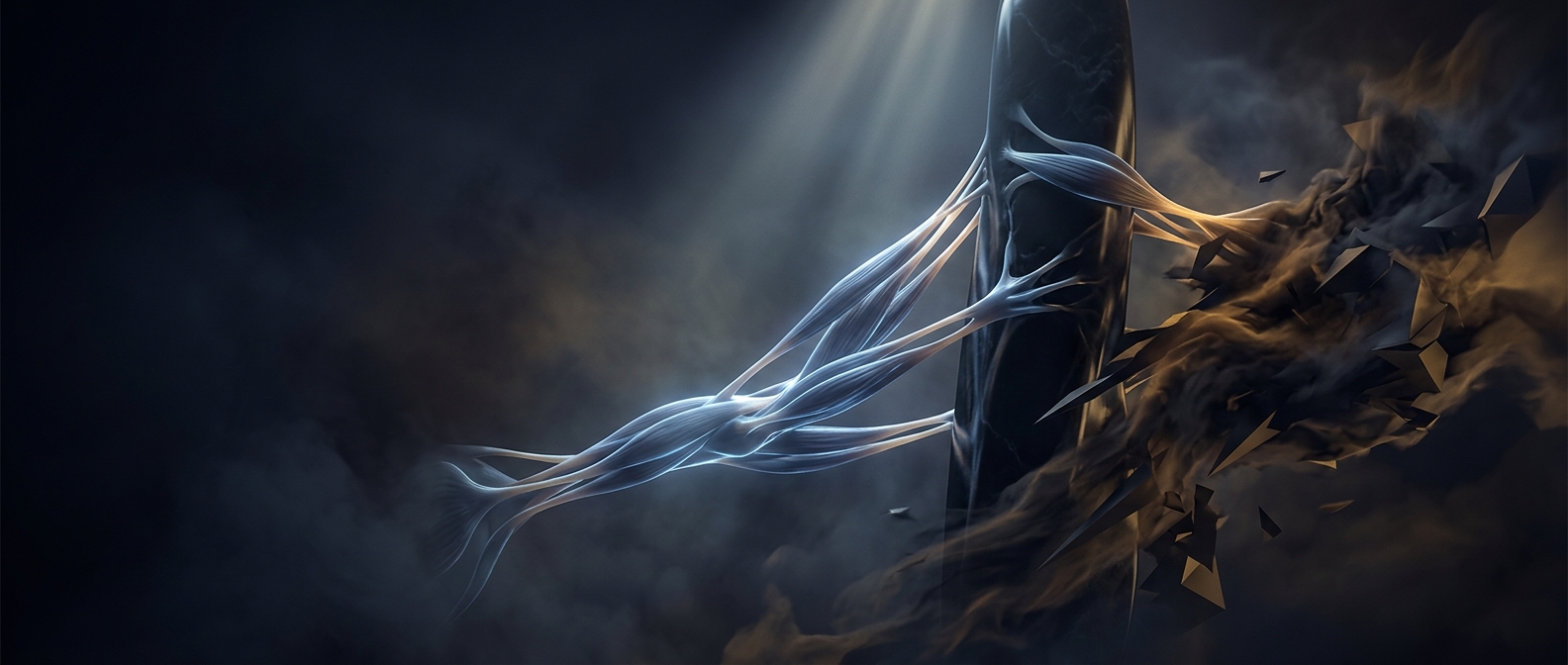
Fixator muscles desperately brace against aggressive moves
During a punch, some muscles hold the shoulder blade and upper arm steady while others drive the arm forward. That bracing gives the moving muscles a stable…
Discover more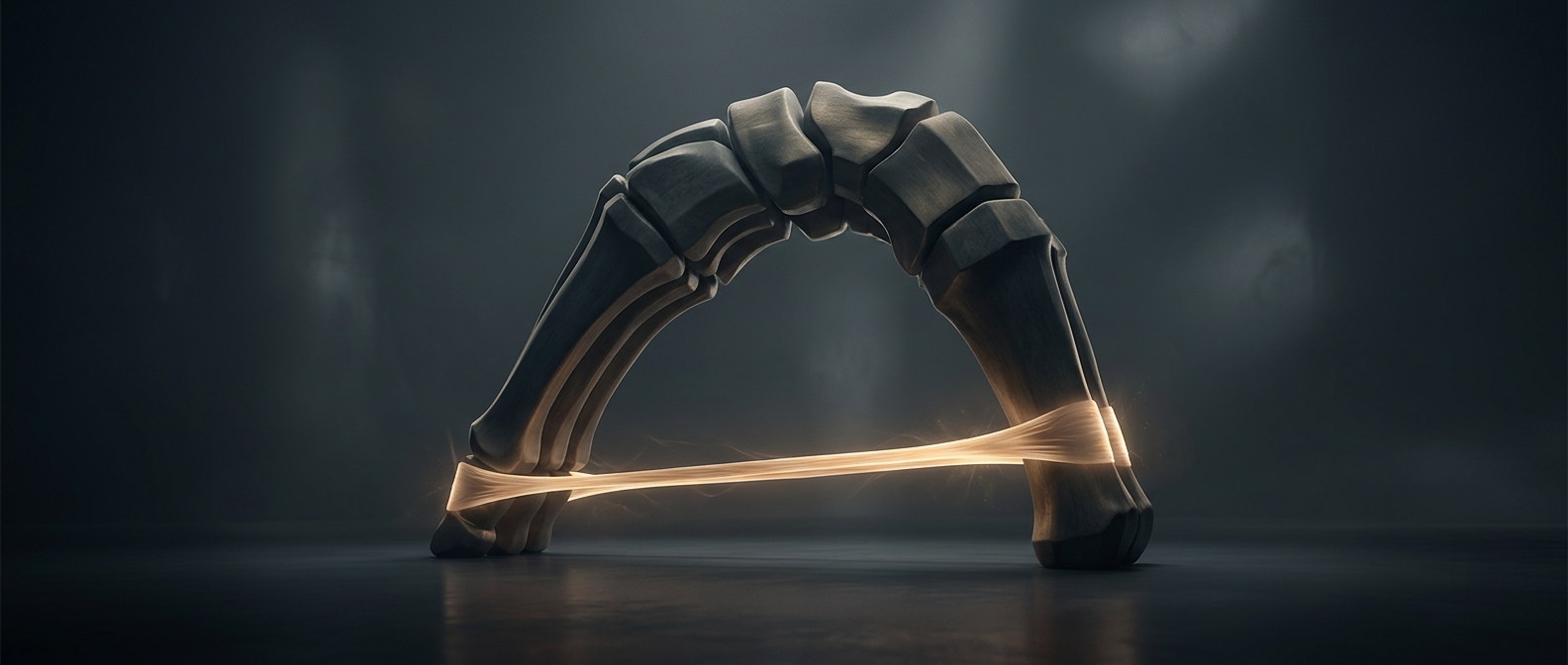
Foot arches rely entirely on one stubborn tissue band
A thick band called the plantar fascia runs from heel to toes beneath the foot. When you stand, it tightens like a bowstring and helps resist the arch…
Discover more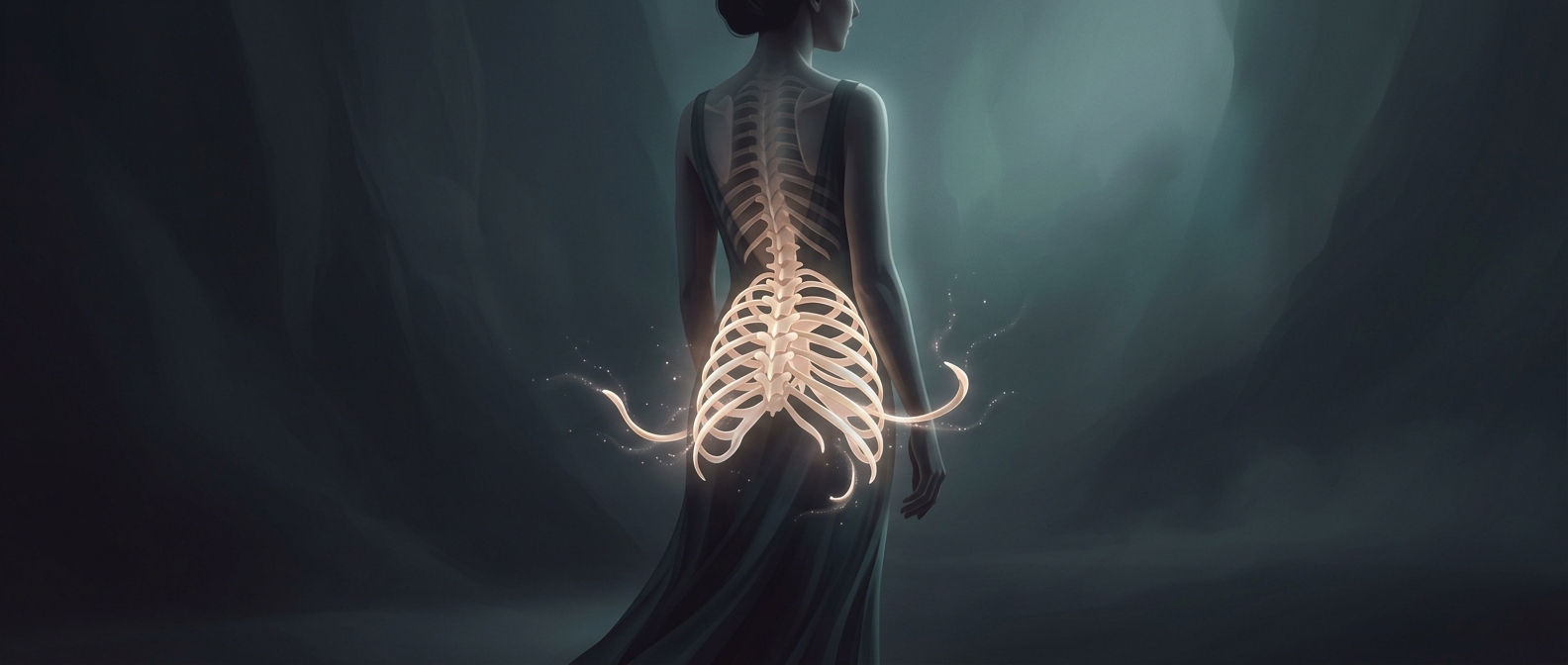
Your lowest ribs don't reach your breastbone
The lowest ribs still curve around from the spine, but their front ends stop short of the breastbone. That leaves them without the solid front connection the…
Discover more
Neck joints casually let your head swivel like an owl
The atlas—the vertebra that supports your head—pivots around a peg-like part of the axis below it. That bony turning point lets your head rotate left and…
Discover more
Even a relaxed muscle has some spring in it
Muscle tissue resists being stretched even without an active contraction. That passive tension works alongside tendons and other connective tissue to help…
Discover more
Achilles tendon acts as your personal fleshy rubber band
Each step loads the Achilles tendon as the calf muscles pull on it. The tendon stores some of that mechanical energy and gives it back during push-off, so the…
Discover more
The muscle that steals the credit in every move
As you curl a dumbbell, your biceps shorten to bend the elbow while supporting muscles keep the arm controlled. The biceps get the title of agonist because…
Discover more
Biceps are basically shaped like strange fleshy spindles
The biceps is thickest in the middle and narrows toward each end, like a spindle. When its fibers shorten, tendons carry that pull to the bones and help bend…
Discover more
How explosive exercises make muscles fire harder
When a muscle is stretched quickly, sensors in it alert the spinal cord, which sends a signal back to tighten the same muscle. If you contract right away,…
Discover more
Why standing on tiptoes stiffens your leg
When you rise onto your toes, your calf muscles pull on your heel through the Achilles tendon, pointing the foot downward. That contraction tightens the lower…
Discover more
Why muscle knots refuse to relax
A muscle knot is often a small, irritable patch of muscle that stays tense and sensitive. Pressing it can activate pain signals that the brain feels somewhere…
Discover more
Why pregnancy can separate your abdominal muscles
As the uterus grows, it stretches the connective tissue running down the center of the abdomen. That tissue can widen and separate the two sides of the…
Discover more
Ankle bones bravely shoulder the entirety of your mass
The talus does a quiet but crucial job: it sits between the tibia and foot and transfers weight from one to the other. The shin’s downward pressure helps keep…
Discover more
Your sinuses are more than congestion traps
The sinuses are air-filled spaces in the skull that reduce its weight and help shape the sound of your voice. They connect with the nasal passages, so…
Discover more
Your biceps do more than bend your elbow
When you rotate your forearm so your palm faces up, the biceps helps twist the forearm bones into position. It is an elbow bender and a palm-turner—which is…
Discover more