Health
Discover facts about health. Small discoveries that change the way you see familiar things.
Health

Natural tooth color is not a strength test
Enamel is partly translucent, so the yellowish dentin beneath it contributes to the color you see. A naturally warmer shade does not automatically mean a…
Discover more
Your tongue has a built-in tether
Lift your tongue and the small fold underneath becomes visible: the lingual frenulum joins it to the floor of your mouth. Its length and attachment vary…
Discover more
Tooth enamel consists of mostly inorganic minerals
Enamel is about 96% mineral, mostly crystals made from calcium phosphate. Unlike the living tissue beneath it, enamel has no cells to rebuild it, so a chip…
Discover more
Roofs of mouths feature unique ridges called rugae
The hard palate has ridges called rugae that give the tongue something to grip as it moves food during chewing. They also create the tiny roof-of-the-mouth…
Discover more
Why baby teeth are sharper than adult teeth
Baby teeth have sharp, jagged edges that help toddlers bite and tear food. That can be useful while their jaw muscles are still developing: the teeth do some…
Discover more
You could recognize your native language before birth
A newborn may recognize a language’s rhythm because those sound patterns were already audible before birth. The baby is not understanding sentences; it is…
Discover more STACKY FOR IPHONE
A bigger world.
One discovery
at a time.
Keep discovering with Stacky. Interesting facts in an app that is always within reach.

A healing facial nerve can make someone cry while eating
In crocodile tears syndrome, nerve fibers recovering after injury can activate the tear gland during eating. Signals associated with salivation end up taking…
Discover more
Your brain can react to imagined events as if real
Your brain can run some of the same body responses to an imagined scene as to a real one. Picture biting a sour lemon and your mouth may water; replay a tense…
Discover more
How your bite changes the sound of your voice
Your voice starts in the larynx, but your mouth helps shape the sound. The way your jaws meet changes the size and shape of the space sound travels through,…
Discover more
That creaky voice has a surprisingly low register
When your pitch drops very low, the vocal folds loosen and vibrate in short, irregular pulses instead of making a steady tone. That produces vocal fry’s…
Discover more
The hidden foot feature that helps you cross uneven ground
Your midfoot is not a single rigid piece. Flat surfaces between its bones allow a little gliding, helping the foot settle onto uneven terrain and keep contact…
Discover more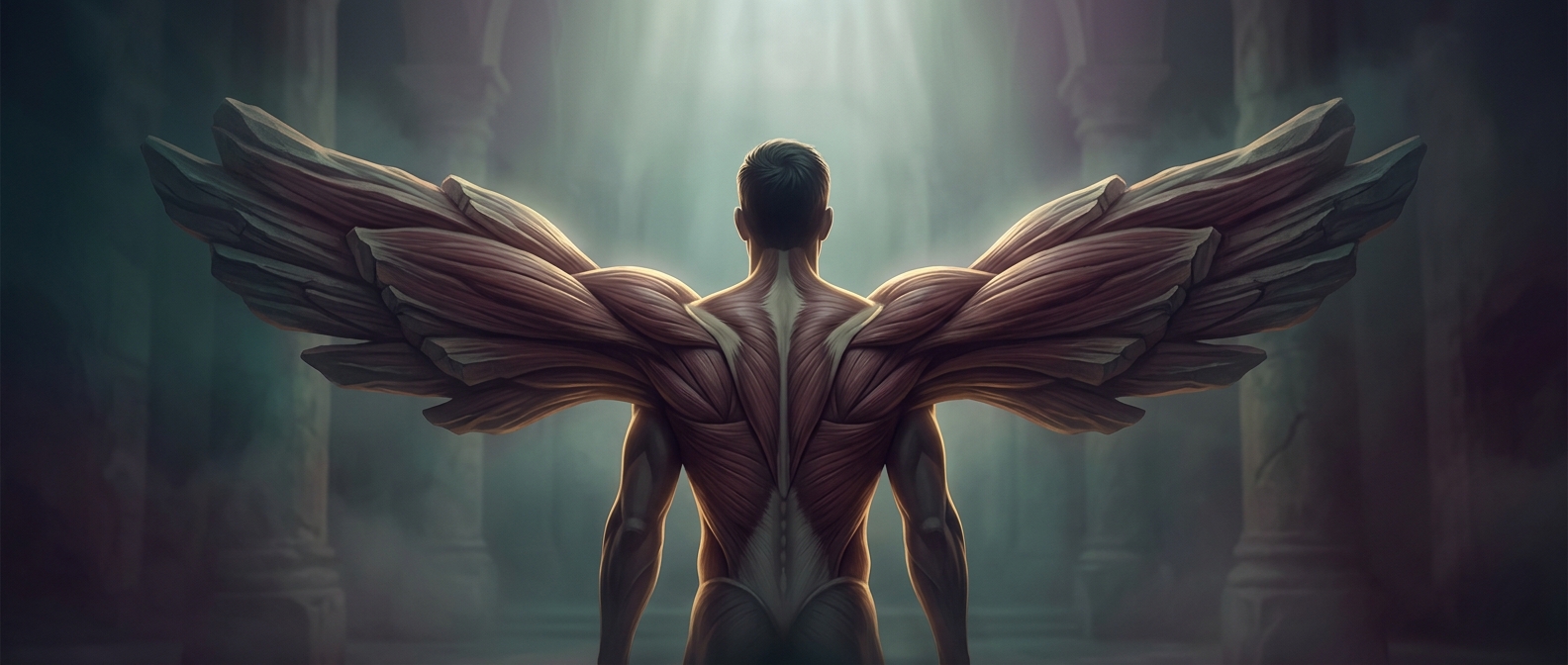
Back muscles fan out wider than any other tissue
The latissimus dorsi spreads across much of your lower and middle back, then helps pull your upper arm down and back. When you draw something toward your…
Discover more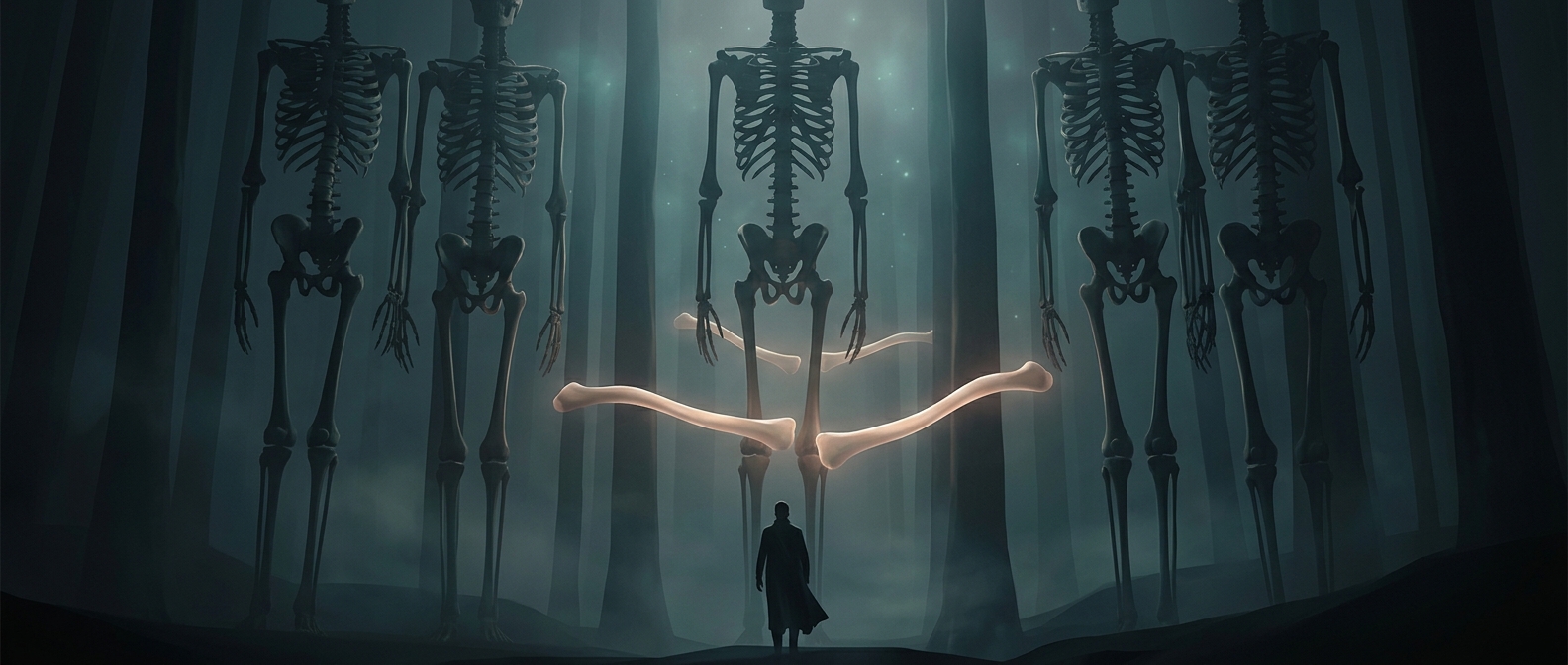
The bone in your body that runs sideways
Your clavicle runs sideways because it has a job as a strut. It links the breastbone to the shoulder blade and holds the shoulder out, giving the arm a wider…
Discover more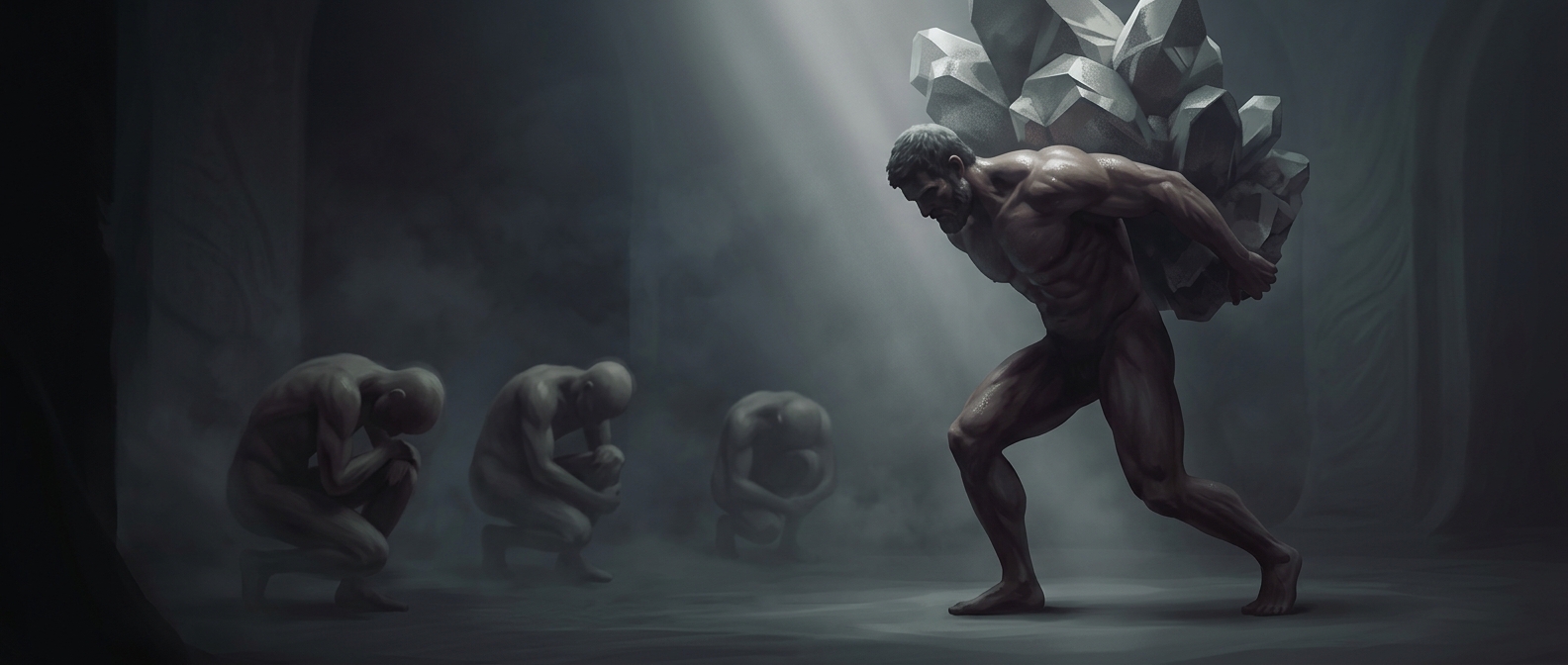
The muscles doing the work nobody notices
Every deliberate movement needs more than the muscle doing the headline work. Synergists help the prime mover add force or hold the body steady, which is why…
Discover more
Spine stacks thirty three precarious vertebrae
The spine is not one rigid rod: 33 vertebrae are arranged in five regions, with flexible joints and cushioning discs between many of them. That arrangement…
Discover more
Your triceps gets its name from three separate heads
The muscle at the back of the upper arm has three parts that converge toward the elbow. Together they straighten the arm, making pushing movements possible.…
Discover more
Swinging arms in circles uses every single joint motion
A circular arm swing traces a cone because the shoulder moves through several directions in sequence. The combined path includes bending forward, moving out…
Discover more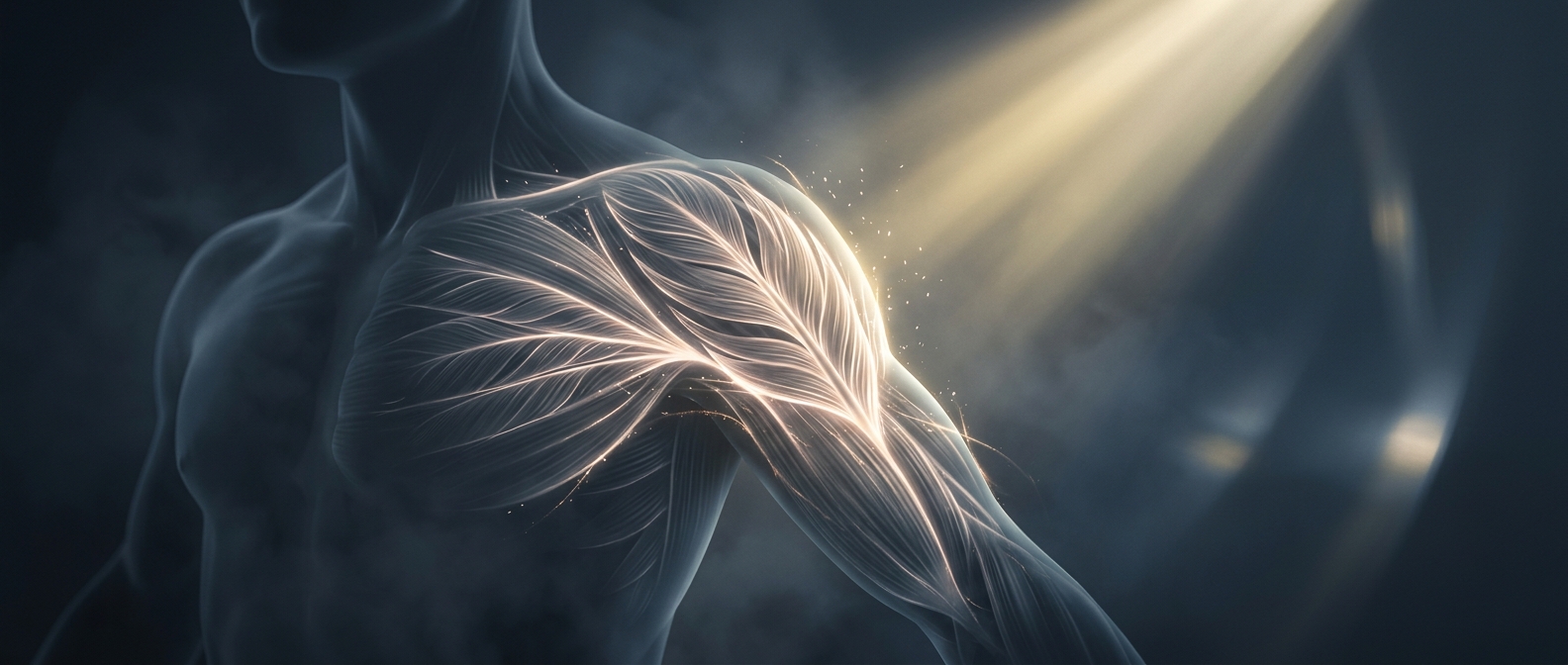
Feather shaped muscles pack maximum mechanical tension
The fibers in a feather-shaped muscle meet its tendon at an angle, like many short strands packed beside one another. More fibers can fit into the same space,…
Discover more
How to build force without moving
A muscle does not need to shorten to produce force. During an isometric contraction, it pushes against resistance while the joint holds its position. That is…
Discover more
Why your hip is harder to dislocate than your shoulder
The hip’s ball sits deep inside a bony socket, which holds it firmly in place. That makes the joint harder to dislocate than the shoulder, but the snug fit…
Discover more
Heel bones endure massive impact with every single step
When your heel hits the ground, the calcaneus—the foot’s largest bone—takes part of the landing force. It also anchors the Achilles tendon, which pulls on the…
Discover more
Why your calf suddenly locks up in agony
A cramp is a muscle contraction that keeps going without your permission. The fibers tighten and stay tight instead of relaxing between movements, which is…
Discover more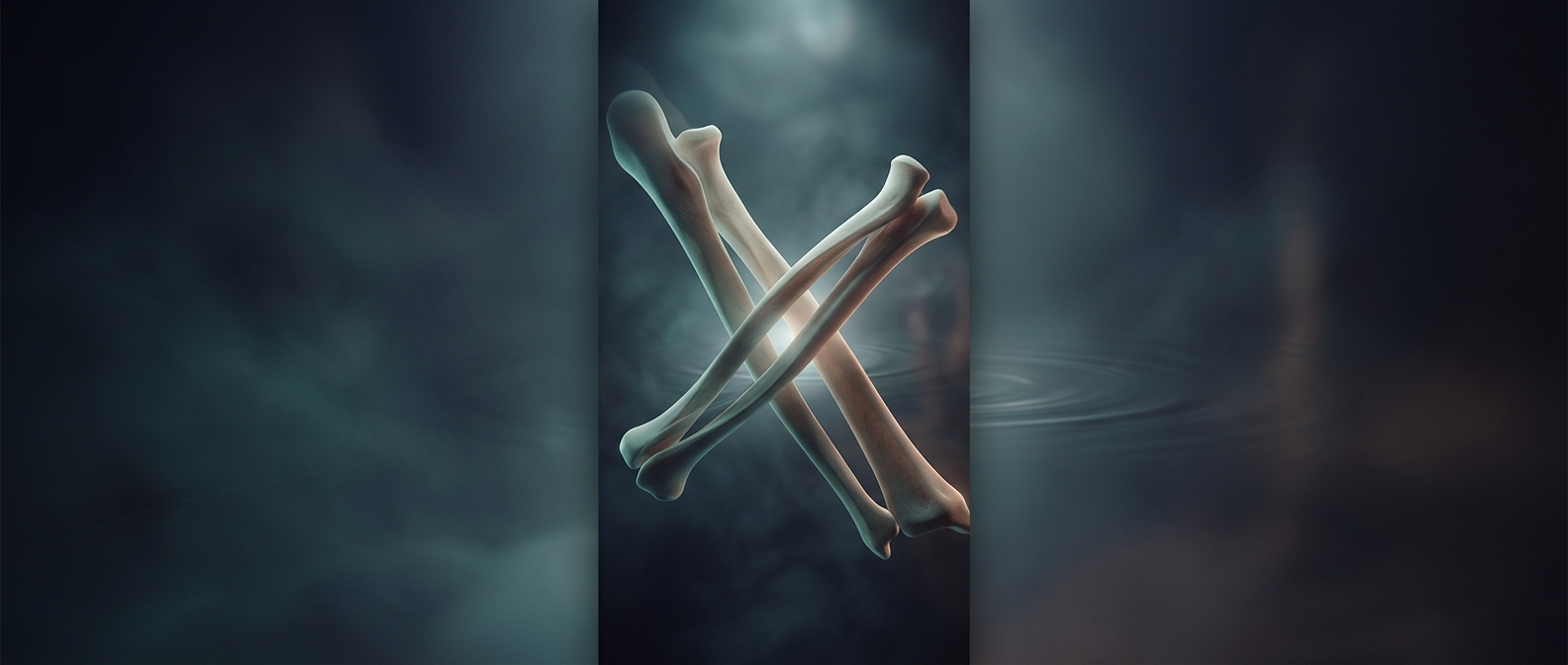
Your forearm bones cross every time you turn your palm down
When you turn your palm down, the radius rotates over the ulna. The bones cross into an X, letting your hand turn without your whole arm having to twist as…
Discover more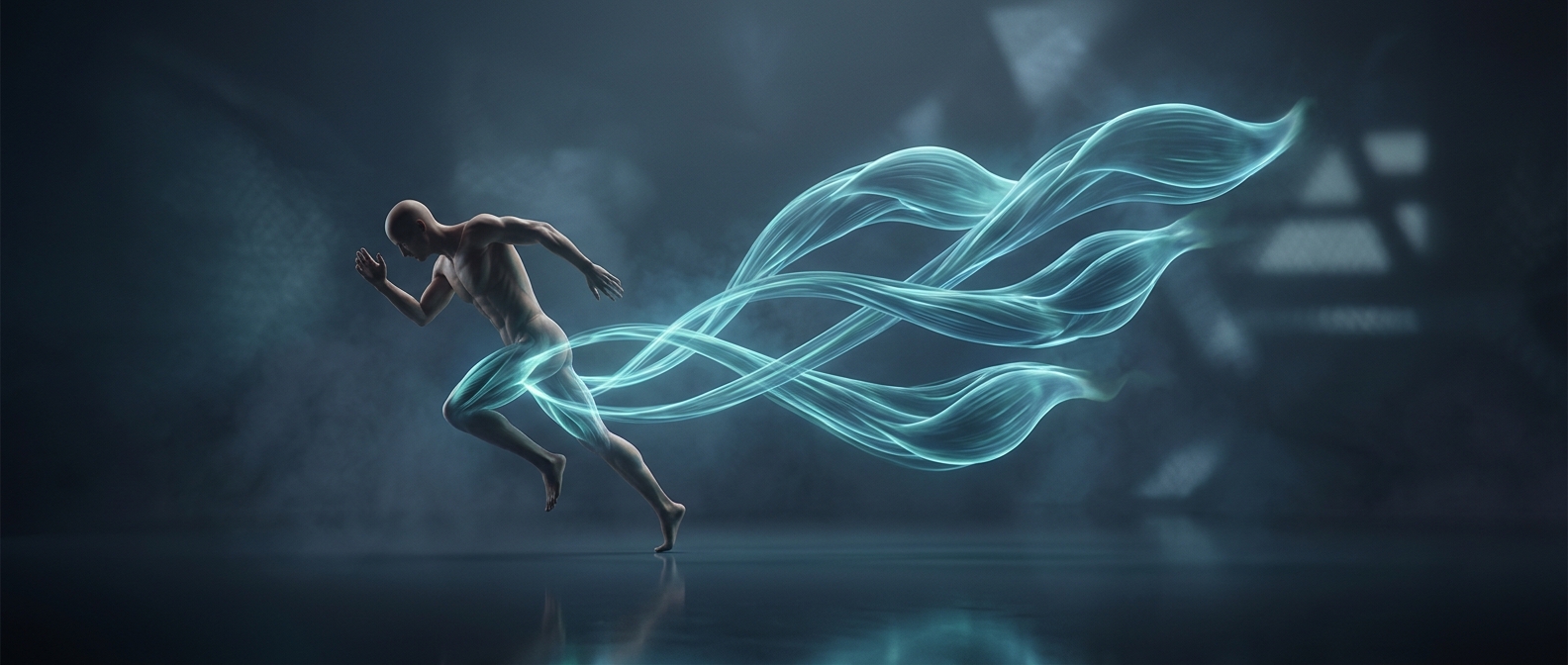
Thigh muscles deliberately split into four massive heads
Four muscles make up the quadriceps—the rectus femoris and three vastus muscles. Their force gathers into a shared tendon that helps straighten the knee,…
Discover more