Health
Discover facts about health. Small discoveries that change the way you see familiar things.
Health
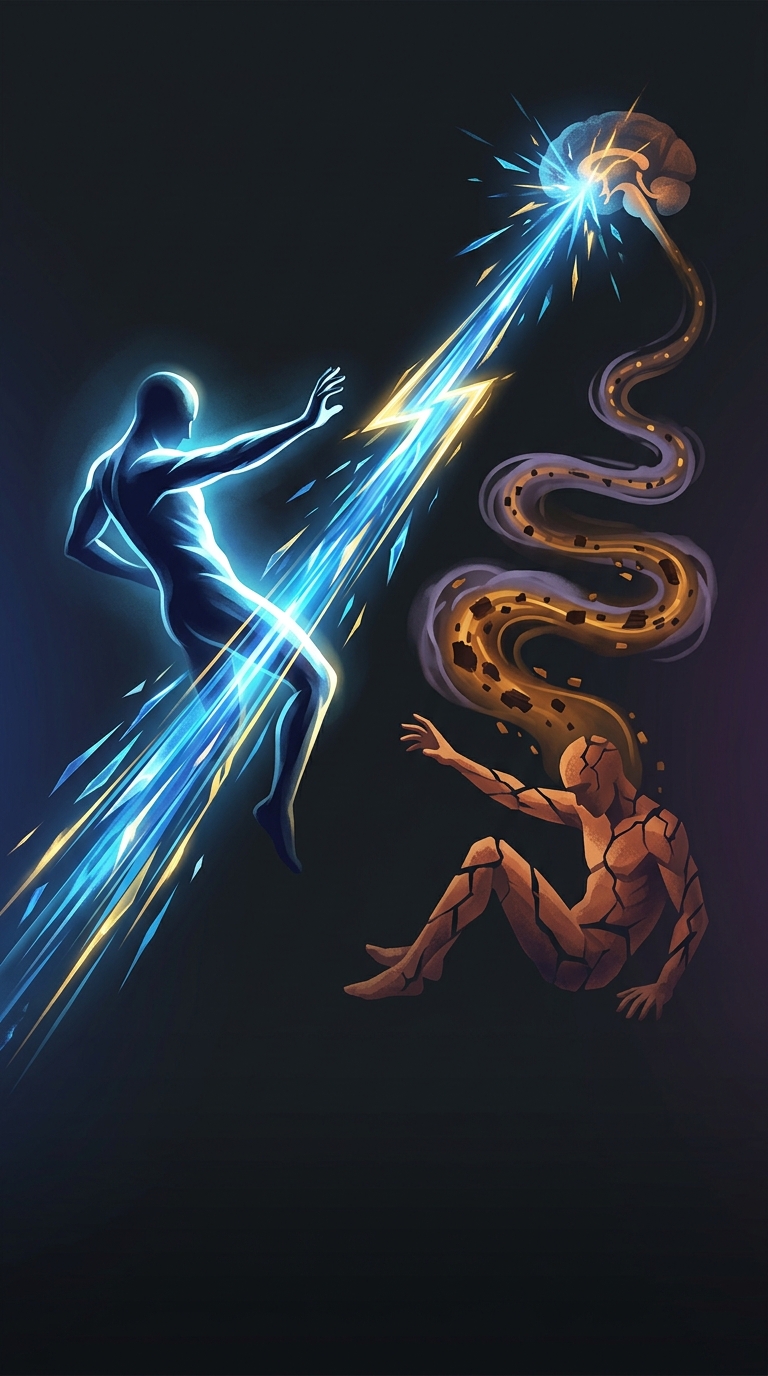
Nerve impulses can travel to and from your brain at speeds of up to two hundred and fifty miles per hour, depending on the type of nerve fiber.
Nerve impulses can travel to and from your brain at speeds of up to two hundred and fifty miles per hour, depending on the type of nerve fiber. A thick,…
Discover more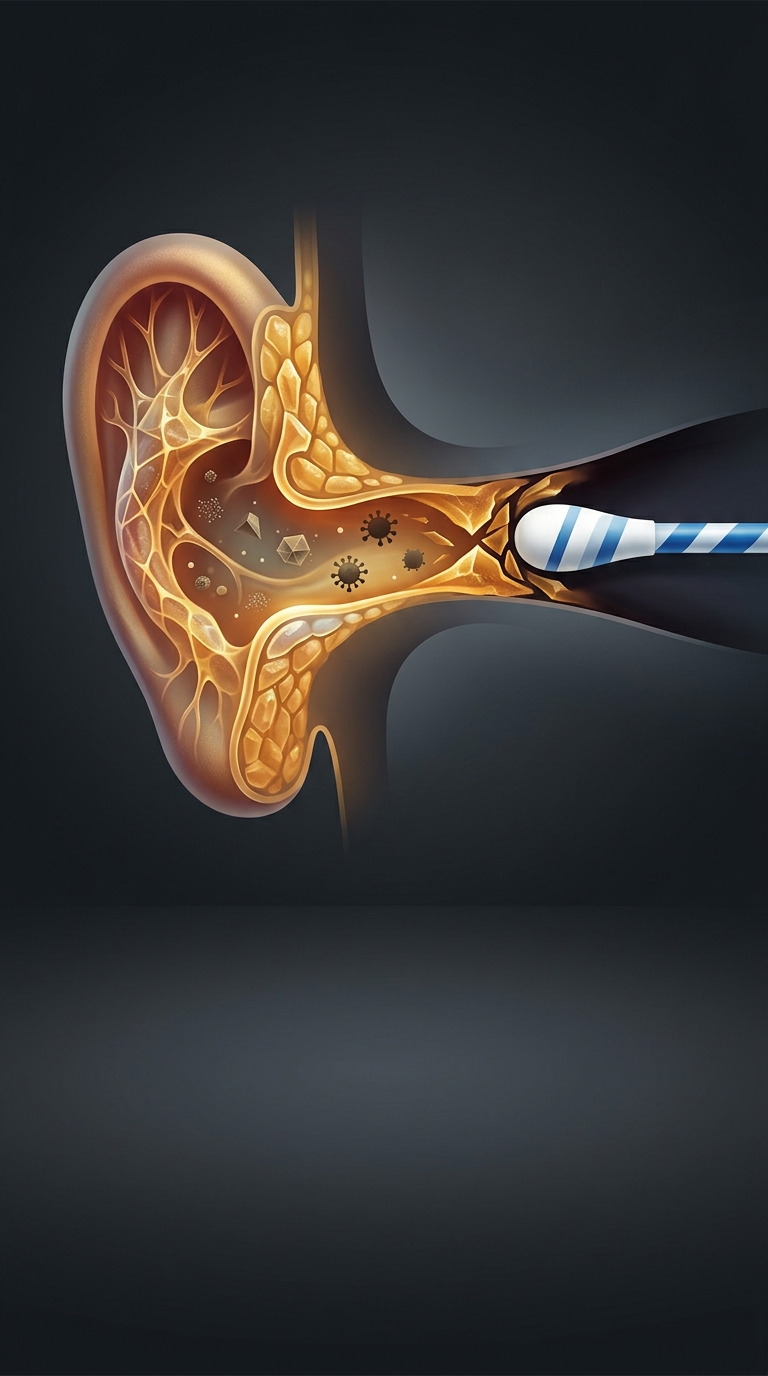
Earwax is not actually dirt, but rather a highly specialized, antibacterial secretion produced by sebaceous glands to protect your ear canal.
Earwax is not actually dirt, but rather a highly specialized, antibacterial secretion produced by sebaceous glands to protect your ear canal. The wax helps…
Discover more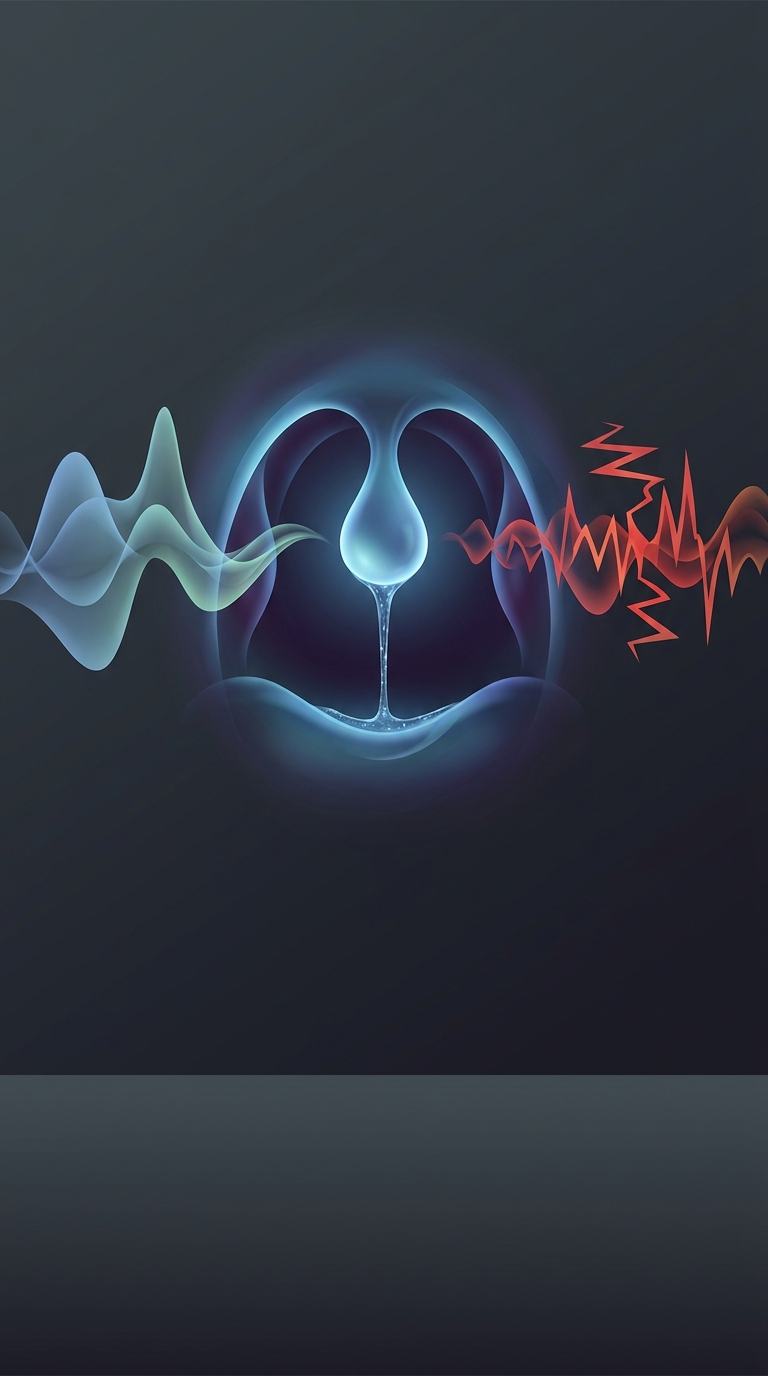
The dangling piece in your throat helps redirect a swallow.
The dangling piece in your throat helps redirect a swallow. The uvula works with the soft palate to help keep food and liquid out of the nasal passage. It…
Discover more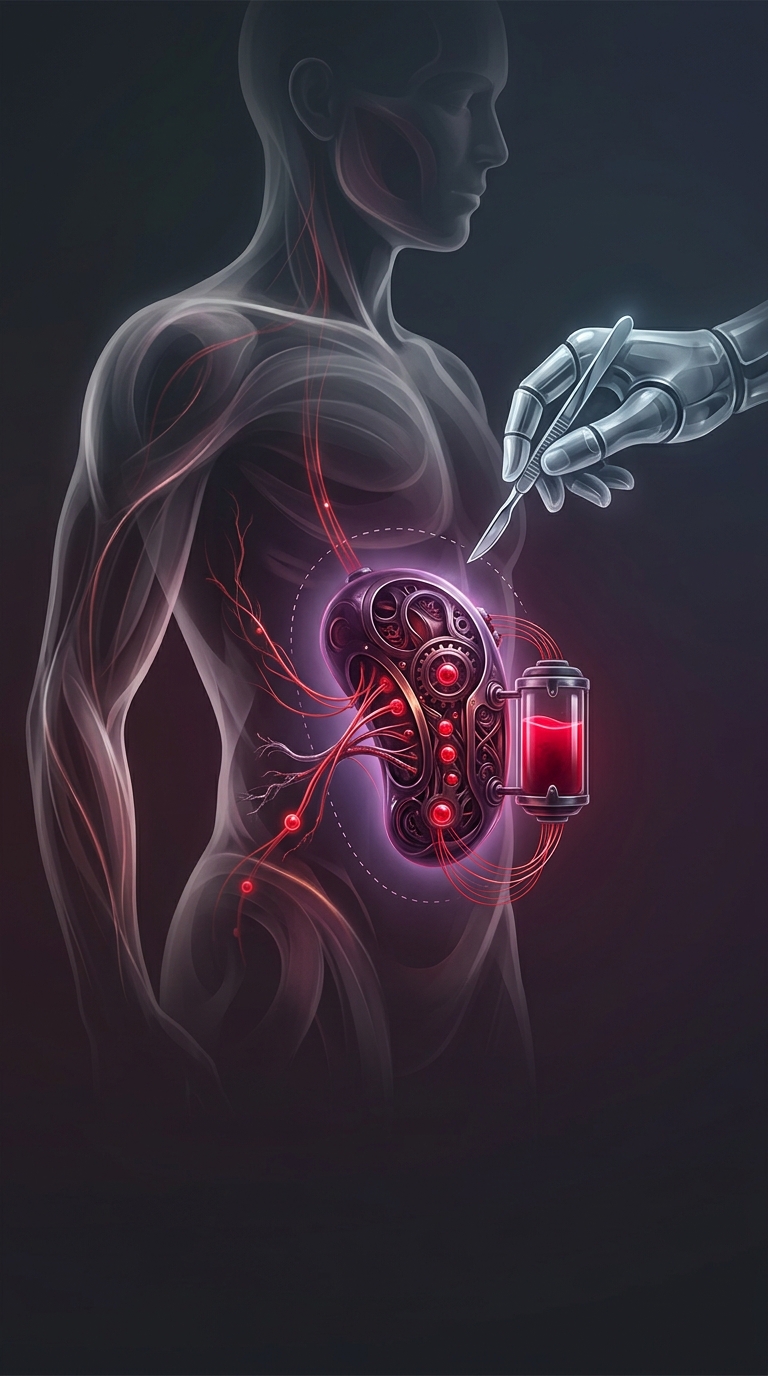
Your spleen is also a recycling center for blood.
Your spleen is also a recycling center for blood. It filters blood, removes worn-out red cells and helps recover useful material such as iron. It also…
Discover more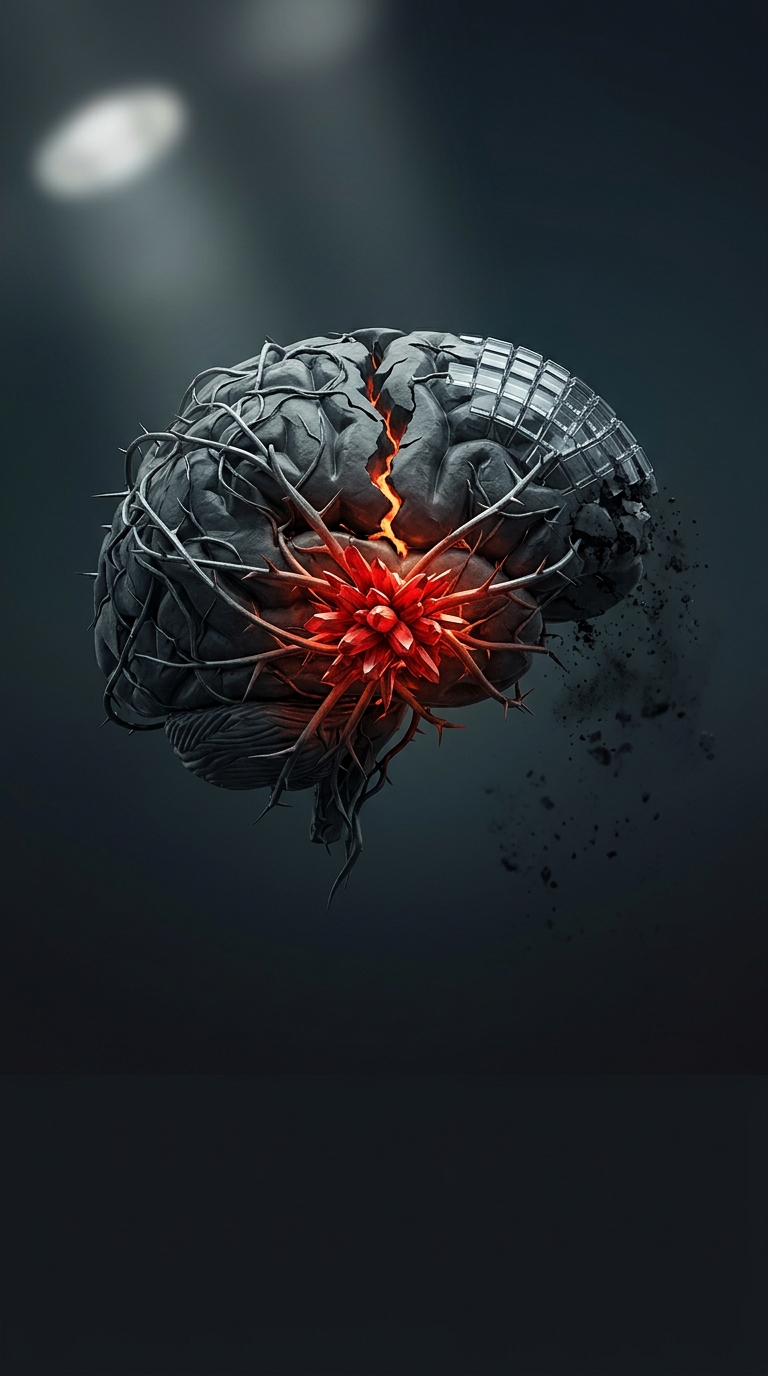
Repeated stress can change the brain's wiring.
Repeated stress can change the brain's wiring. Studies, including animal experiments, link chronic stress to changes in the branching connections of nerve…
Discover more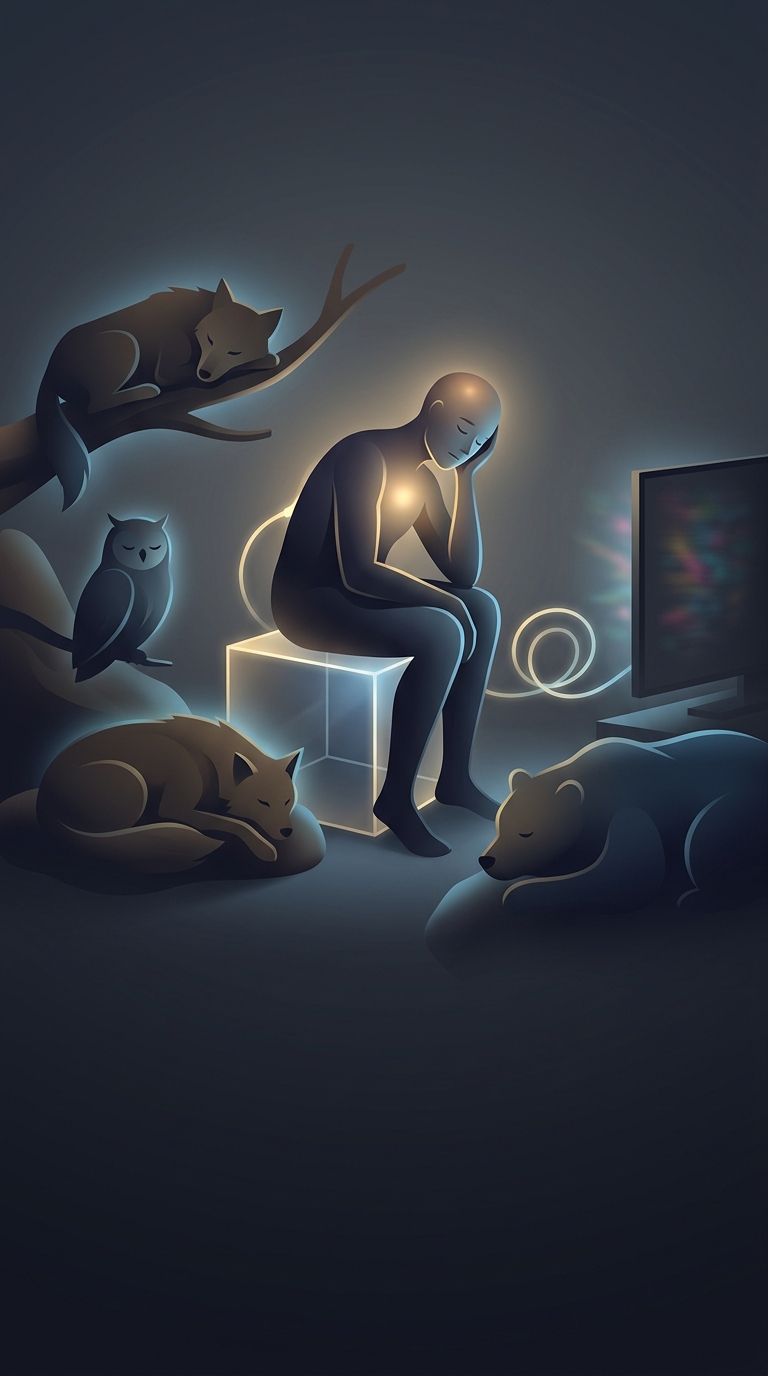
Staying up can feel like taking your day back.
Staying up can feel like taking your day back. After hours spent meeting other people's demands, bedtime may be the first decision that feels entirely yours.…
Discover more STACKY FOR IPHONE
A bigger world.
One discovery
at a time.
Keep discovering with Stacky. Interesting facts in an app that is always within reach.
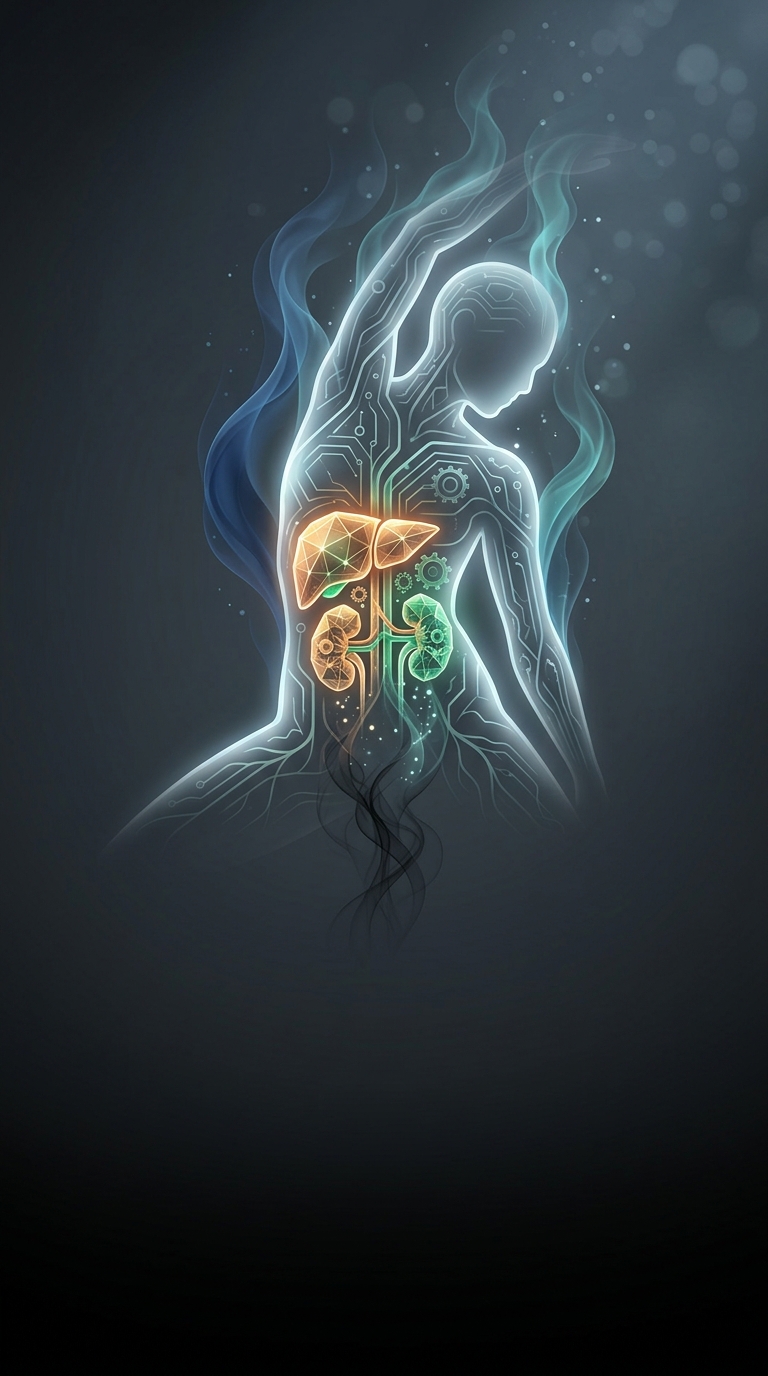
A sweat-soaked shirt is a cooling system at work.
A sweat-soaked shirt is a cooling system at work. Evaporating water carries heat away from your skin. Sweat can contain traces of many substances, but their…
Discover more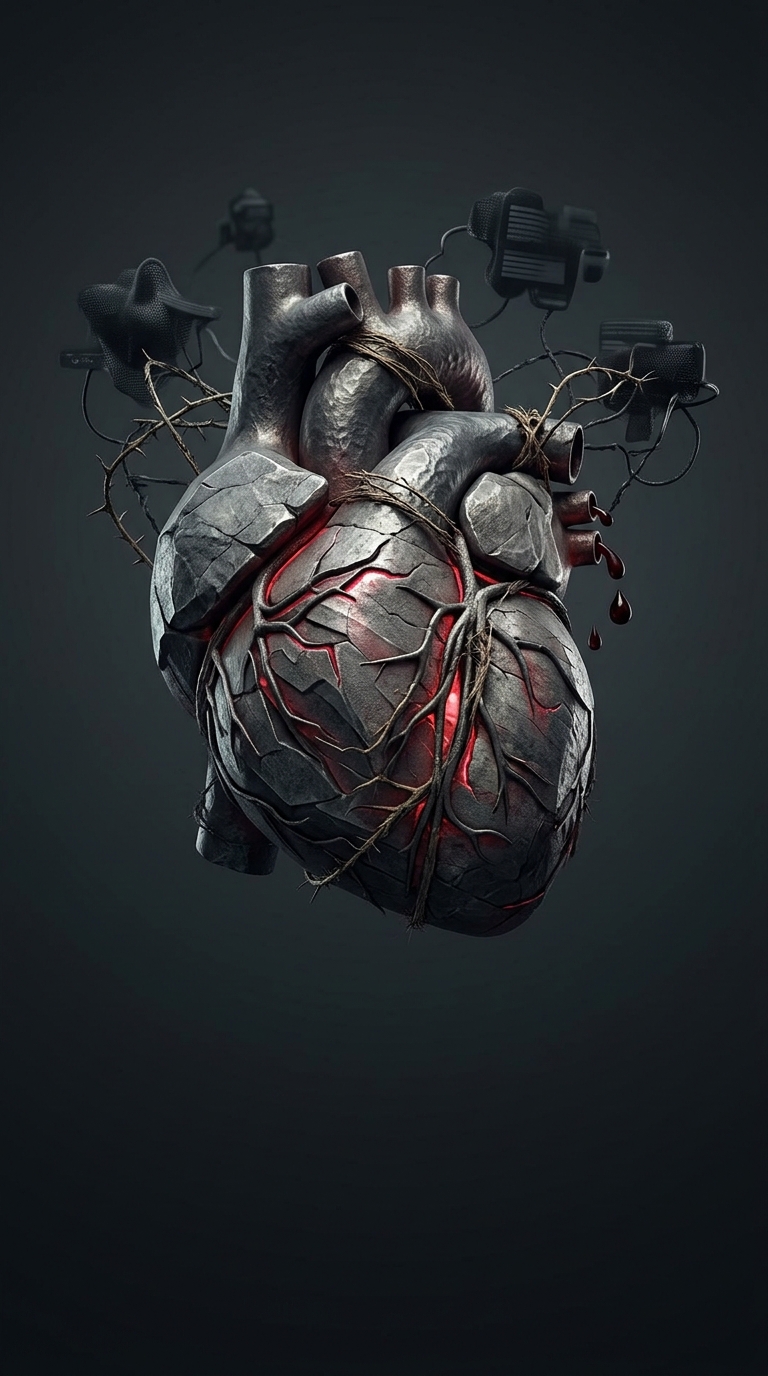
Human hearts will literally reshape themselves and thicken their muscular walls to cope with the relentless strain of chronic high blood pressure.
Human hearts will literally reshape themselves and thicken their muscular walls to cope with the relentless strain of chronic high blood pressure. The left…
Discover more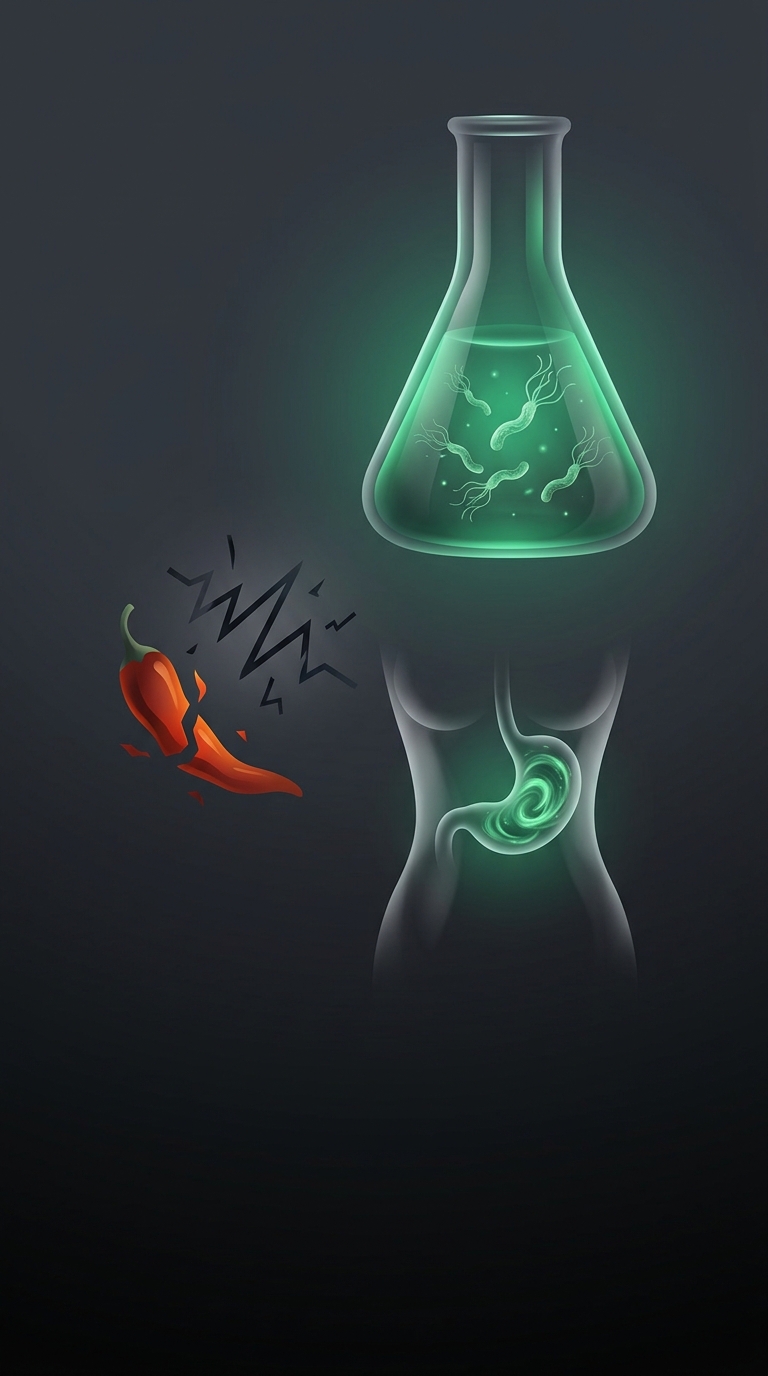
A scientist drank bacteria to test a theory about stomach disease.
A scientist drank bacteria to test a theory about stomach disease. In 1984 Barry Marshall swallowed a culture of Helicobacter pylori and developed gastritis.…
Discover more
Outdoor time can help protect children's distance vision.
Outdoor time can help protect children's distance vision. Studies link more time outdoors with a lower chance of developing myopia, or nearsightedness. One…
Discover more
Cerebellar activity actively predicts your own movements and dampens the sensory response, making it completely impossible for you to genuinely tickle yourself no matter how hard you try.
Cerebellar activity actively predicts your own movements and dampens the sensory response, making it completely impossible for you to genuinely tickle…
Discover more
Cold air can change the nose's defenses against viruses.
Cold air can change the nose's defenses against viruses. Researchers studying human nasal cells and tissue found that cooler conditions weakened an antiviral…
Discover more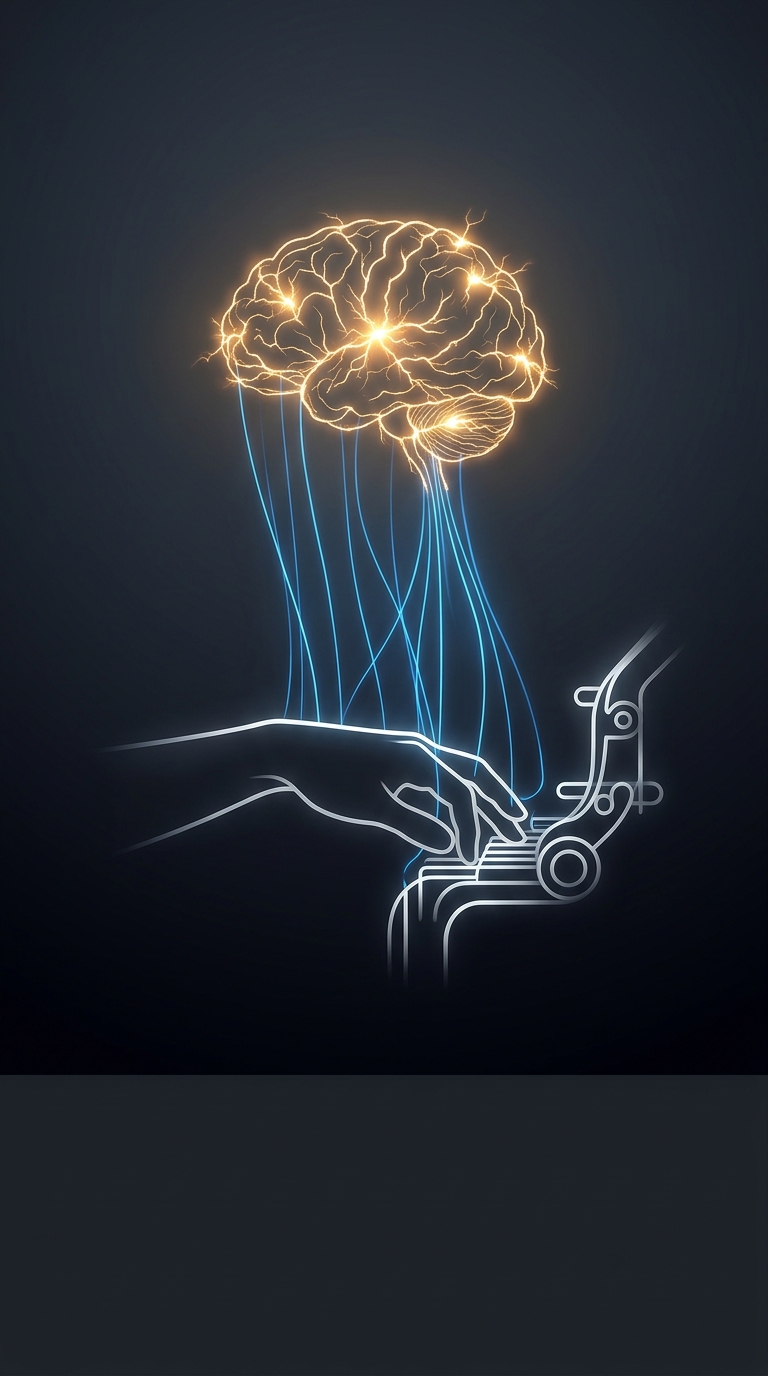
A practiced movement can run without a spoken instruction for every step.
A practiced movement can run without a spoken instruction for every step. Learning a skill changes how networks in the nervous system coordinate its actions.…
Discover more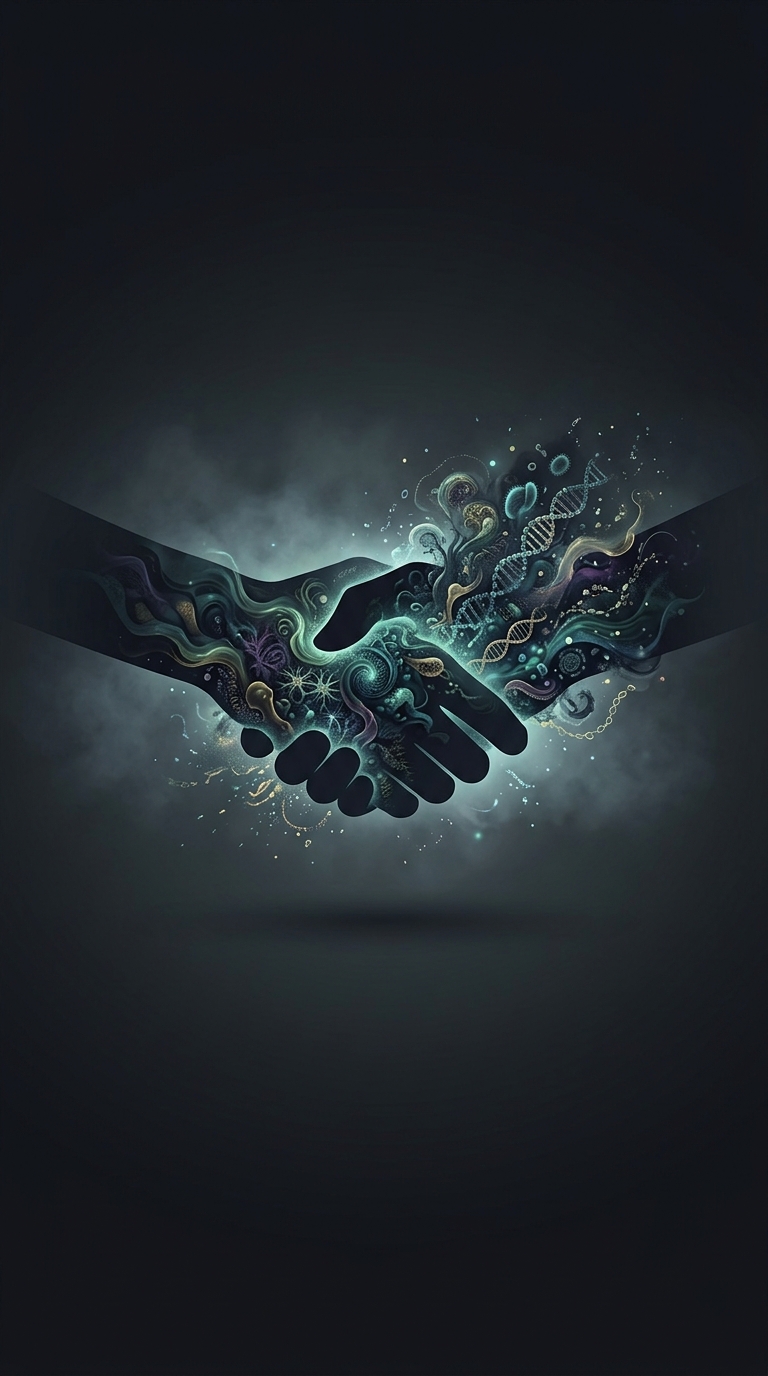
A fist bump passed fewer bacteria than a handshake in a lab test.
A fist bump passed fewer bacteria than a handshake in a lab test. Researchers compared greetings using a controlled bacterial-transfer experiment. Fist bumps…
Discover more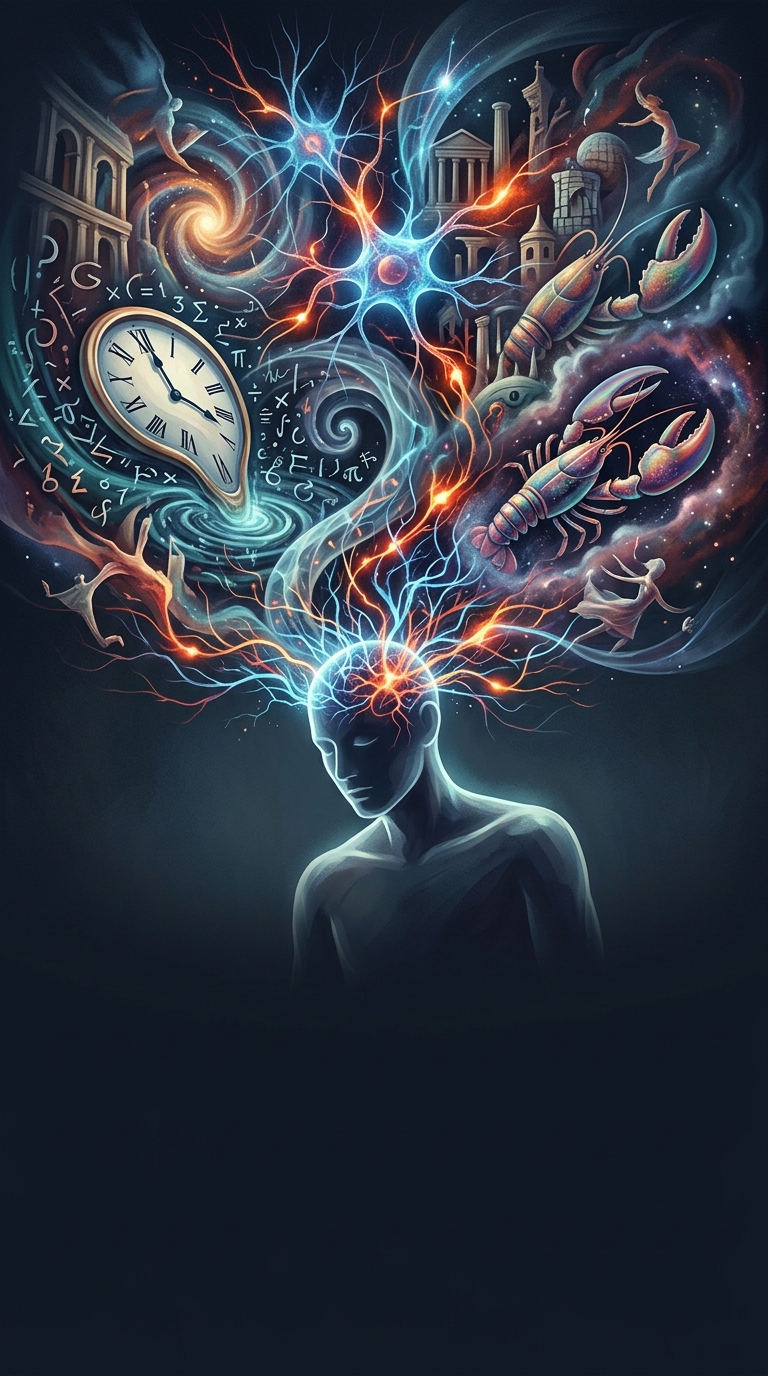
Your sleeping brain can look surprisingly awake while your muscles go quiet.
Your sleeping brain can look surprisingly awake while your muscles go quiet. During REM sleep, brain-wave activity becomes closer to waking patterns,…
Discover more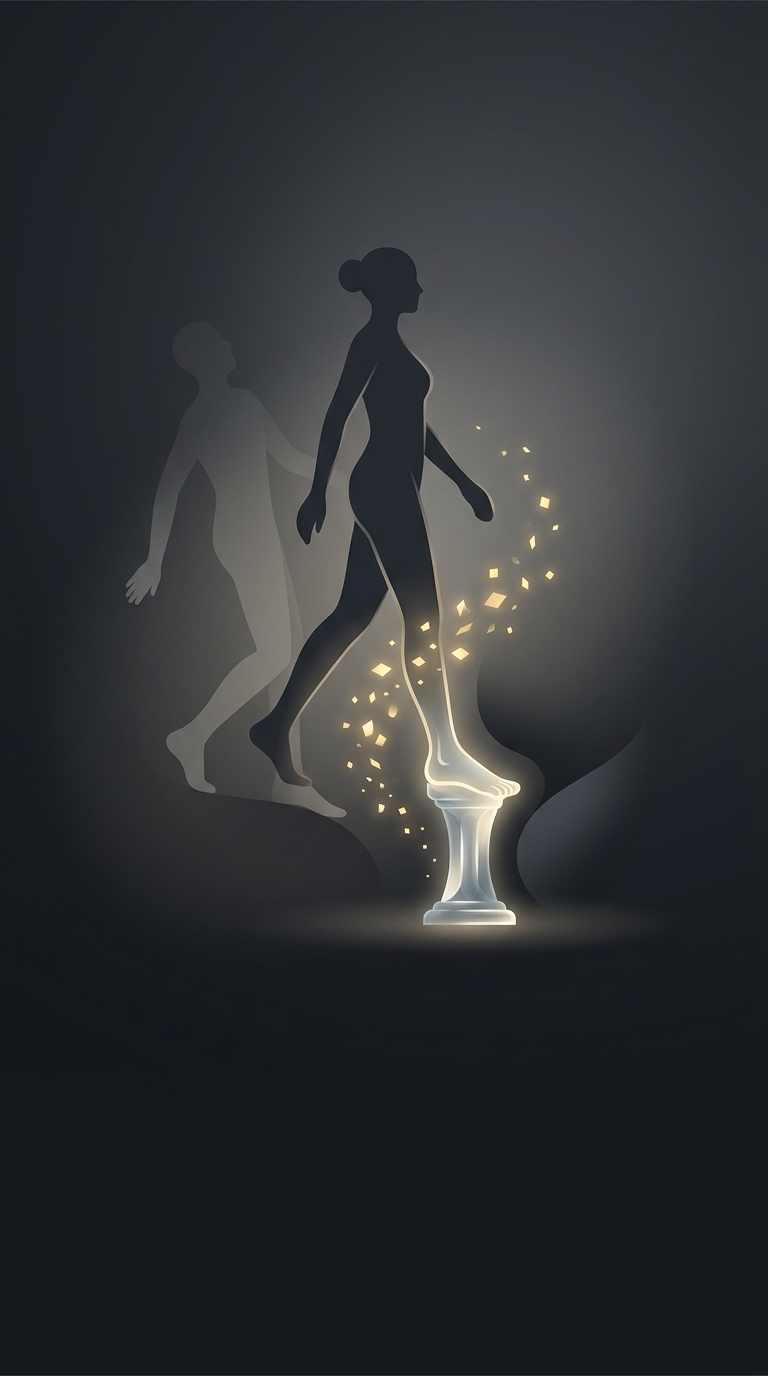
Your big toe helps turn a step into a push.
Your big toe helps turn a step into a push. As the heel rises, the big-toe joint lets the foot bend while the forefoot transmits force into the ground. It is…
Discover more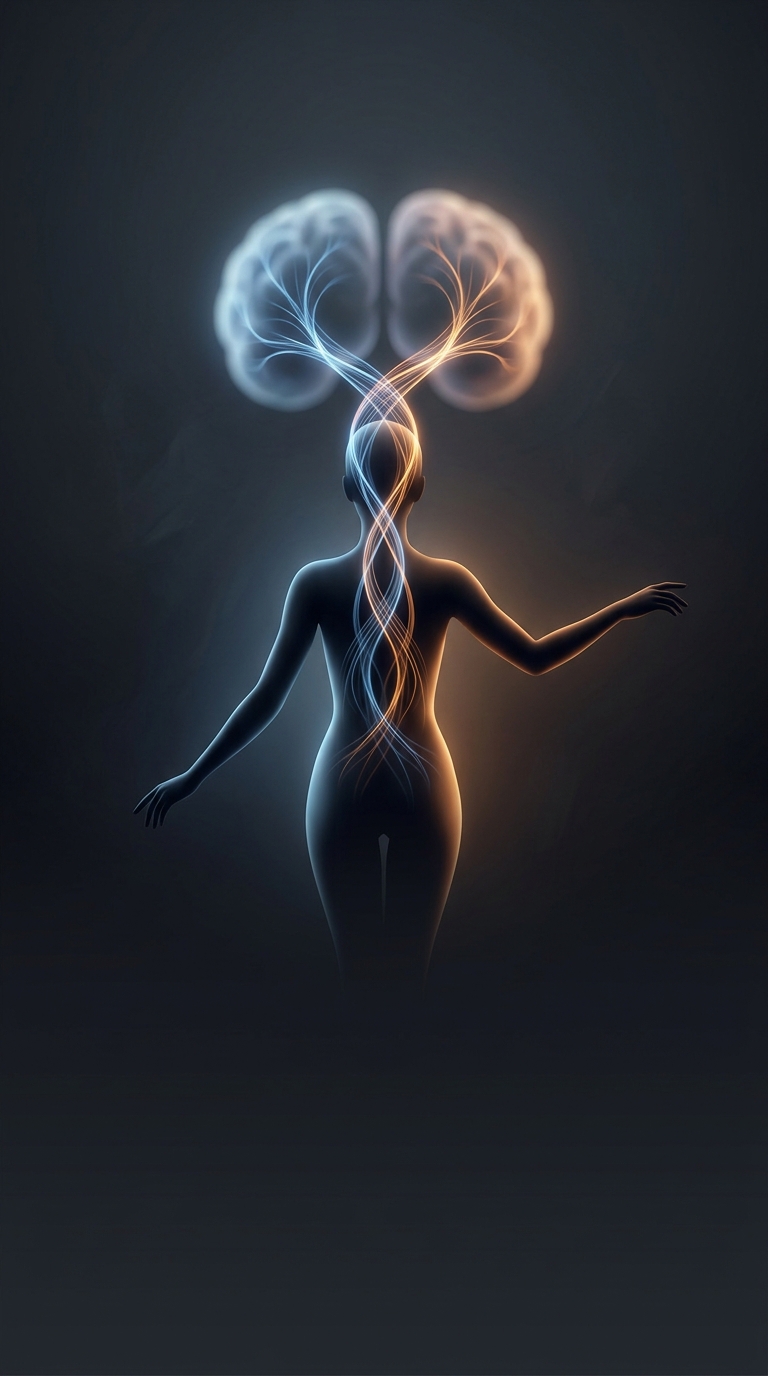
Contralateral organization is the bizarre anatomical setup where the left hemisphere of your brain controls the physical movements and receives sensory input from the entire right side of your body, and vice versa.
Contralateral organization is the bizarre anatomical setup where the left hemisphere of your brain controls the physical movements and receives sensory input…
Discover more
Goosebumps are tiny muscles pulling on hairs.
Goosebumps are tiny muscles pulling on hairs. Each bump appears when a small muscle attached to a hair follicle contracts. In a furry mammal, raised hair can…
Discover more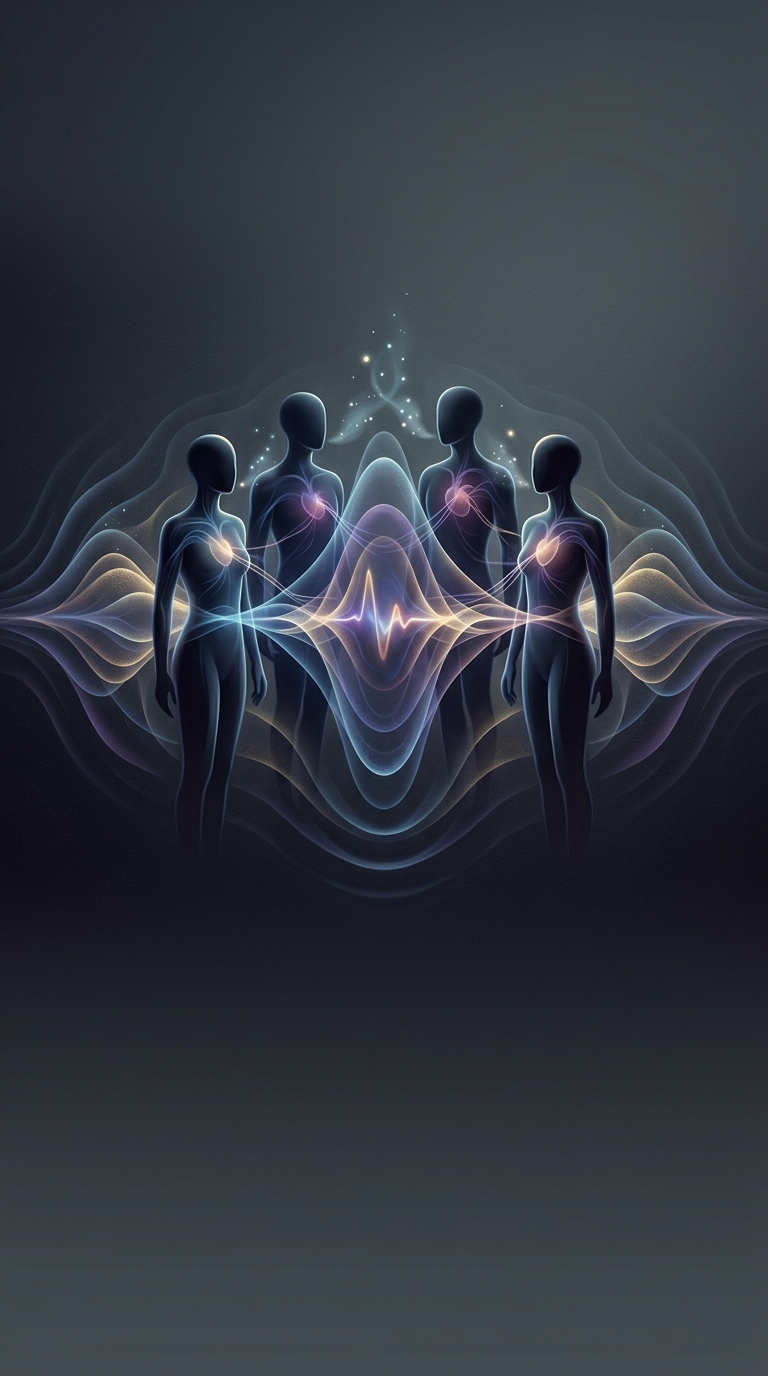
Singing together can align patterns in heart-rate changes.
Singing together can align patterns in heart-rate changes. Shared phrases coordinate breathing, and heart rate naturally rises and falls with the breath. In…
Discover more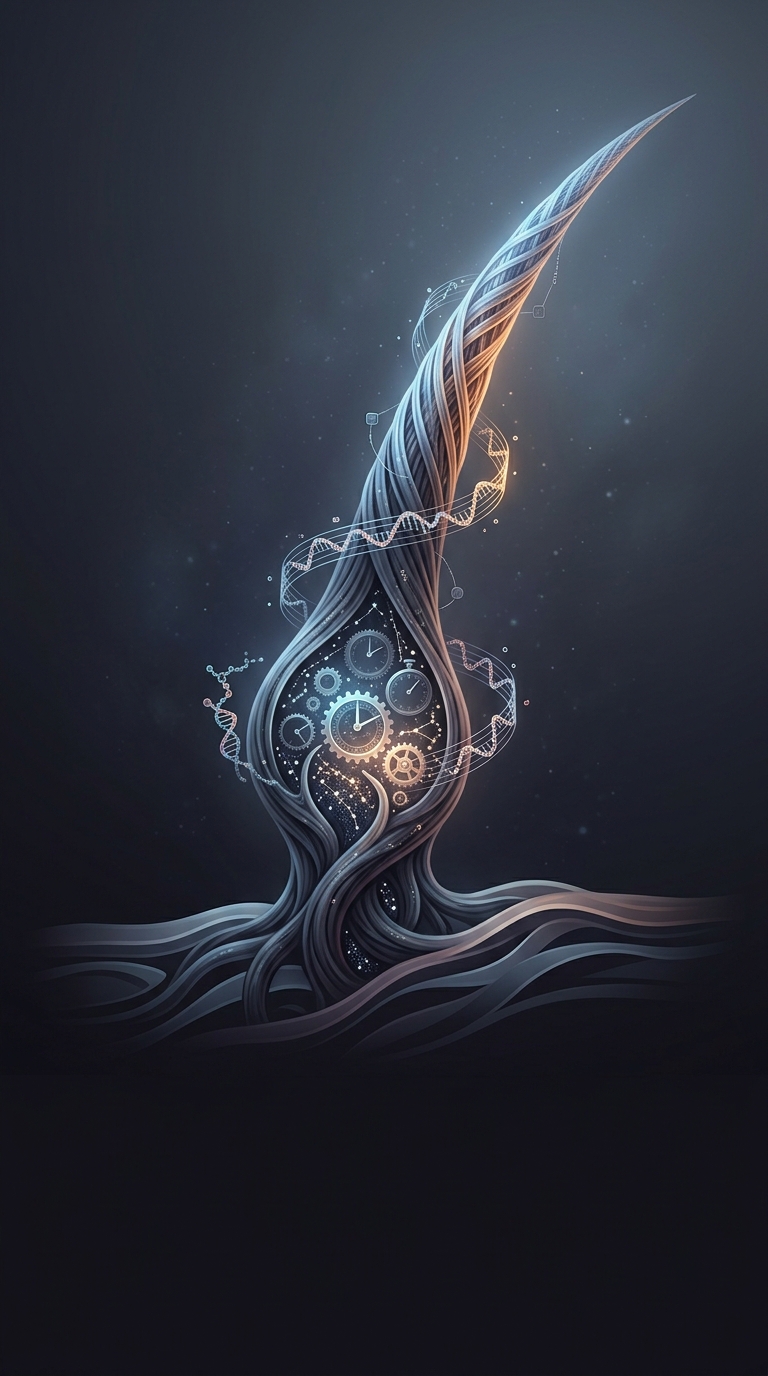
Cells at your hair roots keep their own daily clocks.
Cells at your hair roots keep their own daily clocks. Researchers can measure rhythmic gene activity in plucked hair follicles to study the timing of a…
Discover more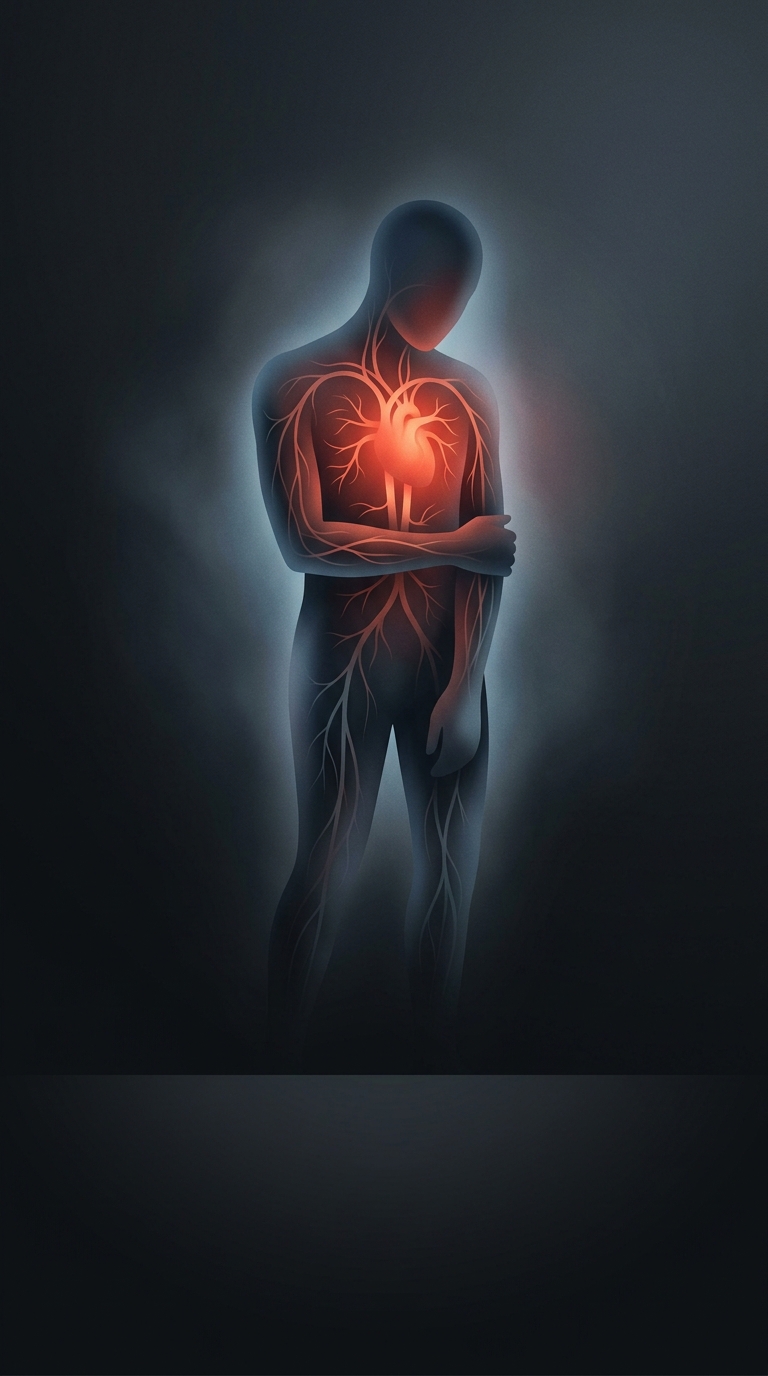
Social connection belongs in the health conversation.
Social connection belongs in the health conversation. Long-term studies link social isolation with increased risk of premature death, and the U.S. Surgeon…
Discover more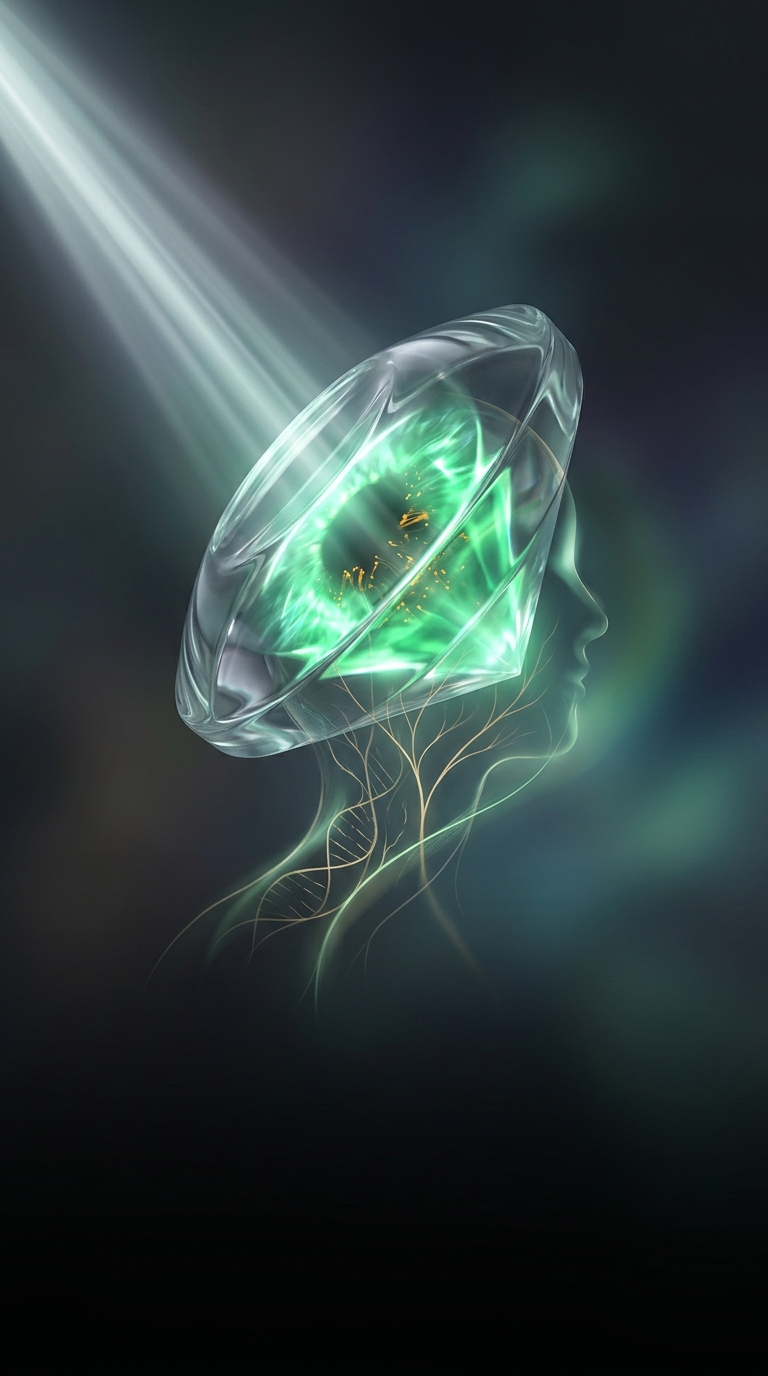
Green eyes don't contain green paint.
Green eyes don't contain green paint. Eye color depends on how much melanin the iris contains, where it sits, and how light interacts with its structure.…
Discover more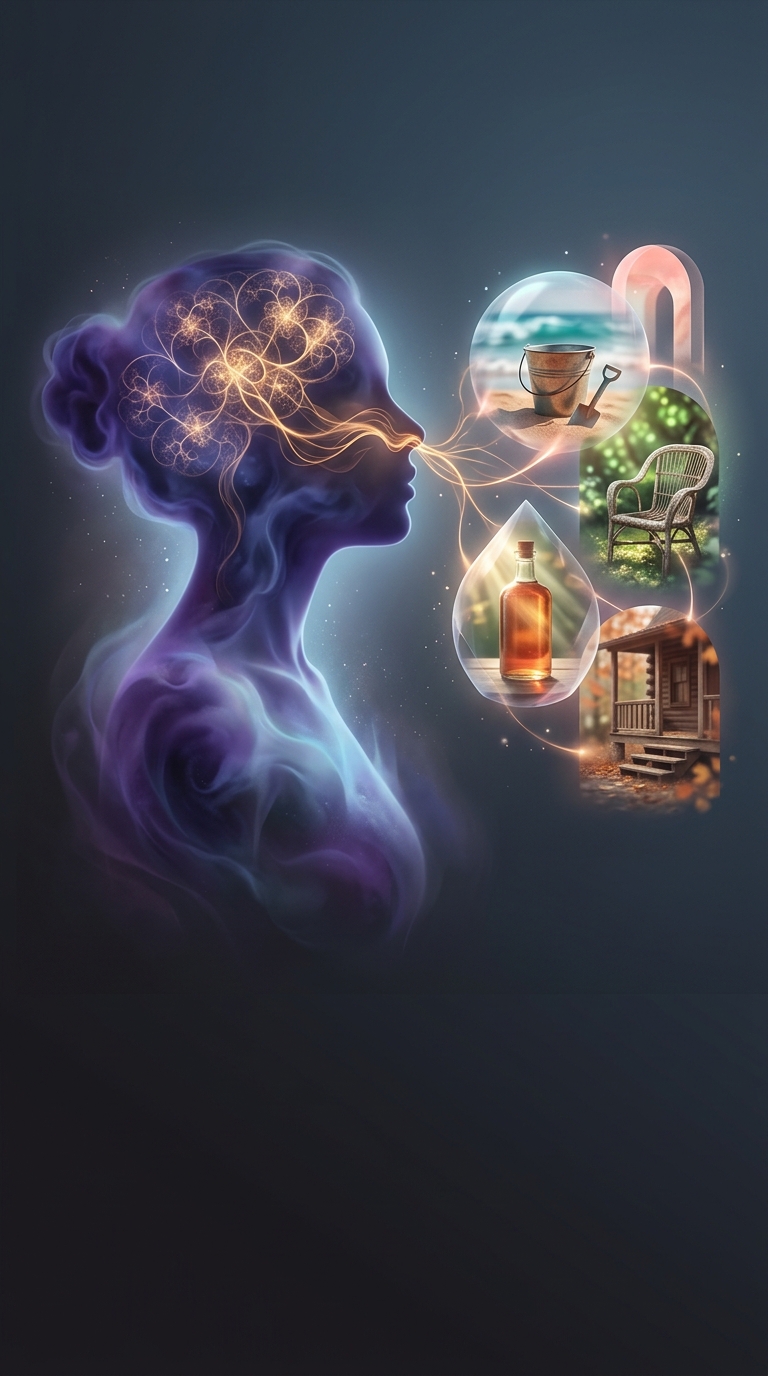
Your nose recognizes smells by combinations, not one receptor per scent.
Your nose recognizes smells by combinations, not one receptor per scent. Odor molecules activate patterns across receptor types, and the brain reads those…
Discover more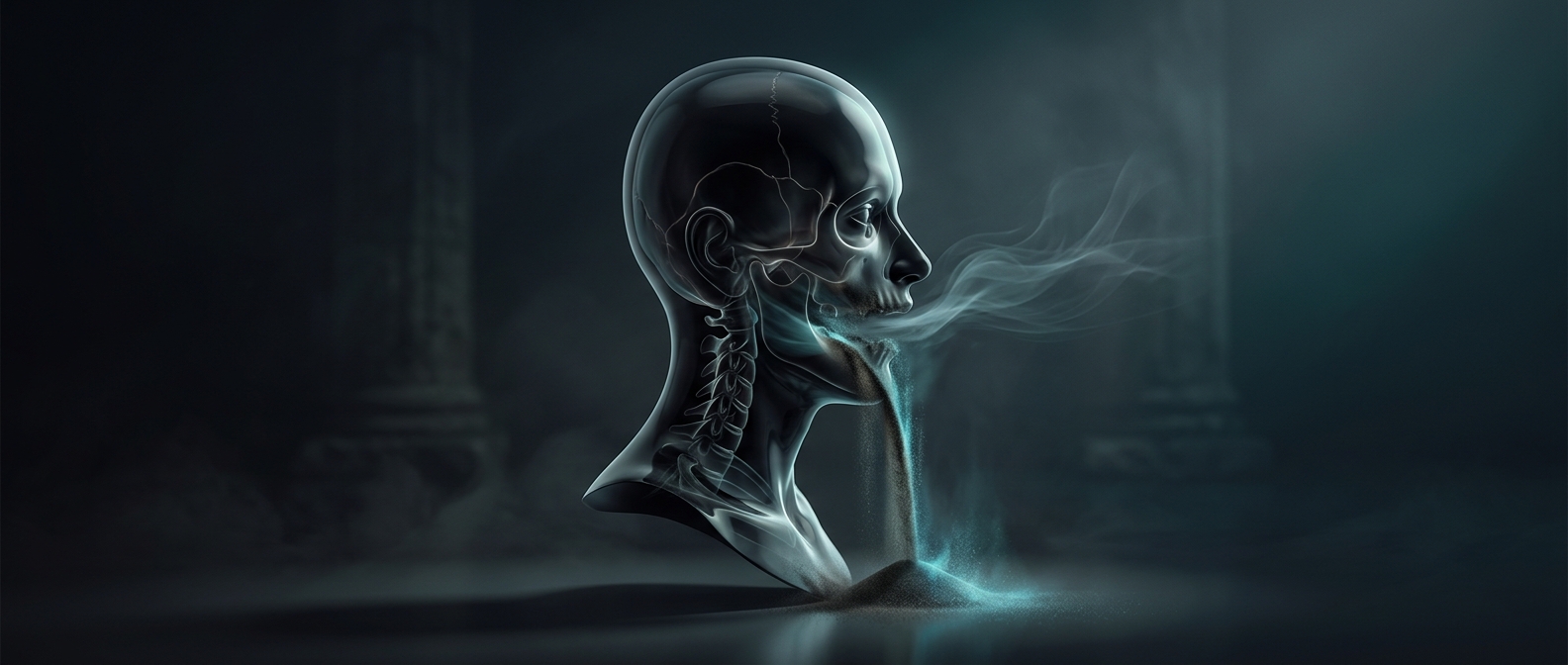
Losing teeth can also mean losing the bone beneath them
Chewing sends force through the teeth into the jawbone, helping keep that bone stimulated. When a tooth is lost, the bone around it can gradually recede;…
Discover more