Health
Discover facts about health. Small discoveries that change the way you see familiar things.
Health
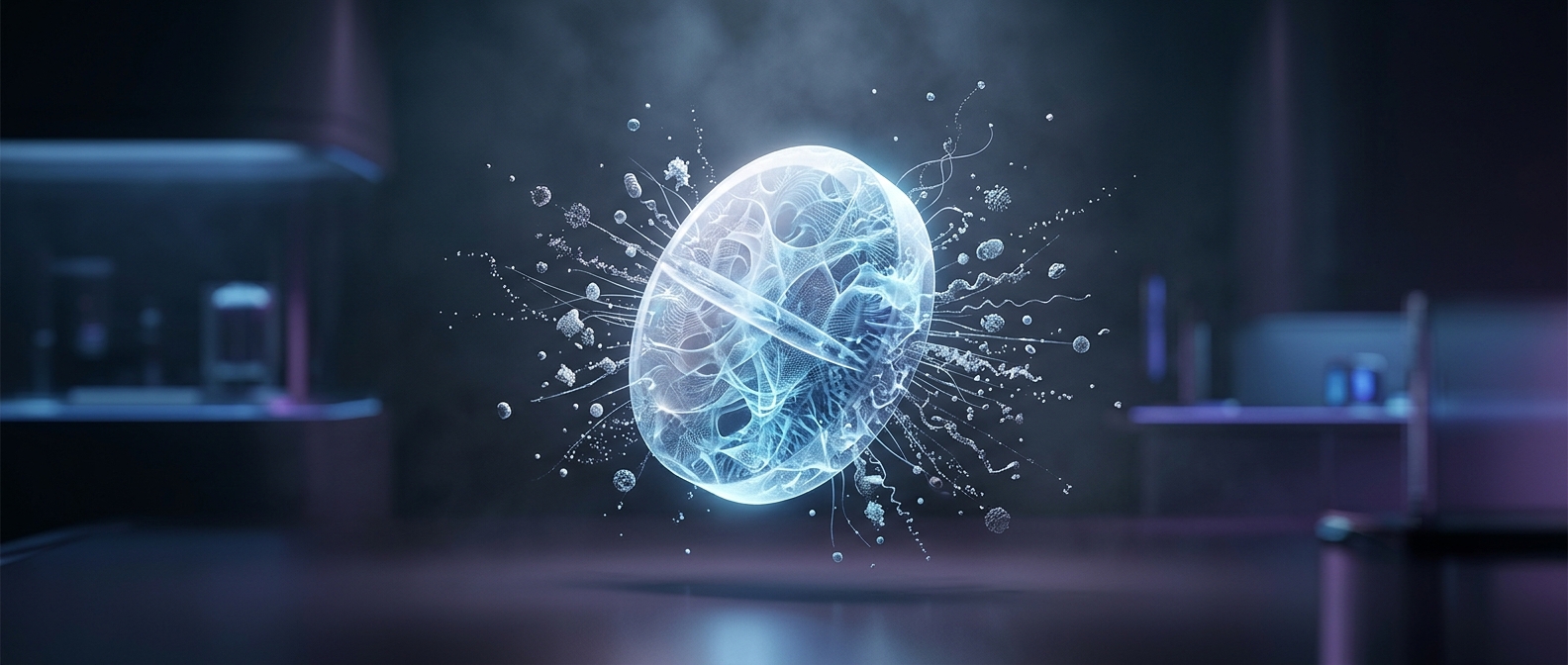
Single pills often contain twenty different excipients
A tablet needs more than its active medicine to hold together and work as a tablet. Binders keep it intact, disintegrants help it break apart, and glidants…
Discover more
Effervescent tablets rely on sodium bicarbonate to fizz
Drop an effervescent tablet into water and its citric acid meets sodium bicarbonate. Their reaction releases carbon dioxide, and the escaping gas makes the…
Discover more
Why generic drugs aren't exact copies
A generic is more like a carefully matched recipe than a photocopy: its active ingredient is the same, while some inactive ingredients can differ. Regulators…
Discover more
Mail-order pharmacies use temperature-controlled shipping
A temperature-sensitive prescription can be exposed to changing outdoor temperatures on its way to your door. Insulation slows heat moving through the box,…
Discover more
Microencapsulation protects sensitive drug compounds
A polymer shell wraps around a sensitive drug and blocks conditions that could damage it. When the capsule reaches the environment it was designed for, the…
Discover more
Pharmaceutical suspensions require agents to prevent settling
A suspension has solid medicine particles floating in liquid, and gravity keeps trying to pull them down. Thickening agents make the liquid harder to move…
Discover more STACKY FOR IPHONE
A bigger world.
One discovery
at a time.
Keep discovering with Stacky. Interesting facts in an app that is always within reach.

Why drug names are packed with Xs and Zs
A drug name full of Xs and Zs is often doing a marketing job. Those uncommon letters can make a brand sound distinctive and high-tech, even though the…
Discover more
Expired medications go to dedicated reverse distributors
Expired medications don’t simply vanish when a pharmacy removes them from the shelf. They go to regulated reverse distributors, who document and audit the…
Discover more
Medical abbreviations on prescriptions derive from Latin
BID comes from the Latin bis in die, meaning “twice a day,” and PRN from pro re nata, meaning “as needed.” The old abbreviations are compact, but their…
Discover more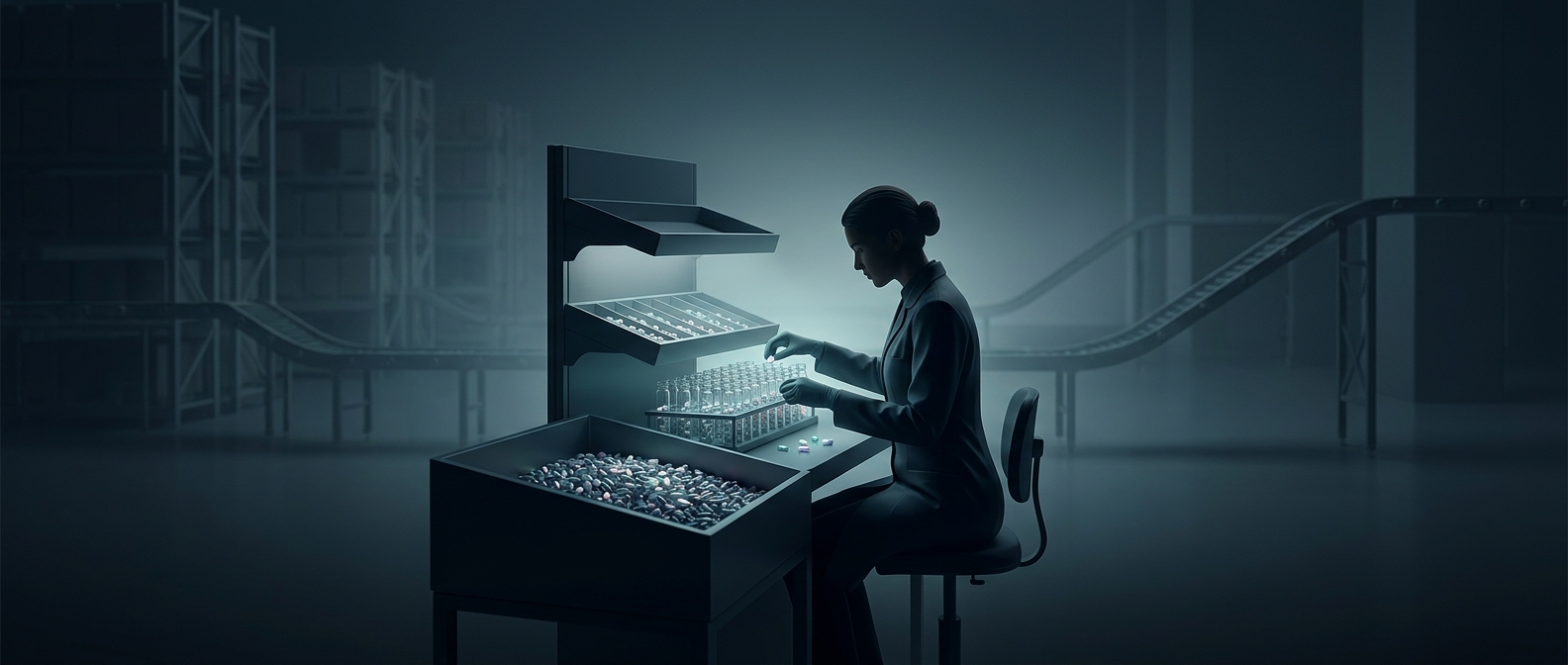
Drug repacking facilities sort bulk medications manually
Large drums of pills can be fed onto sorting lines, where the medication is portioned into sealed cups for institutions. The change is from bulk supply to…
Discover more
Why medicine bottles are amber
Amber bottles act like sunglasses for medication: their tint blocks ultraviolet light that can break down some drugs. That protection matters while the bottle…
Discover more
Cellulose acts as a standard filler in tablet formulations
A dose of active drug can be far too small to handle as a tablet. Microcrystalline cellulose, made from refined wood pulp, adds harmless bulk and presses into…
Discover more
The laser-drilled hole inside some pills
In some extended-release tablets, water enters the pill and dissolves the medicine inside. Pressure then pushes the drug out through a tiny hole drilled by…
Discover more
Pharmaceutical grading requires higher purity than food
A purity grade sets limits on what else can be in an ingredient, not just what the ingredient is. USP standards restrict contaminants such as heavy metals…
Discover more
Orally disintegrating tablets dissolve upon mere contact
The tablet crumbles on contact with saliva, releasing its contents in your mouth instead of asking you to swallow it whole. The useful distinction: it…
Discover more
Pharmacopoeias serve as official compendiums of standards
To verify what a medicine is and whether it meets quality standards, a pharmacopoeia can specify its structure, purity, and the tests used to assess it. It is…
Discover more
Drug trials require three distinct testing phases
A drug is tested in stages because different questions need different kinds of evidence. Phase 1 focuses on safety, Phase 2 looks for early signs it works,…
Discover more
Pharmacy technicians perform the vast majority of counting
A prescription passes through several hands before it is ready. Technicians handle much of the counting, labeling, and insurance work; pharmacists check the…
Discover more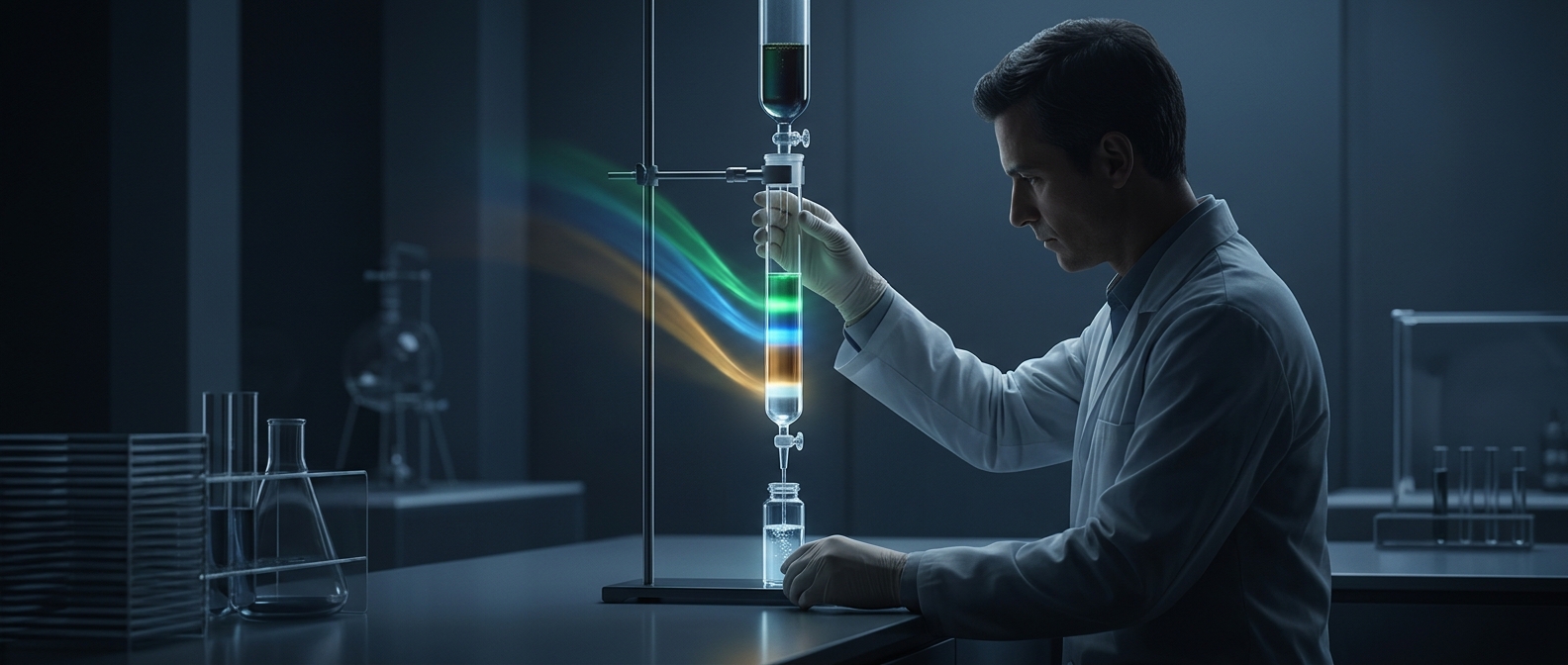
Active drug concentrations are verified via chromatography
A drug sample is a mixture, so a lab first separates its ingredients rather than trying to measure them all at once. In high-performance liquid…
Discover more
Why drug ads are rare outside two countries
Prescription-drug ads aimed at the public are permitted in only two industrialized nations: the United States and New Zealand. Elsewhere, drug companies…
Discover more
Biosimilar medications differ legally from generics
A biologic is made through living systems and can be a large, complex molecule. That makes an exact copy difficult in a way it usually isn’t for simpler…
Discover more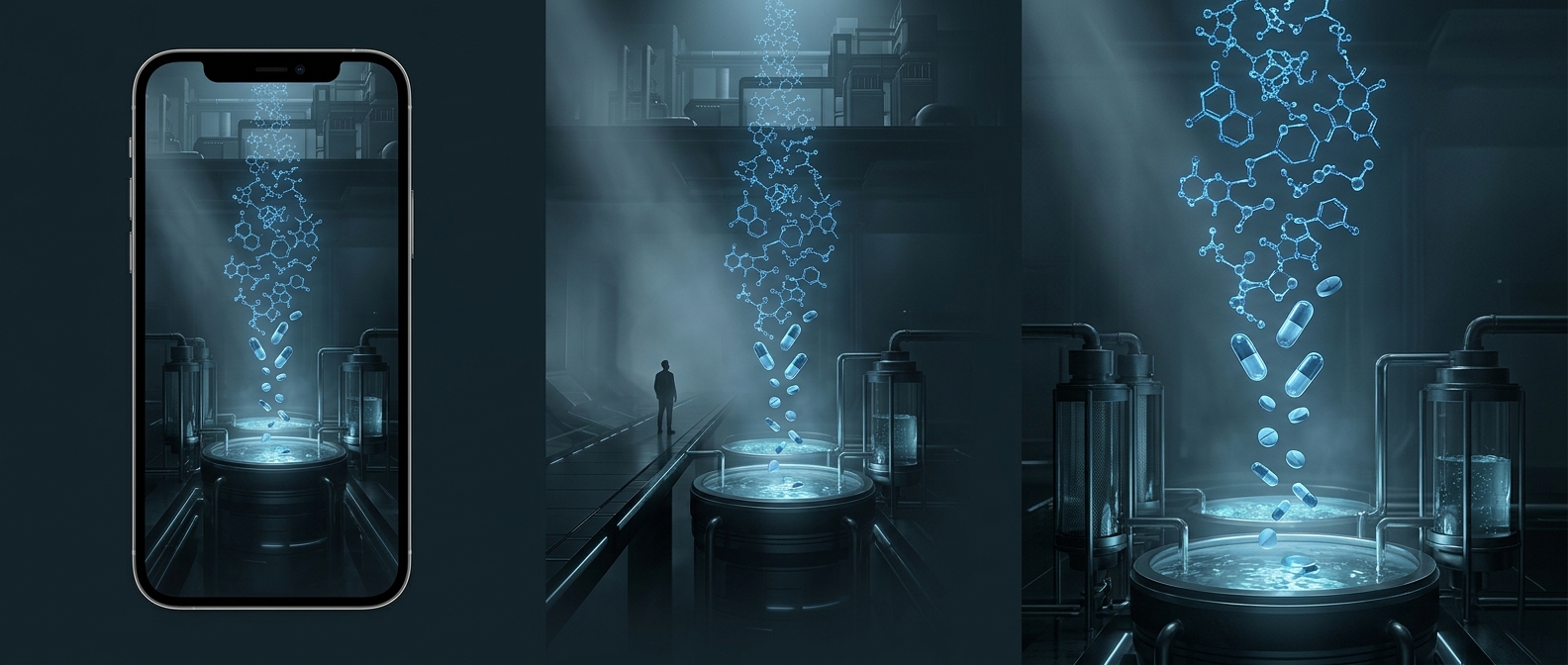
Most modern medications are completely synthetic
Many medicines are made by synthesizing their useful compounds in factories rather than extracting them from plants. Once a compound has been identified, it…
Discover more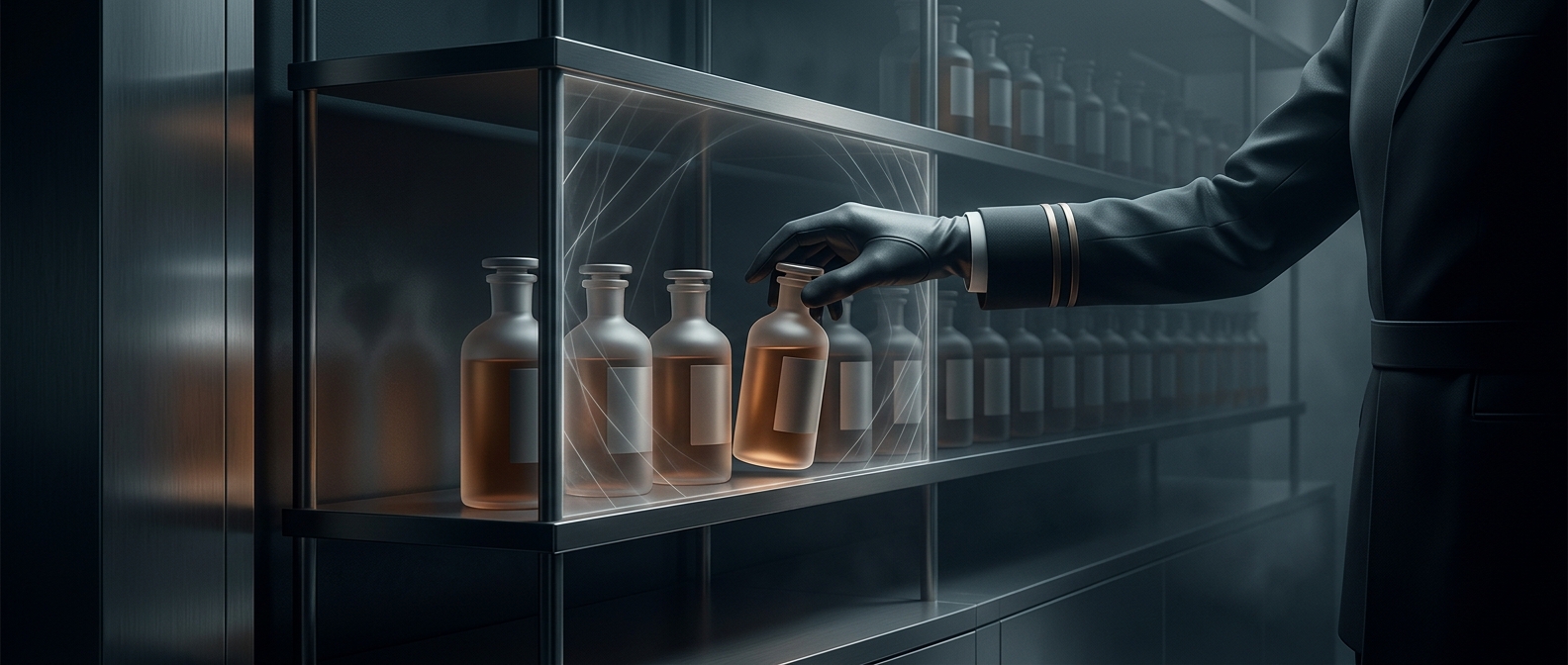
Over-the-counter purchase limits prevent chemical hoarding
Pseudoephedrine can be used as a starting chemical to make illicit stimulants, so stores limit how much one person can buy without a prescription. The cap is…
Discover more
Pill scoring lines are technically referred to as bisects
That line on a scored pill isn’t just decoration: it’s a bisect, a shallow weak spot formed during compression. The groove helps guide the tablet into two…
Discover more