Economy
Discover facts about economy. Small discoveries that change the way you see familiar things.
Economy
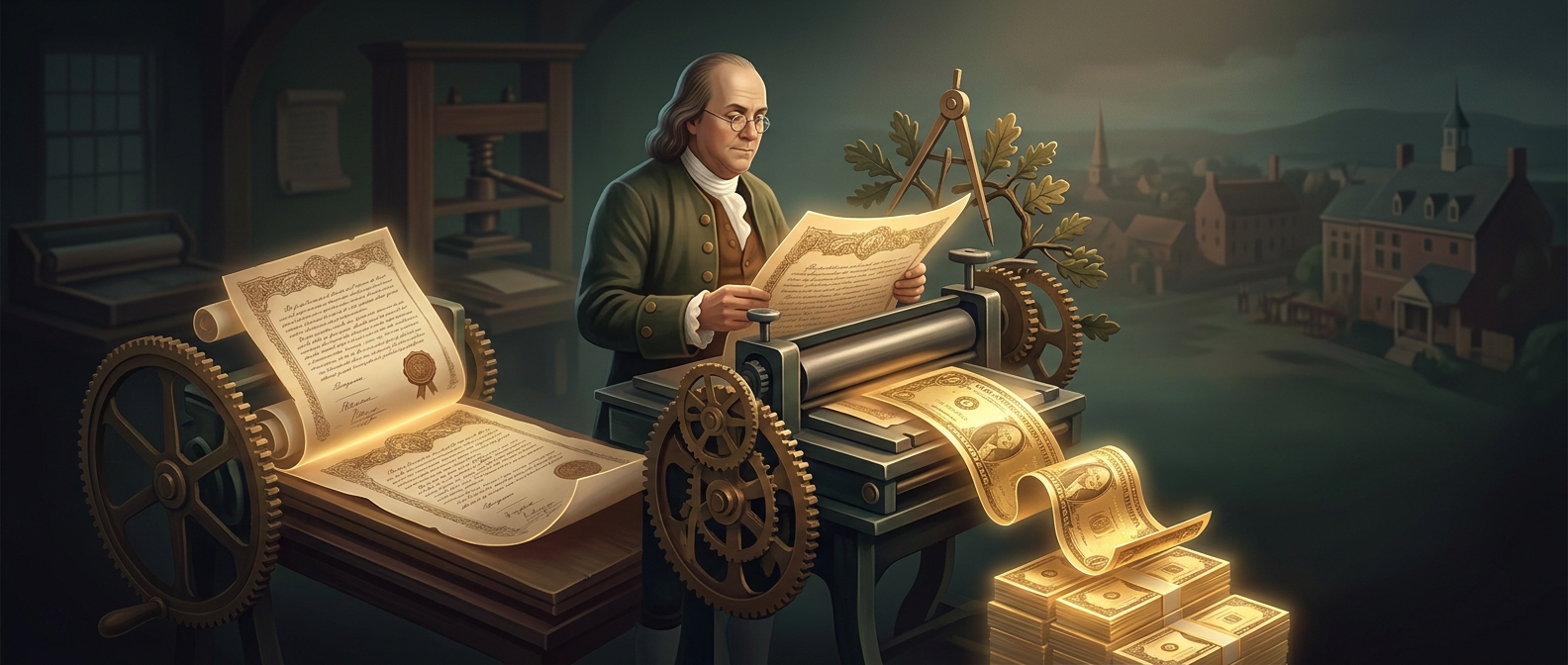
How Benjamin Franklin turned mortgages into money
In colonial Pennsylvania, residents could mortgage farms to the government and receive newly issued paper bills backed by the land. Franklin added leaf prints…
Discover more
How a livestock ban helped crash Somalia’s economy
A health scare over Rift Valley fever shut Somali animals out of Saudi markets twice. The lost sales hit herders where it hurt: livestock exports were a major…
Discover more
How time zones froze global currency markets
The payments crossed the Atlantic in two steps: German banks sent Deutsche Marks, but the matching dollars had not yet gone out from New York. When German…
Discover more
When Congress made the Treasury buy silver
The 1878 Bland–Allison Act required monthly purchases of $2 million to $4 million in silver for coinage. Silver producers and advocates of expanding the money…
Discover more
Why financial stability can lead to a crash
Minsky’s warning was that a long calm can tempt investors to borrow more and take bigger risks. If debts grow beyond the income available to pay them, the…
Discover more
Stealing credit for a financial law is peak banker behavior
Copernicus described the principle decades before Thomas Gresham. A 19th-century economist still gave it Gresham’s name because Gresham had complained about…
Discover more STACKY FOR IPHONE
A bigger world.
One discovery
at a time.
Keep discovering with Stacky. Interesting facts in an app that is always within reach.

China once taxed people in cowry shells
For centuries, people in Yunnan trusted cowry shells more than the copper coins and silver taels the government wanted them to use. The government eventually…
Discover more
Tugan-Baranovsky blamed crashes on factory tools
Factories borrowed heavily for new equipment, then found they had built more than customers could buy. Tugan-Baranovsky saw the trouble in those idle…
Discover more
How Roman soldiers won the right to keep their loot
Roman law gave fathers control over their children’s property, but soldiers had a special escape hatch. Under peculium castrense, they could keep their…
Discover more
America forgave old taxes to switch to pay-as-you-go
Moving to current-year income-tax collection risked making workers pay two years' taxes at once. The 1943 compromise forgave much of the overlapping liability…
Discover more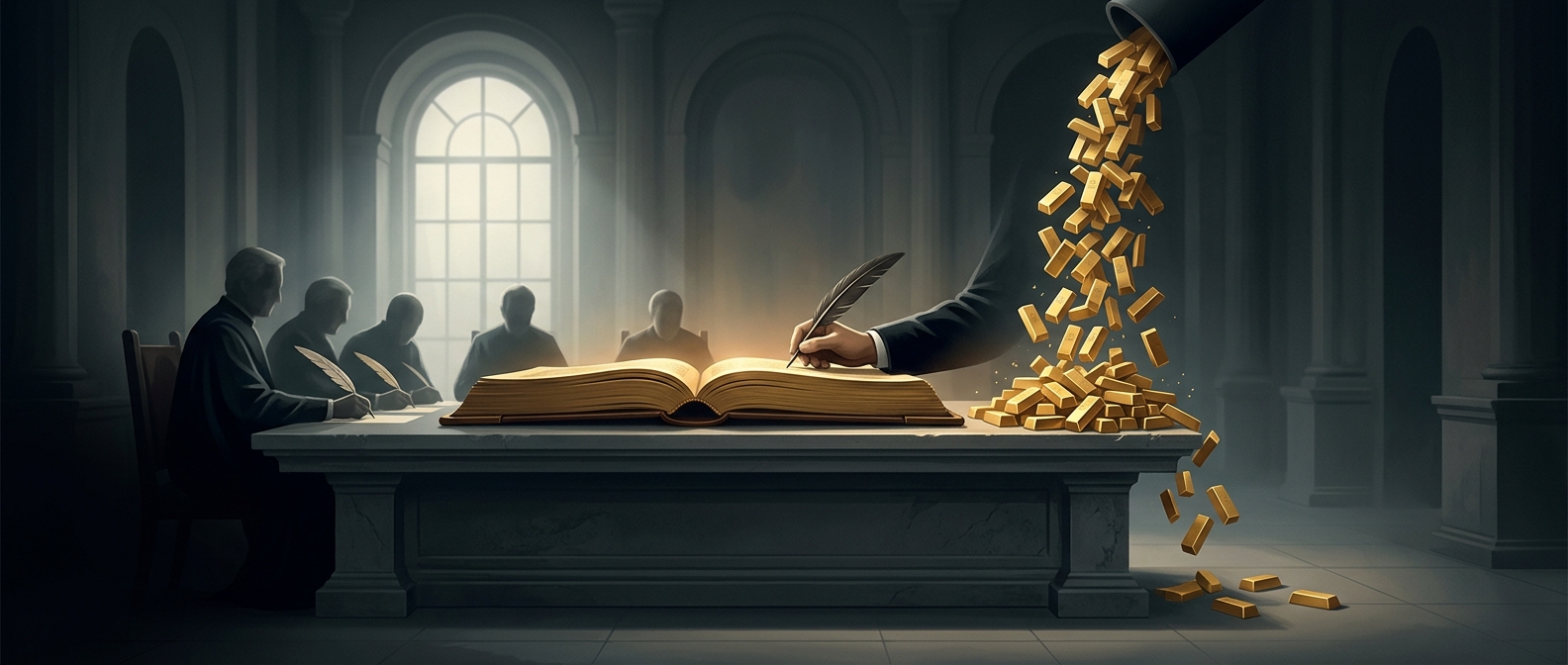
Why central banks agreed to limit gold sales
In 1999, central banks watched a wave of gold sales push prices down. They agreed to coordinate and limit sales rather than keep adding gold to the market at…
Discover more
The East India Company auctioned the right to collect taxes
In eighteenth-century Bengal, the Company turned revenue collection into contracts bidders could compete to obtain. The winning bid promised income to the…
Discover more
How Soviet factories survived without key supplies
When the official plan left a factory short of steel or machine parts, managers sent out tolkachi to find them. These unofficial brokers traveled the country…
Discover more
Farmers played the futures market before computers
A farmer deciding whether to store grain could compare its cash price with the price promised in a futures contract. Economist Holbrook Working showed that…
Discover more
Philosopher proved free markets are violent fictions
The supposedly self-running market still needs the state to enforce its rules. Karl Polanyi argued that turning people and other parts of life into…
Discover more
Five governments agreed to push the dollar down
At New York's Plaza Hotel in September 1985, finance officials from the United States, Japan, West Germany, France, and Britain agreed that other major…
Discover more
The secret loan that helped trigger Australia's crisis
The government wanted $4 billion for energy projects and turned to Tirath Khemlani, who claimed he could reach Arab petrodollars. The secret financing plan…
Discover more
The U.S. restricted private gold holdings in 1933
Roosevelt’s order required surrender of much privately held monetary gold at the official price, while allowing exemptions including limited holdings and…
Discover more
Officials hid a deadly dam disaster with fake crop reports
Local officials were judged against Mao's agricultural quotas, so admitting that crops had been destroyed could look like a failure. After the 1975 Banqiao…
Discover more
High interest rates actually make goods cost more
The same rate hike meant to cool prices can raise a shop’s cost of restocking. Nineteenth-century economist Thomas Tooke argued that merchants borrowing for…
Discover more
Colonial hut taxes helped force people into cash work
In parts of colonial Africa, households faced taxes payable in money rather than the goods they produced. Obtaining that money could require work for colonial…
Discover more
An economy can build more capital than is useful for consumption
In the Solow growth model, extra machines raise output but also require replacement as they wear out. Beyond the model's 'golden rule' level, maintaining more…
Discover more
Genoa's debt managers ended up governing territory
Founded in 1407, the Casa di San Giorgio combined financial business with powers such as tax collection and the administration of possessions including…
Discover more
Paying for shipping doesn't always mean carrying its risk
Under the CIF shipping rule, a seller pays for freight and insurance to the destination, but the buyer takes the transit risk once the goods are aboard the…
Discover more