Economy
Discover facts about economy. Small discoveries that change the way you see familiar things.
Economy

Marginal propensity to consume tracks spending habits
If someone's income rises by a dollar, this measure asks how much of that extra dollar they spend rather than save.
Discover more
Legal tender forces acceptance for existing debts
A store can turn down your cash for a new purchase. Legal-tender rules apply to settling existing debts, not making every business accept bills at the counter.
Discover more
Equation of exchange links money supply to price levels
The equation MV = PQ connects how much money is around and how quickly it gets spent with prices and total output. If money grows faster than output, prices…
Discover more
Utility provides a theoretical measure of satisfaction
On paper, economists can assign choices different utility values to represent how much benefit a person gets from each. The numbers help compare preferences;…
Discover more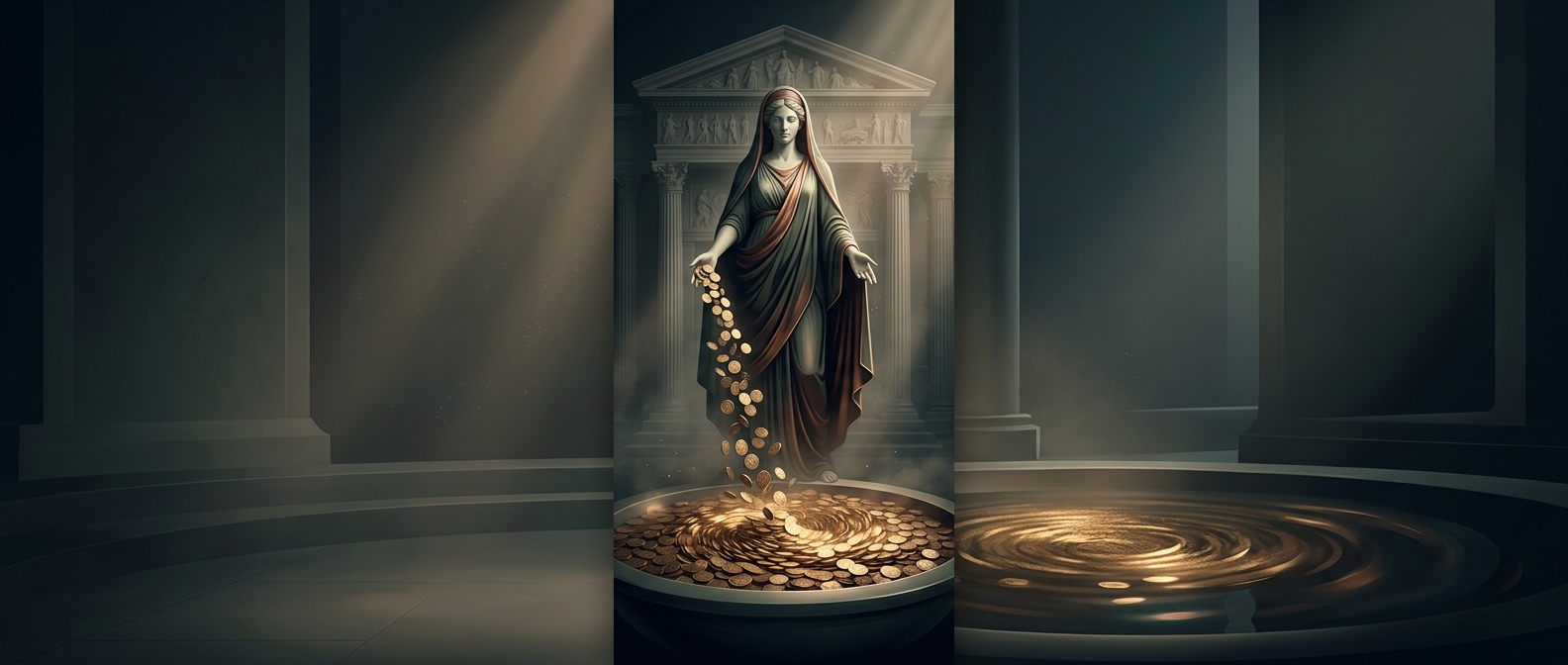
The Roman goddess behind the words money and mint
The Roman mint was housed in Juno Moneta’s temple, so the goddess’s name became attached to the coins made there. Over time, it gave English both “money” and…
Discover more
Wealth acts as a static pool while income is a flow
Income keeps arriving; wealth is the pile someone has already built. Spend more than each paycheck brings in, and a high income can coexist with an empty bank…
Discover more STACKY FOR IPHONE
A bigger world.
One discovery
at a time.
Keep discovering with Stacky. Interesting facts in an app that is always within reach.

Ceteris paribus assumes everything else stays frozen
To test whether one change caused another, economists imagine holding everything else still. That frozen-world assumption is what “all other things being…
Discover more
Dollar bills kept their green partly because the ink lasted
The Bureau of Engraving and Printing says the original choice has no single definitive explanation. When smaller notes arrived in 1929, green pigment was…
Discover more
A hundred-dollar bill can outlive a family car
The Federal Reserve's 2025 estimate gives a $100 note an average life of about 24 years, compared with 7.2 years for a dollar bill. Large notes often sit as…
Discover more
Says law argues that supply creates its own demand
When a business produces goods, it pays workers and suppliers. Say's Law argues that those payments give people income to spend on other goods.
Discover more
Macroeconomics studies the forest instead of the trees
One person’s purchase is too small to describe an economy. Macroeconomics tracks the big totals—national output, prices and growth—built from countless such…
Discover more
Velocity of money tracks how fast cash changes hands
A dollar can pay for lunch, then groceries, then a bus ride as it moves between people. Velocity measures how frequently money is used in transactions over a…
Discover more
Why the dollar's pyramid is unfinished
The pyramid has 13 steps for the original colonies, but its top is left open on purpose. The unfinished design stands for a nation still being built.
Discover more
Scarcity dictates that human wants exceed resources
There are more things people want than any one person can afford or make. Economics looks at the choices that follow: what gets the time and resources, and…
Discover more
Why some people literally vote with their feet
Instead of trying to change city hall, a household can move to a town whose taxes and public services suit it better. The Tiebout model treats that move as a…
Discover more
People are more likely to plant orchards when property rights protect future harvests
An orchard can take years to pay off. If someone else could claim the land or harvest, a planter might lose the fruit of all that waiting; secure property…
Discover more
When doctors marry doctors, local neighborhoods can become more socially homogeneous
When doctors pair off with other doctors, they can end up clustering with similar professionals in the same neighborhoods. A street can become less socially…
Discover more
Why voters rarely know the whole story
If voters cannot see classified information, a campaign can tell a convenient version of events that outsiders cannot check. Local officials then face less…
Discover more
Gated communities perfectly restrict neighborhood access
A neighborhood park can be shared by residents and still be off-limits to everyone else. Gates restrict access to the streets and amenities reserved for…
Discover more
Shared apartments inevitably lead to filthy bathrooms
The bathroom does not get cleaned just because the chore list says everyone shares the work. When no one has the specific job of scrubbing the shower, each…
Discover more
Governments heavily subsidize citizen university attendance
A student gets a degree, but society can benefit too. Governments subsidize university costs because the payoff may reach beyond the person sitting in class.
Discover more
Local zoning boards systematically block most new housing
A proposed apartment building can be stopped one local meeting at a time. Incumbent homeowners may use zoning boards to block new construction, limiting…
Discover more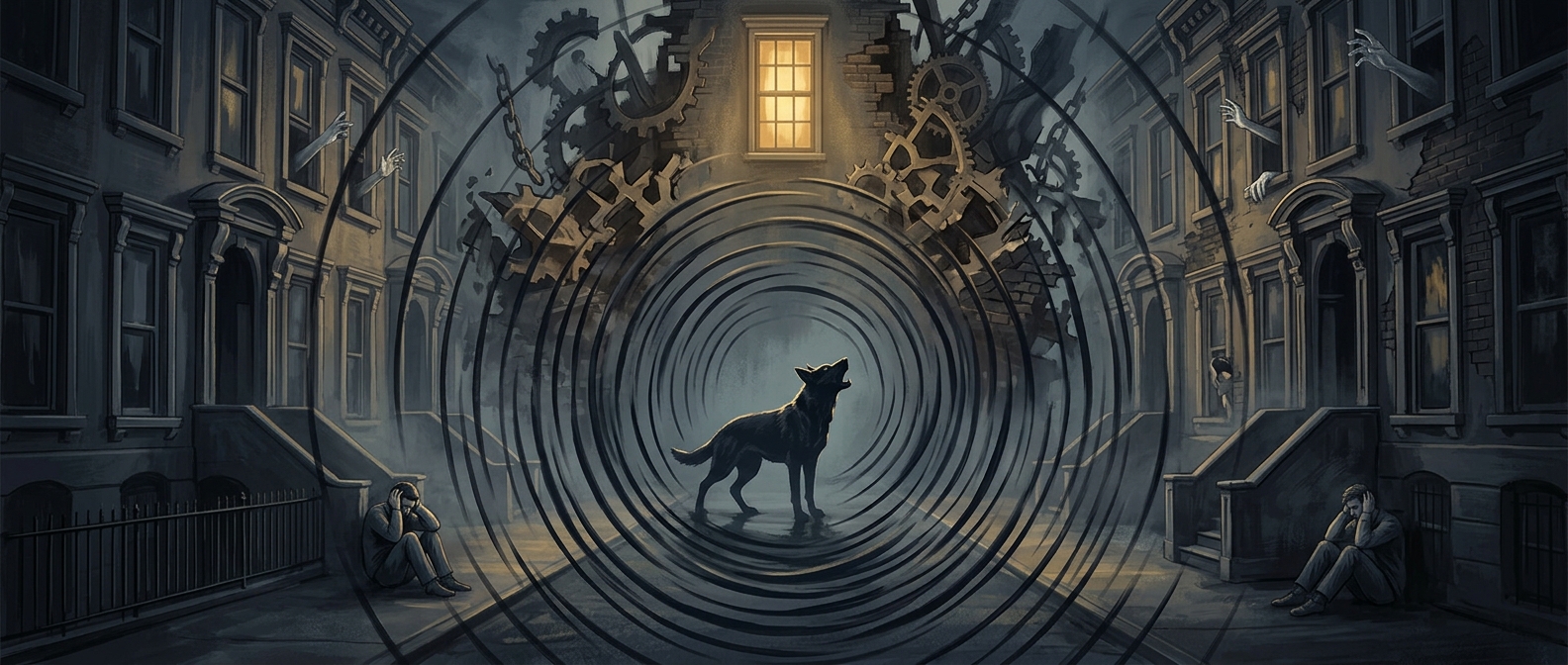
How your dog’s barking becomes your neighbors’ problem
A dog’s owner gets the companionship; the neighbors may get the midnight barking. The noise makes people nearby pay—in lost sleep—for a pet they don’t own.
Discover more
Aging populations force drastically brutal pension reforms
When there are more retirees drawing pensions and fewer working people paying in, each contributor has to support more beneficiaries. That arithmetic puts…
Discover more