Economy
Discover facts about economy. Small discoveries that change the way you see familiar things.
Economy

Pigeons can win million-dollar races
A top pigeon can cost hundreds of thousands of dollars, and owners spend on specialized breeding and diets in pursuit of a million-dollar race prize. The bird…
Discover more
Late night talk shows burn massive daily production budgets
A late-night show has to build a new episode every night, not just put a host in a chair. Writing teams, live bands and guest bookings all add to the daily…
Discover more
How scripted wrestling became a money machine
Promoters combine soap-opera drama with stunt spectacle to sell tickets to wrestling matches. Then broadcasts and merchandise bring in more money after the…
Discover more
Professional fireworks displays incinerate massive budgets
A fireworks show has to pay for more than things that explode: people choreograph the timing, specialists handle the chemical compounds, and safety crews…
Discover more
Westminster's Best in Show prize includes a crystal bowl
The winning dog emerges from seven group winners after breed judging, and the listed awards include trophies and a hand-engraved Steuben crystal bowl. The…
Discover more
How two companies can make a market feel like a monopoly
With only two major sellers, matching prices can leave shoppers with two logos but little real choice. A duopoly can feel like a monopoly without a single…
Discover more STACKY FOR IPHONE
A bigger world.
One discovery
at a time.
Keep discovering with Stacky. Interesting facts in an app that is always within reach.

How sellers profit when buyers pay more
If a seller would have accepted a lower price, the extra amount the buyer pays stays with the seller. That gap has a name: producer surplus.
Discover more
How money gives unrelated things a common price
Money lets you compare things that cannot be traded directly. Instead of finding someone willing to swap half a chair for three apples, you can compare their…
Discover more
Currency pegging chains a weak economy to a stronger one
To keep its currency tied to another, a country has to spend reserves defending the exchange rate. If a market shock drains its ability to do that, the peg…
Discover more
Business cycles guarantee good times will eventually crash
An expanding market can eventually turn downward. Business cycles are the shifts between growth and contraction, not a promise that good times keep going.
Discover more
Why open auctions drive prices higher
In an open auction, every bid is visible, so nobody has to guess what rivals are offering. That public contest can tempt bidders to keep raising the price.
Discover more
Recessions are bad but depressions are just branded misery
Economists don’t have a universally agreed cutoff where a recession becomes a depression. The difference is mostly a matter of how people use the words, not a…
Discover more
You can cancel streaming. You may not be able to skip medicine
A streaming subscription is easy to drop; medicine may not be. That’s why a steep price increase can cut streaming demand more sharply than demand for an…
Discover more
Price floors mandate that things stay annoyingly expensive
Set a legal minimum price above what buyers are willing to pay, and sellers can be left with goods they can’t sell. They’re not allowed to cut the price to…
Discover more
The auction where the winner pays the runner-up's price
Everyone submits one secret bid, but the winner pays the second-highest bid—not their own. That odd rule is meant to make bidders state what the item is…
Discover more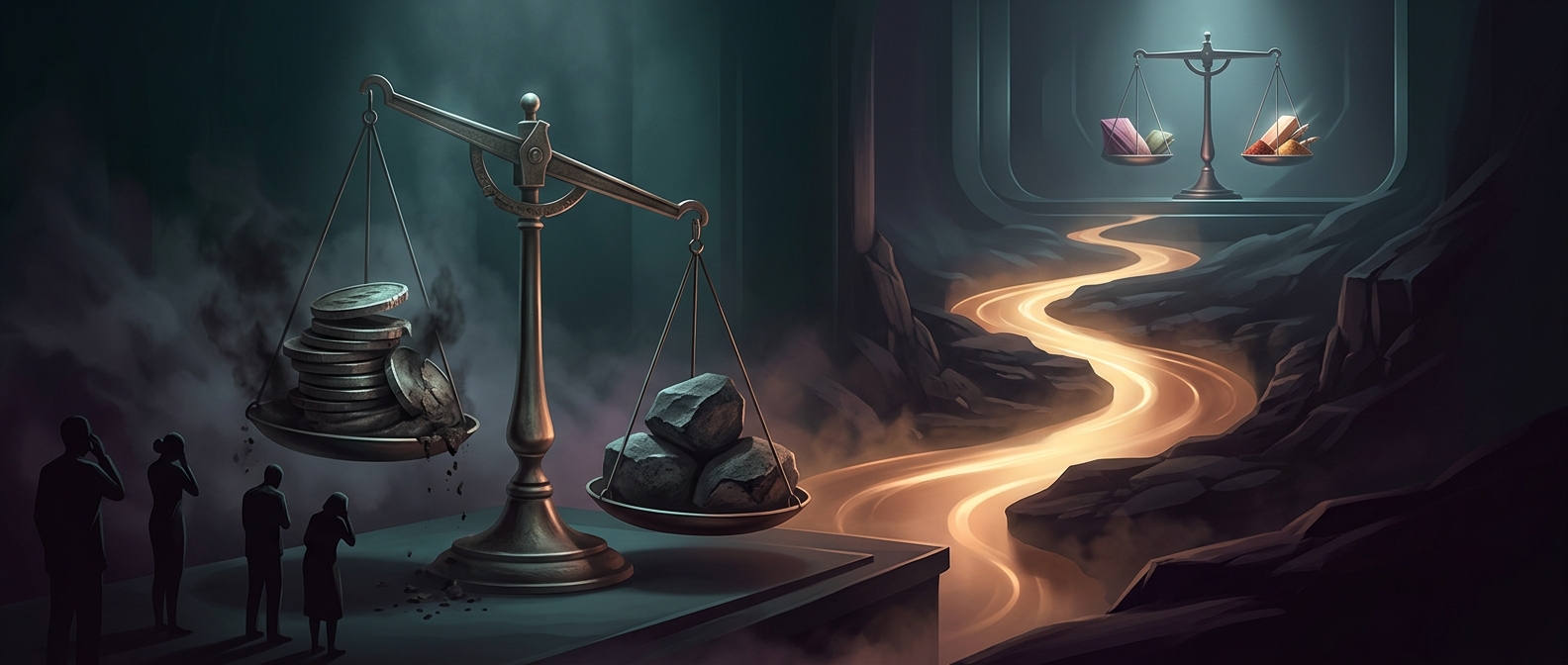
Devaluing a currency makes things worse before they improve
They were first showcased at a fairground to move large crowds across long distances.
Discover more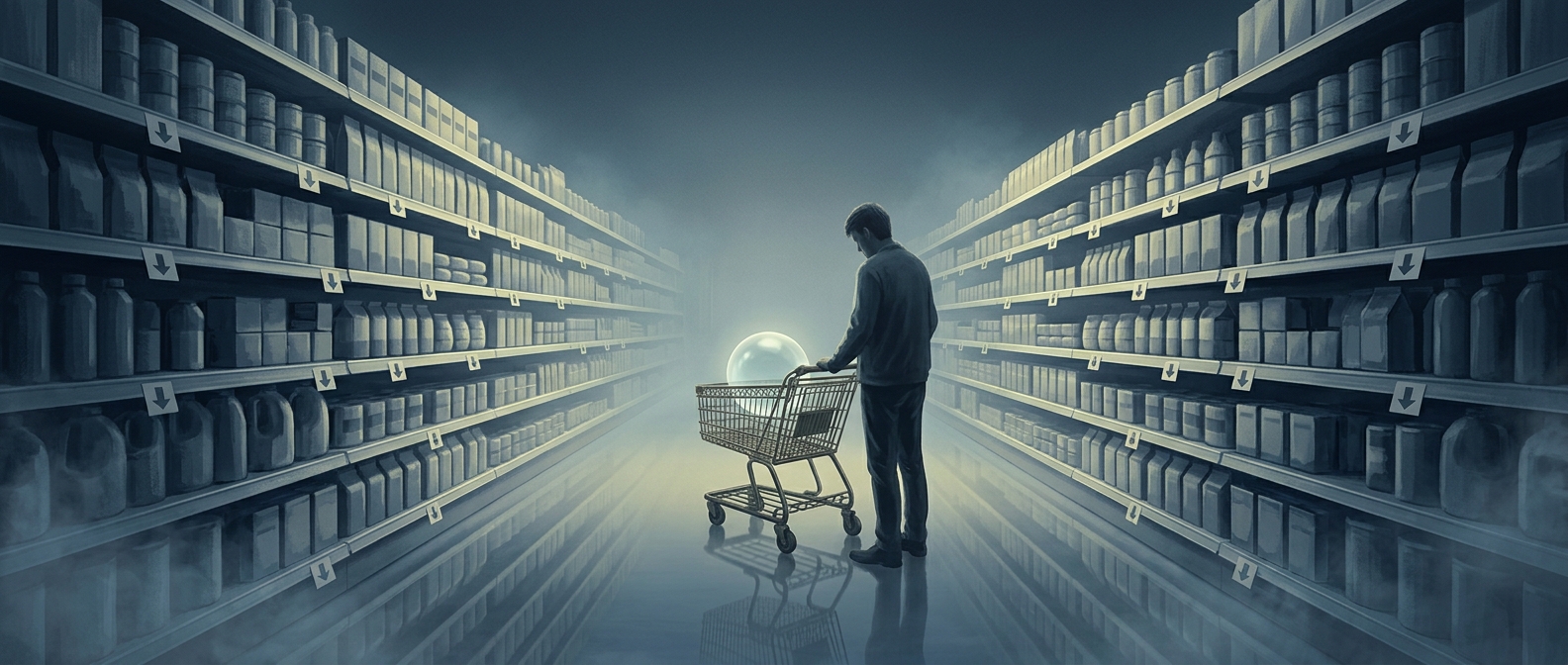
Falling prices can give shoppers a reason to wait
If an expensive purchase is likely to cost less next month, delaying it can look sensible. When many buyers wait together, businesses lose sales and may cut…
Discover more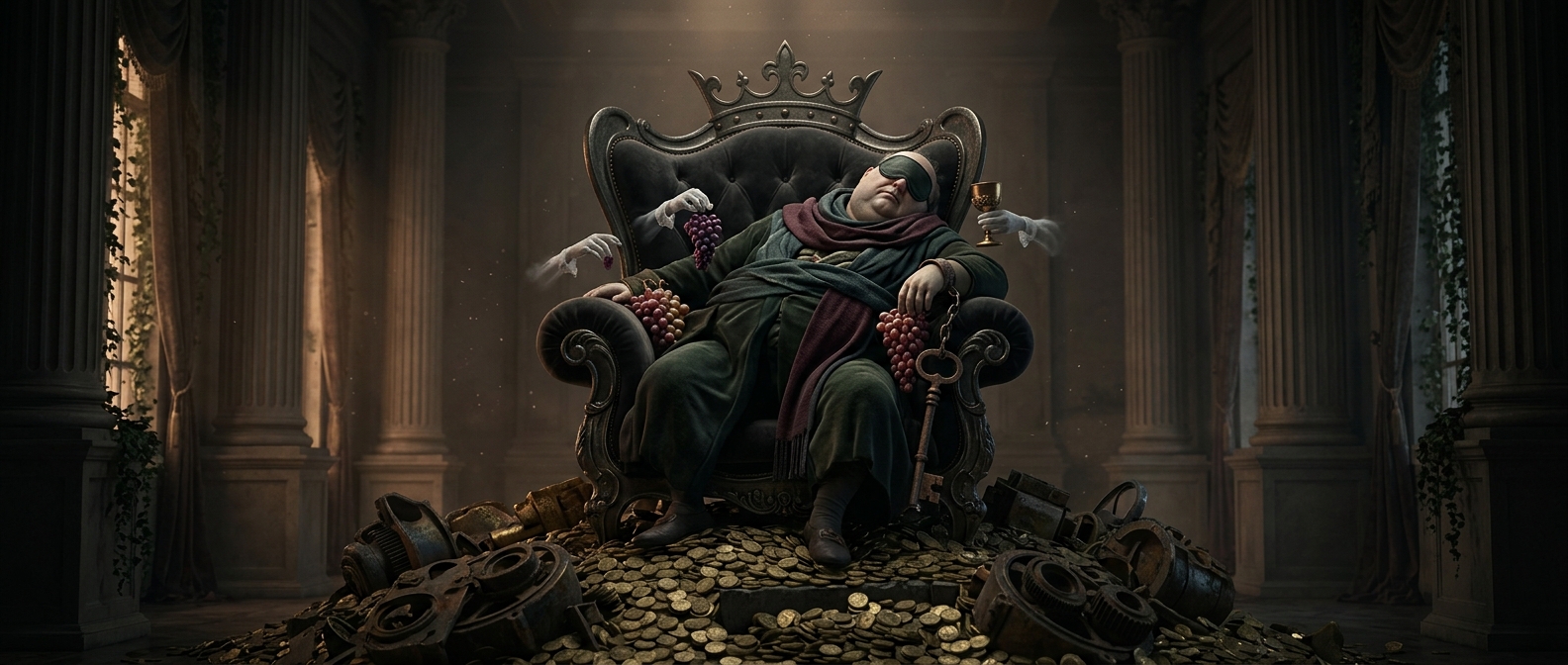
Monopolies get entirely lazy because they have no competition
When customers have nowhere else to go, a dominant firm faces less pressure to trim waste or improve how it works. It can keep operating below its potential…
Discover more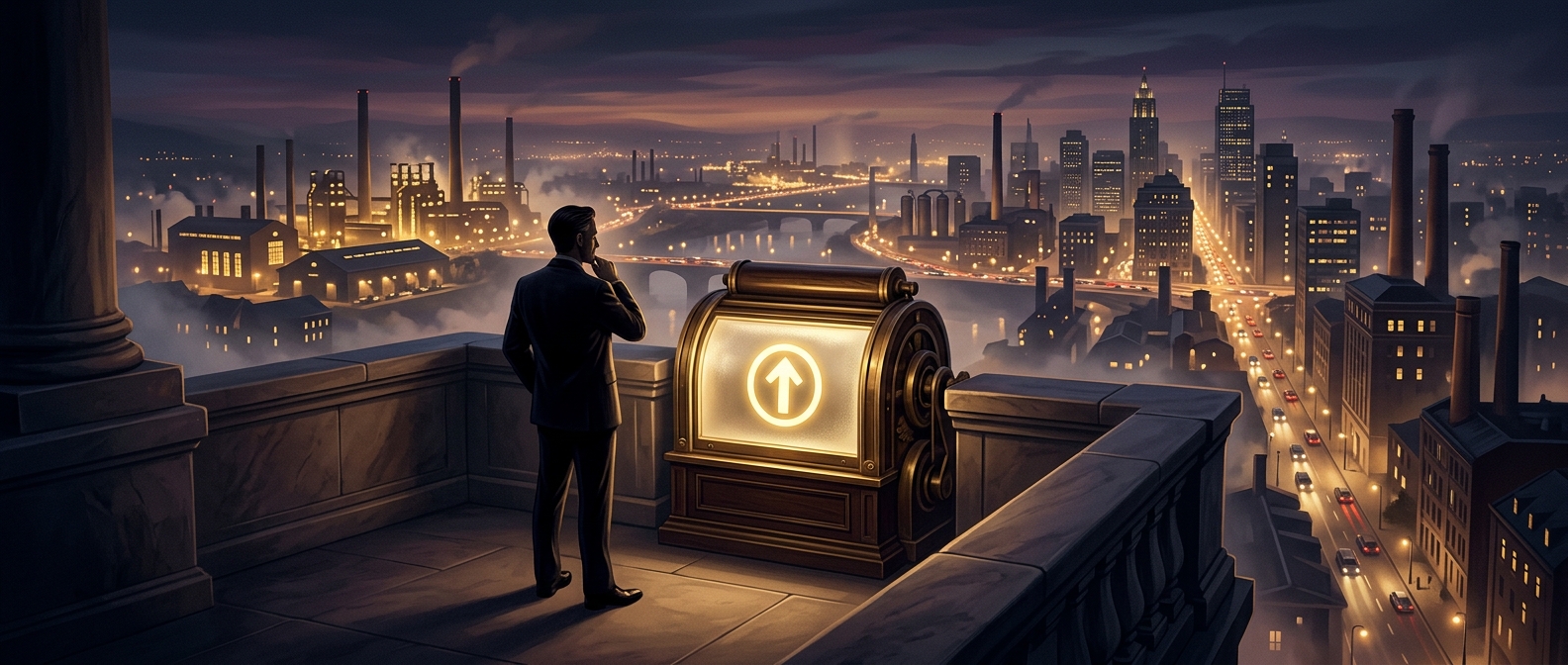
Coincident indicators brilliantly state the absolute obvious
These indicators are a rearview mirror, not a forecast: they move with the economy as it is happening. They can confirm a downturn already underway, but they…
Discover more
The costs that keep running when a factory stops
A factory can stop making a single product and still owe rent. Closing the doors cuts costs tied to production, but the lease keeps sending bills.
Discover more
Quotas are rigid limits blocking foreign competition
A quota limits how much of a product can enter the country. With fewer foreign goods competing for customers, domestic producers can keep prices higher.
Discover more
Why economic models fail when people change strategy
A forecast based on old behavior can fail once a new policy gives people a reason to act differently. Economists call that the Lucas critique.
Discover more
Base year indexing anchors reality to an arbitrary past
Pick a year, call its price level 100, and every later figure becomes a comparison with that year. Change the starting point and the index numbers change,…
Discover more
Pay for the number of nails and you may get tiny nails
The classic nail-factory parable asks what happens when a target replaces the real goal. Reward weight and a factory has an incentive to make huge nails;…
Discover more