Economy
Discover facts about economy. Small discoveries that change the way you see familiar things.
Economy
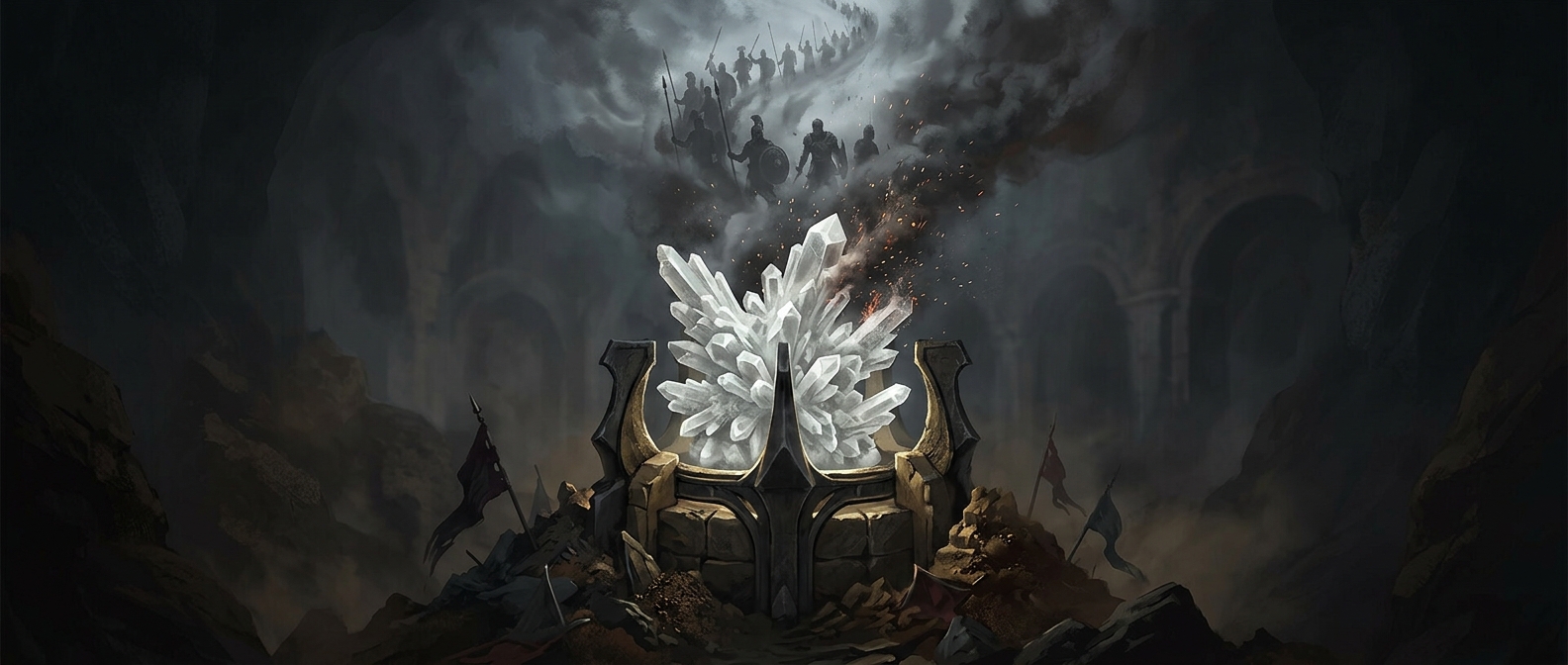
Why armies once needed caves full of bat dung
Before chemists could make potassium nitrate synthetically, armies depended on bat guano for a key gunpowder ingredient. Extracting the dung from caves became…
Discover more
Mink farming persists despite massive public backlash
Public opposition has not ended mink farming because buyers in some global markets still want the animals’ soft pelts. Farms keep operating to supply that…
Discover more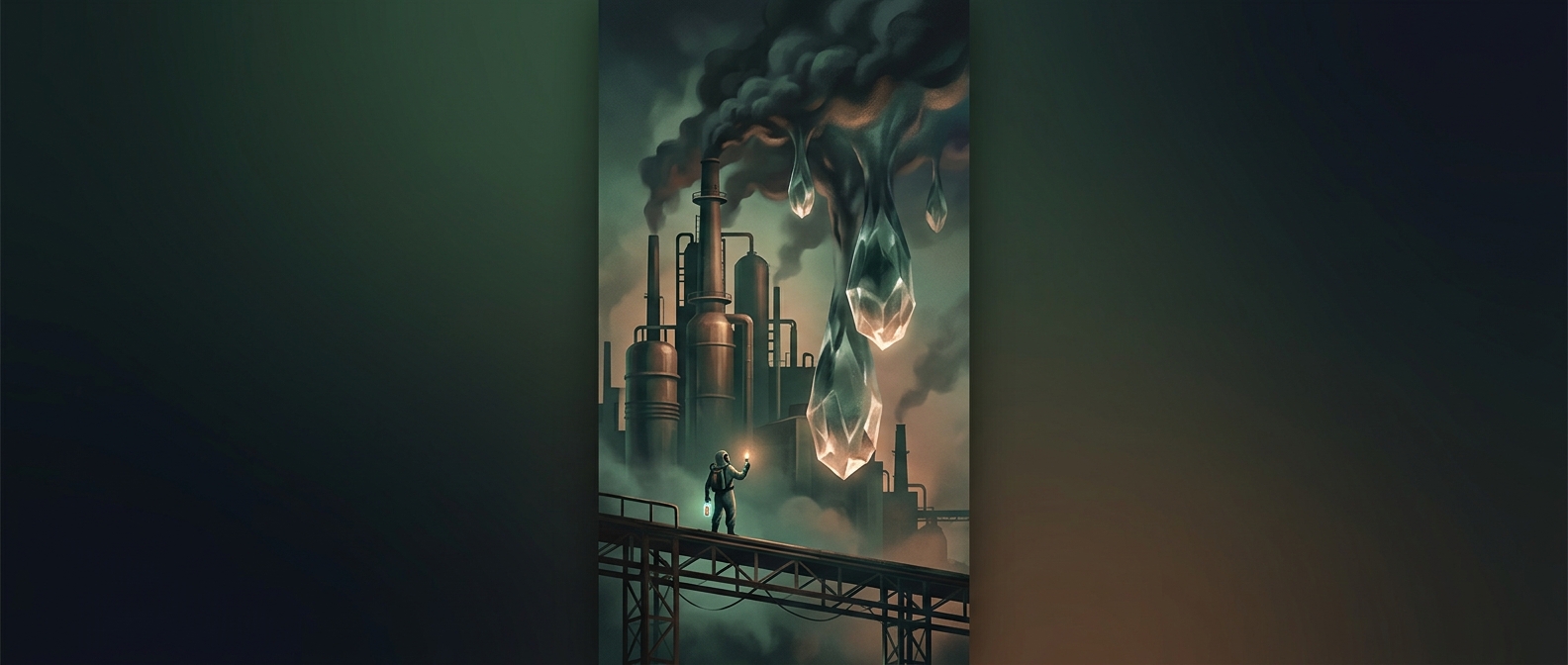
Freon replacement cost chemical giants heavily
Refrigerant makers had to replace chemicals that damaged the ozone layer after rules required less harmful alternatives. The cost and effort fell on chemical…
Discover more
The humble pallet behind global trade
A forklift can lift a whole stack of goods when they sit on a standard pallet. Without that base, workers would have to move the boxes one by one.
Discover more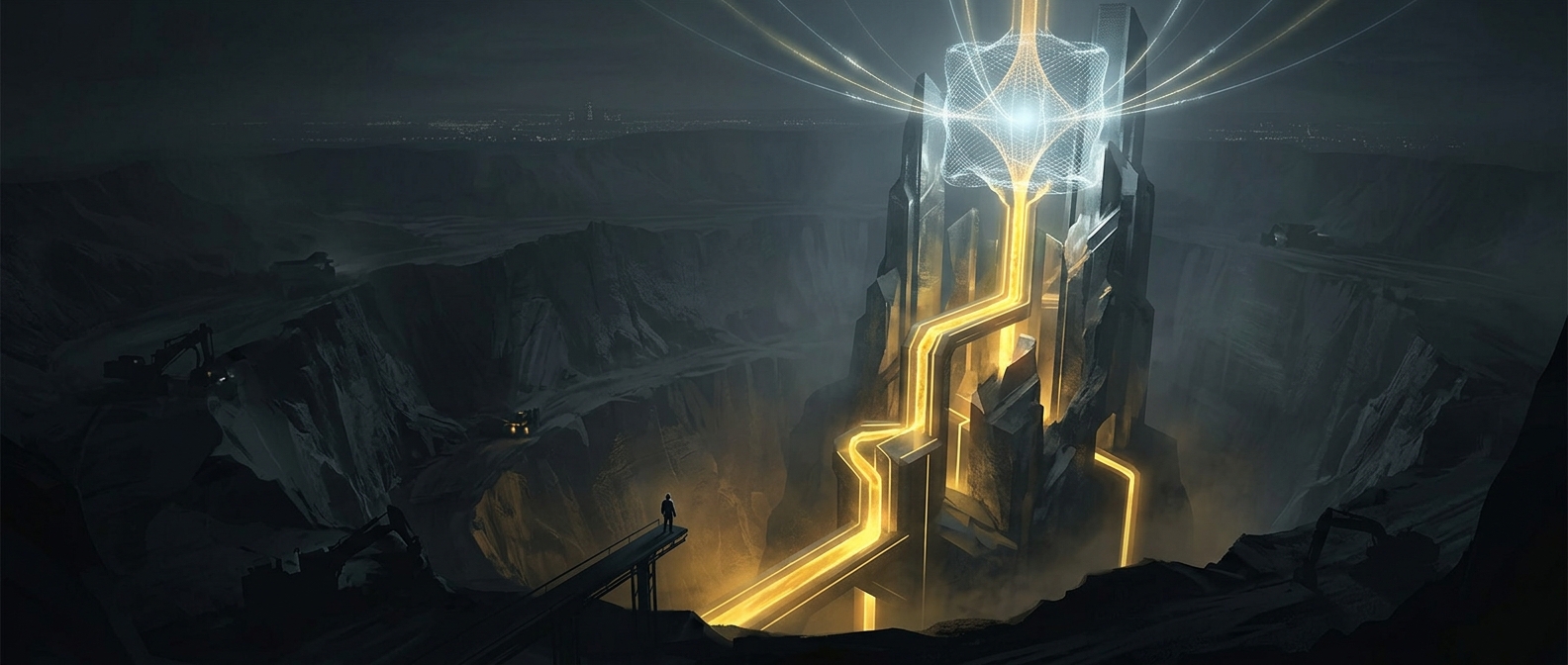
Uranium yellowcake powers modern nuclear reactors
It sounds like something you would stir into breakfast, but yellowcake is milled uranium oxide. It is a regulated starting material used to make nuclear fuel.
Discover more
Window shopping was designed to tempt sidewalk pedestrians
A shop window turned a sidewalk into a sales floor. Lavish goods sat behind large, bright glass, tempting pedestrians who had been on their way somewhere else.
Discover more STACKY FOR IPHONE
A bigger world.
One discovery
at a time.
Keep discovering with Stacky. Interesting facts in an app that is always within reach.
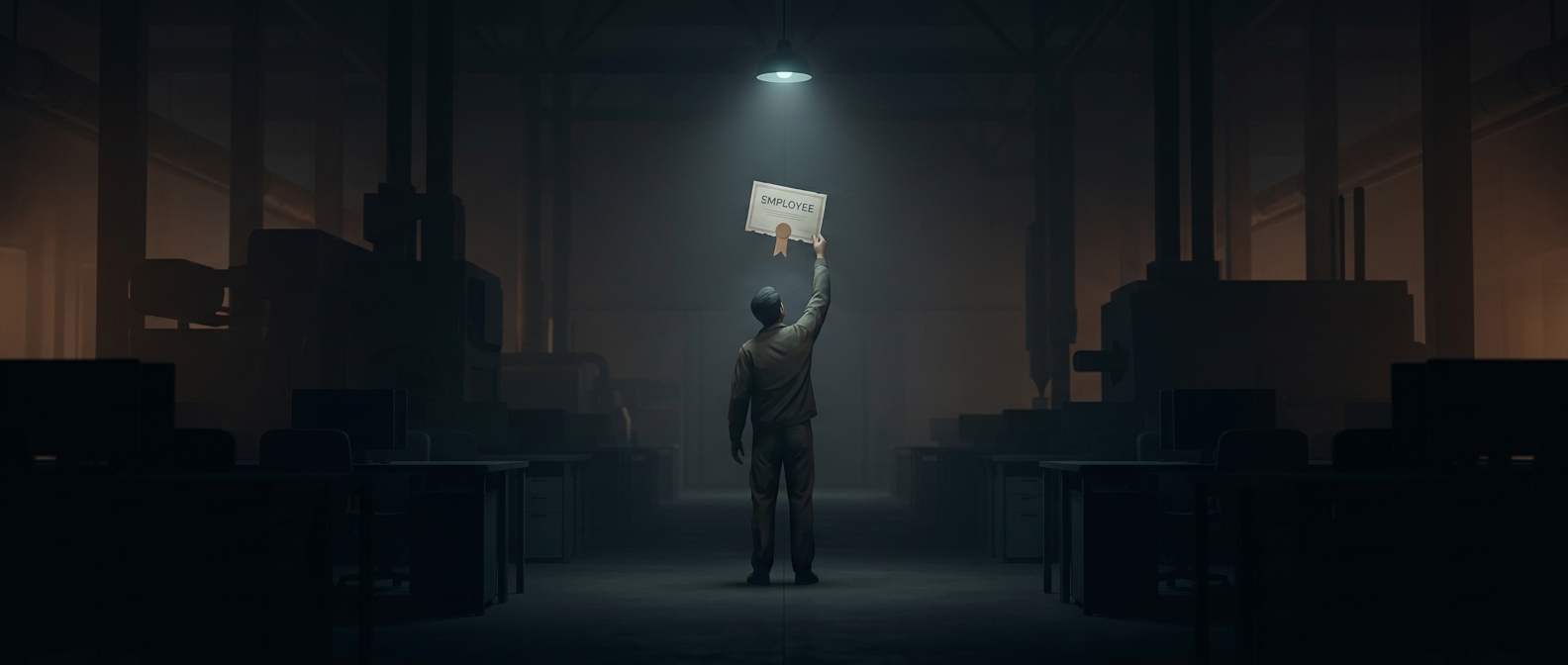
The cheap trick behind employee-of-the-month awards
Instead of a tangible bonus, the employee of the month got a face on a hallway plaque. Management used recognition as a low-cost way to encourage productivity.
Discover more
Corporate team building borrowed from small-group laboratories
The National Training Laboratories developed T-groups in which participants examined their interactions and received feedback. That work on group dynamics…
Discover more
Nuclear waste storage requires century planning
The waste does not stop being dangerous when the people who stored it are gone. Plans must keep spent fuel isolated and consider how future generations might…
Discover more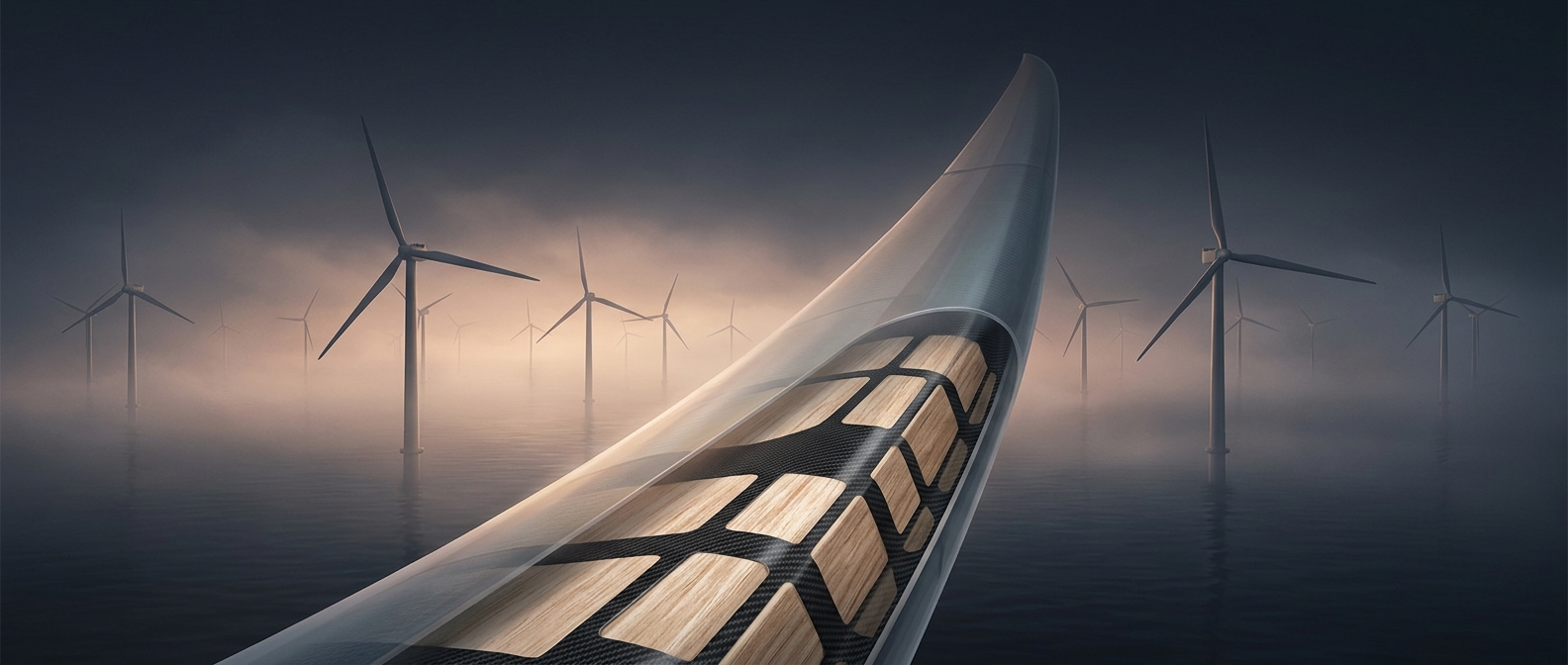
Some giant wind-turbine blades contain lightweight balsa
Sandwiched between stronger outer layers, a light core adds thickness without much weight. That separation helps a blade resist bending, much as a deep beam…
Discover more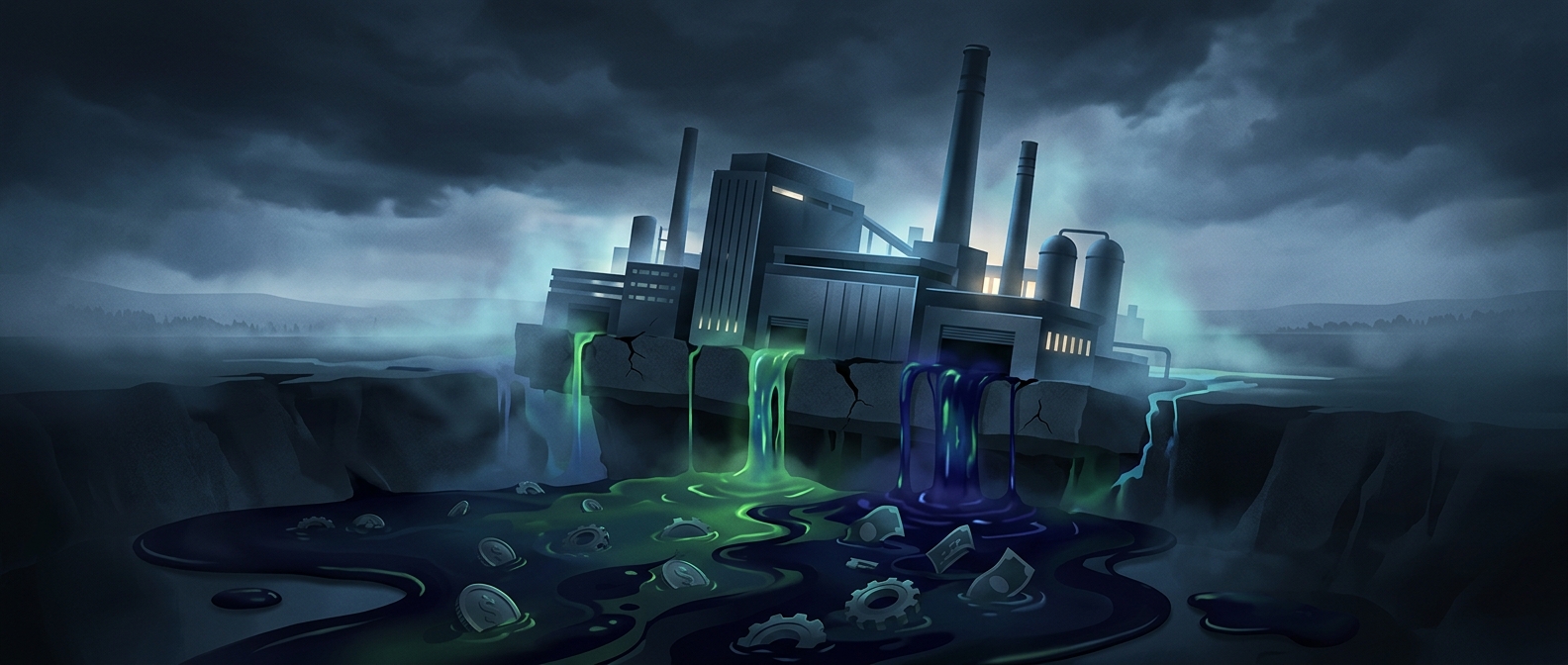
Why nonstick chemicals are costing manufacturers billions
PFAS can persist in the environment long after manufacturers used them. Cleanup bills have followed, with legacy chemical companies facing major settlements…
Discover more
Why paid sick leave became good business
Staying home meant paying one worker not to work. Letting them in sick could mean mistakes, more sick coworkers, and even more missed work. Employers started…
Discover more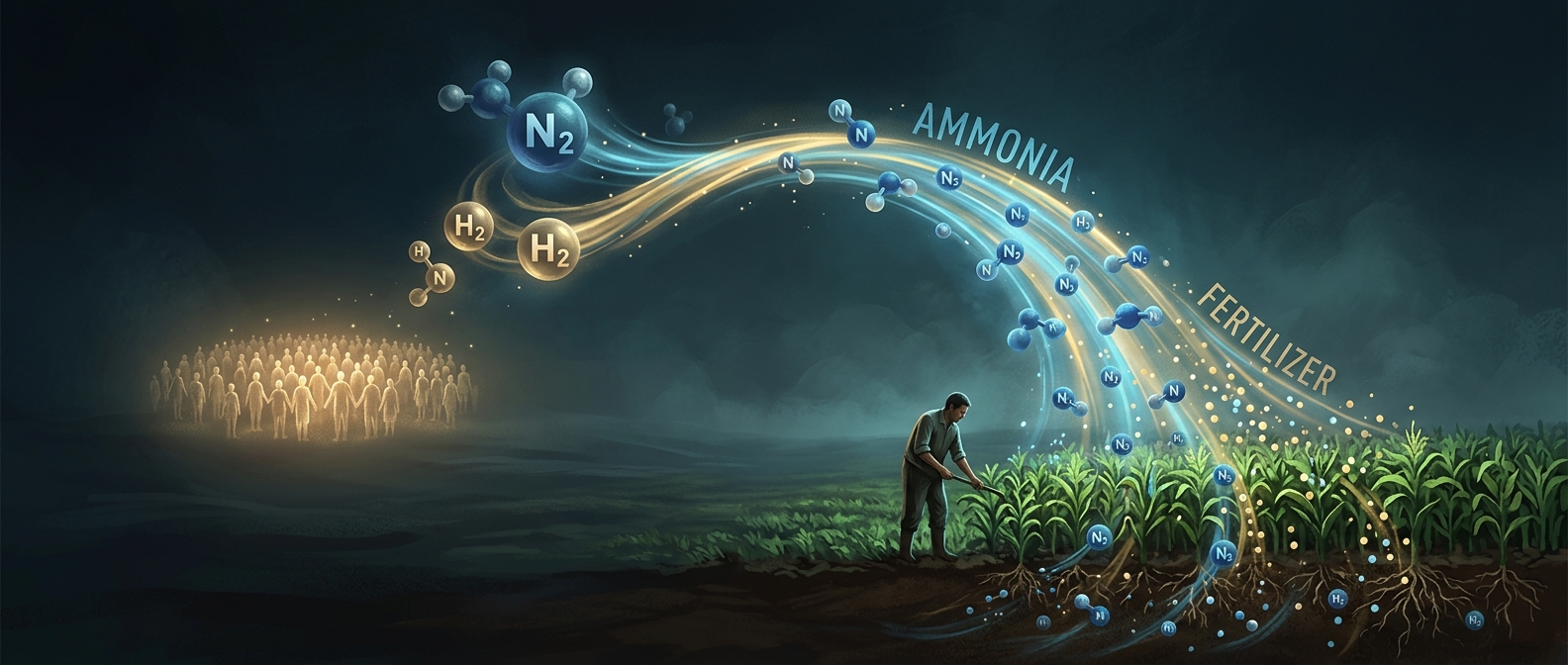
Fertilizer factories turn air into a foundation of the food supply
The Haber–Bosch process combines nitrogen from air with hydrogen to make ammonia. Crops can then receive nitrogen in usable fertilizer instead of relying only…
Discover more
Corn flakes had to survive the grocery shelf, not just breakfast
Early flaked-corn experiments produced food that could be appealing fresh yet spoil during storage and distribution. Making a stable, crisp product was part…
Discover more
Emu oil drives a niche alternative medicine market
The product starts as emu fat: it’s rendered into an oil that wellness practitioners sell for joint aches. A flightless bird has become the source of a niche…
Discover more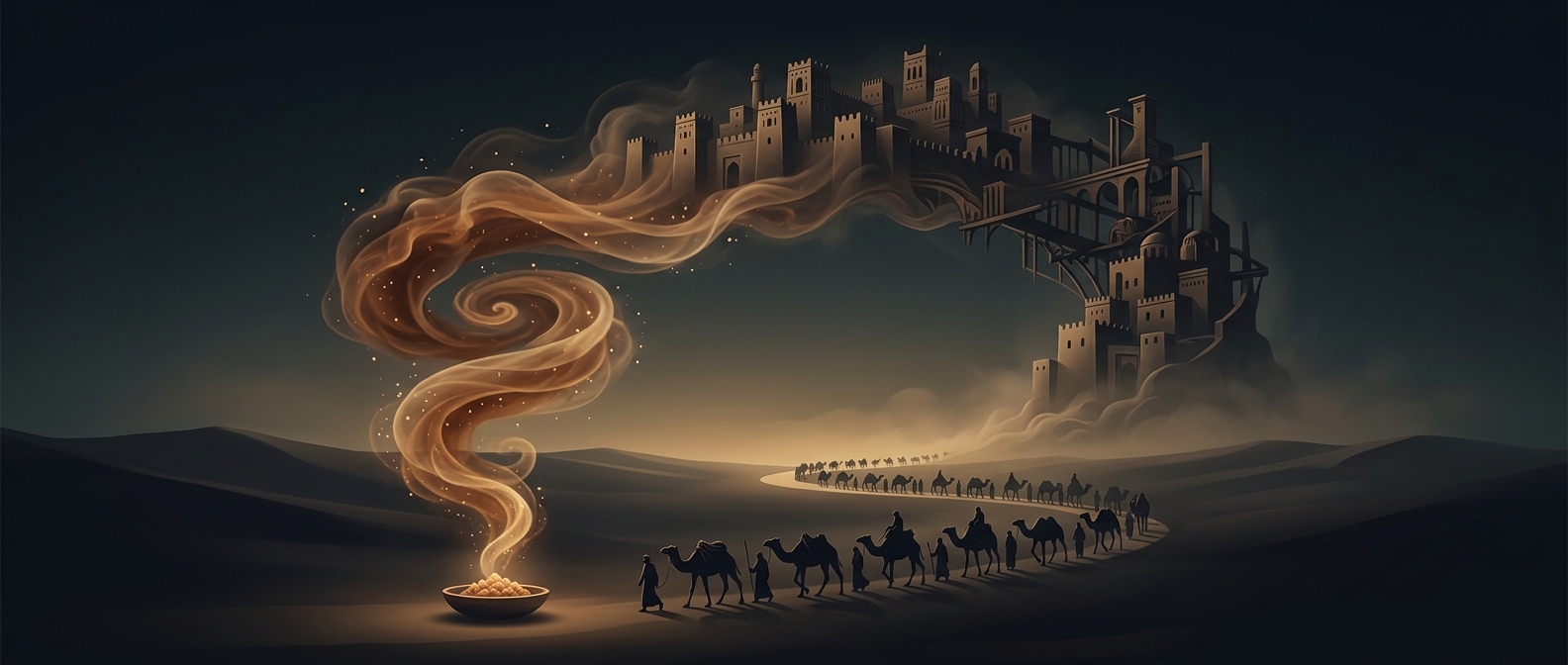
Frankincense turned desert routes into trade routes worth controlling
The fragrant tree resin was burned in religious ceremonies, creating demand far from the places where it grew. Merchants and rulers profited from moving it…
Discover more
Middle managers translate between a plan and the people doing it
An executive's target has to become schedules, priorities, and decisions about everyday problems. Team members also need someone who can carry those problems…
Discover more
Dockers helped sell offices on dressing down
In the 1990s, the khaki brand circulated a guide showing employers what acceptable casual office clothing could look like. It did not invent every dress-down…
Discover more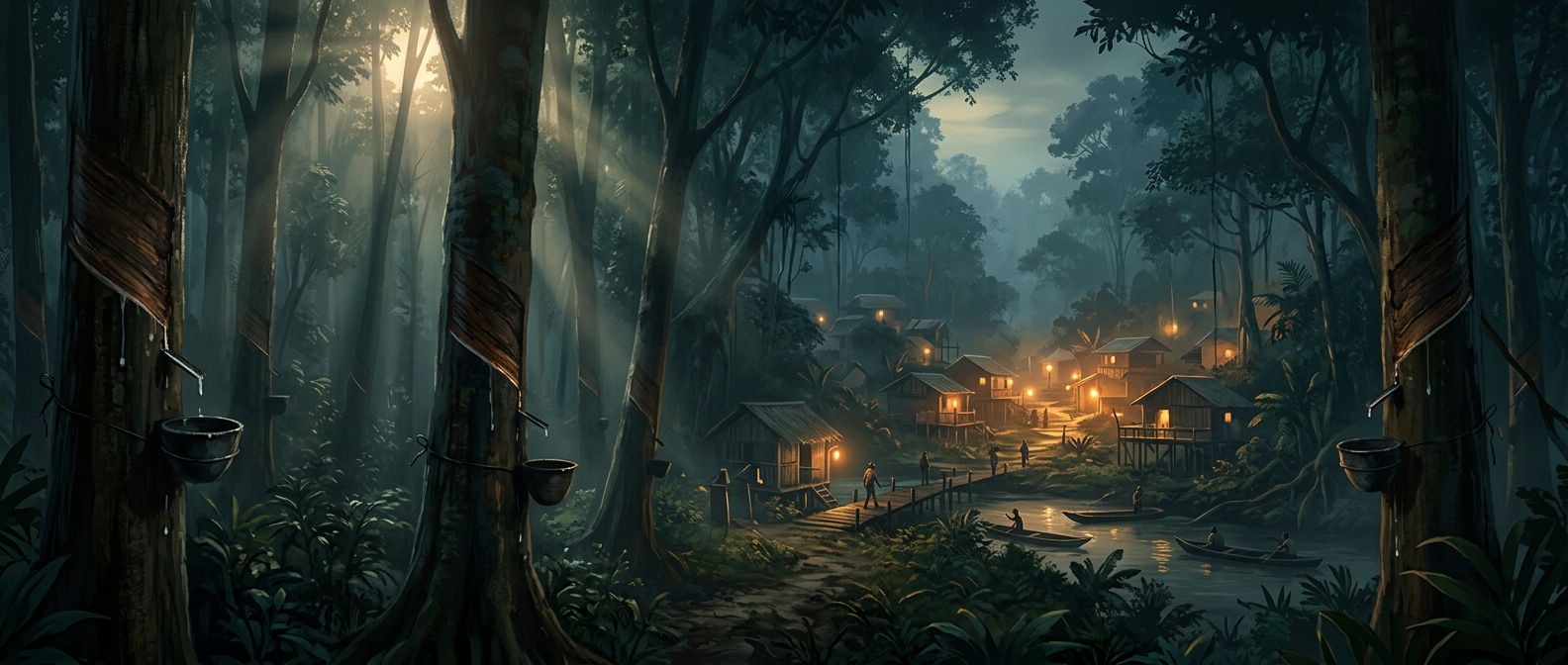
Rubber booms transformed isolated jungle towns
Vulcanized tires created a market for wild Amazon rubber, and isolated towns grew to supply it. The wealth depended on the brutal exploitation of Indigenous…
Discover more
Donut breaks became a morning corporate staple
Office workers didn’t have to leave their buildings to find a morning pastry. Bakery carts rolled through the offices, turning a convenient sale into a…
Discover more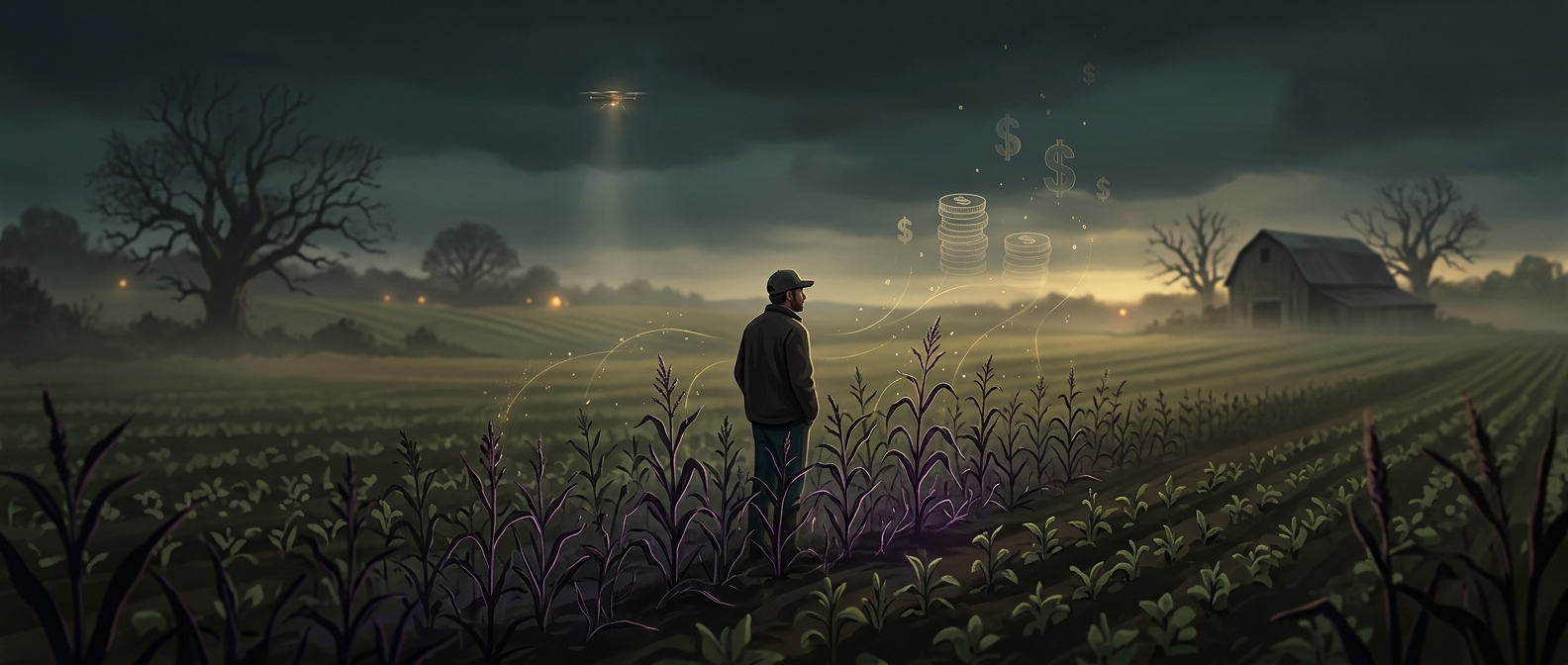
Herbicide resistance costs farmers billions annually
Glyphosate kills many weeds, but the ones that survive repeated spraying can leave more resistant offspring behind. Farmers then face tougher weeds—and…
Discover more
Cubicles were meant to free office workers
A cubicle was supposed to give an employee a more flexible workspace. In the hands of businesses, it became a cheap way to squeeze more desks into an office.
Discover more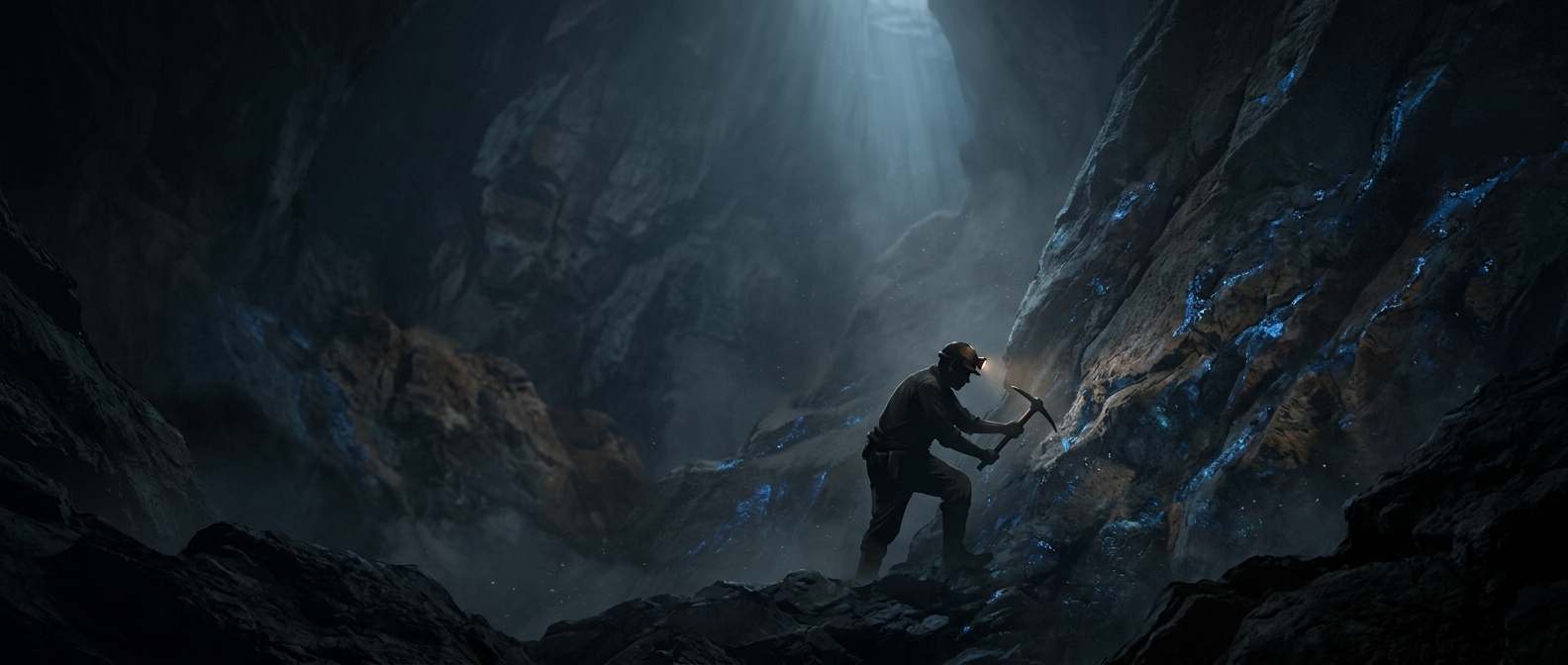
Your electric car may depend on dangerous hand-mined cobalt
Cobalt used in electric cars can come from hand-dug mines, where impoverished artisanal miners work in dangerous conditions. The clean-looking car depends on…
Discover more
Firewood cords remain a massive informal market
In many places, buying firewood still means dealing with a local seller and a pickup truck stacked with split logs. The trade happens directly, rather than…
Discover more