Economy
Discover facts about economy. Small discoveries that change the way you see familiar things.
Economy

Seaweed farming relies on extensive coastal ropes
Kelp farmers don’t plant rows in soil. They seed long ropes in shallow bays, where the seaweed grows downward without fertilizer.
Discover more
Crickets provide high protein with minimal daily feed
A cricket farm can stack its livestock in bins inside a small warehouse. The insects turn food scraps into protein, using far less daily feed than cattle.
Discover more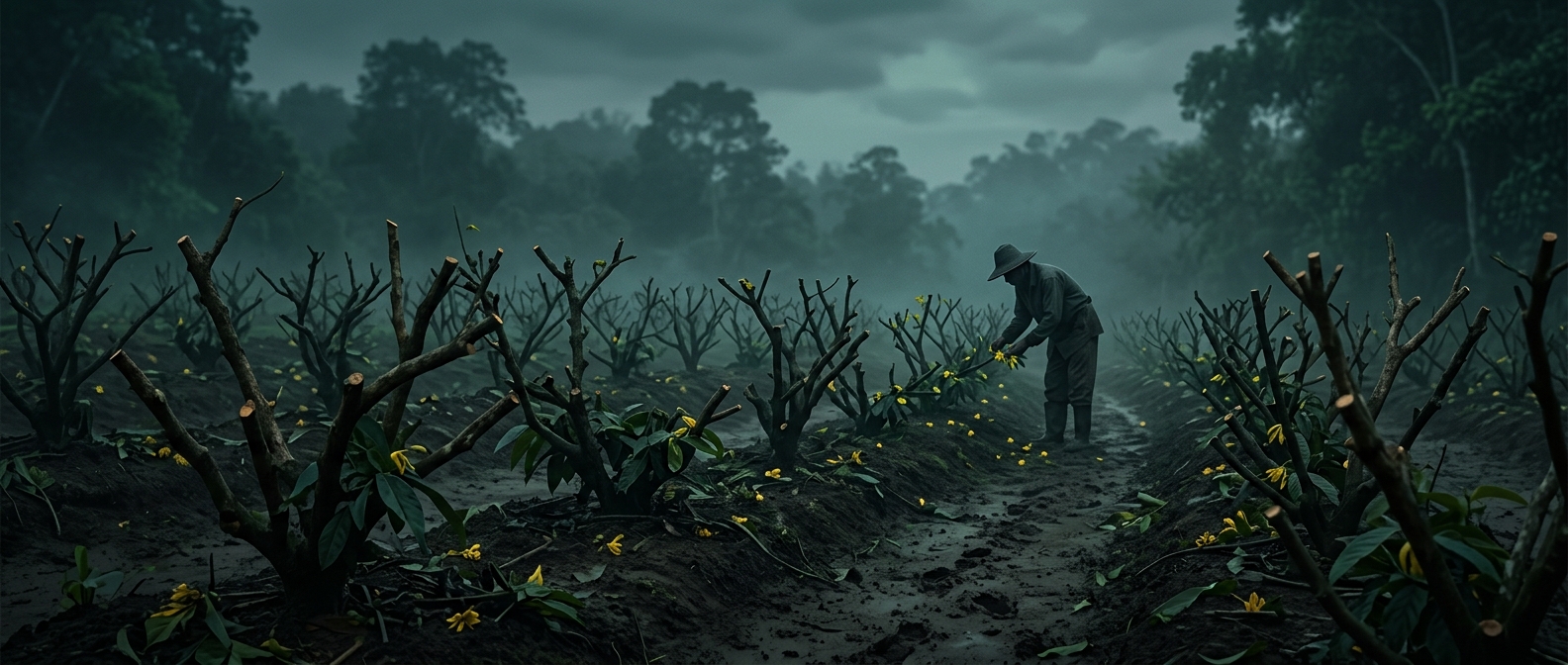
Why ylang-ylang trees are pruned into low bushes
A ladder costs time and effort at harvest, so farmers prune ylang-ylang trees into low bushes. The blossoms stay within easy reach.
Discover more
A fungus can make grapes worth saving, not throwing away
Under the right conditions, Botrytis damages grape skins and lets water escape, concentrating sugars and changing the fruit's chemistry. Those shriveled…
Discover more
The coffee substitute made from chicory root
When blockades cut off coffee, people roasted and ground chicory root instead. It made a dark, bitter drink that could stand in for the missing beans.
Discover more
Scientists put windows into living cows' stomachs
A surgically fitted port lets researchers sample a cow's rumen, the large chamber where microbes break down its food. They can compare how those microbes…
Discover more STACKY FOR IPHONE
A bigger world.
One discovery
at a time.
Keep discovering with Stacky. Interesting facts in an app that is always within reach.
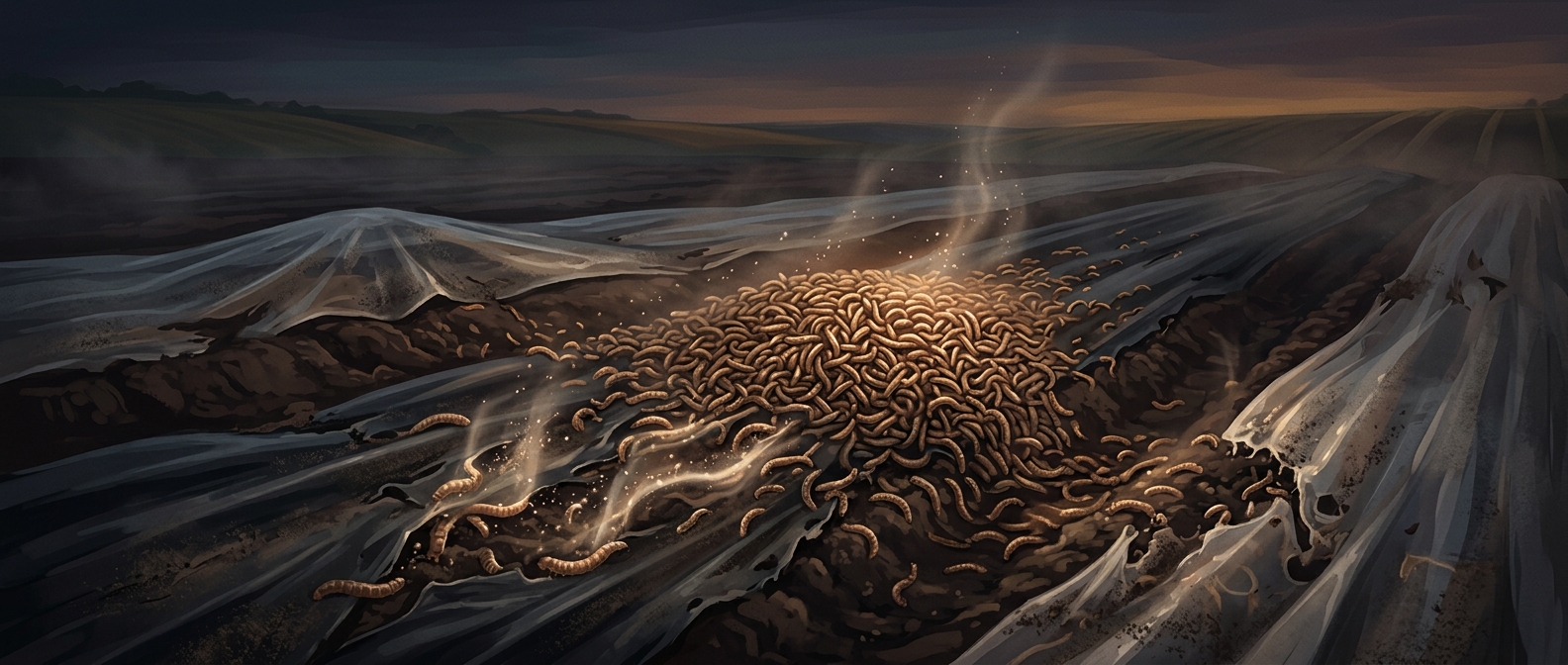
Mealworms can eat Styrofoam without dying
Gut bacteria let mealworms break down polystyrene foam without dying. Researchers are exploring the trick, but using mealworms to process waste remains…
Discover more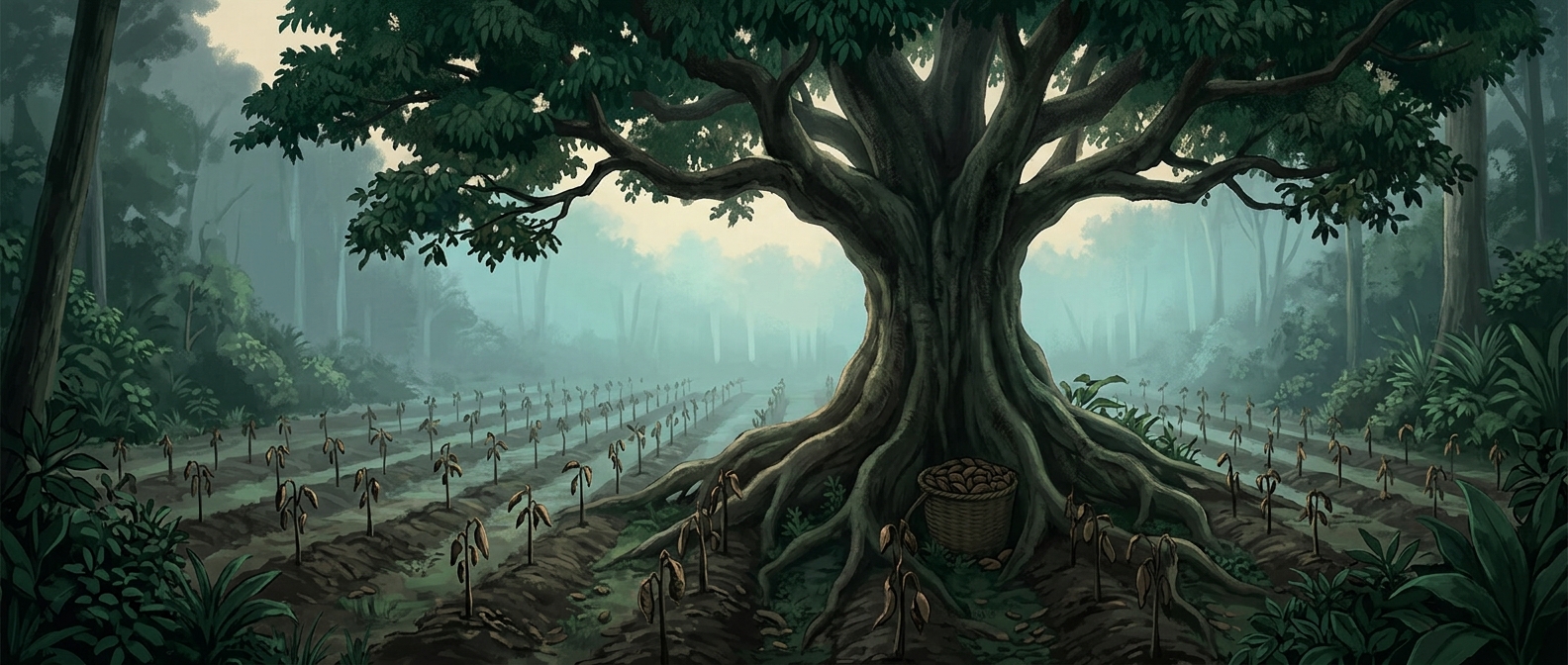
A Brazil nut depends on bees strong enough to enter its flower
The flower has a hood that suitable large bees must push aside to reach the reward inside. They carry pollen between trees, enabling the seeds we eat to…
Discover more
The bean that thickens ice cream and cosmetics
A drought-resistant bean supplies a surprisingly powerful thickener: guar gum. A tiny amount can give watery ice cream or cosmetics a creamy, gel-like texture.
Discover more
Why iris roots are dried for three years before perfume
Fresh iris root smells like a stale potato, not a perfume ingredient. It has to be peeled and kept in dark rooms for up to three years before its violet-like…
Discover more
Why jasmine is harvested before sunrise
Jasmine’s valuable oils can fade once sunlight hits the blossoms, so laborers pick them at night or before dawn. That time-sensitive harvest adds cost to…
Discover more
Some pine cones keep seeds locked away for years
Jack pine cones can remain sealed with resin long after their seeds mature. Heat opens that seal, releasing seeds onto ground a fire has cleared of competing…
Discover more
Why pistachio shells split open
A pistachio’s shell splits because the growing nut swells against it. If the shell stays closed, the nut may not have matured enough to pop it open.
Discover more
Ice wine grapes must freeze solidly while on the vine
Ice wine’s expensive secret is what the press barely gets: frozen grapes yield only a small amount of concentrated sugar syrup. The fruit must first freeze on…
Discover more
Ostrich leather features distinct feather bumps
Ostrich leather’s bumps are not stamped on: they are the empty follicles where large feathers once grew. Careful tanning keeps that texture visible.
Discover more
Maple syrup starts as mostly water
At roughly 2% sugar, maple sap needs about 40 gallons boiled down to produce one gallon of syrup; the ratio changes with the sap's sugar content. The…
Discover more
Arrowroot powder perfectly thickens highly acidic fruit
Arrowroot keeps thickening even in tart fillings such as lemon or berries. Cornstarch can lose its structure in acid, leaving a pie runny; arrowroot helps it…
Discover more
Asbestos removal became a multibillion-dollar cleanup industry
Schools and hospitals built with asbestos now need crews to remove it carefully. The fire-resistant fibers once used in those buildings have become the reason…
Discover more
Ford's five-dollar day came with questions about life at home
In 1914, Ford's new pay arrangement offered workers a major increase, but eligibility for its profit-sharing component depended on company standards of…
Discover more
Retirement once helped employers replace older workers
Older workers often earned more, so some efficiency-minded executives saw pensions and retirement ages as a tidy way to get them to leave. Their jobs could…
Discover more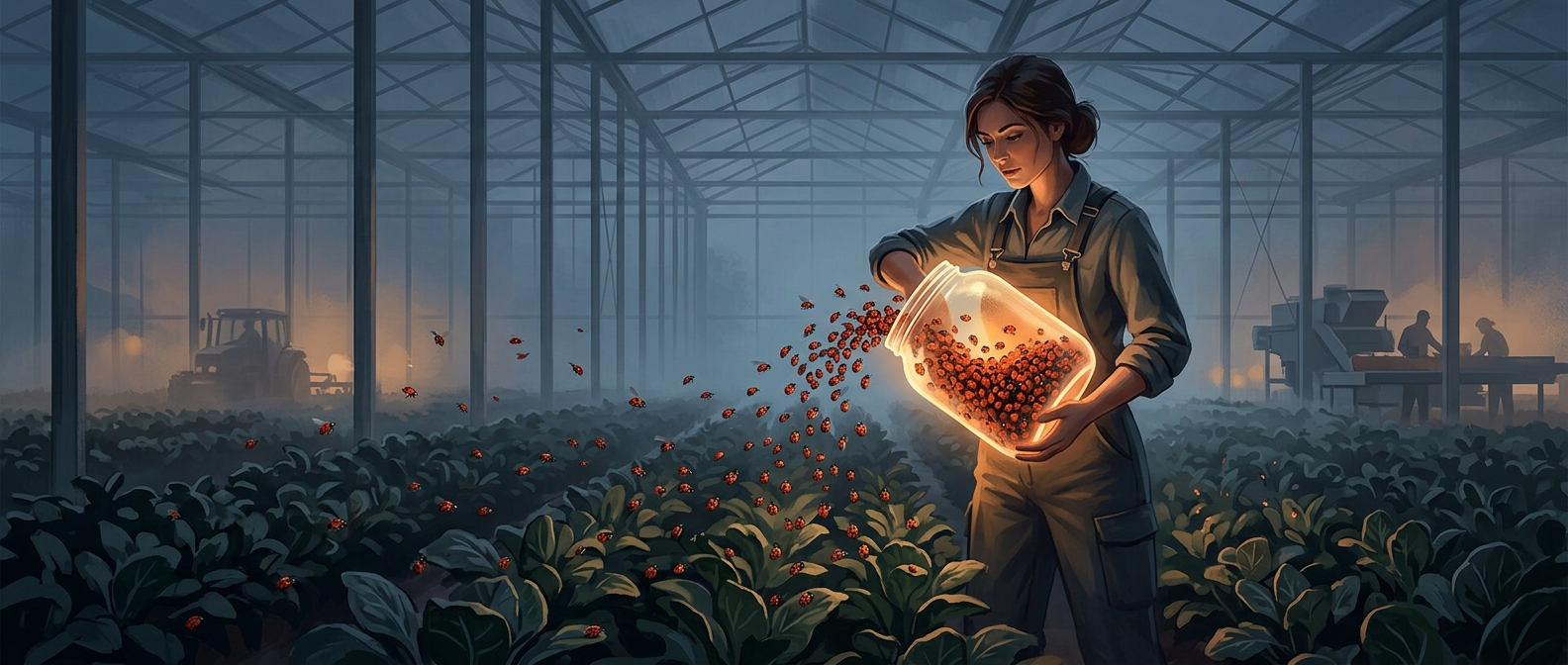
Farmers buy ladybugs by the gallon
Farmers buy ladybugs by the gallon and release them onto crops. The beetles eat aphids, doing pest-control work without a chemical spray.
Discover more
The shared drinking cup helped create a market for disposable ones
Public cups passed from mouth to mouth at water sources became a target of hygiene campaigns. Single-use cups offered a different arrangement: share the water…
Discover more
Alpaca fleece is sheared for specialty insulation
The useful part of alpaca fleece is hiding inside each strand: its fibers are hollow, which helps with insulation. It also lacks lanolin, making it an option…
Discover more
Why employers don’t want you discussing pay
Two coworkers can do similar jobs and still have no idea one is paid less. Pay secrecy blocks the comparison that could help them bargain together, giving…
Discover more