Economy
Discover facts about economy. Small discoveries that change the way you see familiar things.
Economy
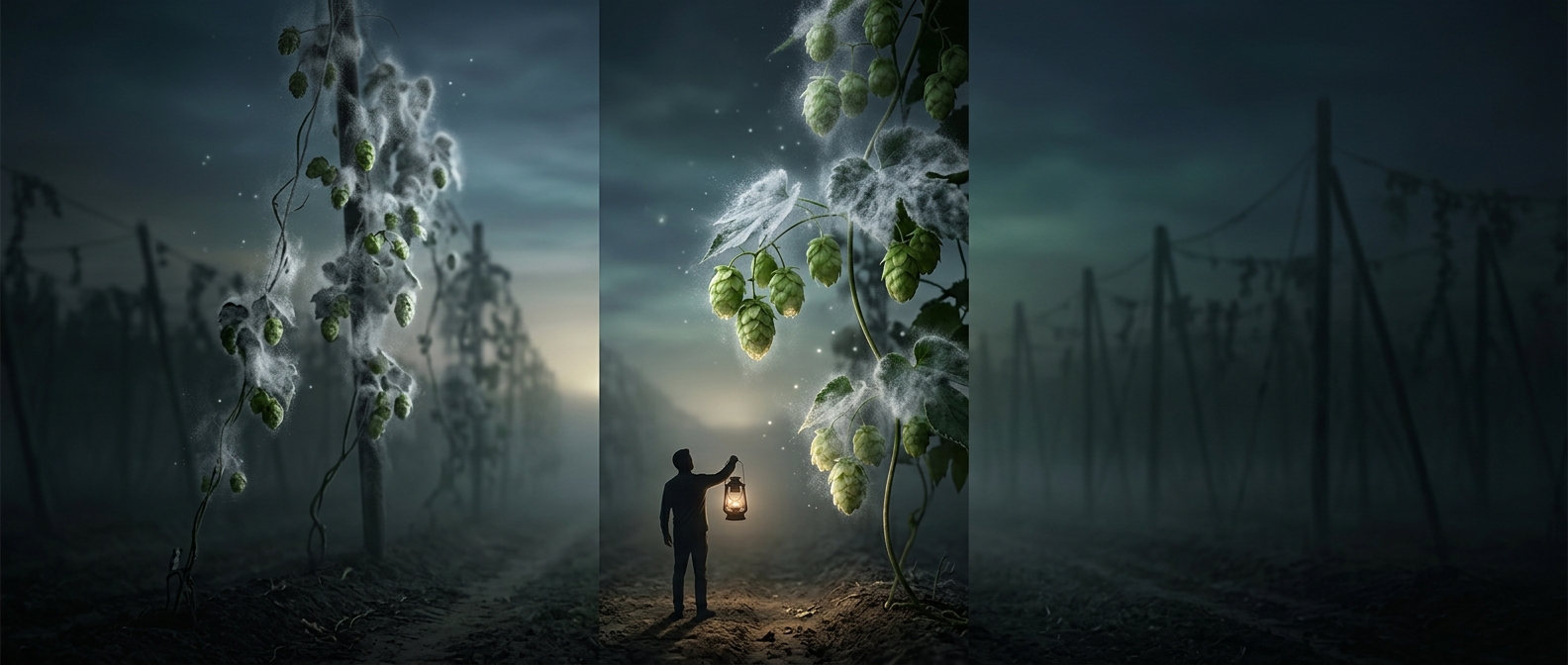
Hops are incredibly vulnerable to powdery mildew
Your craft beer is constantly under threat from a sneeze. The hops plant is notoriously sensitive to agricultural diseases, especially mildews that coat the…
Discover more
A bottle of tequila starts with a seven-year-old plant
Margaritas require extreme botanical sacrifice. A blue agave plant takes seven long years to swell with enough starches to make alcohol. Once perfectly ripe,…
Discover more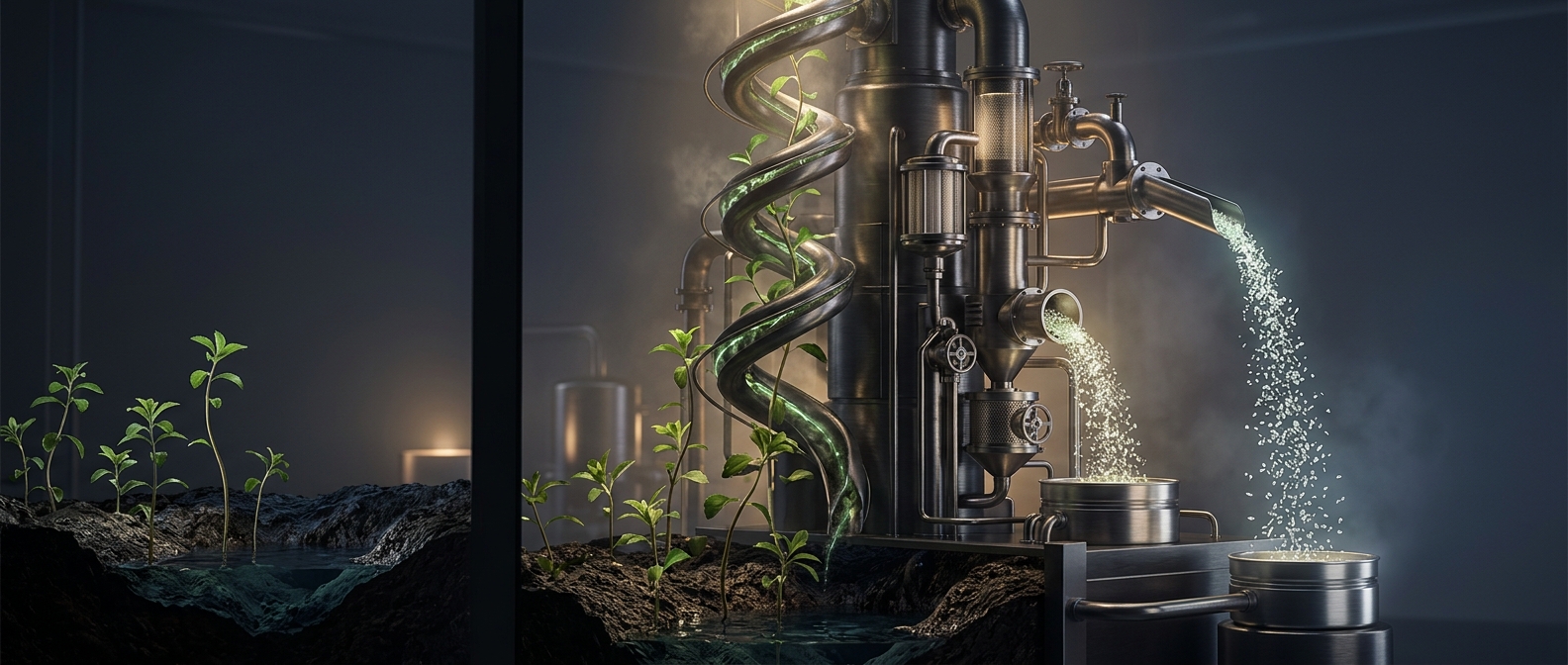
Stevia leaves require heavy processing for bitterness
Natural sweeteners are rarely actually natural by the end. Raw stevia leaves are incredibly bitter and taste intensely of licorice. To get that white powder…
Discover more
Vetiver grass roots are uprooted purely for their oil
Most grasses are ignored, but this one is ripped out of the ground for profit. Vetiver grass grows a massive, tangled root system that happens to contain…
Discover more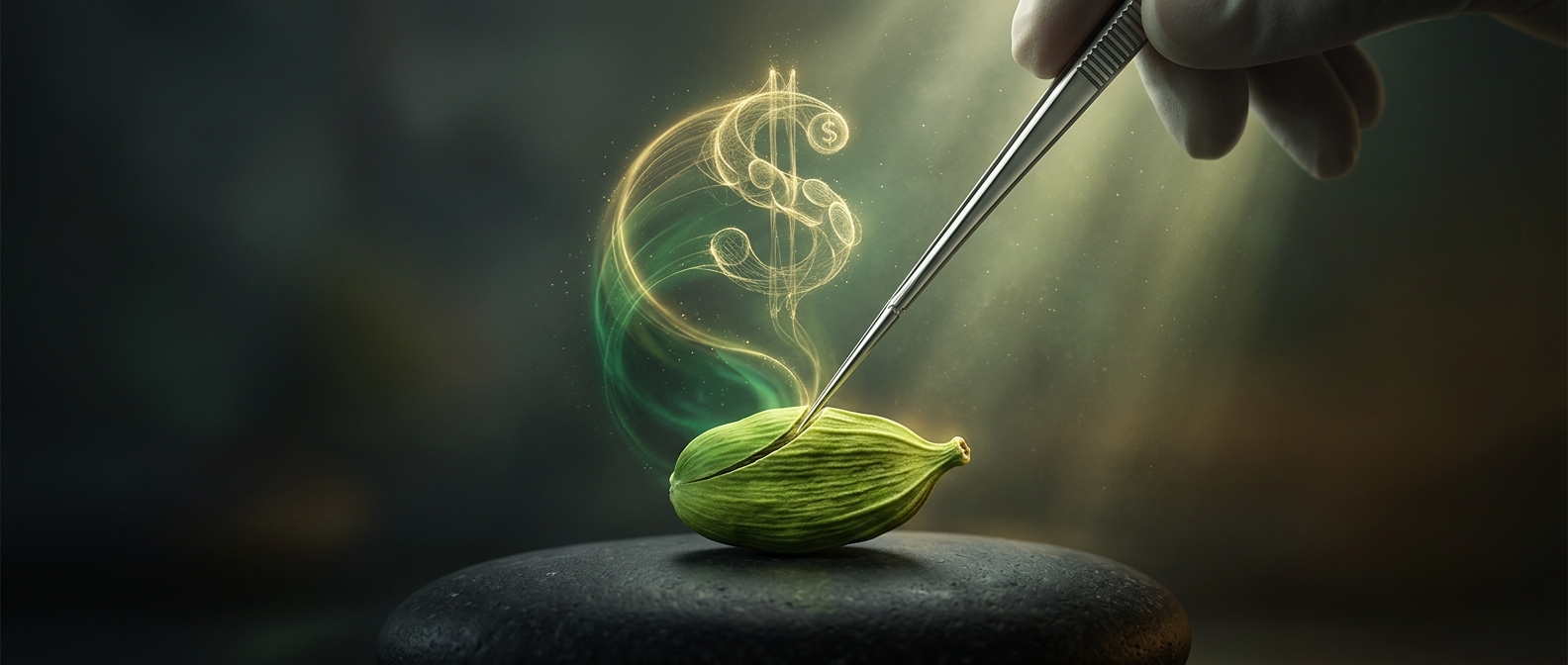
Cardamom pods are meticulously cut to prevent splits
Spicing your chai tea is an incredibly delicate operation. Cardamom must be hand-harvested at the exact moment of maturity, snipped carefully so the pod does…
Discover more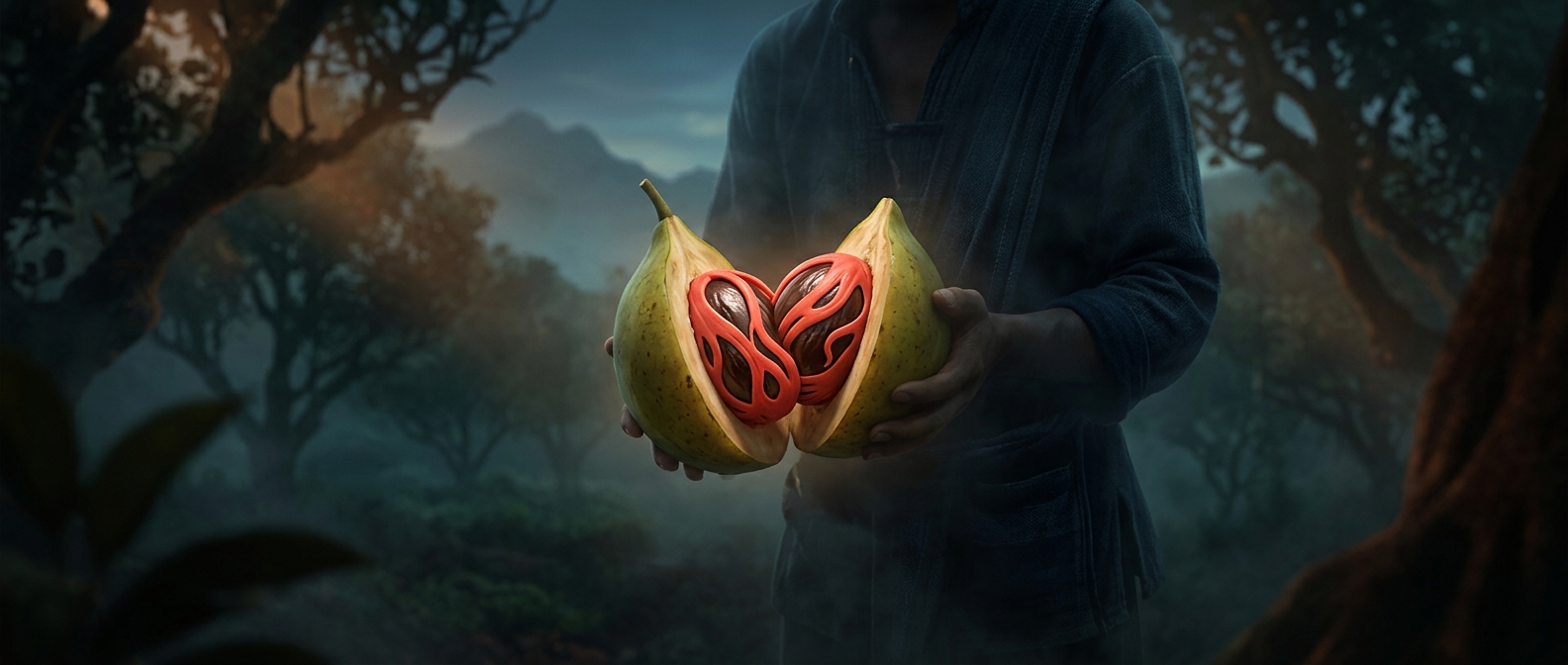
Nutmeg and mace come from the same fruit
Nature occasionally offers a two-for-one deal on spices. The nutmeg tree produces a fruit containing a hard seed (nutmeg) perfectly wrapped in a web-like red…
Discover more STACKY FOR IPHONE
A bigger world.
One discovery
at a time.
Keep discovering with Stacky. Interesting facts in an app that is always within reach.

Shea butter is extracted by brutally crushing nuts
Smooth skin requires massive physical exertion. The shea tree produces nuts that must be collected, boiled, sun-dried, aggressively ground into a paste, and…
Discover more
The tree sap that keeps soda smooth
Your favorite fizzy drinks would be crunchy without tree sap. Sourced primarily from acacia trees in the Sahel, this hardened resin acts as an invisible…
Discover more
The rainforest leaf that nearly rivals coffee
The Amazon rainforest hides an absolute botanical jitterbug. Guayusa is an evergreen tree whose leaves contain nearly as much caffeine as a cup of coffee,…
Discover more
Sea sponges can grow back after being cut
Harvesting marine sponges is entirely sustainable if you know how to wield a knife. Divers cut the porous animals leaving a small base attached to the reef,…
Discover more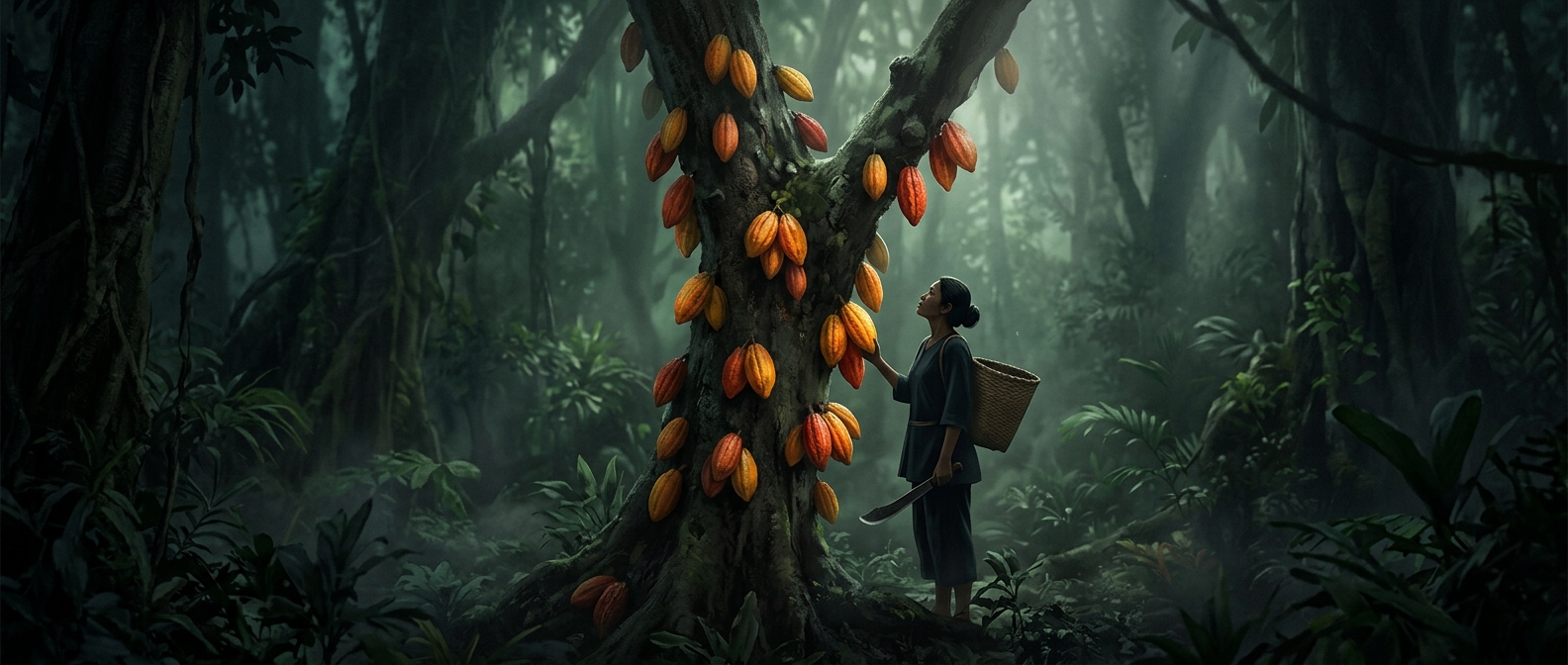
Chocolate pods grow straight from the trunk
Chocolate begins as a very awkward botanical display. Instead of sprouting on the ends of branches like normal fruit, massive cacao pods protrude directly out…
Discover more
Caviar extraction severely threatens wild sturgeon
Eating fish eggs used to be a death sentence for the fish. Wild beluga sturgeon populations crashed because harvesters had to kill the fish to extract the…
Discover more
Chewing gum once came from bleeding trees
Blowing bubbles used to require bleeding a jungle tree. Before synthetic plastics took over, chewing gum relied entirely on chicle, an elastic sap tapped from…
Discover more
Sugar beet and cane make identical sugar
The sugar industry is secretly driven by root vegetables. While tropical sugarcane gets all the marketing, the humble sugar beet produces an identical white…
Discover more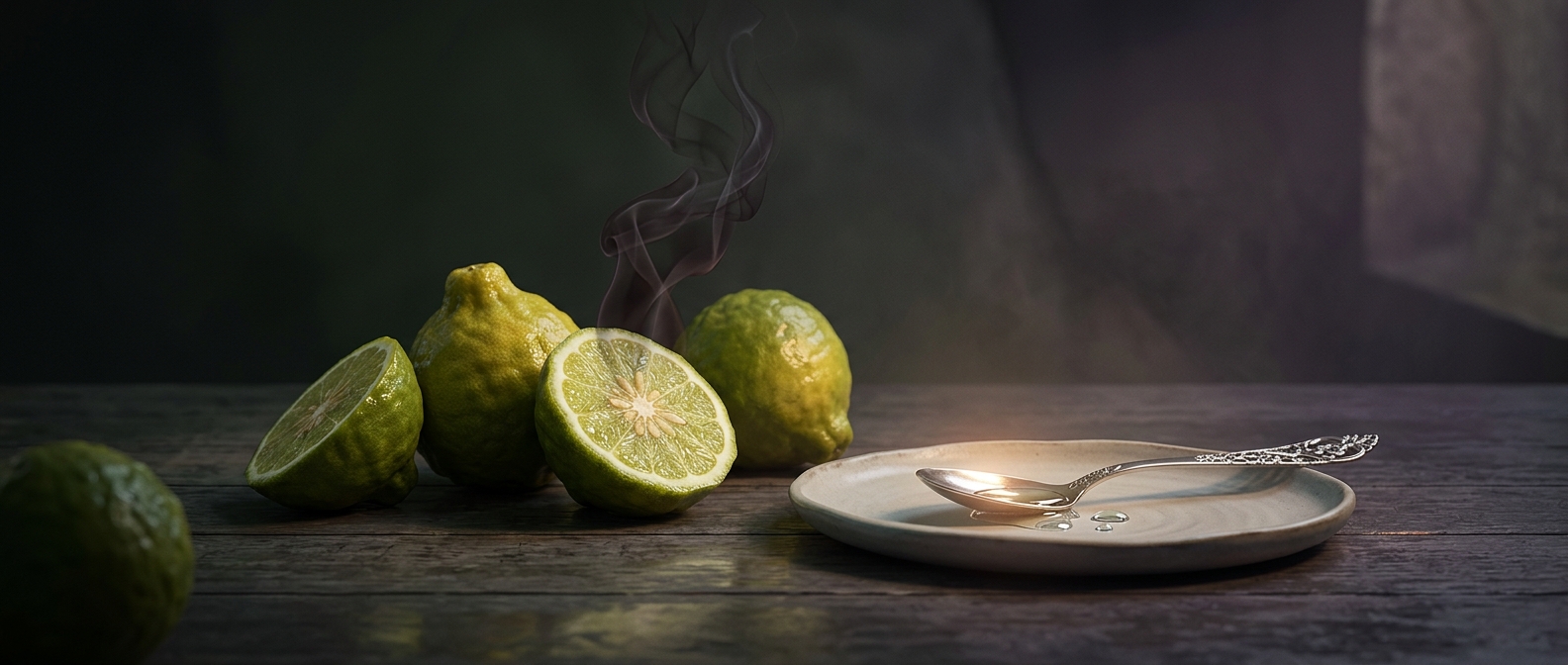
The fruit that gives Earl Grey its flavor
Earl Grey tea relies on a citrus fruit nobody actually wants to eat. Bergamot looks like a bumpy lime and tastes violently sour and bitter. It is cultivated…
Discover more
How oysters turn beads into pearls
Perfectly round jewelry requires deliberate surgical irritation. Pearl farmers wedge small shell beads directly into the tissue of live oysters, forcing the…
Discover more
It takes thousands of petals to make rose oil
Smelling like a garden requires absolute floral devastation. Producing tiny vials of pure rose essential oil requires steaming literal tons of freshly picked…
Discover more
Cinnamon is tree bark—literally
Sprinkling bark on your oatmeal is totally normal. True cinnamon involves cutting down shoots of a specific tree, stripping the outer layer, and scraping the…
Discover more
Duckweed naturally doubles its biomass in forty hours
Pond scum is secretly an agricultural powerhouse. Duckweed grows so aggressively fast that it completely covers standing liquid in days. Because it requires…
Discover more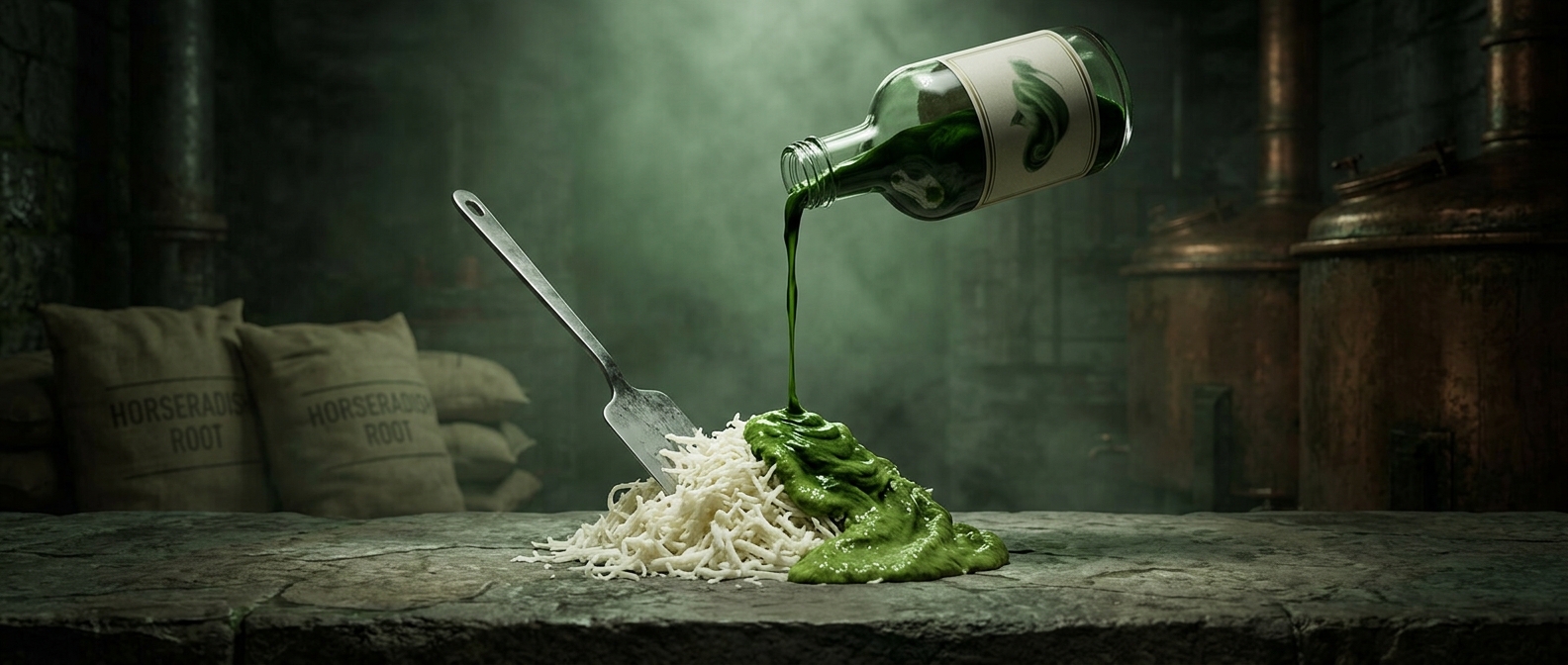
Your wasabi is probably dyed horseradish
Your sushi condiment is living a complete lie. Genuine wasabi is notoriously difficult to cultivate, requiring specific gravel beds and cool mountain streams.…
Discover more
Spirulina grows efficiently in highly alkaline ponds
Health gurus love algae that survives extreme toxicity. Spirulina thrives in waters so basic and salty that almost no other organisms can survive, making it…
Discover more
The natural sponge that holds 20 times its weight
Orchid growers rely heavily on a giant botanical sponge. Dried sphagnum moss is highly sought after because its dead cellular structure allows it to absorb…
Discover more
Some expensive soup is made from bird spit
Consuming avian saliva is a massive status symbol. Swiftlets build their nests entirely out of hardened spit high up in dangerous limestone caves. Harvesters…
Discover more
Koji mold is the absolute foundation of soy brewing
Asian cuisine relies heavily on a very specific fuzzy spore. Aspergillus oryzae, known as koji, is actively inoculated into soybeans and rice to break down…
Discover more