Economy
Discover facts about economy. Small discoveries that change the way you see familiar things.
Economy
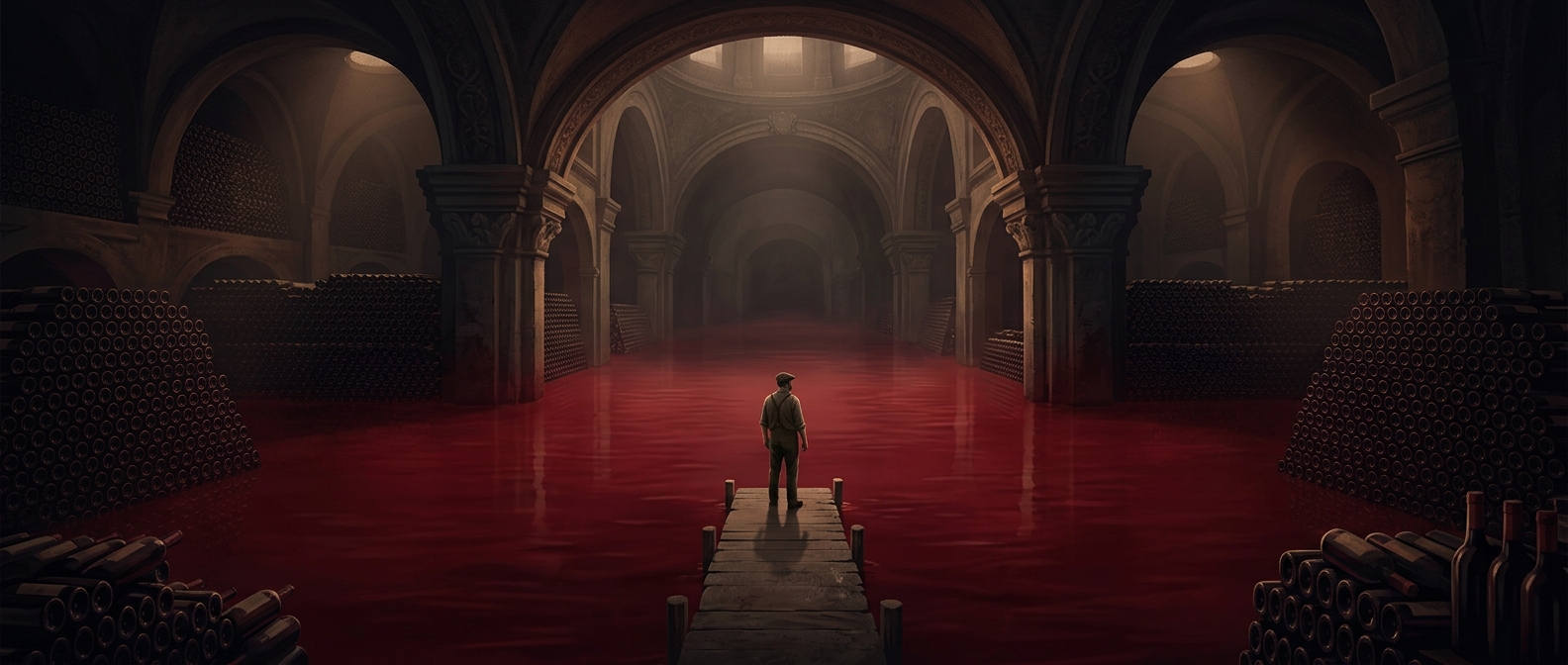
When EU subsidies created lakes of wine
Pouring taxpayer funds into agriculture sometimes results in literal oceans of unwanted alcohol. EU subsidies guaranteed minimum prices for grapes,…
Discover more
Some toilets come with a flush tax
Using the restroom in certain states incurs a literal environmental penalty. The flush tax charges a specific flat fee on every single household sewer…
Discover more
When supermarkets paid people to buy baked beans
In the mid-90s, British grocers got locked into a discounting war so deeply petty that it defied basic mathematics. Supermarkets like Tesco, Asda, and…
Discover more
The church tithe began as a medieval tax
Modern megachurches asking for a cut of your paycheck are just enthusiastically continuing medieval tax policy. In feudal Europe, a 'tithe' wasn't a polite…
Discover more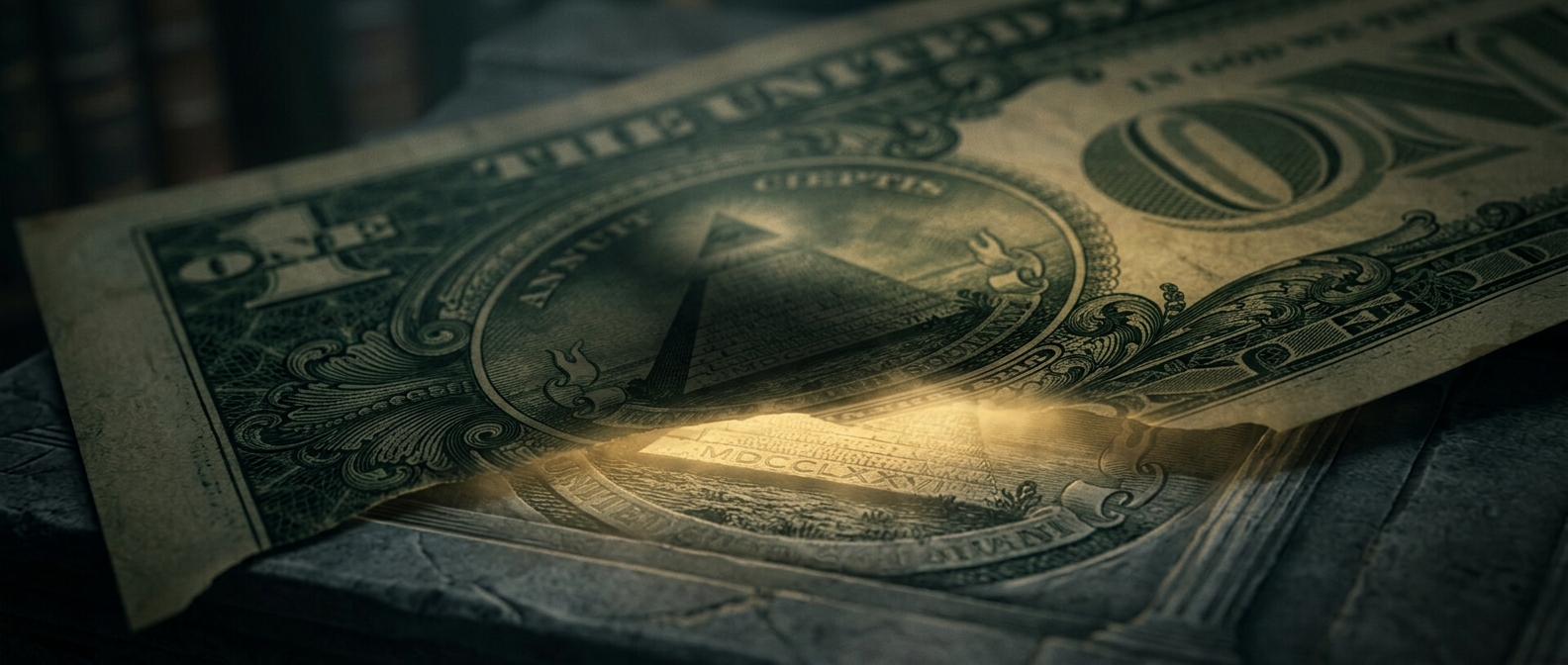
The hidden year on every dollar bill
If you ever squinted at the base of the pyramid on a dollar bill, you might have noticed the letters MDCCLXXVI. This isn't a secret code to unlock hidden…
Discover more
Kondratiev waves propose economic cycles lasting 40 to 60 years
Forget short-term bumps; some theories stretch the timeline to decades. Kondratiev waves propose that capitalist economies experience massive, predictable…
Discover more STACKY FOR IPHONE
A bigger world.
One discovery
at a time.
Keep discovering with Stacky. Interesting facts in an app that is always within reach.

Rent seeking extracts wealth without creating anything
Why bother innovating when you can just rewrite the rules? Rent-seeking is the act of increasing one's own share of existing wealth without actually creating…
Discover more
Indifference curves map out total economic apathy
Economists have literally graphed exactly how much you don't care. An indifference curve represents all the different combinations of two goods that provide…
Discover more
Why saving more can leave everyone poorer
Putting away cash for a rainy day is smart for you, but catastrophic if everyone does it at once. The paradox of thrift argues that a collective increase in…
Discover more
Fallacy of composition confuses the part for the whole
If you stand up at a concert, you get a better view. If everyone stands up, nobody gets a better view and everyone's legs just hurt. This is the fallacy of…
Discover more
Normative economics deals entirely in subjective opinions
Whenever someone says 'we should' do something, they’ve left the realm of hard science. Normative economics focuses on ideological value judgments about what…
Discover more
Representative money holds claim to physical assets
Before the era of pure faith-based fiat, paper was essentially a coat check ticket for something real. Representative money itself had no intrinsic use, but…
Discover more
Production possibility frontier visualizes pure limits
You can't manufacture infinite amounts of everything. The Production Possibility Frontier is a curve that represents the absolute maximum combinations of two…
Discover more
Why your printer rejects some banknotes
Try scanning a fresh banknote and watch your expensive printer refuse to cooperate. Modern bills feature the EURion constellation, a specific pattern of tiny…
Discover more
Negative externalities push costs onto bystanders
When your neighbor blasts loud music at 3 AM, you are paying the price for their enjoyment. A negative externality is a cost inflicted on an entirely…
Discover more
Positive economics relies entirely on objective facts
Unlike its preachy counterpart, positive economics couldn't care less about your feelings. It focuses strictly on descriptive, testable statements about cause…
Discover more
Post hoc fallacy wrongly blames sequential events
Just because the rooster crows before sunrise doesn't mean the rooster caused the sun to rise. The post hoc fallacy is the persistent flaw of assuming that…
Discover more
Fungibility means every single unit is identical
You don't care which specific serial number is on the bill you get as change, because money is heavily fungible. This concept means that individual units of a…
Discover more
Budget constraints visualize the boundaries of choice
You can't buy champagne on a tap water income. A budget constraint is the strict line on a graph that represents all possible combinations of goods someone…
Discover more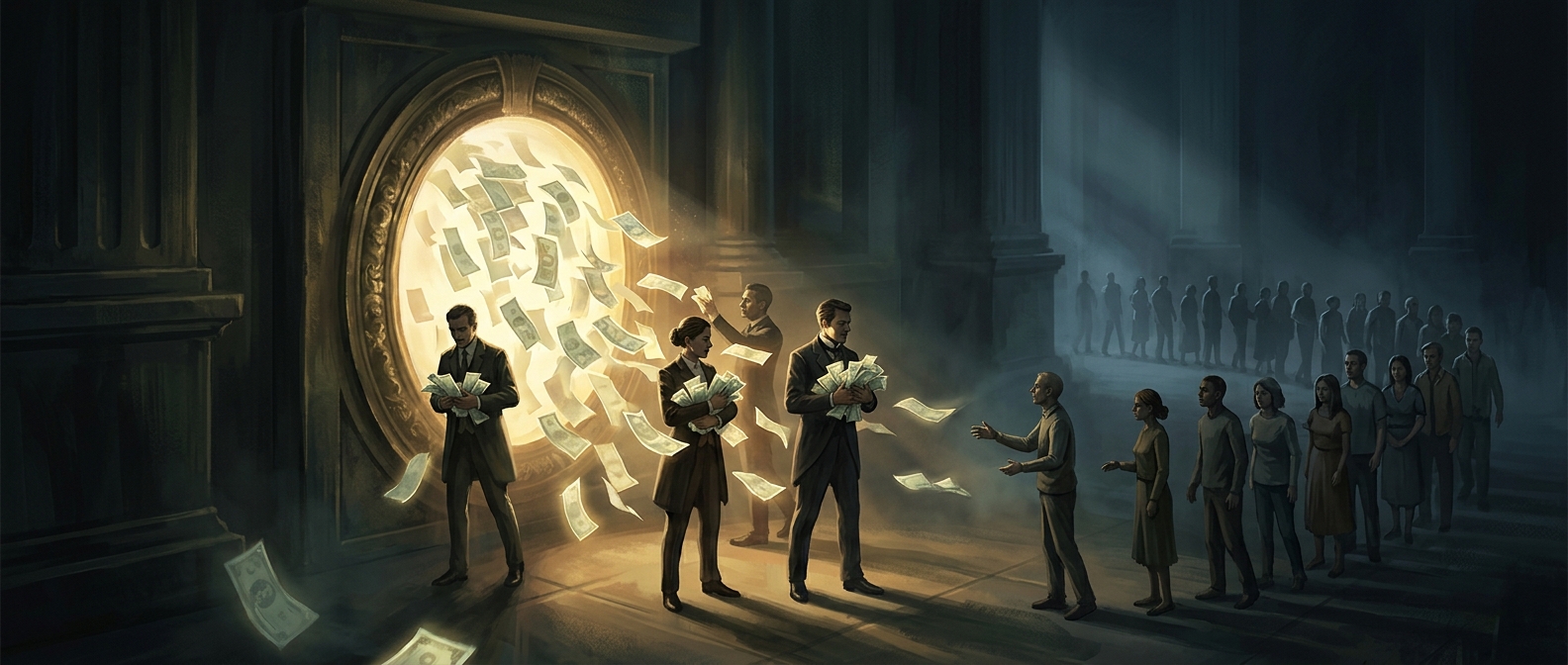
Cantillon effect rewards those closest to the printer
New money doesn't magically drop into everyone's pocket at exactly the same time. The Cantillon effect describes how those who receive newly created currency…
Discover more
Liquidity preference explains why people hoard cash
Having your wealth locked up in illiquid assets is stressful when you suddenly need to buy lunch. Liquidity preference is the idea that individuals…
Discover more
Base year serves as the anchor for real economic values
To figure out how bad things have gotten, you need a starting point to blame. A base year is an arbitrarily chosen point in time used as a strict benchmark to…
Discover more
Sticky prices prevent instant economic adjustments
In a perfect model, prices instantly adapt to changes in demand. In reality, printing new price tags is annoying. 'Sticky prices' refers to the frustrating…
Discover more
The $10,000 bill featured Salmon P. Chase
You know Washington, Lincoln, and Franklin, but you probably haven't formally met Salmon. Salmon P. Chase was Abraham Lincoln’s Treasury Secretary and the man…
Discover more