Psychology
Discover facts about psychology. Small discoveries that change the way you see familiar things.
Psychology
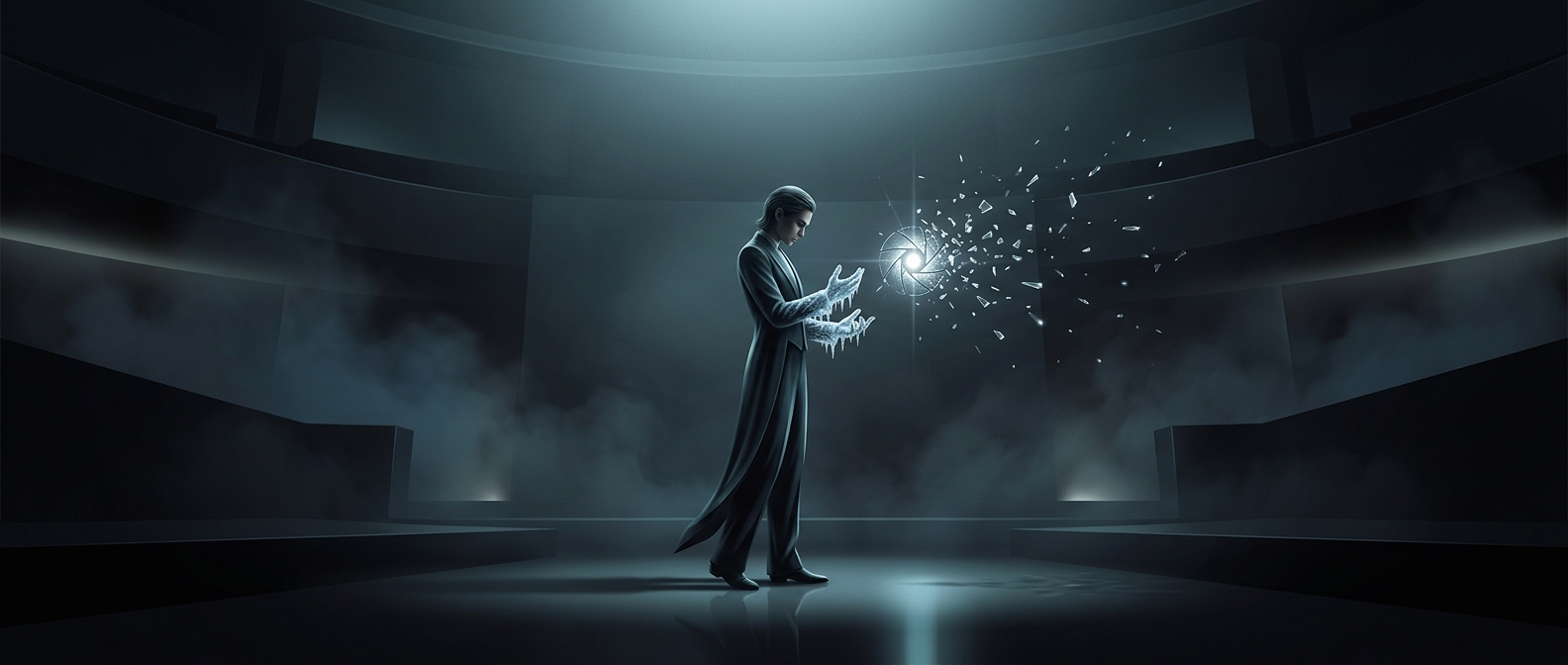
Why pressure can make skilled people freeze
You’ve practiced the speech, the shot, or the song perfectly. Then—on stage or on the line—it vanishes. Why? Stress doesn’t erase your knowledge, it…
Discover more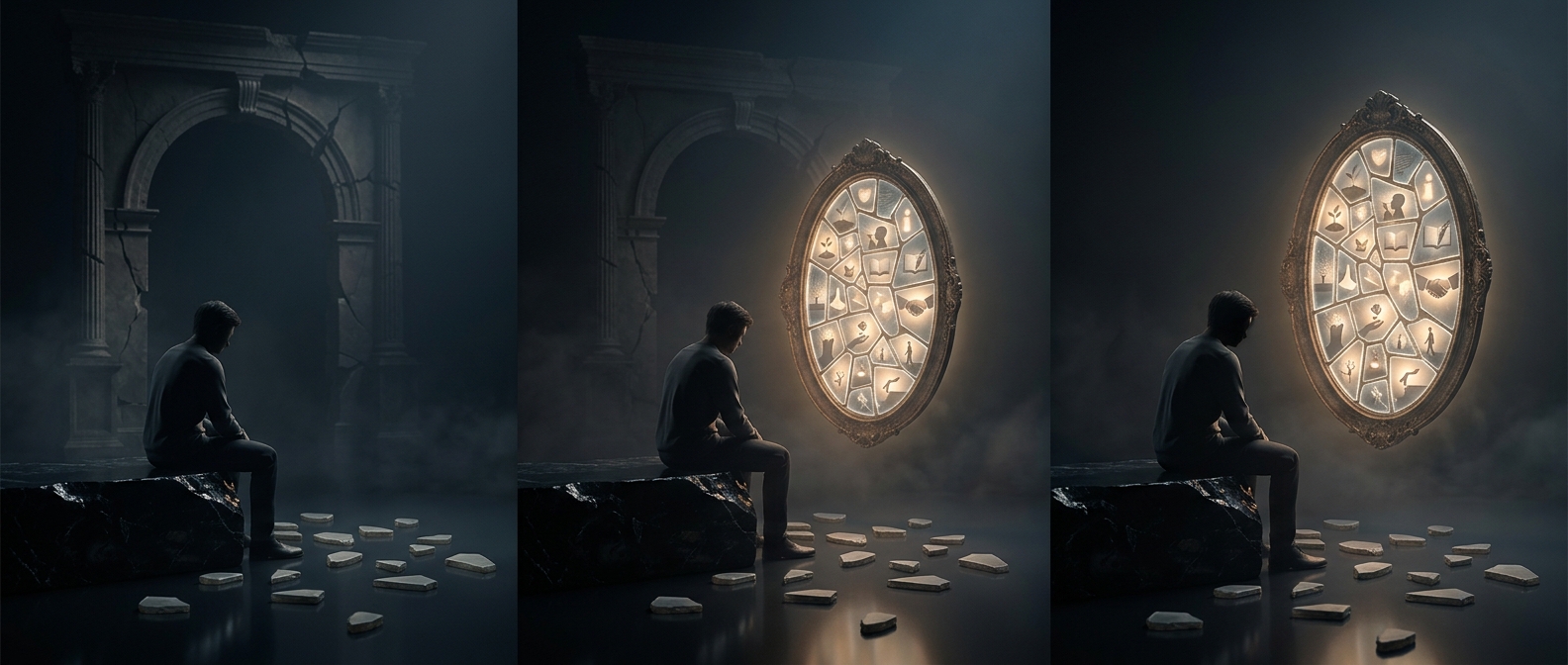
How Self-Esteem Works Like a Social Mirror and Why Small Wins Matter More Than Big Ones
Self-esteem is like a mirror—it reflects not just how we see ourselves, but also how the world’s little nods and smiles bounce back at us. Surprisingly, it’s…
Discover more
Why some friendships last and others fade
Every friendship carries an invisible agreement—an emotional contract written in shared laughter, trust, and tiny promises kept. Some friends honor that…
Discover moreDigital checkout buttons are designed to exploit impatience—tiny delays removed, one-click payments unlocked—so your self-control competes against an army of behavioral hacks…
Every glowing ‘Buy Now’ button is less innocent than it looks. Designers shave seconds off buying time because your self-control lives in that sliver of…
Discover more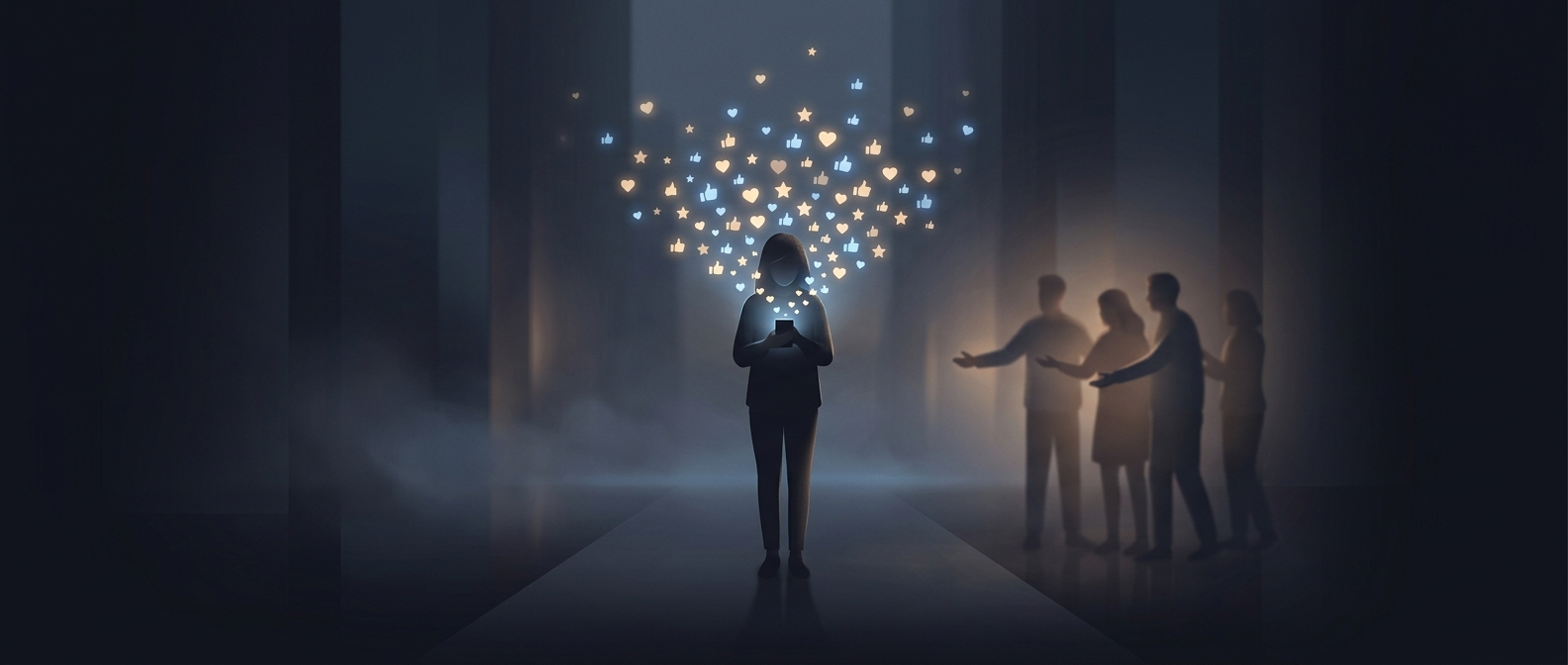
Why a stranger's like can feel unusually powerful
A kind word from a friend warms your heart—but a ‘like’ from a stranger lights up your brain in a different, sharper way. Why? Because friends’ approval feels…
Discover more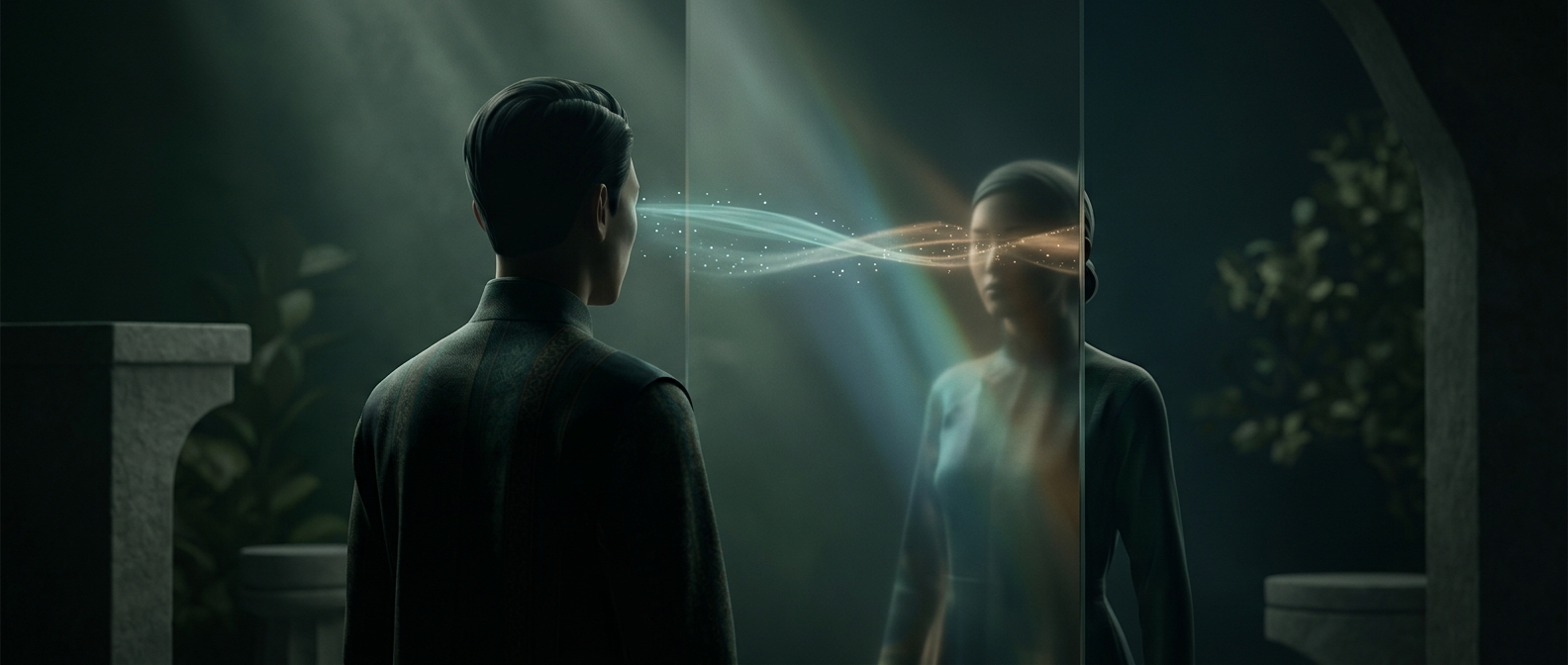
Why eye contact feels friendly in one culture—and rude in another
Why does eye contact feel like a warm handshake in one place, but a laser beam of discomfort in another? The answer lies in culture’s invisible rules. In some…
Discover more STACKY FOR IPHONE
A bigger world.
One discovery
at a time.
Keep discovering with Stacky. Interesting facts in an app that is always within reach.

Why motivation looks different across cultures
Emotions are not universal autopilot buttons; they are shaped like accents we learn in childhood. In some cultures, enthusiasm bursts into smiles and loud…
Discover more
How moving abroad can change who you are
When you move to another country, you’re not just packing boxes—you’re packing identity. Suddenly choices as small as how you greet strangers or cook dinner…
Discover more
Why everyone in the meeting may be wrong
Picture a room where everyone nods, even when doubts are buzzing in their heads. That’s groupthink—an idea first spotlighted during Cold War decision-making,…
Discover more
Why future you always seems to have more energy
Ever promise yourself that “future me” will take care of it? That’s the brain’s trickiest lie. Your mind paints a version of tomorrow-you with superhero…
Discover moreIt’s easier to identify anger or sadness in friends than ourselves.
Funny enough, we’re often emotional mind-readers for friends but blind as bats with ourselves. Why? Our emotions don’t send us neat labels—they send us body…
Discover morePsychologists call it the ‘what-the-hell effect’: when someone slips on a goal, like eating one cookie on a diet, they feel doomed and binge the whole jar.
Ever eaten one cookie and thought, “Well, I’ve ruined the day—might as well eat the whole box”? That mental trap has a name: the *what-the-hell effect.* One…
Discover more
Why crisis can make people trust each other faster
In a crisis, trust forms almost instantly. Why? Because survival compresses choices—people need each other, and walls crumble fast. Suddenly, teammates are no…
Discover more
Cross-cultural patterns reveal loneliness explodes in societies built on independence over tight communal bonds
Loneliness is not just a personal mood—it follows cultural blueprints. In societies prizing independence, people stand proudly on their own two feet, yet many…
Discover moreHow you treat your own mistakes leaks into relationships: low self-esteem often creates cycles of overpleasing or withdrawing, where fear of rejection turns into…
The way you speak to yourself isn’t private—it echoes into your relationships. Imagine spilling a glass of water: some people laugh it off, but others spiral…
Discover moreEver wondered why writing your goals down boosts your chance of success?
Yes—it turns out writing goals works like anchoring clouds into concrete. An idea floating in your head is slippery, easy to wave off: ‘I’ll do that…
Discover more
How tiny gestures build or break trust
Trust often feels like a monument, built brick by brick. But in truth, it’s more like a delicate mobile, held aloft by tiny threads. These threads are…
Discover moreReason strangers think you’re more confident than your best friends do is pretty wild: people who know you well focus on your slips, while strangers only catch the polished…
Confidence is a magic trick of perspective. Strangers only get the highlight reel—they watch how you stride into a room, catch your clever remark, and assume…
Discover moreEver bought something you didn’t need because a stranger nodded reassuringly?
It turns out your brain can be nudged with the subtlety of a wink. A nod, a smile, or even the rhythm of someone’s voice is enough to flip your decision…
Discover moreConfidence feels like magic, yet psychology shows tiny tricks, from posture shifts to rehearsing success before big talks, can hack perception, making others believe we’re…
Confidence works like stage lighting during a play—it doesn’t change the lines, but it shapes how the audience perceives everything. What’s thrilling is that…
Discover moreYou think working under pressure makes you better?
The truth is, working under pressure might give you tunnel vision, but it’s like sprinting with blinders on—you can dash straight ahead, but you miss the…
Discover moreToo much time on video calls has made people hyper-aware of their own face.
Imagine past generations only seeing their face as often as reflections allowed—an occasional mirror glance or a holiday photo. Now picture staring at your…
Discover moreWhy do global conflicts we only experience through headlines still cause our brains to store sensory trauma as if smoke and sirens were present in our personal life?
The answer lies in how vividly imagination can paint borrowed experiences. When headlines are coupled with haunting photos or videos, our brains file them not…
Discover more
Picture this: you’re mid-project, drowning in half-finished tasks, when that inner critic steps in and mutters, ‘You’re always behind.’ Psychology calls this negative self-talk—a…
Picture this: you’re mid-project, drowning in half-finished tasks, when that inner critic steps in and mutters, ‘You’re always behind.’ Psychology calls this…
Discover more