Psychology
Discover facts about psychology. Small discoveries that change the way you see familiar things.
Psychology
Your ideas of talent, discipline, and fate are not universal truths but cultural scripts handed to you long before you noticed — someone raised in a society that values…
What if the very way you think about success was not born inside you, but stitched into you by your culture? Some people grow up where genius is worshipped…
Discover moreEver notice arguments where both sides swear they’re being rational?
Yes—both people can feel absolutely logical and still be tangled in bias. It happens because the brain is a bit like a treasure hunter that ignores useless…
Discover moreWe procrastinate not from laziness but fear of judgment—especially in relationships.
Think of procrastination not as a villainous couch potato, but as a secret bodyguard—shielding us from the sting of rejection. That unsent text, sitting…
Discover moreMotivation wears two coats: the rush of extrinsic rewards and the deeper fire of intrinsic meaning.
Think of motivation as a traveler with two outfits. The first is glittering, covered in medals, trophies, and dollar signs—perfect for quick sprints but…
Discover moreBurnout hides under cynicism: when you start mocking the work you once loved, it’s often not because you despise it but because exhaustion blurred joy into bitterness, leaving…
What looks like disdain is often just a smoke signal from a tired brain. Think of it this way: once, your work felt like a favorite song, but overplayed and…
Discover moreStudies show people endure more pain if they feel they can stop it.
Imagine holding your hand near a candle flame. If you know you can pull away anytime, you’ll last longer than if someone else traps you there. The strange…
Discover more STACKY FOR IPHONE
A bigger world.
One discovery
at a time.
Keep discovering with Stacky. Interesting facts in an app that is always within reach.
Why do shoppers pick higher-priced coffee when cheaper versions taste identical?
Here’s the curious trick: buying coffee isn’t just about taste, it’s also about how your brain processes pain. If you hand over one big payment up front, the…
Discover more
Why a 50% discount feels like fate
Picture this: you walk into a store, spot a bright red ‘50% off’ tag, and suddenly it feels like fate brought you here. Why? Because your brain is wired to…
Discover more
Why patience gets easier the more you practice it
Impatience feels small—just tapping a foot at the coffee line or scrolling fast when the video lags. But every quick surrender to 'now!' reshapes the brain’s…
Discover more
Do You Cry Easily or Never at All? Culture Quietly Shapes How Comfortable We Feel Showing Emotion
Tears may spring from the heart, but culture often decides whether they flow in public or stay hidden. In some places, crying is seen as strength—a sign of…
Discover more
How culture shapes the confidence of entire generations
Self-esteem often feels like a deeply personal battle, won by repeating phrases in the mirror. But in reality, whole generations rise and fall on the tides of…
Discover more
Why avoiding conflict can hide a fear of abandonment
Have you ever noticed someone dodging arguments like they’re tiptoeing around landmines? The reason could be deeper than disliking drama. Many people who…
Discover morePeople who grow up in environments where love feels conditional often carry invisible contracts into adulthood.
Growing up where affection must be earned can feel like living with a secret rulebook that nobody else sees. As adults, these invisible contracts turn…
Discover more
Why equal deals can still feel unfair
Fairness isn’t a math problem—it’s a story shaped by culture. Picture two people splitting a pie equally. Simple, right? But here’s the twist: in some…
Discover moreAttention feels unlimited, but studies reveal it works more like a fragile spotlight.
Think of your attention as a spotlight on a theater stage. It feels like you can shine it everywhere at once, but in truth, the bulb is small and fragile.…
Discover more
How confidence can push you toward bigger risks
Self-esteem is often pictured as a simple mirror, but in truth it behaves more like a steering wheel. When you feel confident, you’re more likely to risk…
Discover moreEvery time you choose the shorter line at a grocery store only to see the other line move faster, you blame luck.
Picture this: you triumphantly step into the shorter line at the store, almost tasting victory—only to watch the slower conveyor crawl in misery while the…
Discover more
Why self-compassion beats forced positivity
Positive self-talk often sounds like a cheerleader shouting from the sidelines. But when your mind spirals, forced encouragement can feel fake, even grating.…
Discover moreWay you apologize says more about culture than emotion.
Apologies are less about the words and more about the dictionary culture writes under them. In Japan, a warm 'sorry' is about swimming in someone else’s…
Discover more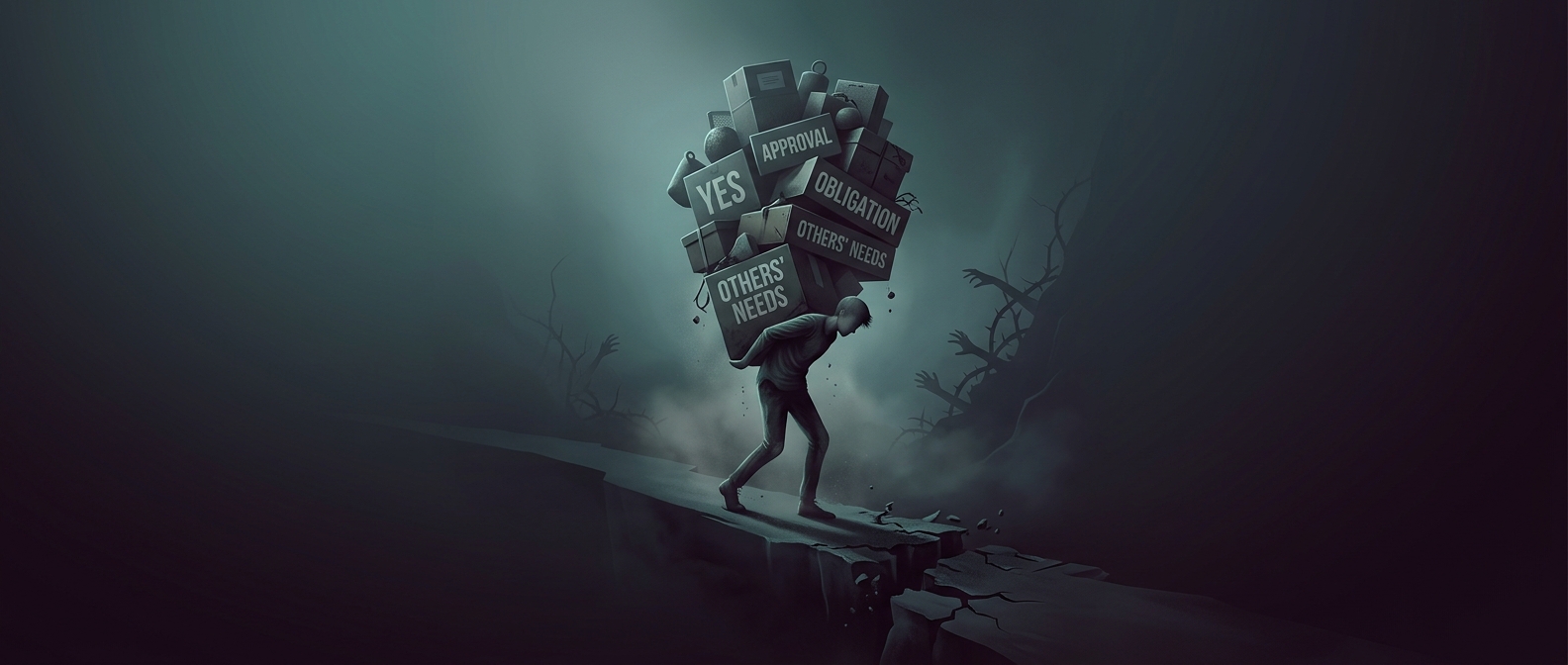
Why always saying yes leads to exhaustion
Saying “yes” feels noble, like extending a helping hand every time someone asks. But stack too many yeses together and suddenly your arms ache under invisible…
Discover more
How moving your phone can beat procrastination
Imagine distraction as a sneaky cat that pounces the moment you leave the door ajar. By shifting tiny details around you—placing your phone across the room,…
Discover moreAnger isn’t always the villain—it’s often just a misunderstood messenger.
Anger may roar like a villain, but under the mask, it’s often just carrying a message. Sometimes it’s telling you that someone crossed a line, other times it…
Discover moreWhy checkmarks on apps feel like oxygen: digital attachments hook your brain into chasing validation loops, while healthy connections depend not on constant replies but on trust…
That little blue checkmark or ‘seen’ notification feels like a breath of air because your brain interprets it as proof of connection—someone noticed you. Each…
Discover moreAttention is less like a spotlight and more like a hungry animal—whatever you feed it regularly becomes its craving.
Attention works like a puppy—you feed it treats, and soon it chases them on its own. Each repeated action, like checking your phone in idle moments, plants a…
Discover more