Psychology
Discover facts about psychology. Small discoveries that change the way you see familiar things.
Psychology
Ever worried that AI might replace your job and felt a weird pit in your stomach?
Picture a caveman hearing a rustle in the bushes. His stomach clenches, his heart races—danger might be near. Fast forward a few millennia, and the bush has…
Discover more
Why switching between online personas wears you out
In the digital world, it’s easy to slip on different masks—one for Instagram, another for work chats, another for family calls. Each version smiles, posts,…
Discover moreWhy do breakups hurt more vividly than new crushes feel exciting?
Falling in love feels thrilling, but oddly, the sting of heartbreak always carves deeper. That’s because the brain has a bias—it locks in sharp, painful…
Discover moreGaslighting isn’t just a buzzword: it’s psychological warfare that rewires your memory and destabilizes trust, leaving you doubting your own reality while the manipulator…
Imagine someone twisting your reality like a magician with a deck of cards. One moment, you’re certain about what happened; the next, you’re questioning your…
Discover more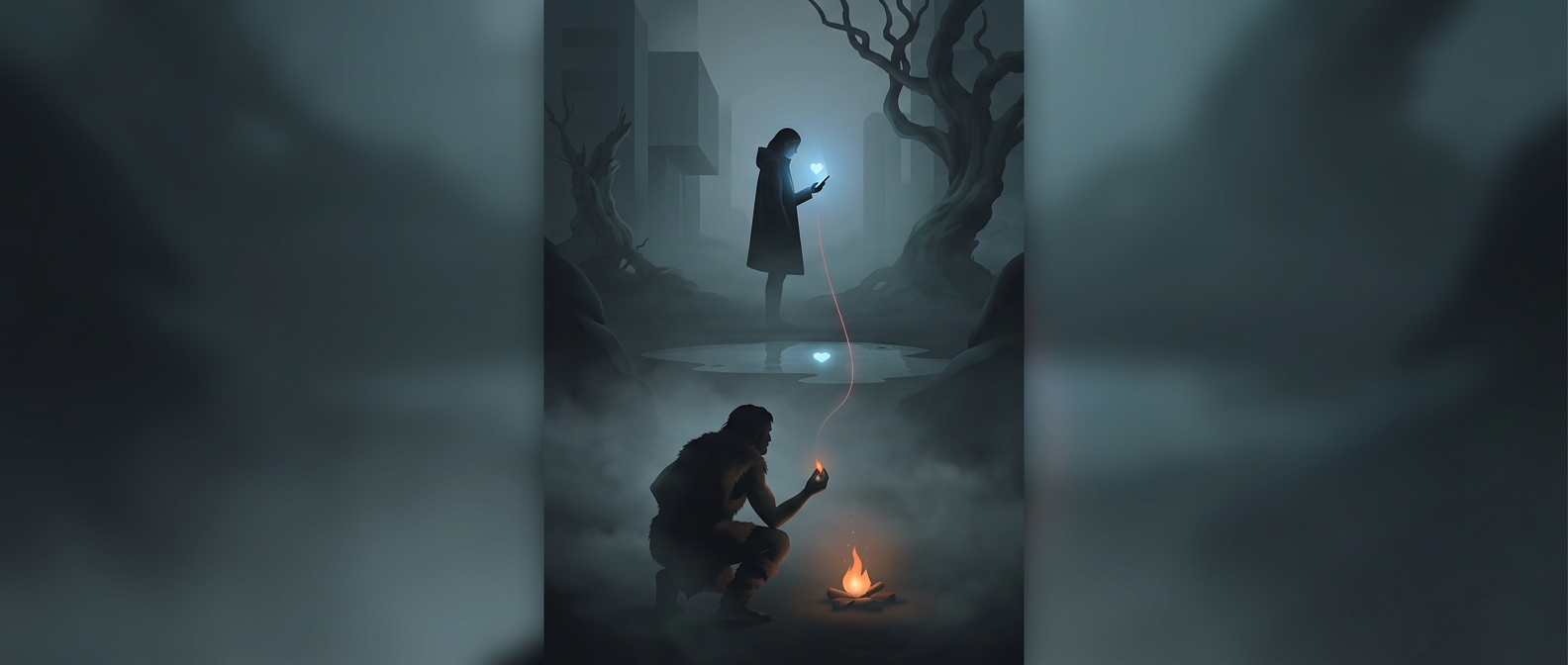
Why an Instagram like can trigger ancient jealousy
Jealousy may feel messy, but it’s actually a survival program polished by evolution. Long ago, noticing a rival helped protect bonds and resources.…
Discover moreMillennials have been called the ‘loneliest generation,’ but new studies show Gen Z rivals them in feeling disconnected, despite constant online chatter.
Thousands of messages buzz across screens every second, but inside, so many still feel like they’re shouting into a void. Gen Z, surrounded by more digital…
Discover more STACKY FOR IPHONE
A bigger world.
One discovery
at a time.
Keep discovering with Stacky. Interesting facts in an app that is always within reach.
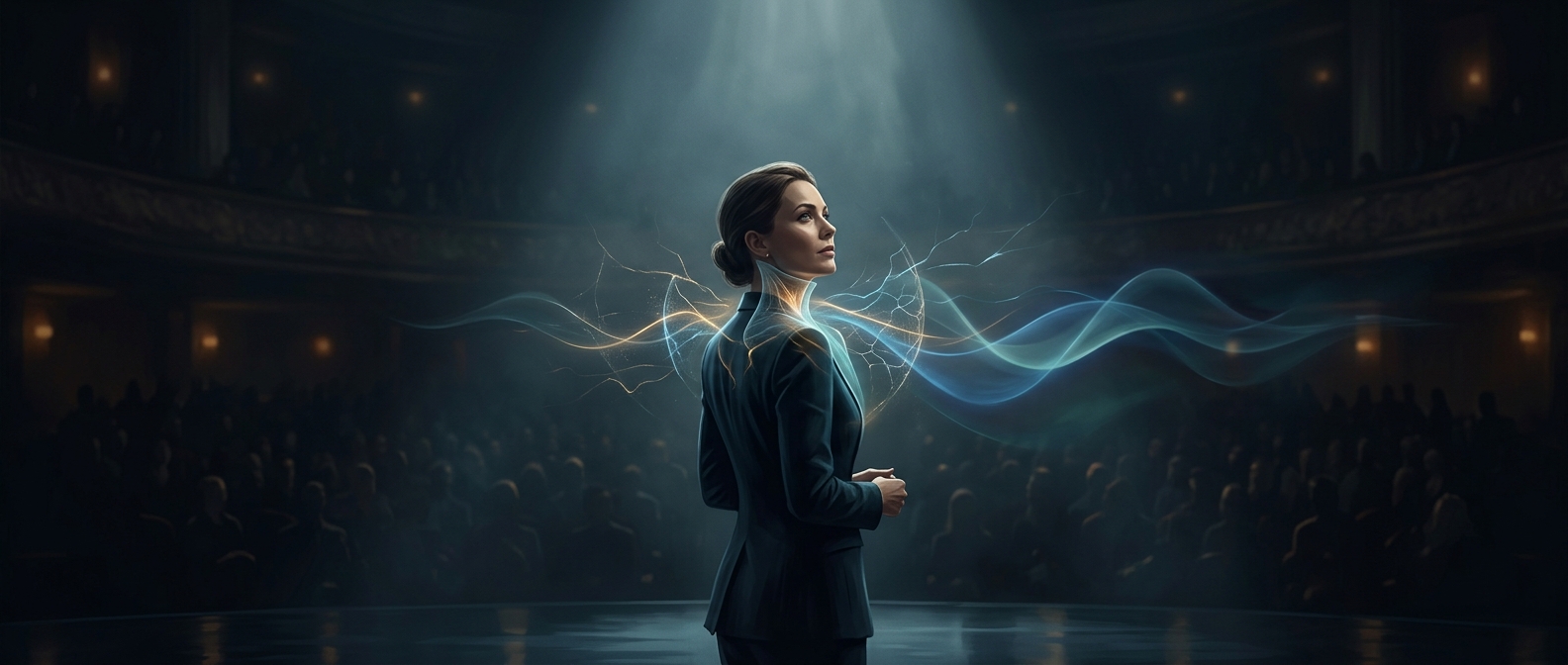
How to sound confident when your voice shakes
That quiver in your voice before a big speech isn’t a sign of weakness—it’s your body overloading on adrenaline. The good news? Sounding confident doesn’t…
Discover moreTherapists now say Gen Z clients often talk through memes instead of feelings, like showing a 'this is fine' dog when describing anxiety—what happens when our self-expression is…
Imagine therapy sessions that sound less like confessions and more like meme reviews. Instead of 'I’m stressed,' it’s a screenshot of a melting SpongeBob.…
Discover more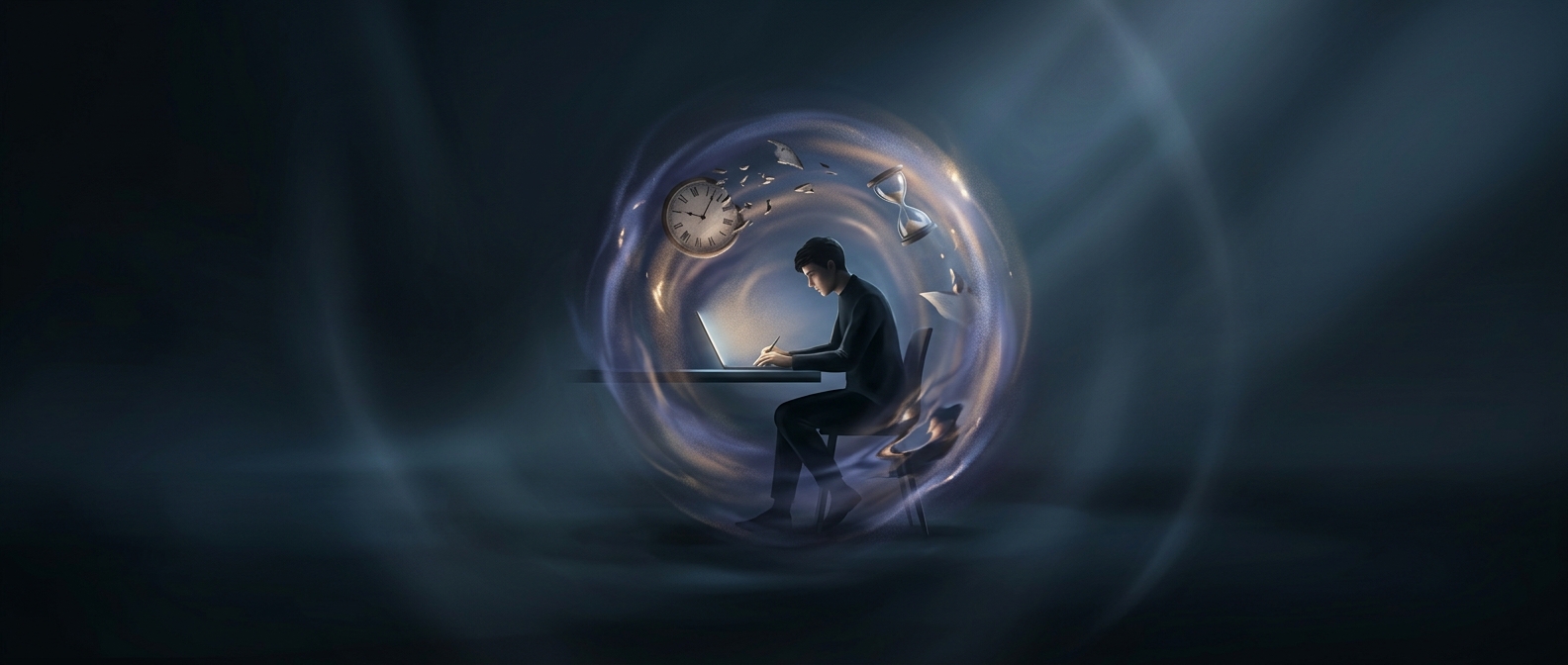
Why time disappears when you're in the flow
Ever notice how hours can vanish in what feels like minutes when you’re deeply locked into a task? That’s your brain slipping into a state called 'flow,'…
Discover moreEver notice how returning to family during the holidays makes you slip right back into your teenage role, no matter how many degrees or achievements you’ve got now?
You walk through the front door, a successful adult with responsibilities, and within minutes you’re back to being told to clean your plate or stop hogging…
Discover moreYour brain often believes the last thing it heard is the most important, a glitch called the recency effect.
Imagine your brain as a stage where performers are constantly coming and going. Strangely, it tends to shine the spotlight brightest on the final act—the most…
Discover moreEven in friendship groups, subtle hierarchies exist.
Groups of friends may feel like islands of equality, but beneath the laughter are secret traffic signs. Watch carefully, and you’ll notice who gets nodded at…
Discover moreEven happiness is distorted by culture: in competitive societies, well-being gets measured by constant comparison — who has more, faster, louder.
Imagine happiness as a mirror: in cultures obsessed with competition, that mirror doesn’t just reflect your smile—it also shows a row of neighbors frowning or…
Discover moreYou’d think we spend based on logic, but research shows people hold onto gift cards for years, overpay for 'all-you-can-eat' buffets, and feel richer with a tax refund than a…
Money behaves less like a calculator and more like a magician’s illusion. Take gift cards: instead of spending them right away, many people hoard them as if…
Discover moreYou can’t stop emotions, but you can shape how long they stay.
Emotions are like sudden storms that sweep into our inner skies. You can’t lock them out, but you can decide whether they’ll be thunderstorms lasting all…
Discover moreIn group settings, speaking second rather than first can dramatically shift perceived authority; the first voice sets an 'anchor,' subtly narrowing the field of debate.
Imagine a group conversation as wet cement. The first voice to fall upon it leaves a stamped design, shaping what others add. If you rush in, you anchor the…
Discover moreIn some cultures, saying 'no' directly is taboo, leading to layers of polite deflection that outsiders misinterpret as 'yes.' These patterns don’t mean dishonesty but cultural…
Picture two worlds of conversation. In one, "no" is a blunt stop sign; in the other, it’s more like a whisper behind a curtain—present but wrapped in…
Discover moreWhy does spending on luxury items feel like validation?
Think of luxury shopping as putting a shiny medal around your own neck—it isn’t just about owning more, but about signaling to yourself and to others that…
Discover moreMany cultures prize quick decisions as decisiveness, while others see slow deliberation as wisdom.
Imagine two people pausing before answering: in one society, applause rings out — a thoughtful person is weighing the options; in another, raised eyebrows…
Discover moreEvery time you scroll online, algorithms show you more of what you already believe, locking you in an echo of repeating opinions, and that’s how confirmation bias quietly eats…
Imagine walking through a hall of mirrors, where every reflection looks like you but slightly more flattering. That’s what confirmation bias feels like when…
Discover moreWhen you tell yourself not to think about chocolate, your brain rebels and obsesses over it.
It’s a little trick of the mind: when you try to push chocolate out of your head, your brain mischievously makes it louder, brighter, and nearly impossible to…
Discover moreMany people mistake overthinking in relationships for care, when in reality it’s often an anxious attachment pattern trying to prevent rejection preemptively.
Overthinking in love often hides behind a mask that says, "I just care a lot." But the truth is, it’s less like nurturing a garden and more like overwatering…
Discover moreIn collectivist cultures, decision-making under pressure often means weighing the group’s needs over personal speed.
Imagine two people at a fork in the road: one waits for the group’s path before stepping, the other bolts forward trusting their own instincts. Neither is…
Discover moreOften, the qualities we admire or detest in others mirror our hidden selves.
Ever noticed how someone’s quirks spark a reaction in you, almost like they’re pressing invisible buttons? That’s psychological mirroring at play. The traits…
Discover more