Psychology
Discover facts about psychology. Small discoveries that change the way you see familiar things.
Psychology

When garbage bags become high fashion
A garbage bag is cheap because it’s ordinary and disposable. Put a luxury label on a bag-shaped accessory, and the same plain look can become a signal that…
Discover more
Why television dead air feels unbearably tense
A pause on television leaves you staring at an unfinished moment. Your mind uses voices and sound cues to track what’s happening, so when they vanish, it has…
Discover more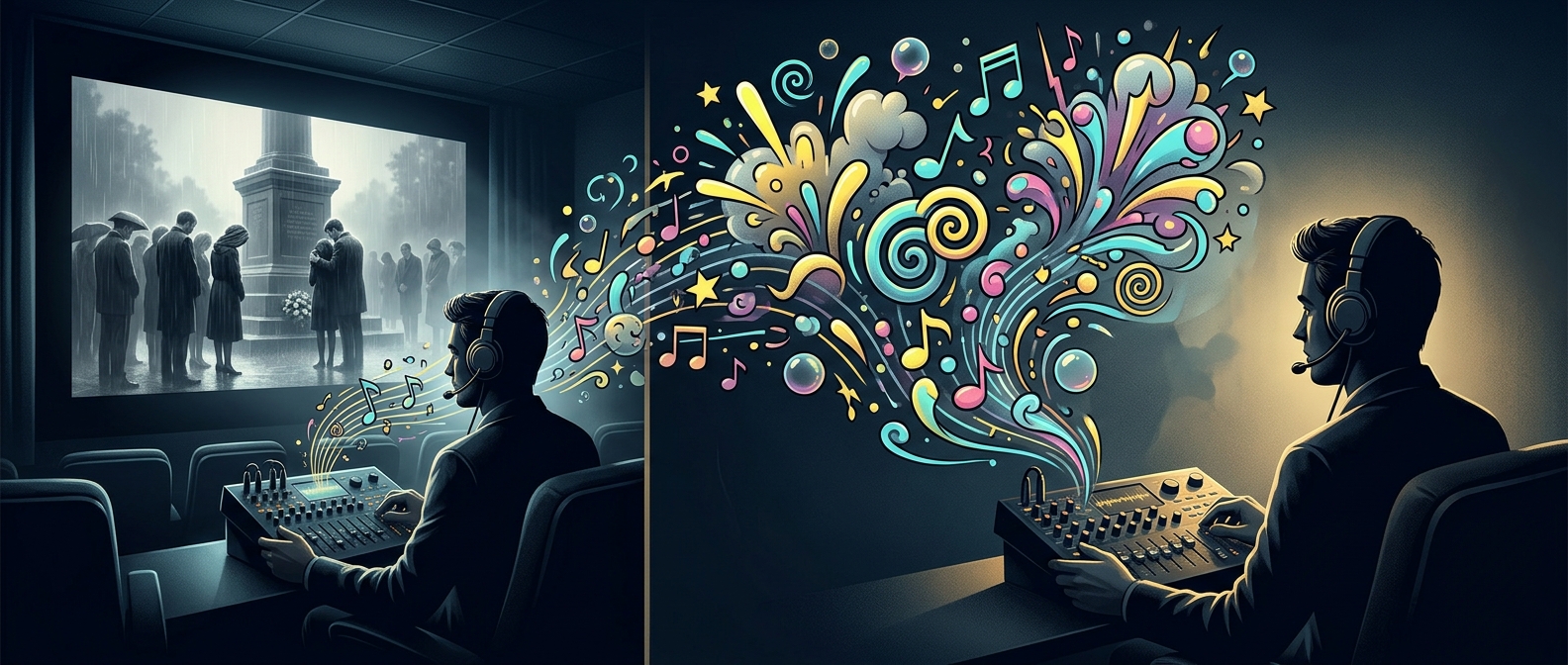
When cartoon sound effects ruin serious documentaries
Sound effects are instructions disguised as decoration. Add a goofy spring noise to a serious image and viewers may shift from concern to comedy; the…
Discover more
Why are babies being named after luxury brands
Luxury names carry a ready-made association with status, style, and a certain kind of life. A parent choosing one for a baby can borrow that image and give…
Discover more
Why you laugh at the worst possible moment
A laugh can burst out when your body is keyed up and looking for a way to discharge tension. The mind doesn’t always sort that arousal neatly into “funny” or…
Discover more
Why your own kitchen can suddenly feel unfamiliar
Familiar places feel familiar partly because your mind processes them smoothly without inspecting every detail. A moment of fatigue or focused attention can…
Discover more STACKY FOR IPHONE
A bigger world.
One discovery
at a time.
Keep discovering with Stacky. Interesting facts in an app that is always within reach.

Why saying “you too” to birthday wishes hurts
The birthday wish is a tiny social exchange with an expected next move: acknowledge the person, usually with a thank-you. “You too” breaks that pattern, and…
Discover more
A lower voice can sound more leader-like in an experiment
Researchers changed the pitch of recorded voices and asked listeners to choose potential leaders. Lower-pitched versions gained an advantage, even though the…
Discover more
Why we laugh at jokes we didn't hear
You hear people laughing before you know what was funny, and the sound itself nudges you to join in. Laughter is a social signal: it tells the group that…
Discover more
Why grown-ups using teen slang makes everyone cringe
A teenager can use a slang term as a natural badge of belonging; an adult using the same word may sound like they’re trying to wear that badge. People notice…
Discover more
An apology video makes its setting part of the message
Plain clothes, a quiet room, and little editing can signal that the speaker is dropping the performance. Viewers read those cues alongside the actual apology.…
Discover more
Why edited faces are starting to look like dolls
A face is not just eyes, nose, and mouth; its minute texture helps it read as human. When editing wipes away every pore and crease, the result can look…
Discover more
Why political fan merchandise feels so awkward
Wearing a candidate’s logo makes your politics visible before you’ve said a word. That can feel awkward because the shirt collapses a complicated person into…
Discover more
Broadcasting highly intimate bathroom routines publicly guarantees eternal regret
Sharing intimate bathroom details turns a fleeting moment into something people can save, search, and show out of context. You may forget the post; the…
Discover more
Why flash mobs make strangers feel embarrassed
People in a crowd usually rely on one another to signal what is normal. A flash mob suddenly scrambles those cues: some strangers perform while everyone else…
Discover more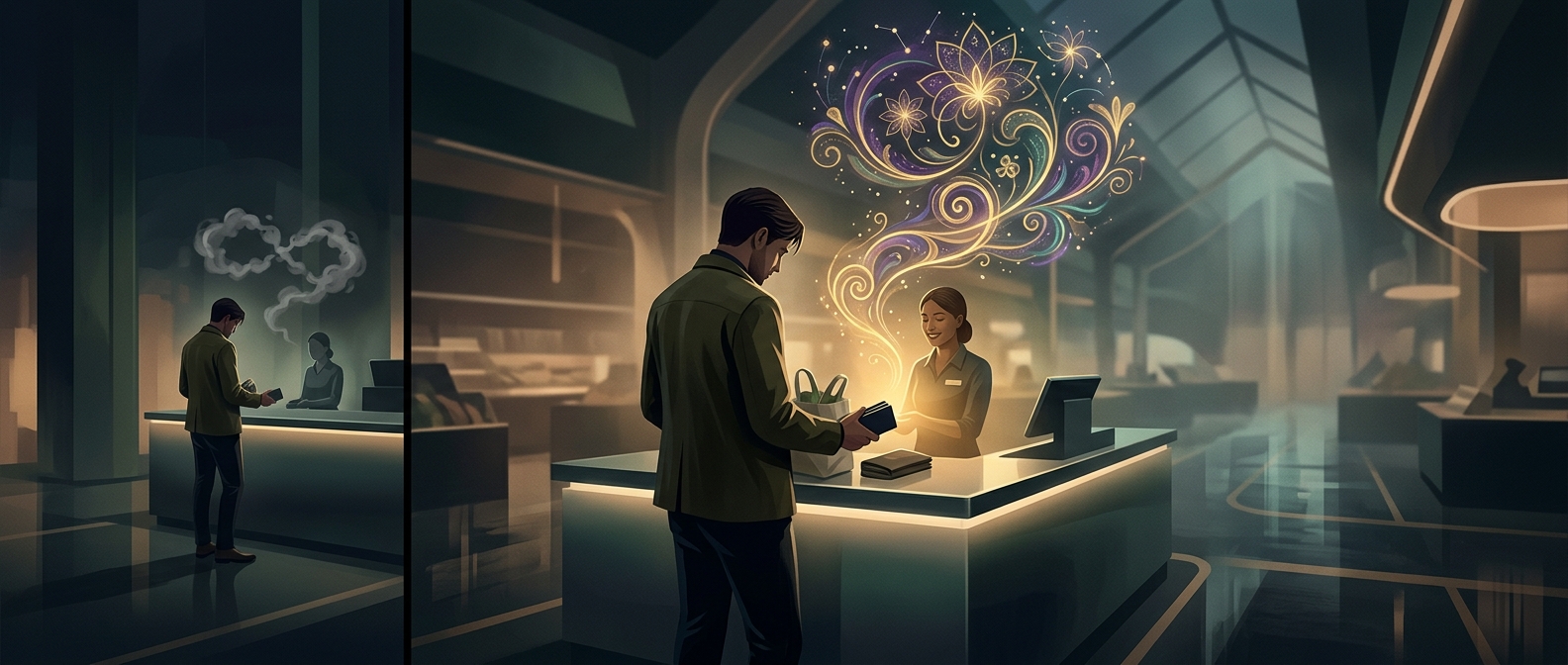
When 'you too' makes a greeting painfully awkward
A greeting often gets answered on autopilot: one phrase cues the reply you’ve used a hundred times. But “you too” only works if the other person is about to…
Discover more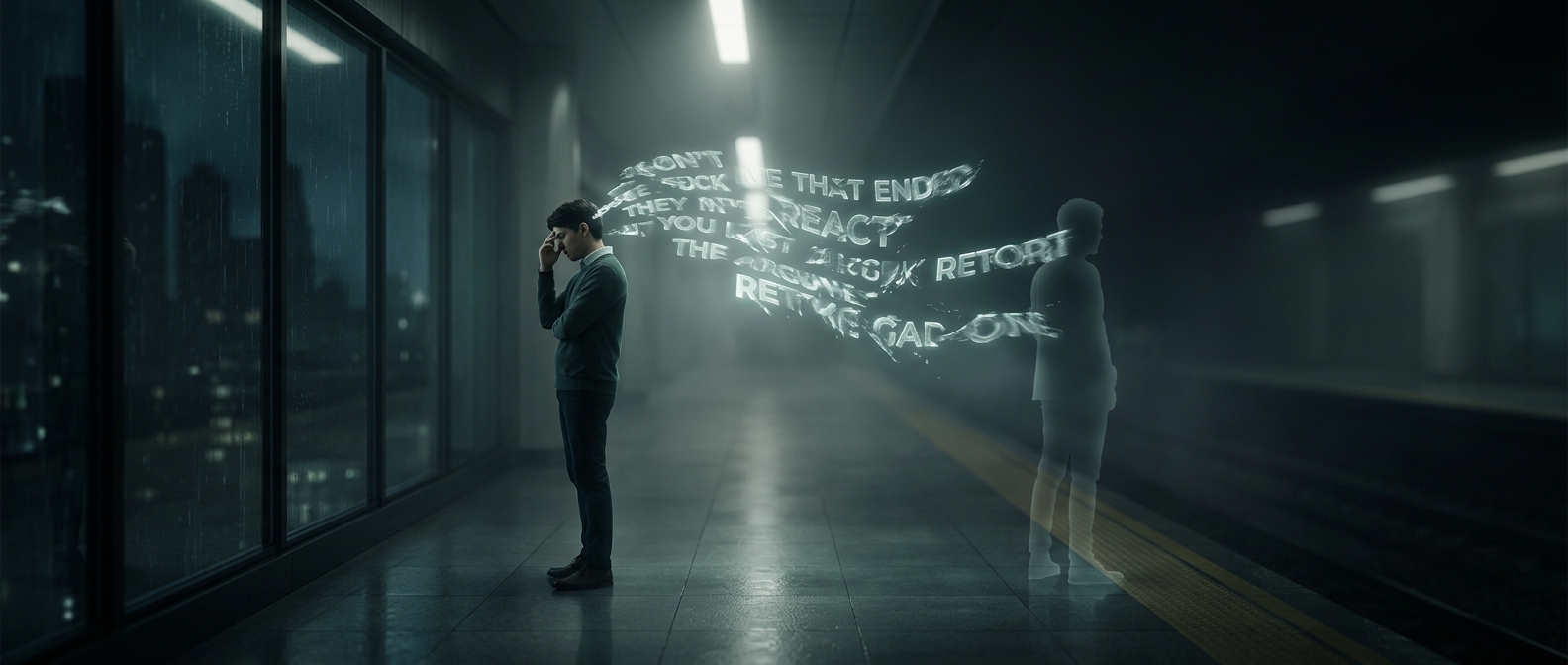
The perfect comeback can arrive after the argument
The perfect comeback shows up once the argument is over because your mind finally has room to write it. In the moment, you’re tracking the other person,…
Discover more
Couples matching outfits at amusement parks just to show everyone they are together.
Matching shirts turn a private relationship into a public signal: we came together, and we belong together here. At a crowded park, the outfit also makes it…
Discover more
Wearing completely unironic fedoras indoors while attempting to look deeply mysterious.
A fedora indoors can’t make someone mysterious by itself; it can only announce an attempt at mystery. Other people read the hat, the setting, and the wearer’s…
Discover more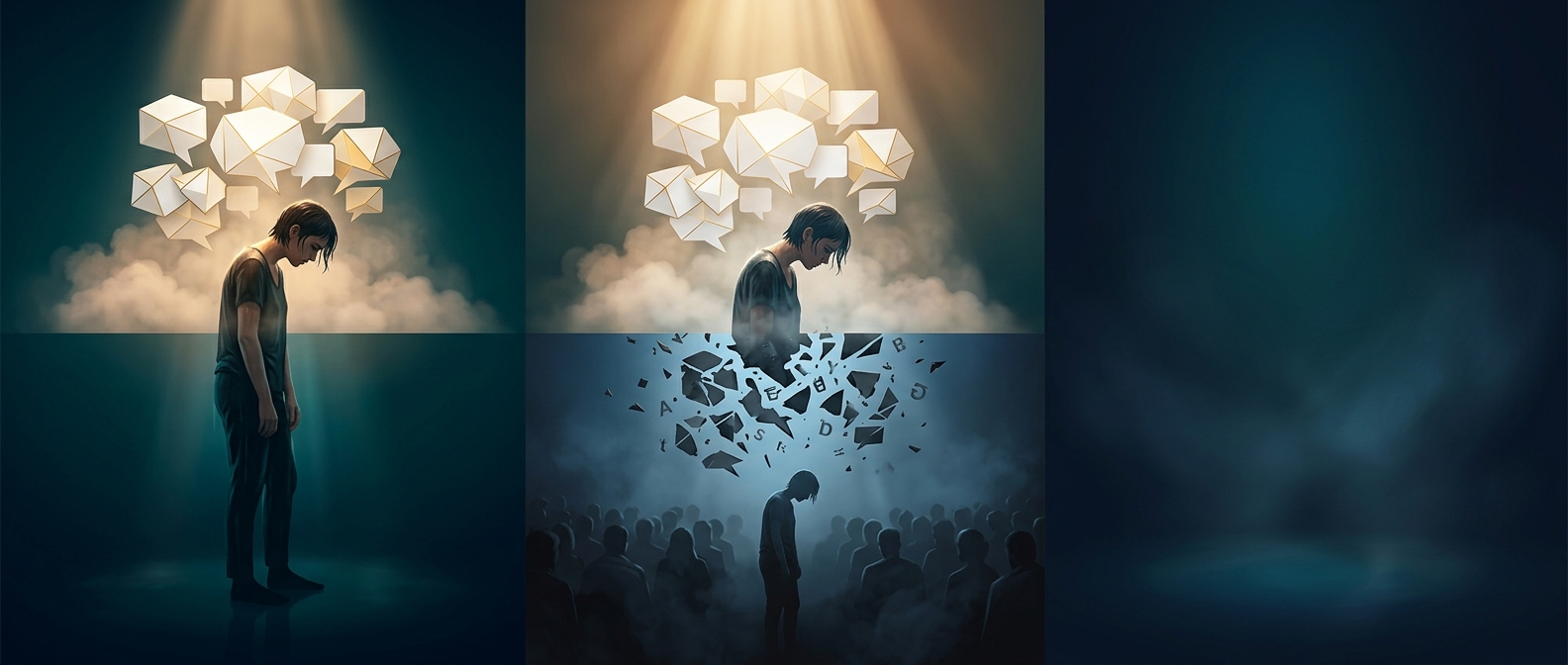
Why your shower arguments never survive real life
In the shower, you get to play both roles: deliver your speech, invent the perfect reply, and never wait for the other person to interrupt. Real arguments…
Discover more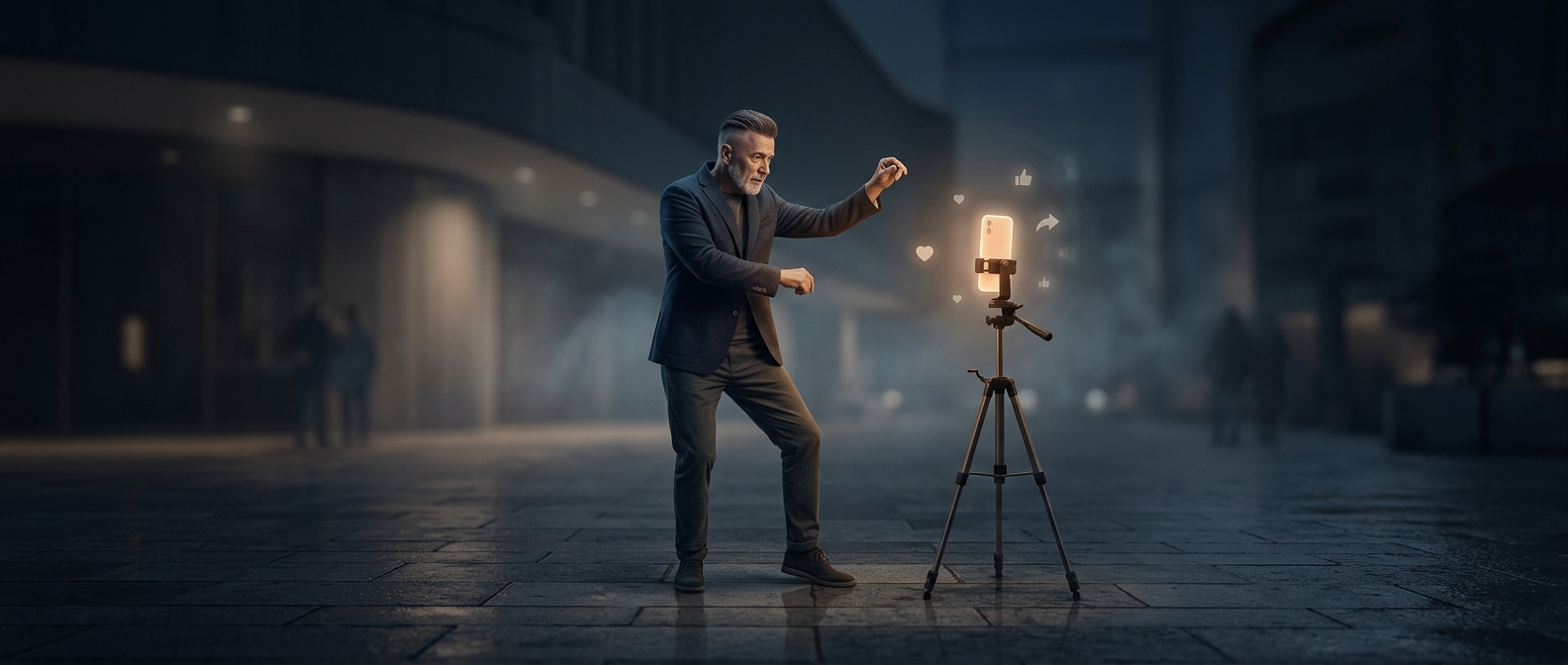
Adults attempting to perform trendy teen dances in public areas for digital fame.
A teen dance trend comes with the moves already chosen and an audience waiting online. Adults who perform it in public are turning that ready-made routine…
Discover more
A movie quote can act like a social password
Someone recognizes the line, answers with the next one, and a shared reference becomes a small moment of belonging. The words carry more than their literal…
Discover more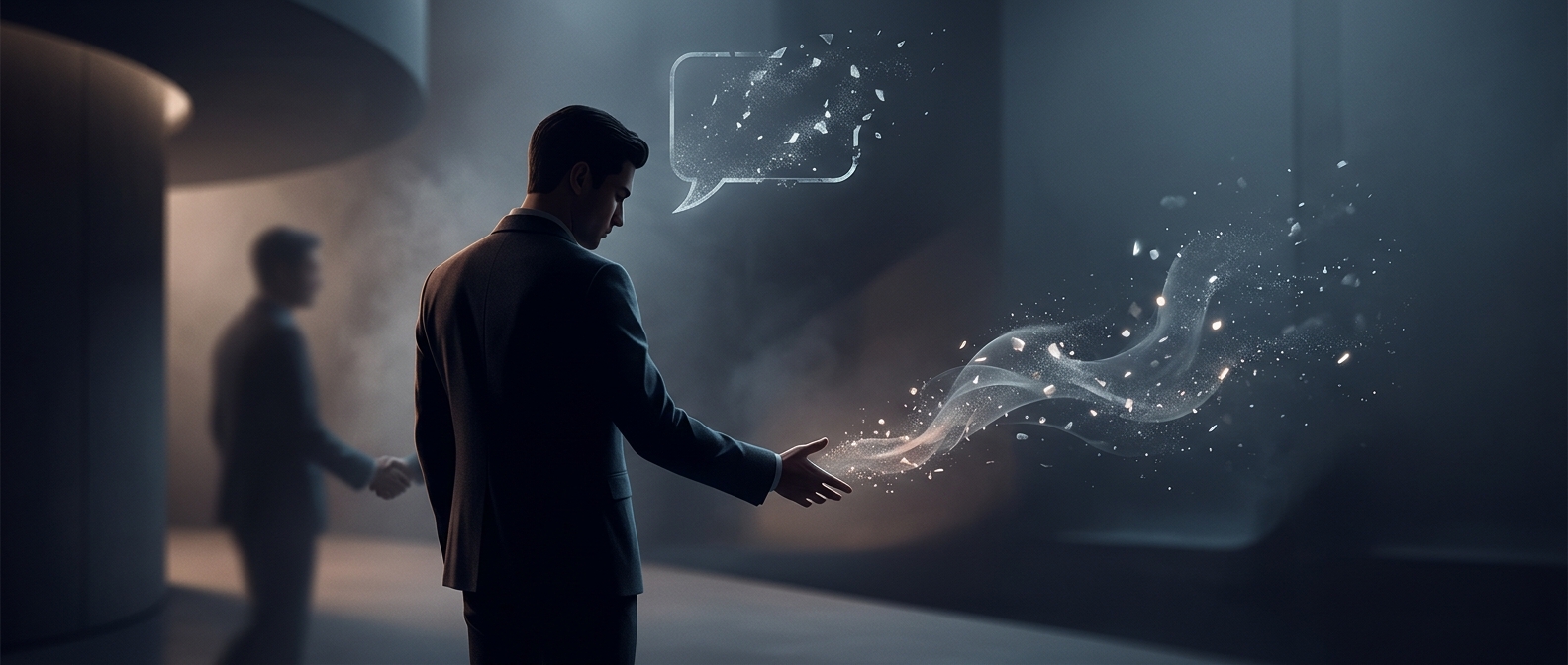
Why you forget someone's name moments after hearing it
When someone tells you their name, you may be busy thinking of your own introduction or trying to make a good impression. The sound passes through, but you…
Discover more
Your brain reads 'green' before you can say the ink is red
A word can hijack your attention even when you’re trying to ignore what it says. Read “green” printed in red ink, and the automatic reading of the word…
Discover more