Psychology
Discover facts about psychology. Small discoveries that change the way you see familiar things.
Psychology
The instant regret of leaving a voice message
A voice message leaves you alone with your own voice and no chance to take the sentence back. As soon as you hit send, attention flips from what you meant to…
Discover more
You can understand a question before realizing it wasn't for you
In a group conversation, meaning and turn-taking have to be tracked at the same time. A nearby question can trigger an answer before you've checked the…
Discover more
Why you laugh when you didn't understand someone
Sometimes laughter is a social placeholder, not a reaction to something funny. It signals friendliness and buys you a beat when you’re unsure what was said or…
Discover more
Why a pause in small talk feels so long
In a pause, your attention can turn inward: Did I say something odd? What should I say next? That self-monitoring makes the silence feel crowded and stretches…
Discover more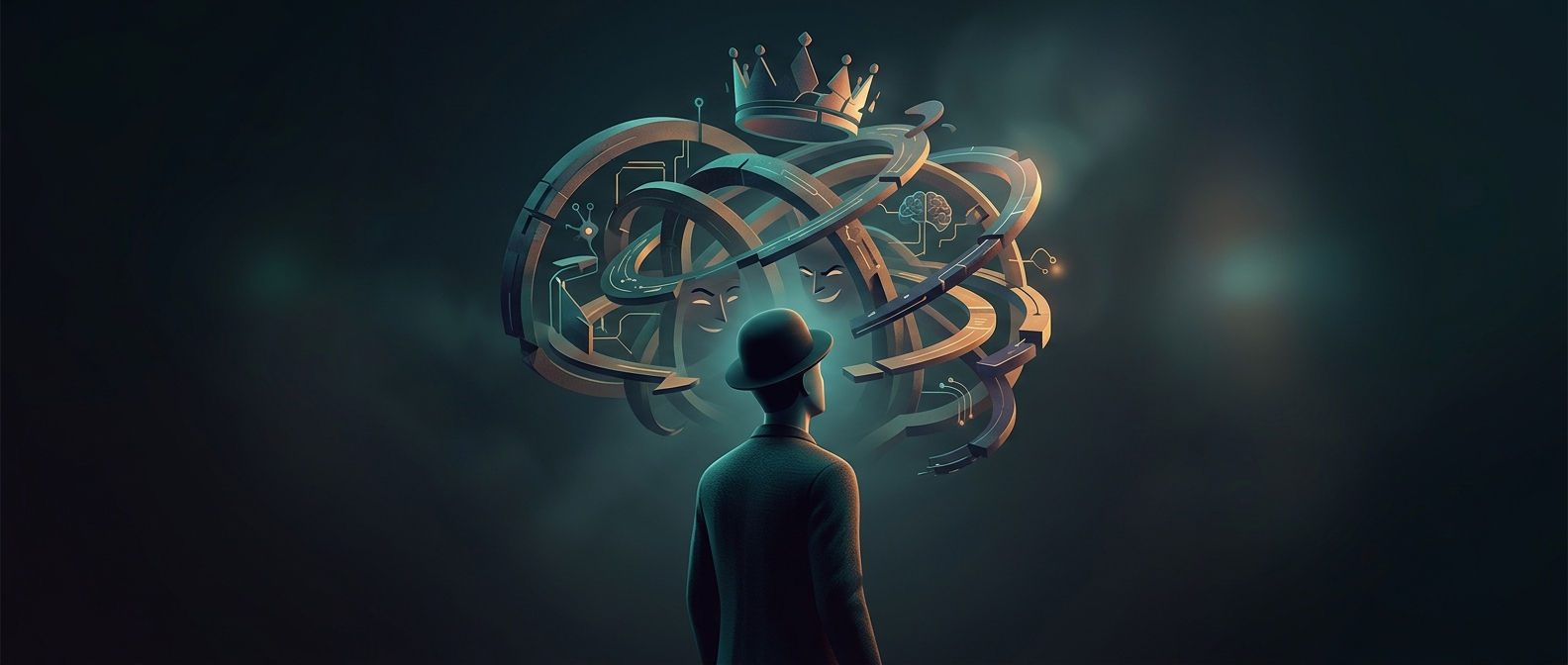
How your tone can turn a compliment into an insult
If your words praise someone but your voice carries an eye-roll, the listener has to resolve the mismatch. Tone often reveals how a remark is meant, so “That…
Discover more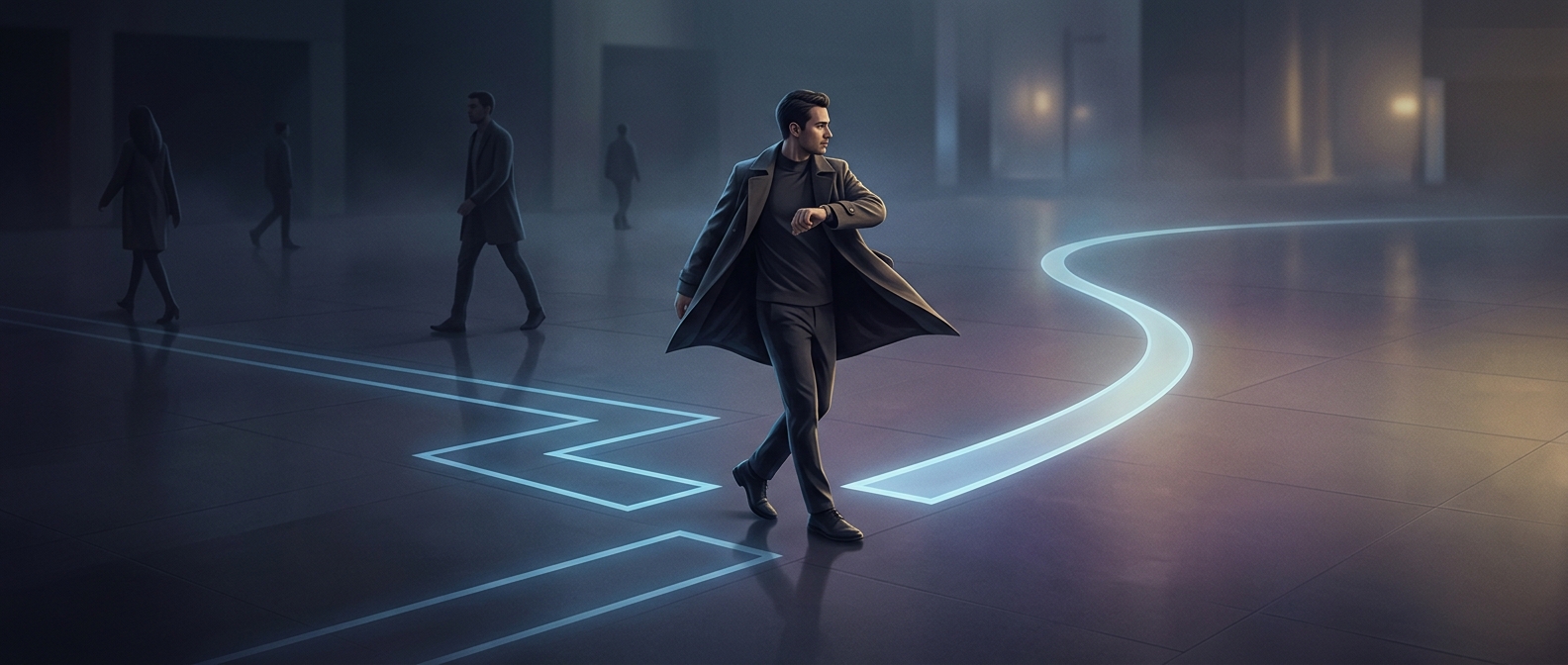
Why we pretend to change direction
Changing direction in public can feel like announcing that you were wrong or didn't know where you were going. So you may keep moving as if the original route…
Discover more STACKY FOR IPHONE
A bigger world.
One discovery
at a time.
Keep discovering with Stacky. Interesting facts in an app that is always within reach.
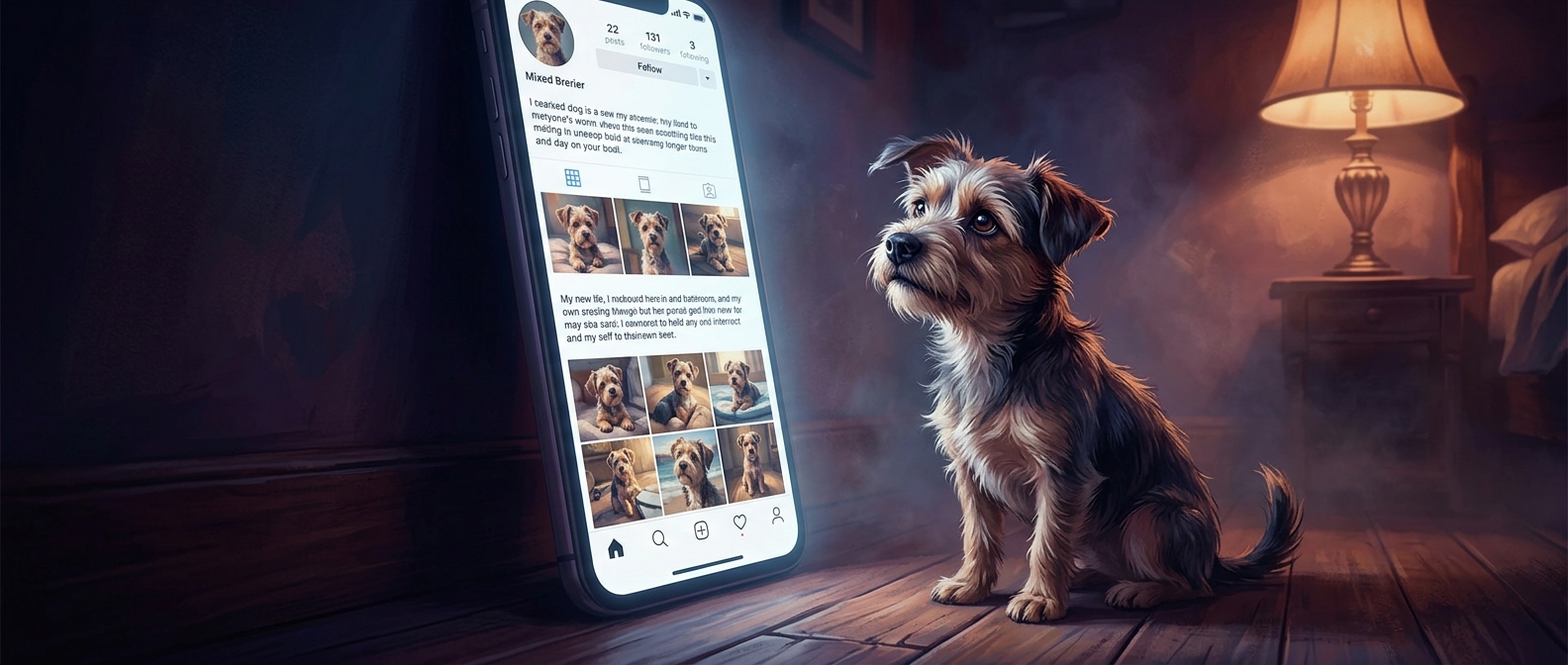
Why people write Instagram captions as their dogs
Writing as a dog lets people be affectionate and ridiculous without putting their own earnest feelings directly on display. The dog becomes a playful narrator…
Discover more
Liking your own post is the ultimate digital self-high-five
Clicking like on your own post is a tiny act of self-approval made visible. It can also give the post an early signal of activity, but the private pleasure is…
Discover more
Why people leave designer labels on expensive clothes
A designer label left visible turns a private purchase into a public signal. The logo lets other people read the garment as evidence of taste, money, or…
Discover more
Why some people mistake confidence for singing talent
A confident singer may mistake ease for accuracy. If the melody feels familiar and the voice comes out strongly, it is tempting to assume the notes are…
Discover more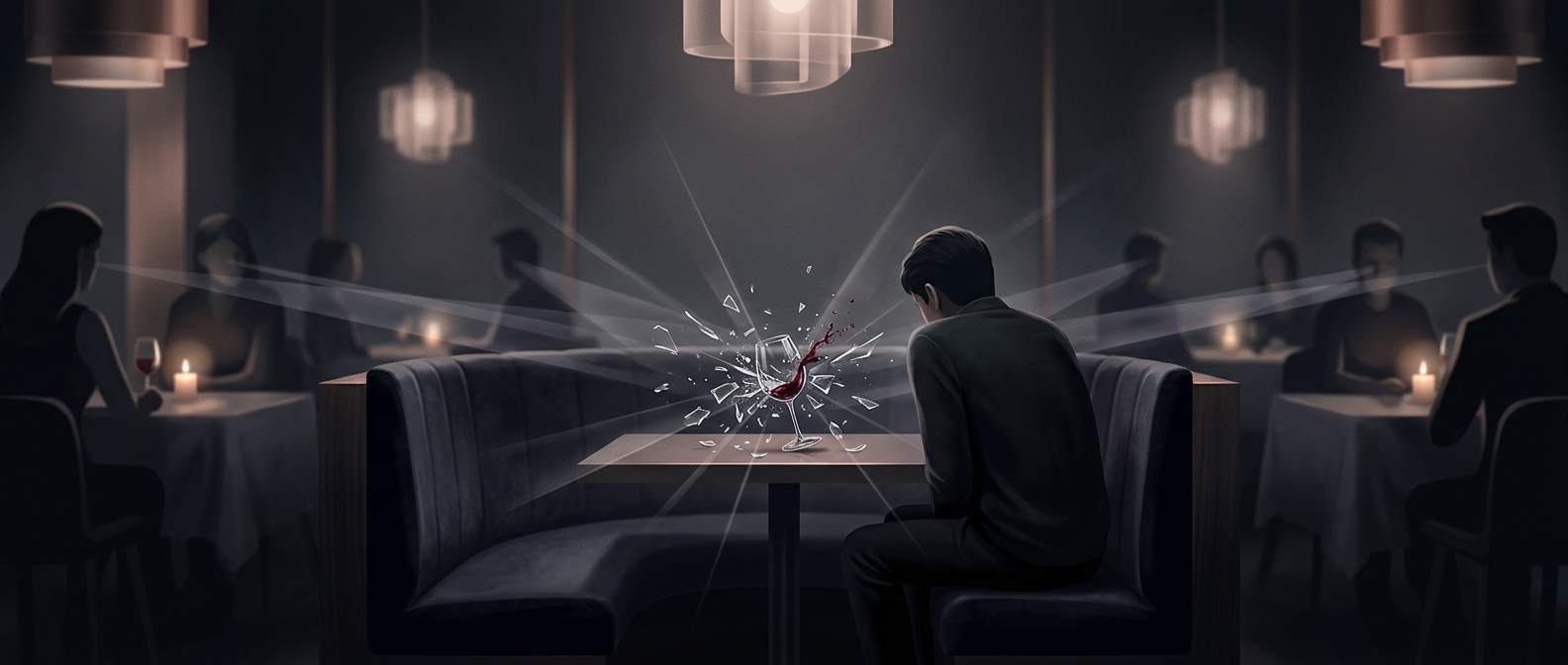
Why a dropped glass silences the whole restaurant
A crash cuts through restaurant chatter because sudden sounds grab attention before you decide whether they matter. Then everyone looks up to check for…
Discover more
Why a cat choosing your lap feels like a victory
When a cat chooses your lap, the pleasure comes partly from the cat’s independence. You can’t command the affection, so its decision feels like genuine…
Discover more
Completely missing a high five and smoothly transitioning into adjusting your hair instead
A missed high five leaves a beat of awkwardness your mind wants to erase. Turning the same hand movement into fixing your hair gives it a plausible purpose…
Discover more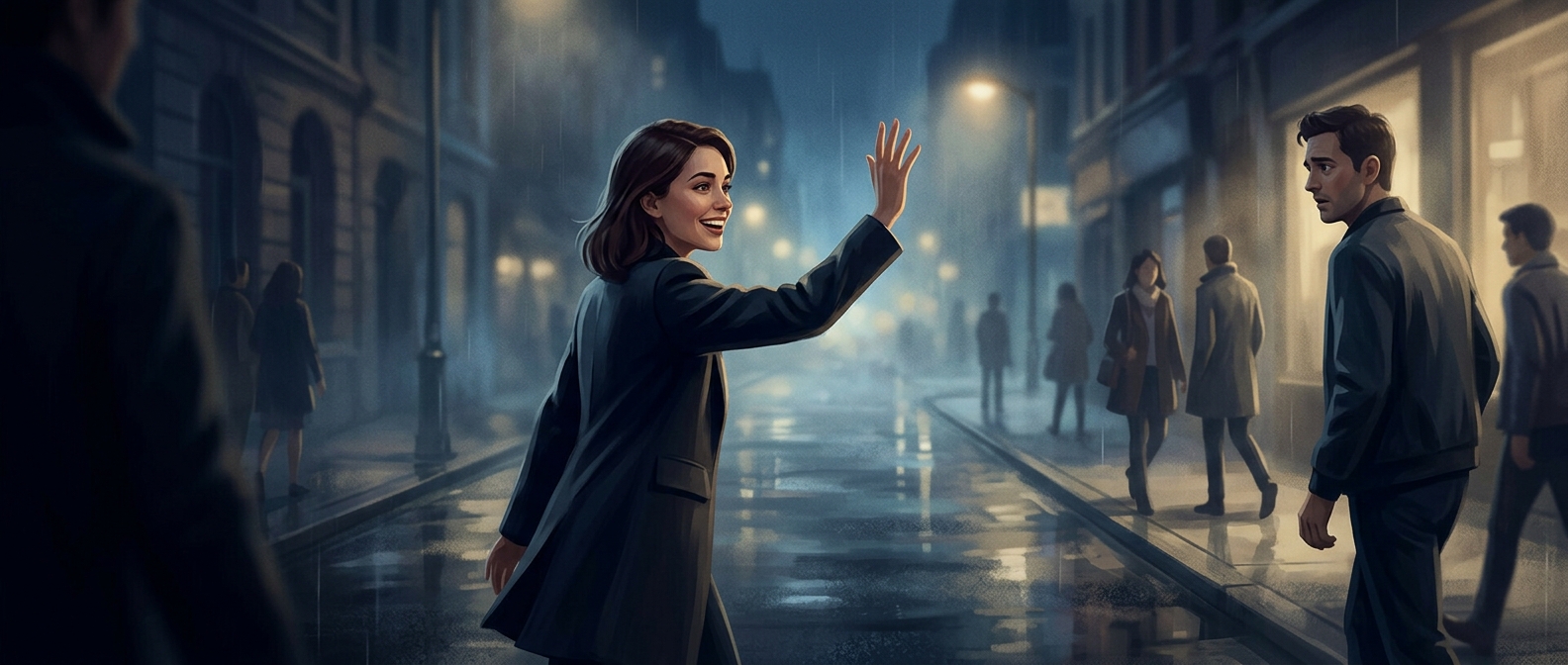
Enthusiastically gesturing at someone across the street who turns out to be a total stranger
A wave can leave your hand before your brain has finished identifying the person. Familiarity is often a quick pattern match, and from across the street a…
Discover more
Why you check your pockets even when you know
The pocket check is a tiny ritual for closing an open mental tab: “Do I have my keys?” Even when you remember putting them there, the action itself may not…
Discover more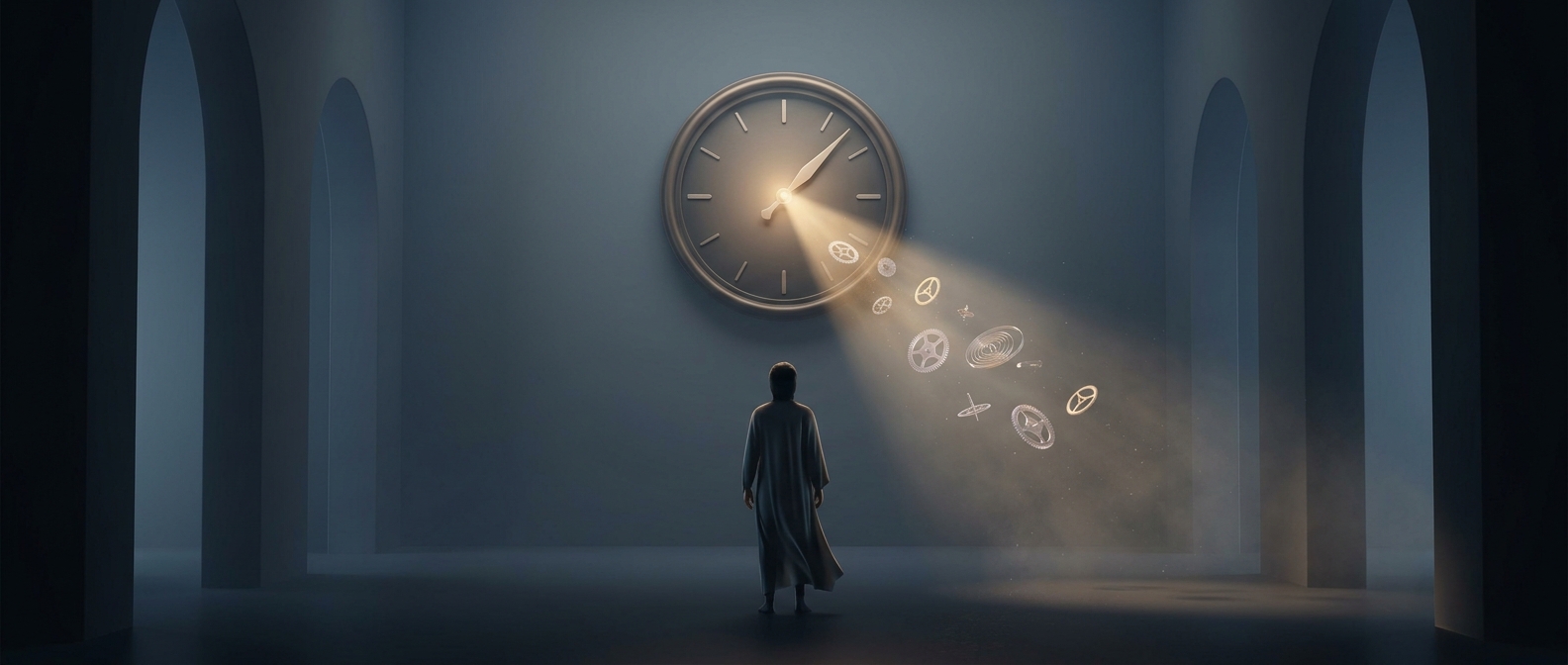
Why the first second on a clock can feel strangely long
When your eyes flick toward a clock, the movement briefly disrupts the incoming image. Your mind smooths over that gap by making the first view of the clock…
Discover more
Why your reflection can startle you in the dark
In dim light, your face in the mirror is hard to see clearly. Your brain keeps trying to make sense of the shifting, incomplete image, and familiar features…
Discover more
Playing extremely loud audio tracks from a tiny phone speaker in crowded public spaces
Turn a phone up in a crowded place and the sound becomes an unwanted social demand: nearby people have to decide whether to ignore it, glare, or move. The…
Discover more
Why corporate jargon ruins a casual hangout
Jargon can make a speaker sound as if they are still wearing their work badge. It signals roles, goals, and performance—the opposite of the loose, equal…
Discover more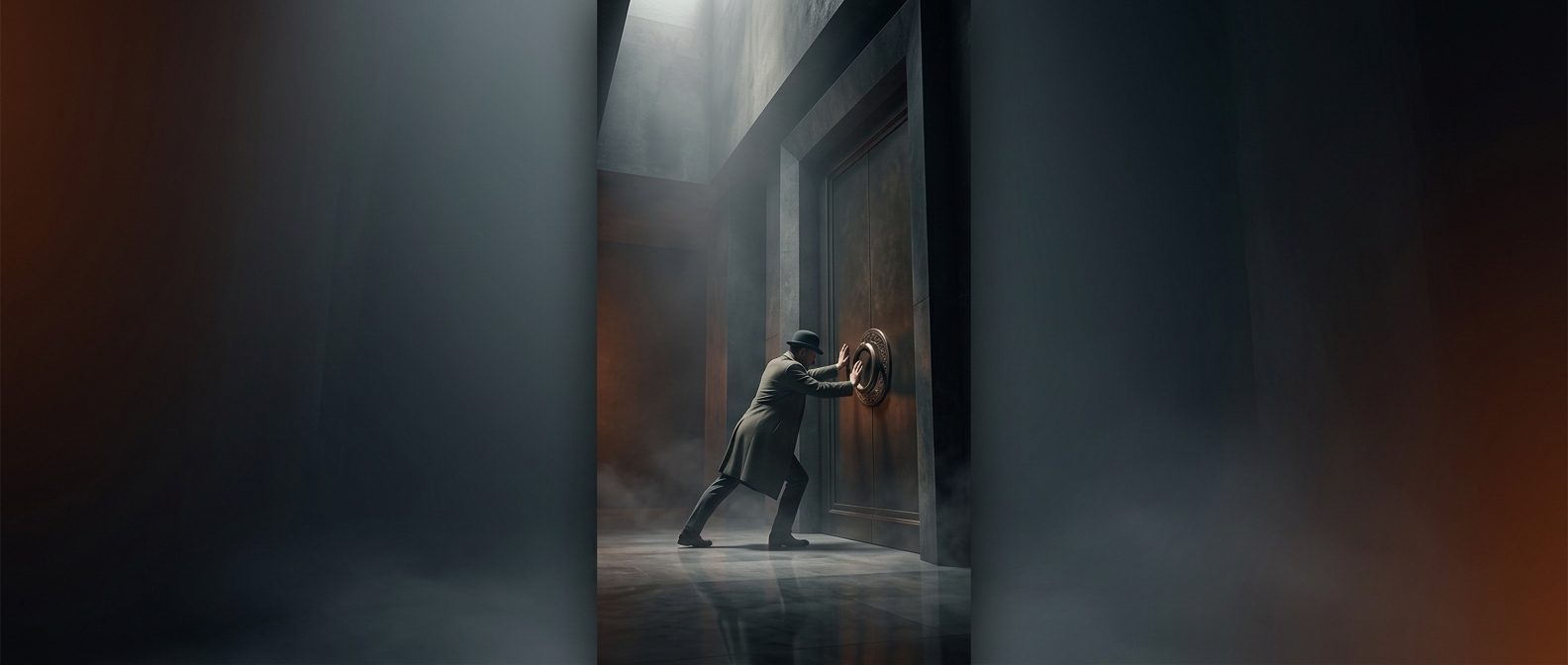
A Norman door makes the obvious action the wrong one
A handle suggests pulling even when the door should be pushed. Design critic Don Norman uses such confusing objects to show how an interface can mislead…
Discover more
A five-second pause interrupted couples' retaliation in a lab
In a study of 81 couples, partners could send each other unpleasant noise during a competitive task. Enforced breaks reduced the cycle of aggressive…
Discover more
That word on the tip of your tongue has a name
It’s called a tip-of-the-tongue state: you can retrieve a word’s meaning but not quite its sound. You may even know its first letter or how many syllables it…
Discover more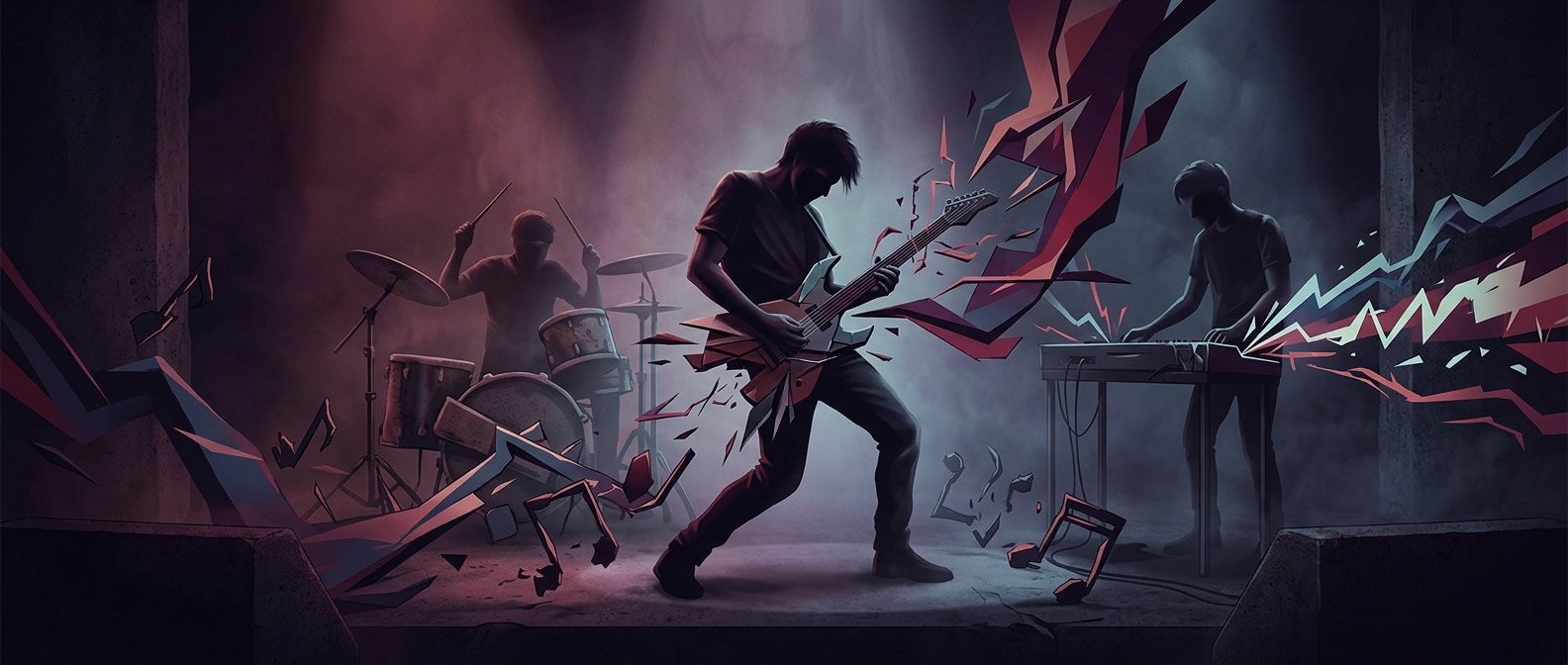
Musicians bend notes out of tune to create tension
Some musicians bend notes away from the neat pitches on a keyboard to create tension, ache, or a bluesy sound. The slight mismatch is expressive: it makes a…
Discover more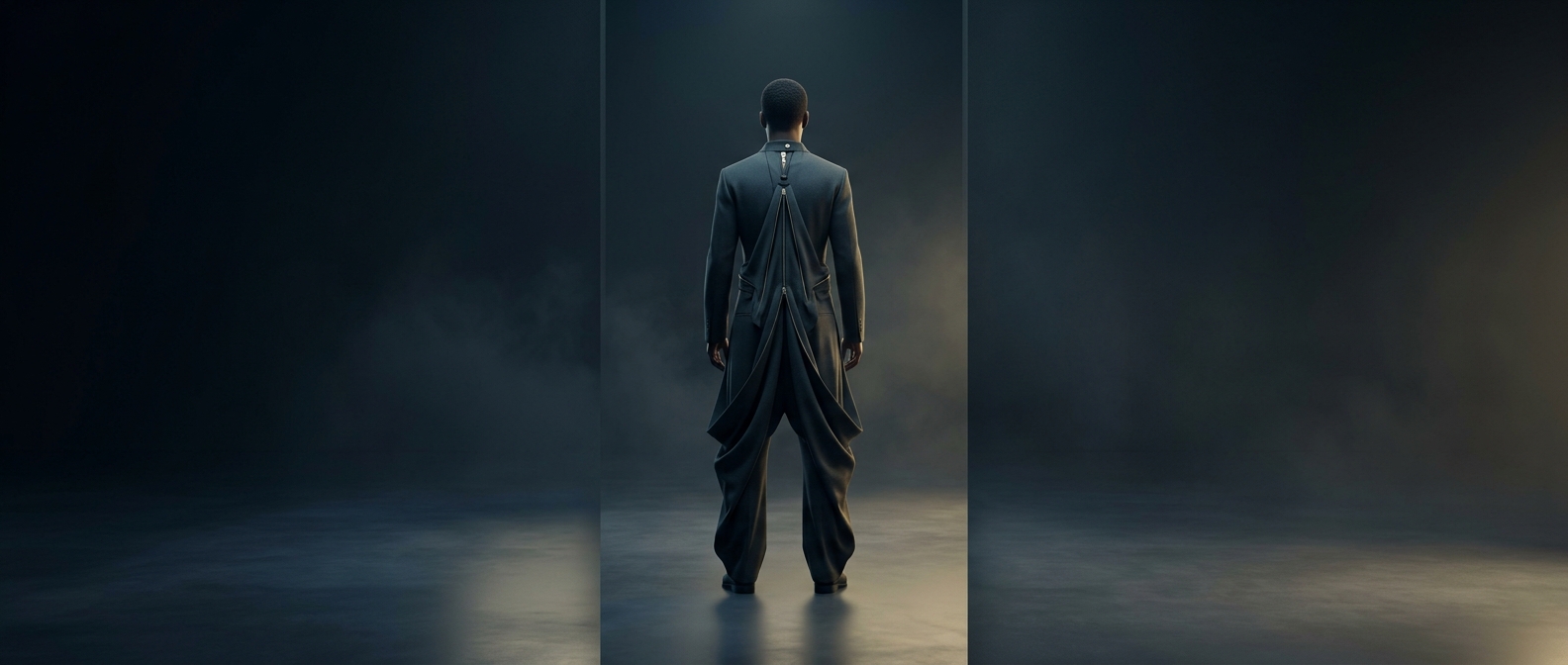
People deliberately wearing pants backwards to create a confusing visual aesthetic
Wear pants backwards and the familiar outline stops making sense: pockets, seams, and the fly appear where your eyes don’t expect them. That mismatch grabs…
Discover more