Psychology
Discover facts about psychology. Small discoveries that change the way you see familiar things.
Psychology

Why speeding up barely saves any time
Speed feels like a shortcut, but travel time is divided by speed, so each extra mile per hour buys less than you expect. On a 10-mile trip, 60 mph takes 10…
Discover more
Why a refund makes you take bigger risks
When money returns, people can treat it as a bonus instead of restoring it to the budget it came from. That mental relabeling loosens the usual caution around…
Discover more
Why more information can make decisions harder
Every extra option gives you another possibility to compare—and another version of the choice you might regret. As the list grows, it gets harder to keep the…
Discover more
Why being funny can make you seem more trustworthy
When someone makes you laugh, you briefly experience them as someone who gets you. That sense of shared understanding can make their words feel more credible,…
Discover more
Their bad mood looks like a personality; yours has a backstory.
Their bad mood looks like a personality; yours has a backstory. You see someone snap at a cashier and have only the behavior to judge. When you snap, you also…
Discover more
Birth order leaves a smaller personality signature than you think
A 2015 study using three national datasets found a small firstborn advantage in intelligence measures, but no lasting birth-order effects on major traits such…
Discover more STACKY FOR IPHONE
A bigger world.
One discovery
at a time.
Keep discovering with Stacky. Interesting facts in an app that is always within reach.
Why happy people underestimate depression
A happy person may picture depression as feeling down and assume a little cheering up would help. That forecast borrows too much from the person’s current…
Discover more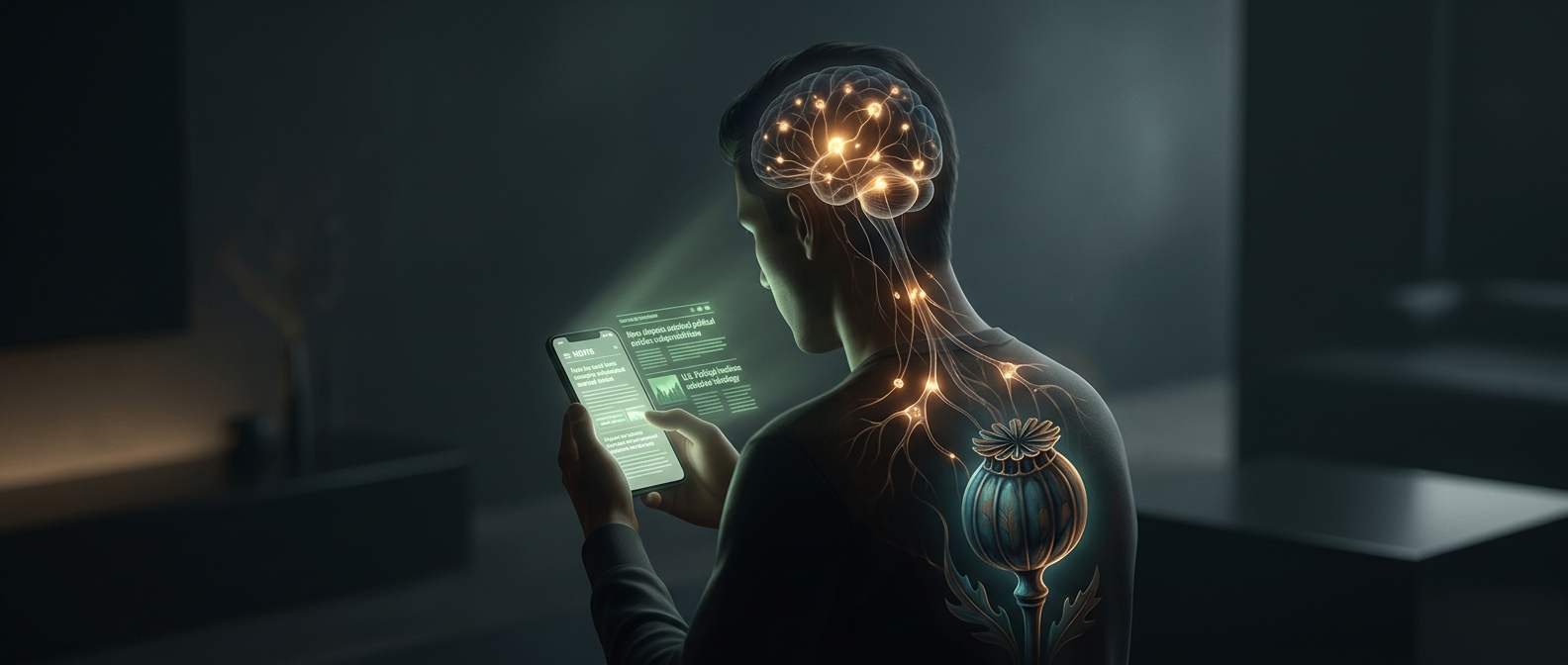
Why we crave news that tells us we're right
When a headline confirms what you already believe, it rewards both your curiosity and your sense of belonging. You can treat the story as evidence for your…
Discover more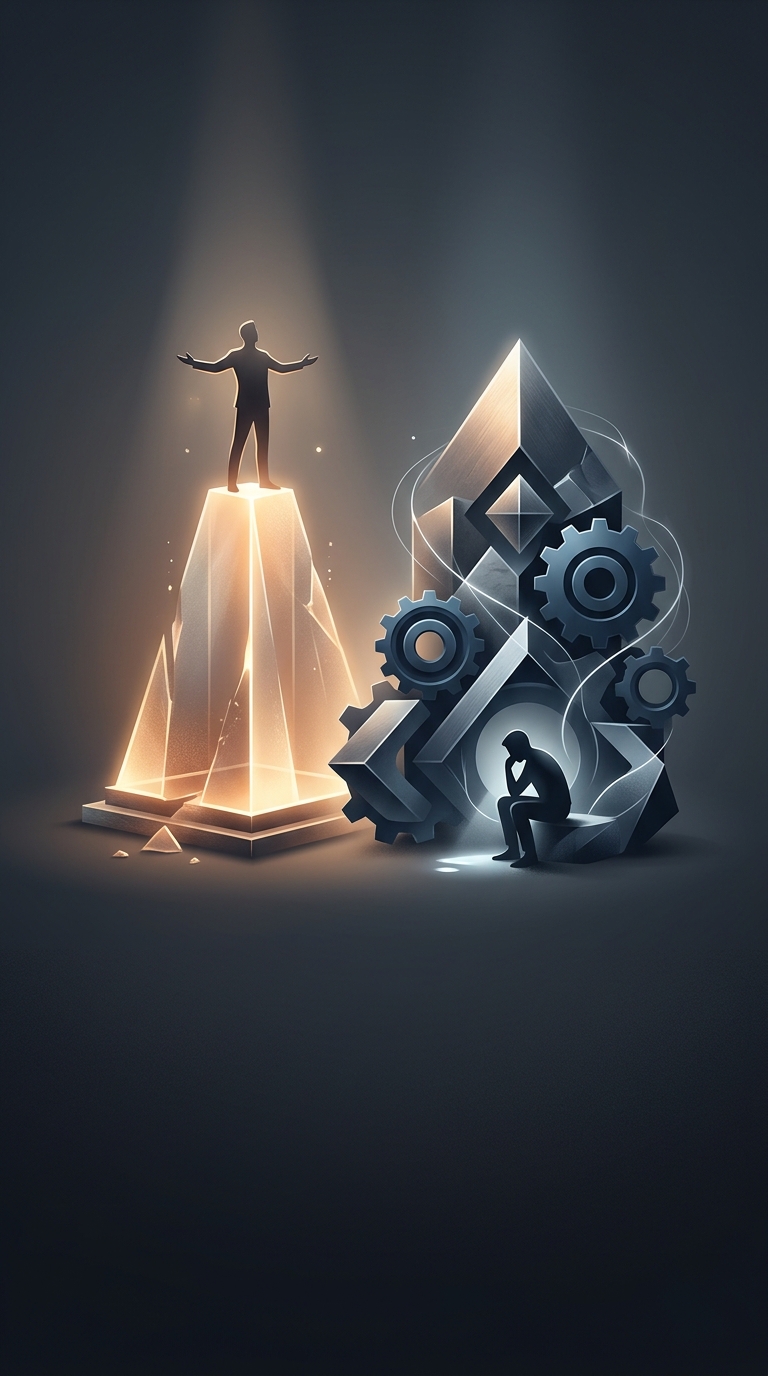
Misjudging your skill can include misjudging the mistakes.
Misjudging your skill can include misjudging the mistakes. The Dunning–Kruger effect describes a pattern in which low performers overestimate their standing…
Discover more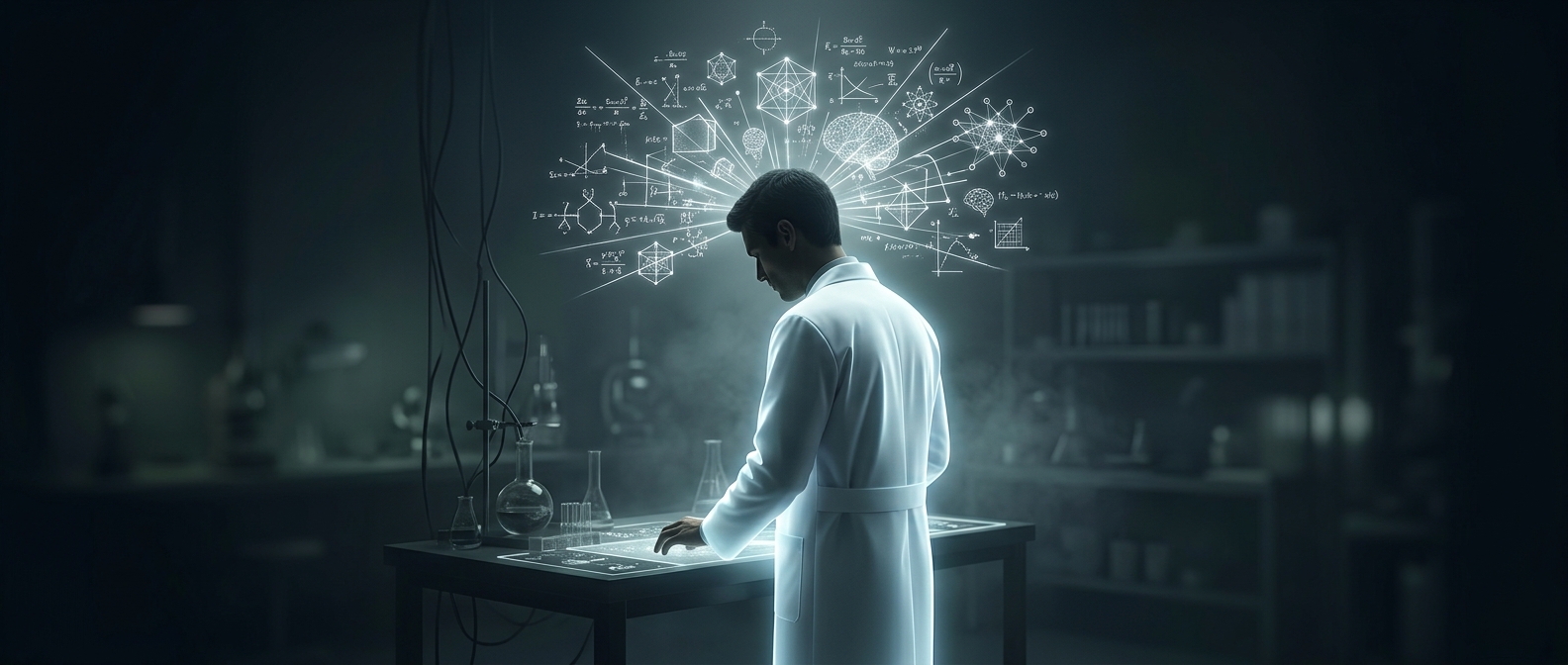
The label on a lab coat changed a psychology experiment
In a 2012 study, participants performed differently on attention tasks depending on whether a white coat was described as a doctor's or a painter's. The…
Discover more
Why some anxious people expect the worst
Anxiety makes the cost of being caught unprepared feel enormous. So the mind rehearses bad outcomes as if imagining them could provide protection. The…
Discover more
Tears of joy can make people comfort you instead of celebrating louder
In experiments using photographs and videos, observers responded differently to smiling happiness and crying happiness. Tears prompted more attempts to soothe…
Discover more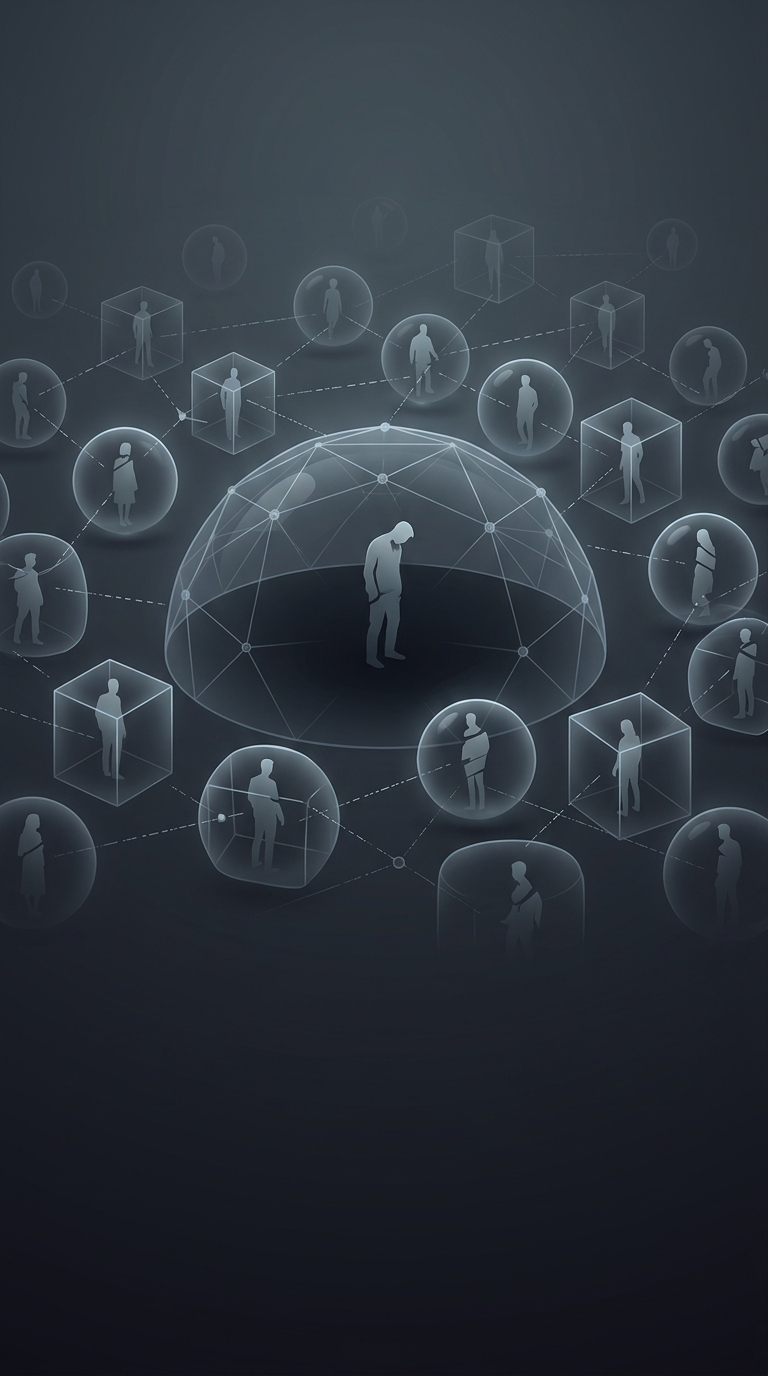
Individuals are significantly less likely to offer help to a victim when other people are present, a grim reality of human nature known as the bystander effect.
Individuals are significantly less likely to offer help to a victim when other people are present, a grim reality of human nature known as the bystander…
Discover more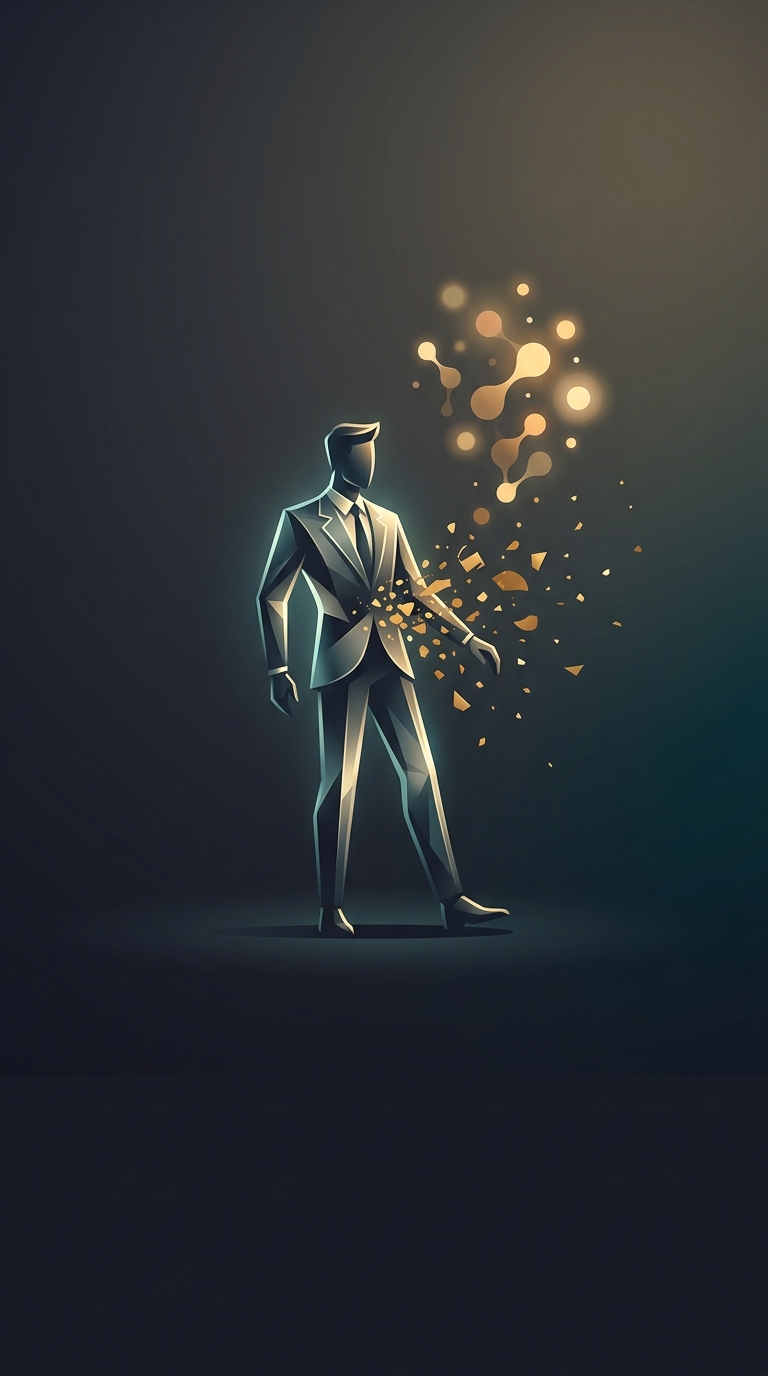
Highly competent individuals actually become more likable and attractive to others when they make a clumsy mistake or commit a minor embarrassment.
Highly competent individuals actually become more likable and attractive to others when they make a clumsy mistake or commit a minor embarrassment. A small…
Discover more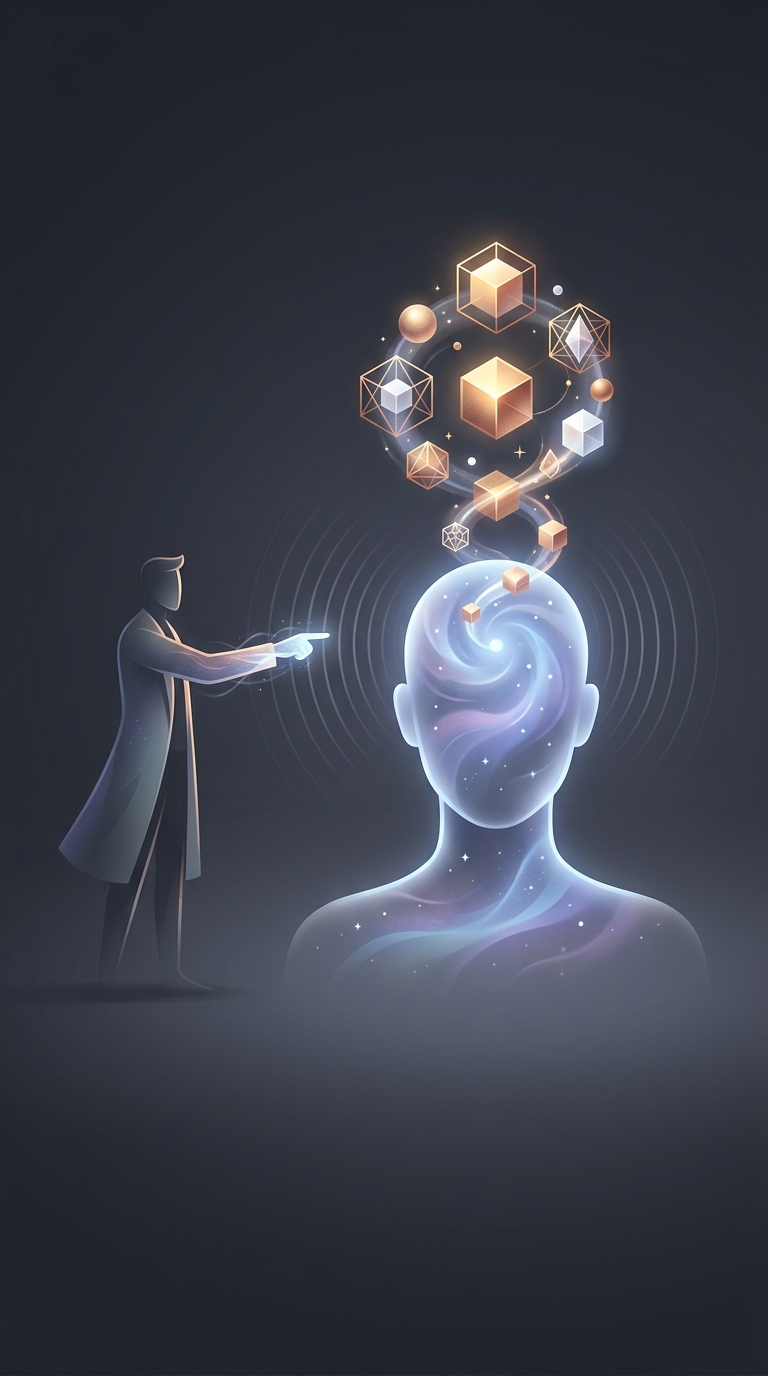
A fake sleep score changed performance in an experiment.
A fake sleep score changed performance in an experiment. In a 2014 study, researchers gave people invented feedback about how much REM sleep they had…
Discover more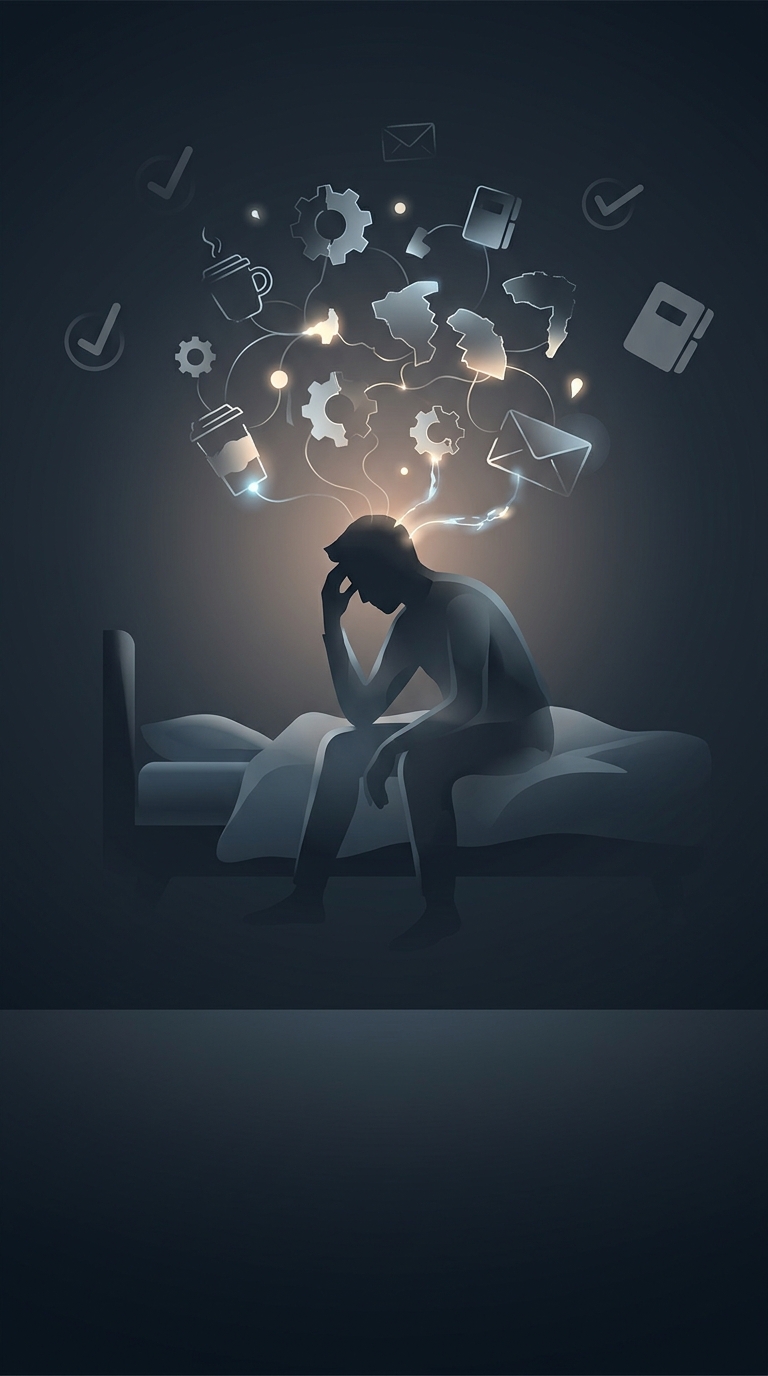
An interrupted task can make you want to come back.
An interrupted task can make you want to come back. Experiments on the Ovsiankina effect examine people's tendency to resume work left unfinished. A 2025…
Discover more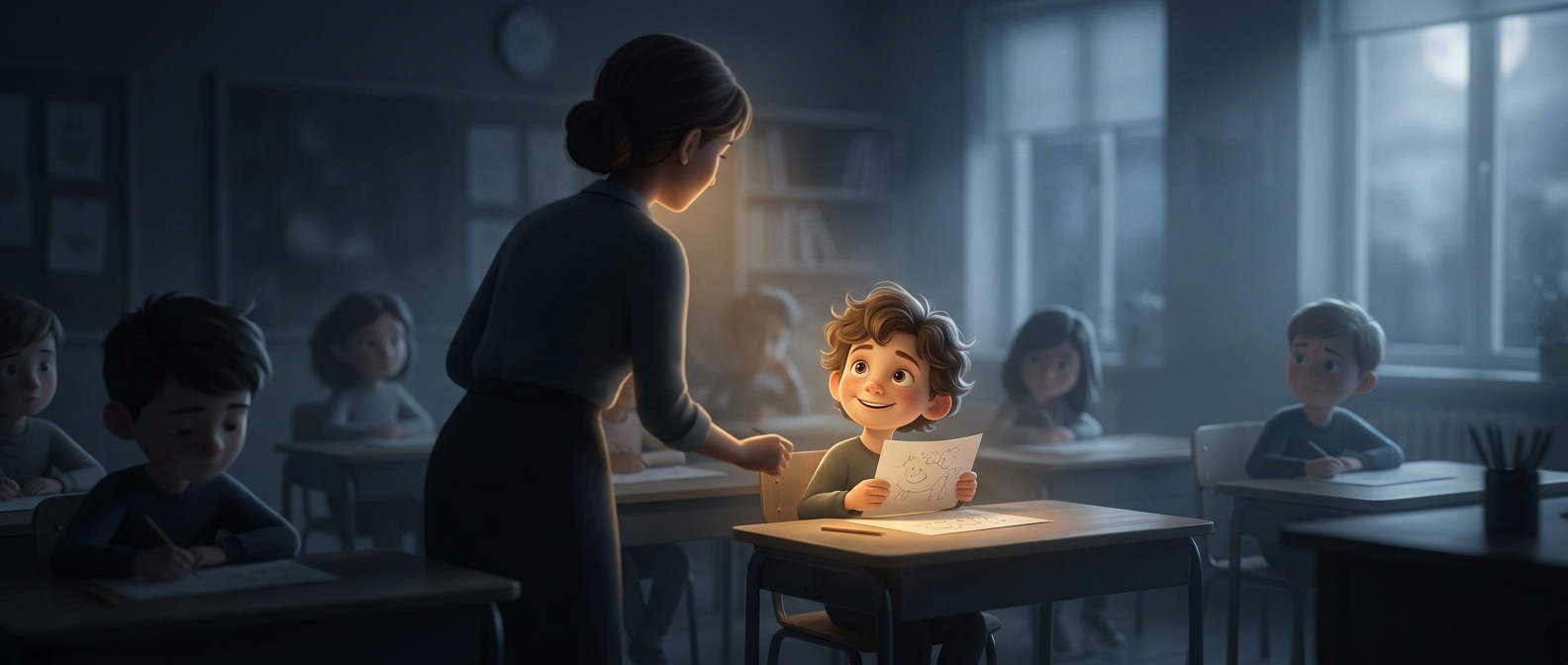
Why teachers may favor students labeled “smart”
A “smart” label can change what a teacher notices. A student’s correct answer may get more attention, while a mistake is treated as a fluke; the teacher may…
Discover more
Why lying for your group can feel righteous
When your group feels like part of who you are, protecting it can feel like protecting yourself. A lie for the group can then be recast as loyalty or justice,…
Discover more
Why you think disaster happens to everyone but you
Other people’s misfortunes come with dramatic pictures; your own future is harder to imagine. So your mind can treat danger as real in general but unlikely to…
Discover more
Trying not to think about something makes it stick
Suppression gives the forbidden thought a job: your mind must monitor for it so it can push it away again. Each check brings the thought back into awareness,…
Discover more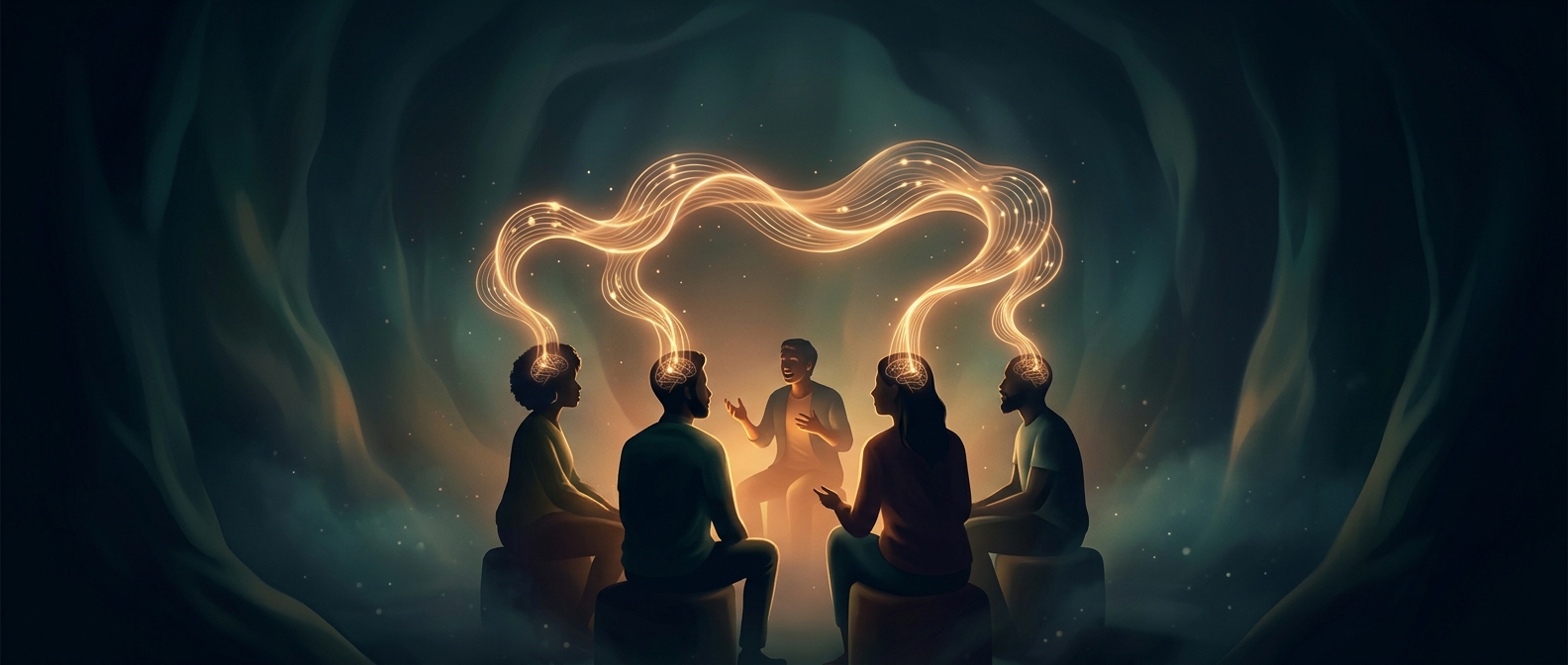
A story can align the listener's brain activity with the teller's
A good storyteller doesn’t just send you words; they give your mind a sequence to predict. As you follow the plot, your brain activity can line up with the…
Discover more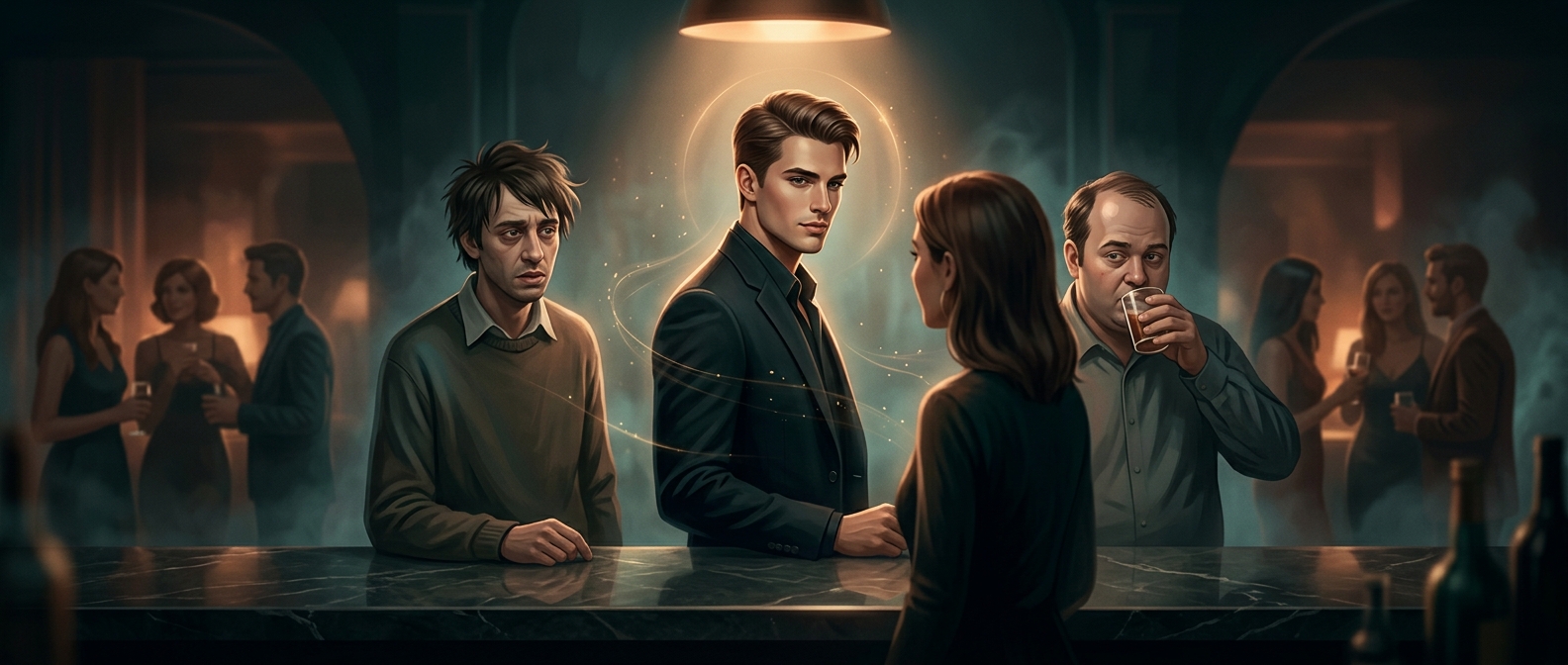
Why a less attractive friend can make you look better
People judge appearance partly by comparison, not in isolation. Standing beside someone they see as less attractive can make your own features seem better by…
Discover more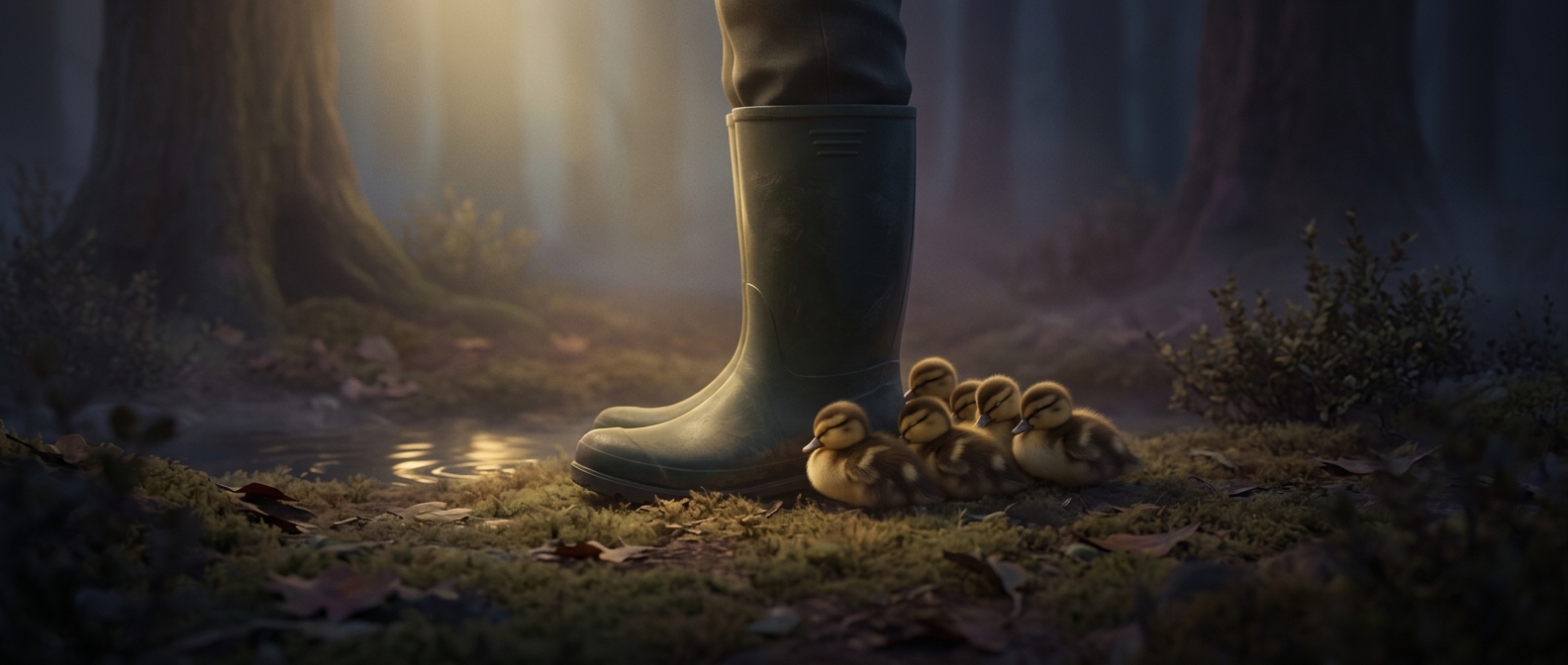
A gosling followed the scientist who helped raise it
Konrad Lorenz's hand-raised goose Martina became a famous example of imprinting: attachment formed during an early sensitive period. She followed him and even…
Discover more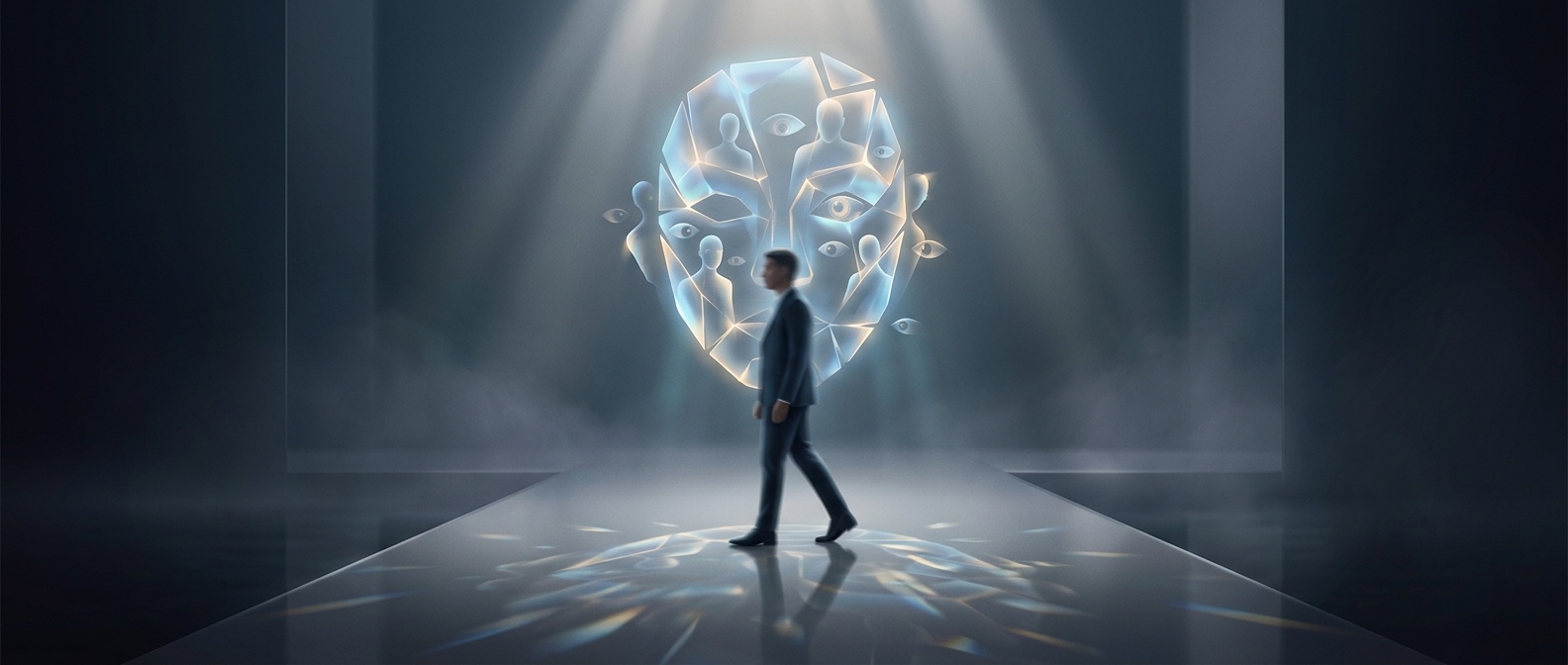
Imposter syndrome was meant to be a phenomenon
When researchers first described what’s now called imposter syndrome, they called it the “imposter phenomenon.” The name points to a gap: someone can have…
Discover more