Psychology
Discover facts about psychology. Small discoveries that change the way you see familiar things.
Psychology
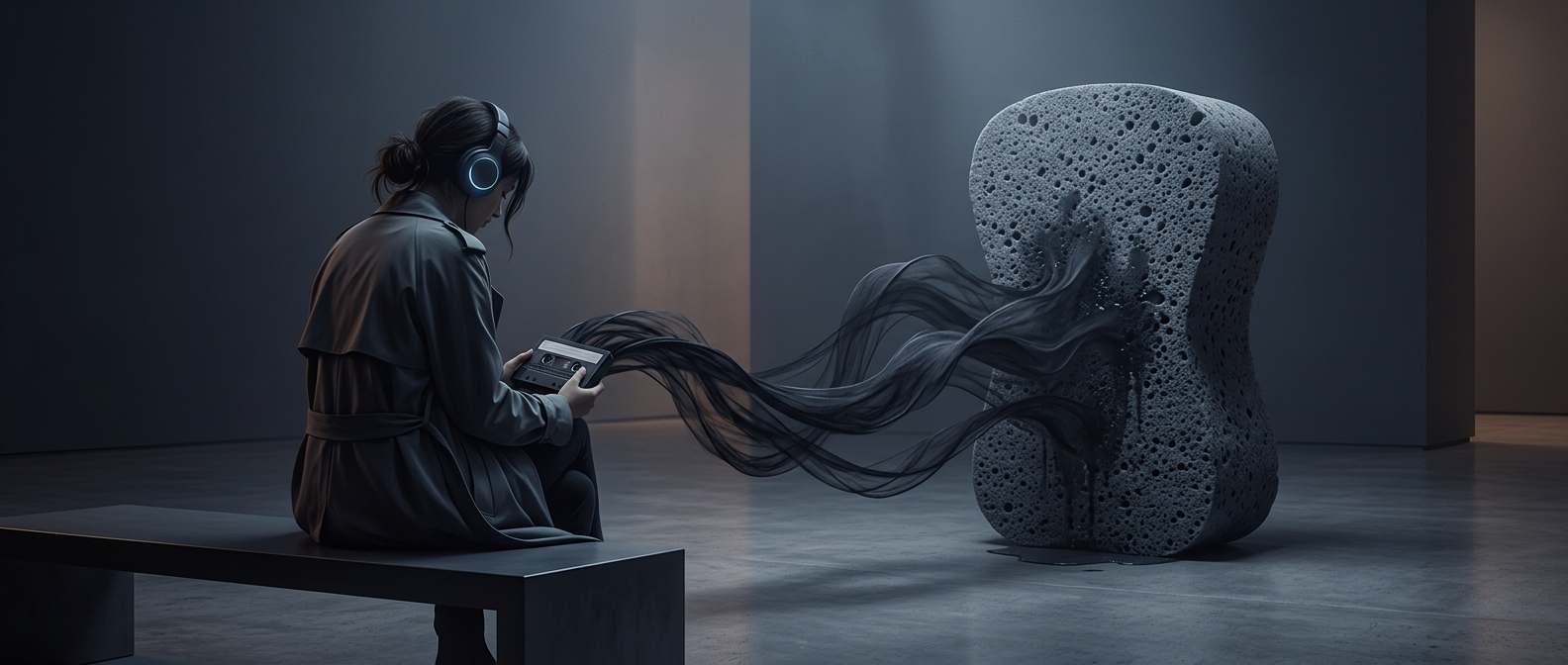
Why sad music helps after a bad day
Blasting tragic ballads after a terrible day seems counterintuitive, but it provides incredible emotional catharsis. Hearing a sad song validates your…
Discover more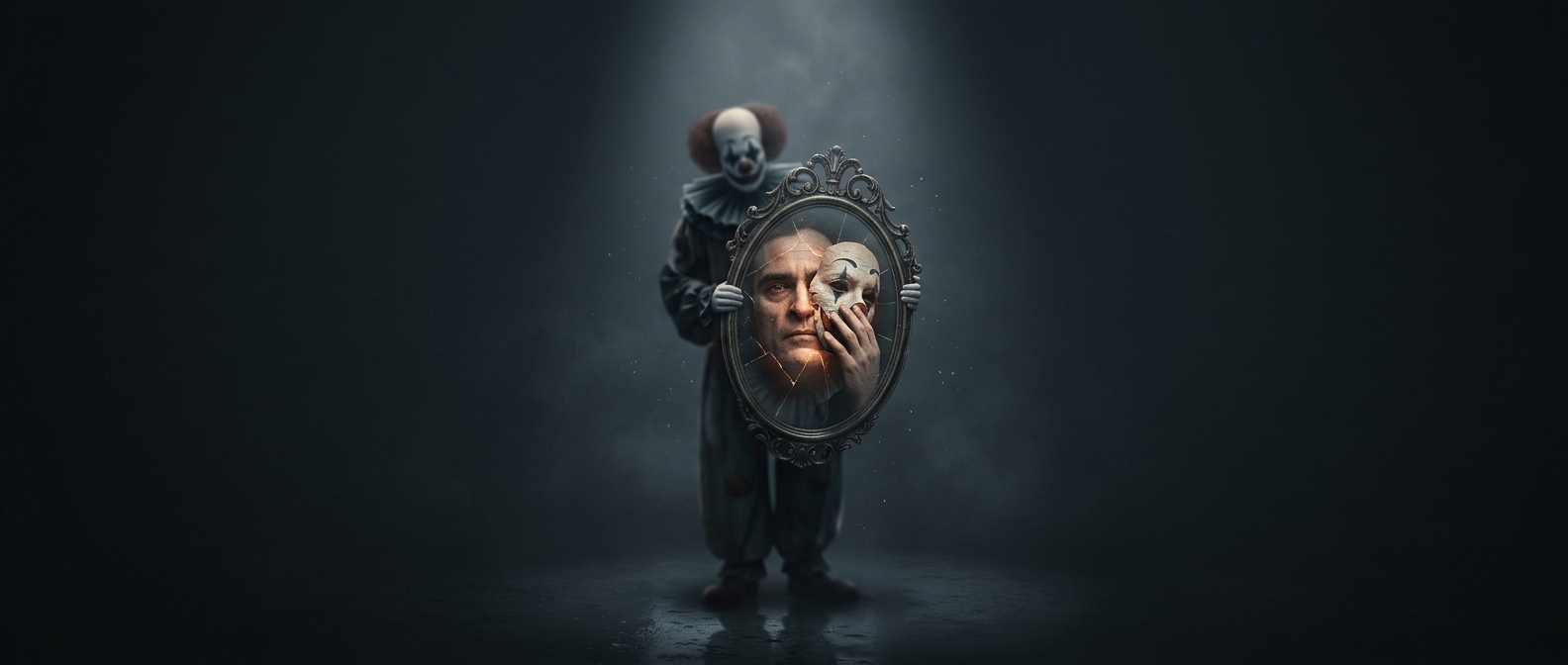
Why clown makeup can feel so unsettling
Coulrophobia makes complete sense when you realize human interaction relies entirely on reading micro-expressions. Heavy clown makeup aggressively masks these…
Discover more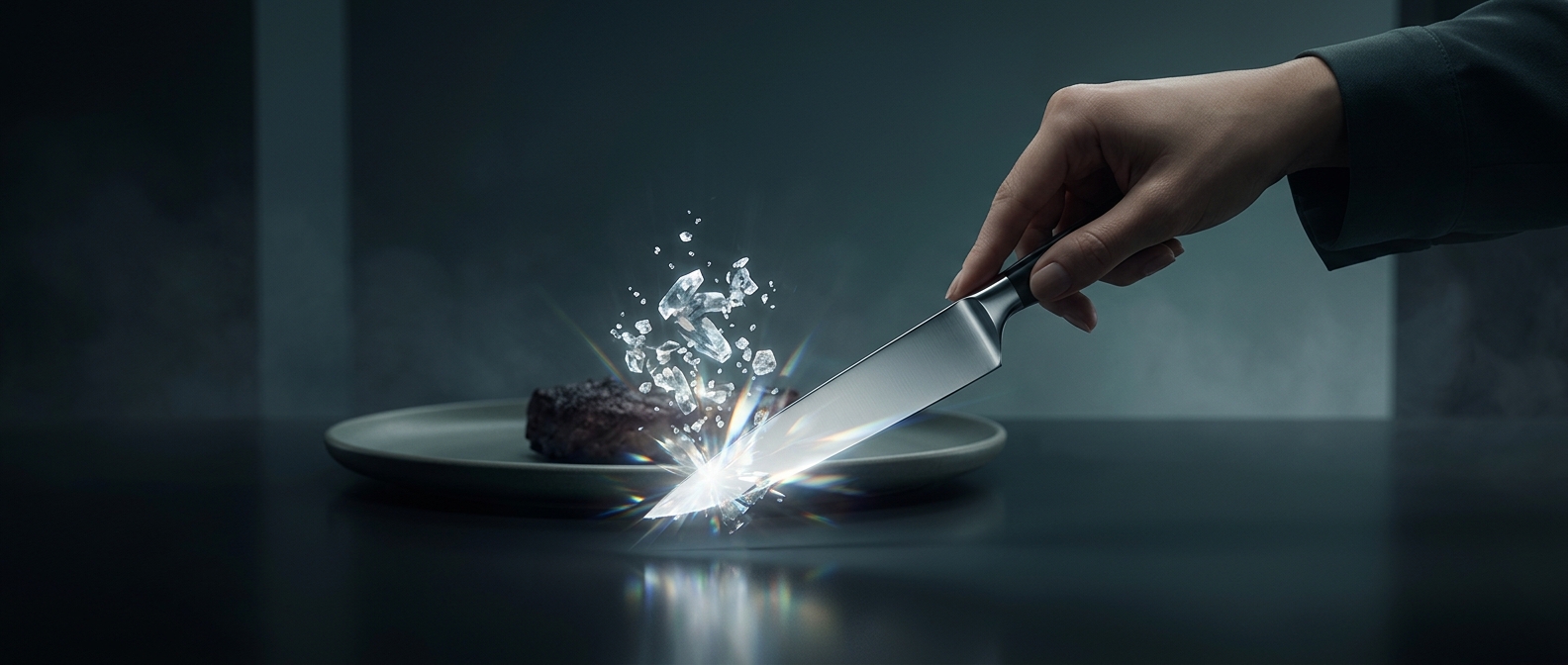
A sharp knife can make food taste saltier
Sensory transference occurs when the physical properties of a utensil corrupt the data profile of the food it carries. Consuming a food item from the tip of a…
Discover more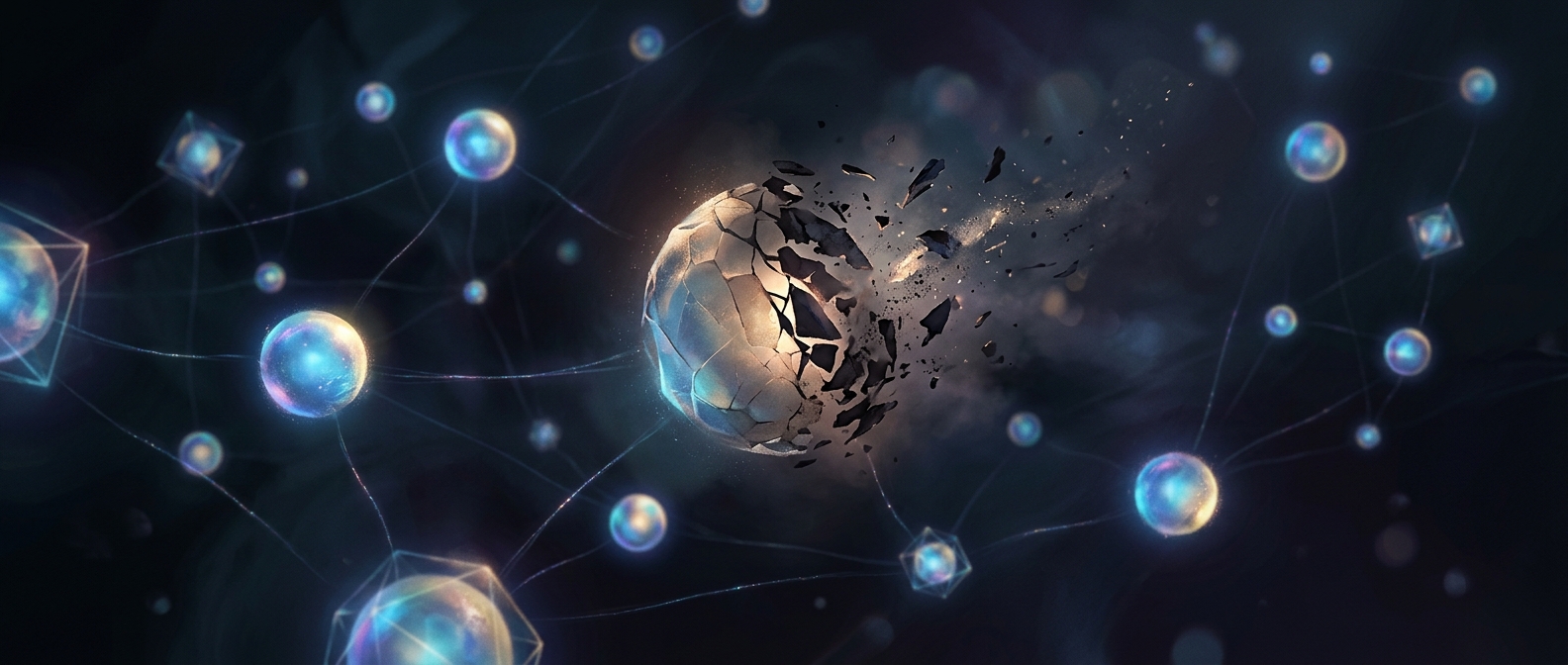
Why unused memories fade away
Trace decay theory suggests that your stored information has a very literal shelf life. If you do not actively access a specific stored file over a long…
Discover more
Why truthful stories include pauses and corrections
Truthful recalling is inherently disorganized. When retrieving real data, people frequently pause, backtrack, and correct their own minor details on the fly.…
Discover more
Why lying takes more brainpower
Lying dramatically spikes your internal cognitive load. To tell a falsehood, your system must simultaneously suppress the actual truth, invent a plausible…
Discover more STACKY FOR IPHONE
A bigger world.
One discovery
at a time.
Keep discovering with Stacky. Interesting facts in an app that is always within reach.
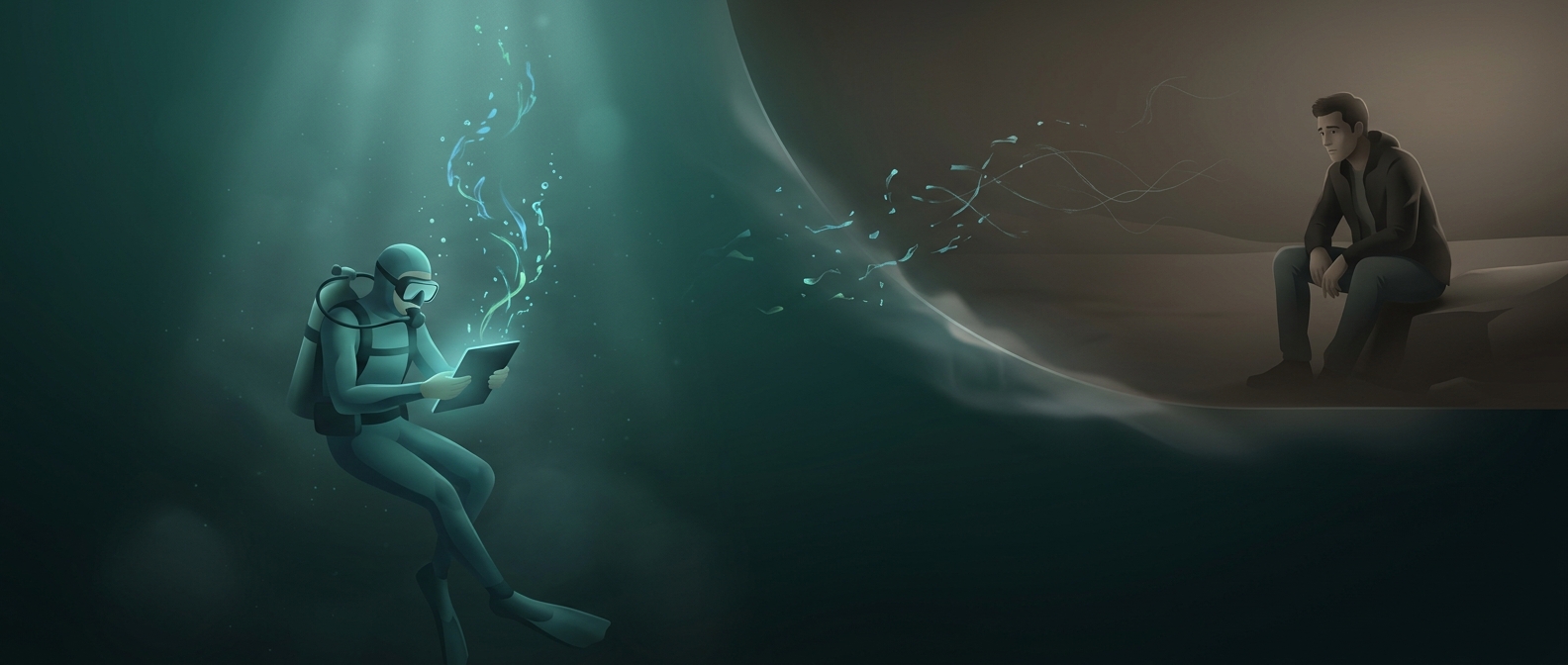
Why divers remember better underwater
Context-dependent memory binds facts to the physical space where they were acquired. Research shows that lists memorized twenty feet underwater are incredibly…
Discover more
Why jokes work by breaking your predictions
Incongruity theory states that humor is just your system enjoying its own failure to predict the future. A joke setup forces your predictive models to guess…
Discover more
Why melted ice cream tastes sweeter
Thermal tasting is a biological quirk where temperature radically alters flavor intensity. The microscopic channels on your sweet taste buds are highly…
Discover more
Why whispers give you spine tingles
Autonomous sensory meridian response is an absurd biological glitch where specific low-frequency acoustic sounds trigger intense physical sensations. The…
Discover more
Why strict rules can unlock better ideas
The paradox of constraint dictates that absolute freedom causes complete cognitive paralysis. When a human is handed an entirely blank slate with infinite…
Discover more
Why you remember trivia but forget its source
Source amnesia is why you are incredibly confident about random trivia but completely unable to back it up. Your internal filing system is highly efficient at…
Discover more
Why each year feels shorter as you age
Proportional time theory states that your perception of duration mathematically collapses over time. When you are five years old, one single year represents…
Discover more
Why great ideas strike in the shower
The legendary shower epiphany is driven by pure sensory optimization. Standing under warm water provides a mild, monotonous physical sensation that acts as a…
Discover more
Can high ceilings make you think more creatively
The Cathedral effect is a bizarre spatial phenomenon where physical architecture actively dictates internal cognition. Placing subjects in a room with…
Discover more
Why high-pitched sounds feel small
Cross-modal correspondence forces humans to tightly associate acoustic frequency with physical volume. Without any training, your system automatically links…
Discover more
Why your back can mistake two pokes for one
The two-point threshold reveals the incredibly cheap sensor layout of the human back. Because survival rarely requires complex tactile data on the mid-spine,…
Discover more
Why rats sprint when the finish line is near
The goal gradient hypothesis demonstrates that biological effort directly scales with the physical proximity of the finish line. When navigating a physical…
Discover more
Why two fake stamps make you finish a coffee card faster
The endowed progress effect exploits the mathematical gullibility of the human reward system. Handing a customer a ten-slot coffee punch card with two slots…
Discover more
How stereotypes can hurt your test score
Stereotype threat is a brutal psychological self-sabotage triggered directly by society. If you remind individuals of a negative stereotype regarding their…
Discover more
Why banning something makes it more desirable
When a government or parent outright bans a movie, book, or substance, they inadvertently execute the greatest marketing campaign ever designed. This is…
Discover more
Why people lie about their good habits
Social desirability bias proves beyond a shadow of a doubt that self-reported data is mostly fiction. When asked how much they drink, donate to charity, or…
Discover more
Why moving to California won't cure depression
The focusing illusion causes us to heavily overvalue one specific factor when predicting our future happiness. You confidently think moving to a sunny beach…
Discover more
Why one small mistake can feel catastrophic
The slippery slope fallacy is the highly anxious brain's favorite cinematic thriller. We falsely assume that one minor misstep—like eating a piece of…
Discover more