Psychology
Discover facts about psychology. Small discoveries that change the way you see familiar things.
Psychology
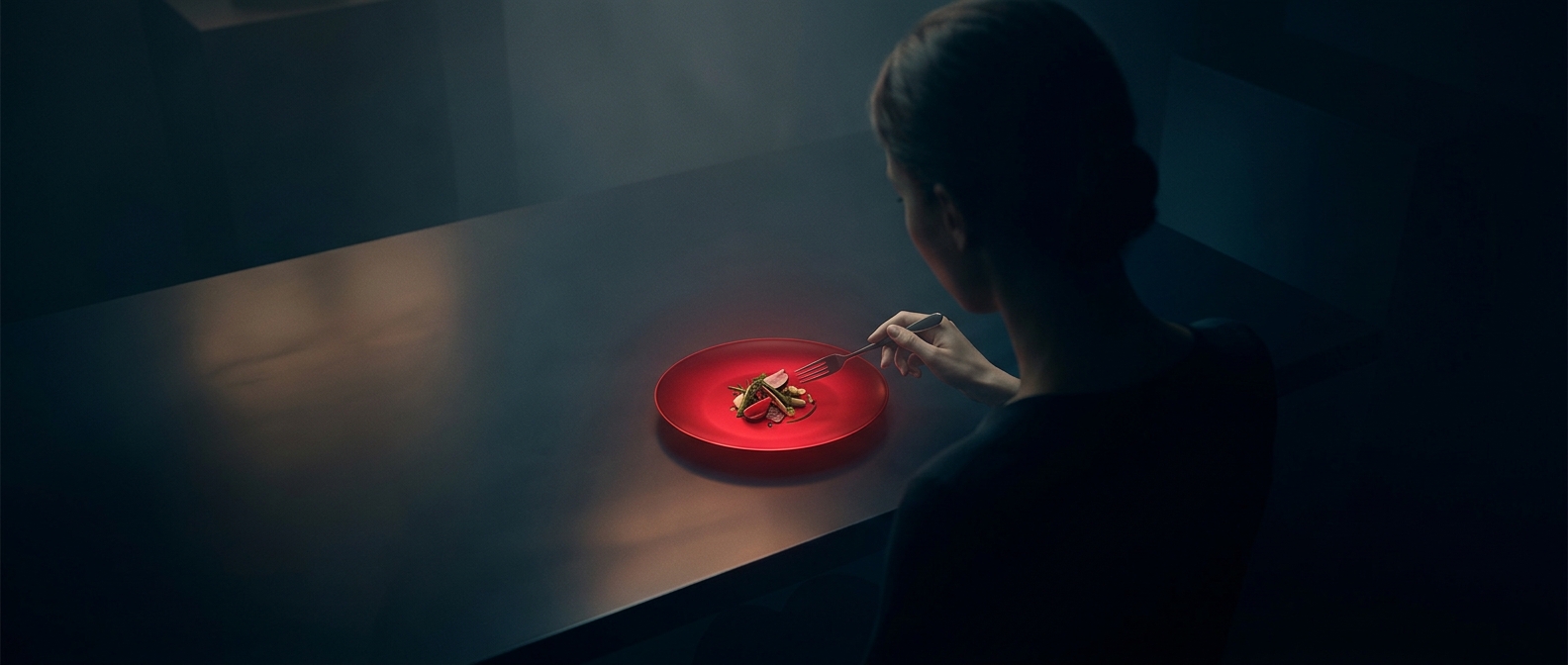
A red plate changed how much people ate in an experiment
In a 2012 study, participants ate less snack food from red plates than from blue or white ones. Researchers suggested the color might act as a subtle stop…
Discover more
Why high-pitched music can make weights feel lighter
Your mind links high pitches with small, light things and low pitches with large, heavy ones. So a high-pitched soundtrack can bias how heavy a weight seems,…
Discover more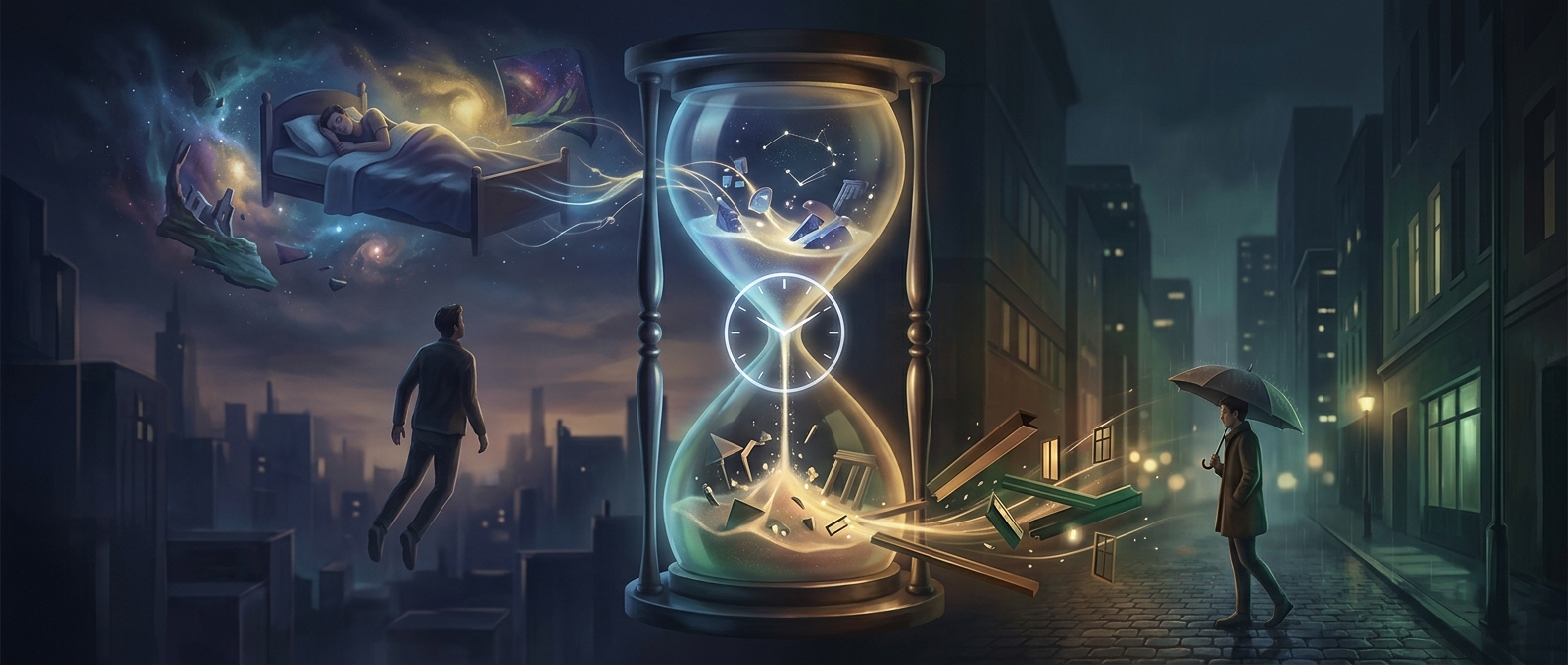
Do dreams really run in real time
A dream’s clock can move much like yours does while awake. In studies, people asked to signal during a dream and then awakened often showed that dream actions…
Discover more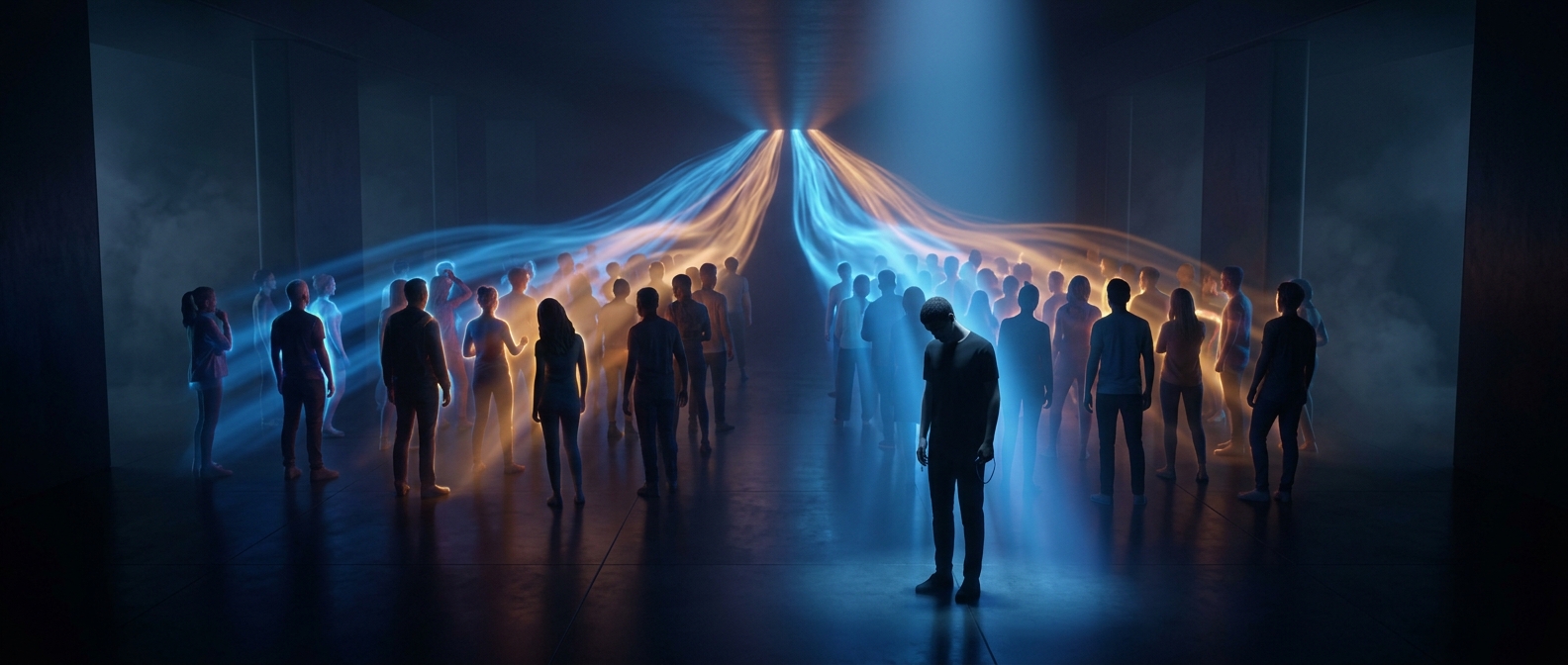
Some people hear music normally without finding it rewarding
Research on specific musical anhedonia identified people with intact musical perception and ordinary responses to other rewards, but little pleasure from…
Discover more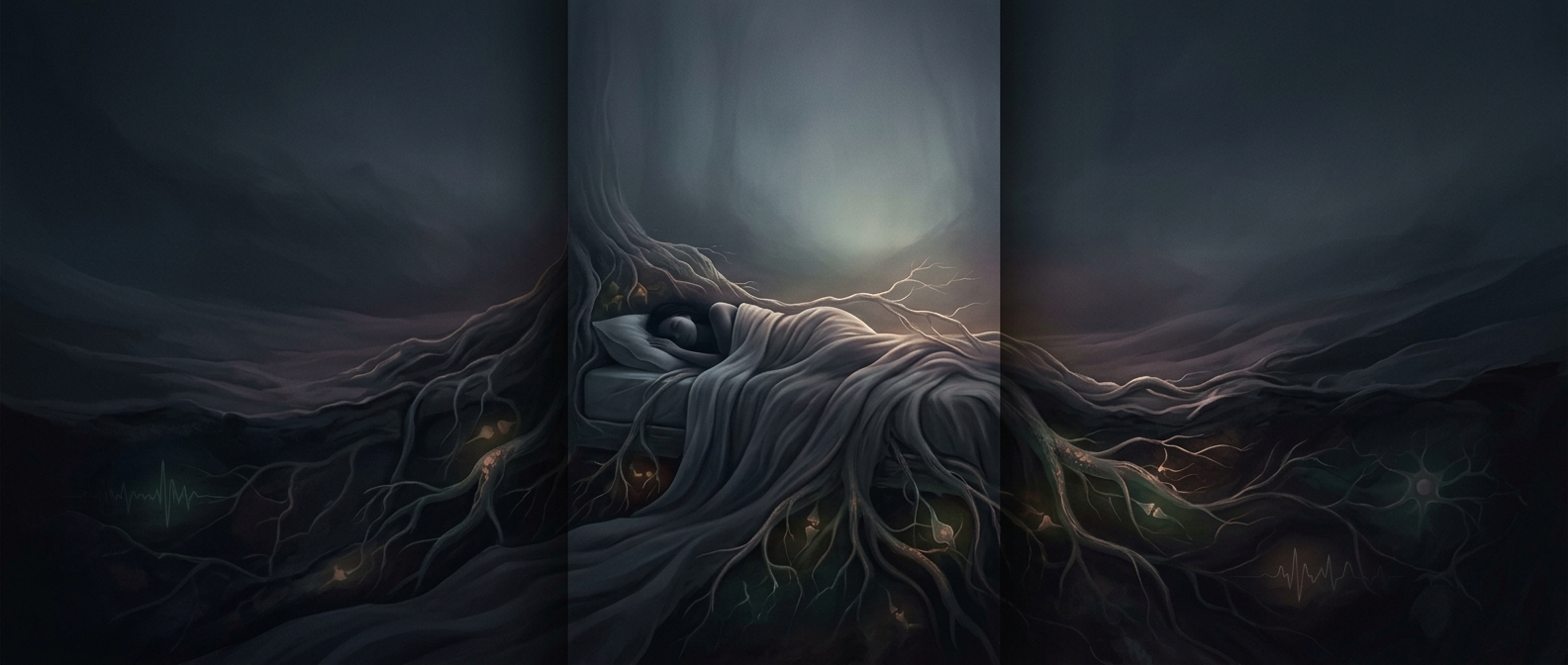
Why getting out of bed can feel physically impossible
Right after waking, your mind and body may still be climbing out of sleep. Sleep inertia can leave you groggy, slow, and heavy, so sitting up feels like a…
Discover more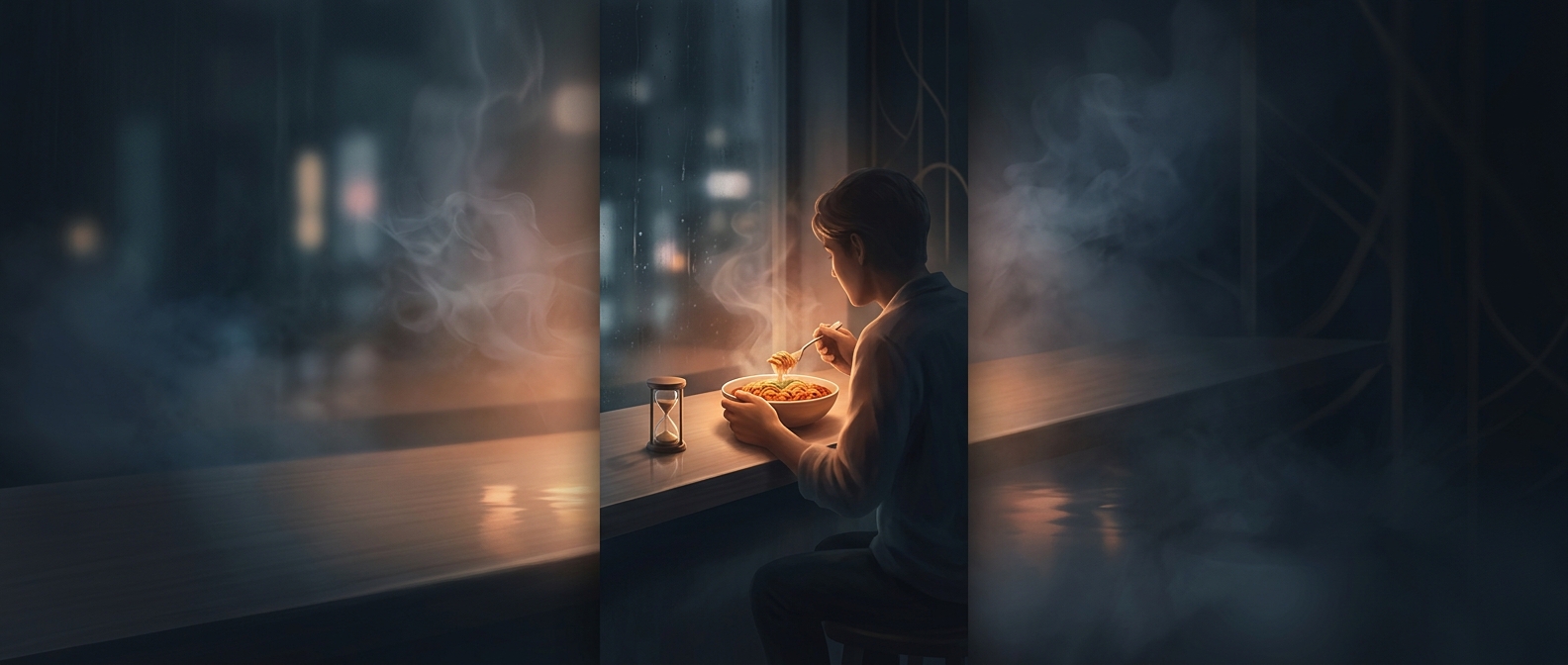
Comfort food's mood boost may last only minutes
Comfort food can interrupt a low mood with warmth, sweetness, or a familiar taste. But the lift may last only minutes: the sensory pleasure passes, and your…
Discover more STACKY FOR IPHONE
A bigger world.
One discovery
at a time.
Keep discovering with Stacky. Interesting facts in an app that is always within reach.
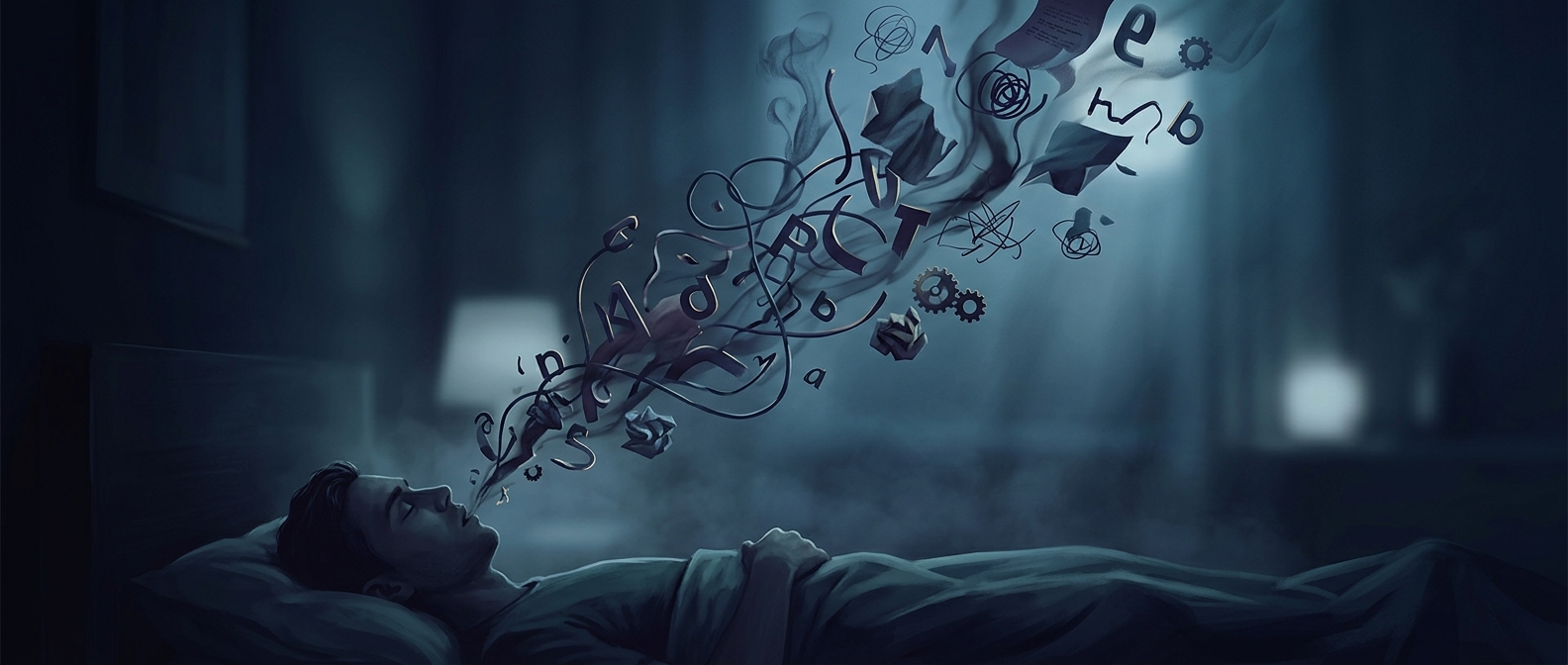
Why sleep talk is usually meaningless
Sleep talking can leave you with a vivid sentence and no sensible story behind it. During sleep, speech may emerge from fragments of thought without the…
Discover more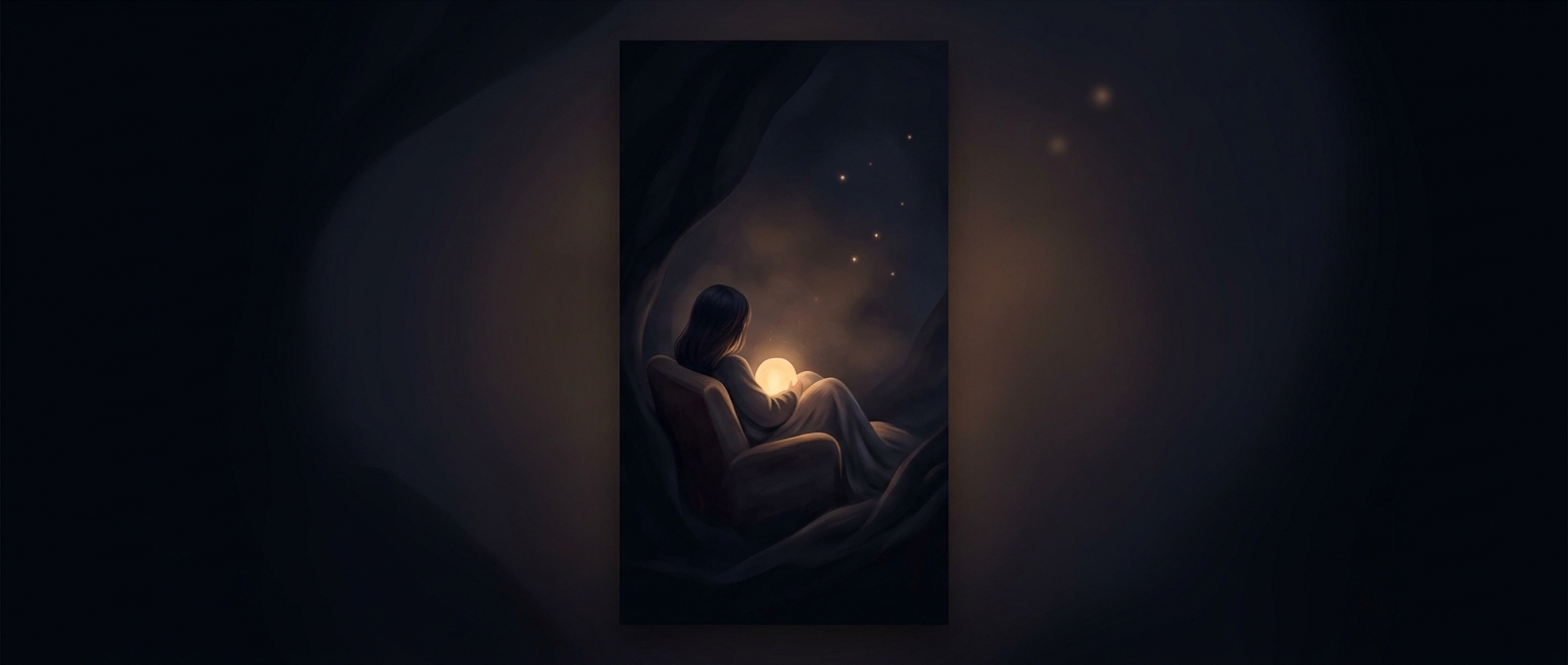
Why some people feel safer in total darkness
For some people, darkness turns down the feeling of exposure. If you’re worried about being watched, judged, or expected to perform, fewer visible faces can…
Discover more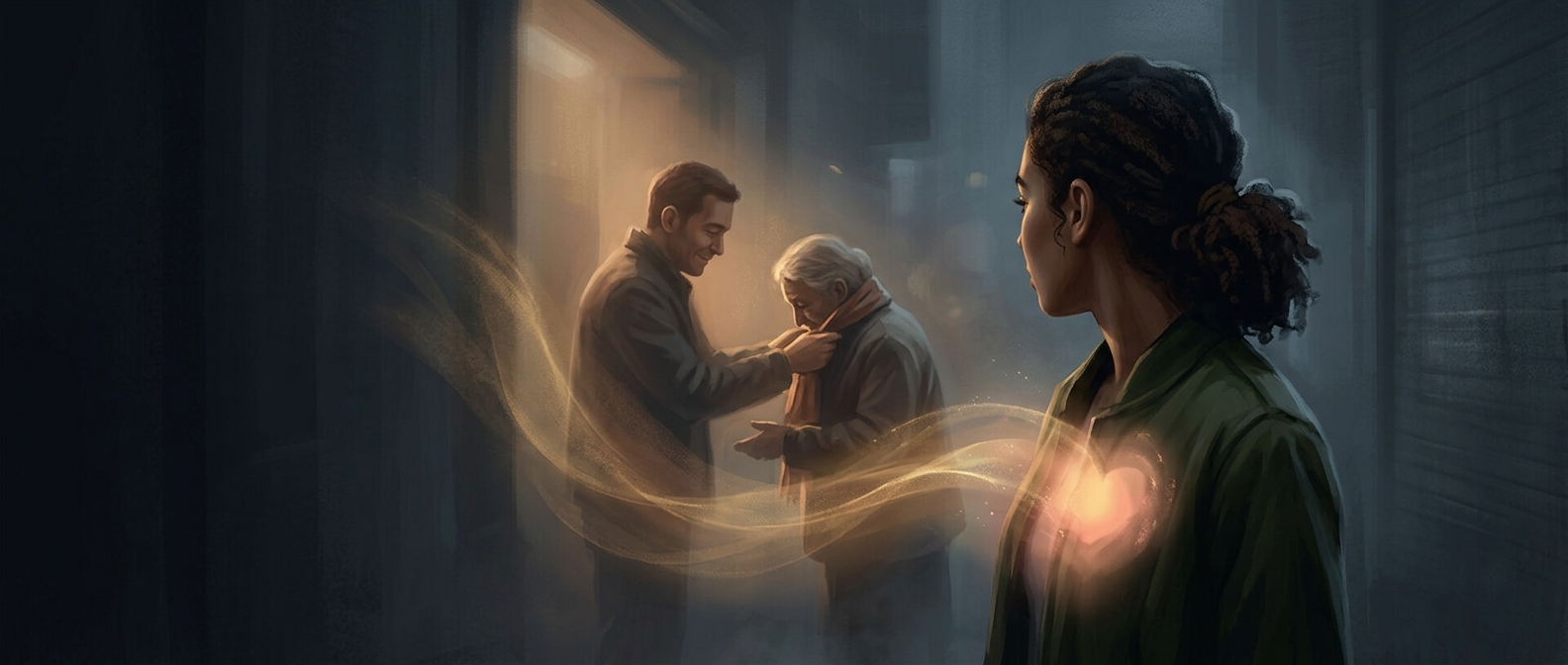
Why good deeds can make your chest feel warm
You help someone carry a heavy box, and the good feeling can show up in your body as well as your thoughts. Helping connects you to another person and can…
Discover more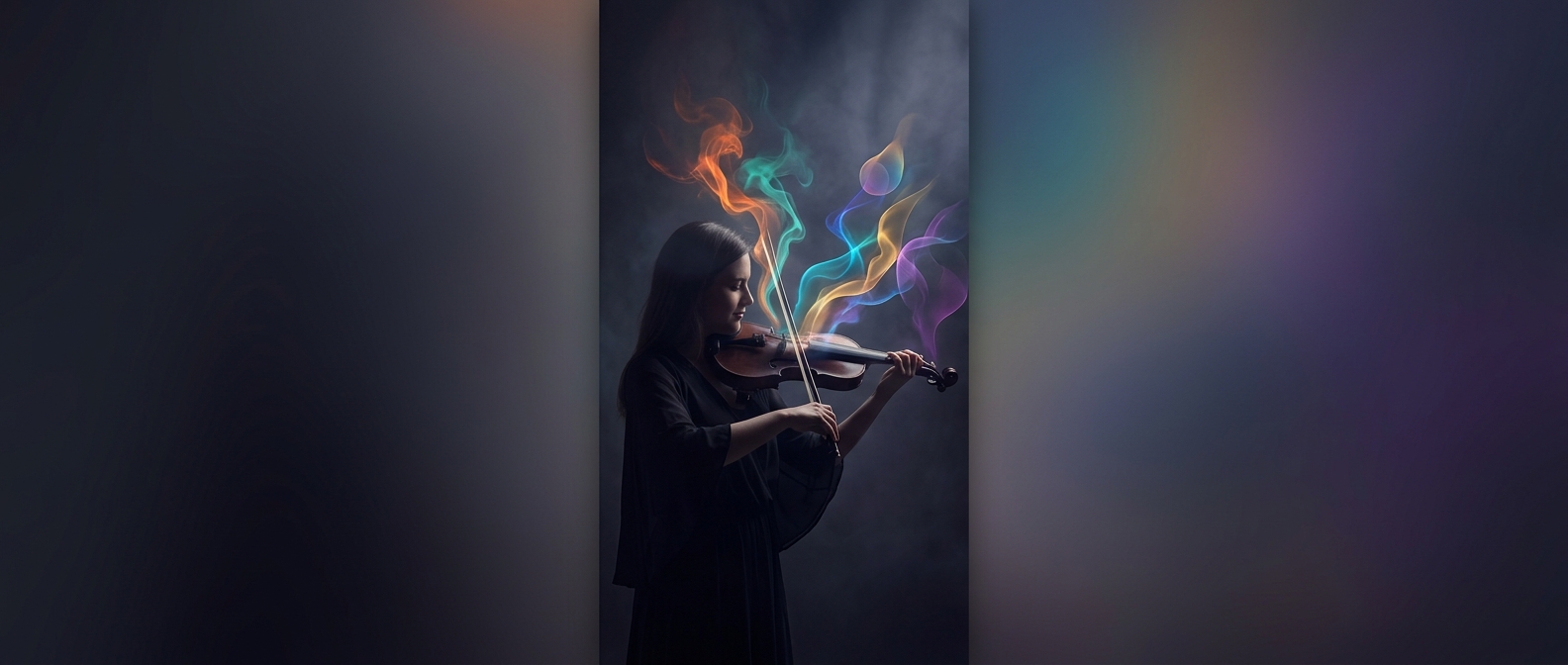
When sounds turn into flashes of color
A piano note can be heard and, for someone with sound-color synesthesia, seen as a particular shade. The sound reliably triggers the color, often the same one…
Discover more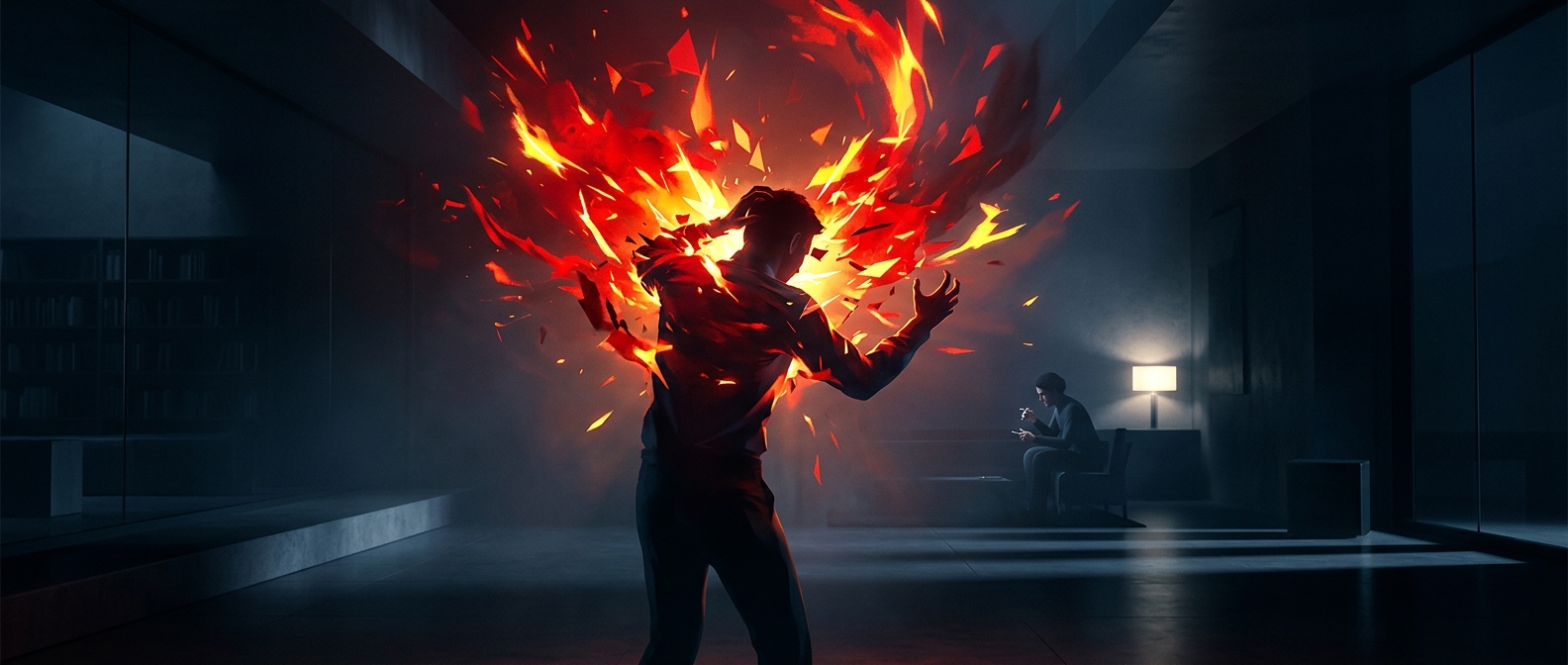
Why someone else's fidgeting can make you furious
A bouncing knee is small, but your eyes keep catching it. Each flicker pulls attention away from what you were trying to focus on, and the repeated…
Discover more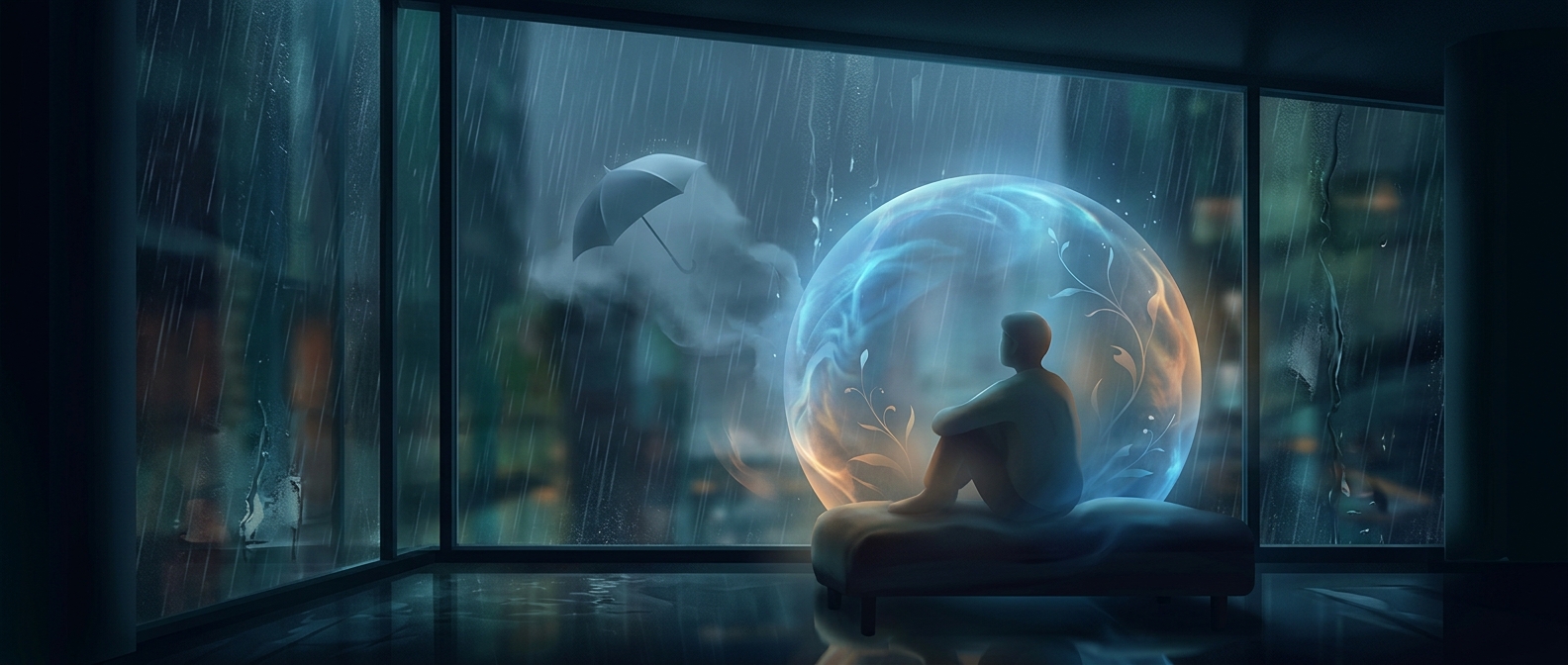
Why rain can bring profound calm
Rain replaces sharp, unpredictable sounds with a steady wash. That soft, even noise can mask sudden interruptions and give your attention less to chase, while…
Discover more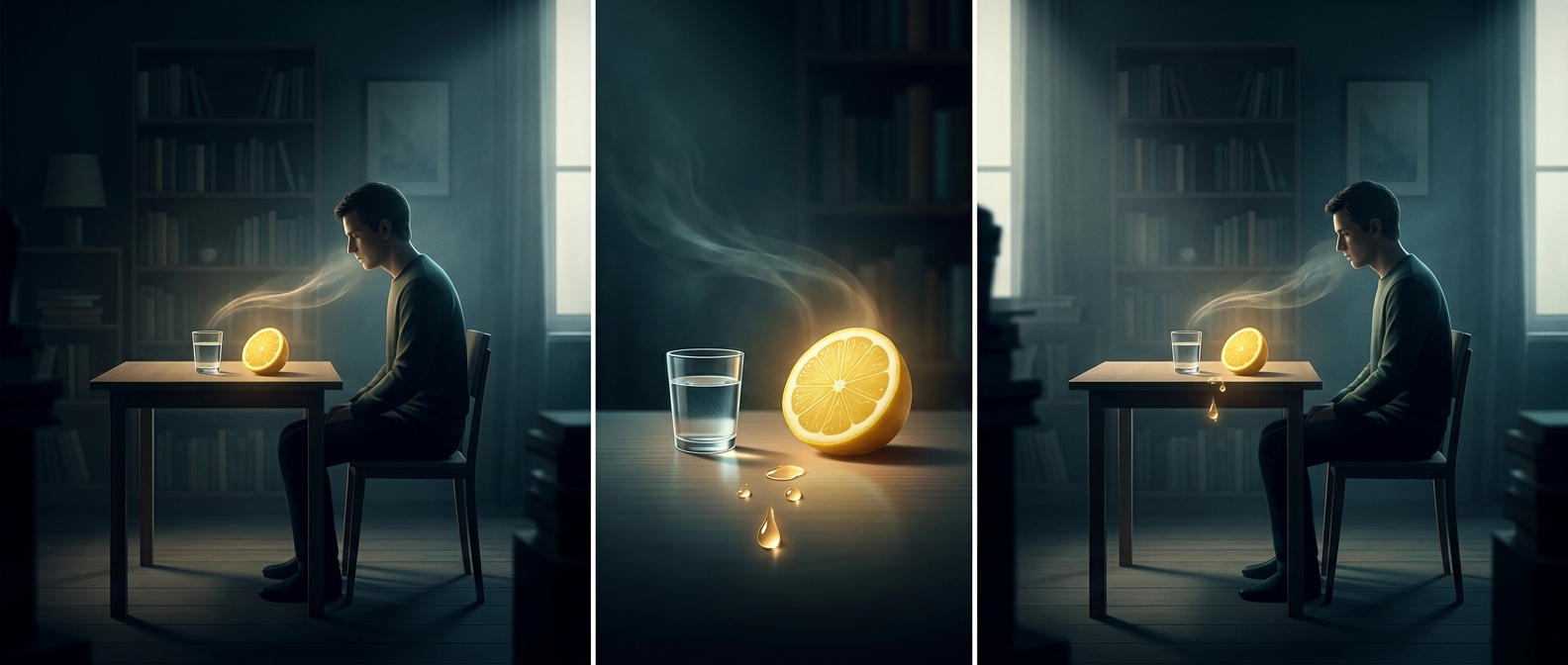
Introverts drool significantly more at lemon juice
A lemon’s sharp taste triggers saliva, and classic research found a stronger response among introverts than extroverts. One explanation is that introverts…
Discover more
Your eyes can guess an object's weight before your hand does
Color and appearance create expectations about how heavy something will be, even before you pick it up. Those expectations help prepare your grip and can…
Discover more
Why spicy food can make dreams vivid
Capsaicin can leave your body feeling warm and your stomach busy. If that discomfort interrupts sleep, you may wake closer to a dream and carry more of it…
Discover more
Why time seems to fly when you are having fun
When you’re absorbed in a great conversation, you stop checking the clock. Attention is busy with what’s happening, so the minutes pass without being counted…
Discover more
Why your throat feels tight when you try not to sob
A sob changes your breathing, and suppressing it can make you brace the muscles around your voice box. The result feels like a knot in your throat: the effort…
Discover more
How gray winter skies can affect your mood
Gray skies can change more than the view from your window. Dim daylight gives your body clock a weaker cue about when to feel alert, and that shift can affect…
Discover more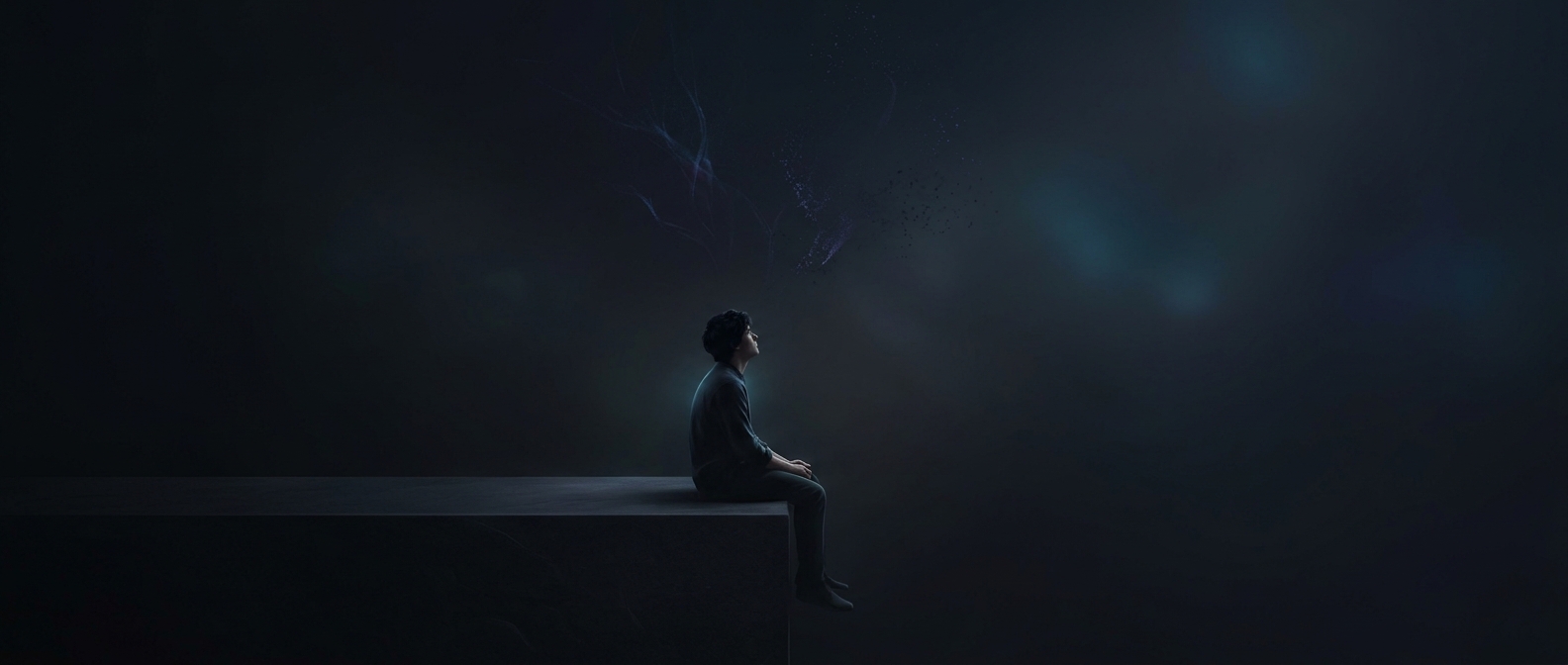
Aphantasia leaves the mind's visual canvas blank
Ask someone with aphantasia to picture a red apple and they may know exactly what an apple looks like without seeing one in their mind. The facts are there;…
Discover more
A paint color becomes a different experience across four walls
A small patch of bright yellow can look cheerful, while a whole room gives you far more of the same visual stimulation. Lighting, saturation, and personal…
Discover more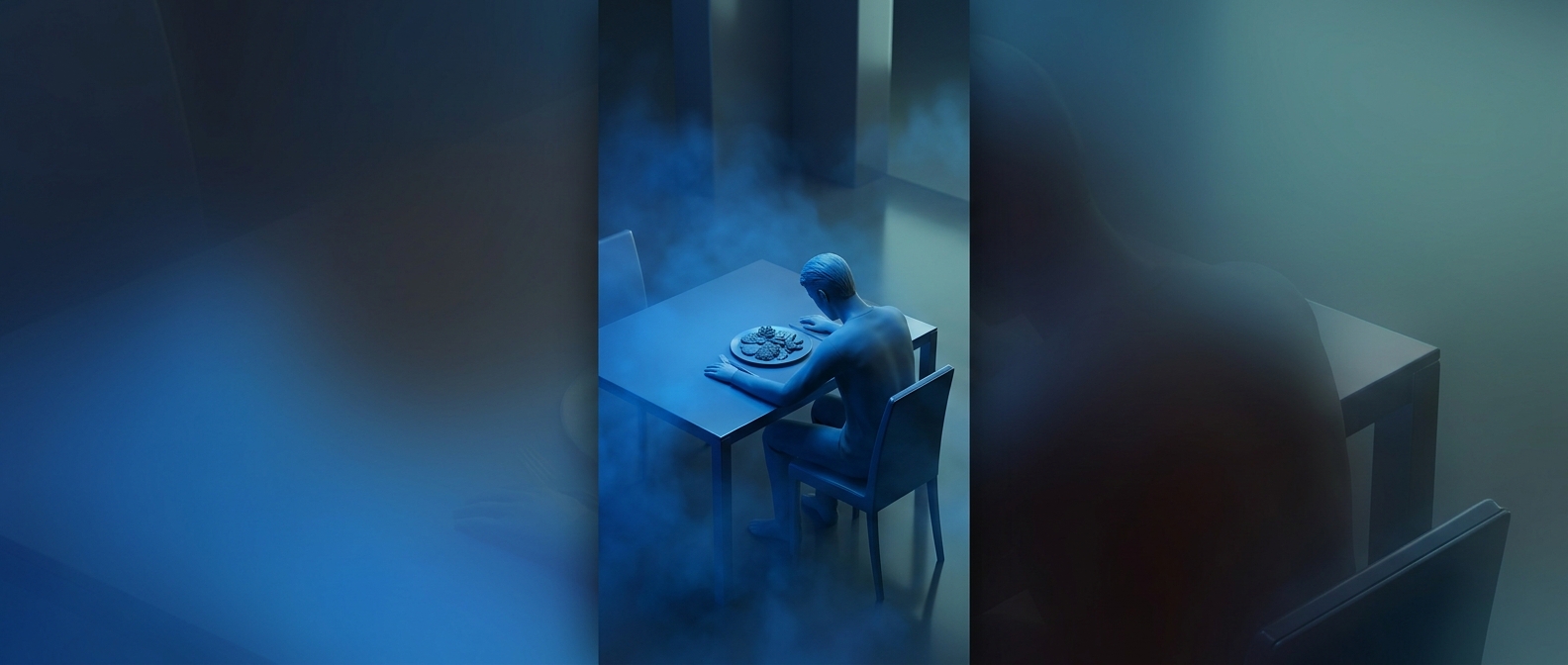
Blue light can make fresh food look wrong
A strawberry under blue light can lose the warm red your eyes expect; meat can look gray and uninviting. The light changes the colors reaching your eyes, and…
Discover more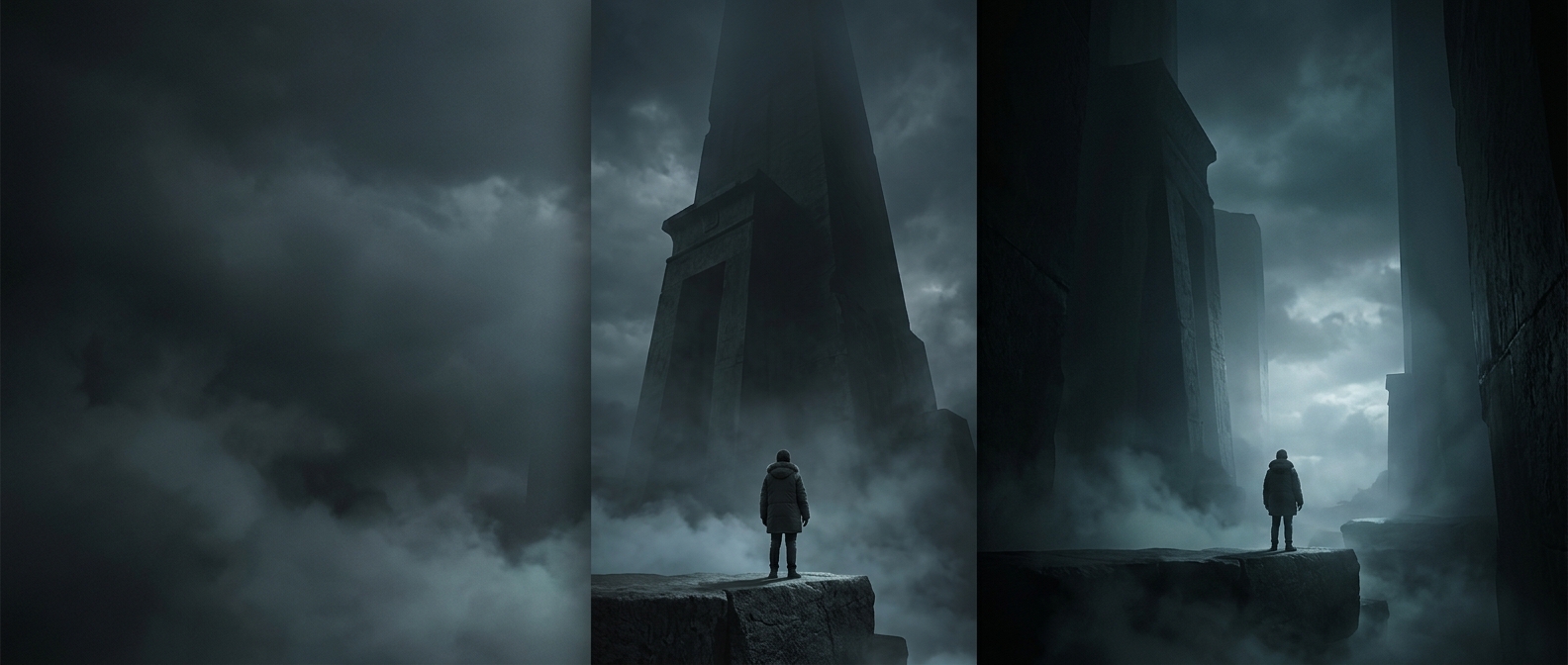
A huge object can trigger a fear response rather than awe
Megalophobia describes an intense fear associated with large objects, such as skyscrapers, ships or statues. The reaction can include physical anxiety even…
Discover more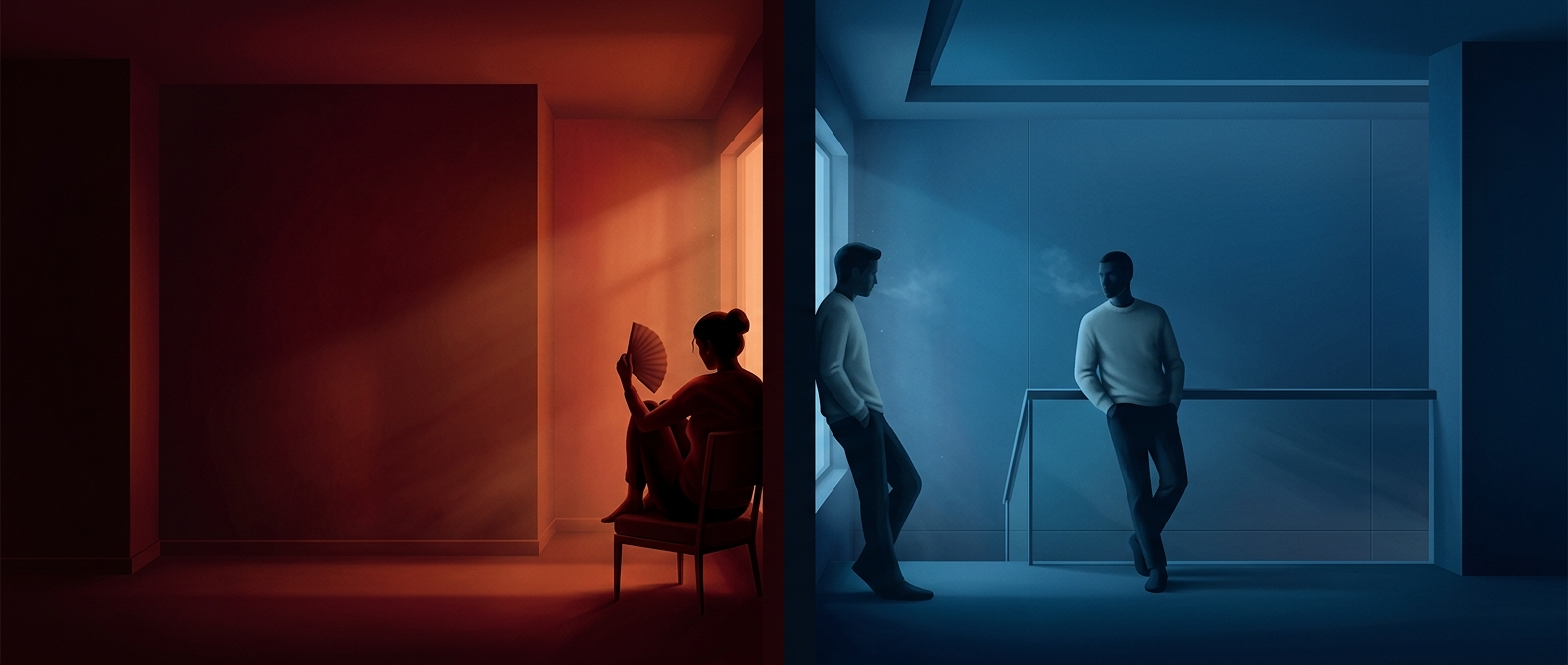
Researchers tested whether red light could fool a person's sense of warmth
In a 2024 experiment, 26 participants compared temperatures in red- and blue-lit chambers. Matching red with warmth did not reliably improve their judgments.…
Discover more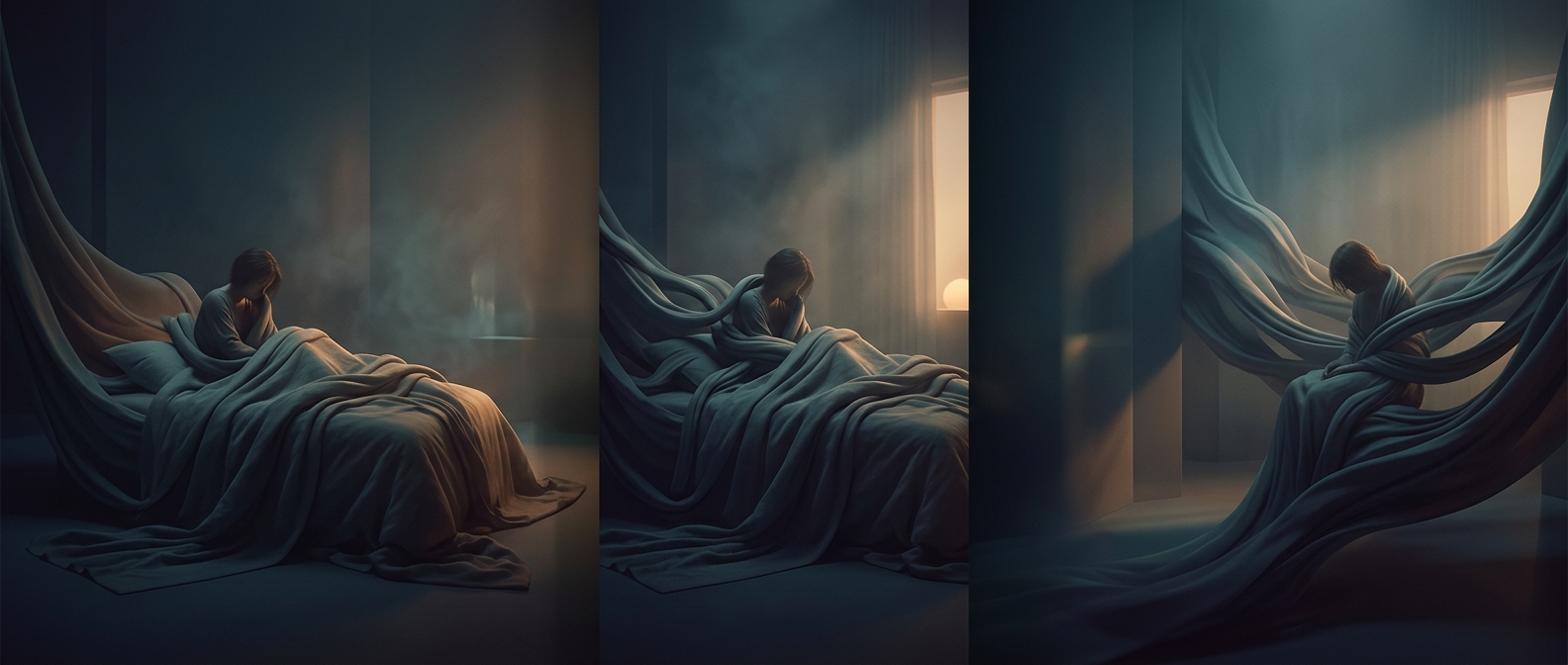
Avoiding the day can make tomorrow harder to face
Staying in bed can offer immediate relief from demands. If withdrawal becomes a pattern, it also removes activity, contact and small experiences of…
Discover more