Psychology
Discover facts about psychology. Small discoveries that change the way you see familiar things.
Psychology
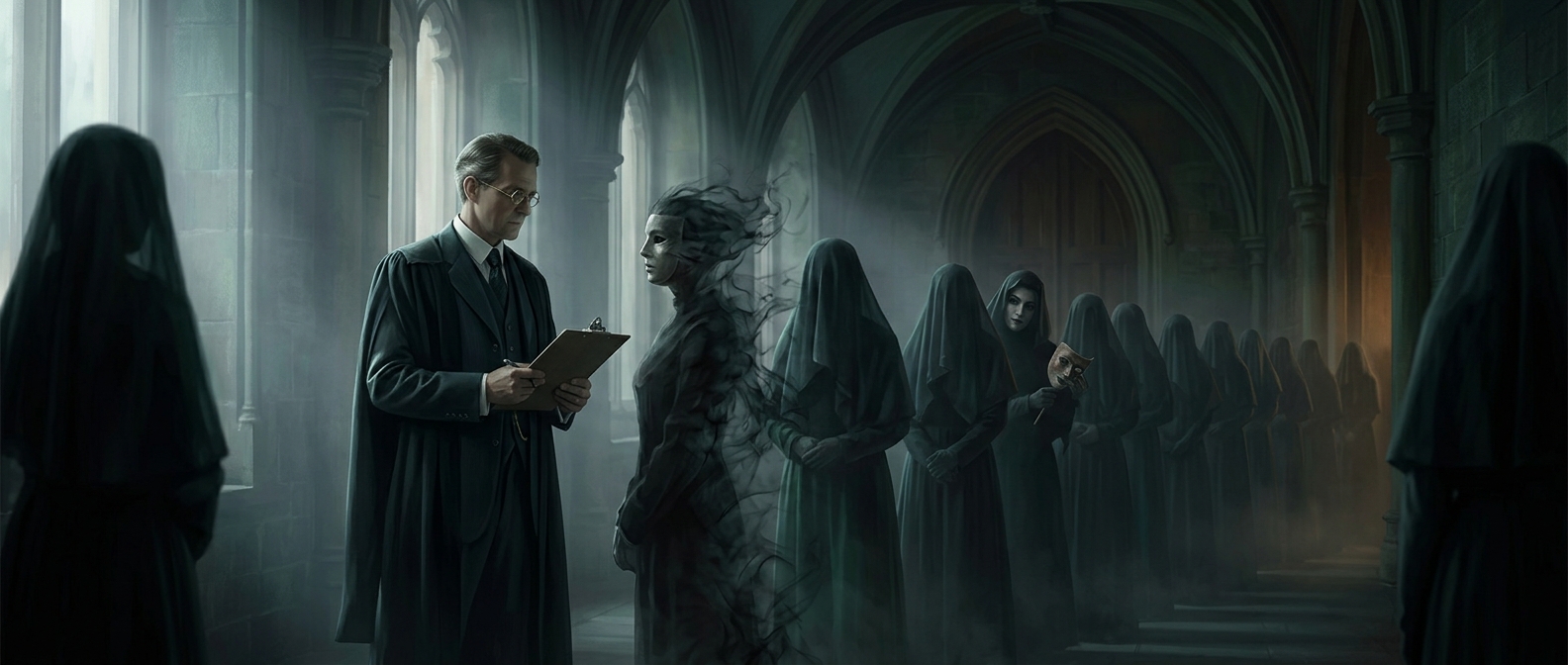
A famous experiment about psychiatric labels became a controversy about evidence
David Rosenhan's 1973 paper claimed healthy volunteers were admitted to psychiatric hospitals and could not shake their diagnoses. Decades later, journalist…
Discover more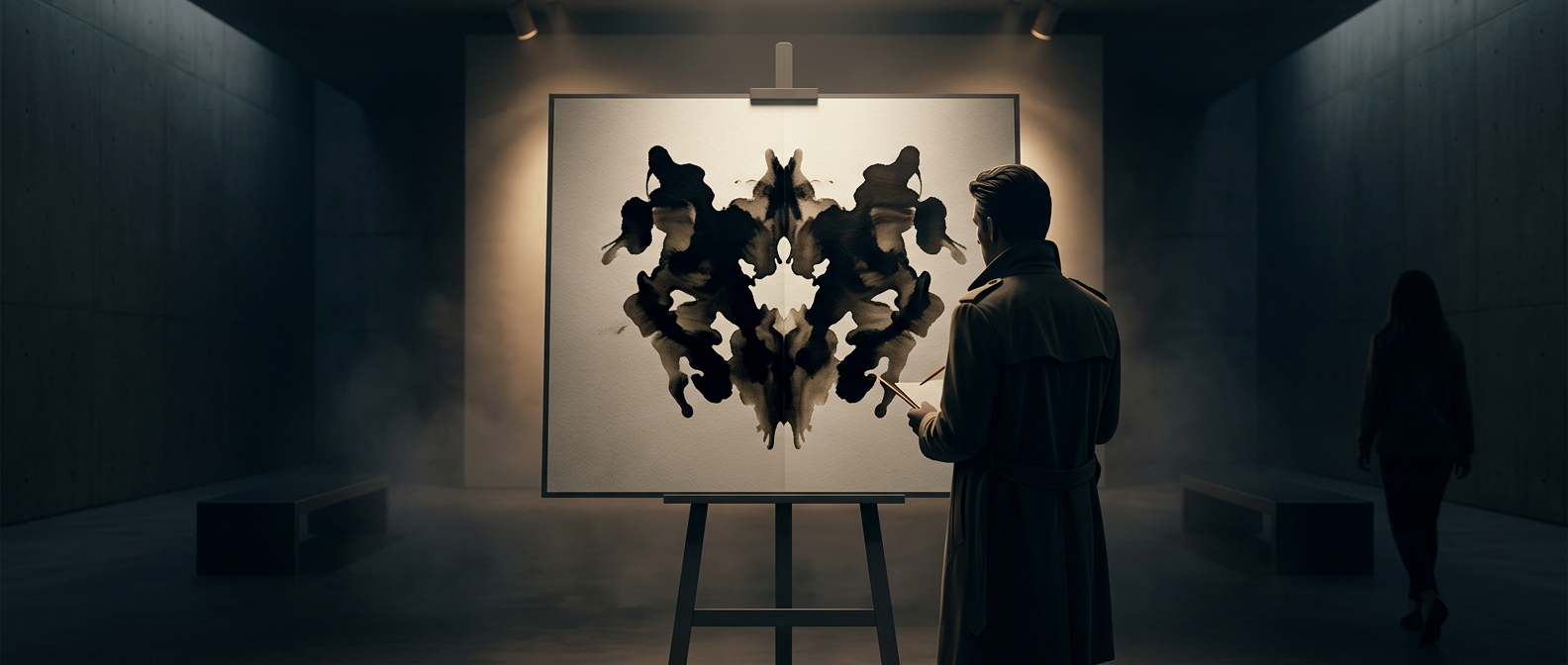
An inkblot test scores more than the object you name
Structured Rorschach systems can record where you looked, which visual features shaped your answer, and how it fits the blot. A 'bat' and a 'butterfly' are…
Discover more
Why saying sorry too often can cost you respect
If you say “sorry” for taking up space, asking a question, and doing your job, people may hear uncertainty instead of consideration. Repeated apologies can…
Discover more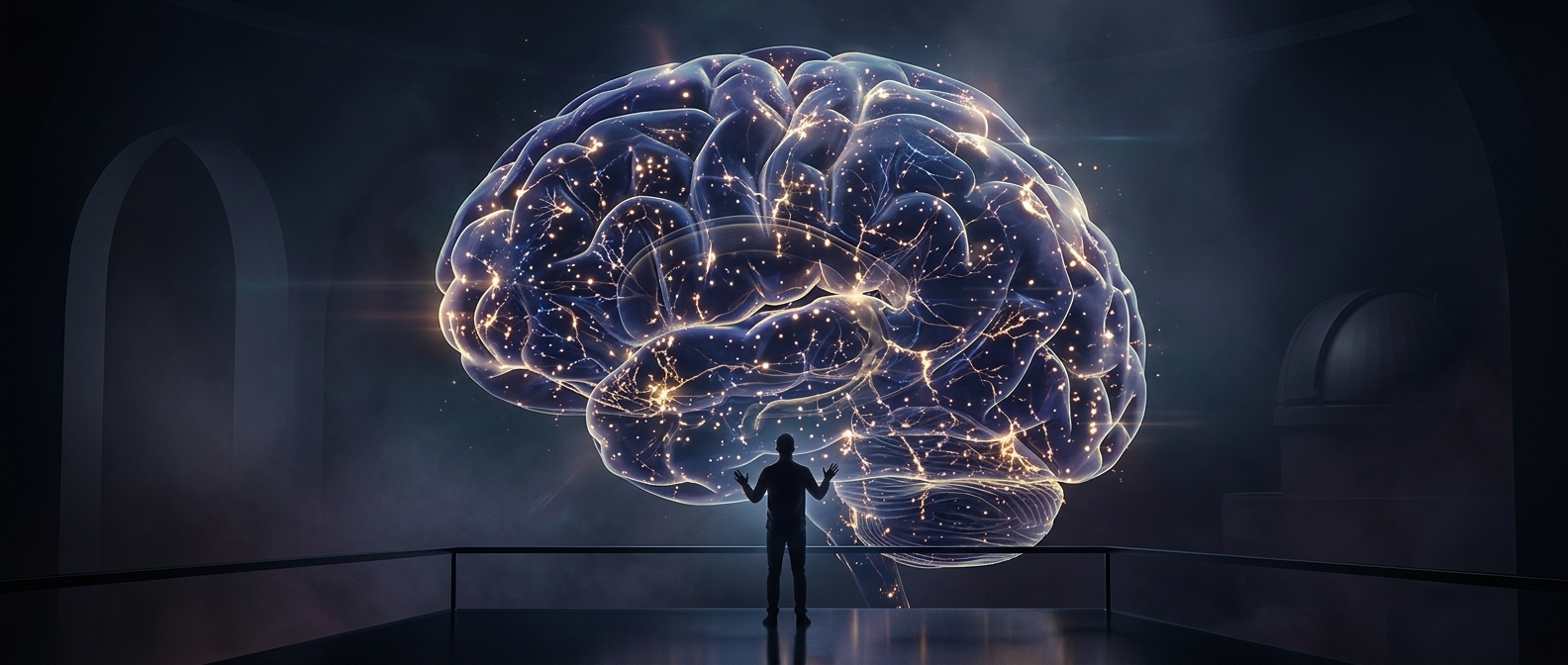
You really do use almost all of your brain
Your brain is not a room with a few lit windows and vast unused floors. Different regions contribute to movement, sensation, language, memory, and other jobs…
Discover more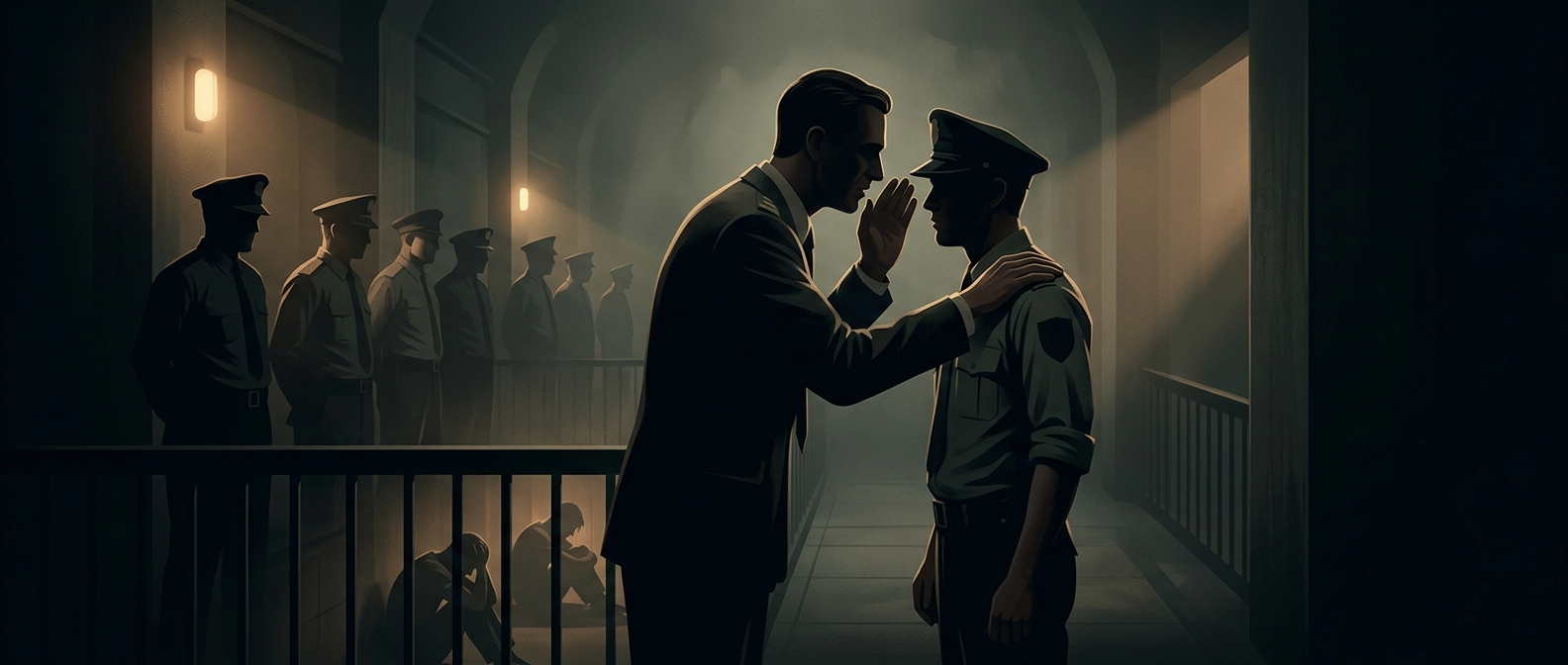
The prison experiment's cruel guards were coached
A guard’s behavior in the study was coached by the experimenter, who encouraged the guards to make prisoners feel powerless. That changes the story from…
Discover more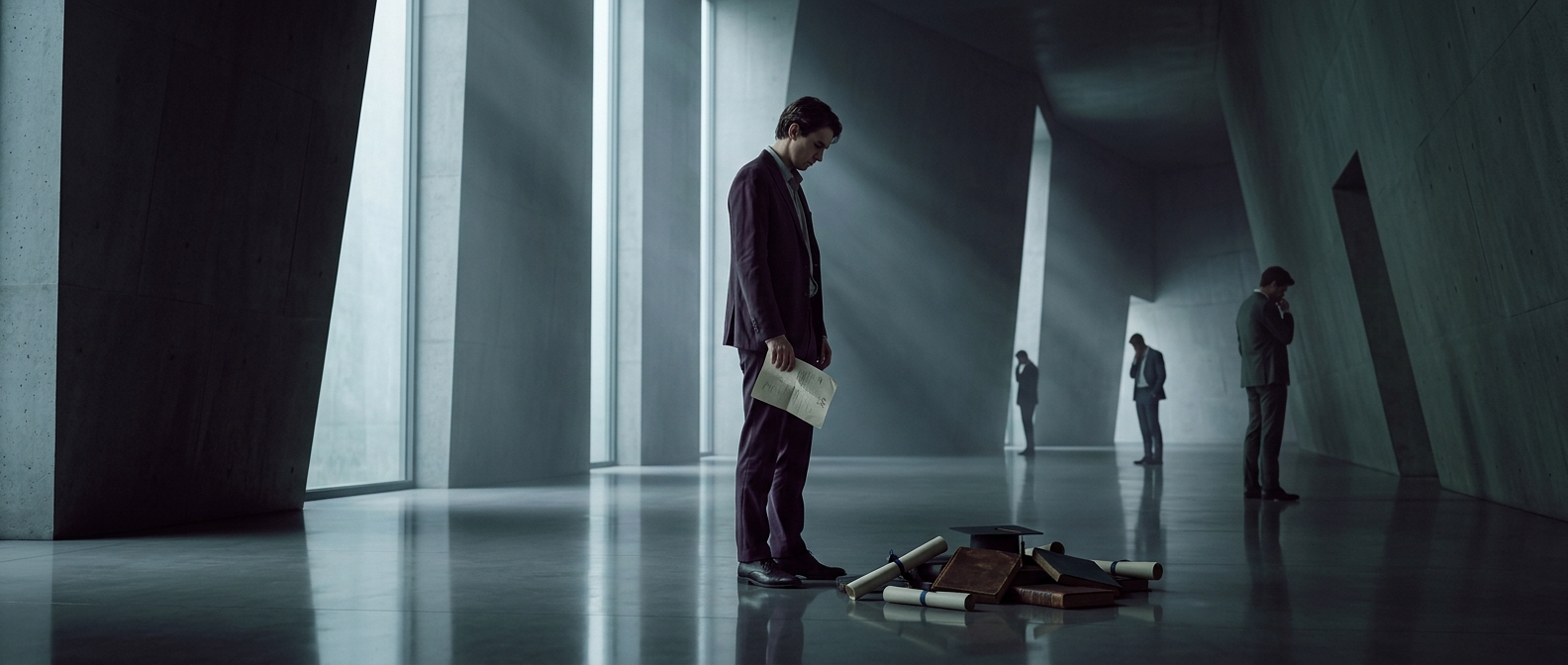
Why genius-level intelligence does not guarantee success
Being able to solve a hard problem is different from doing the unglamorous steps that make a project succeed: starting, staying organized, asking for help,…
Discover more STACKY FOR IPHONE
A bigger world.
One discovery
at a time.
Keep discovering with Stacky. Interesting facts in an app that is always within reach.

Handwriting can reveal a writer's identity—not their personality
Forensic examiners compare writing to help assess who produced a document. Graphology makes a different leap: it claims a loop or slant reveals character.…
Discover more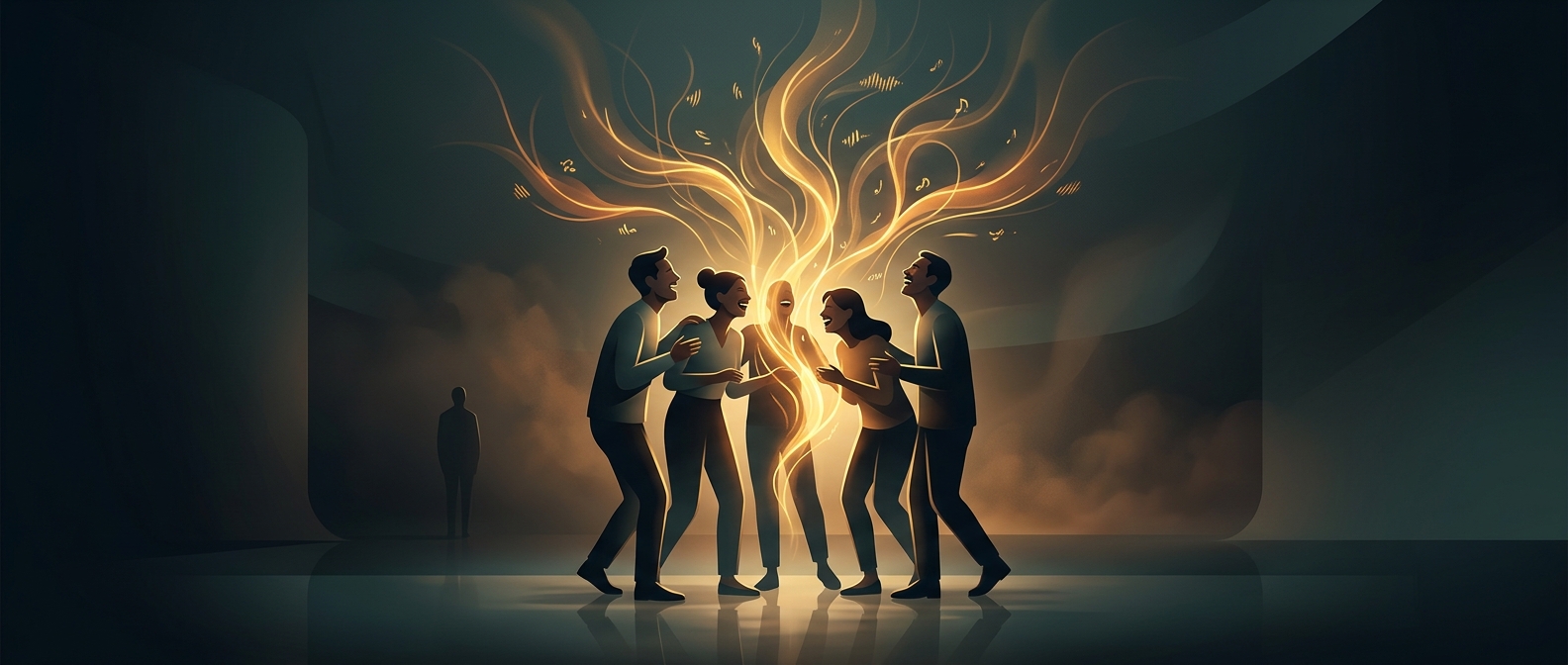
Humans are infinitely more likely to laugh in a group
People laugh more readily in company because laughter helps coordinate a group. One person’s laugh invites others to join, turning a private reaction into a…
Discover more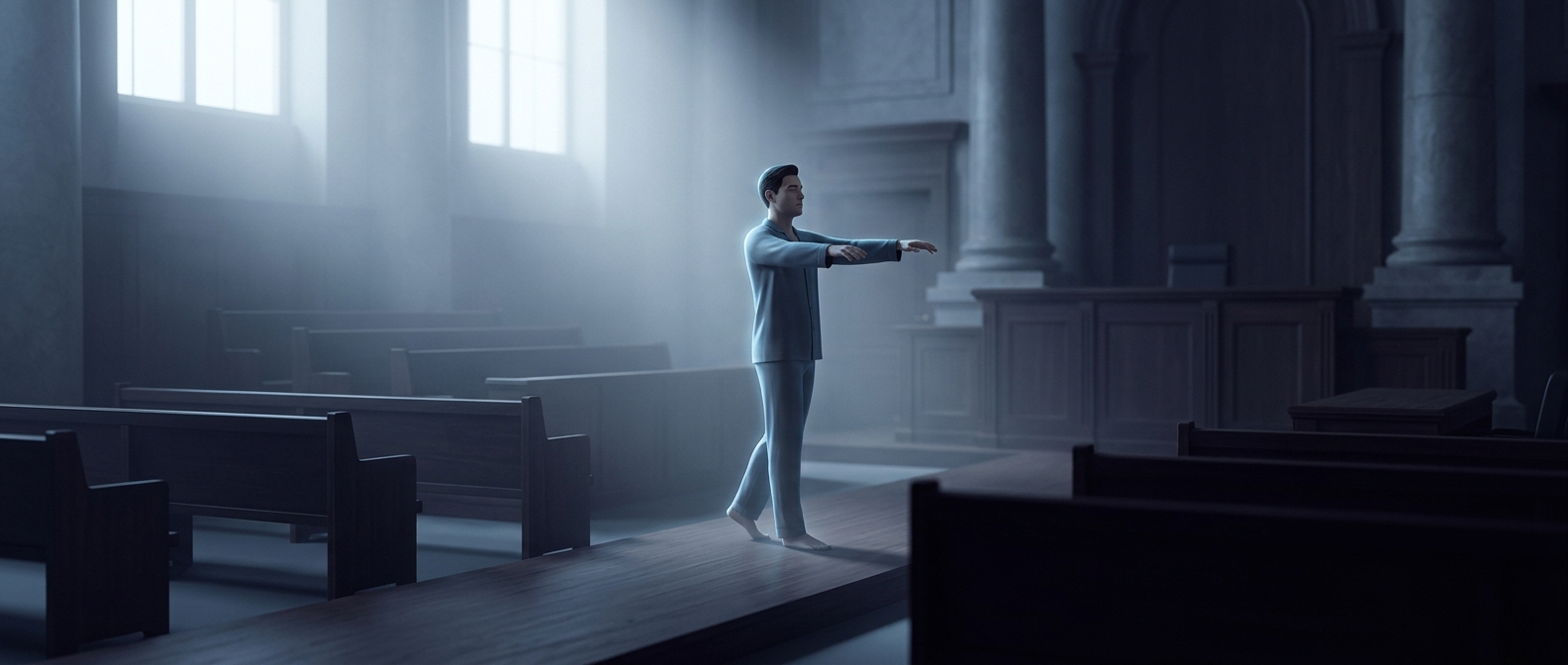
Sleepwalking has been used as a murder defense
Sleepwalking comes from an incomplete awakening: parts of the brain can drive movement while the person is not fully alert. That unusual state has been raised…
Discover more
Birth order predicts less about personality than family stories suggest
A large 2015 study found a small average intelligence advantage for firstborns, but no lasting birth-order effects on several broad personality traits. The…
Discover more
IQ tests had to adjust as scores rose across generations
The Flynn effect describes large twentieth-century gains on many intelligence tests. Proposed contributors include changes in education, nutrition, and…
Discover more
Most people with Tourette syndrome do not have the famous swearing tic
Tics can include blinking, movements, sniffing or repeated sounds. Coprolalia—involuntary obscene words—affects only a minority of people with the condition.…
Discover more
Your dog may catch your yawn more readily than a stranger's
In a 2013 experiment, dogs yawned more in response to their owners than to unfamiliar people. Researchers also monitored heart rate to examine a possible…
Discover more
In the wild, wolf pack leaders are the parents
The familiar image of wolves constantly fighting to become “alpha” misses the ordinary family structure of many wild packs. The leaders are generally the…
Discover more
Truth serum can make you talk without making you truthful
Drugs used as truth serums can make it harder to keep thoughts private, which may produce more talking. More talking is not the same as more truth: a relaxed,…
Discover more
Only children grow up with normal social skills
Siblings are one place to practice sharing, arguing, and making up—not the only place. Only children can build those skills with friends, classmates, cousins,…
Discover more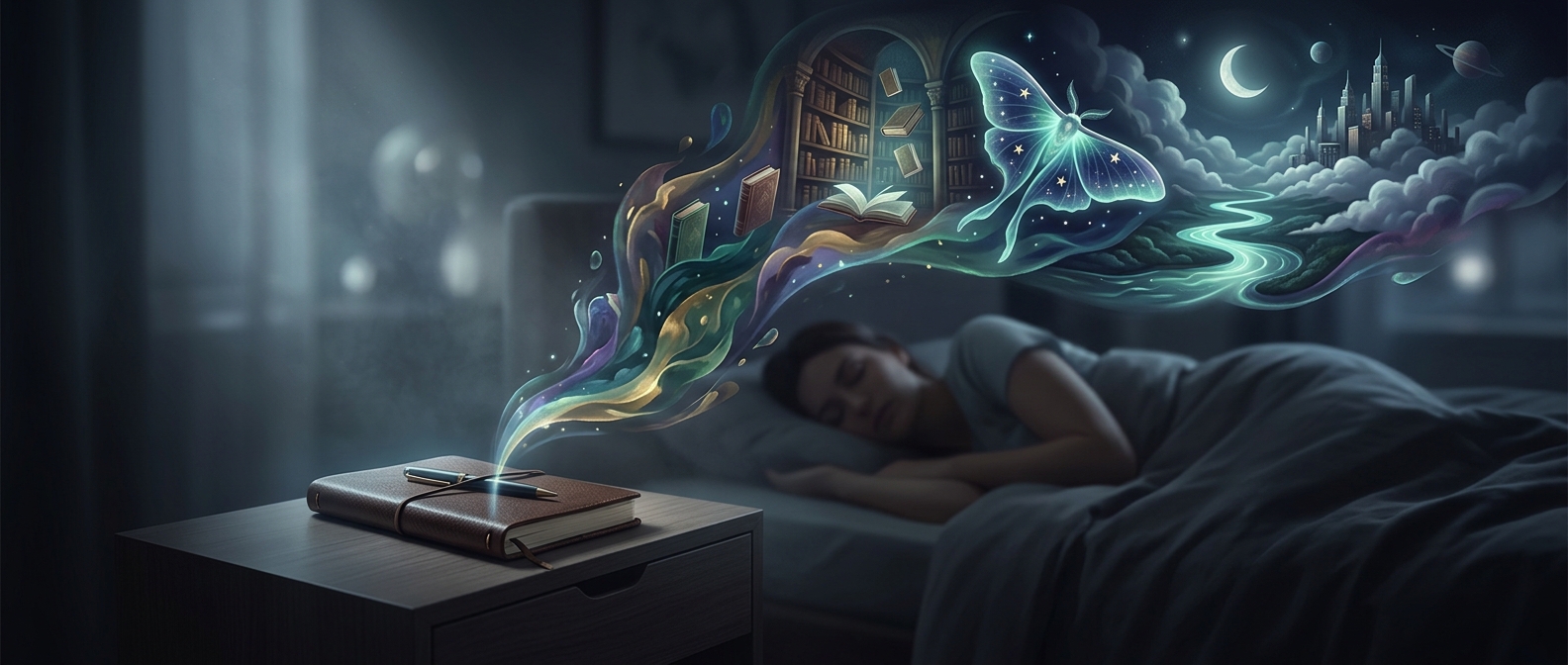
Writing down dreams helps you remember them
A dream may feel vivid for a moment and then dissolve as waking thoughts take over. Writing it down quickly makes you retrieve and rehearse its details…
Discover more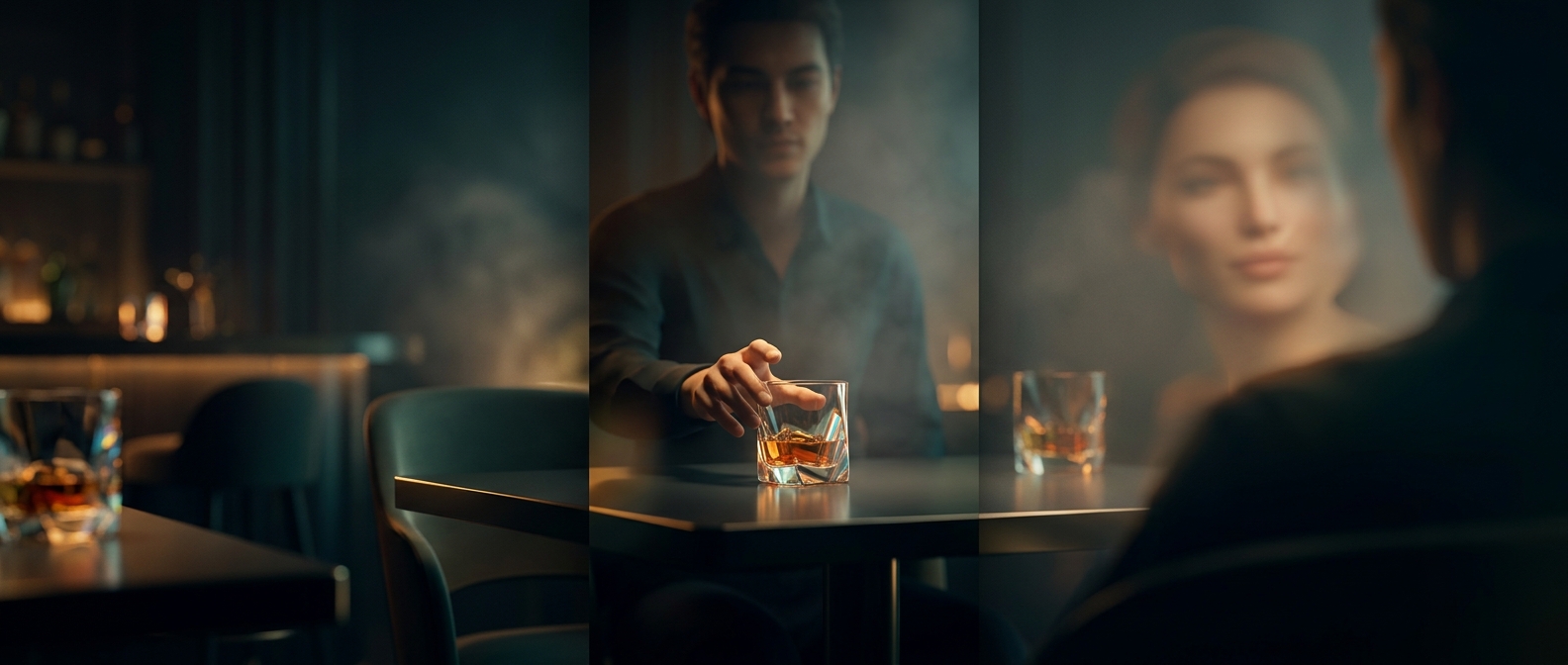
Beer goggles can hide facial flaws
A few drinks can make a face seem more attractive partly by changing what you notice. Alcohol can blunt careful, critical judgment, making small imperfections…
Discover more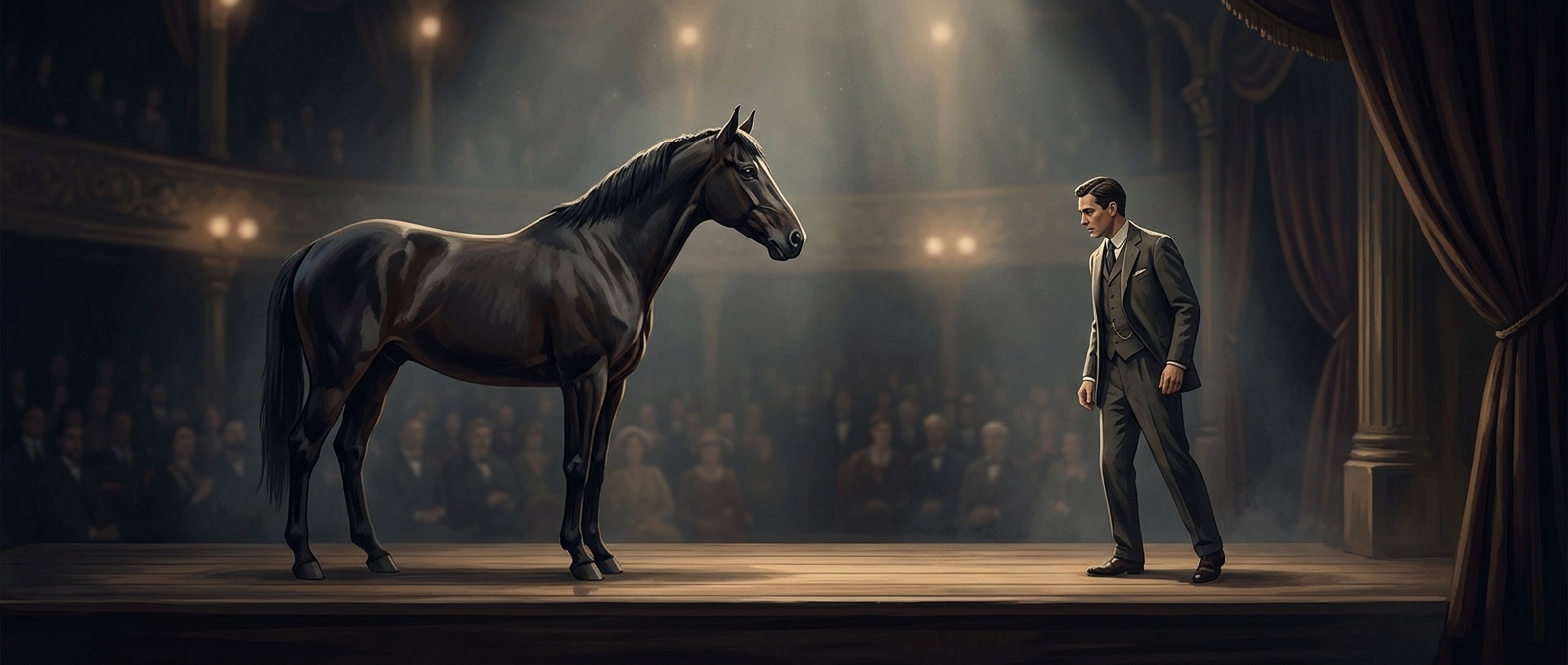
A horse fooled crowds by reading their body language
People thought the horse knew when to stop tapping. In fact, Hans watched the person asking the question: as the count approached the answer, that person…
Discover more
The IQ test began as help for French children
Alfred Binet and Théodore Simon developed an early intelligence test to identify French schoolchildren who needed extra help. The goal was practical: spot…
Discover more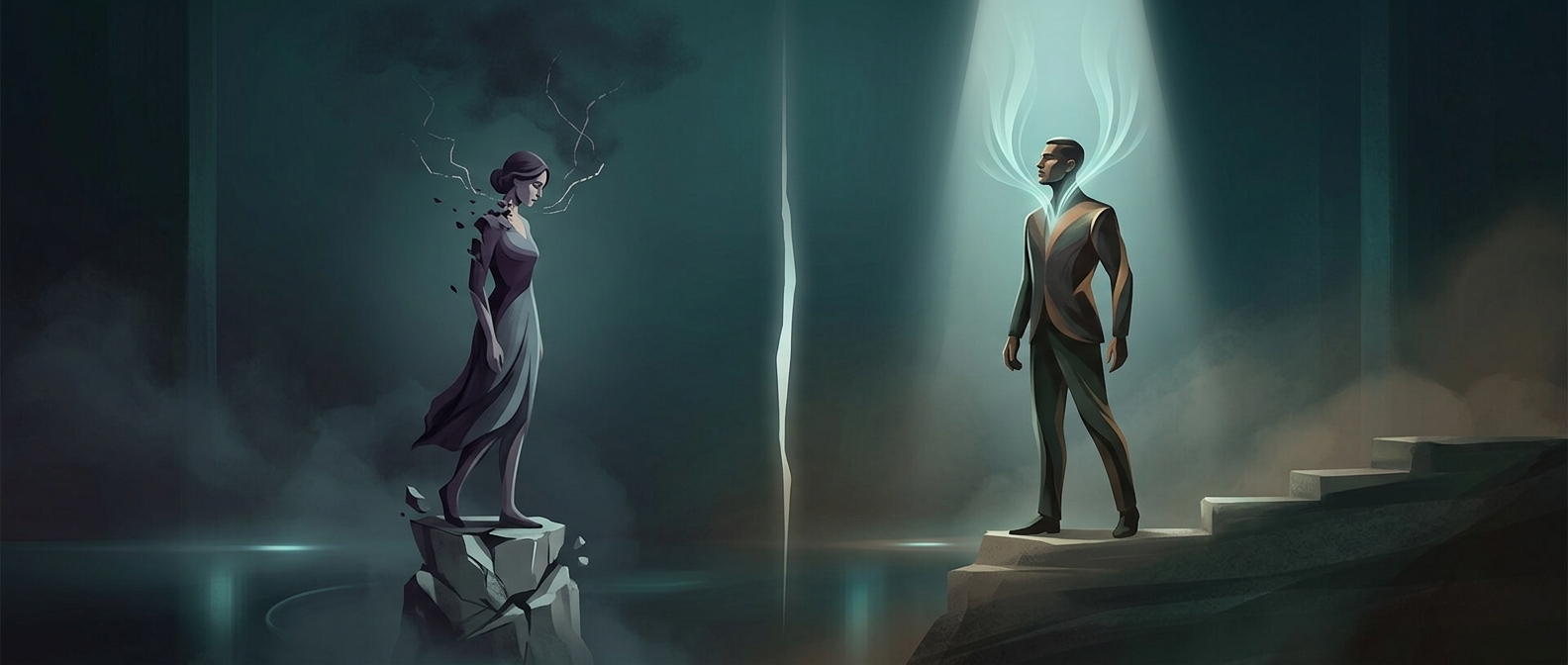
The same vocal habit can draw a harsher verdict on women
In a 2014 listening experiment, voices using vocal fry—the low, creaky sound at the bottom of the range—received worse hiring-related ratings. The penalty was…
Discover more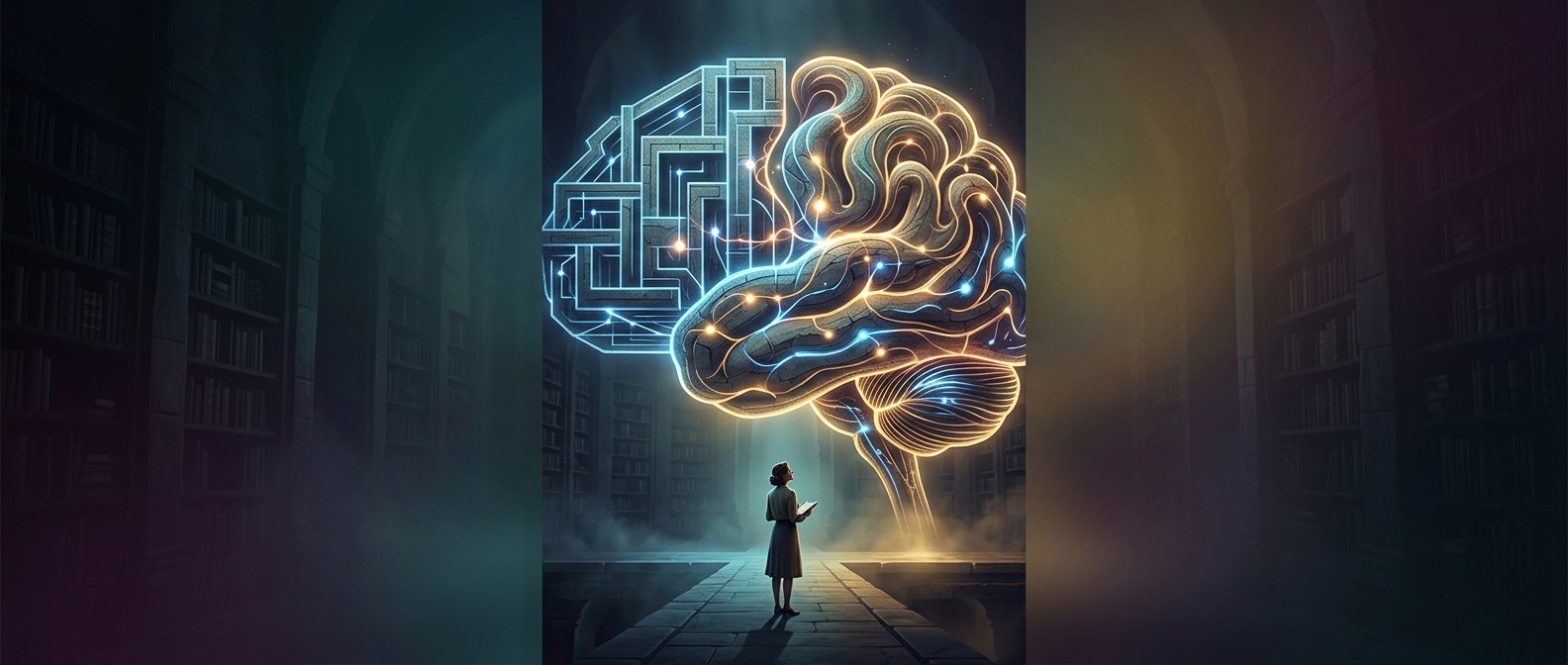
Creativity isn't confined to one side of your brain
The left-brain/right-brain story gives creativity a tidy address, but making something new involves many connected skills. You might draw on language to shape…
Discover more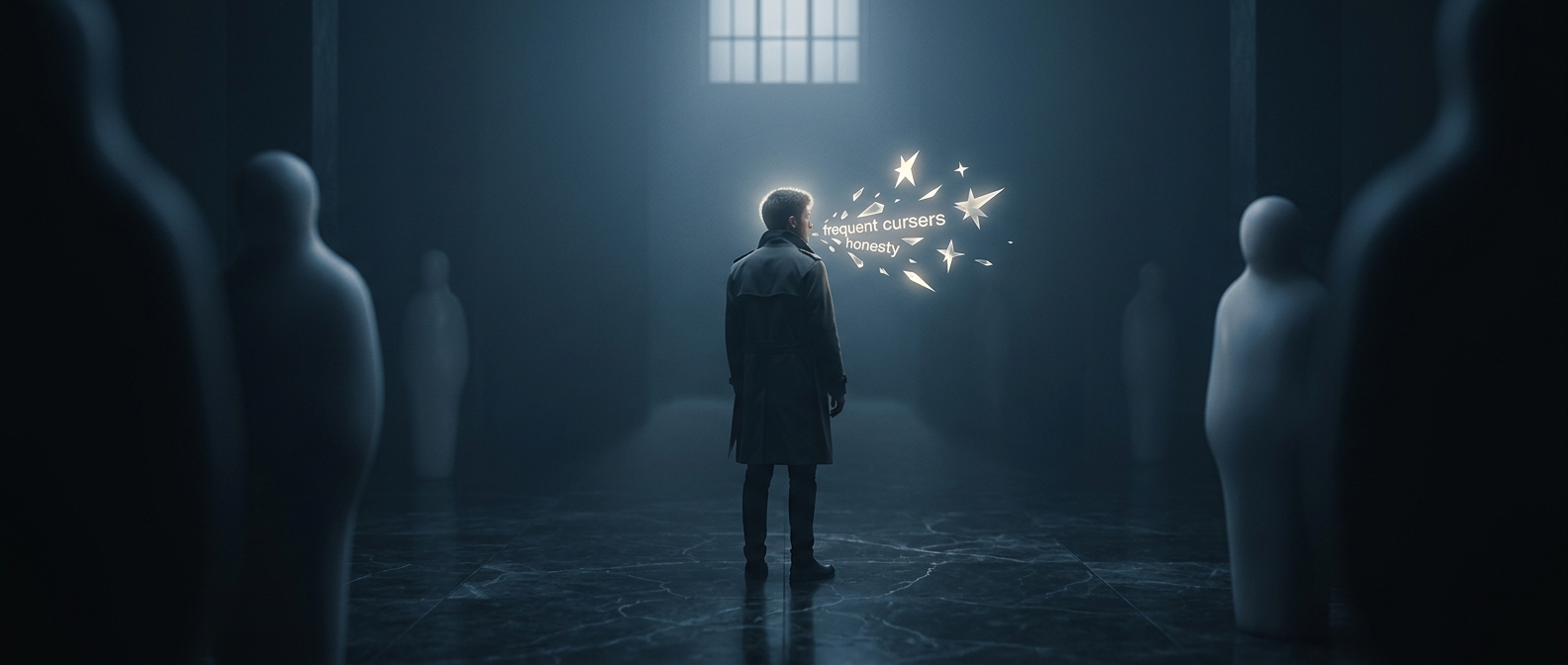
People who swear more may lie less
People often tidy their language to manage how they come across. Someone who swears freely may be doing less of that verbal grooming, which can correlate with…
Discover more
Why fake laughter sounds different from real laughter
A laugh you force often comes out more even and controlled than one that erupts on its own. Spontaneous laughter tends to break into irregular bursts as…
Discover more