Psychology
Discover facts about psychology. Small discoveries that change the way you see familiar things.
Psychology
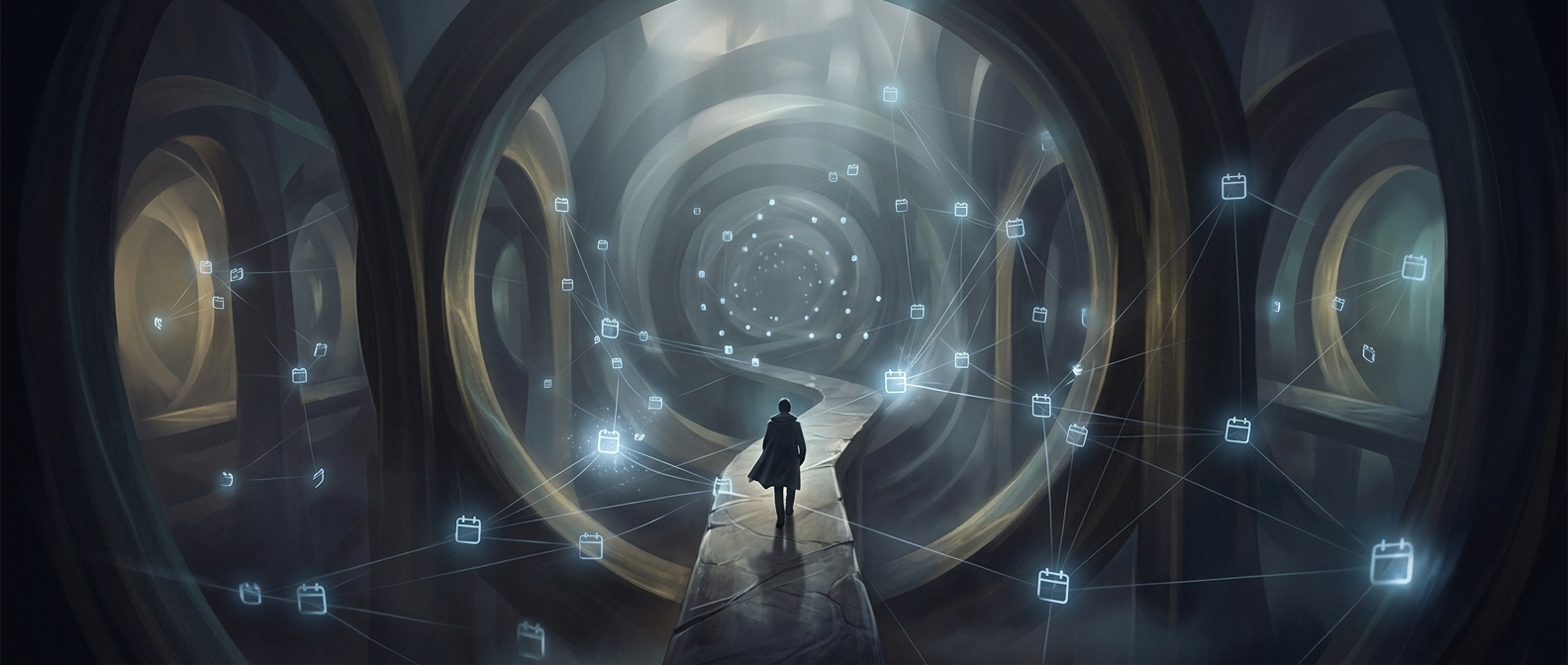
These people remember almost every day of their lives
Some people with highly superior autobiographical memory can recall what happened on many specific dates in their lives with striking detail. A date or event…
Discover more
How trauma can block a memory from conscious recall
During a traumatic event, attention can narrow toward immediate danger, leaving other parts of the experience poorly organized in memory. Later, a person may…
Discover more
Psychogenic seizures bypass epilepsy
During a psychogenic seizure, the nervous system produces seizure-like symptoms through a different process from epilepsy. The movements are real; they aren’t…
Discover more
Pegword systems link numbers to items
A pegword system turns numbers into mental coat hooks: memorize a word or image for each number, then hang the item you need to remember on it. The more vivid…
Discover more
When extraordinary memory appears alongside disability
A person can struggle with some everyday tasks and still have an extraordinary memory for a narrow kind of information. Abilities don’t always rise together:…
Discover more
Latent learning happens without treats
A treat can reveal learning without having caused it. Rats that explored a maze without a reward later navigated it when food appeared, suggesting they had…
Discover more STACKY FOR IPHONE
A bigger world.
One discovery
at a time.
Keep discovering with Stacky. Interesting facts in an app that is always within reach.
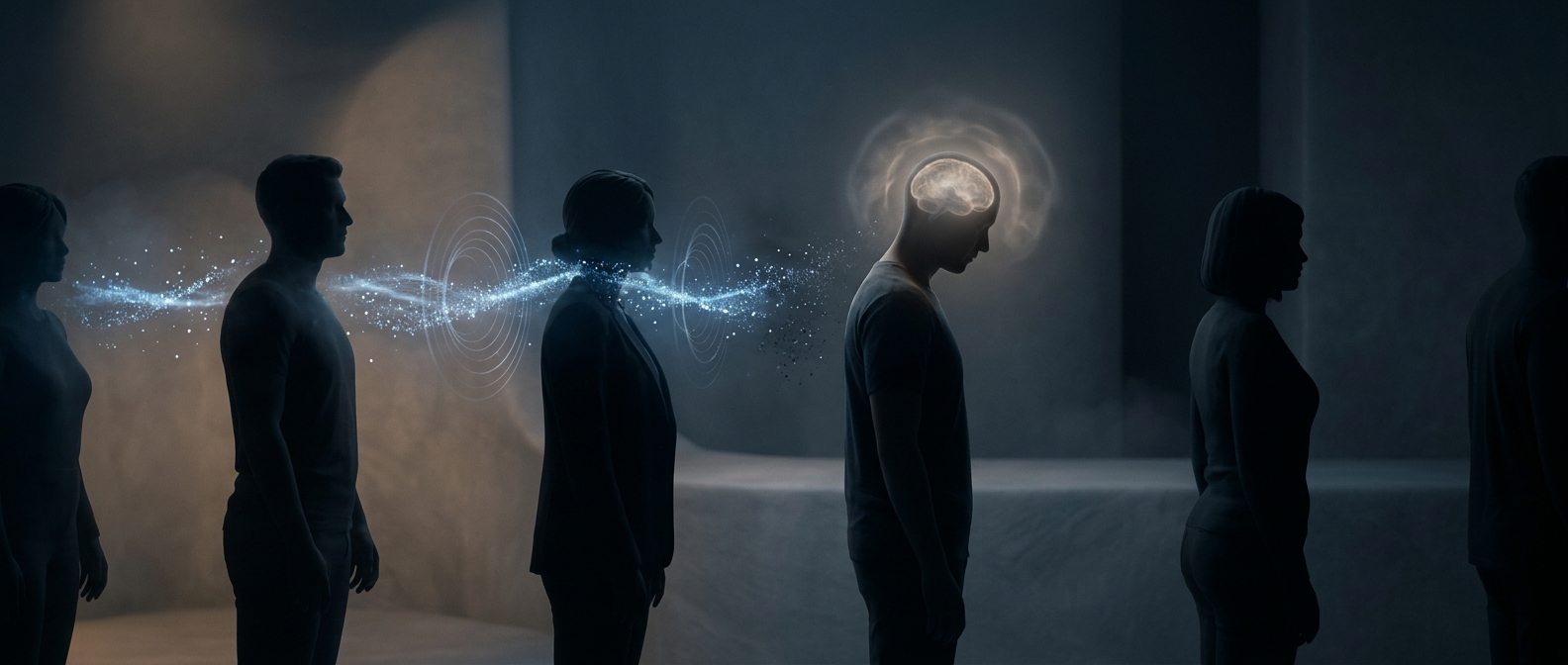
Why preparing to speak makes you miss what was said
Preparing to speak turns listening into a split-screen task: one track follows the speaker, the other edits your next sentence. Because attention is limited,…
Discover more
Spontaneous recovery brings back drool
A dog can stop drooling to a bell after the bell rings without food, then start drooling again after time passes. The old link between the sound and food has…
Discover more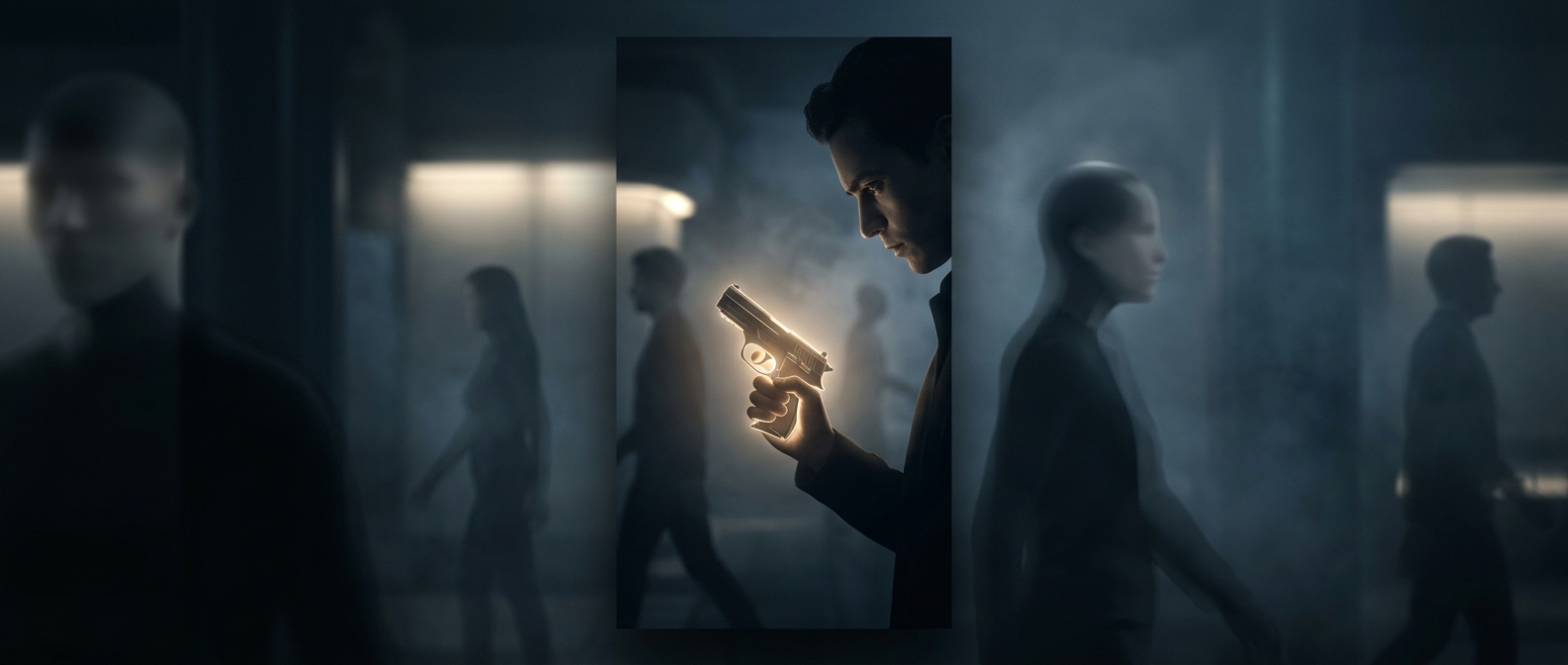
Why a gun can make you forget the attacker’s face
When a gun appears, the mind treats it as the urgent detail and concentrates on it. That narrow focus leaves fewer chances to take in the attacker’s face—so…
Discover more
Trichotillomania demands hair pulling
With trichotillomania, pulling can become a hard-to-resist repetitive behavior, often preceded by tension or an urge and followed by relief or satisfaction.…
Discover more
Why kleptomania targets things you don't need
A person with kleptomania may steal an item they have no use for because the pull is toward the act itself. Tension builds, stealing briefly relieves it, and…
Discover more
Operant conditioning relies on treats
A treat can turn a behavior into a reliable loop: do the action, get something enjoyable, and become more likely to do it again. The crucial part is the…
Discover more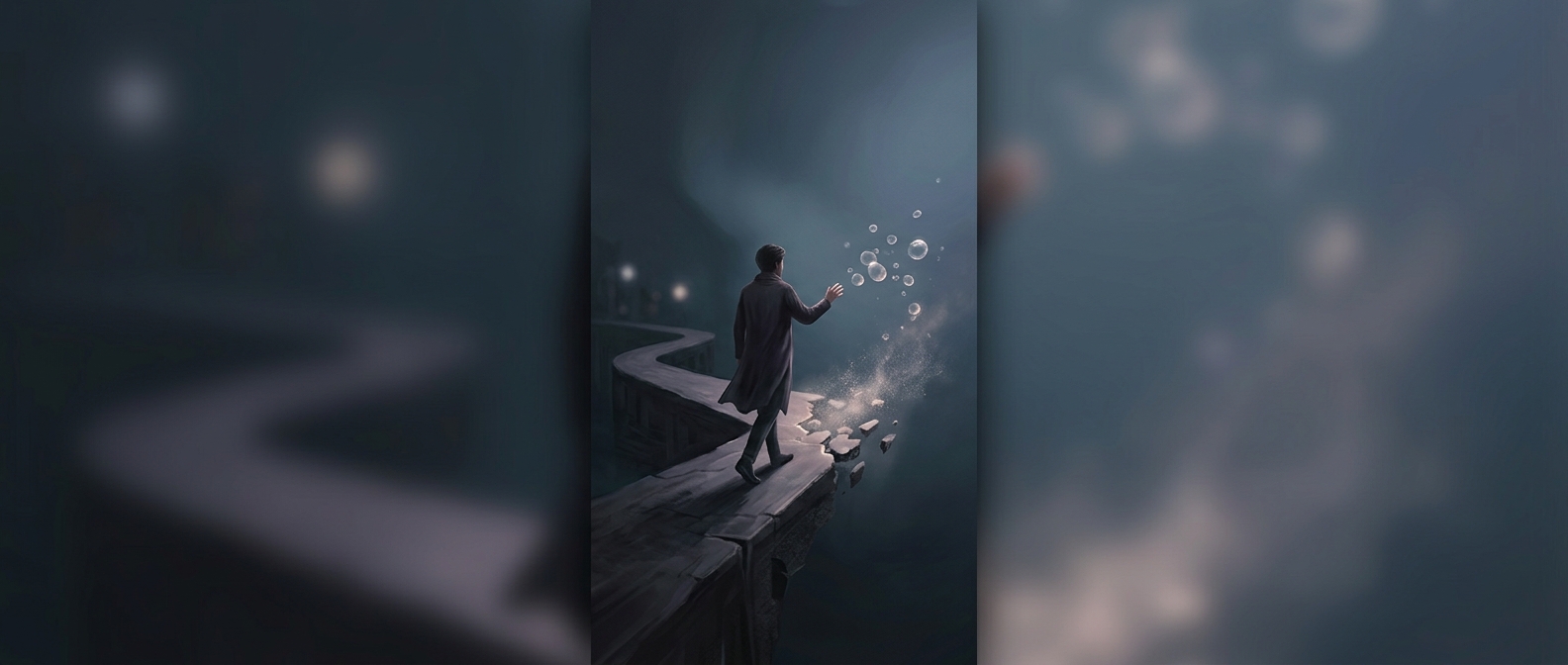
Anterograde amnesia prevents the new
Someone with anterograde amnesia can hold a conversation and still fail to form lasting memories of what happens next. The moment may stay in awareness…
Discover more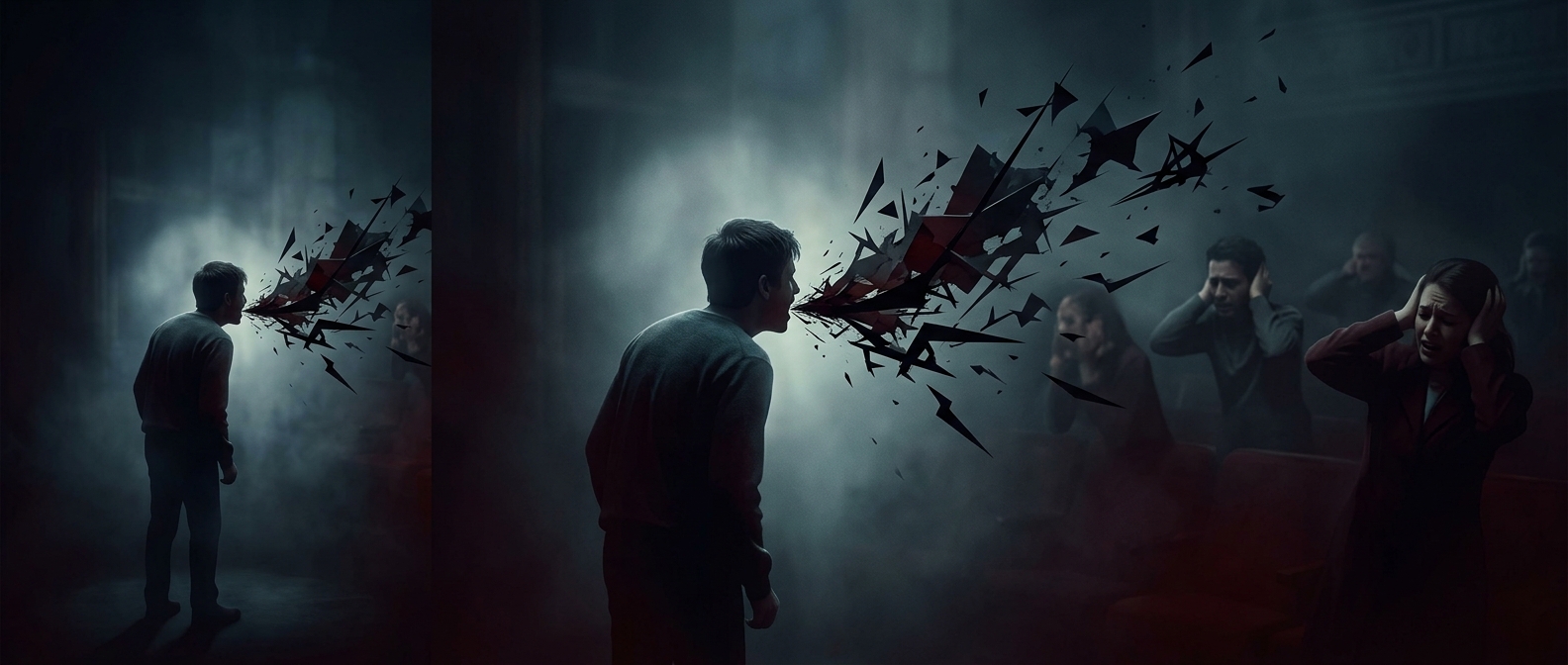
Coprolalia forces aggressive swearing
Coprolalia can make a taboo word erupt in the middle of an ordinary conversation. It comes from an involuntary tic, so the word's hostility belongs to its…
Discover more
Why a two-foot putt can suddenly become impossible
A short putt is easy to overthink because the goal looks so close that missing feels almost absurd. Under pressure, golfers may stop trusting the practiced…
Discover more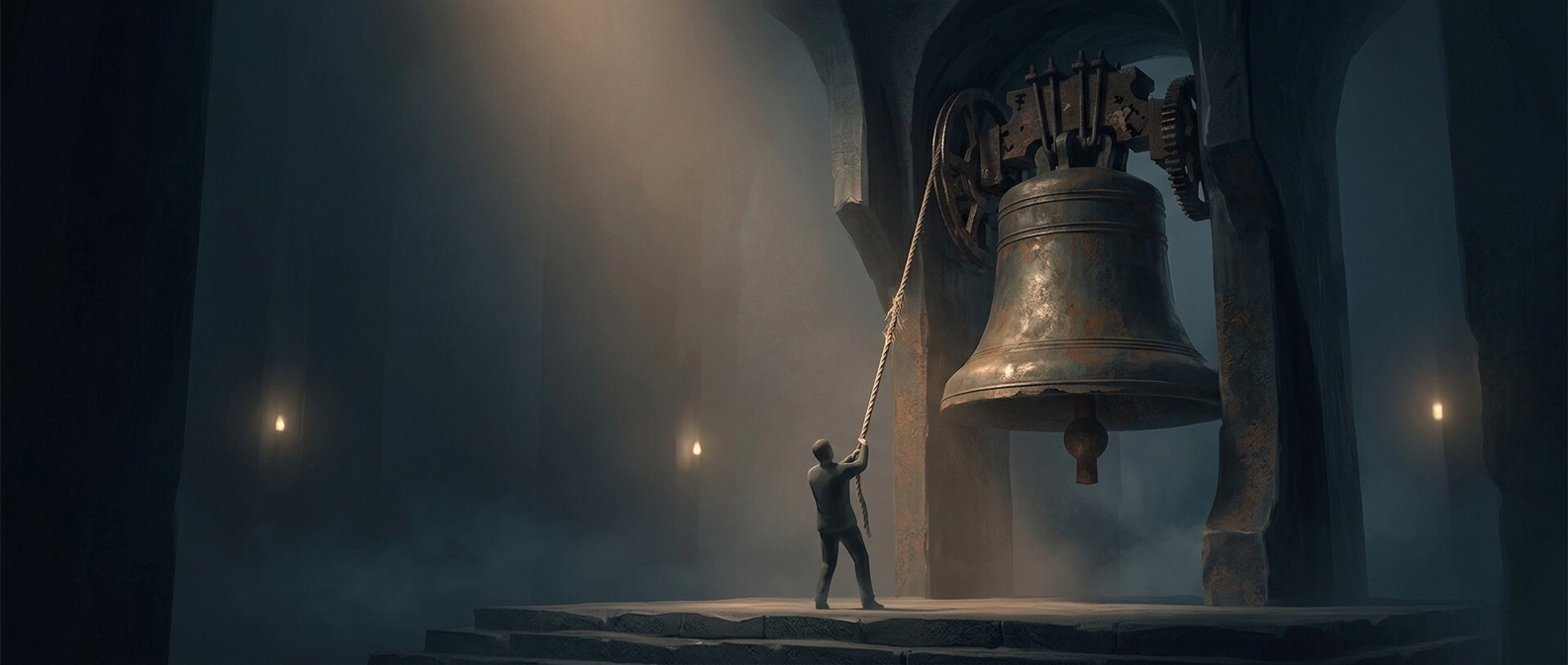
Extinction stops conditioned responses
A learned response can be weakened by letting the cue happen without the expected payoff. If a sound used to mean food, hearing it repeatedly with no food…
Discover more
Shaping teaches pigeons to spin around
A pigeon turns slightly; it gets a reward. Next time, a larger turn earns the reward. By reinforcing closer and closer versions of the action, a trainer can…
Discover more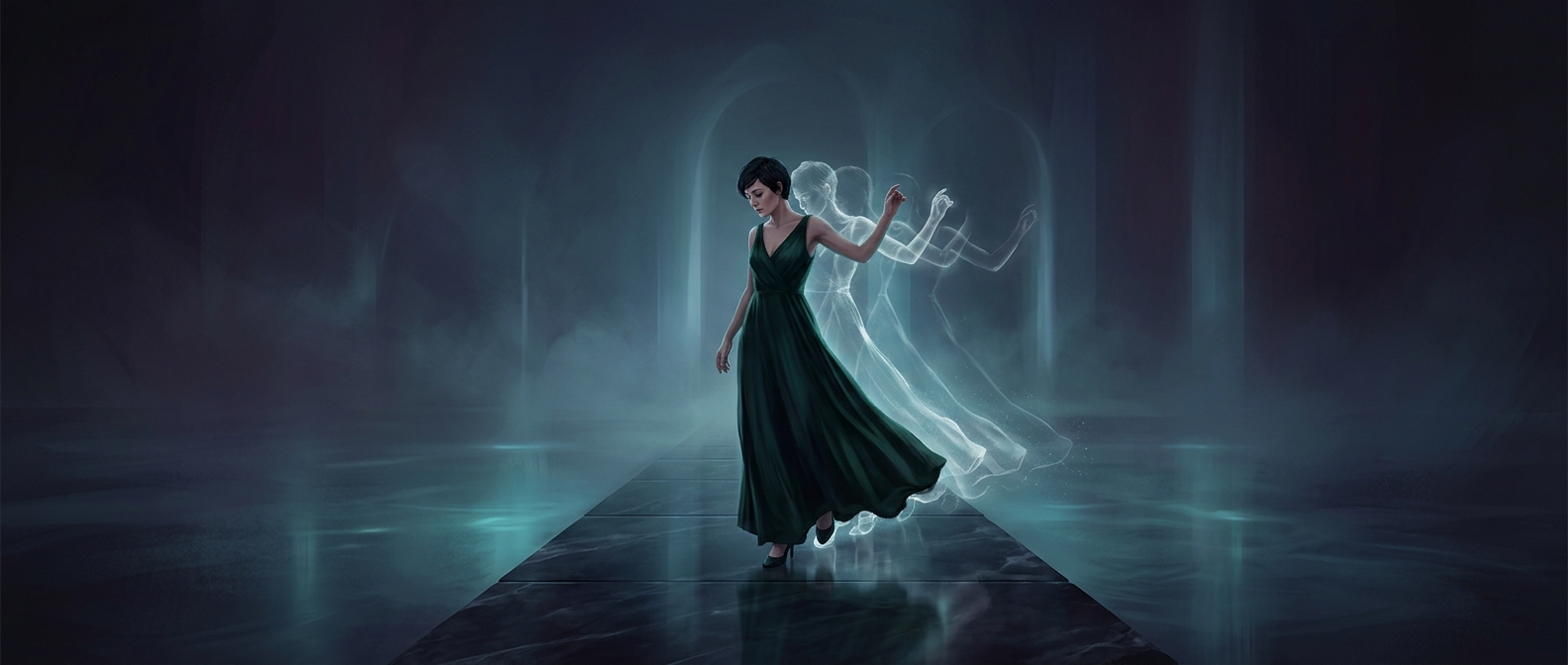
The strange feeling you’ve done a new action before
A new scene can arrive with the emotional stamp of an old one. Familiarity and memory for where that familiarity came from are separate parts of remembering;…
Discover more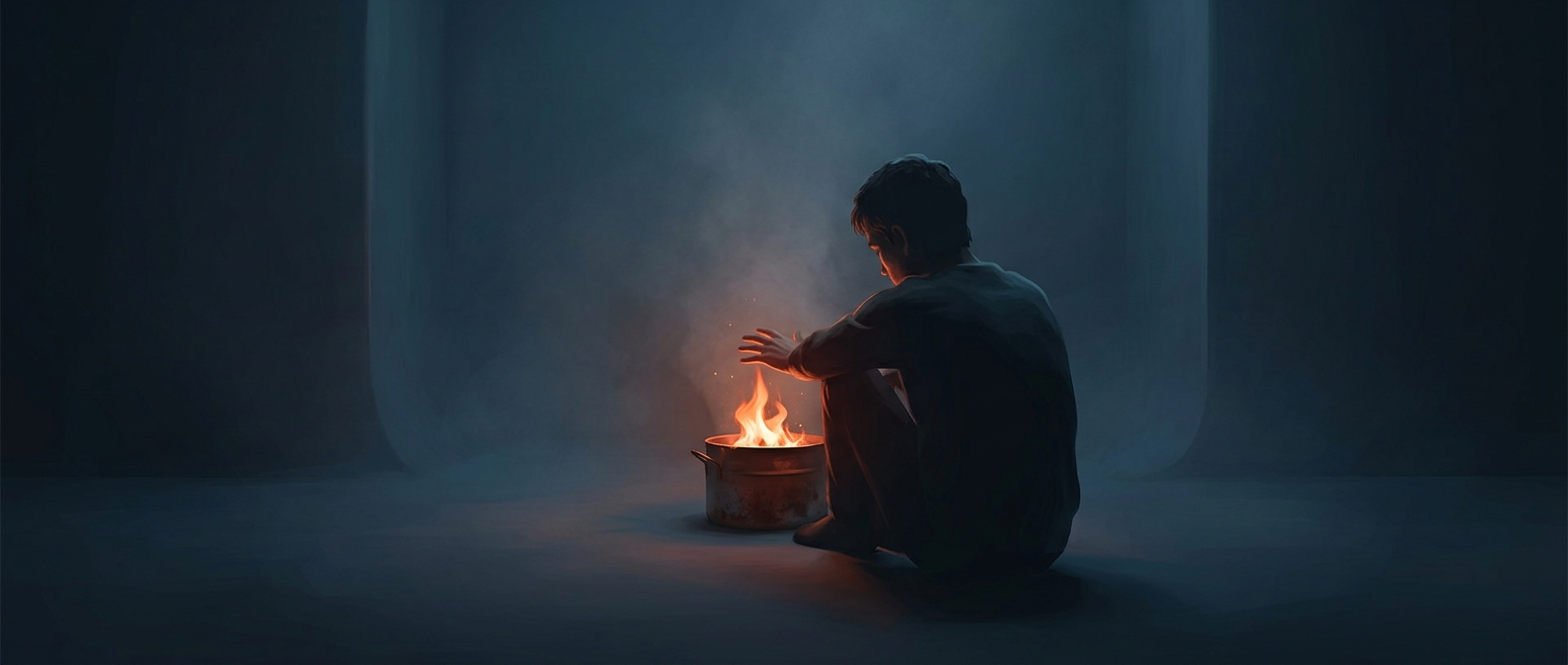
Pyromania finds comfort in starting fires
For someone with pyromania, setting a fire can bring pleasure or relief, with tension building beforehand and easing afterward. The fire is not merely an…
Discover more
Why names are harder to remember than jobs
A job comes with built-in clues: what the person does, the tools they use, the situations you’d find them in. A name is often just an arbitrary sound. With…
Discover more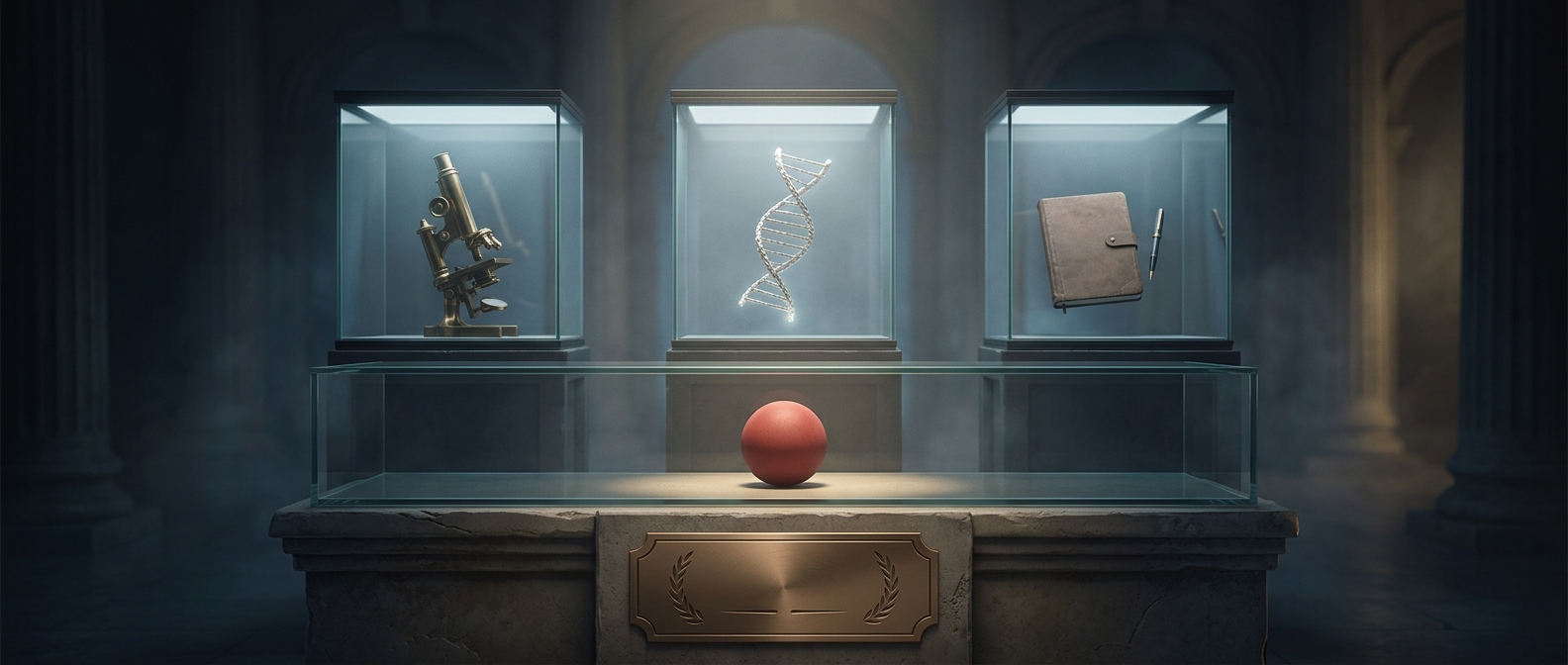
A sperm bank tried to package Nobel-level genius
Robert Graham founded the Repository for Germinal Choice in 1980, seeking donors with exceptional achievements, including Nobel laureates. The project treated…
Discover more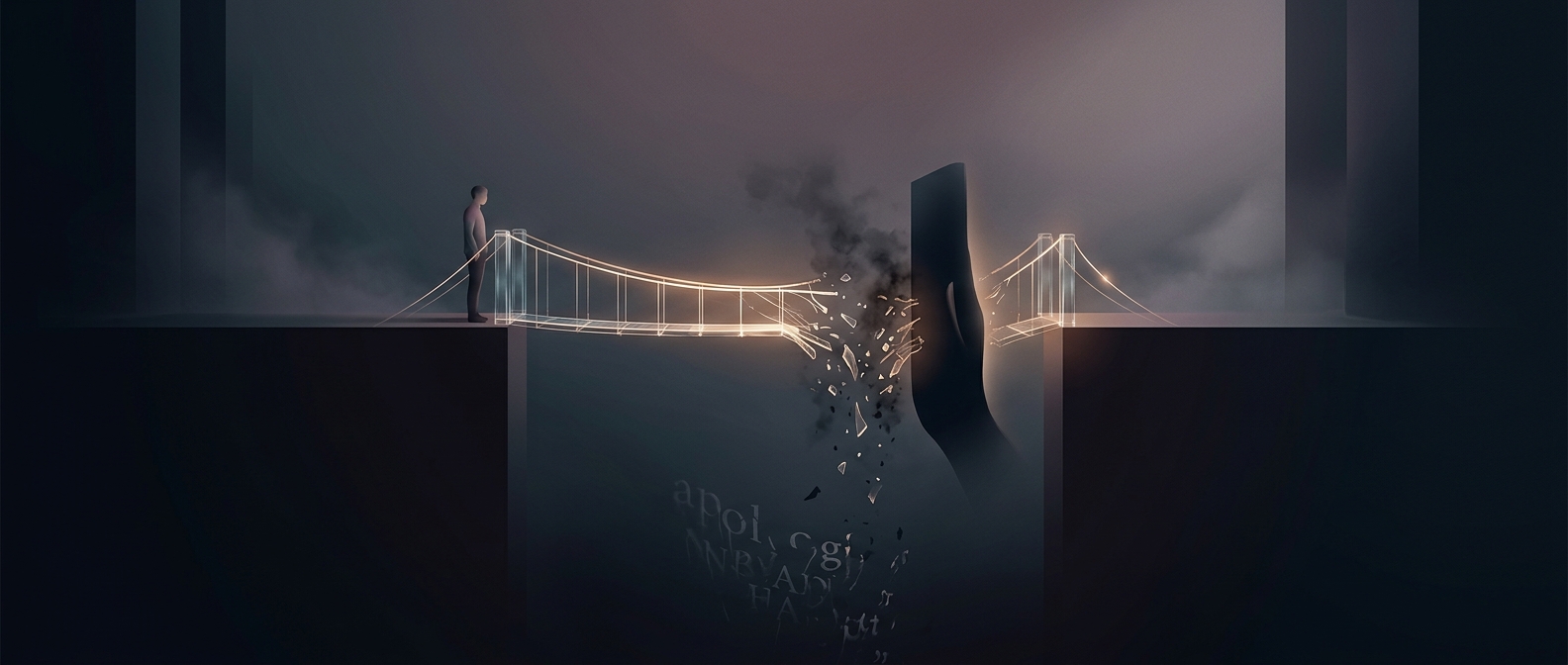
Add “but” to an apology and it stops sounding like one
After “but,” people expect a qualification: “I’m sorry, but you…” shifts attention from the harm to the other person’s supposed fault. One small word can turn…
Discover more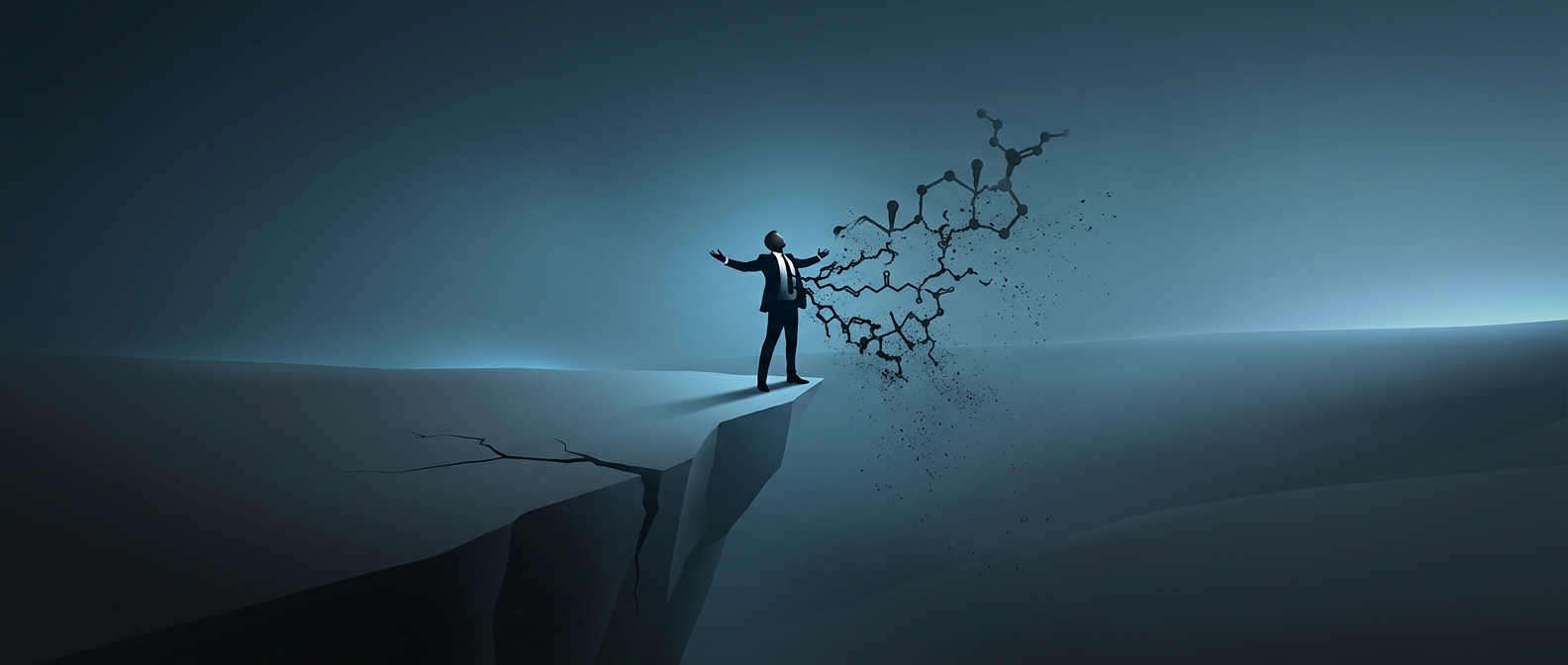
Power posing became a lesson in testing a good story
The idea that a confident stance could rapidly change hormones spread much faster than the evidence behind it. Larger follow-up work challenged the original…
Discover more
Even your favorite letters can be self-centered
In experiments on the name-letter effect, people tended to favor letters appearing in their own names. They were judging the alphabet, not being asked to…
Discover more