Psychology
Discover facts about psychology. Small discoveries that change the way you see familiar things.
Psychology

Why three people can look like a whole market
When you’re unsure what’s worth buying, other people’s choices become information. Seeing three people pick the same option can make it seem tried and…
Discover more
A bizarre word stands out in a dull list
In a dull list of ordinary words, one bizarre item gets its own spotlight. It breaks the pattern, pulls attention toward itself, and gains a distinctive…
Discover more
A familiar song brings an ex back to mind
After heartbreak, a song, place, or message can bring the person back into your thoughts before you choose to remember them. Your mind has built a network of…
Discover more
Choosing only the absolute extremes on basic surveys
Some people reach for the ends of a rating scale because the middle feels vague or noncommittal. That makes their answers look more certain than their actual…
Discover more
Why people choose personal gain over collective survival
Imagine a shared resource that will run out if everyone takes too much. Each person faces the same lopsided choice: the benefit of taking more goes to me,…
Discover more
Why you remember the last thing said
The final sentence gets a head start in memory: you’re still holding it in mind when the conversation stops, while earlier details have already been competing…
Discover more STACKY FOR IPHONE
A bigger world.
One discovery
at a time.
Keep discovering with Stacky. Interesting facts in an app that is always within reach.

Why some graders mark everyone too low
If a grader expects exceptional work, ordinary mistakes can loom larger than ordinary successes. That expectation becomes a reference point, nudging scores…
Discover more
Why your mood can be cheerful by default
Your mind doesn’t treat every unclear moment as bad news. When a situation is neutral, people often lean slightly positive, which helps them approach rather…
Discover more
Why you overestimate places you've heard of
A place name that comes to mind quickly feels familiar, and familiarity can be mistaken for knowledge. You may feel as if you know a city simply because…
Discover more
Weird information sticking in the brain much longer
A strange detail has less competition in memory than the hundred ordinary ones around it. It grabs attention, gets linked to its odd features, and becomes an…
Discover more
The place you learned something can help bring it back
Memory is easier to retrieve when some of the cues present during learning show up again. The light, sounds, and layout of a study spot can become part of the…
Discover more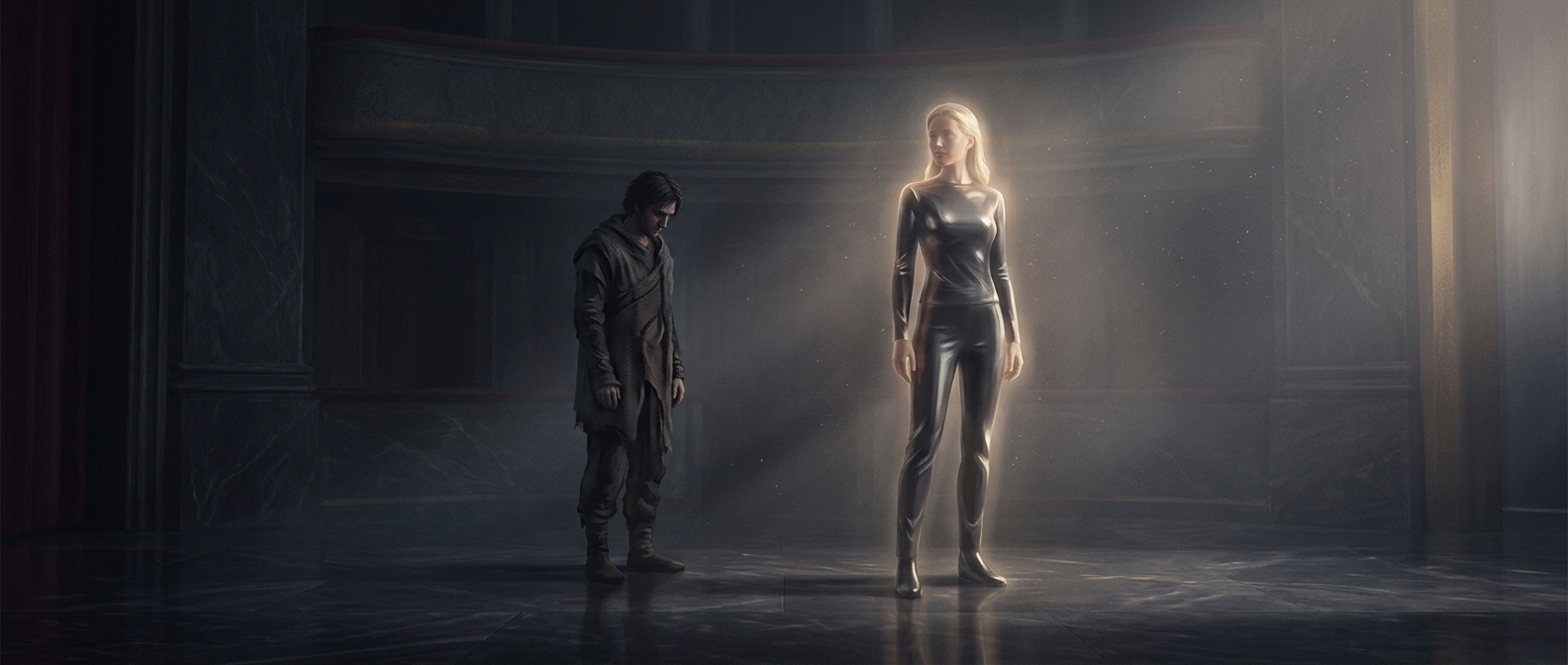
Looking terribly worse by standing near someone better
Put two people side by side and the same face can look different by comparison. If one person seems especially attractive, the person next to them may look…
Discover more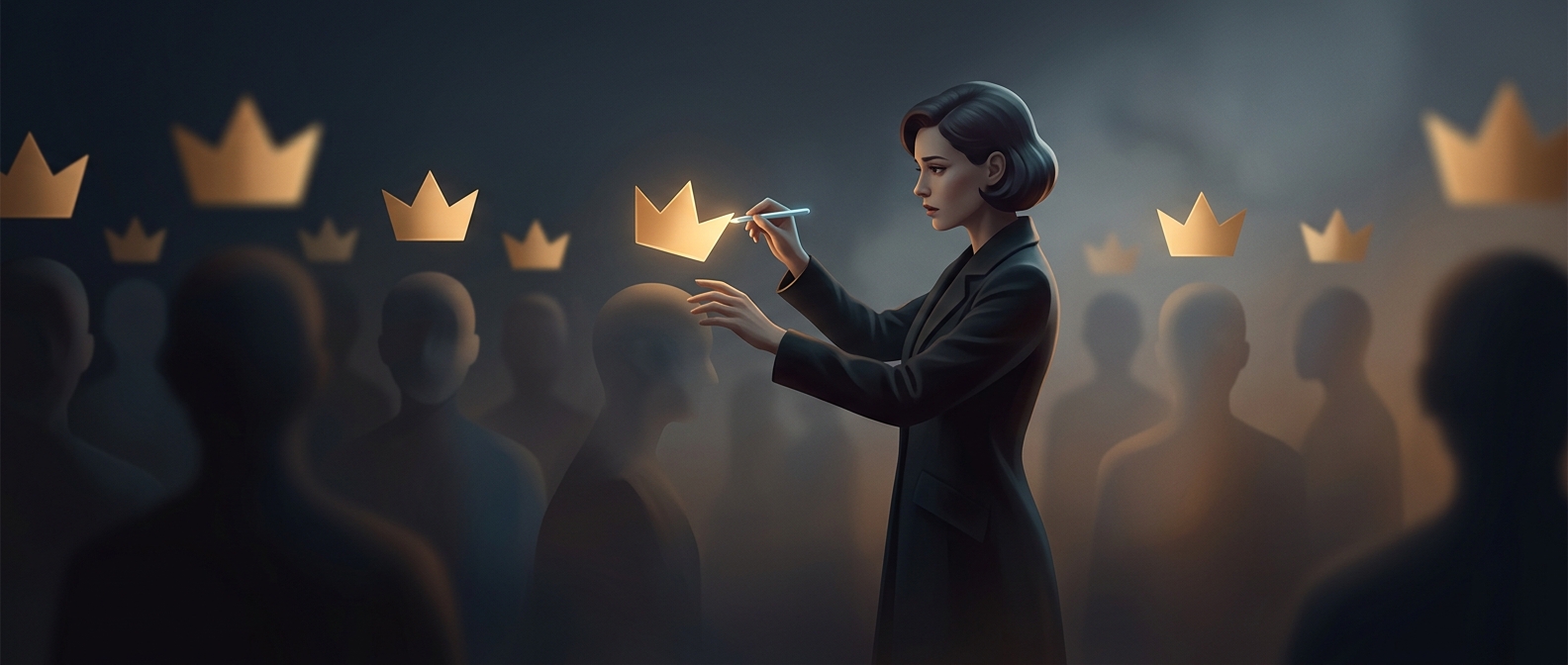
Rating everyone as a genius to avoid awkwardness
If you rate everyone as a genius, nobody has to sit through the silence after a more honest ranking. Inflated praise spreads the approval around and protects…
Discover more
Blending effortlessly into your immediate surroundings
You don’t always blend in by disappearing; sometimes you do it by subtly copying the people around you. Matching a friend’s pace or posture can make an…
Discover more
Old rules ruining your ability to learn new ones
You learn a new password, but your fingers keep typing the old one. Earlier learning is already practiced and easy to retrieve, so it barges in when you try…
Discover more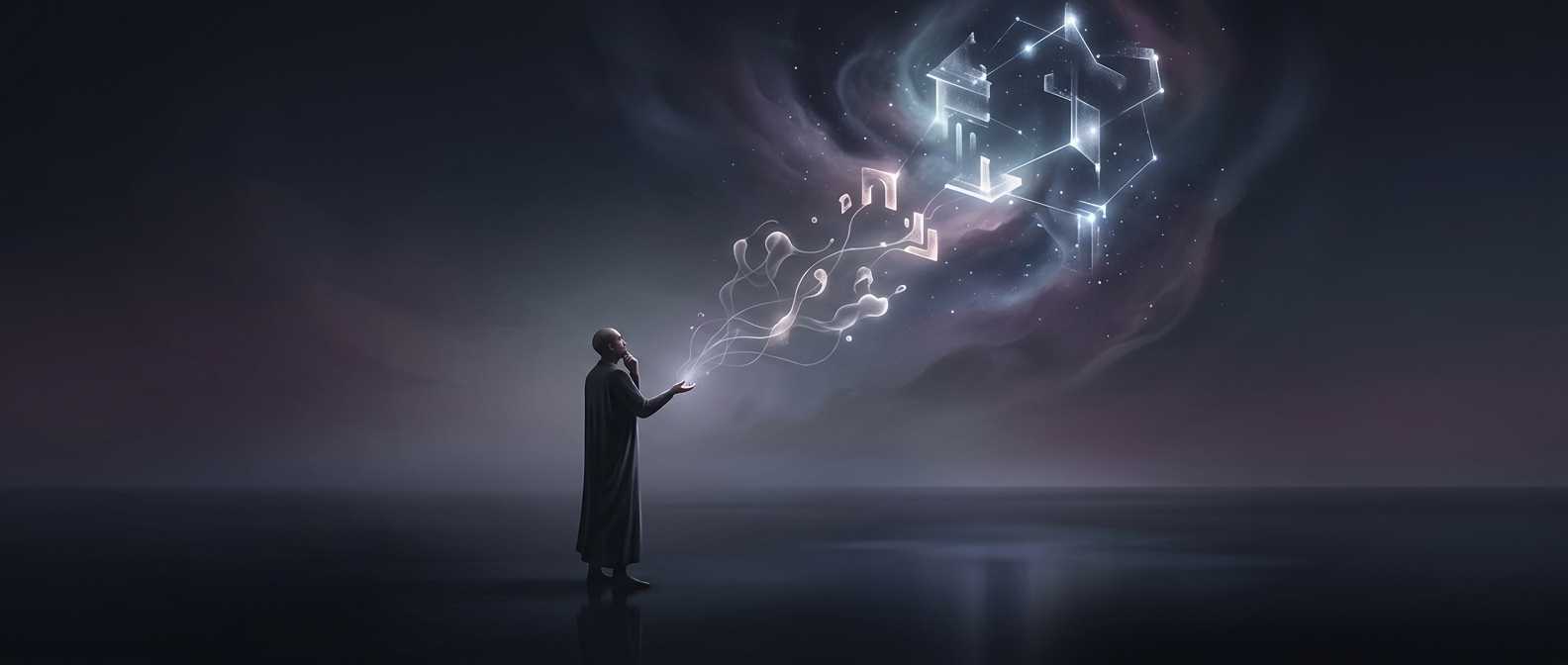
A wrong guess can help the right answer stick
When you try to invent an answer before seeing the right one, you have to search your memory and build a guess. That effort can make the correct answer stick…
Discover more
Persistence gives beginners more chances to improve
Talent can give someone an early lead; persistence determines how many chances they get to improve. Repeated practice exposes you to mistakes, feedback, and…
Discover more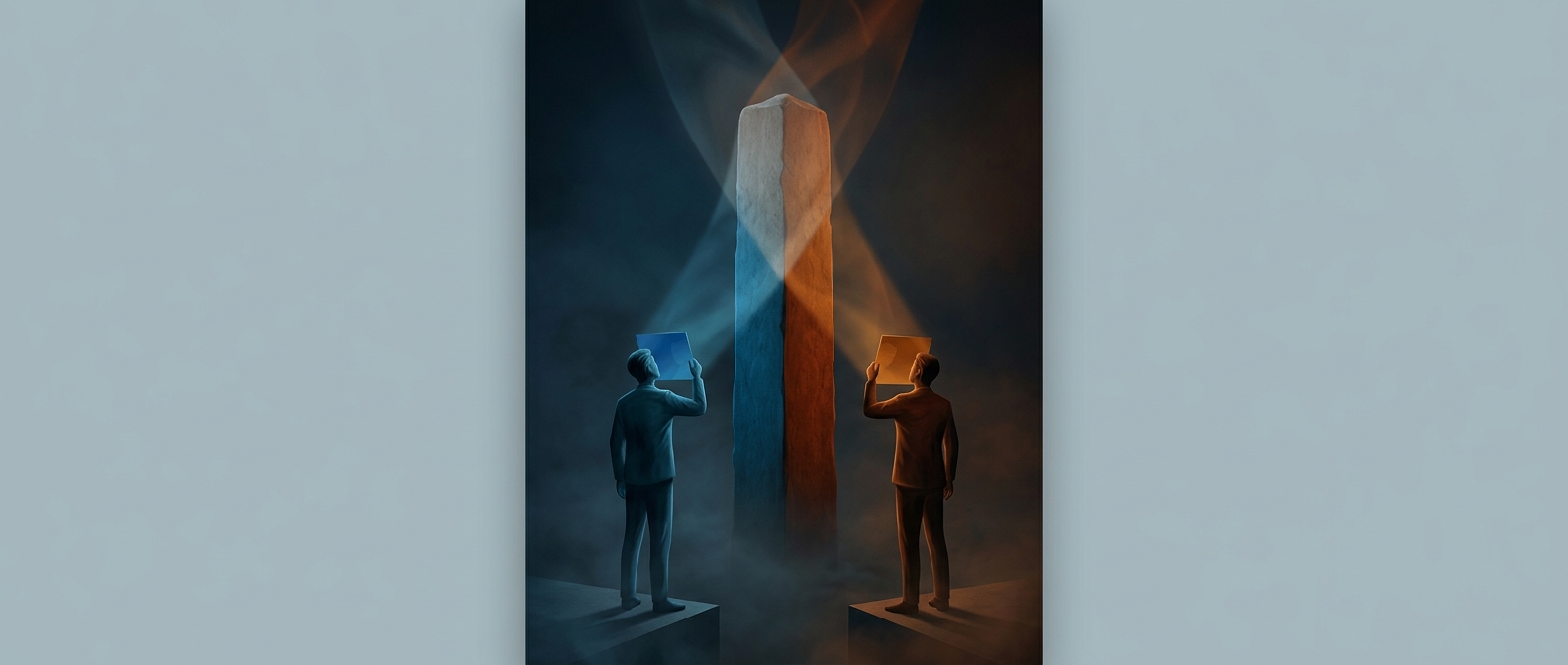
Opposing sides can watch the same news and both see bias
A neutral report gives both sides a hearing, but partisans don’t watch from nowhere. They notice the claims that challenge their position and may treat those…
Discover more
Processing hot and cold through separate channels
Hot and cold are not simply opposite readings on one mental dial. Different temperature-sensitive nerve receptors respond to different ranges, sending signals…
Discover more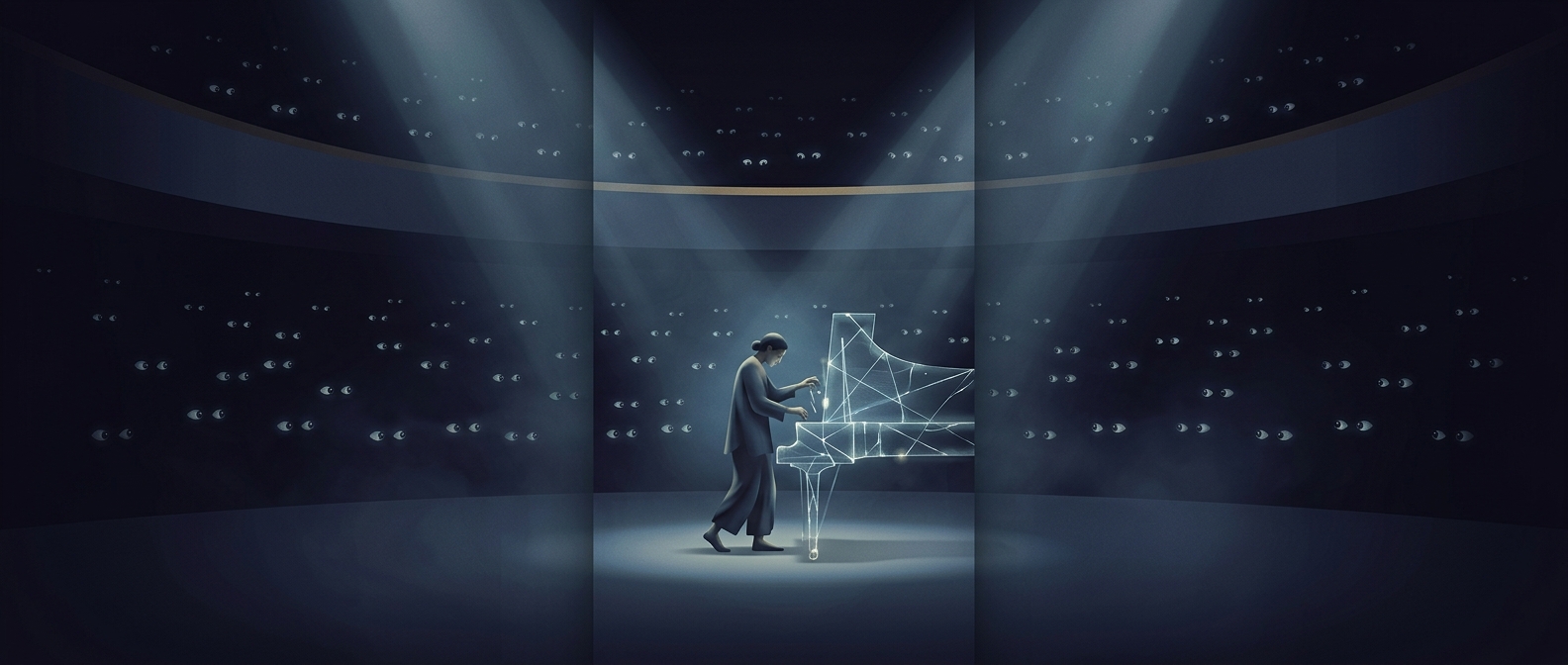
Why an audience can make you forget how to think
You know the answer until someone says, “Everyone’s watching.” Then part of your attention turns inward: Am I pausing too long? Do I look nervous? That…
Discover more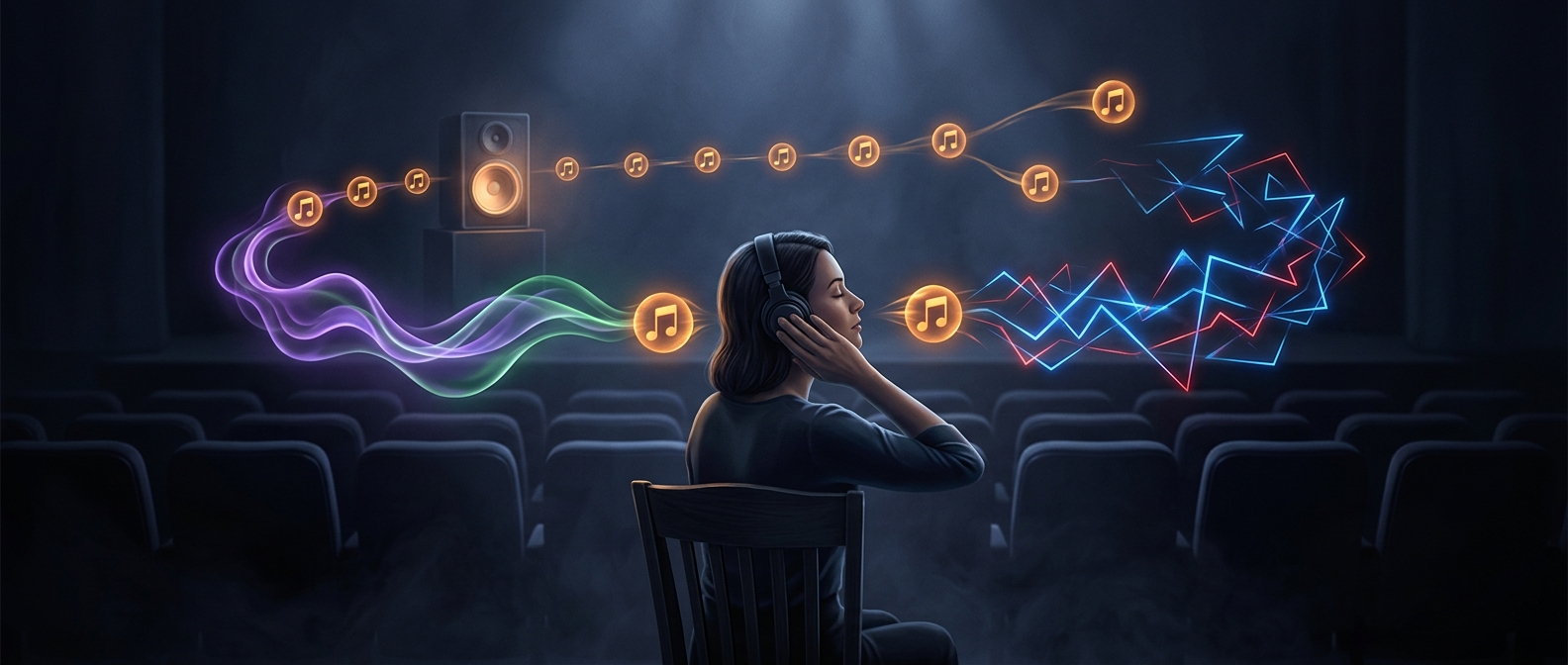
Hearing identical notes entirely differently
A note never arrives alone: your brain hears it against the notes around it. The same pitch can sound settled after one sequence and tense after another,…
Discover more
Lacking the capacity for physical dread
Your body can normally make danger feel urgent before you’ve put it into words. Physical dread is part of that warning system, pushing you to flinch, freeze,…
Discover more
Why boredom feels unbearable to some people
Boredom is your mind noticing that what you’re doing isn’t holding your attention and pushing you to find something that will. Some people feel that mismatch…
Discover more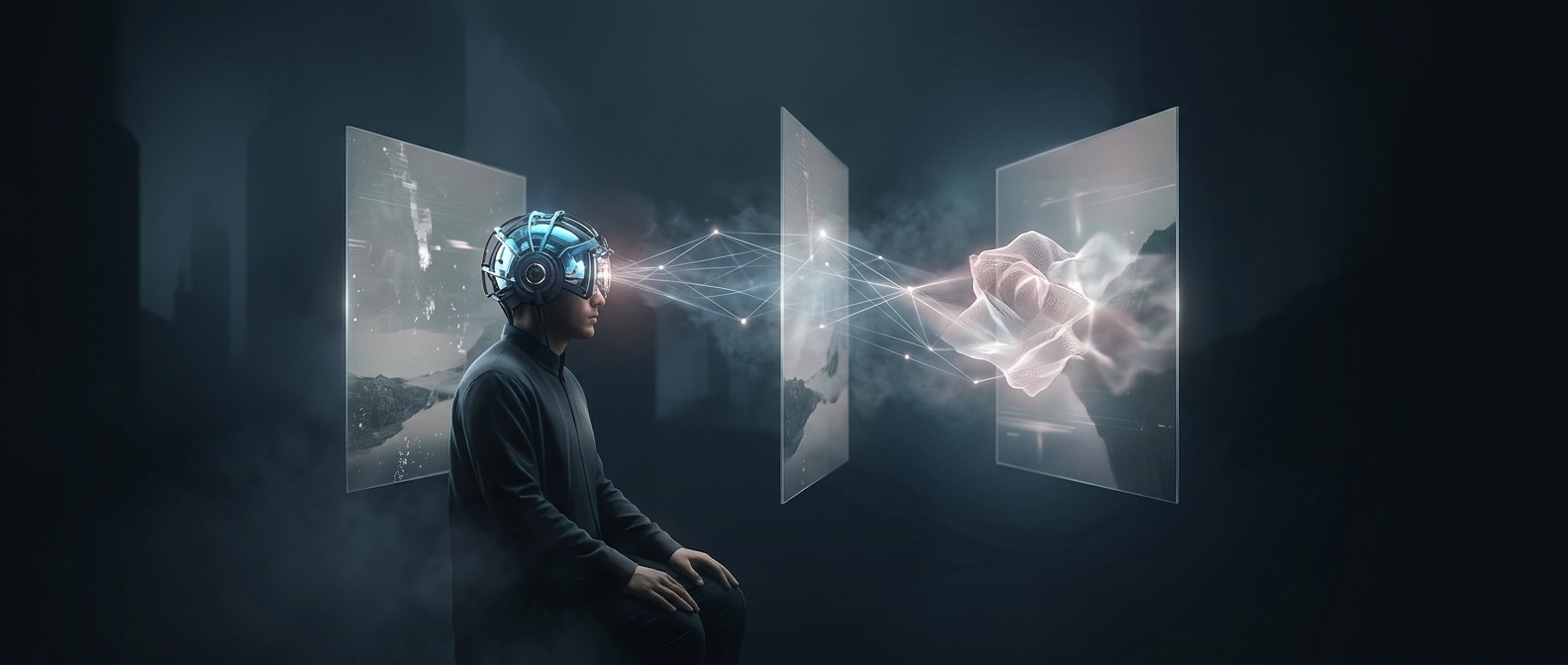
Mashing two flat images into three dimensions
Hold two nearly identical pictures side by side and your brain can fuse them into depth. Each eye gets a slightly different view; the mind compares those…
Discover more