Psychology
Discover facts about psychology. Small discoveries that change the way you see familiar things.
Psychology
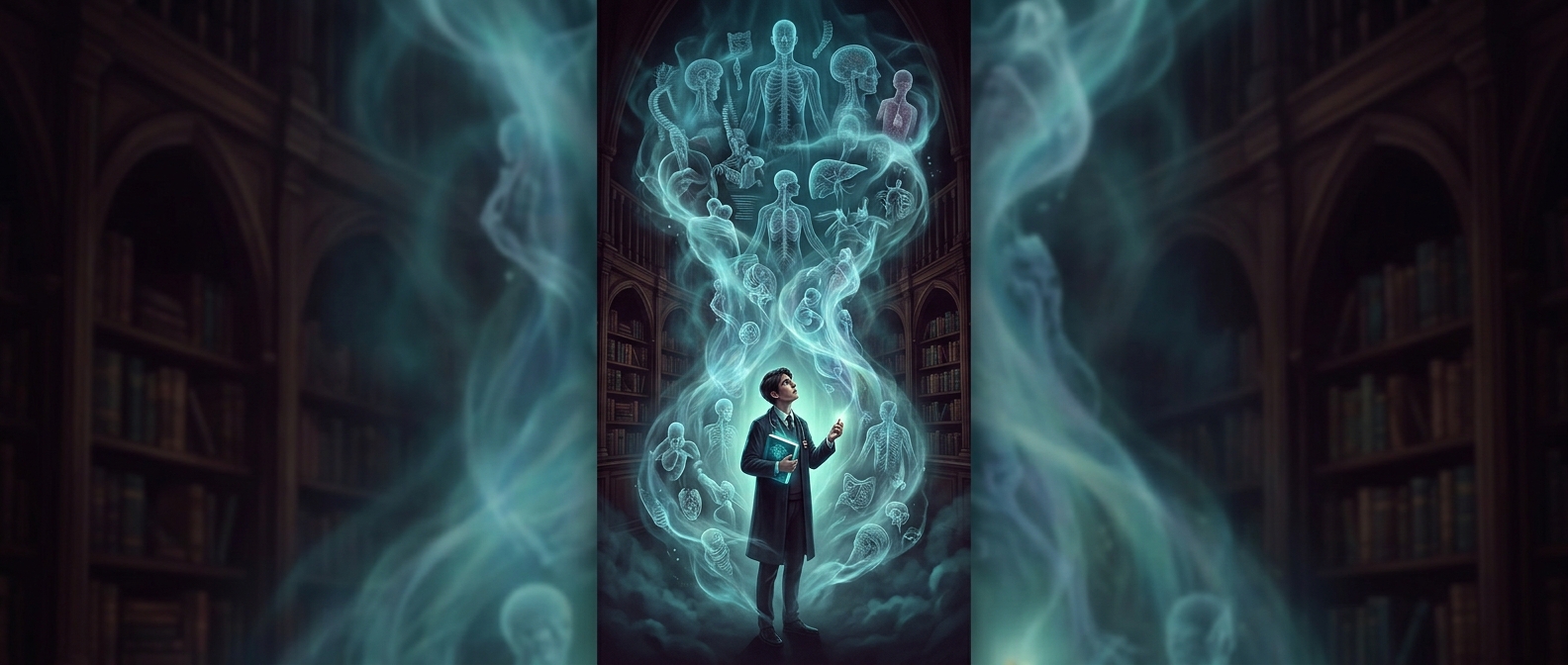
Learning a disease's symptoms can make every ache seem suspicious
Once you’ve studied a disease, its symptoms are easy to call to mind. A normal ache that might once have passed unnoticed can suddenly match something in the…
Discover more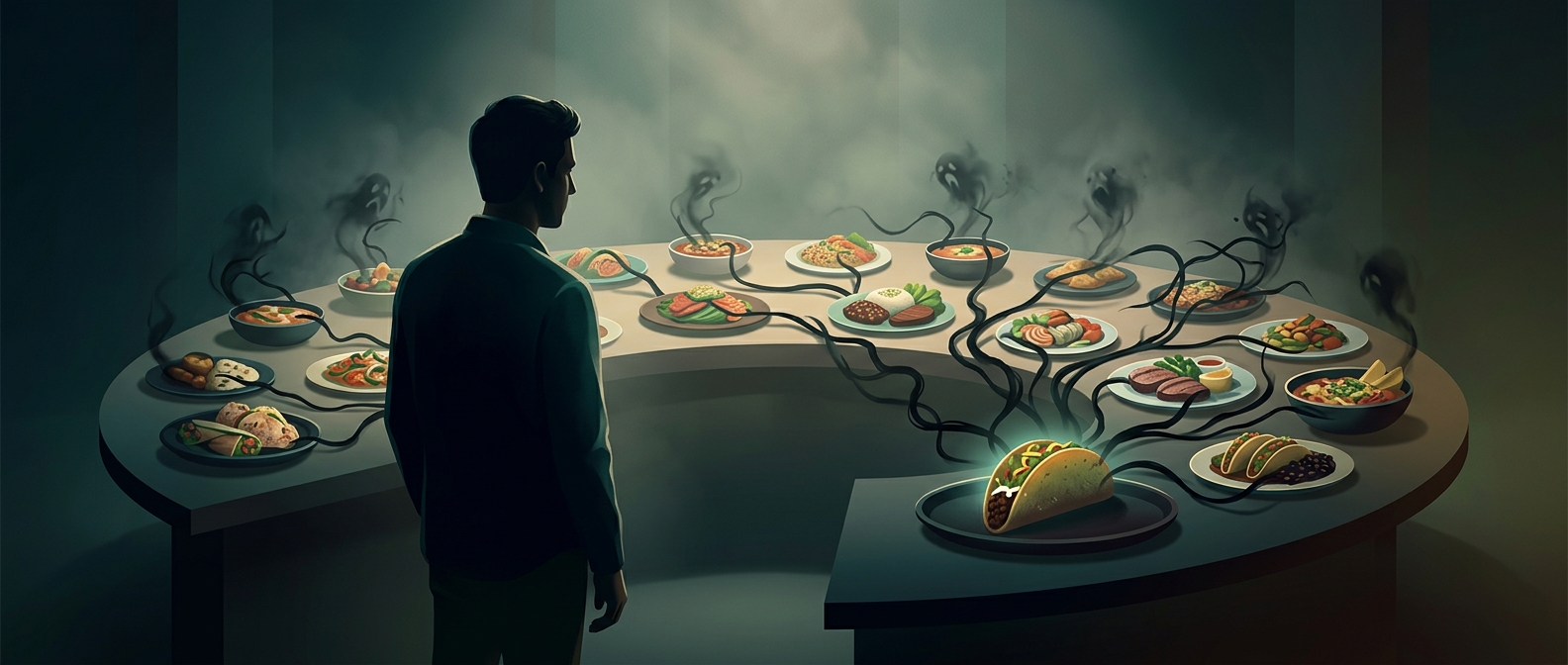
Why one bad meal can ruin a whole food category
One awful meal can link a food’s smell or taste with feeling sick. Later, those sensory cues can bring back the body’s disgust before you have time to remind…
Discover more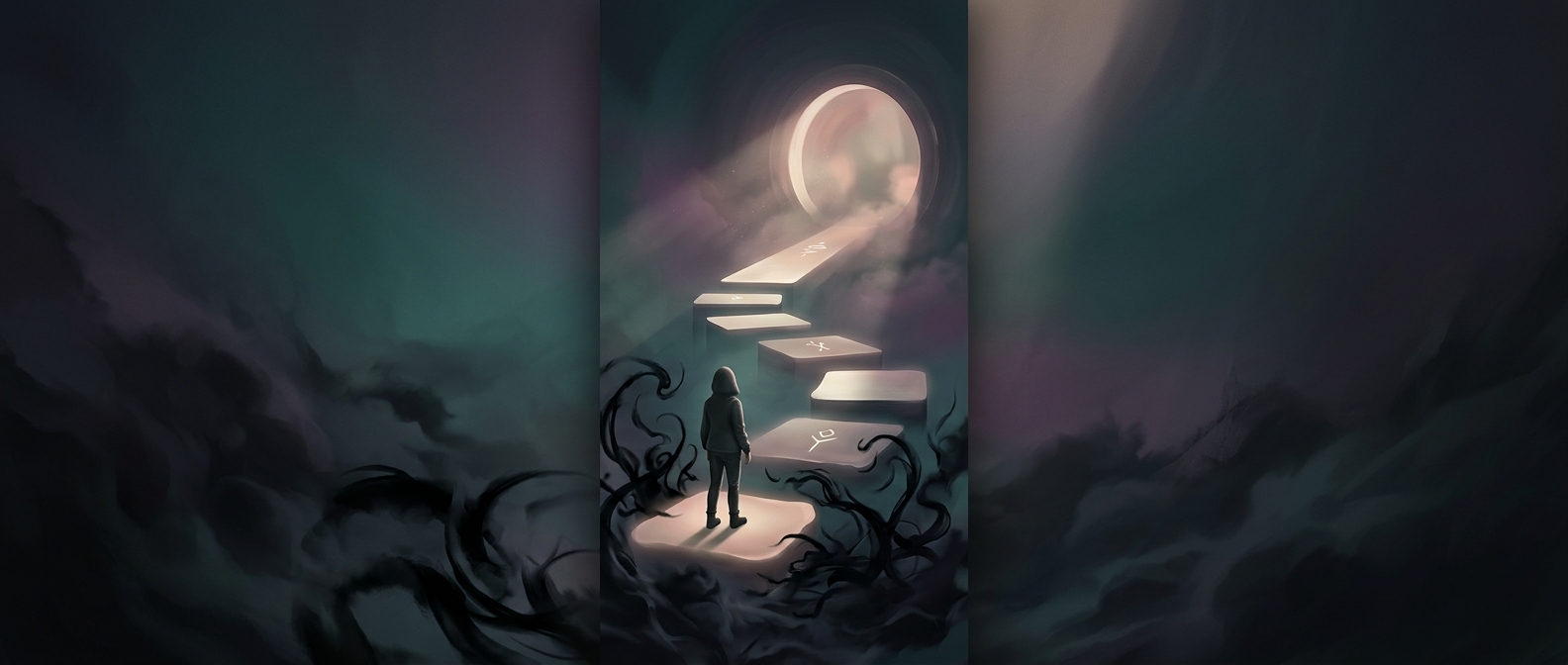
Systematic desensitization slowly unlearns utter panic
Someone afraid of elevators might first picture riding one, then stand near one, then take a short ride with support. Systematic desensitization pairs gradual…
Discover more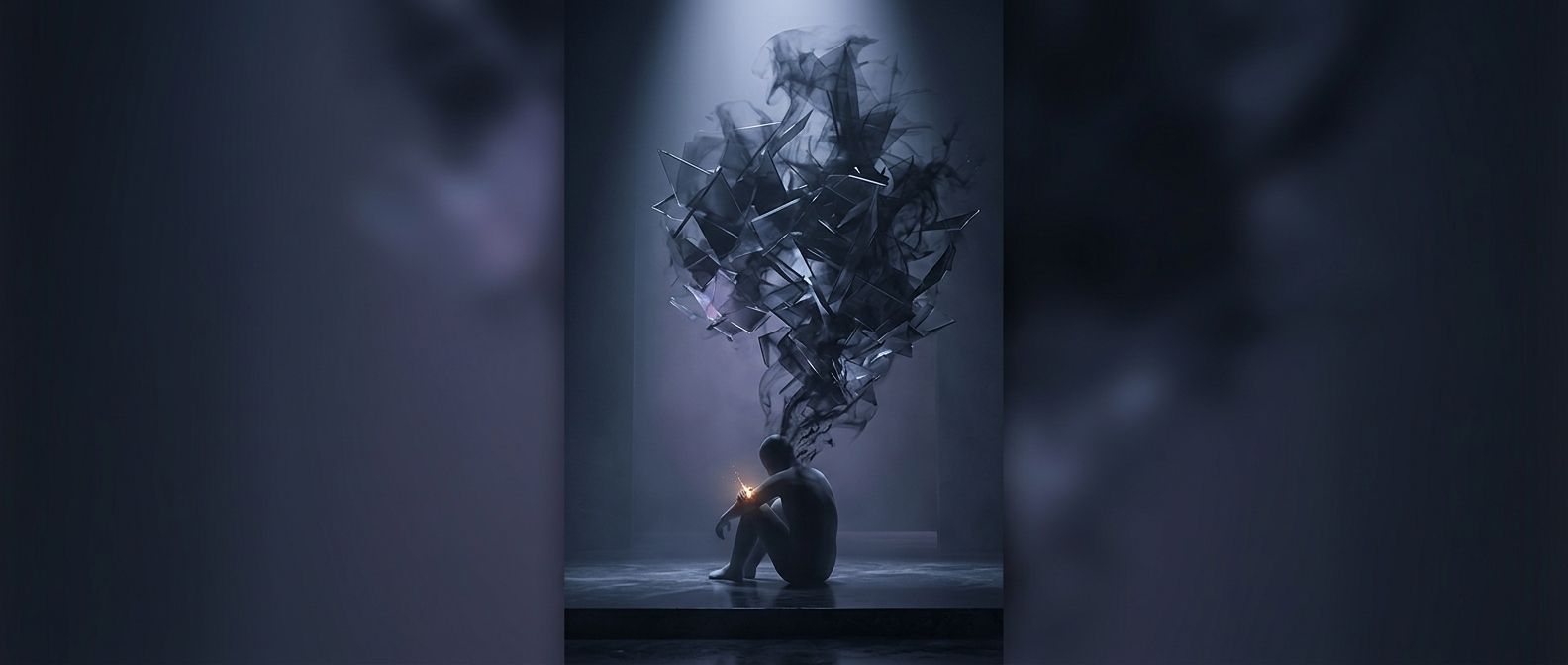
Why worrying about pain can make it worse
When you brace for pain, your mind starts monitoring every sensation for danger. That close attention makes signals harder to tune out, and anxious…
Discover more
Psychological projection accuses others of your flaws
A person can spot their own unwanted trait in everyone but themselves. When admitting a feeling threatens the picture they have of who they are, projection…
Discover more
Behavior chaining links small actions into complex routines
A complicated routine can be built out of actions too small to feel like a plan. One step becomes the cue for the next—shoes off, bag down, kettle on—until…
Discover more STACKY FOR IPHONE
A bigger world.
One discovery
at a time.
Keep discovering with Stacky. Interesting facts in an app that is always within reach.
Stress eating relies on carbohydrates for coping
When stress keeps your mind circling the same problem, carbohydrate-rich food can offer quick pleasure and a familiar soothing ritual. That short-lived reward…
Discover more
Extinction burst causes tantrums when tricks fail
A tantrum can intensify right after the response that used to reward it disappears. The person has learned that the behavior sometimes works, so they repeat…
Discover more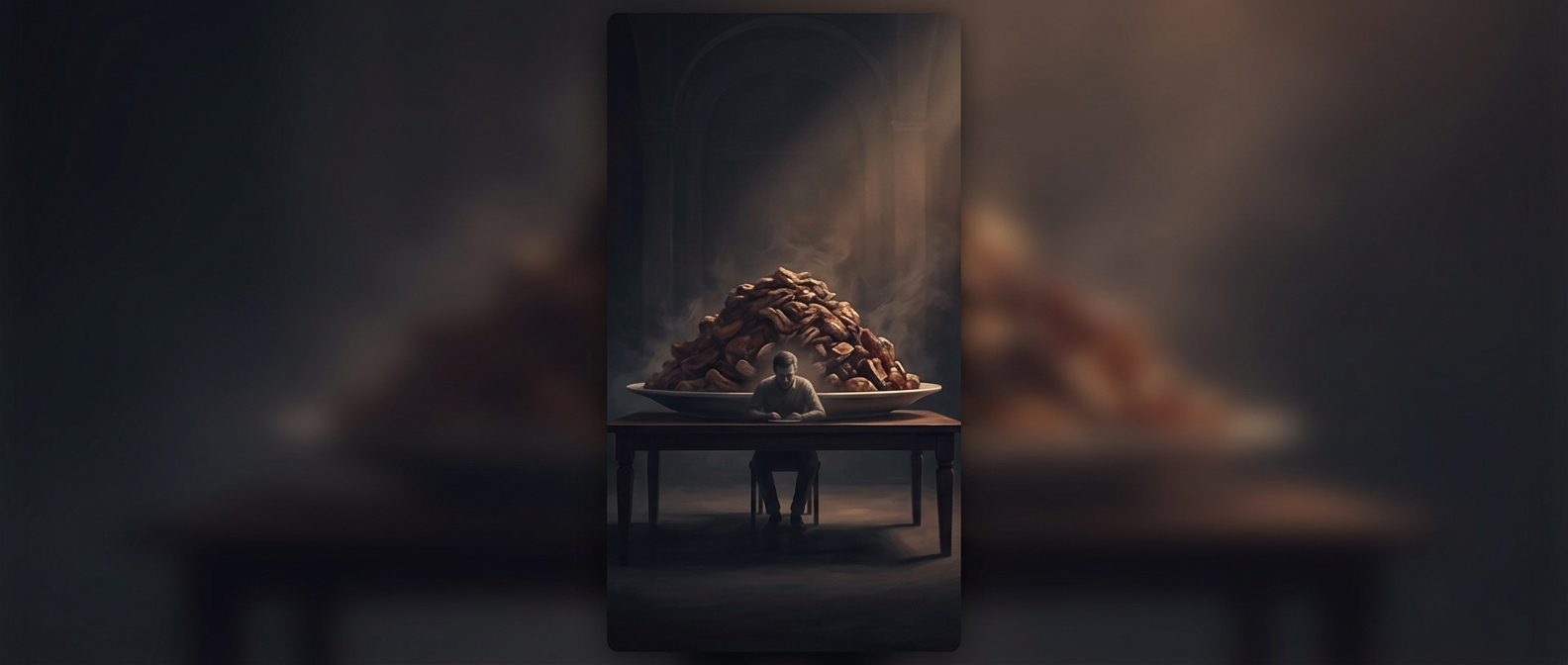
Serving giant portions guarantees massive overeating
A giant serving quietly becomes the amount that looks normal to eat. People often use the portion in front of them as a stopping point, so a bigger plate can…
Discover more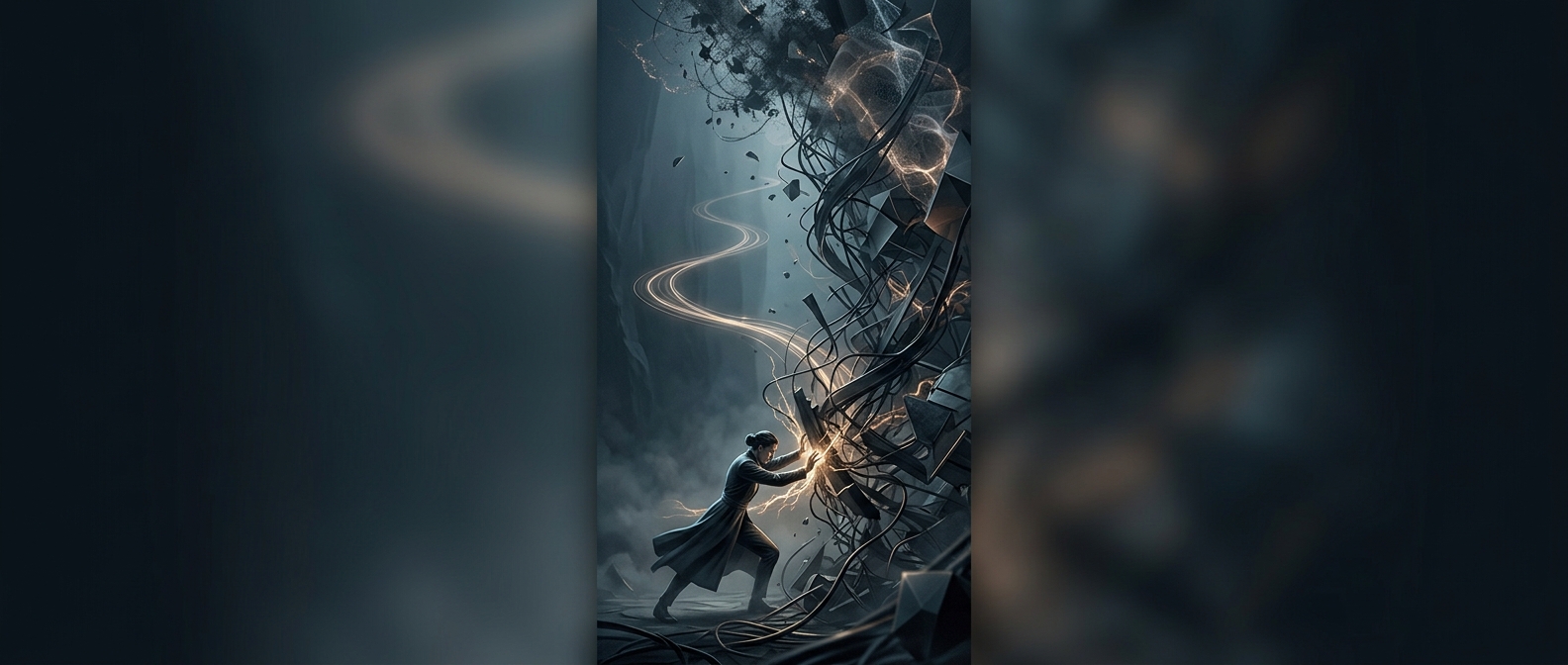
Why debunking takes longer than making things up
A false story can lodge in memory as a simple, familiar explanation. A correction has a harder job: it must replace that story with a more accurate one, not…
Discover more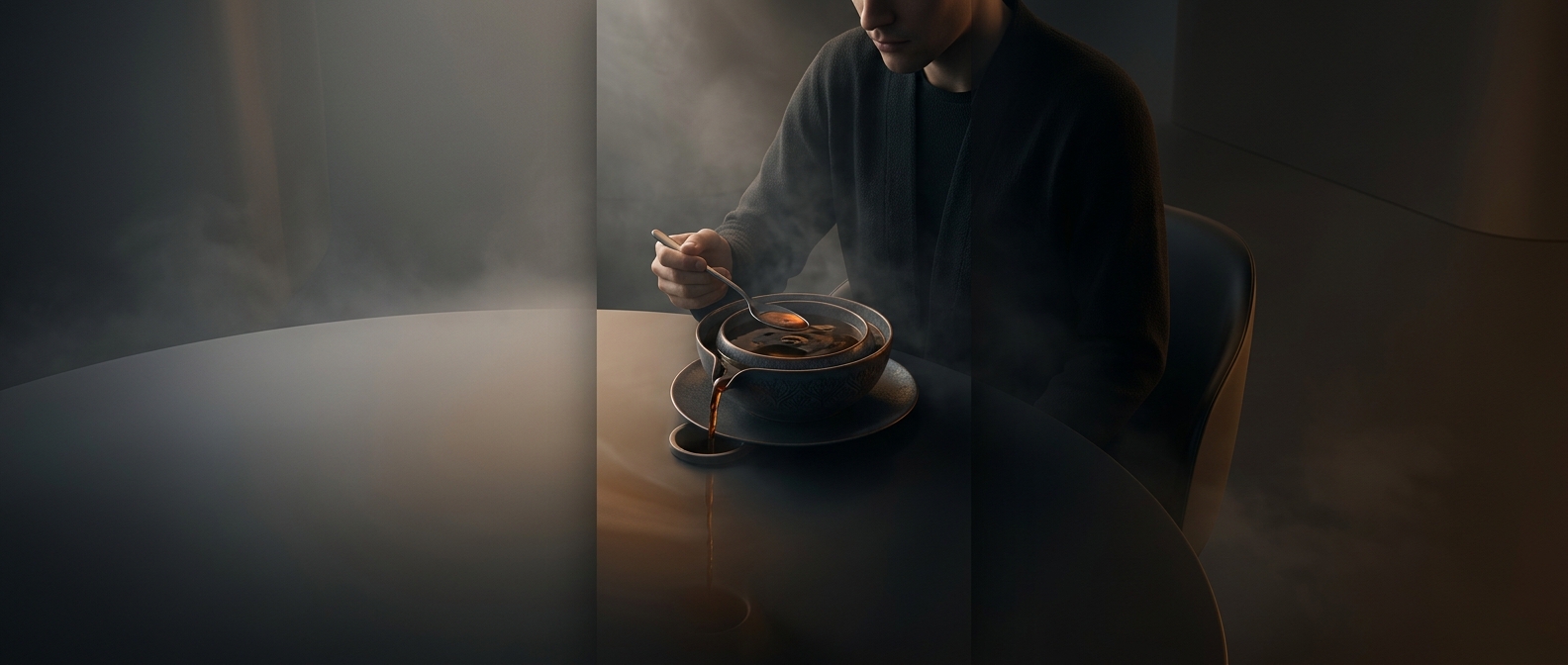
A larger portion can quietly become your new normal
A Cochrane review of experiments found that people generally ate more when offered larger portions, packages, or tableware. The amount presented supplies a…
Discover more
Asserting wild claims without evidence invites dismissal
A startling claim asks listeners to do more than hear you out: it asks them to revise what they think is possible. Evidence gives them a reason to take that…
Discover more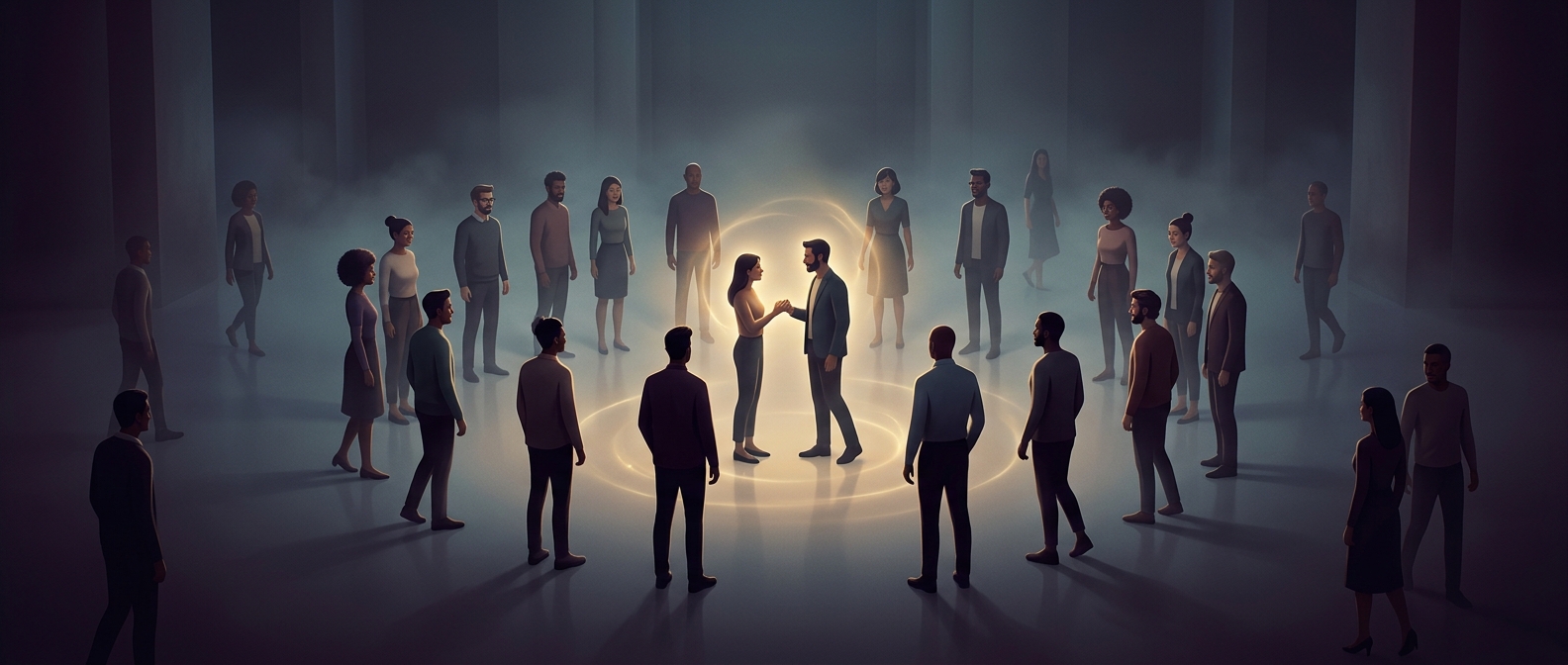
Why 23 people are enough to share a birthday
A room of 23 people gives you 253 chances for a birthday match, because every pair counts. That’s why the odds of at least two people sharing a birthday pass…
Discover more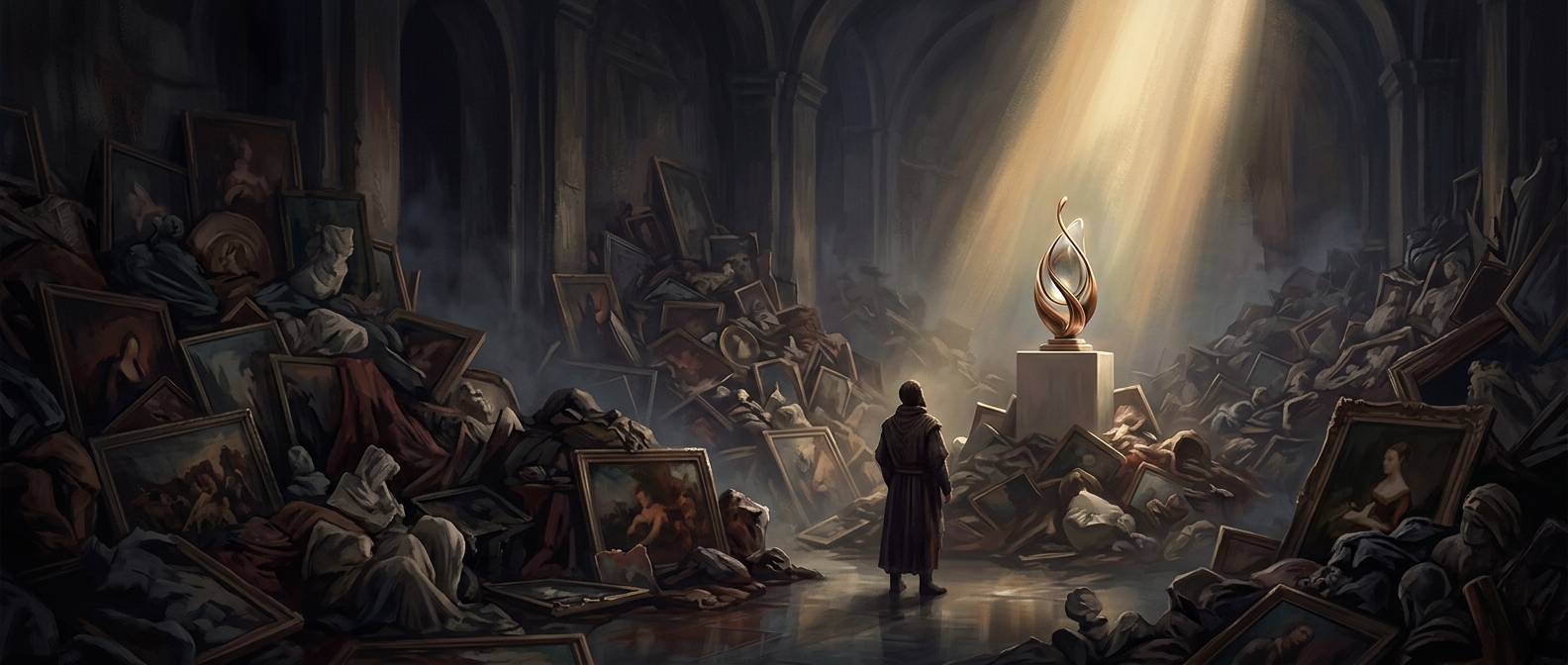
Why Sturgeon's law says most art is mediocre
Sturgeon’s law is a reminder that exceptional art stands out against a much larger flood of ordinary work. When nearly anything can be made and shared, the…
Discover more
Literally anything capable of going wrong absolutely will
When a problem is possible, you can picture it in advance—and when it happens, it sticks in memory. That makes failures feel both inevitable and strangely…
Discover more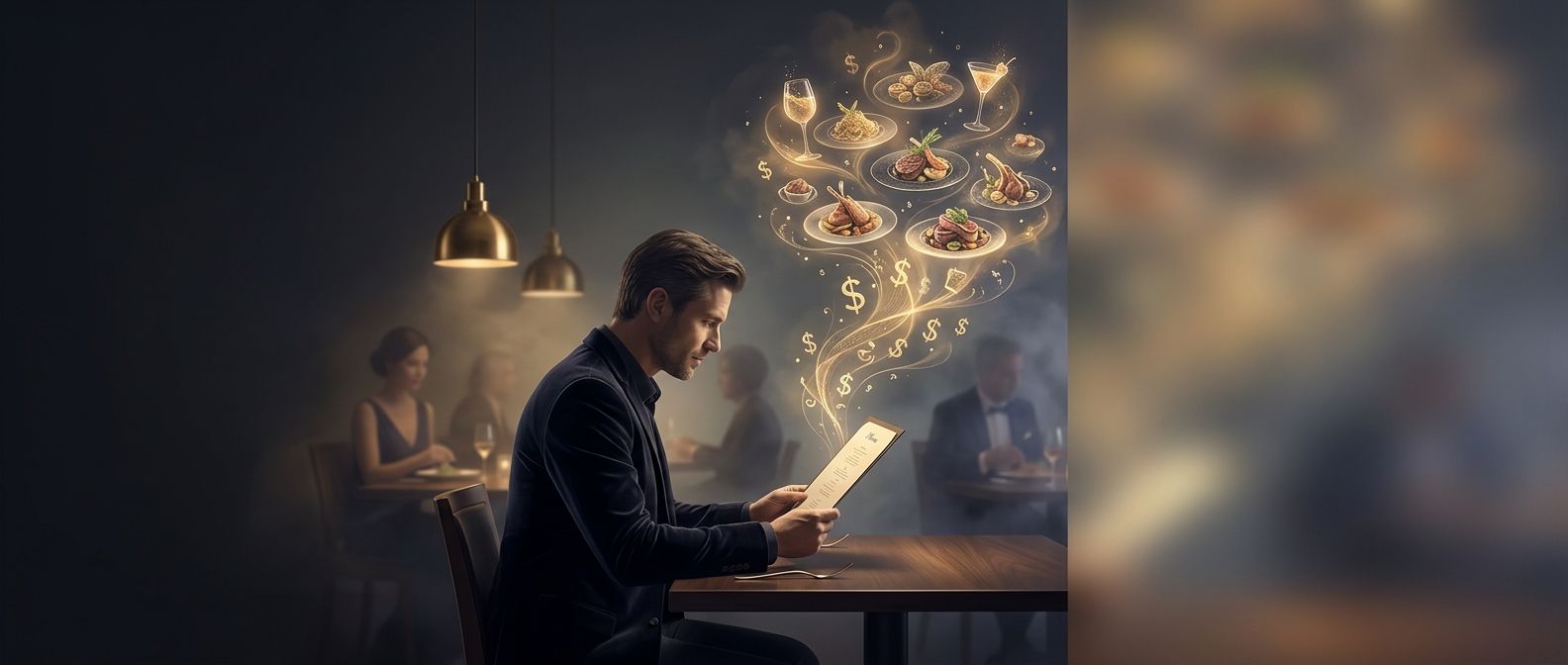
Why menus hide the dollar signs
Menus without dollar signs make it easier to think about a dish as dinner rather than a withdrawal from your wallet. The currency symbol cues the act of…
Discover more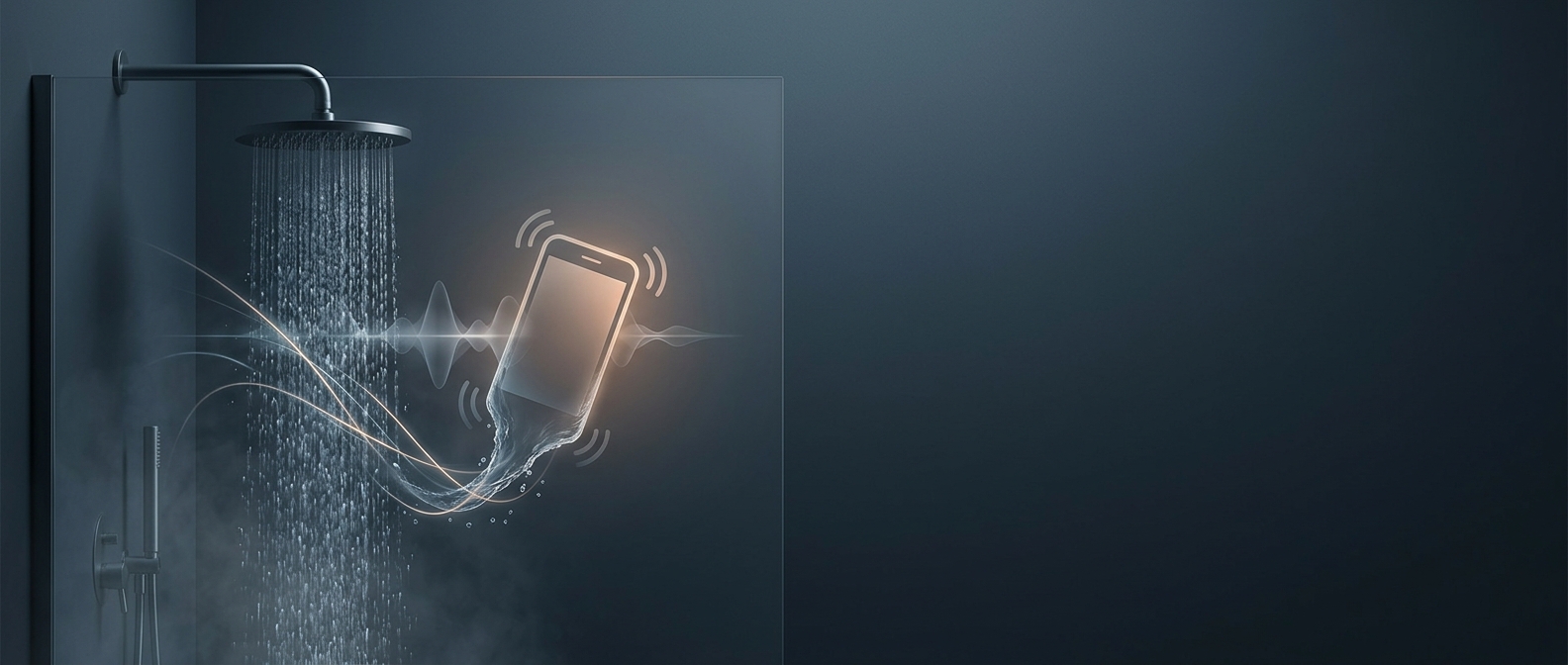
Why shower water sounds like your phone ringing
Water makes a steady wall of noise, so your brain gets less clear evidence about what’s happening around you. It is quick to detect meaningful patterns in…
Discover more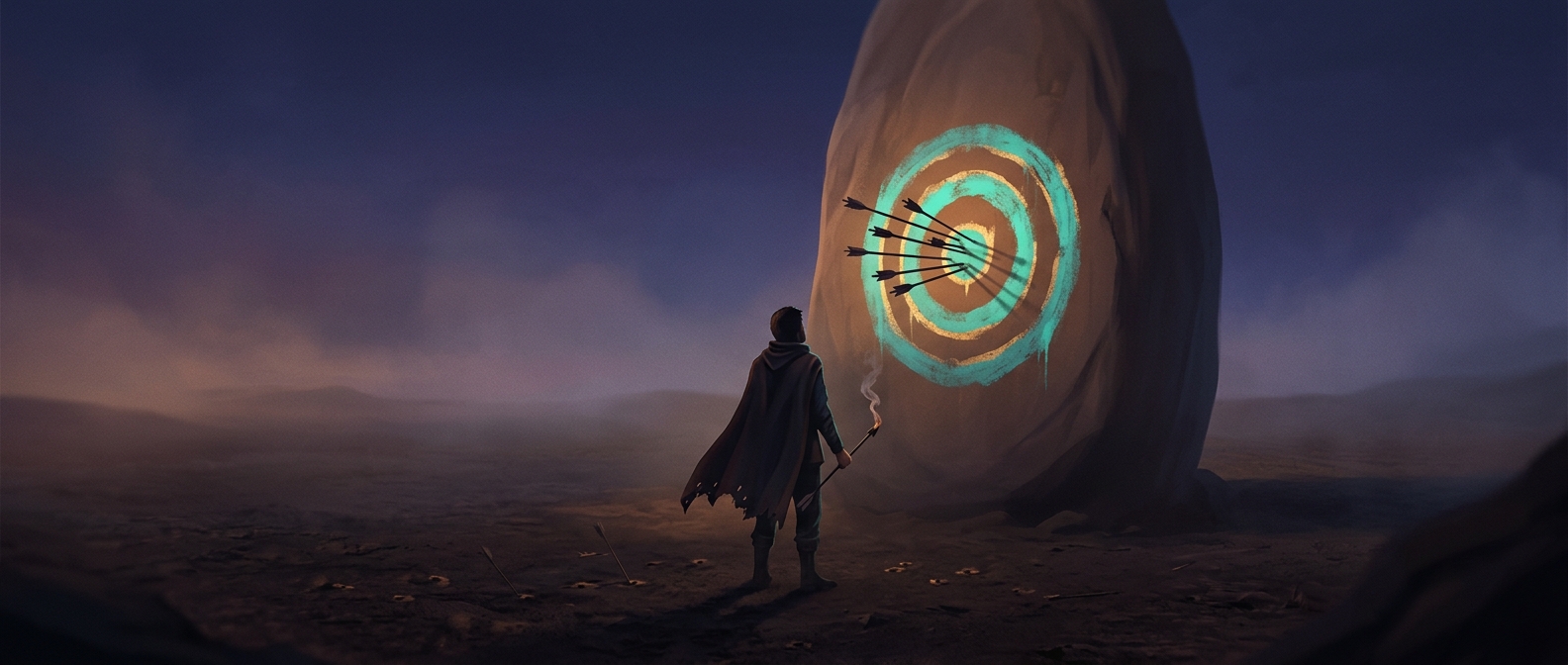
How random hits become a perfect pattern
A streak of hits looks like a signal because the mind expects chance to take turns: hit, miss, hit, miss. Real random sequences often bunch events together,…
Discover more
The fastest way to get corrected online
Post a confident mistake and someone may rush in to fix it. Correcting a clear error is an easy way to display knowledge in public: the commenter gets to look…
Discover more
Why digital folders still look like paper
Digital files don’t need paper folders, but the familiar image makes an invisible system easier to picture. A folder gives your mind a place to put things and…
Discover more
A curved beer glass sped up drinking in a study
In a 2012 experiment, participants finished beer faster from a curved glass than from a straight-sided one. They also found the halfway point harder to judge…
Discover more
Why so many real-world numbers start with one
In many datasets spanning several orders of magnitude, first digits follow Benford’s law. With proportional growth, a value must double to move from 1 to 2,…
Discover more
A tasting portion changes the job you give a drink
A small sample invites comparison: notice the aroma, take a sip, and decide what you think. A large cup may instead be something you drink while doing…
Discover more
A convincing detail can make an impossible probability feel right
A person cannot be more likely to be a bank teller who is active in a movement than simply a bank teller: the first group is contained inside the second. Yet…
Discover more