Psychology
Discover facts about psychology. Small discoveries that change the way you see familiar things.
Psychology

Why handwriting helps you learn
Writing notes by hand makes your mind coordinate an idea with a particular movement on the page. Because you can’t capture every word as quickly, you’re more…
Discover more
Two different messages can give your right ear an advantage
In dichotic listening tests, a different speech sound goes to each ear at the same time. People commonly report the right-ear sound more accurately, a pattern…
Discover more
Sarcasm asks you to understand words backward
Say “Perfect timing” when someone arrives after everything is over, and the compliment means a complaint. The listener has to combine the words with the…
Discover more
A red car can look expensive to insure without costing more
Progressive says ordinary paint color is not a factor in its insurance pricing and is not even a question it asks. The vehicle, driver, location, and use…
Discover more
Rosemary's scent was tested on remembering future errands
In a 66-person study, volunteers in a rosemary-scented room performed better on tasks such as remembering to hand over an object later. That tested…
Discover more
Nodding can strengthen your own reaction—even disagreement
In persuasion experiments, nodding boosted acceptance of strong arguments but could reduce acceptance of weak ones. Researchers proposed that the movement…
Discover more STACKY FOR IPHONE
A bigger world.
One discovery
at a time.
Keep discovering with Stacky. Interesting facts in an app that is always within reach.

An action-game study found improvement in seeing faint contrast
Researchers trained participants on action games and tested their ability to distinguish subtle differences in gray. Performance improved on that visual task,…
Discover more
Why people sniff their hands after shaking
A handshake leaves more behind than the memory of a grip: it can leave the other person’s scent on your hand. People often bring their hands toward their…
Discover more
A game can make you learn a place—or memorize a route
Navigating by landmarks builds a different kind of knowledge from repeating 'left, right, left.' Research on games distinguishes those strategies rather than…
Discover more
The family daredevil may be a role, not a lifelong trait
A large study found birth-order differences in risk taking were more apparent in children and diminished with age. That suggests behavior shaped inside a…
Discover more
The two ears can have different advantages in listening tests
When different sounds reach each ear simultaneously, language tasks often favor the right ear, while some nonverbal sounds favor the left. The pattern…
Discover more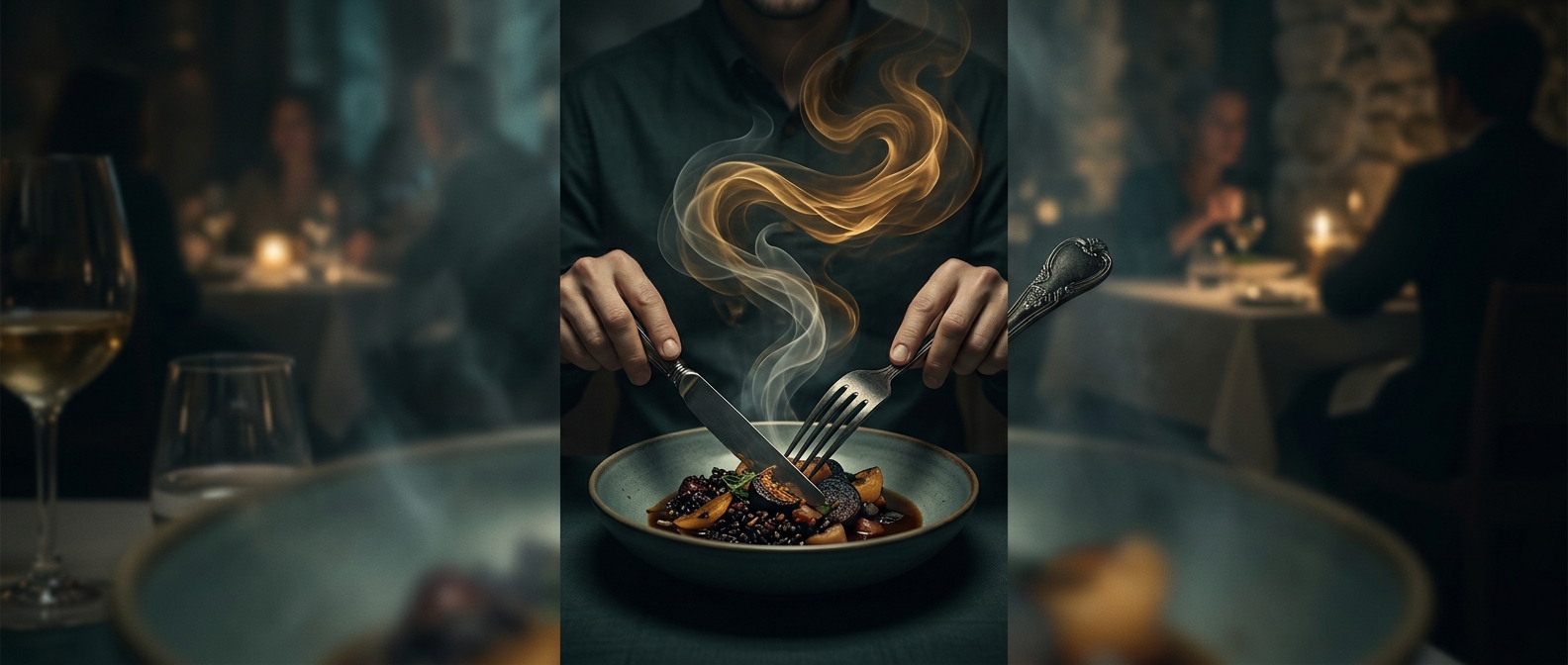
A heavier fork changed how diners rated their meal
In a restaurant experiment, diners using heavier cutlery rated the food more favorably than those given lighter utensils. The ingredients had not acquired…
Discover more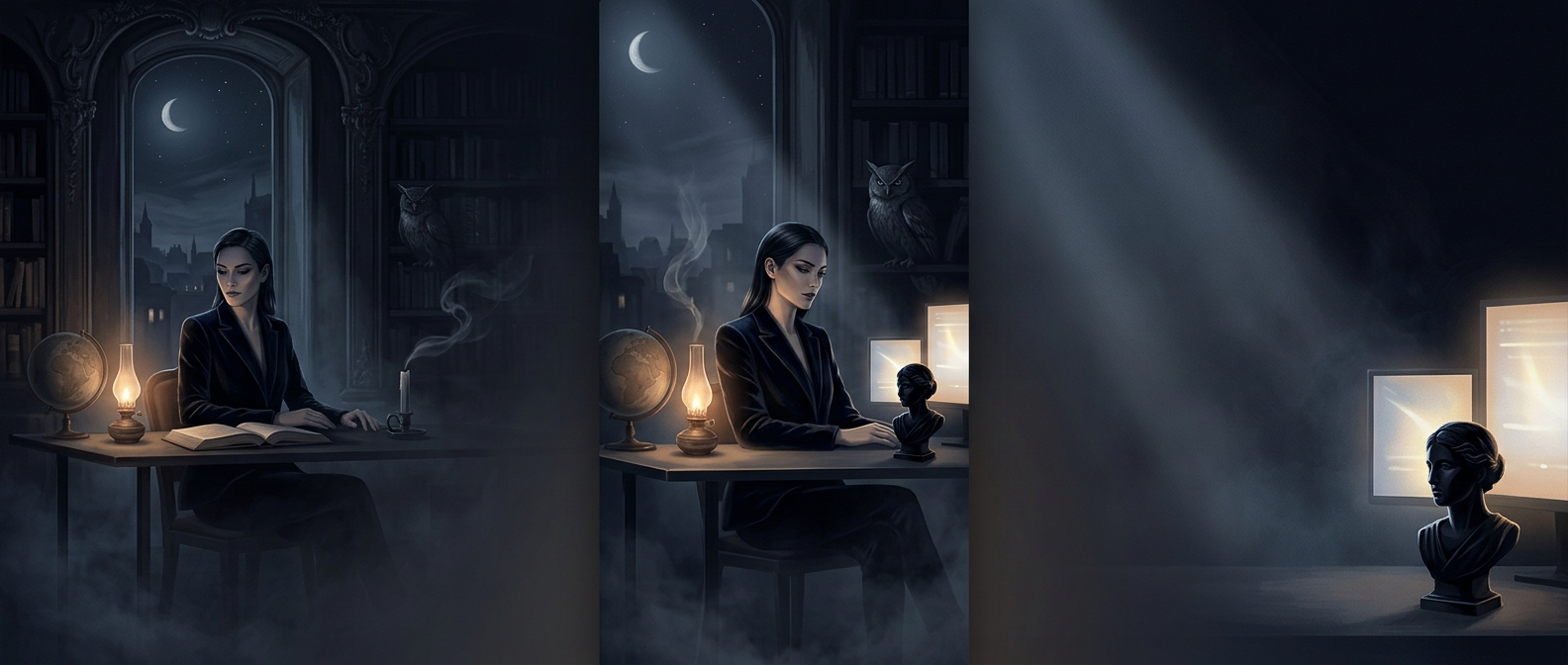
Researchers looked for a dark side to being a night owl
A 2013 questionnaire study found associations between evening preference and certain Dark Triad personality scores. It compared patterns across people; it did…
Discover more
Even choosing left or right can carry a learned bias
In a simple T-maze experiment, handedness predicted turning preference, and U.S. participants turned right more often than English participants. The…
Discover more
Why taller people tend to earn more
Taller people tend to earn more partly because height can act as a shortcut in other people’s judgments. When someone looks more commanding or leader-like,…
Discover more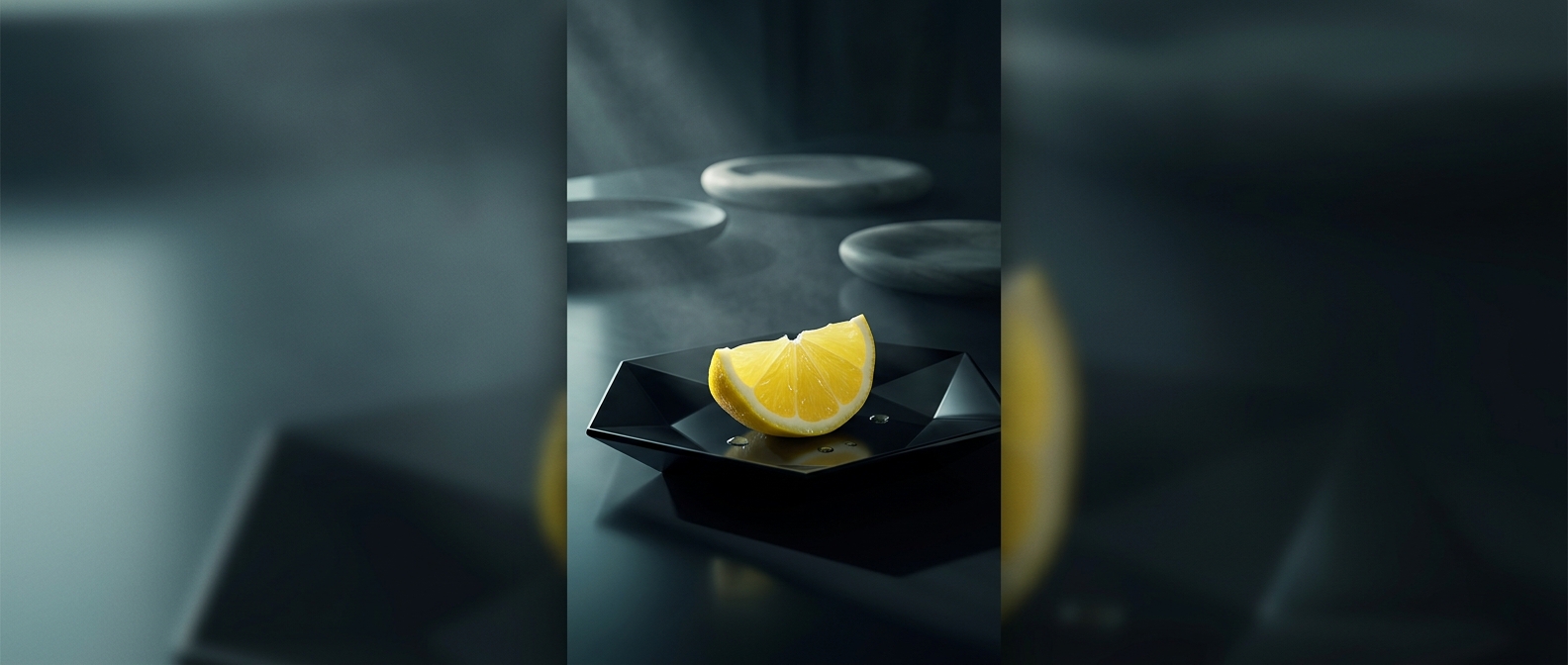
The same cheesecake tasted sweeter on a different plate
In a 2013 experiment, cheesecake served on a round white plate was rated sweeter than cheesecake on a square white one. The recipe had stayed the same; the…
Discover more
Drawing information makes it easier to recall
When you draw what you’re trying to remember, you have to retrieve it, simplify it, and turn it into shapes. Those steps create several ways back to the idea:…
Discover more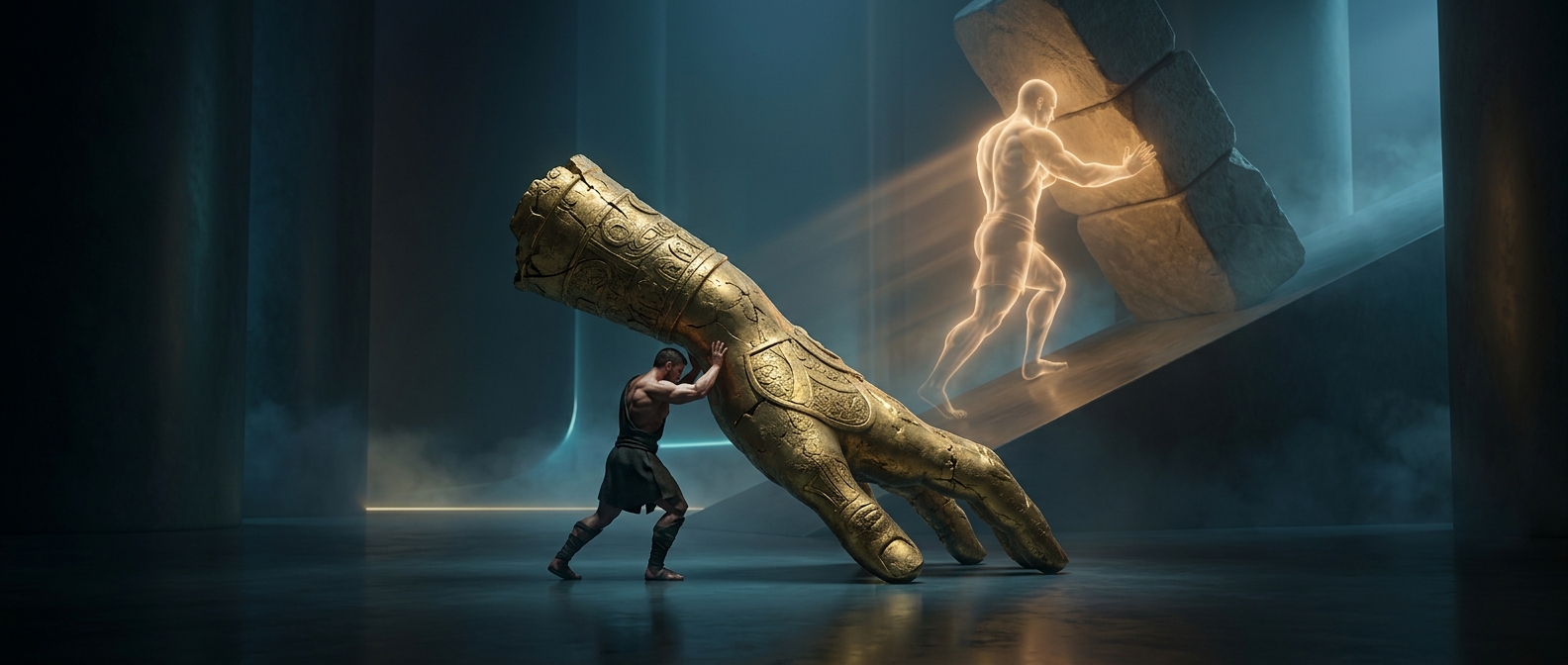
An imagined lift is easier than the real one
Before trying an unfamiliar weight, you have to estimate your ability from incomplete clues: past lifts, the object's size, and how strong you feel. The…
Discover more
Why touching a product makes it feel like yours
A product behind glass is easy to treat as somebody else’s. Once you hold it, your mind can start simulating what it would be like to use and own it. That…
Discover more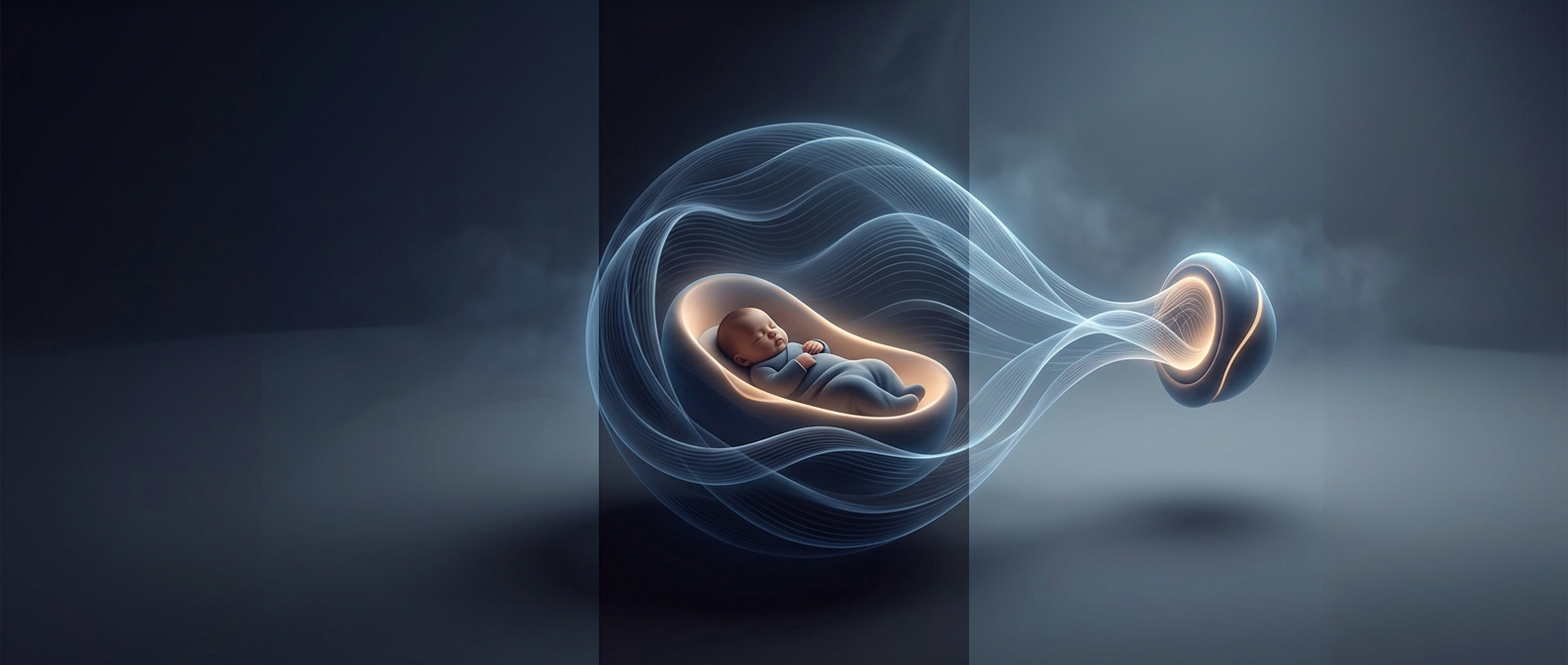
White noise helps babies sleep soundly
A steady wash of sound can make a baby's sleep less vulnerable to sudden noises—a door slam stands out less against an even background. White noise works like…
Discover more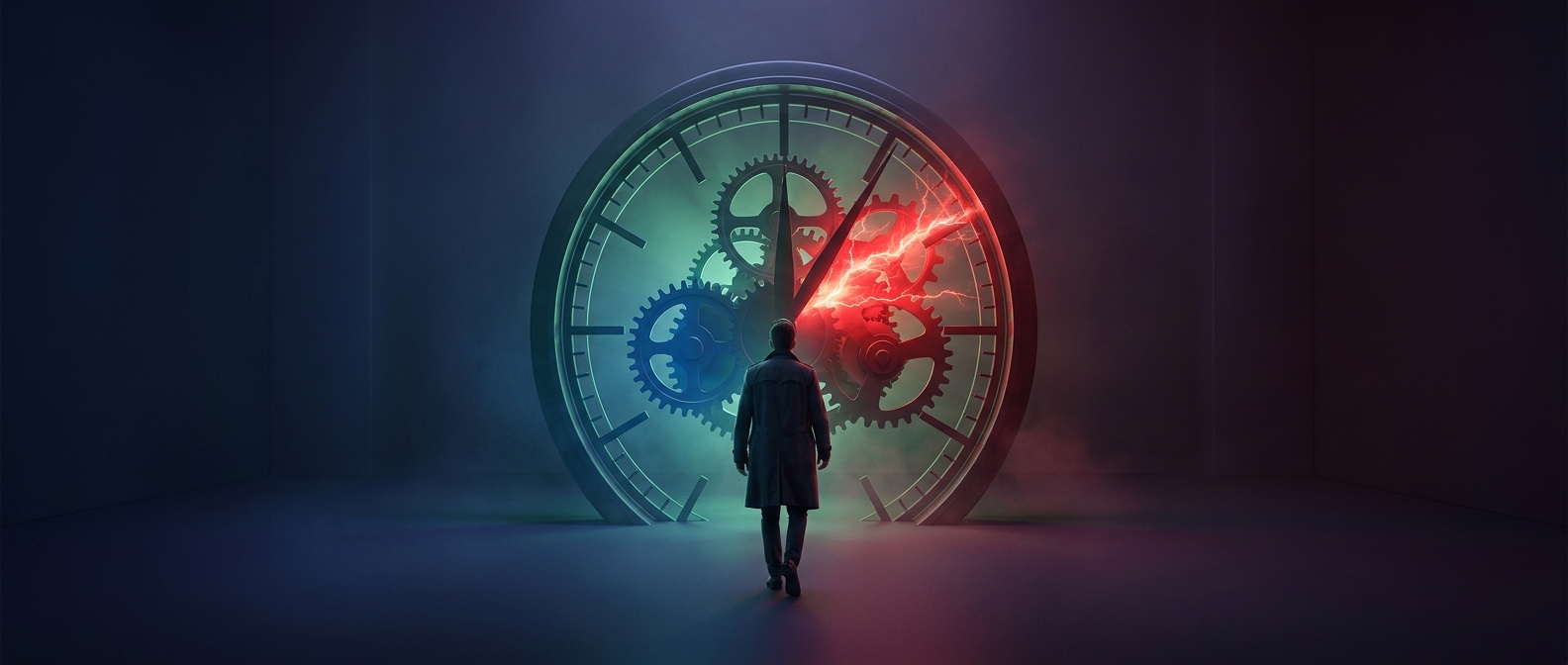
Why daylight saving time can raise heart attack risk
When daylight saving time begins, the alarm rings according to the new clock while your internal timing is still catching up. Lost sleep and a shifted daily…
Discover more
Why coffee can taste bitter in a white mug
A white mug throws the coffee’s dark color into sharp contrast. That contrast can set an expectation of a stronger, more bitter drink, and expectation helps…
Discover more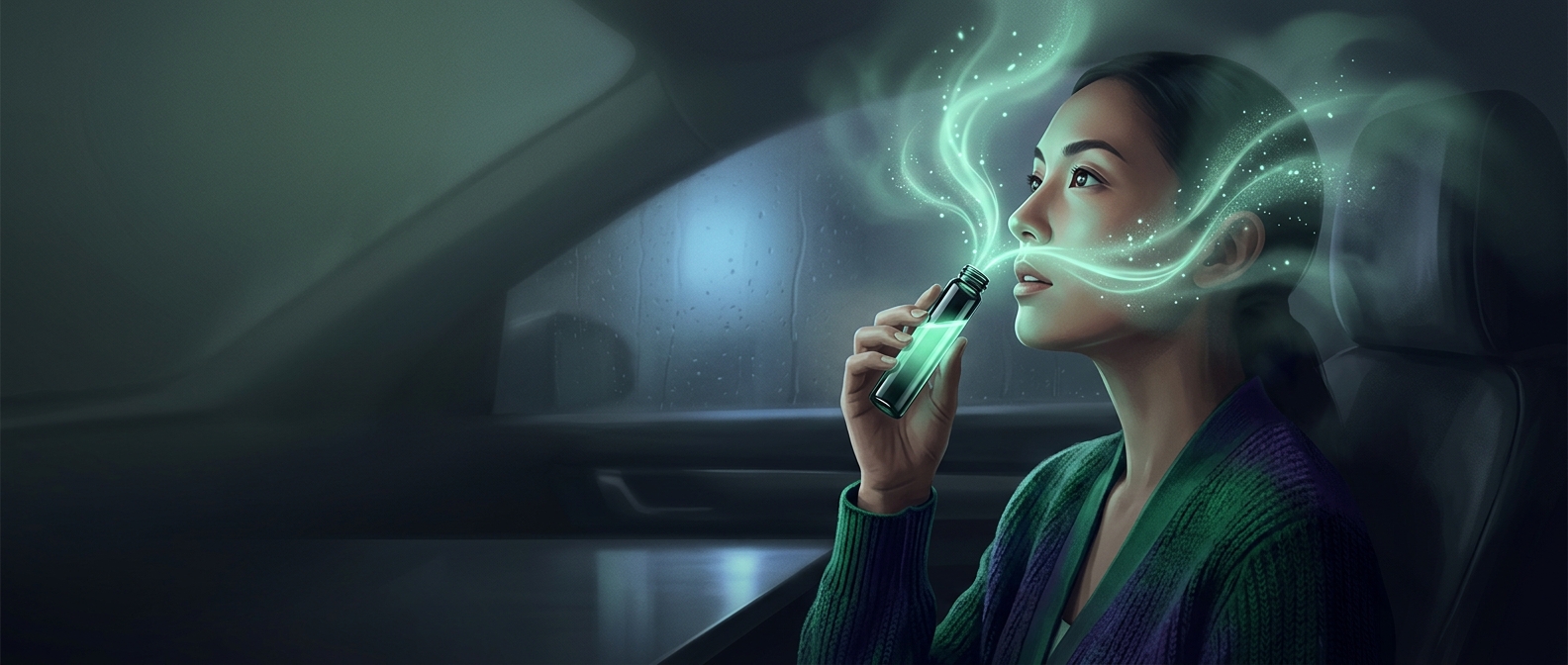
Peppermint changed how alert volunteers felt
In a study of 144 people, volunteers worked in peppermint-scented, ylang-ylang-scented, or unscented rooms. The peppermint group reported greater alertness. A…
Discover more
Birth-order stereotypes are much bigger than the measured differences
A study using three large national datasets found a small average intelligence advantage for earlier-born siblings, but no consistent effects on broad traits…
Discover more