Psychology
Discover facts about psychology. Small discoveries that change the way you see familiar things.
Psychology

Why running water can make it easier to sleep
The gentle sound of a bubbling brook tells your primitive vigilance system that there are no predators stomping through the woods. It is an acoustic green…
Discover more
Why cash feels harder to spend than cards
Handing over physical paper money activates areas of the brain associated with acute loss. Swiping a plastic card feels like a fun arcade game, heavily…
Discover more
Your brain has a region devoted to faces
The fusiform face area exists solely to parse facial features, which explains why we instantly recognize a friend but spend ten minutes looking for our car…
Discover more
Fiction can teach your brain to see another viewpoint
Forcing your brain to simulate the experiences of a made-up wizard or space marine physically rewires your neural pathways. You essentially pirate the…
Discover more
Why low ceilings can sharpen your focus
When the roof feels like it is closing in on you, your brain narrows its processing scope. It is the perfect setting for doing taxes or assembling tiny…
Discover more
Brains decode images drastically faster than text
Reading is a remarkably clunky and modern invention for the human mind. Because we spent millions of years surviving by looking at things, our visual cortex…
Discover more STACKY FOR IPHONE
A bigger world.
One discovery
at a time.
Keep discovering with Stacky. Interesting facts in an app that is always within reach.

Left-handed people may recover speech faster after strokes
Being left-handed is usually an inconvenience, until a major brain injury occurs. Because left-handed people often distribute their language processing…
Discover more
Magenta has no wavelength of its own
Magenta is an absolute lie fabricated by your visual cortex. Because red and violet are on opposite ends of the light spectrum, there is no physical…
Discover more
Why ambidextrous brains may be built differently
If you can write perfectly with both hands, your brain is a rare architectural anomaly. Most human brains are completely lopsided, favoring one hemisphere…
Discover more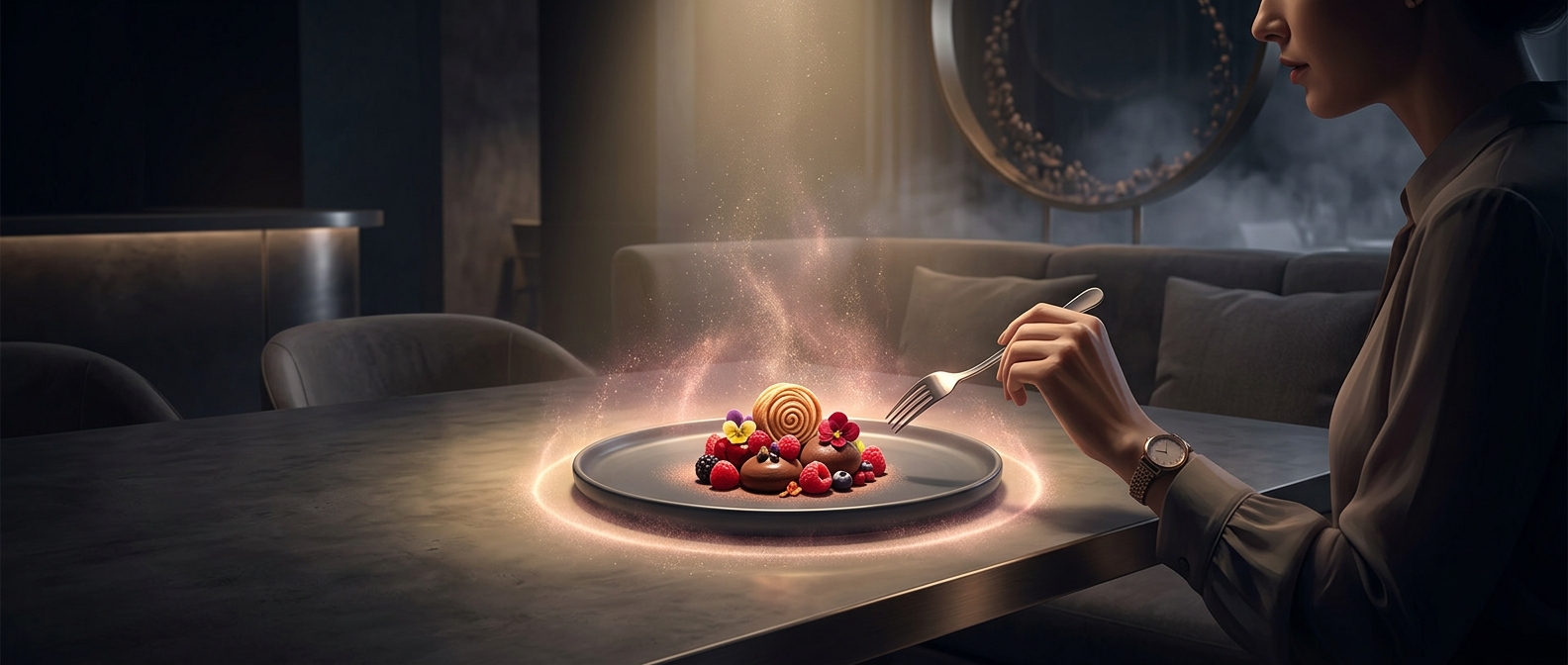
Why dessert may taste sweeter on a round plate
Square plates are a culinary disaster for desserts. Because the human brain bizarrely associates round, curved shapes with sweetness and sharp angles with…
Discover more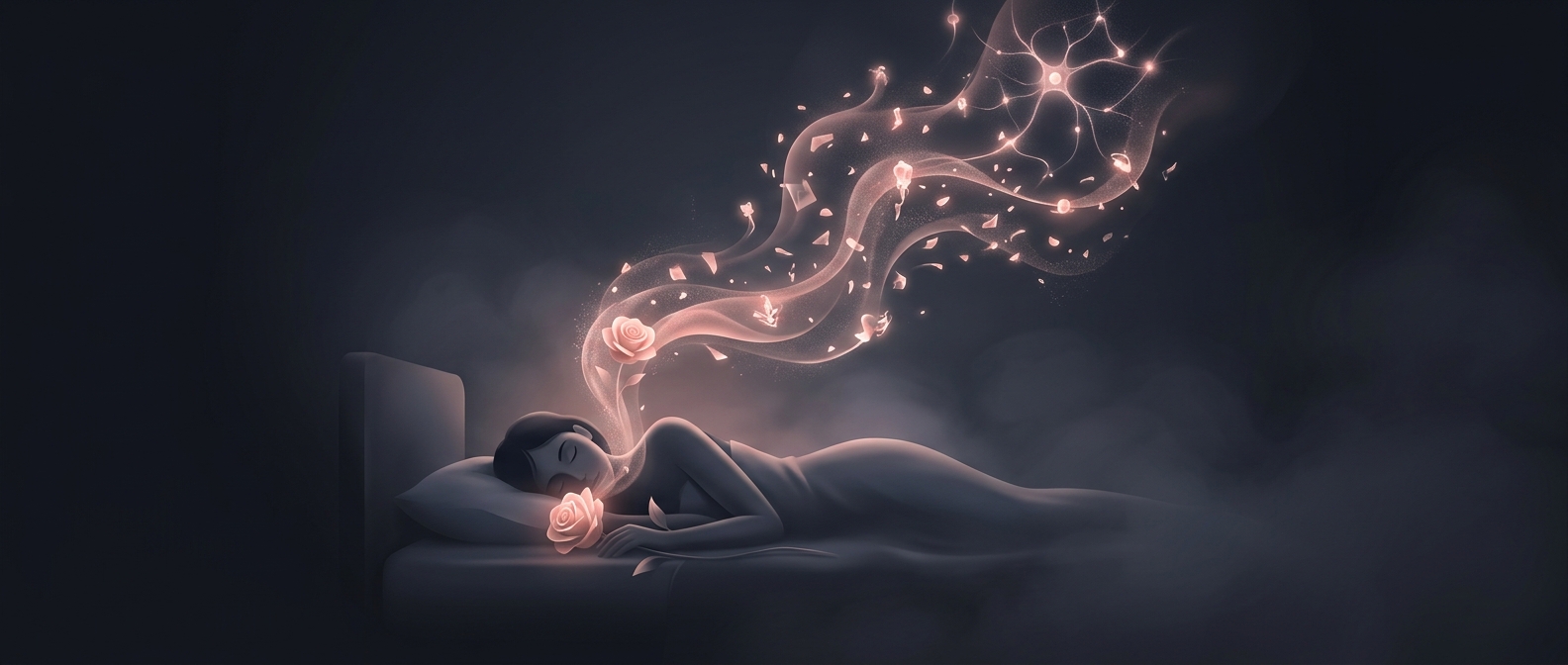
Why smelling roses may help lock in memories
If you want to ace a test, study next to a bouquet. Introducing the scent of roses while learning a task, and then pumping that exact same scent into the room…
Discover more
Why some people can sing without stuttering
Stuttering strictly affects the speech centers of the brain, but singing is essentially a neurological cheat code. Because vocal melodies are processed…
Discover more
Jasmine can change your brain waves
Jasmine is essentially botanical valium. Inhaling the molecular compounds of jasmine flowers binds directly to the GABA receptors in the brain—the exact same…
Discover more
Why lemon scents make rooms seem cleaner
Lemon-scented floor cleaners don't actually clean better; they just chemically brainwash you. Due to deeply ingrained associative memory, human brains…
Discover more
Can peppermint scent make you run faster
Forget expensive running shoes; you just need to smell a candy cane. Studies reveal that athletes who inhale strong peppermint aromas right before a sprint…
Discover more
Why upside-down faces hide shocking distortions
The Thatcher effect is a glitch where your brain completely fails to notice grotesque changes to a face if the image is upside down. Because our facial…
Discover more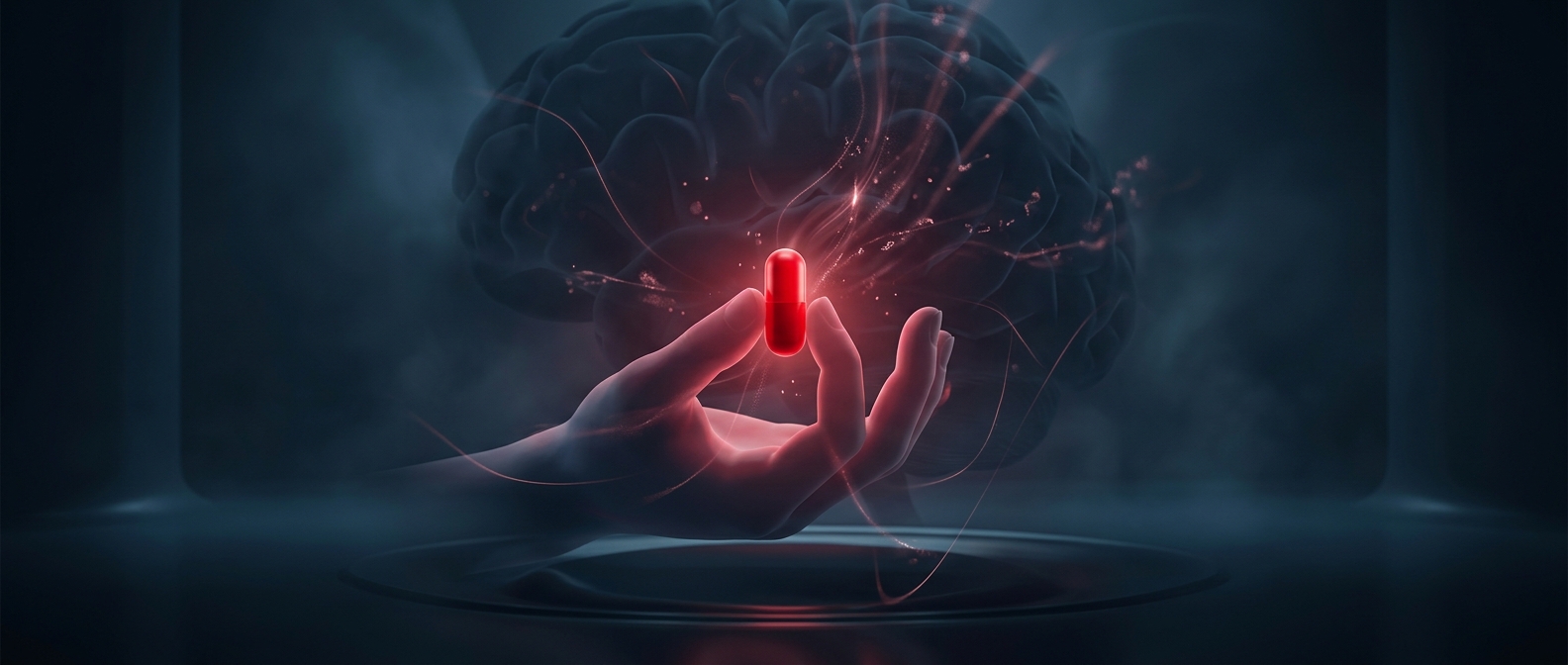
Red placebos can act like stimulants
The color of fake medicine dramatically dictates how your brain reacts to it. Due to deep-seated psychological associations, swallowing a red sugar pill will…
Discover more
Why cold drinks can hide bad flavors
Serving bad beer ice cold is a brilliant act of biological sabotage. As temperatures drop, the microscopic ion channels in your taste buds physically…
Discover more
Why tonal languages may help develop perfect pitch
Perfect pitch isn't just a genetic lottery win; it heavily depends on the language you babble as a toddler. People who speak tonal languages like Mandarin,…
Discover more
Can your eyes reveal which memory you’re accessing
Neurolinguistic programming theories suggest your eye movements betray the exact type of data you are fetching. Looking up and to the left often signals…
Discover more
Why arguing can make political opinions stronger
If your goal at Thanksgiving is to logically debate your uncle out of his terrible political opinions, you are actually making him worse. The Boomerang Effect…
Discover more
Why venting your anger can make it worse
Punching a pillow might feel fantastic in the moment, but it is psychological sabotage. Contrary to the pop-psychology myth of 'letting it out,' studies show…
Discover more
Why old passwords get in the way of new ones
Proactive interference is the opposite nightmare, where archaic data completely blocks your ability to learn new things. Your hands possess such aggressive…
Discover more
Skimming a textbook guarantees zero long-term fact retention
Levels of processing theory proves that lightly running your eyeballs over words is biologically useless. If you only look at the structural shapes of letters…
Discover more