Psychology
Discover facts about psychology. Small discoveries that change the way you see familiar things.
Psychology
Why last month can feel like years ago
Memory measures the past partly by how much it has to sort through. A month full of distinct events gets divided into many mental chapters, creating a sense…
Discover more
Canceled plans return the evening without the obligation
When plans get canceled, the obligation disappears before the evening does. You can stop preparing, traveling, or keeping up the energy the event would have…
Discover more
Low expectations guarantee terrible results
If you expect little, there’s less reason to spend effort reaching for more. You might skip the extra practice or pass up a chance to be noticed; the smaller…
Discover more
Hidden conditions are revealed after you commit
A small promise can open the door to a much bigger ask. After you’ve committed, changing course can feel inconsistent or embarrassing, so you’re more likely…
Discover more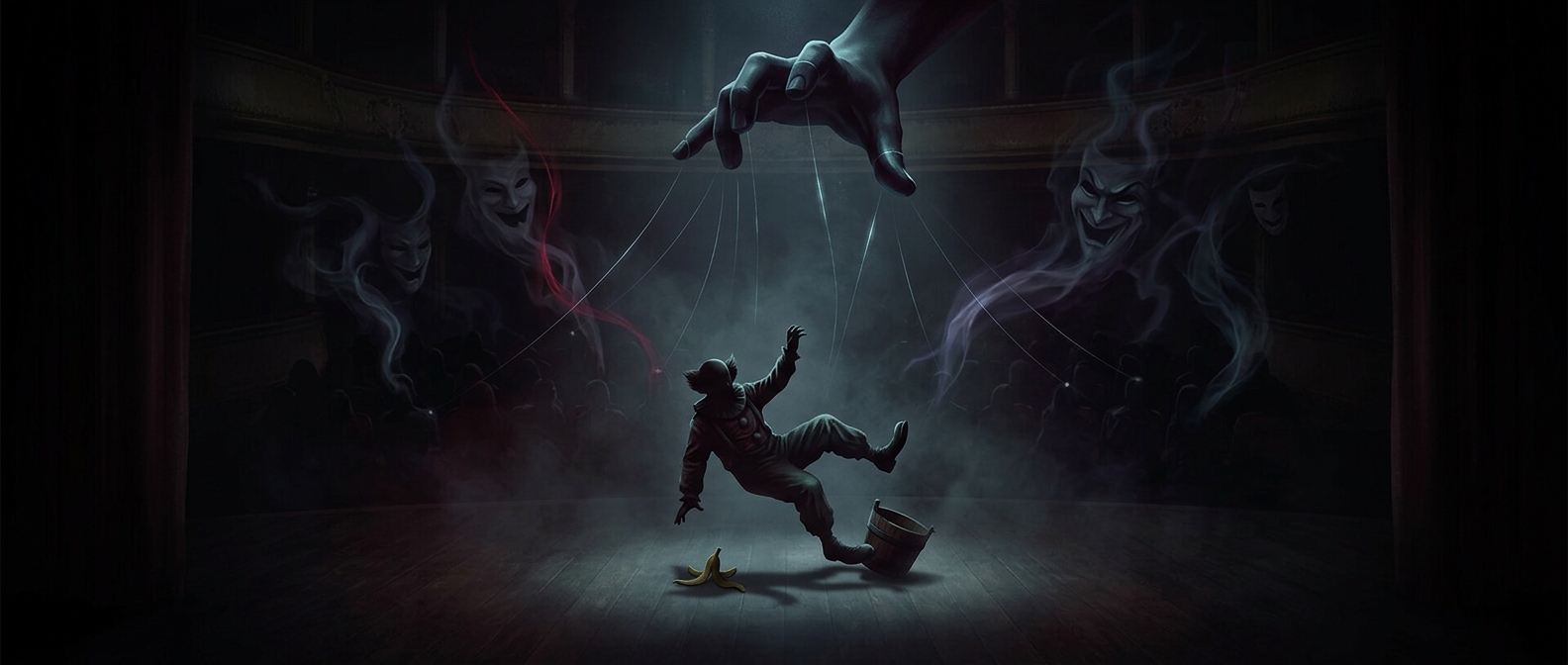
A harmless pratfall can turn alarm into laughter
A fall is alarming when it happens to you, but watching one from a safe distance can turn it into a harmless violation of expectations: someone tumbles, then…
Discover more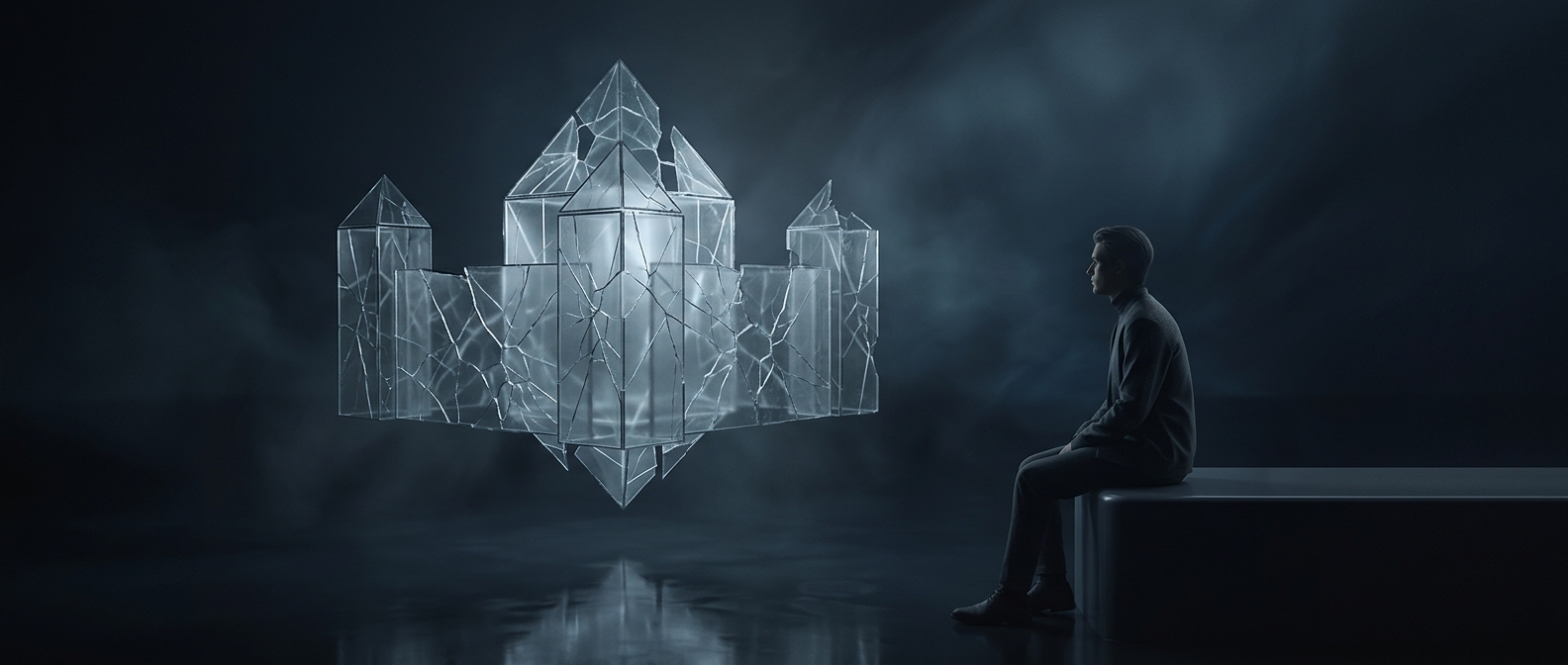
Cynicism may be idealism in armor
The person who says “people are terrible” may be protecting a belief that people should be better. Cynicism turns disappointment into a shield: expect…
Discover more STACKY FOR IPHONE
A bigger world.
One discovery
at a time.
Keep discovering with Stacky. Interesting facts in an app that is always within reach.
Why toddlers take everything literally
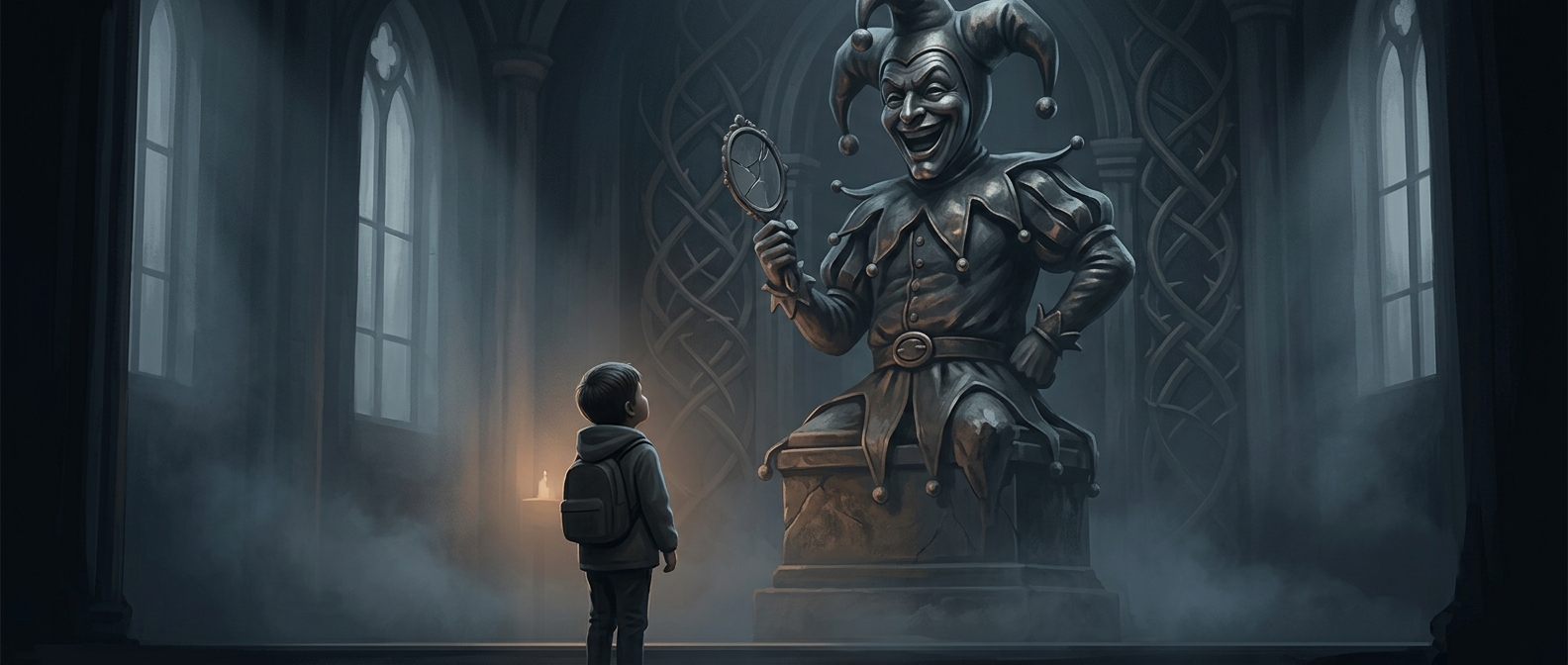
A toddler hears the words you said before they can reliably infer the extra meaning you intended. Sarcasm, hints, and playful exaggeration depend on reading…
Discover more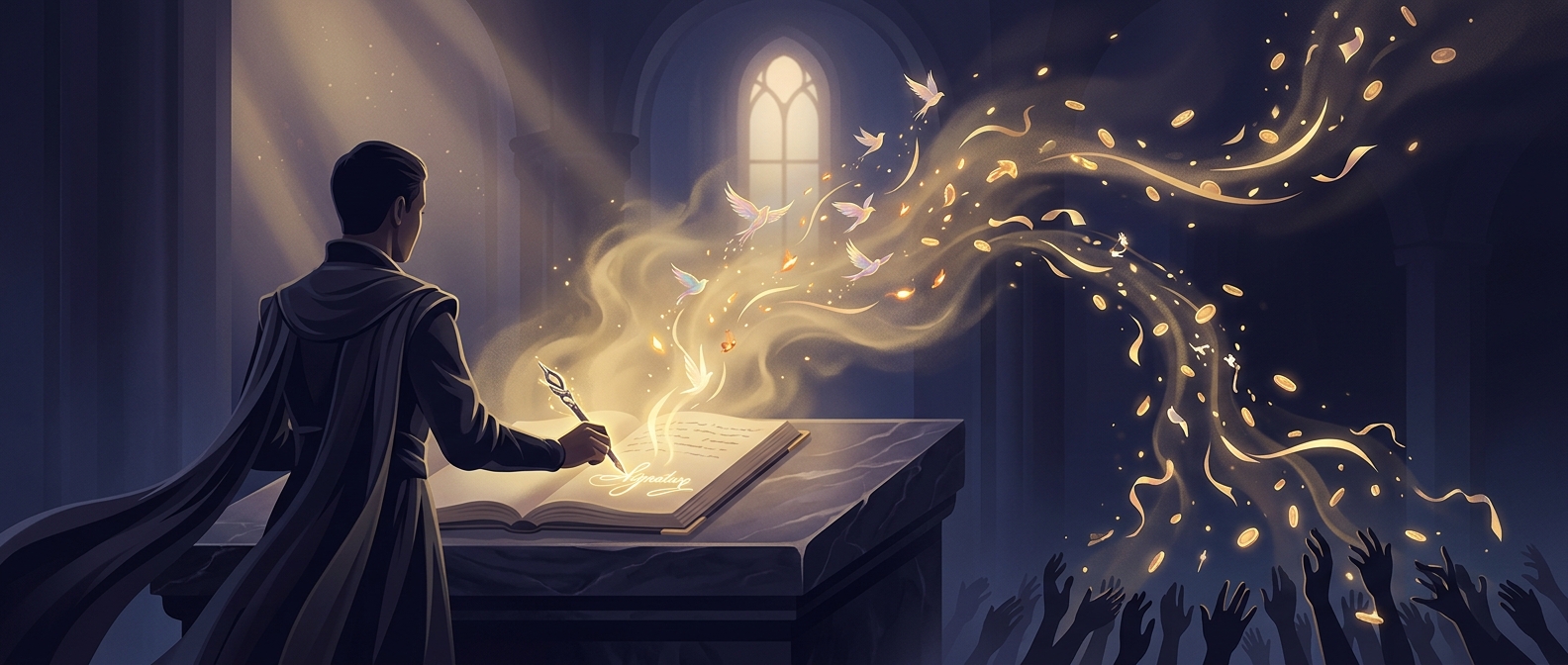
A larger signature brought in more donations in one experiment
Researchers changed the size of the sender's signature on an otherwise identical fundraising letter. In a hospital-foundation field experiment, the larger…
Discover more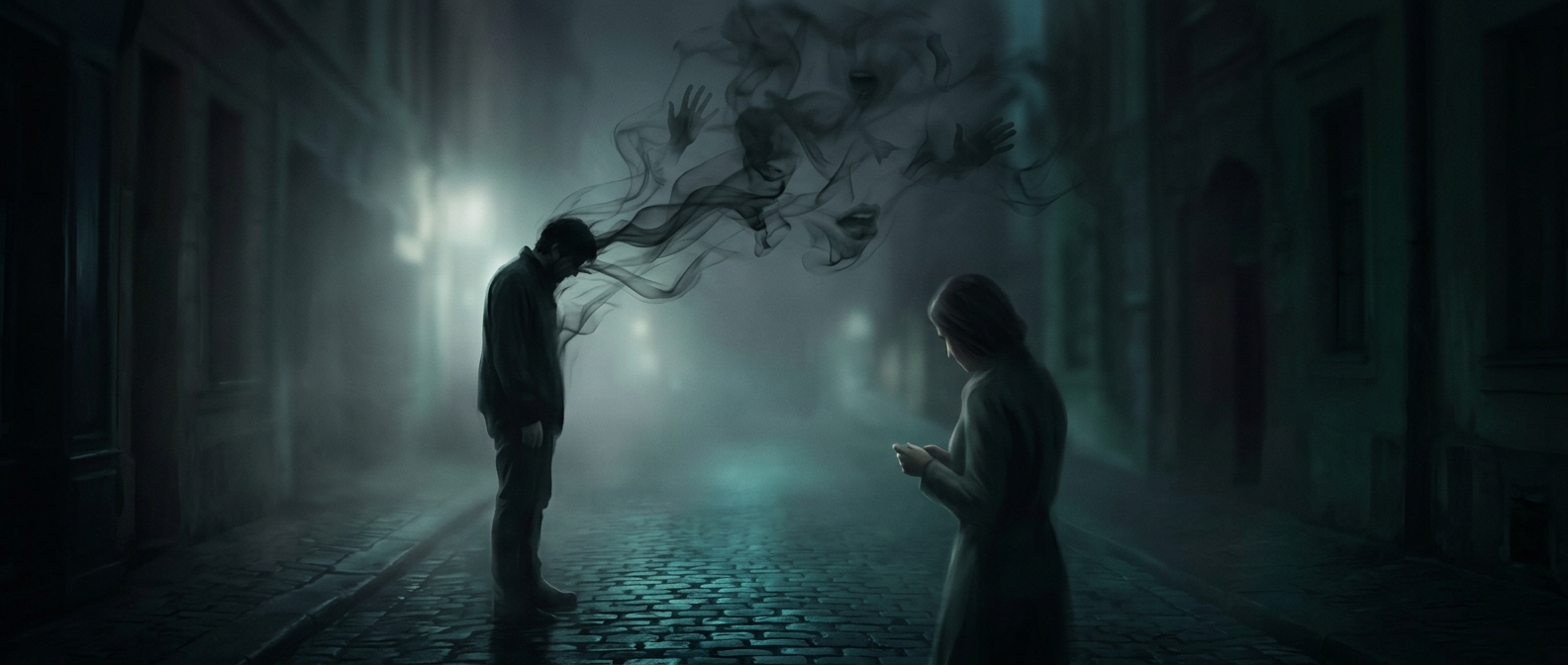
How 'mistakes were made' hides responsibility
“Mistakes were made” puts the mistake in the spotlight and the person who made it offstage. Passive voice lets someone acknowledge damage without saying “I…
Discover more
Luxury made generosity depend on who was watching
In experiments with luxury products, researchers found more self-interested behavior—including greater giving when generosity could enhance a public…
Discover more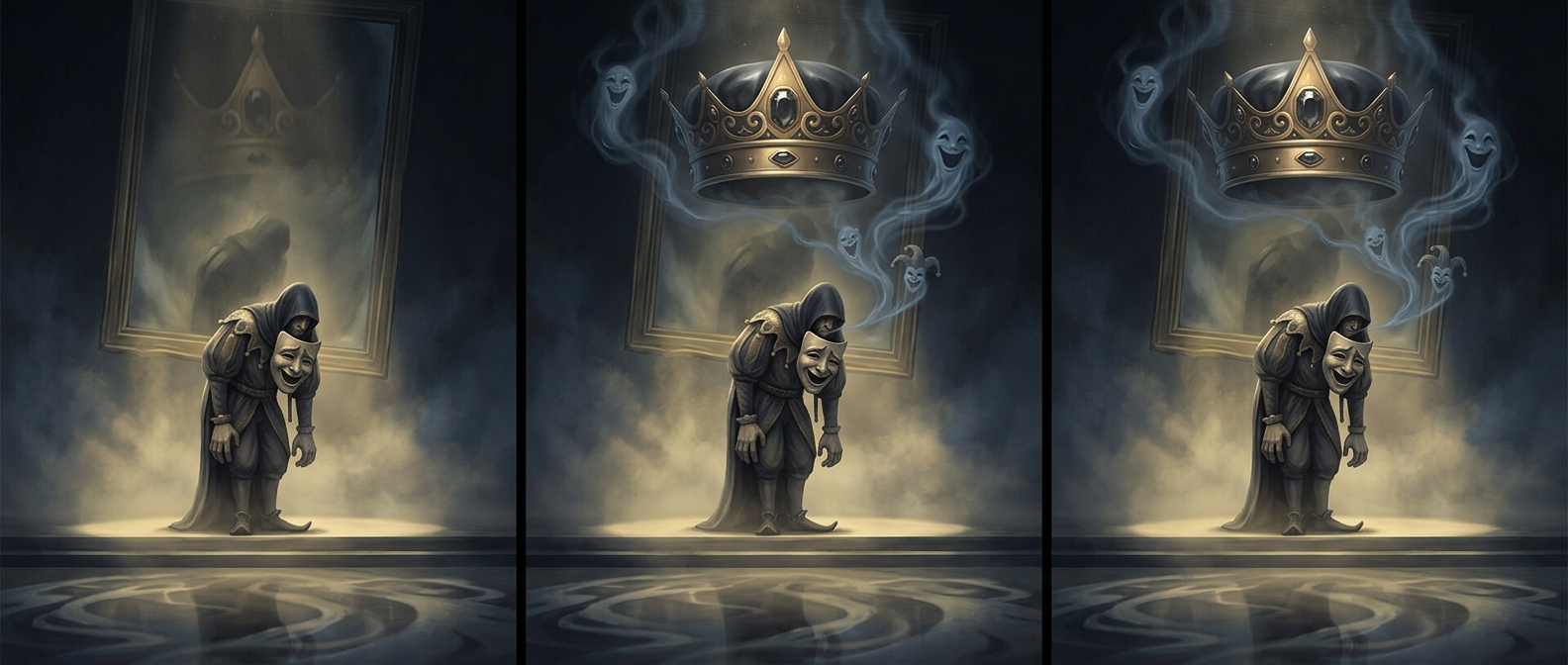
Why putting yourself down can make you seem humble
Calling yourself a disaster before anyone else can make you seem disarmingly humble. The small confession lowers the social risk of talking about yourself:…
Discover more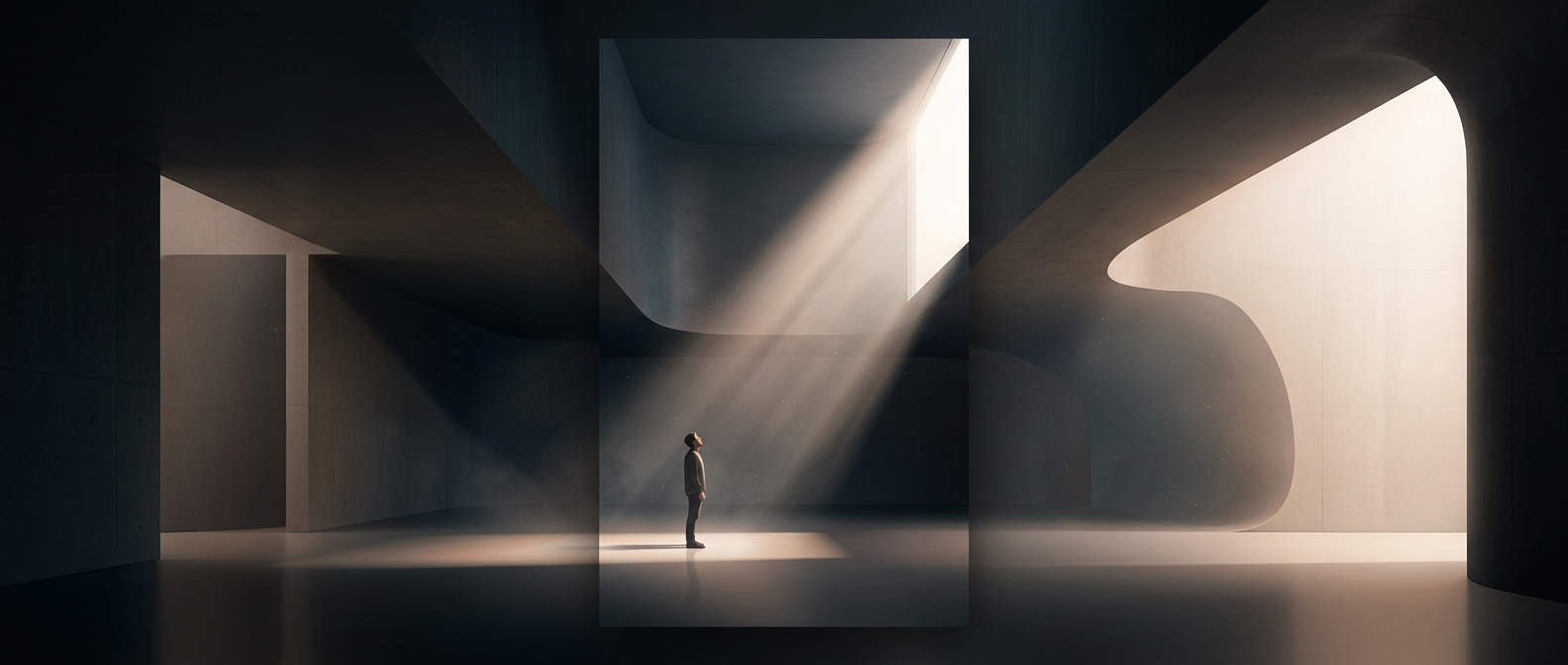
Why sunlight can make a room look bigger
A room in strong daylight can seem to stretch beyond its actual walls. Light brightens surfaces and softens the dark patches that make corners feel heavy or…
Discover more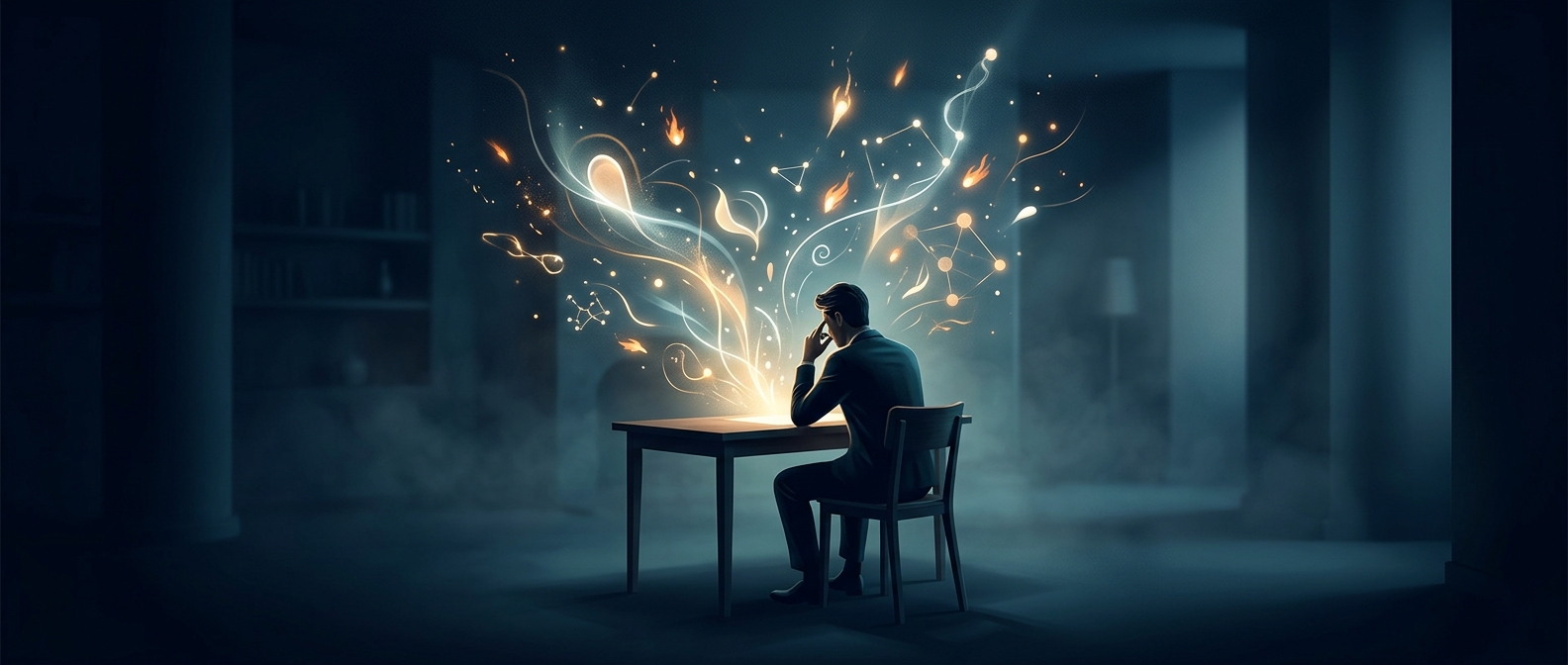
Dim light improved creative-task scores in one research program
Experiments published in 2013 linked dimmer lighting with a greater sense of freedom and improved performance on some creative tasks. That does not mean…
Discover more
A red pen made graders more critical in a study
In a 2010 experiment, people using red pens marked more errors and gave lower grades than those using another color. The researchers linked red to learned…
Discover more
An off-peak brain can have an unexpected advantage
In a 2011 study, people solved more insight problems at their less alert time of day, while analytical problems showed no such benefit. One explanation is…
Discover more
An oddly precise price can look more carefully justified
A price like $18.47 can feel fairer than $20 because it looks like someone calculated it rather than plucked it from the air. That precision suggests a…
Discover more
A rounded corner can win a snap judgment
In a 2006 experiment, people preferred curved versions of everyday objects to versions with sharp angles. The researchers proposed that pointed contours could…
Discover more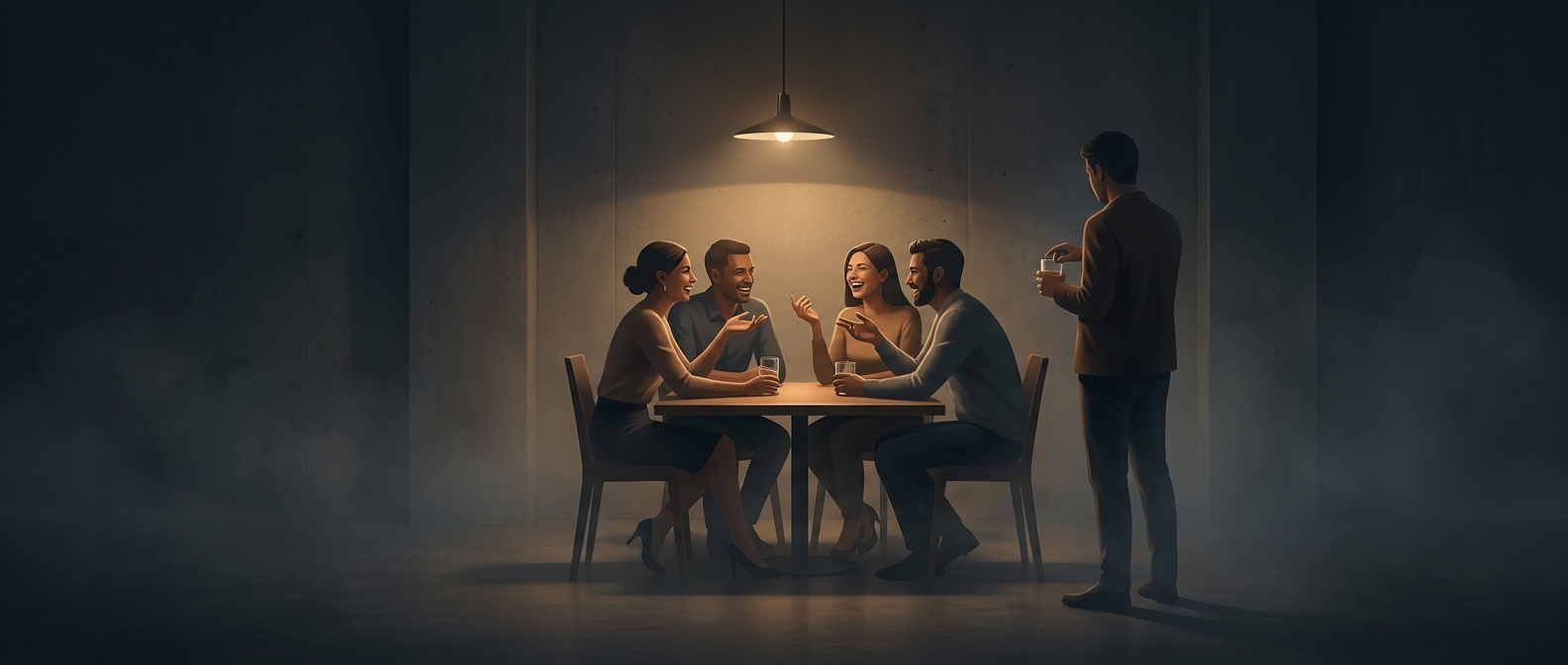
Cryptic inside jokes effortlessly isolate innocent outsiders
An inside joke is a membership signal disguised as a laugh. The people who know the backstory share a quick burst of closeness; everyone else hears the…
Discover more
A 'lucky' golf ball became a test of psychology's repeatability
A 2010 experiment reported better putting after participants were told a ball was lucky. Later, more powerful replication attempts did not reproduce that…
Discover more
Researchers tested whether dressing up changes how you think
A 2015 series of experiments linked formal clothing with more abstract, big-picture processing. Some participants changed clothes before completing the tasks,…
Discover more
A blue background changed creativity scores in one set of experiments
A 2009 study compared red and blue settings on different tasks: red favored attention to detail, while blue favored creative performance. The researchers…
Discover more
The biggest donation isn't always the biggest sacrifice
Giving $50 from a $500 monthly budget takes the same share as giving $500 from $5,000. Dollar totals and percentages therefore tell different stories about…
Discover more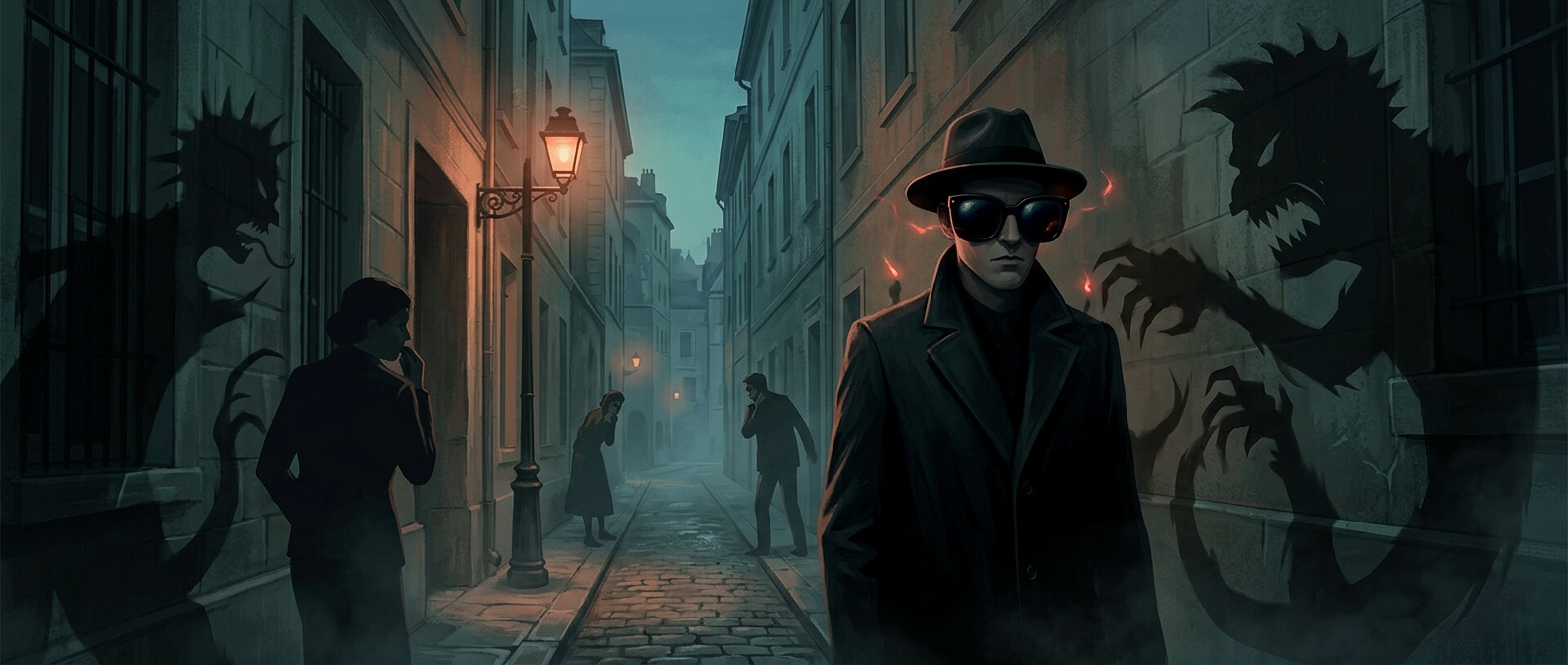
Sunglasses made people feel hidden in a psychology experiment
In a 2010 study, participants wearing dark glasses behaved more selfishly in a sharing task than those wearing clear ones. The authors linked this to a…
Discover more
Why karma can become an excuse to do nothing
Karma can become a reason to leave a wrong alone: if consequences are guaranteed to arrive on their own, intervention can seem unnecessary. The belief shifts…
Discover more