Psychology
Discover facts about psychology. Small discoveries that change the way you see familiar things.
Psychology

Why an A-name can get you noticed first
When names are listed alphabetically, someone whose name starts with A may appear near the top and get considered earlier. First items tend to receive an…
Discover more
Why knocking on wood can ease bad-luck fears
Knocking on wood gives a vague worry a physical answer: tap the table, and you’ve done something. The ritual creates a small feeling of control around an…
Discover more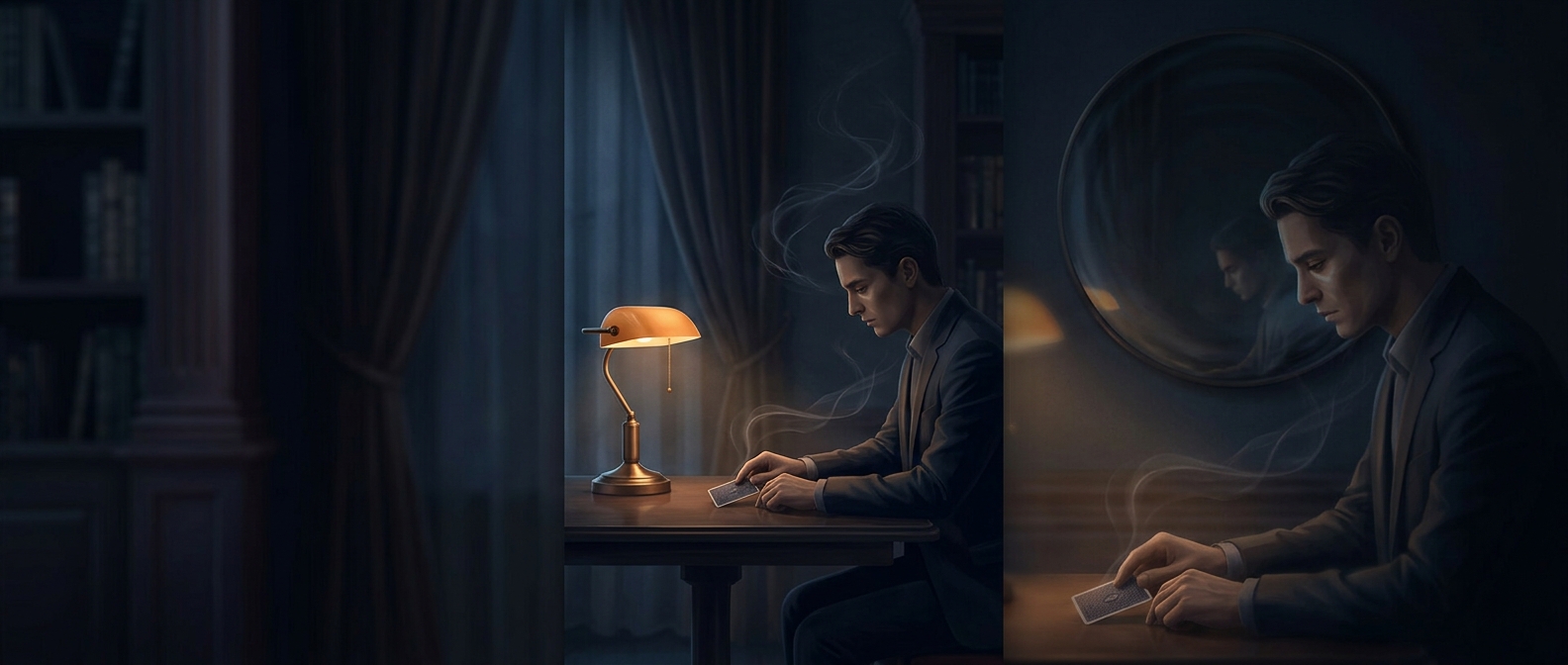
A dim room was tested as a disguise for the conscience
In a 2010 laboratory study, participants working in dimmer light overstated their performance more than those in a brighter room. The researchers proposed…
Discover more
An unlucky date produced a surprisingly good insurance tally
In 2008, a Dutch insurance-statistics group reported fewer traffic-accident claims on Friday the 13th than on other Fridays in its data. Caution or staying…
Discover more
Money reminders became a disputed psychology finding
Some experiments reported that handling money or seeing money-related cues made people behave more self-reliantly or less helpfully. A large meta-analysis…
Discover more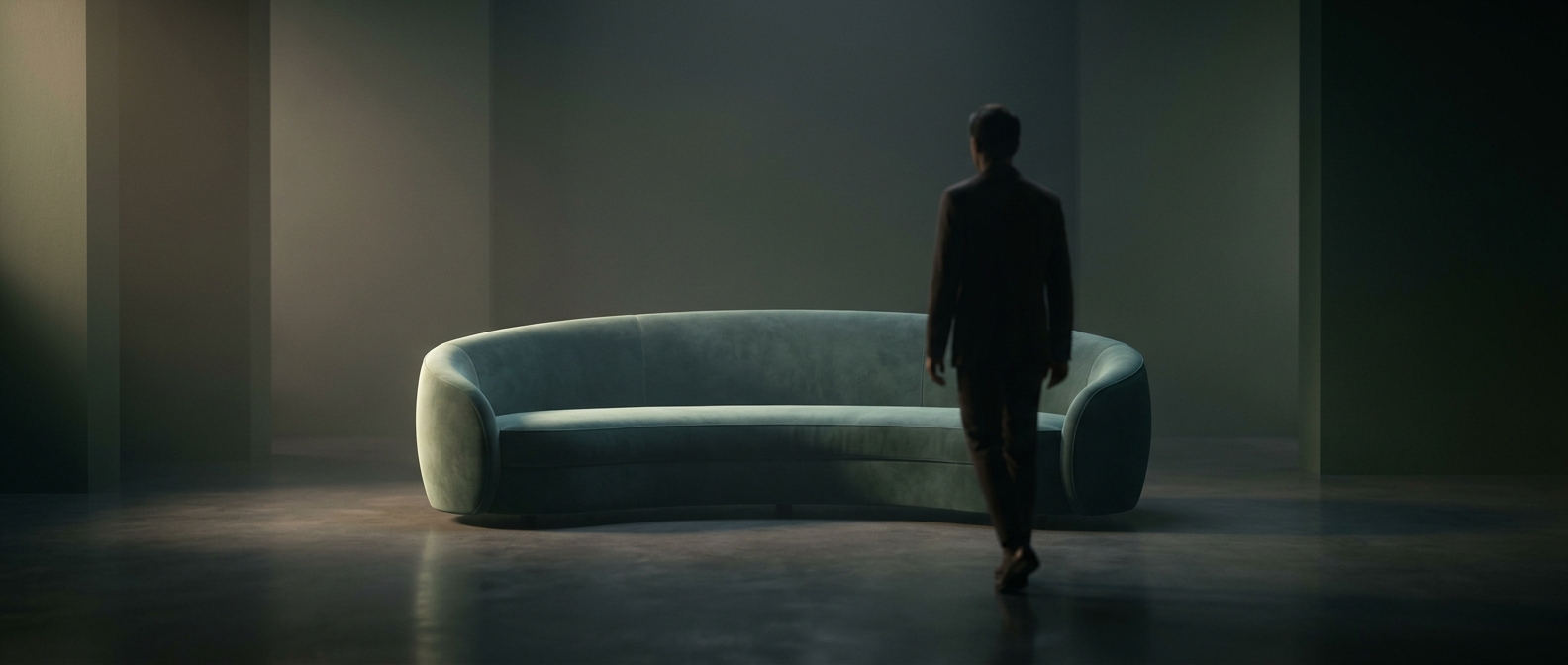
Why rounded furniture feels safer
Your mind quickly scans a room for things that could hurt you. Angular furniture has corners that look like hazards, while rounded shapes seem less likely to…
Discover more STACKY FOR IPHONE
A bigger world.
One discovery
at a time.
Keep discovering with Stacky. Interesting facts in an app that is always within reach.
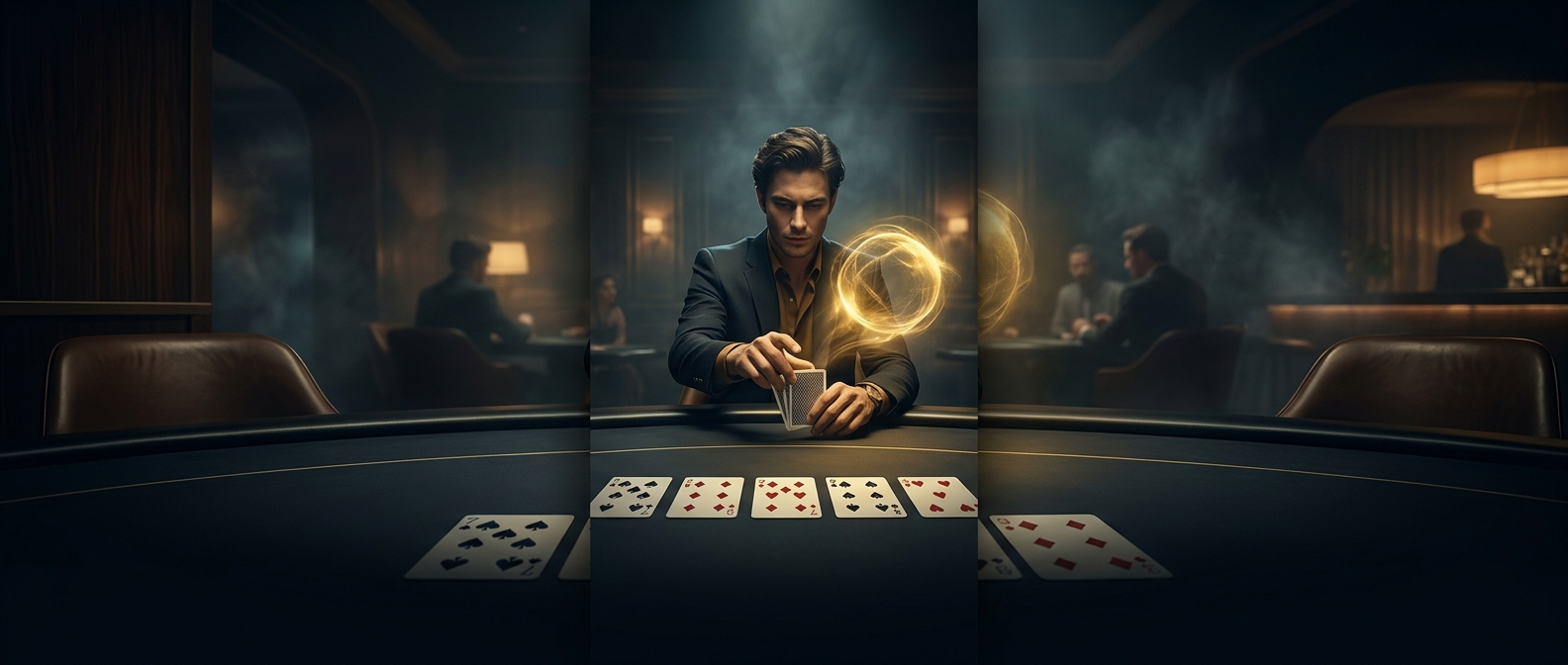
Why a losing streak makes a win feel inevitable
A losing streak makes the next win feel like a debt the world has to repay. Our minds expect random outcomes to even out in the short term, so each loss can…
Discover more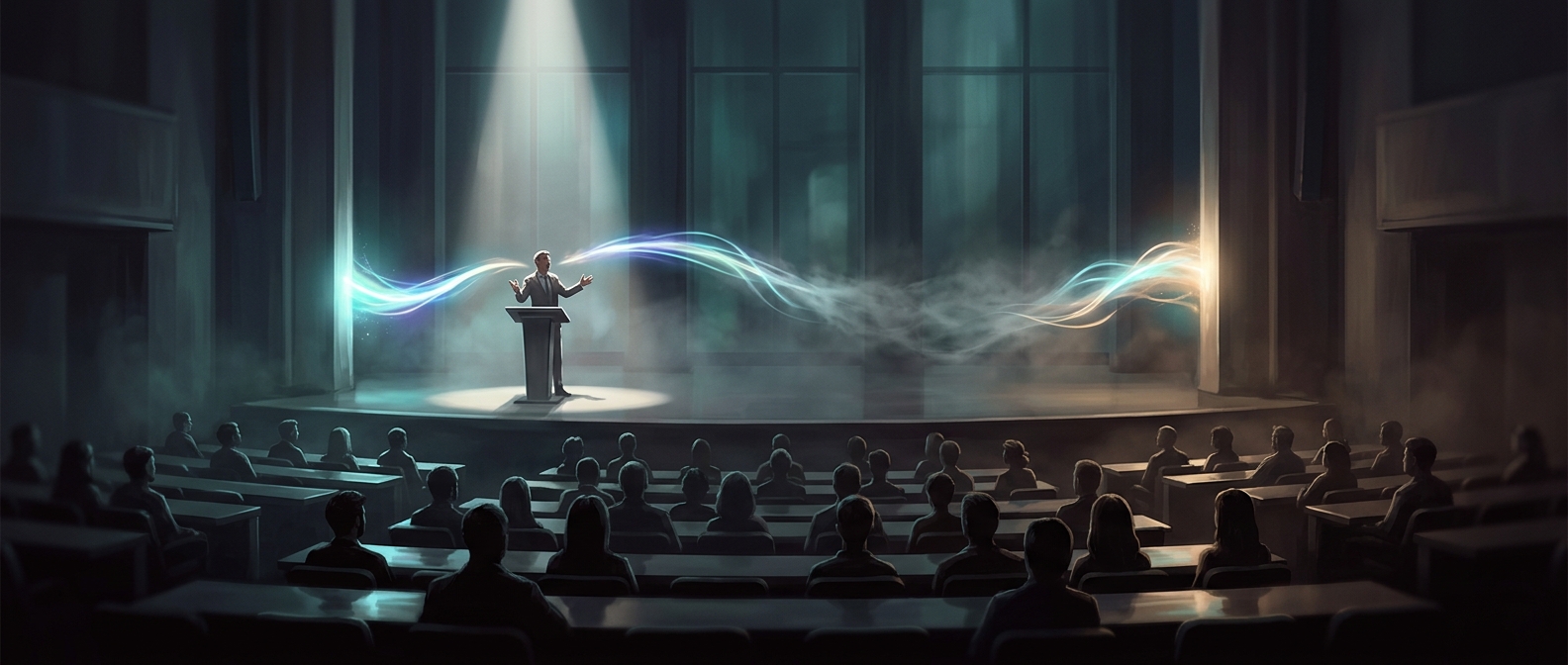
The middle of a list has a memory disadvantage
At the start of a list, you have room to focus and quietly repeat what you hear; at the end, the most recent items are still easy to hold in mind. The middle…
Discover more
A hill's steepness can feel different when you are exhausted
Experiments by Dennis Proffitt and colleagues linked reported slope estimates with fatigue and physical condition. The interpretation has been debated,…
Discover more
Why we prefer numbers ending in 0 or 5
Numbers ending in 0 or 5 are easy to recognize and compare: they feel like clean stopping points. When you have to estimate or choose quickly, a round number…
Discover more
A mirror changed how children behaved around Halloween candy
In a 1979 field study, children told to take one sweet were less likely to take extra when a mirror made them more self-aware under the study's conditions.…
Discover more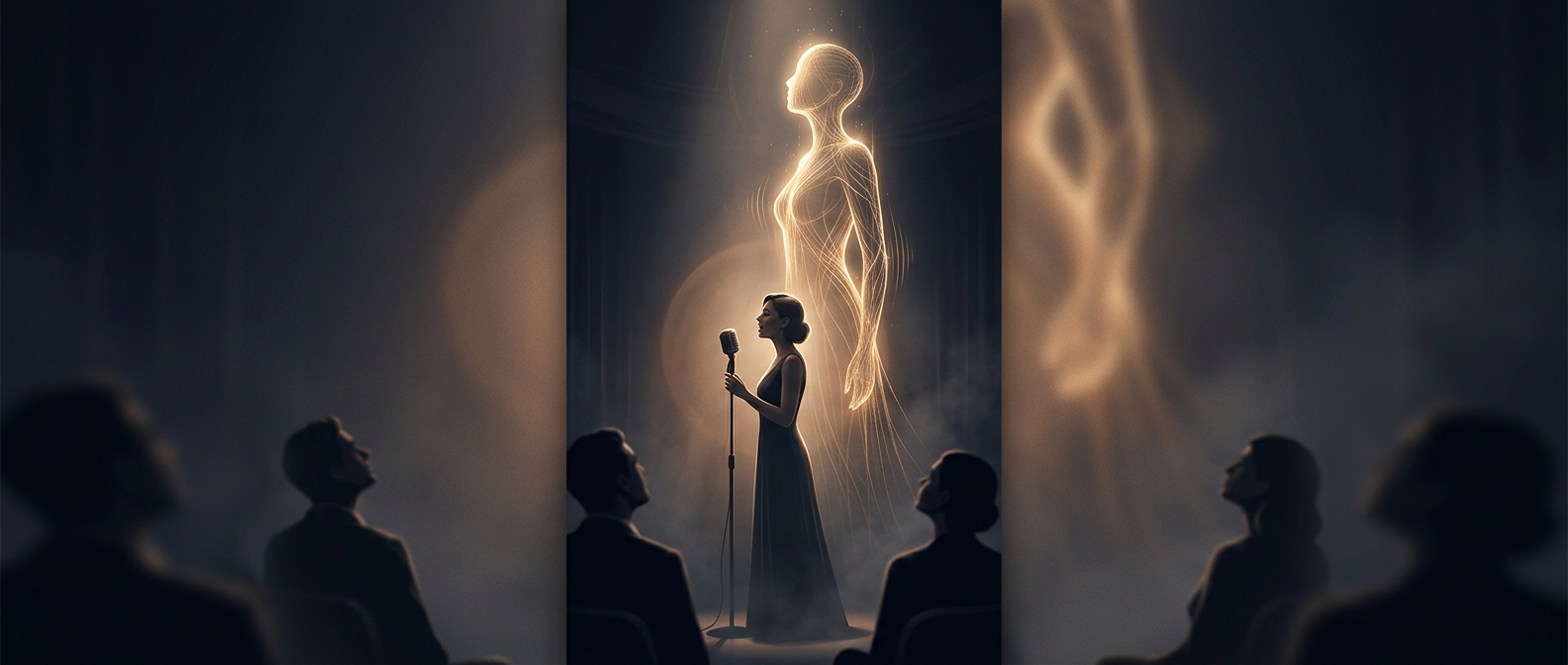
A deep voice can add imaginary inches
Pitch helps shape our impression of someone's size, but the resonances formed by the vocal tract carry better clues to actual height. A meta-analysis found…
Discover more
Why a bright room can feel hotter
A bright room can feel hotter because your mind uses light as a clue about warmth. Brightness often comes with sunlight, and sunlight really does heat things;…
Discover more
Why boredom can make you change your hair
A new haircut is a quick way to make a day feel different when everything else feels like the same loop. Boredom pushes you to seek novelty, and changing your…
Discover more
People born blind smile without ever seeing a smile
A person born blind can smile without ever seeing someone else do it. Smiling is part of the human repertoire of facial expressions, not just a pose copied…
Discover more
Even a picture of a foot can pull your attention in its direction
In experiments, participants located targets while an irrelevant foot image pointed left or right. Researchers found that these bodily direction cues could…
Discover more
Why wider faces can look more aggressive
People use faces to make rapid guesses about threat, and width can feed that snap judgment: a broader face may look more imposing. The mind turns a visual cue…
Discover more
Curved rooms won a beauty contest inside a brain scanner
In a 2013 study, people judging pictures of interiors were more likely to call curved spaces beautiful than straight-edged ones. The experiment examined…
Discover more
In one study, daydreamers also scored higher on creativity
Georgia Tech researchers compared mind-wandering reports, ability tests, and resting brain scans in more than 100 people. More frequent daydreaming was…
Discover more
Demographics show a massive boom in girls trips
A girls’ trip offers something a group chat can’t: hours of shared time, new places, and stories that belong to the people who were there. Traveling together…
Discover more
Why crossing your arms can help you persist
Crossing your arms can make a hard task feel like something you’re physically gearing up to do. In experiments, people who crossed their arms persisted longer…
Discover more
Solo travel bookings dominate modern itineraries
A solo booking lets the traveler trade coordination for control: no matching vacation days, budgets, or arguments over what to do next. That freedom can make…
Discover more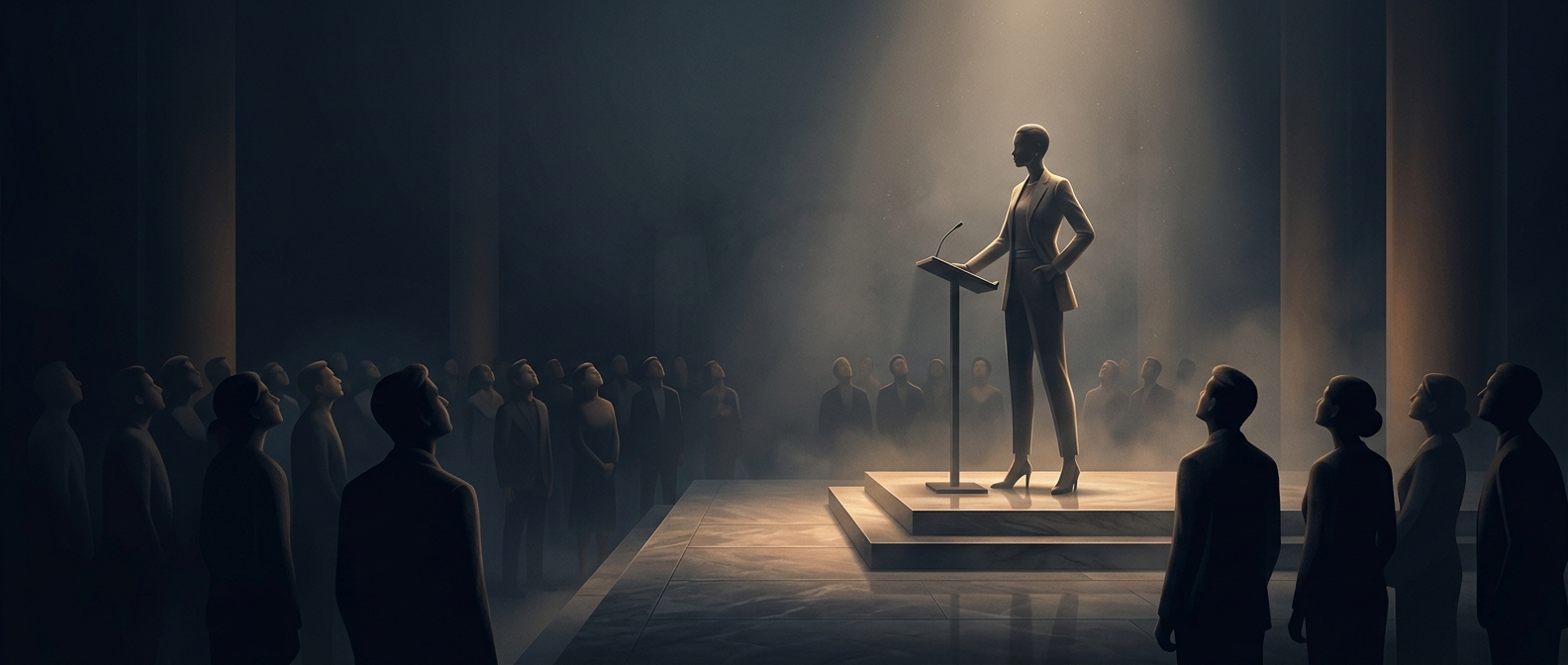
Why tall people seem more competent
A tall person walks into the room and can seem like the person in charge before doing anything. Height is an easy-to-spot cue that people may associate with…
Discover more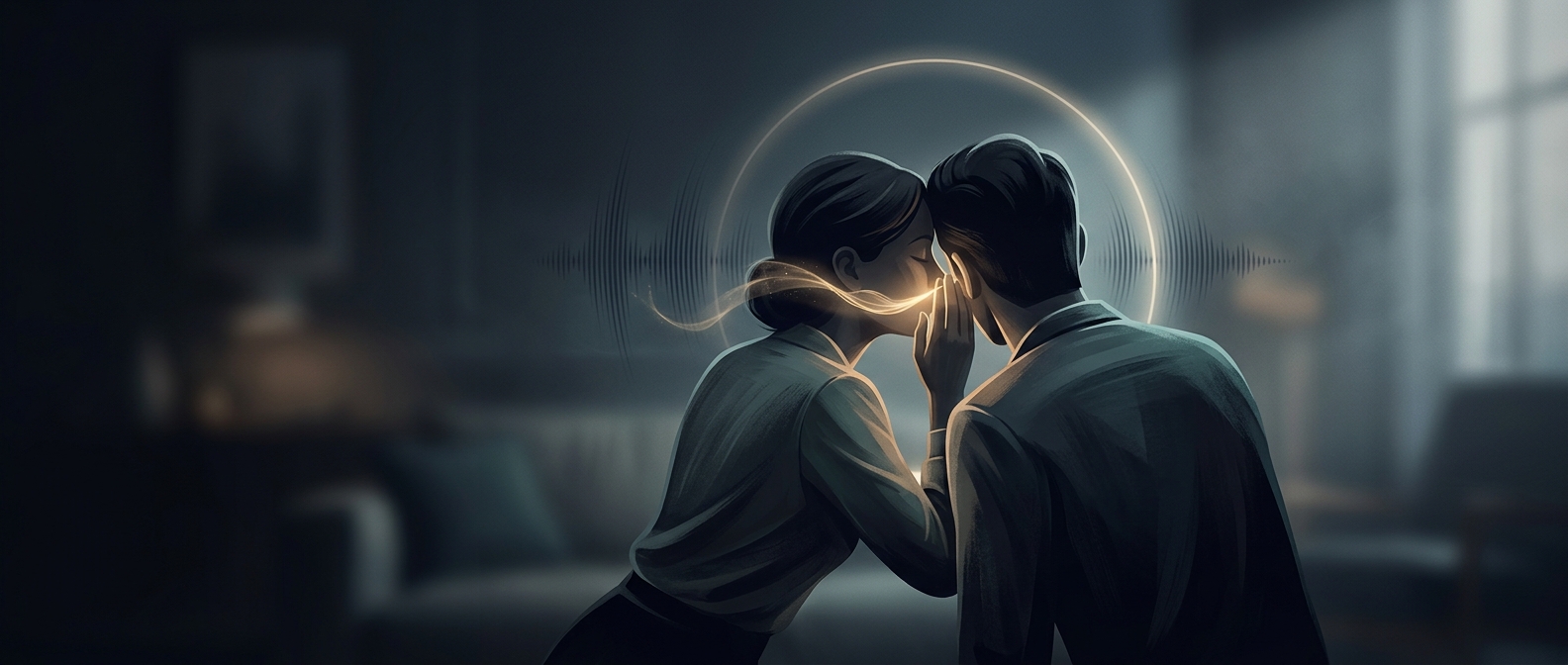
Humans naturally lower their voice when sharing a secret
A secret changes how a voice is used. Lowering it makes the words harder for bystanders to catch and signals to the listener that this exchange is meant for…
Discover more