Psychology
Discover facts about psychology. Small discoveries that change the way you see familiar things.
Psychology
Hunger can change how closely you inspect food
Experiments suggest food deprivation can sharpen sensitivity to differences in food size. That is a more specific effect than simply making every portion look…
Discover more
Your breathing can sync with a storyteller
Listening closely to a storyteller can pull your breathing into the rhythm of the tale. Your attention follows pauses, suspense, and bursts of action, and…
Discover more
Why your photos look stranger than your reflection
Your reflection is the face you’ve practiced seeing: flipped left to right, day after day. A photo reverses that familiar arrangement, so a tiny asymmetry you…
Discover more
Two equal weights can feel different because of their size
In the size–weight illusion, a smaller object commonly feels heavier than a larger one of the same mass. Your judgment of heft is not simply a readout from…
Discover more
Why men apologize less often than women
Men may apologize less because they often draw the line around “something I should apologize for” differently. If an action doesn’t register as a real offense…
Discover more
Why friends start sitting the same way
Matching someone’s posture can make an interaction feel smoother because your movements fall into rhythm with theirs. This kind of mimicry often happens…
Discover more STACKY FOR IPHONE
A bigger world.
One discovery
at a time.
Keep discovering with Stacky. Interesting facts in an app that is always within reach.
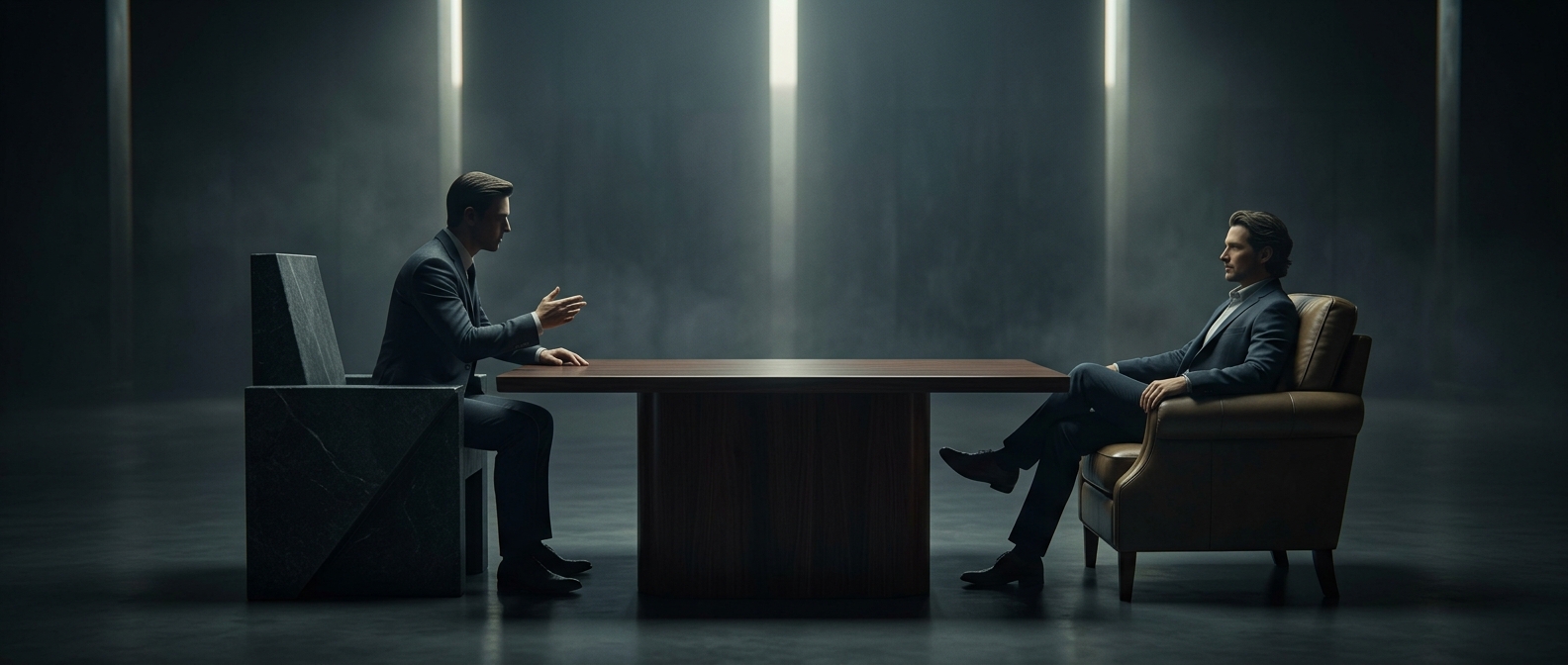
An experiment put hard bargaining in a hard chair
In a 2010 study, people sitting on harder chairs were less flexible in a simulated negotiation than people on softer seats. The researchers investigated…
Discover more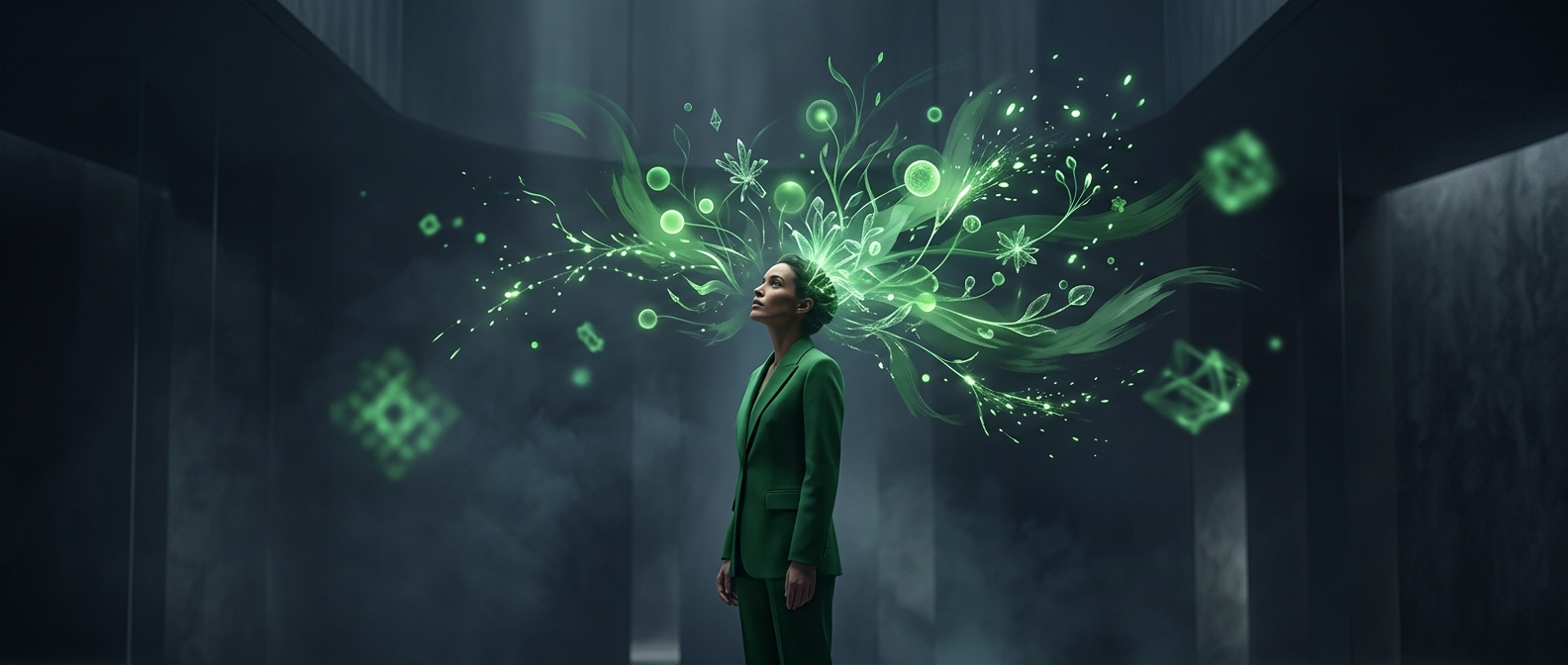
A brief glimpse of green affected creativity scores in four experiments
A 2012 paper reported better performance on creative tasks after participants saw green rather than comparison colors. Participants were not told that color…
Discover more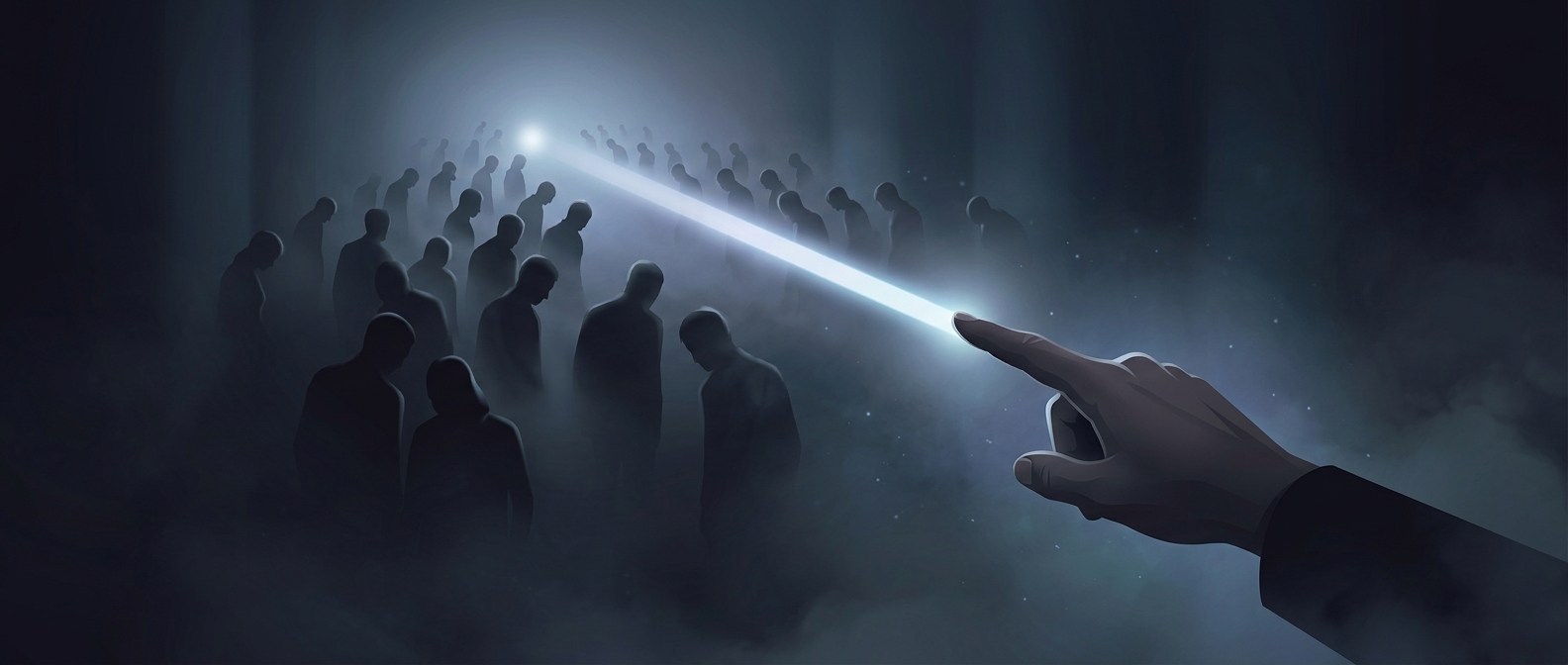
Pointing a finger commands entirely unyielding visual focus
A pointing finger is hard to treat as decoration. Your attention follows its direction toward the target, often before you’ve decided to look there. One small…
Discover more
Why a heavy backpack makes hills look steeper
Strap on a heavy pack and your body starts budgeting energy before the climb begins. That added effort can make a hill look steeper, as if the landscape…
Discover more
Why keeping a secret can make hills feel steeper
Keeping a secret means carrying it in your thoughts: monitoring your words, replaying conversations, and deciding what not to say. That extra mental work can…
Discover more
Why resort guests claim pool chairs at dawn
A pool chair is easiest to claim before the crowd arrives. Once guests believe good spots are scarce, securing one early can feel safer than trusting there’ll…
Discover more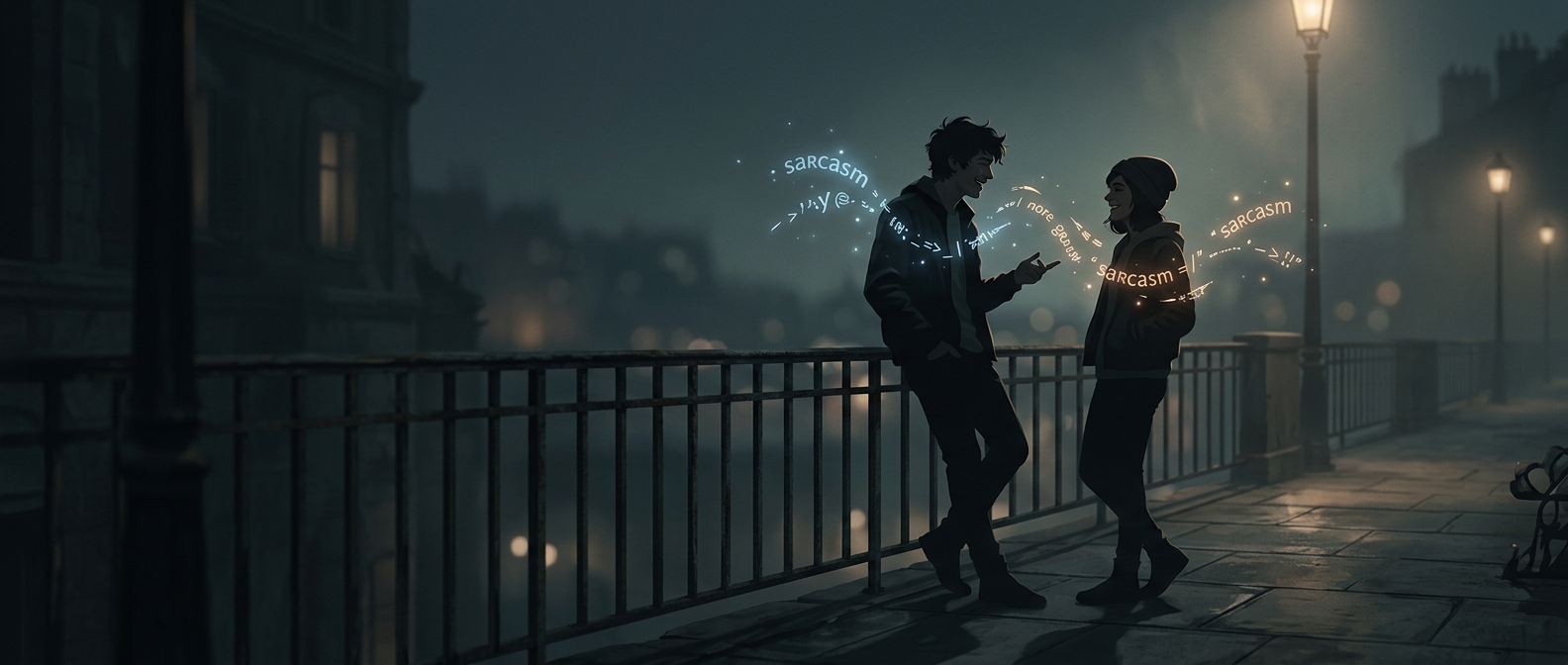
Why sarcasm can signal a close friendship
Sarcasm asks you to hear two messages at once: the words say one thing, the tone means another. With a close friend, shared history helps resolve that…
Discover more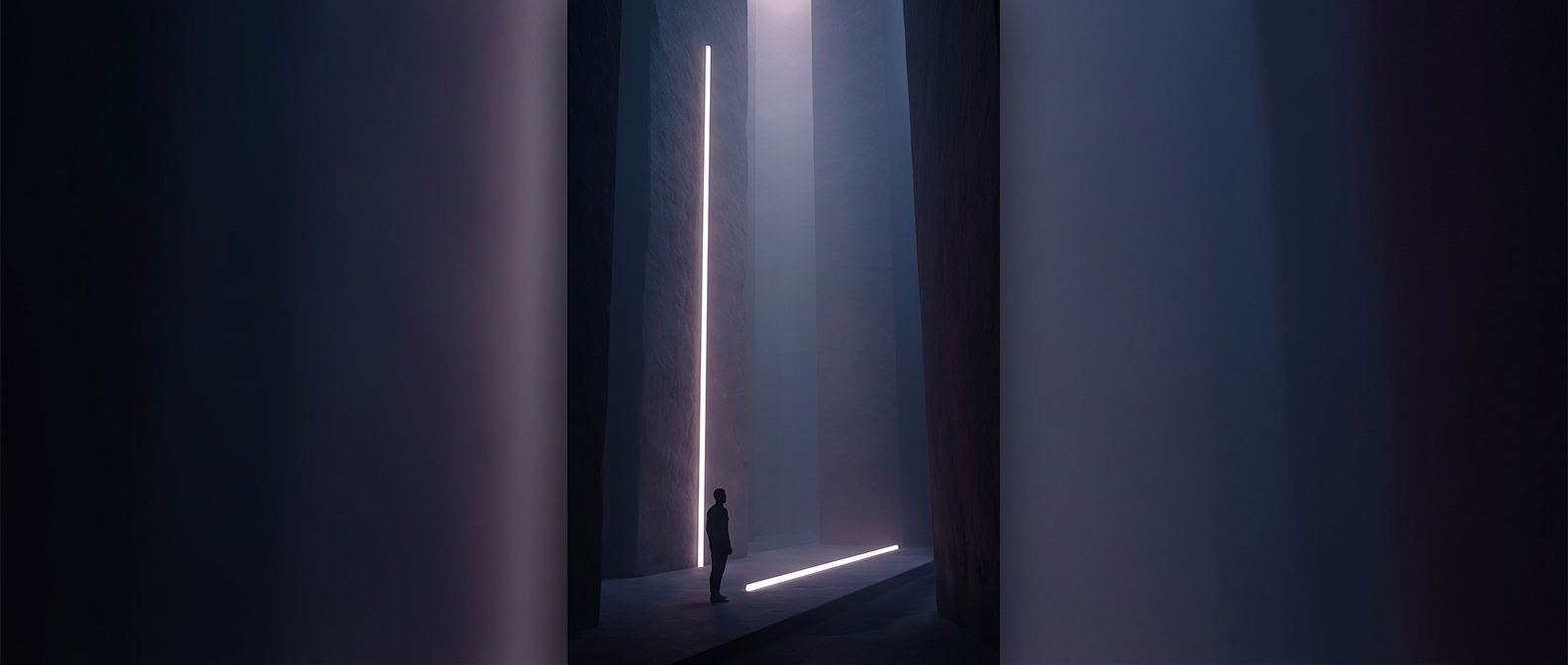
Two equal lines can look unequal
Place a vertical line beside an equally long horizontal one and the upright line can appear longer. The effect depends on how the lines are arranged. Your…
Discover more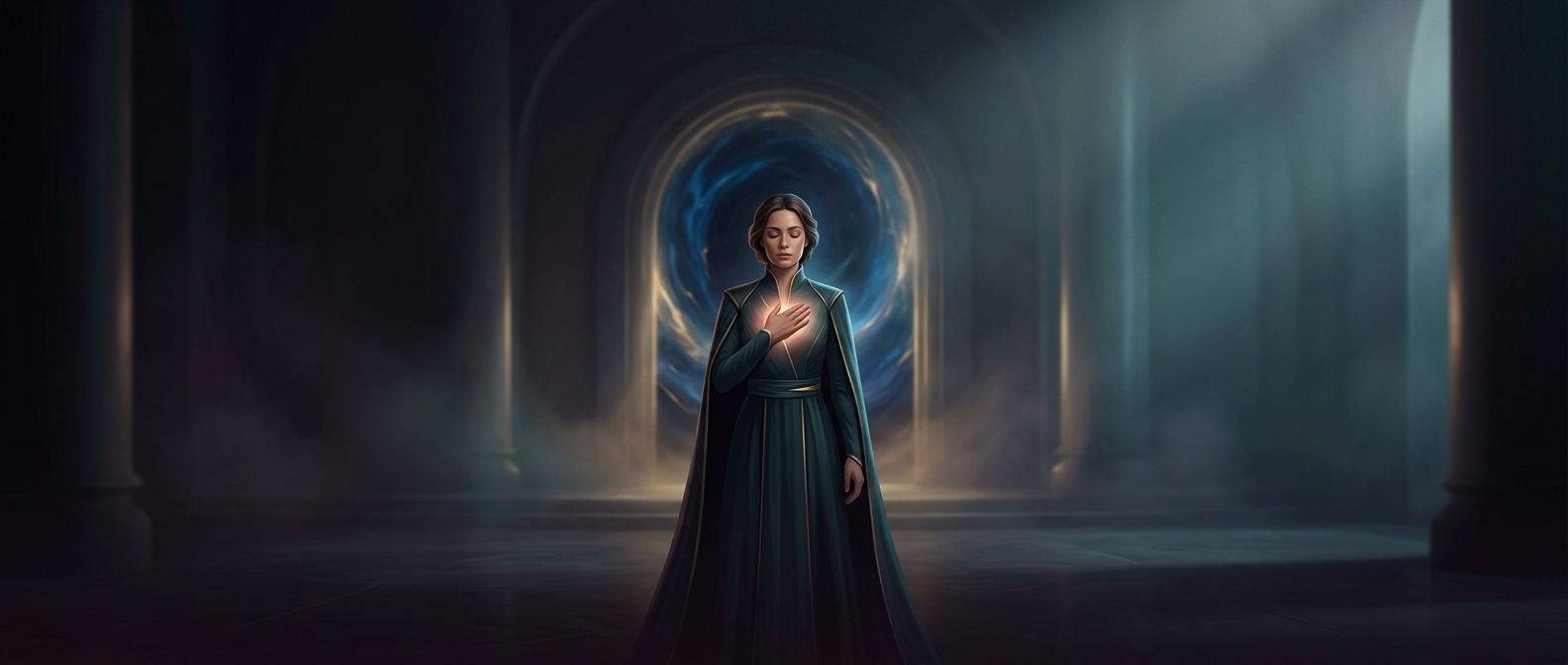
A hand over the heart changed an honesty test
In a 2014 experiment, participants making the gesture were more willing to admit they didn't know an answer than those using a neutral gesture. A related test…
Discover more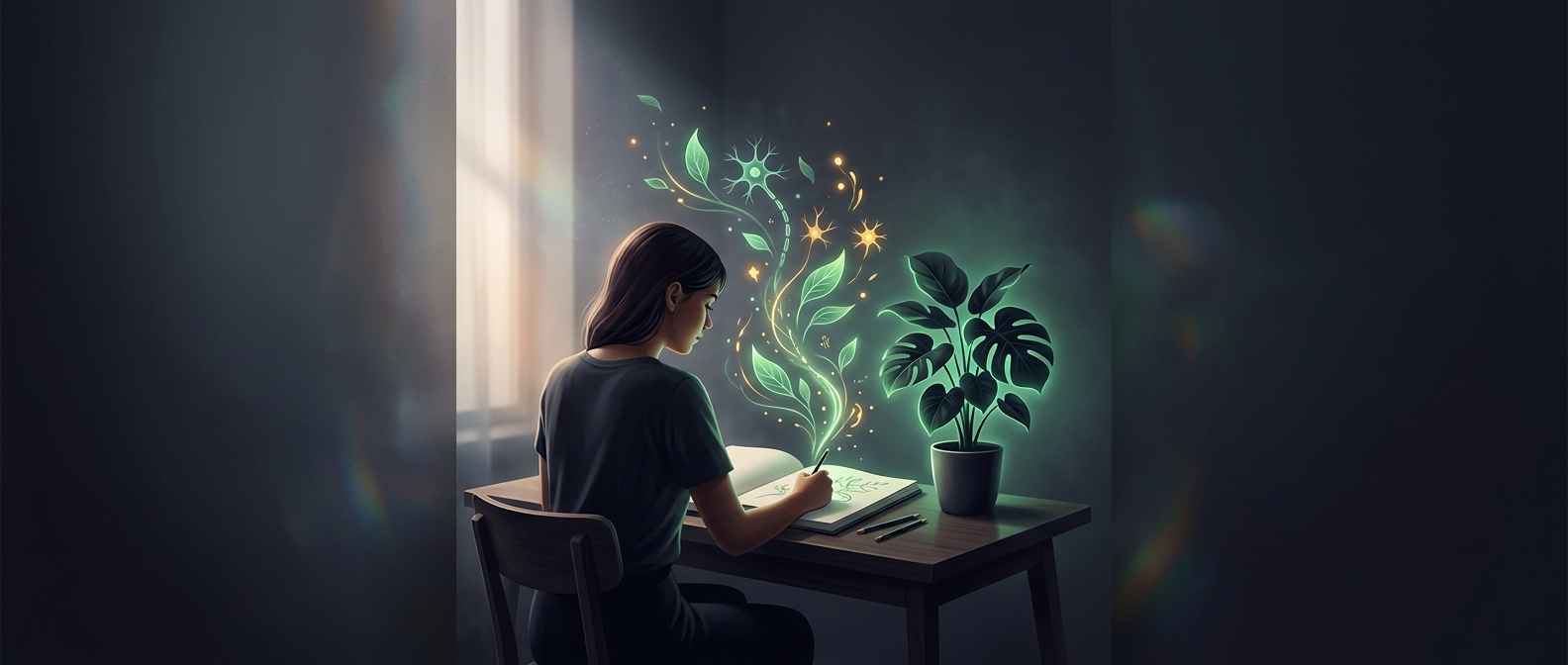
Stripping an office bare can strip away productivity too
In three field experiments, researchers compared sparse offices with spaces enriched by plants. Workers reported better concentration and greater satisfaction…
Discover more
Holding a partner's hand changed how a small study's brains faced danger
In a 2006 experiment, 16 married women anticipated possible electric shocks while holding a husband's hand, a stranger's hand, or no hand. Holding the…
Discover more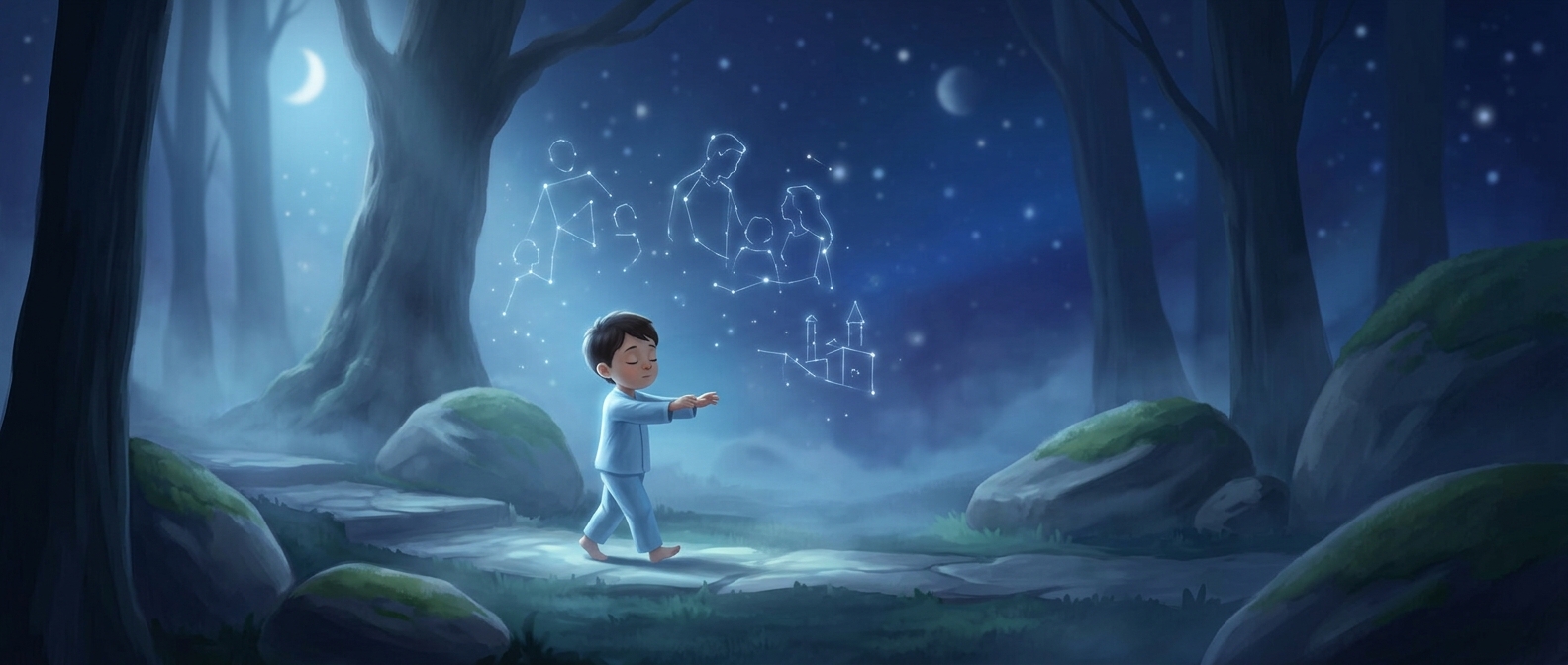
Sleepwalking occurs far more often in young children
A child can sit up, walk, or open a door without fully waking. During deep sleep, the brain’s systems for movement can come online before the systems for…
Discover more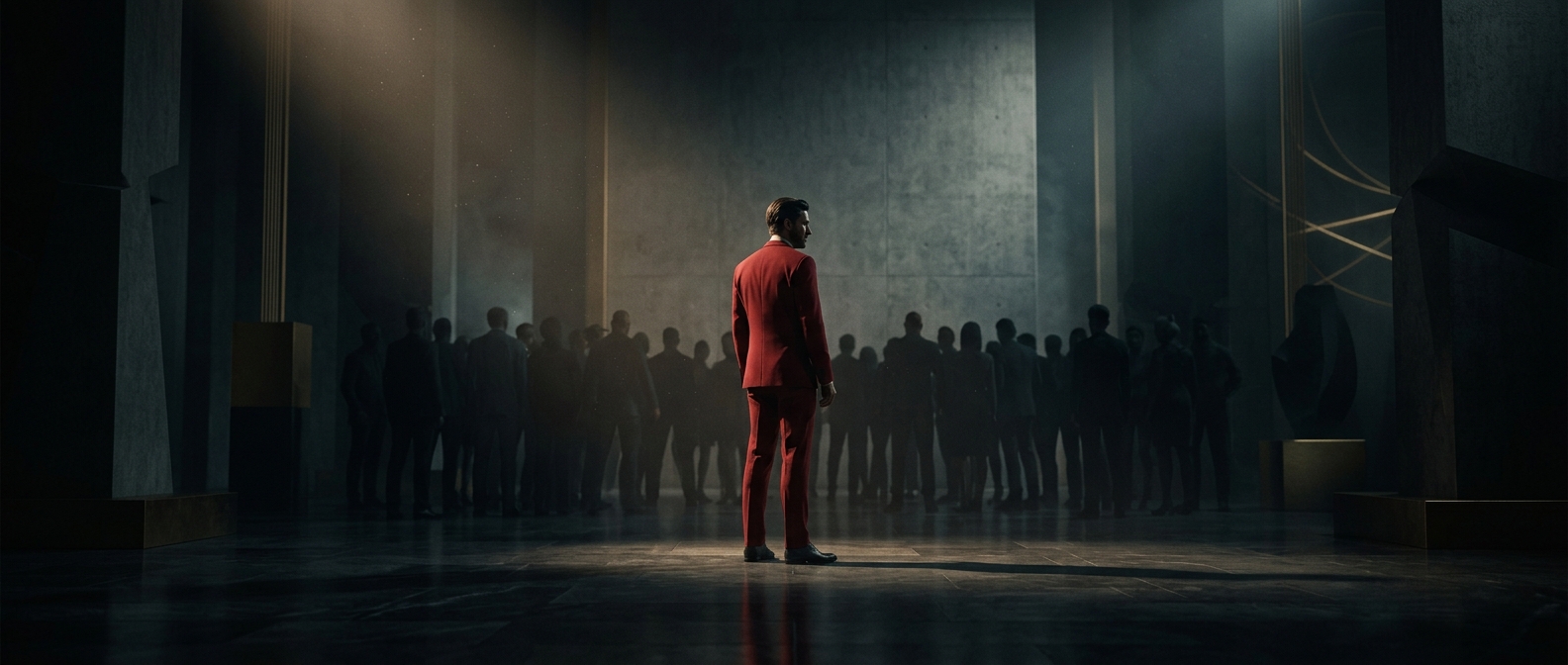
Why red can make men seem more dominant
A red shirt can act like a visual signal: it stands out, and people often connect the color with power and aggression. That association can spill over into…
Discover more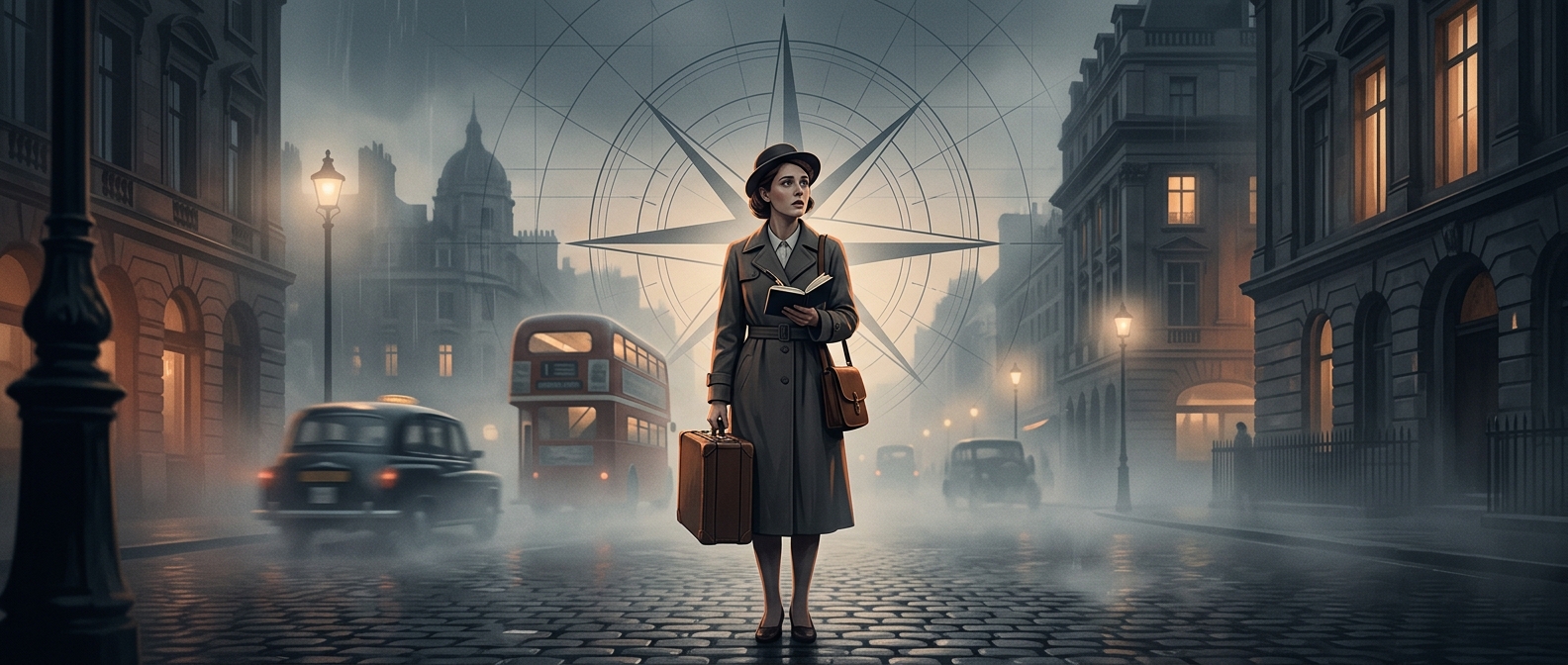
Culture shock was officially defined in 1954
In 1954, anthropologist Kalervo Oberg gave culture shock a formal description: the disorientation that can follow when familiar social cues stop working in a…
Discover more
Why you walk faster when you’re alone
Walking with someone means quietly negotiating pace: matching their stride, waiting at corners, or slowing to talk. Alone, you stop making those adjustments…
Discover more
Knowing a fallacy's name doesn't make your own arguments immune
Learning a fallacy’s name doesn’t switch off the urge to make a persuasive argument. When you want a conclusion to be true, your mind can search for reasons…
Discover more
Selecting only absolute extremes ruins survey data
If a survey offers a scale and people choose only its endpoints, a lot of different opinions get squeezed into “absolutely yes” or “absolutely no.” The…
Discover more
Physical design flaws ruin intended execution paths
A door with a handle that says “pull” but opens by pushing makes people pause, tug, and feel briefly foolish. The shape suggests one action while the…
Discover more