Psychology
Discover facts about psychology. Small discoveries that change the way you see familiar things.
Psychology

Why open palms make you seem more trustworthy
We are barely evolved beyond cavemen looking out for hidden rocks. Exposing open palms during a conversation is an ancient biological signal proving you are…
Discover more
When every conversation looks like a power game
For some, human interaction is entirely strategic warfare. Machiavellianism is a personality trait characterized by intense calculation, duplicity, and a…
Discover more
Total inability to care about anyone but yourself
Imagine looking at someone weeping and feeling absolutely nothing but mild boredom. Psychopathy involves a profound biological deficit in empathy, paired with…
Discover more
Why a winter legend involved craving human flesh
Cabin fever is bad, but craving your neighbor for dinner is significantly worse. Wendigo psychosis is a historical culture-bound syndrome found among some…
Discover more
Extreme jealousy leads to wild cheating accusations
A little suspicion is normal, but this condition takes snooping to Shakespearean levels. Othello syndrome drives people to delusional extremes of jealousy,…
Discover more
Why you apologize to furniture after bumping into it
Stub your toe on a chair, and you might naturally find yourself yelling at the furniture as if it plotted against you. Anthropomorphism is our bizarre…
Discover more STACKY FOR IPHONE
A bigger world.
One discovery
at a time.
Keep discovering with Stacky. Interesting facts in an app that is always within reach.

Why group discussions can push views to extremes
Never put like-minded people in an echo chamber unless you want chaos. Group polarization dictates that when individuals with similar, moderate views gather…
Discover more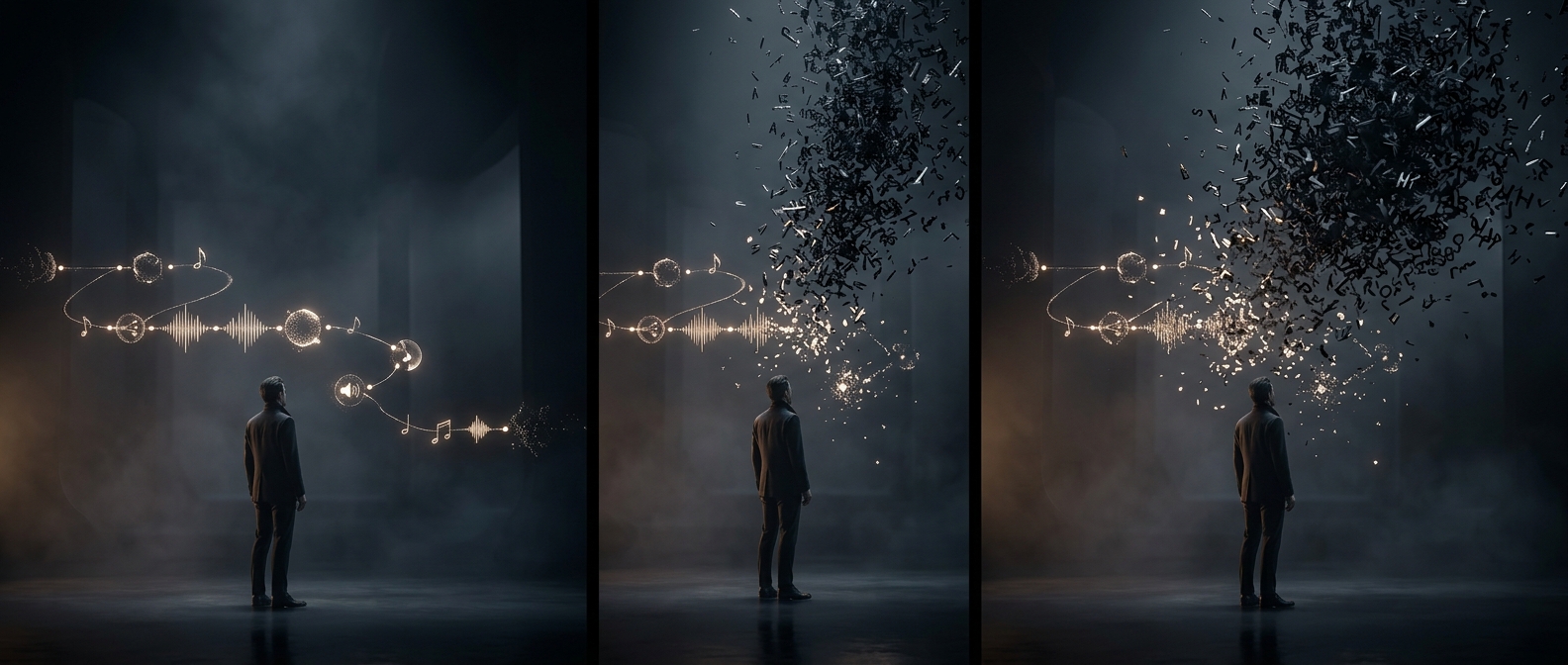
Saying “okay” after a phone number can make you forget its final digits
Hearing someone say 'okay' immediately after reading you a phone number wipes the last few digits. The suffix effect overwrites your fragile acoustic buffer,…
Discover more
Why hearing yourself chew may curb snacking
Listening to your jaw destroy potato chips makes you eat significantly less. The crunch effect forces your brain to actually register the volume of…
Discover more
Watching someone scratch can make you itch
Watching another person claw at their arm sends phantom signals directly to your own skin. This contagious itching proves your tactile processing network is…
Discover more
Why rhyming lists are harder to remember
Trying to memorize a list of items that sound similar causes immediate cognitive gridlock. The phonological similarity effect confuses your internal acoustic…
Discover more
Why a touch can linger for two seconds
After bumping your arm, the exact physical sensation lingers in a dedicated short-term buffer. Haptic memory provides your central processor a brief window to…
Discover more
Short syllables easily beat long ones in storage
Your short-term audio buffer is entirely dictated by pronunciation length. The word length effect means you can remember a dozen short words easily, but…
Discover more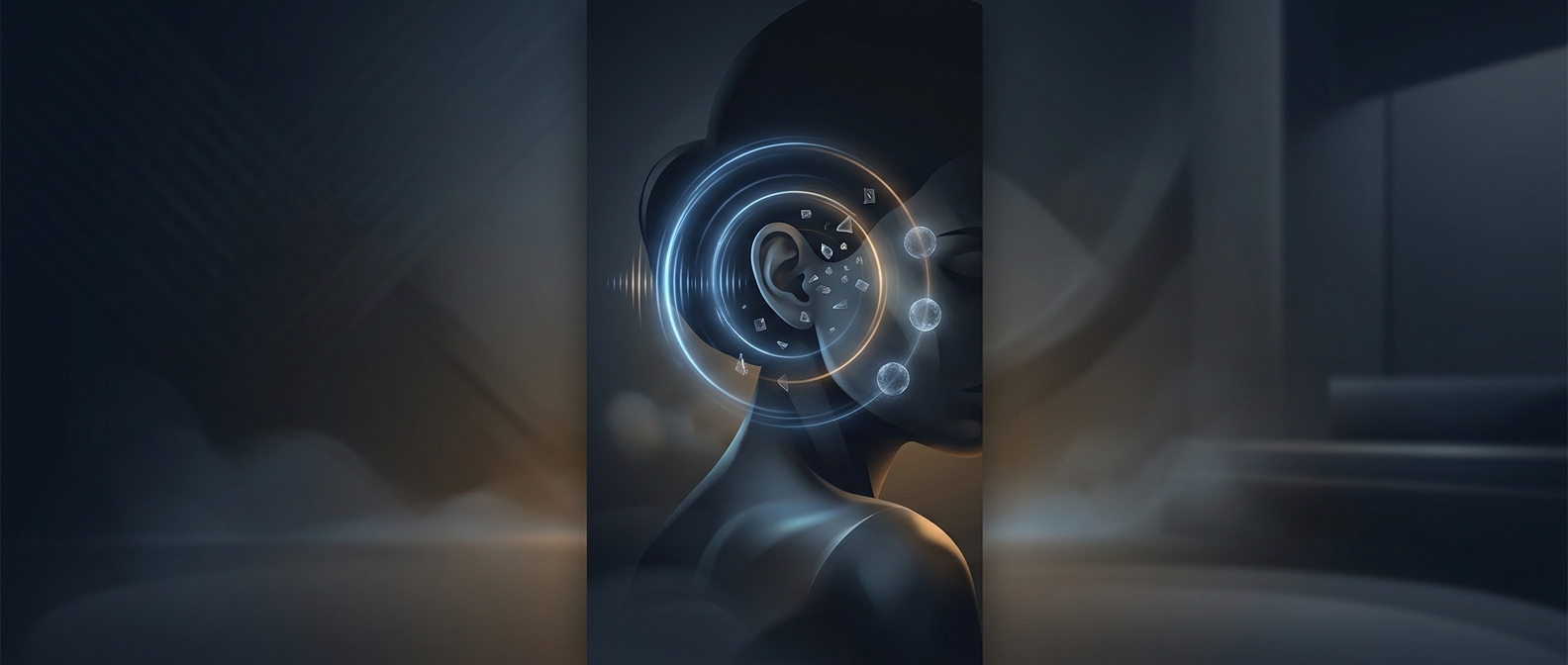
Why you heard them after asking them to repeat it
Asking someone to repeat themselves, only to realize you actually heard them, is a classic acoustic buffer delay. Echoic memory stores a perfect, three-second…
Discover more
Memory palaces heavily leverage spatial awareness
Mentally placing groceries along the route of your childhood home makes them impossible to forget. The method of loci hacks your evolutionary spatial tracking…
Discover more
Habituation forces you to ignore all constant stimuli
If an air conditioner hums long enough, your sensory filter simply deletes the audio feed. Habituation drastically cuts down on useless data processing,…
Discover more
Why reading aloud helps words stick
Silently scanning a page guarantees you will forget it by tomorrow. The production effect shows that forcing your vocal cords to physically articulate words…
Discover more
Navigating by routes uses heavy sequential memory recall
Following memorized turn-by-turn directions is just running a rigid biological script. Route navigation chains a series of physical actions together, meaning…
Discover more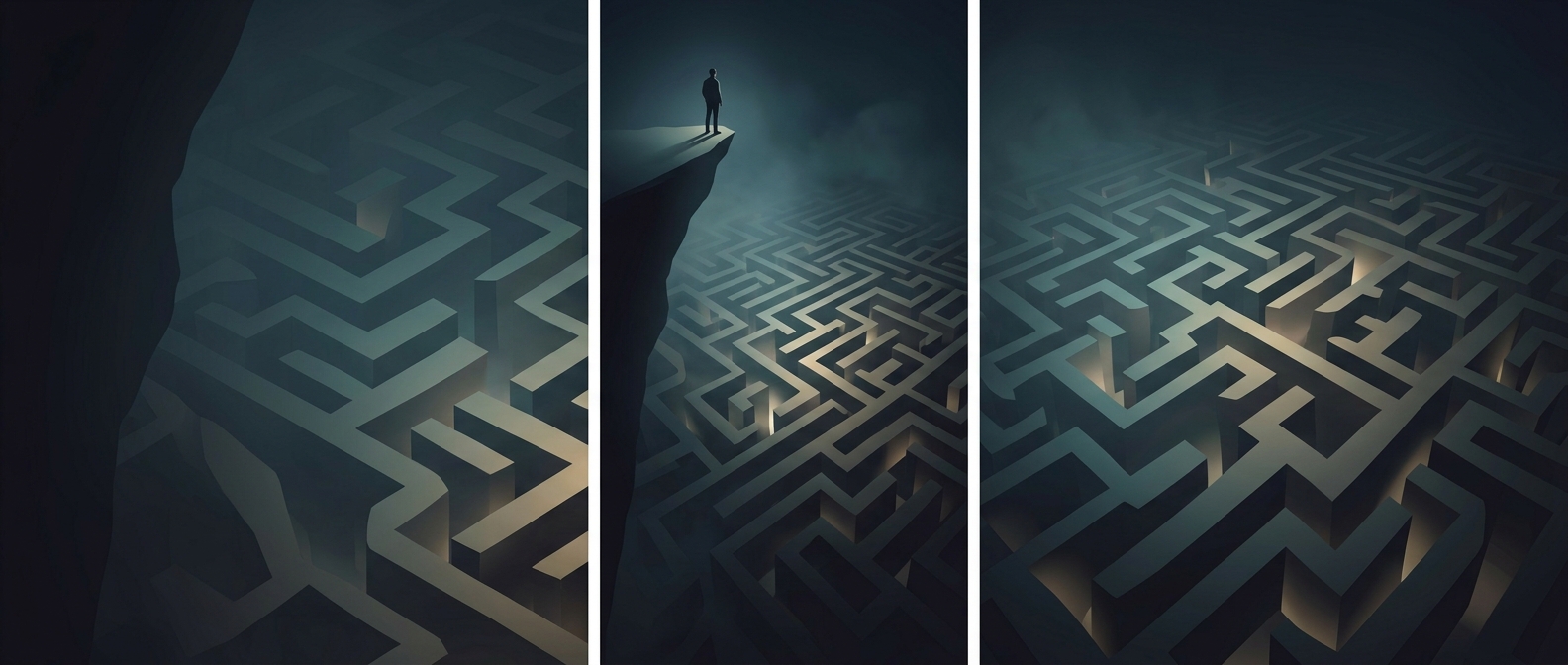
Survey knowledge gives a literal overhead bird eye view
Some individuals can mentally hover over a city and calculate shortcuts perfectly. Survey knowledge creates an incredibly advanced, allocentric spatial map…
Discover more
Your brain can rehearse exercise without moving
Vividly picturing a heavy gym session actually triggers tiny impulses in those specific muscles. Motor imagery activates the exact same neural pathways as…
Discover more
Finding landmarks relies entirely on local visual cues
Navigating purely by looking for a bright yellow gas station is the most primitive form of spatial tracking. Landmark navigation requires zero understanding…
Discover more
Intentional forgetting requires active suppression
Telling your brain to delete a file actually works if you try hard enough. Directed forgetting proves you can consciously block specific neural pathways,…
Discover more
A messy desk is easier to search if it’s yours
Searching a messy desk is significantly faster if you are familiar with the chaos. Contextual cueing allows your visual processor to use background spatial…
Discover more
Why you can be full yet still want dessert
Claiming you are too full for dinner but have room for cake is scientifically valid. Your palate gets exhausted from savory flavors and registers fullness,…
Discover more