Psychology
Discover facts about psychology. Small discoveries that change the way you see familiar things.
Psychology
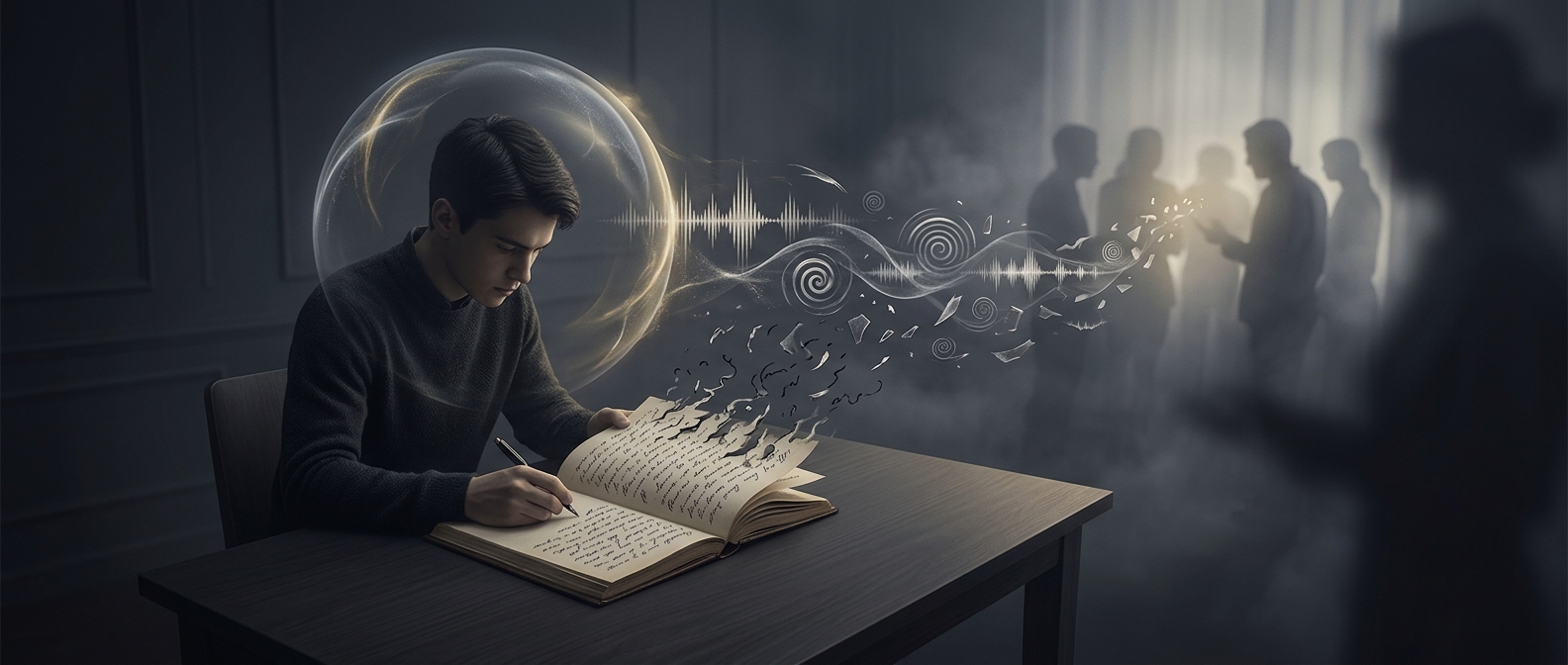
Why nearby conversations wreck your reading
Trying to study while people speak nearby is an exercise in futility. The irrelevant speech effect forces your auditory processor to automatically parse human…
Discover more
Why recent memories disappear first
When brain trauma hits, your memory files delete in reverse chronological order. Ribot's law dictates that childhood facts are safely locked away in deep…
Discover more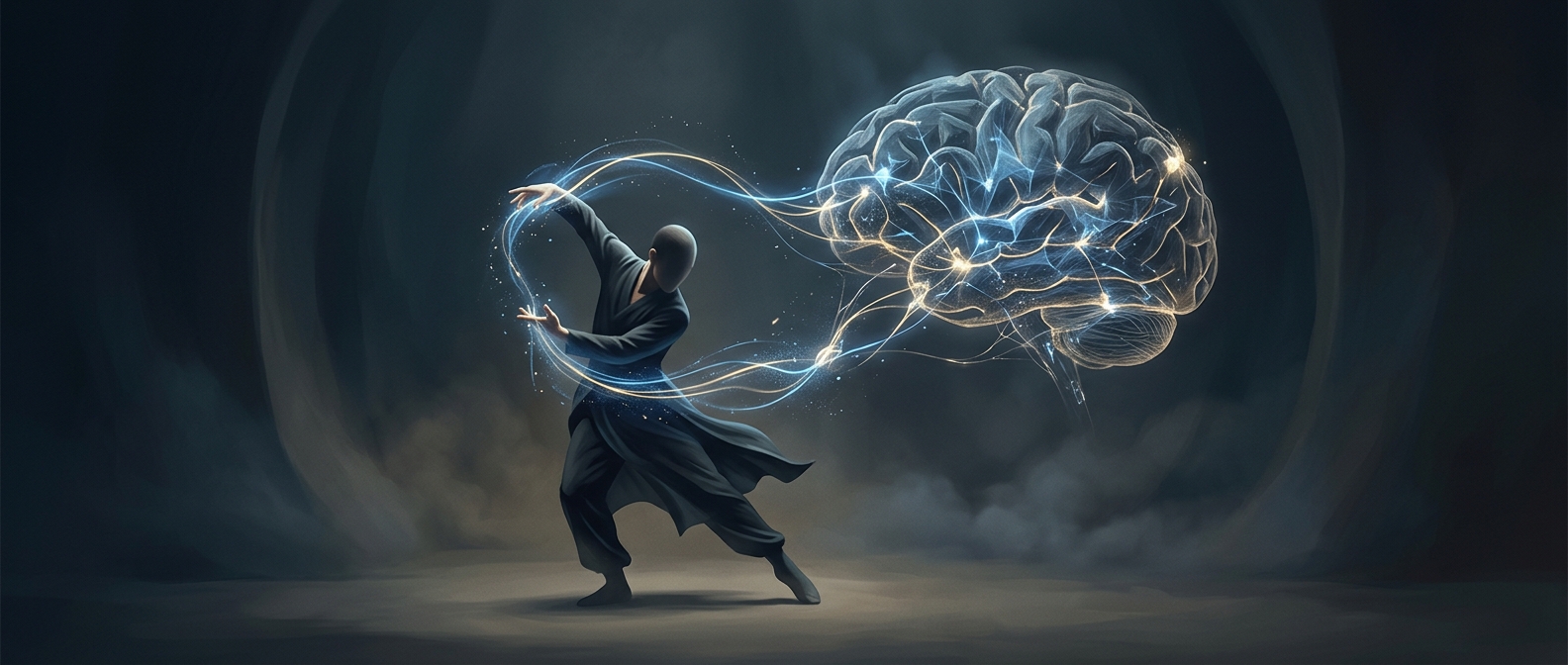
Why acting out an idea helps you remember it
Pantomiming a ridiculous action makes it significantly harder to forget. The enactment effect connects cognitive data with motor systems, proving that making…
Discover more
Why guessing helps you remember an answer
Reading a flashcard is essentially useless compared to forcing yourself to guess the word first. The generation effect guarantees that the sheer cognitive…
Discover more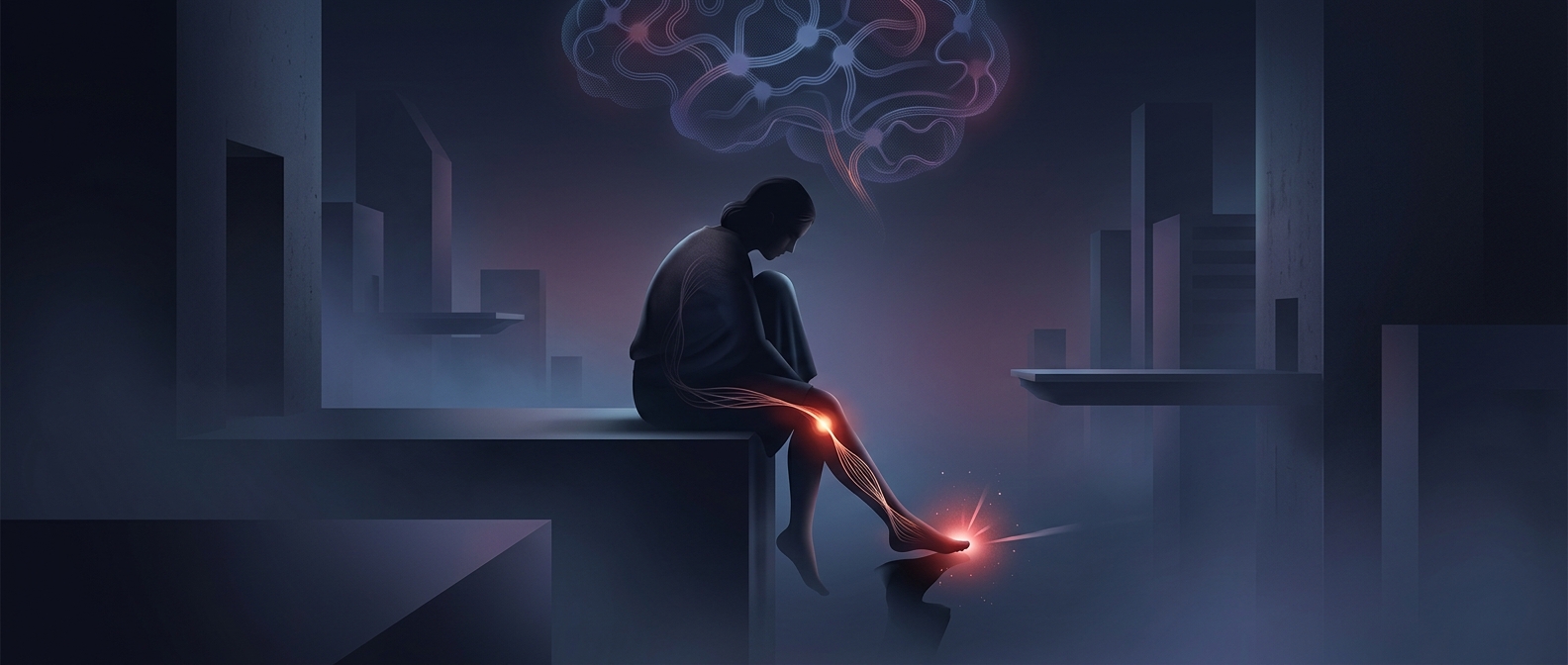
Why a stubbed toe hurts twice
You smash your toe into a table leg, and for one brief, glorious second, nothing happens. This nociceptive delay exists because sharp, immediate pain travels…
Discover more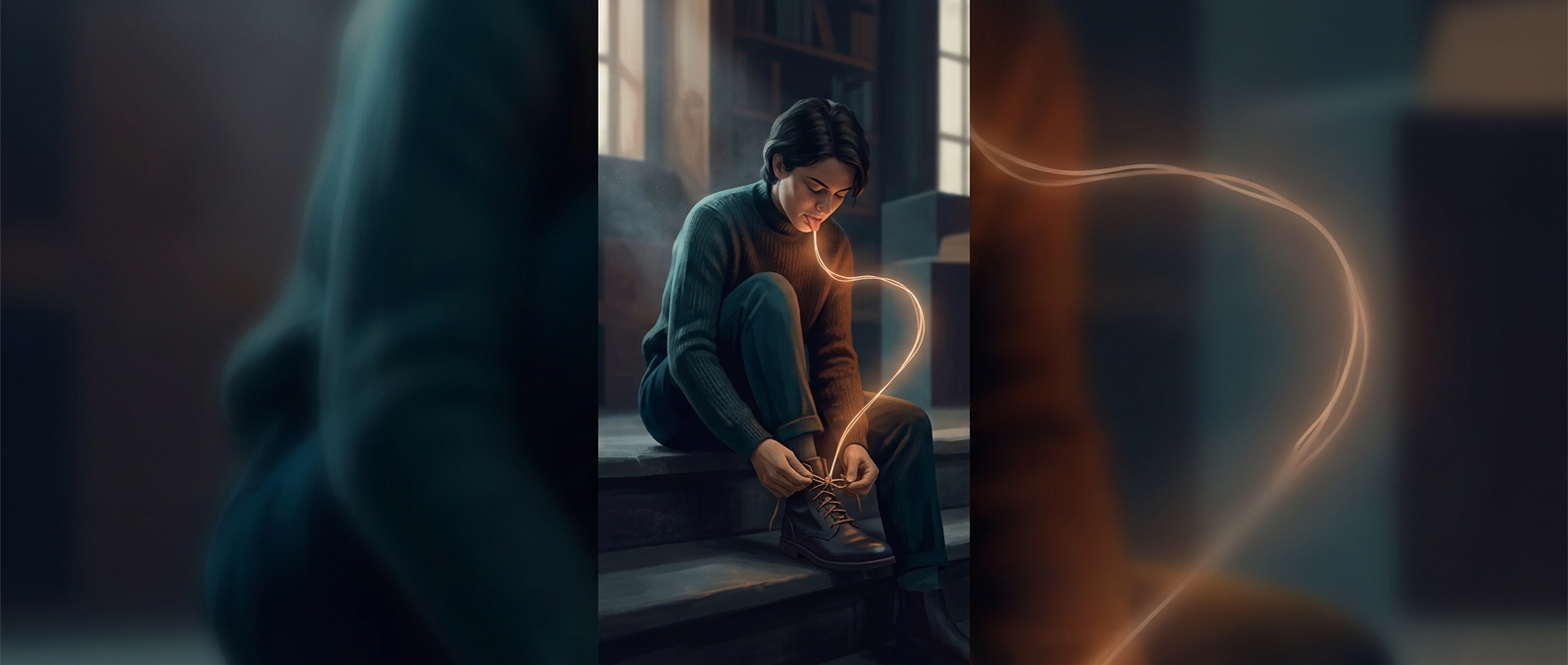
Why your tongue sticks out when your fingers work
When engaging in a highly precise physical task like threading a needle, you might unconsciously bite your lip or stick out your tongue. This is motor…
Discover more STACKY FOR IPHONE
A bigger world.
One discovery
at a time.
Keep discovering with Stacky. Interesting facts in an app that is always within reach.

The sleep schedule built from short naps
Polyphasic sleep attempts to cheat biology by entirely discarding the traditional block of night rest. Instead, participants scatter multiple short, intense…
Discover more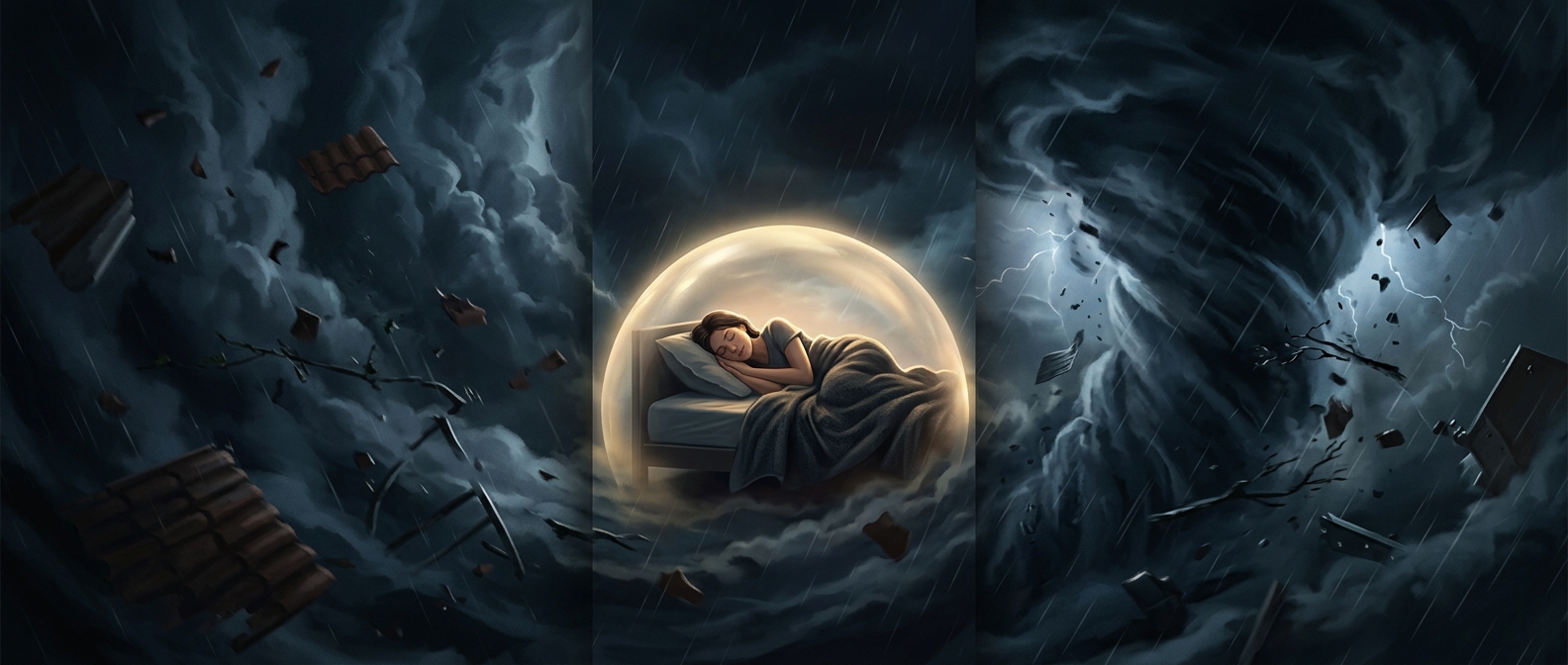
Why some people sleep through loud noises
Having a high arousal threshold means your sensory gates are bolted shut like a vault during rest. Most individuals will flinch at a slamming door, but heavy…
Discover more
Why some beautiful moments give you chills
If staring at a vast mountain range or a beautiful painting gives you goosebumps, you can blame your personality. People who score high in the 'openness to…
Discover more
Why organized people may live longer
The personality trait of conscientiousness isn't just about color-coding your calendar; it's a literal survival mechanism. People who score high in this trait…
Discover more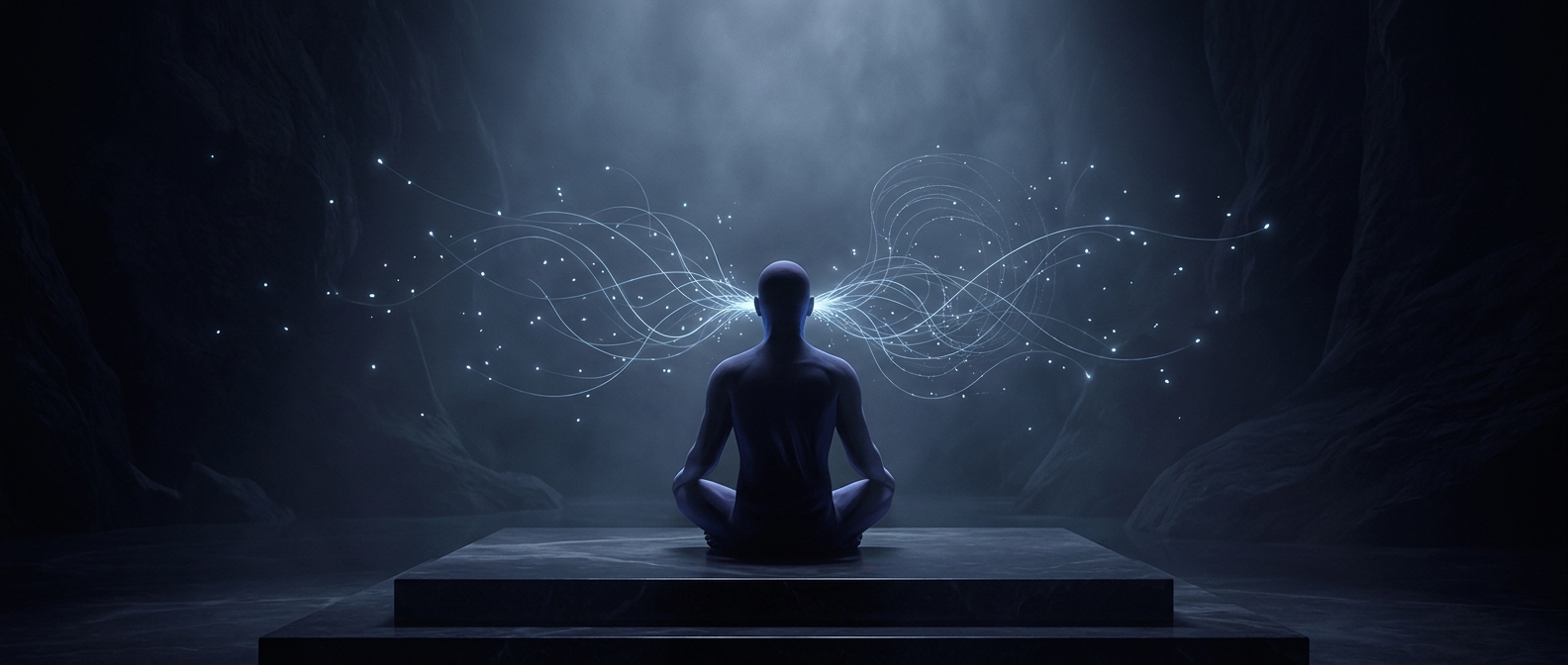
Your ears make sounds you can't hear
Even in a dead-silent room, your ears are secretly making noise. Otoacoustic emissions are faint, high-frequency sounds produced by the physical movement of…
Discover more
Why too much sleep can leave you exhausted
Hypersomnia proves that you absolutely can have too much of a good thing. Instead of feeling refreshed after twelve hours of rest, the excessive duration…
Discover more
Waking up aggressively early with total energy
Morning chronotypes, commonly known as 'larks,' are a specific breed of people whose circadian rhythms shift entirely forward. While normal people are…
Discover more
Instantly locating a dropped pin in the dark
Your ability to pinpoint exactly where a sound came from is a masterclass in micro-timing. Directional hearing relies on interaural time differences—meaning…
Discover more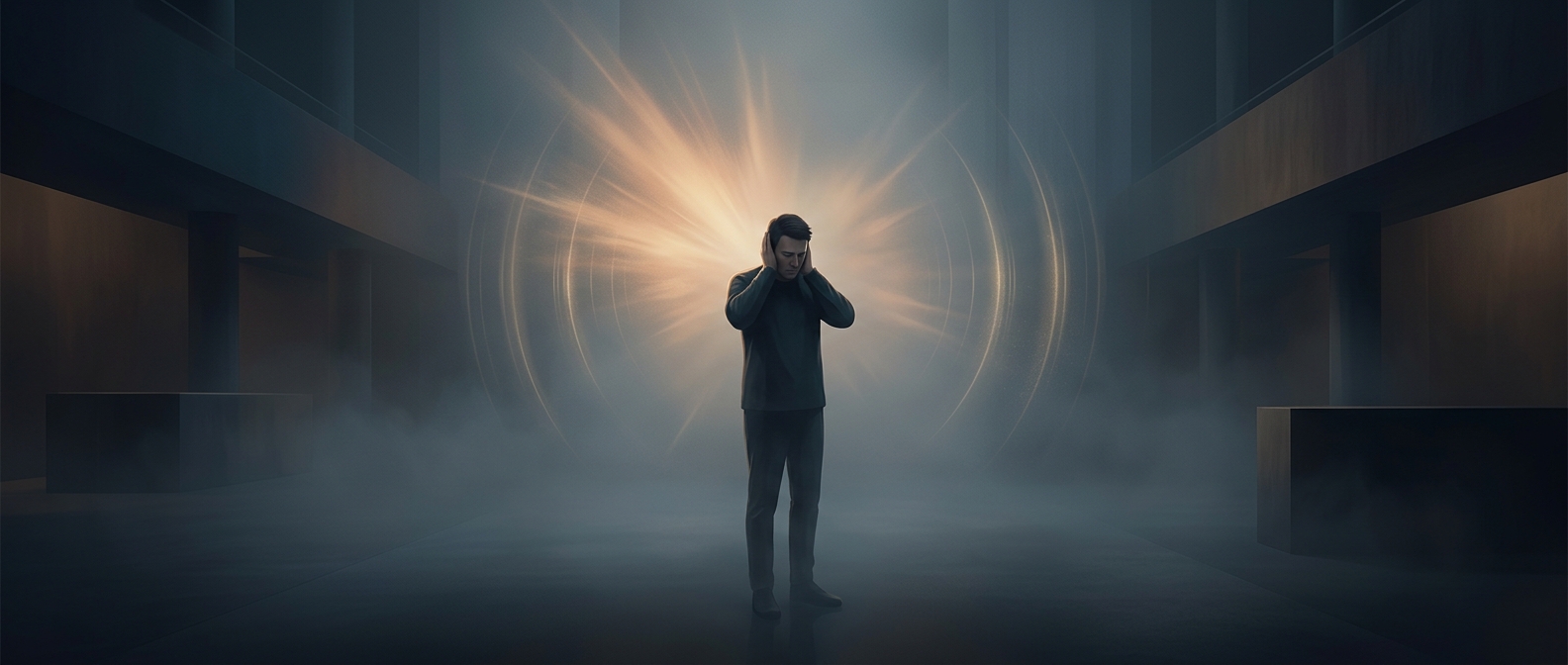
Going temporarily deaf from extremely loud noises
Auditory fatigue, or a temporary threshold shift, happens when you expose your ears to a booming concert or machinery. To protect themselves, your auditory…
Discover more
Your body knows where your limbs are without looking
Proprioception is the invisible sixth sense that prevents you from constantly looking at your own feet to walk. Receptors hidden deeply in your muscles and…
Discover more
Why you can navigate by smell
While you might think you rely entirely on sight, your olfactory mapping skills are secretly top-tier. Humans can subconsciously map their physical…
Discover more
Sleeping completely soundly with your eyes wide open
Nocturnal lagophthalmos is the highly creepy phenomenon where the eyelids fail to close entirely during rest. Due to poor muscle tone in the face, the person…
Discover more
Close your eyes and your hands may seem to drift
Proprioceptive drift occurs when you hold entirely still for too long, and your sensory map starts to glitch. Without constant movement to update the physical…
Discover more
Temporarily losing the ability to taste sweetness
Chewing the leaves of the Gymnema sylvestre plant executes a flawless, targeted strike on your sweet receptors. The gymnemic acids physically block the sugar…
Discover more
Some people barely feel severe physical pain
Some people can literally walk on broken glass and just shrug. This high nociceptive threshold means their sensory nerves are incredibly sluggish at sending…
Discover more
Why crooked picture frames bother you so much
We are inherently biased toward things that mirror each other perfectly. Evolutionary instincts tell us that symmetry equals health and safety. This is why…
Discover more
Why sitting up straight can make you feel more powerful
Un-shrimping your spine does more than save you from backaches. Expanding your chest signals dominance to your own nervous system, instantly boosting your…
Discover more
Why cold weather can make you seek company
Shivering naturally drives you to crave deep, meaningful chats. When the temperature drops, our biology equates physical chill with isolation, prompting us to…
Discover more