Psychology
Discover facts about psychology. Small discoveries that change the way you see familiar things.
Psychology
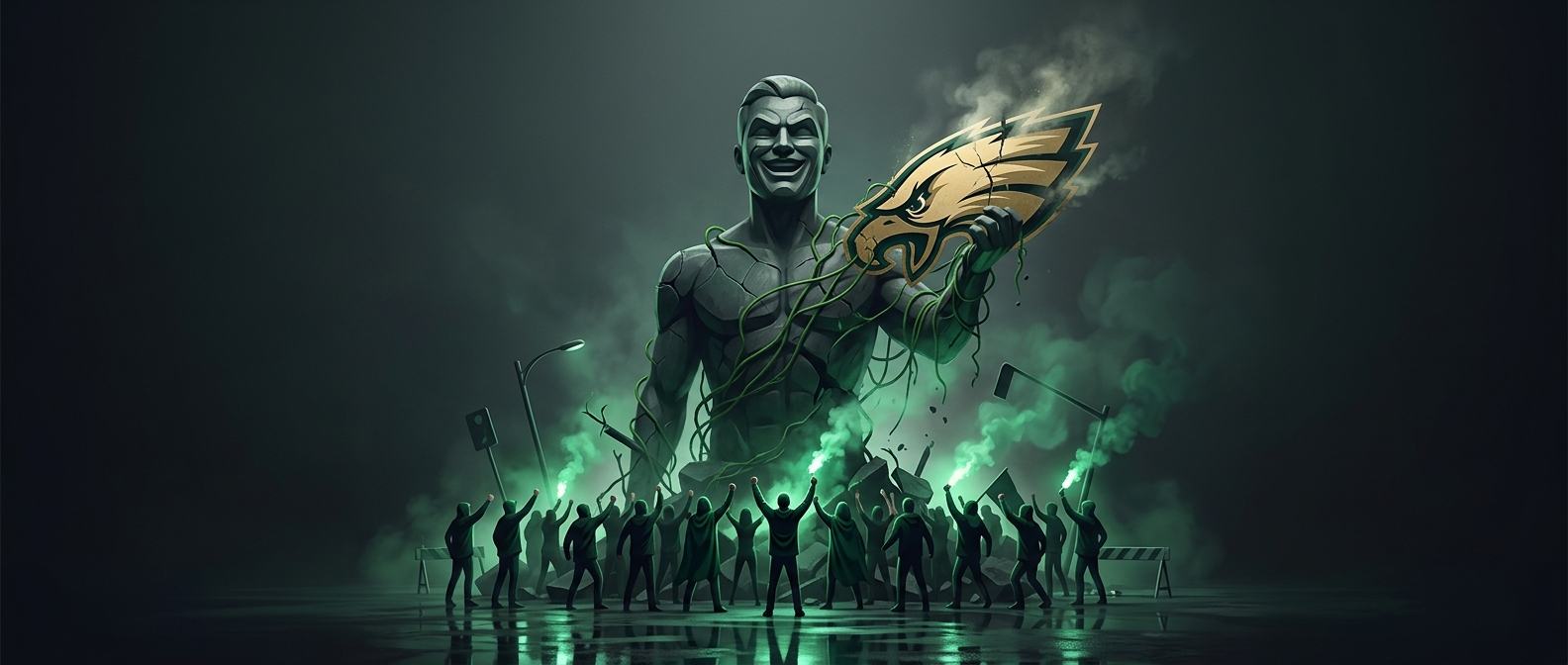
Can a sports riot reveal collective narcissism
The tell is how fans react to disrespect. For people high in collective narcissism, their group’s greatness feels obvious, while other people’s recognition of…
Discover more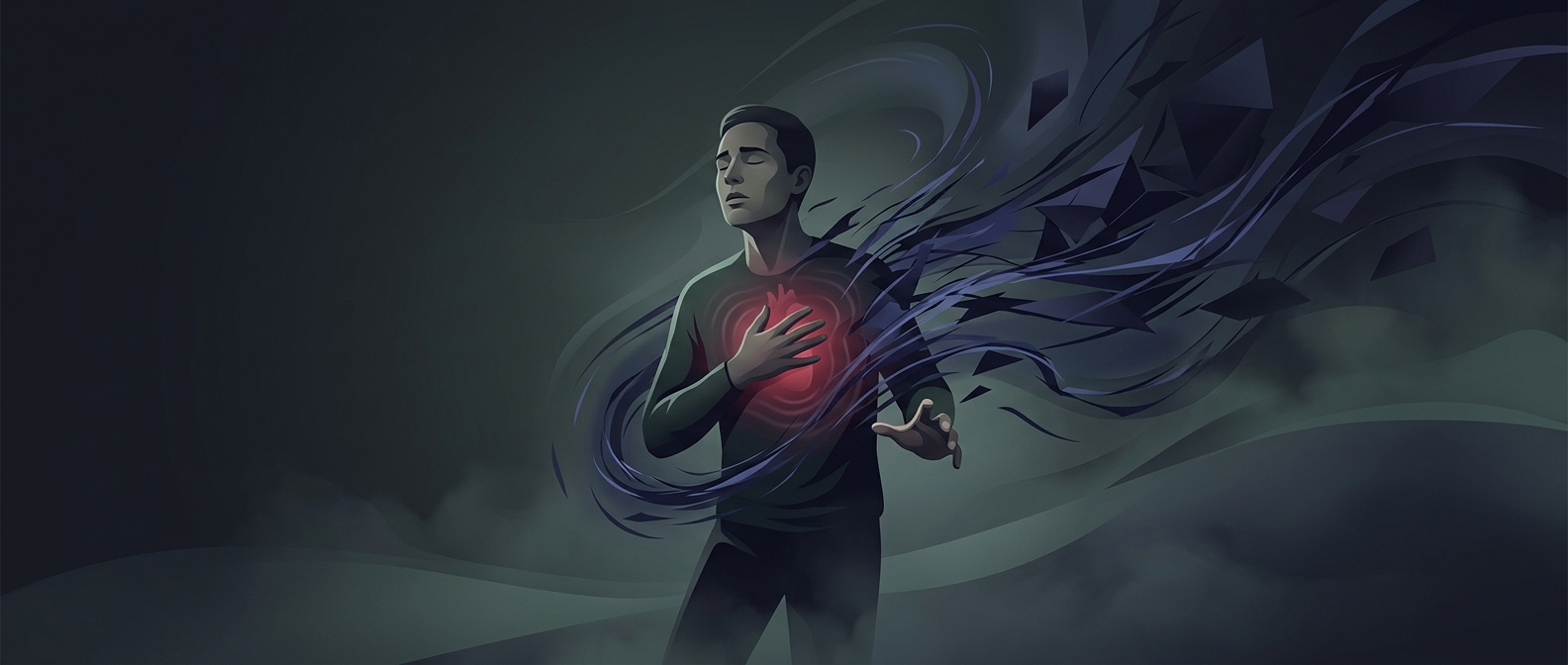
Why feeling your heartbeat may fuel panic
A pounding heart can become panic when you start listening to it for clues. You notice the thump, read it as danger, and your body speeds up further—now the…
Discover more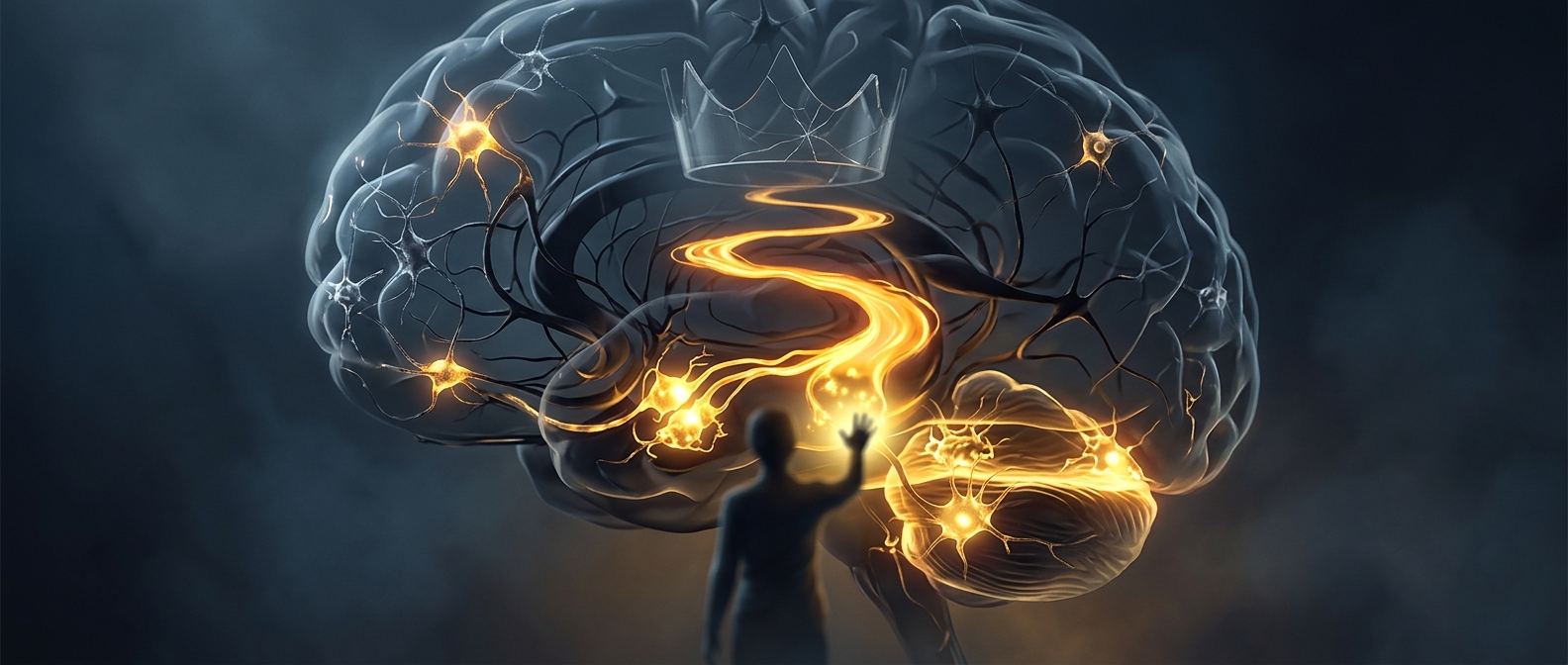
Why plotting revenge feels so rewarding
Replaying the perfect comeback can feel good before you do anything. The fantasy puts you back in control and promises a satisfying correction to the wrong;…
Discover more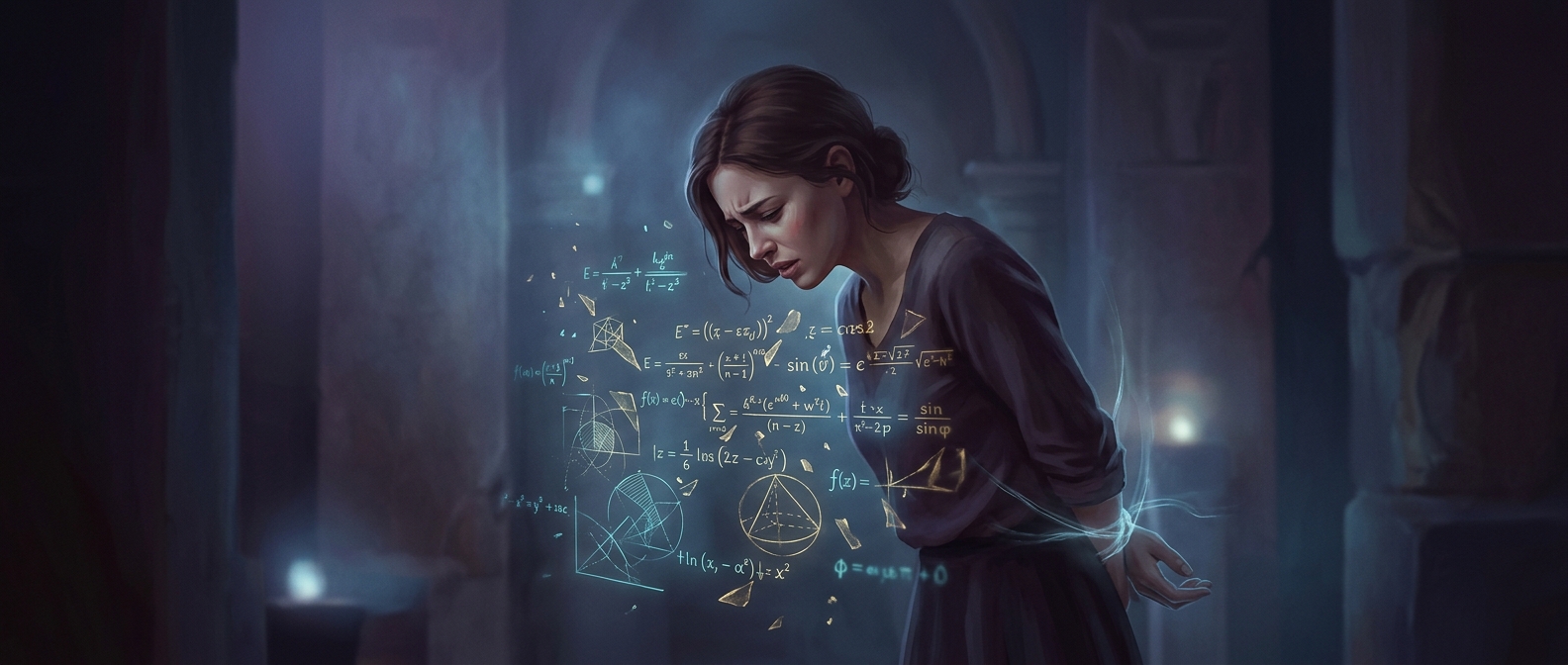
Why using your hands can help you solve problems
Your hands can think out loud. A gesture turns an invisible relationship—like which way a shape must rotate—into something you can see and manipulate, freeing…
Discover more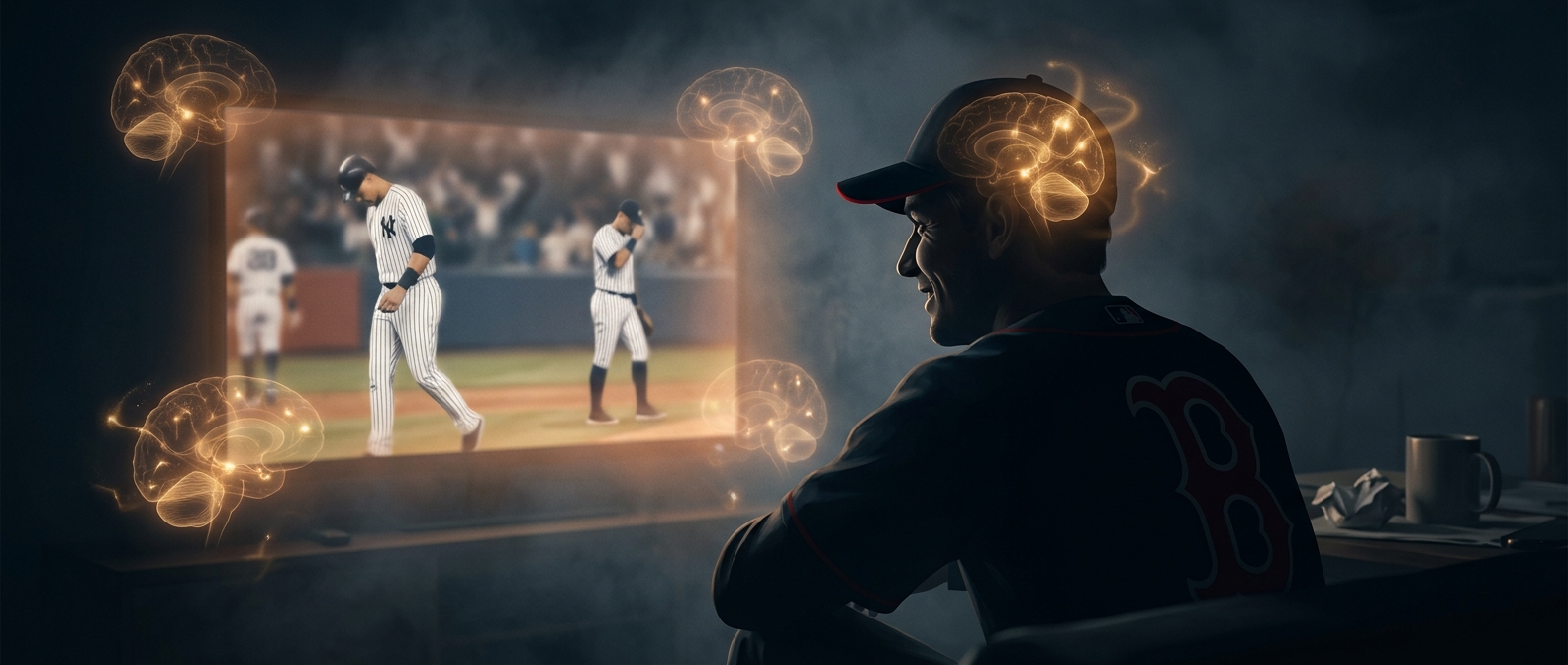
Why your rival's failure can feel better than your victory
Beating a rival gives you a victory; watching them stumble can erase the person you were measuring yourself against. When your self-evaluation depends on…
Discover more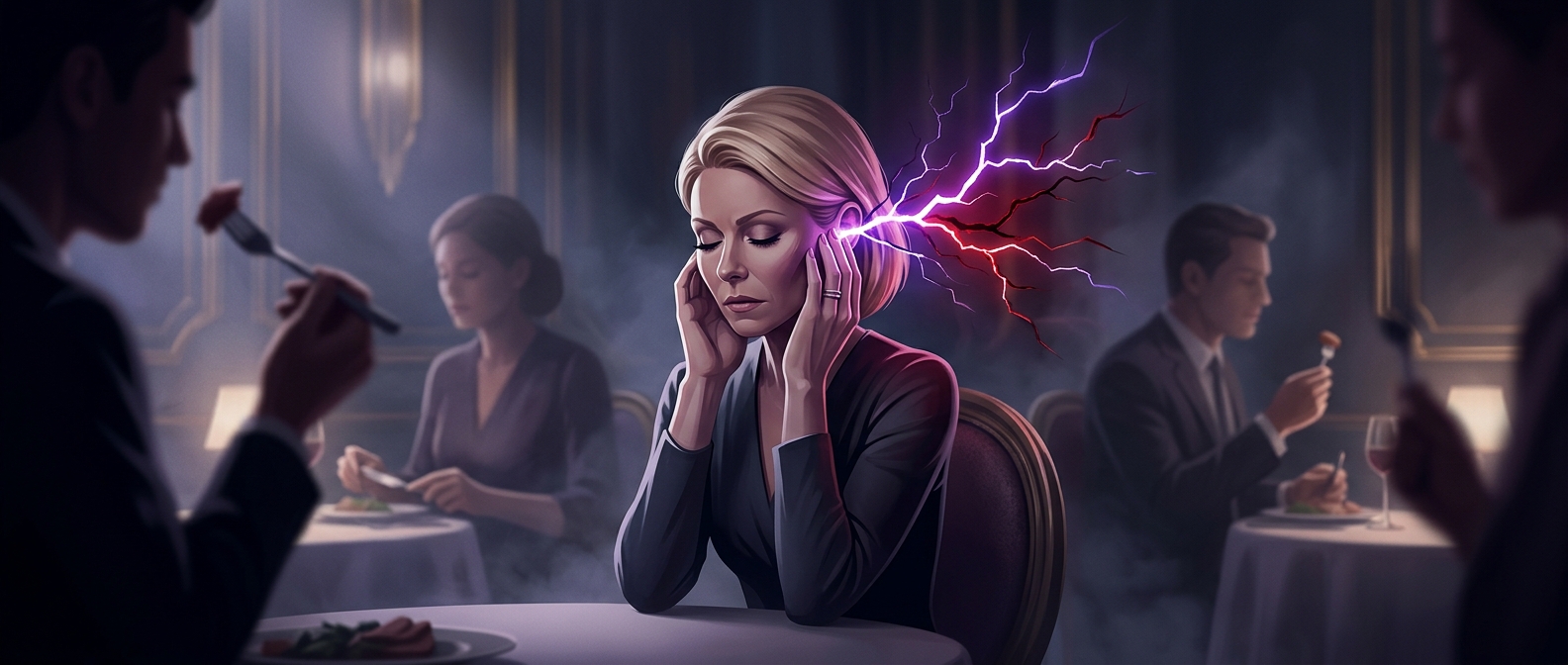
Why chewing sounds can trigger rage
A quiet room makes every wet click of chewing sound bigger—and harder to escape. In misophonia, certain repetitive sounds can trigger an intense anger or…
Discover more STACKY FOR IPHONE
A bigger world.
One discovery
at a time.
Keep discovering with Stacky. Interesting facts in an app that is always within reach.
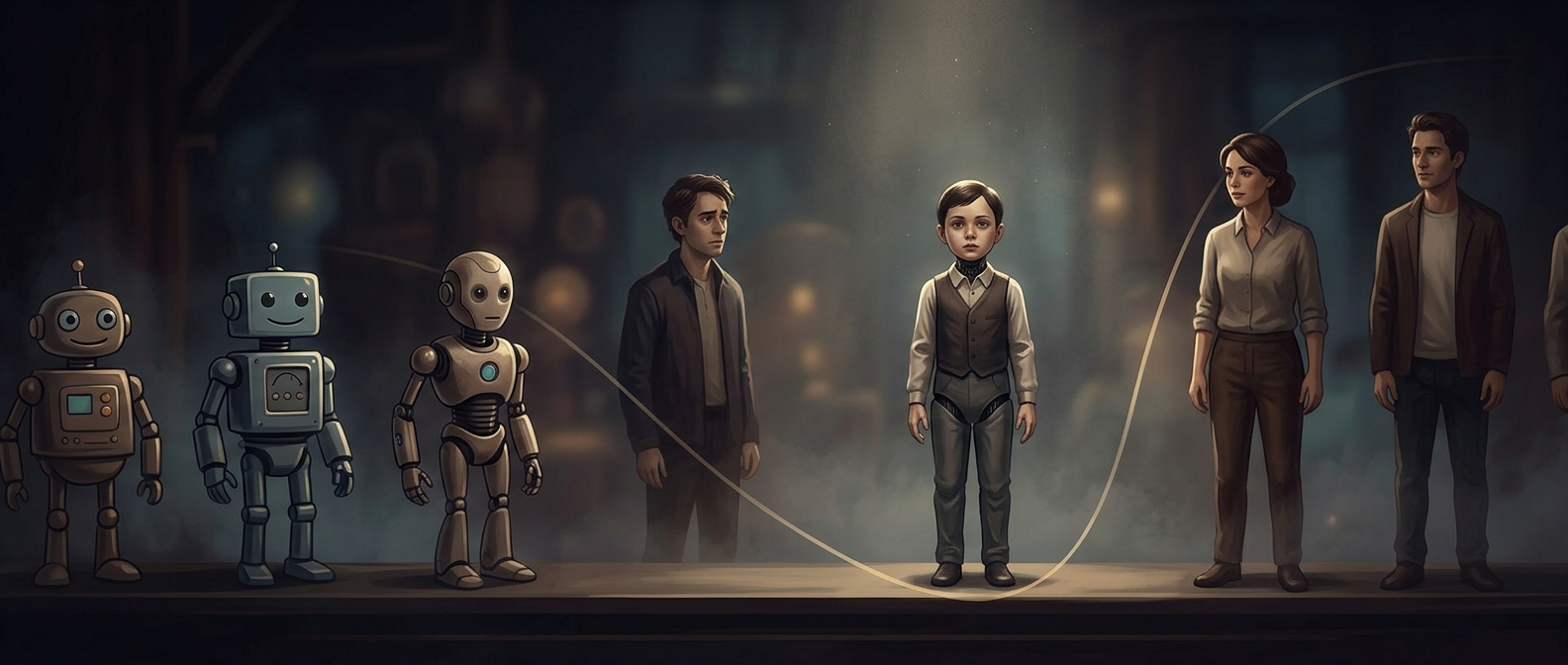
Why The Polar Express feels so unsettling
The movie’s characters are realistic enough to trigger your social radar, but not quite convincing enough to satisfy it. When eyes, expressions, and movement…
Discover more
When emotions feel like indigestion
Your mind doesn’t receive emotion as a neat label. It gets a racing pulse, a clenched stomach, or a knot in your throat, then works out what those sensations…
Discover more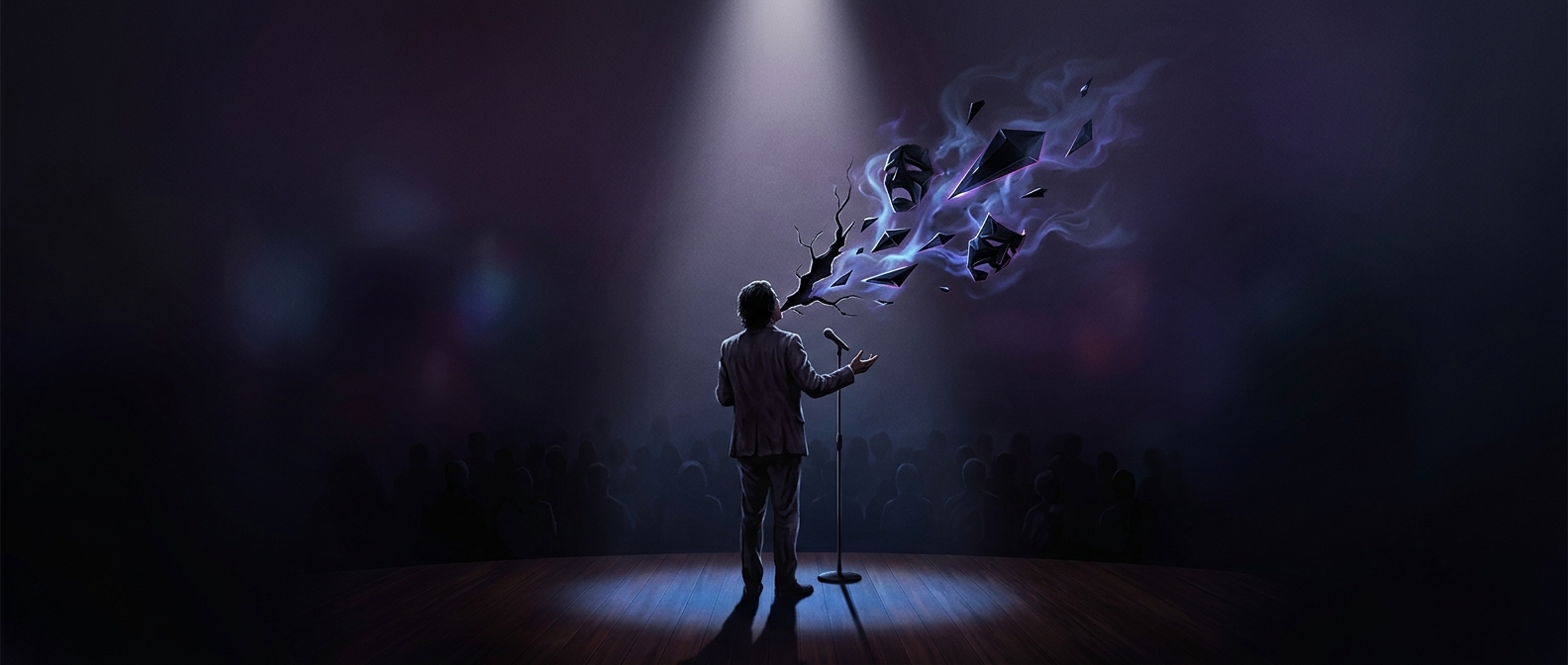
Why some people joke about their own pain
Making a joke about your own pain can change the role you occupy in the room. Instead of waiting for someone else to label you as damaged or awkward, you tell…
Discover more
Why grief can follow a celebrity you never met
A familiar actor can become part of your private routine: you watch them, hear their voice, and follow the chapters of their life. Your mind can build a sense…
Discover more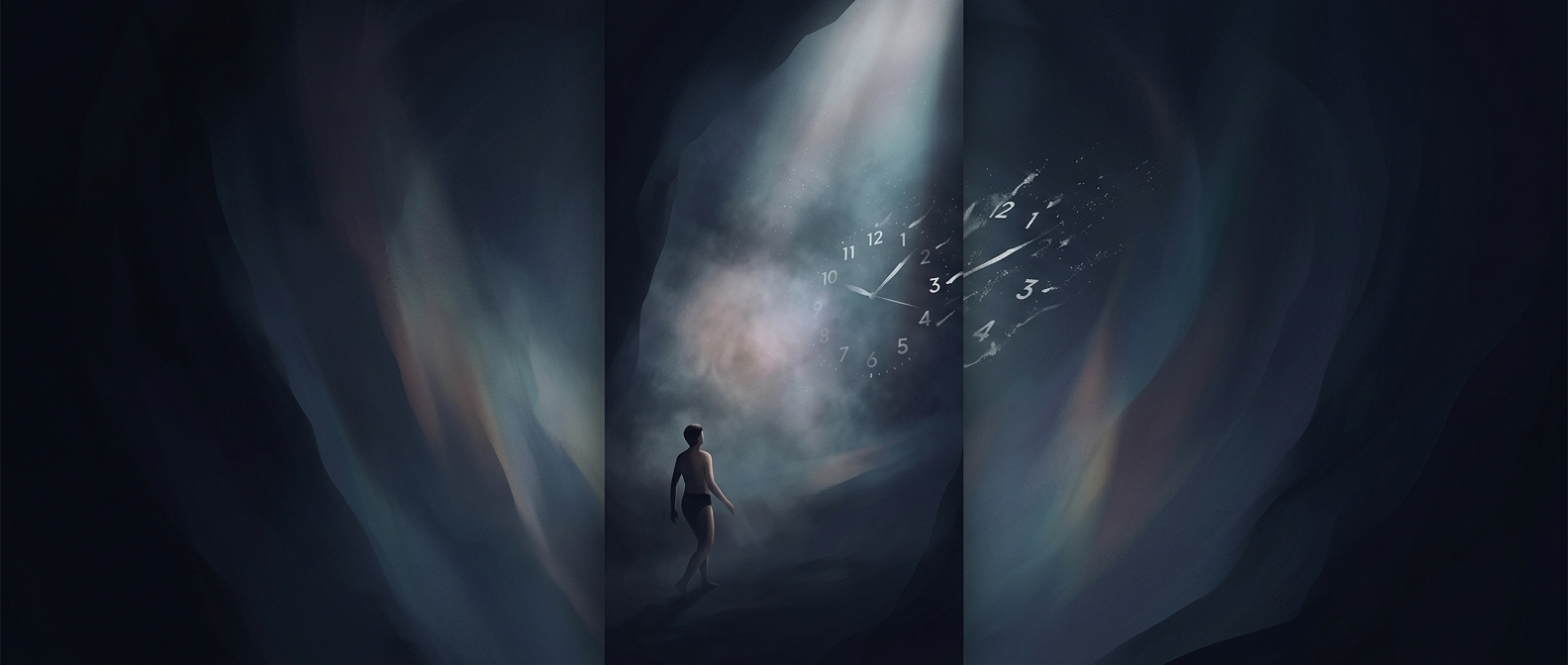
What months in a dark cave did to one man’s sense of time
In 1962, Michel Siffre spent about two months underground without daylight or clocks. His estimate of the date fell far behind the outside calendar. Sleep…
Discover more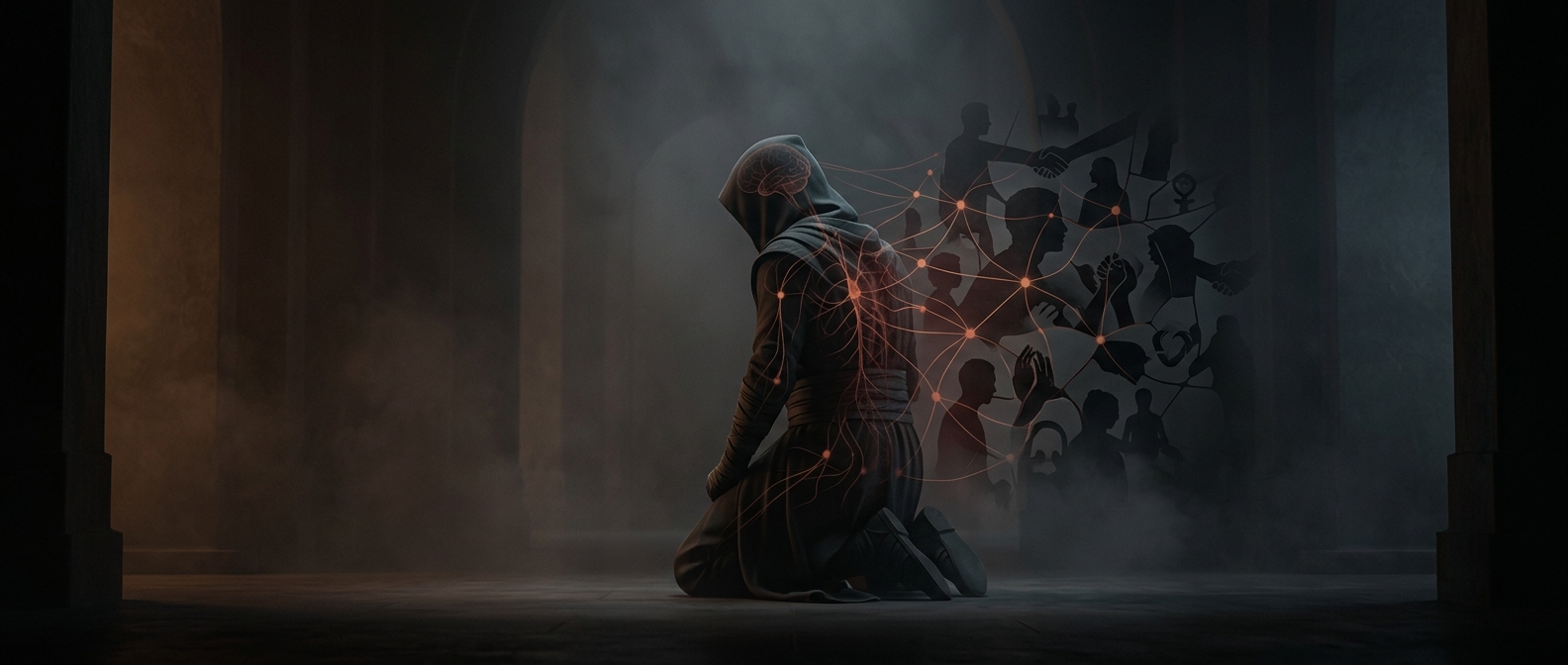
Why some extremists see the group as part of themselves
When someone’s identity fuses with a group, “we” starts to feel like part of “me.” The group’s danger can register as a personal threat, so taking risks for…
Discover more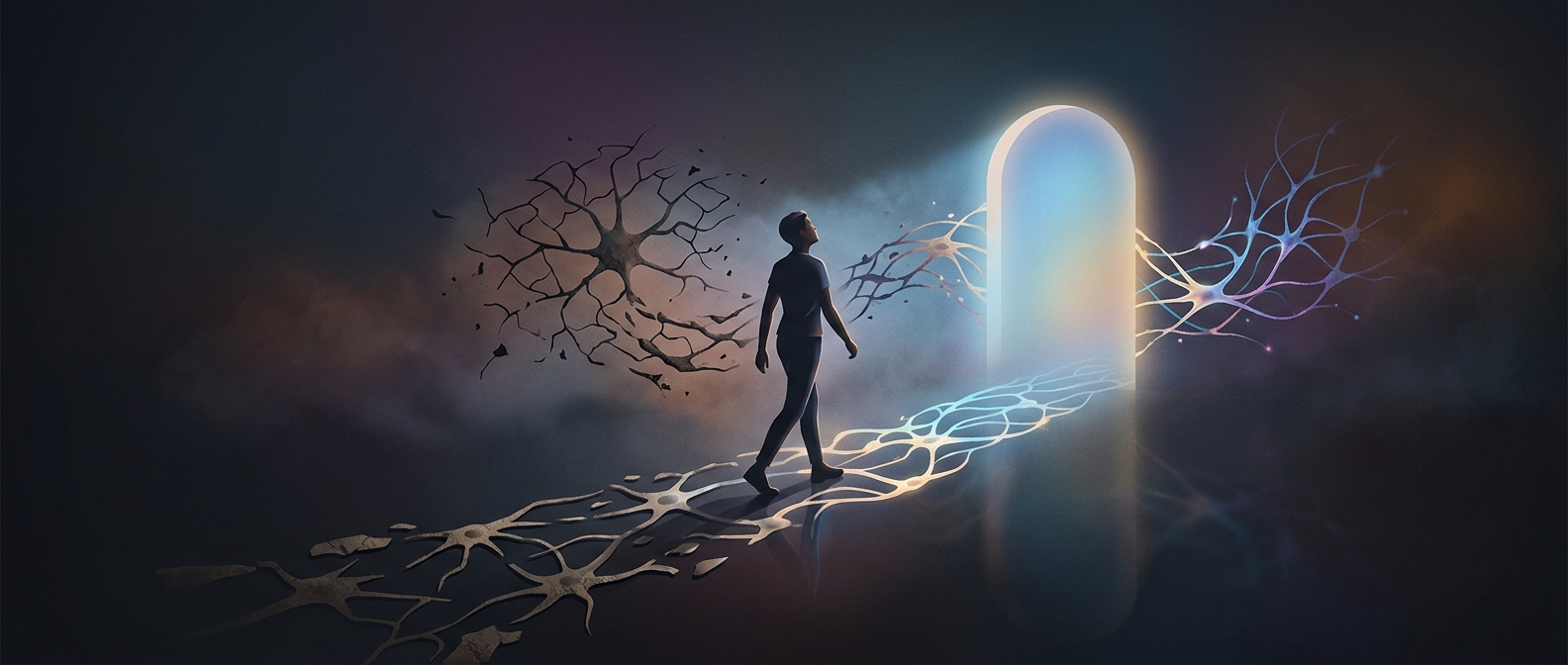
Helplessness research shifted toward how the brain learns control
Early experiments showed animals failing to escape after uncontrollable stress. Later neuroscience led researchers Maier and Seligman to rethink the…
Discover more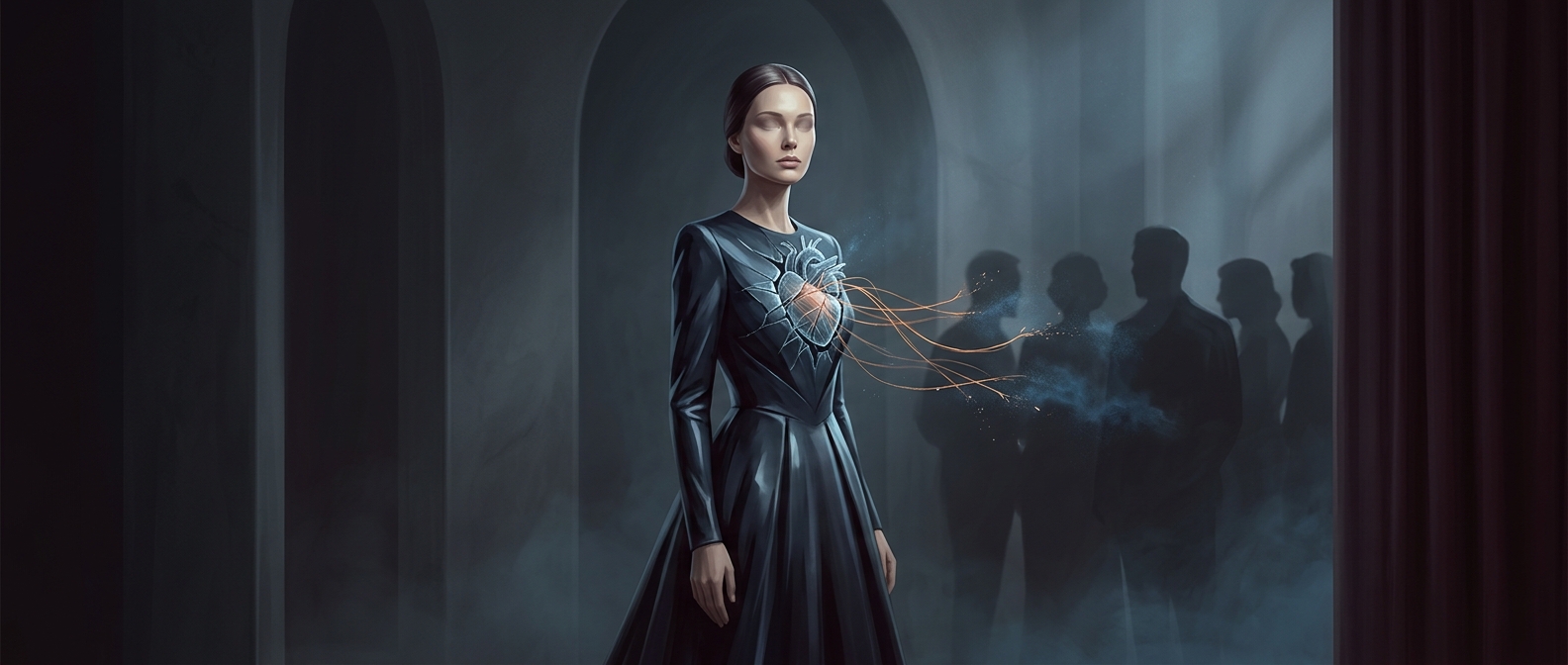
Can Botox affect how we read other people's emotions
A faint frown can be easier to recognize when your own face can echo it. Botox limits movement in targeted facial muscles, so the small mimicry that helps…
Discover more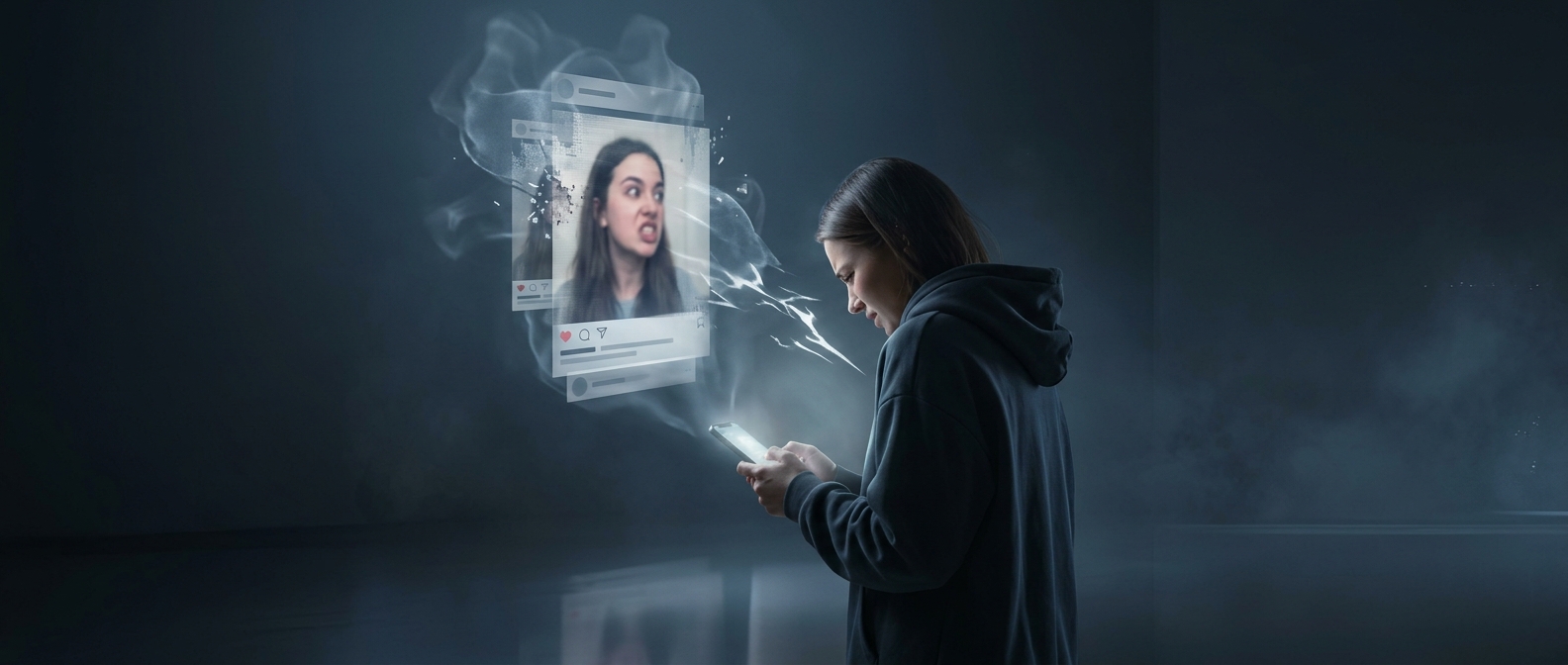
Why old posts make you cringe
An old post preserves a version of you who no longer knows what you know now. You read the earnest caption or awkward joke with your current standards, while…
Discover more
Why astronauts feel changed after seeing Earth
A map divides Earth into countries; a spacecraft window shows one continuous planet. That view can rearrange what feels important, making political borders…
Discover more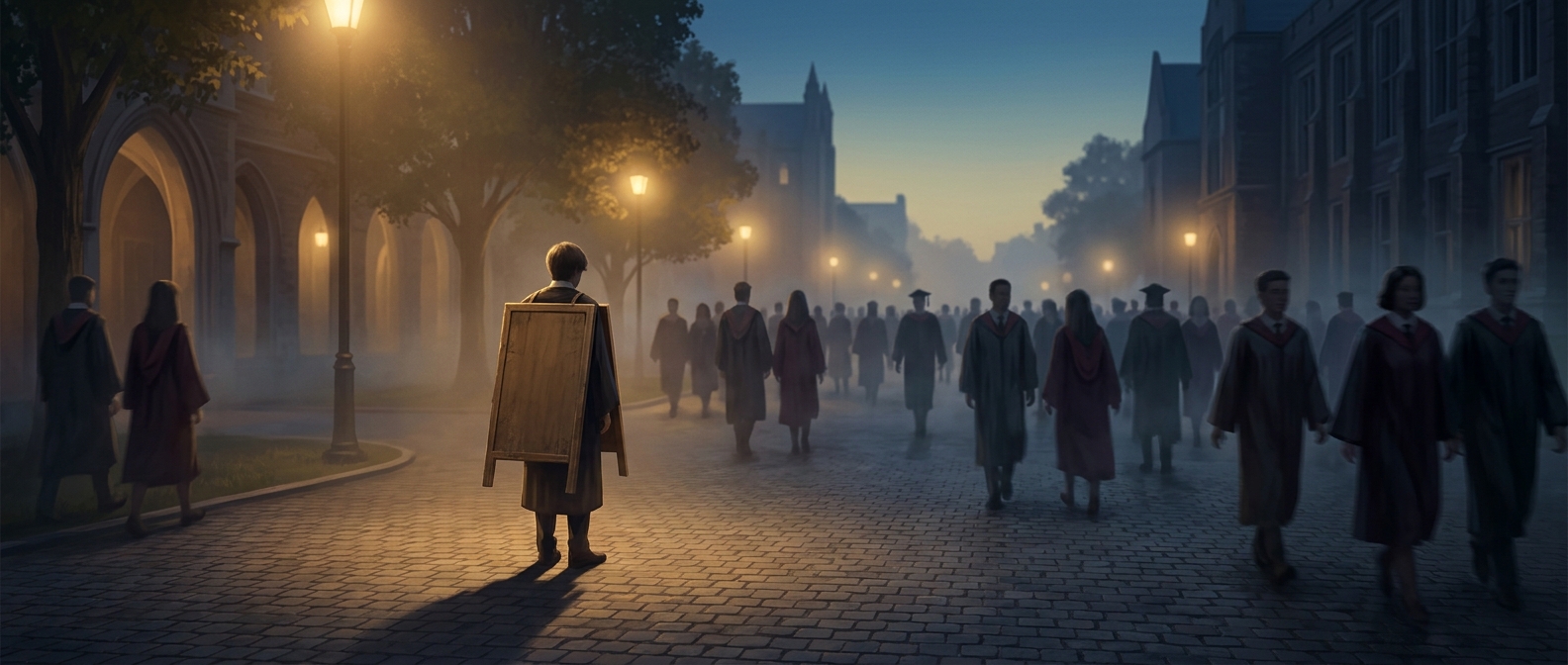
Why people overestimate how many others think like them
Your own opinions are vivid and easy to recall, so they can start to feel like the default setting for everyone. You may use your reactions as a sample of the…
Discover more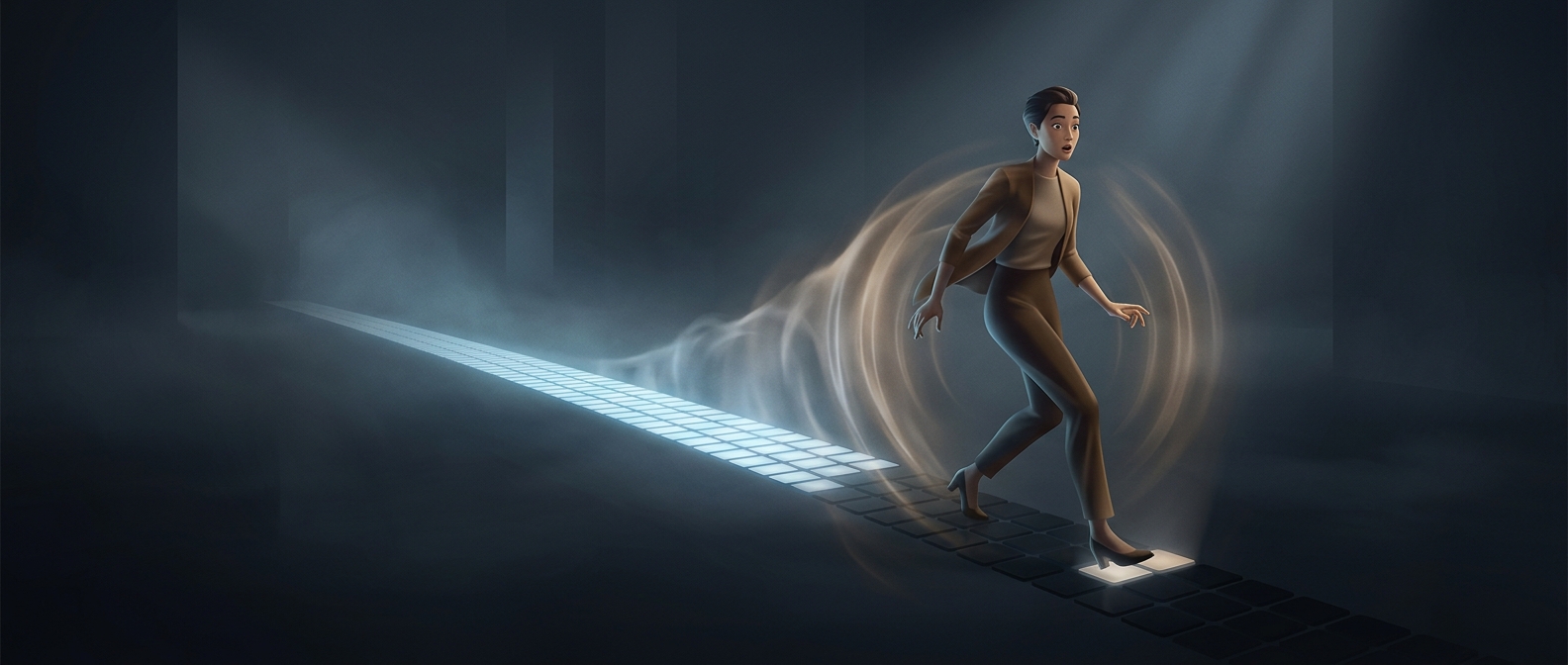
Why a typo can slow your next move
When a sentence is smooth, your mind can move straight through it. A typo breaks that rhythm: you pause, reread, and figure out what was intended. The extra…
Discover more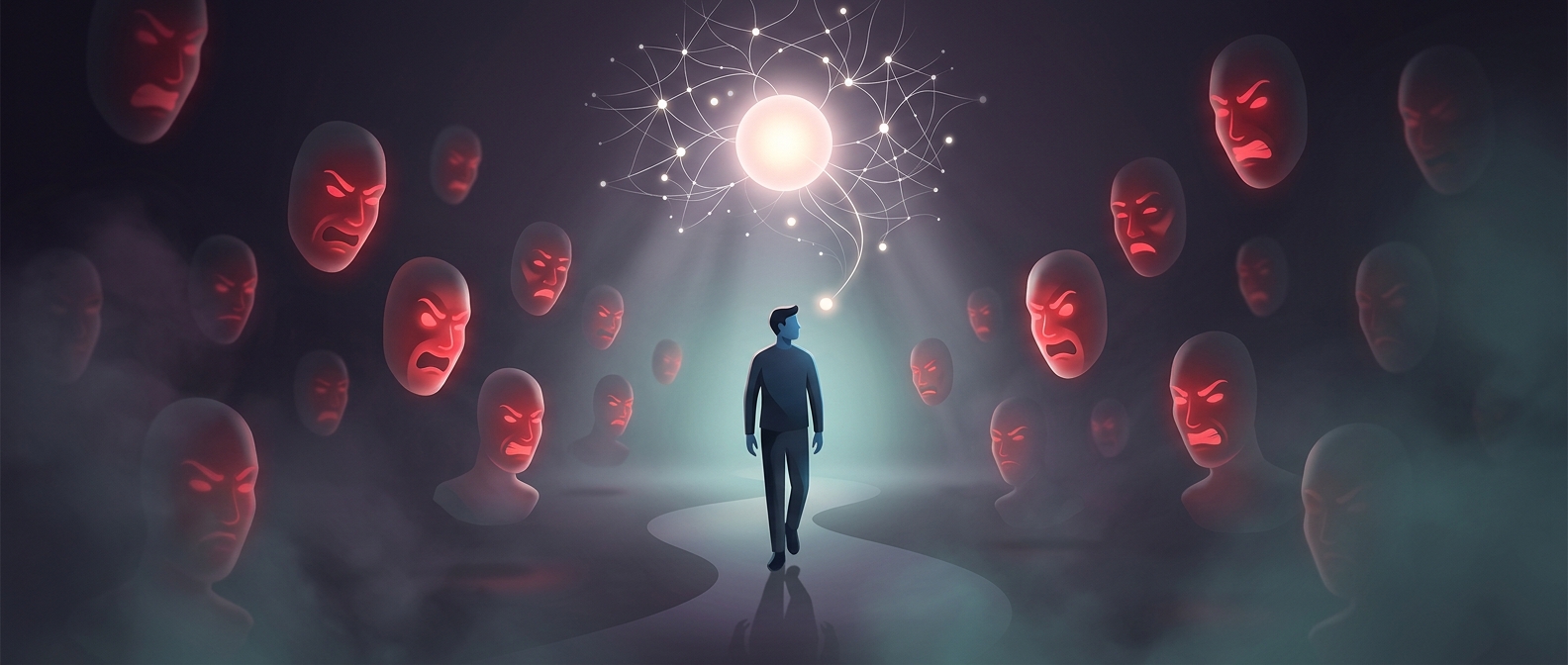
Dot-probe therapy programs your brain to ignore angry faces
An angry face can grab attention before you consciously decide it matters. Dot-probe programs practice shifting attention elsewhere, again and again, so the…
Discover more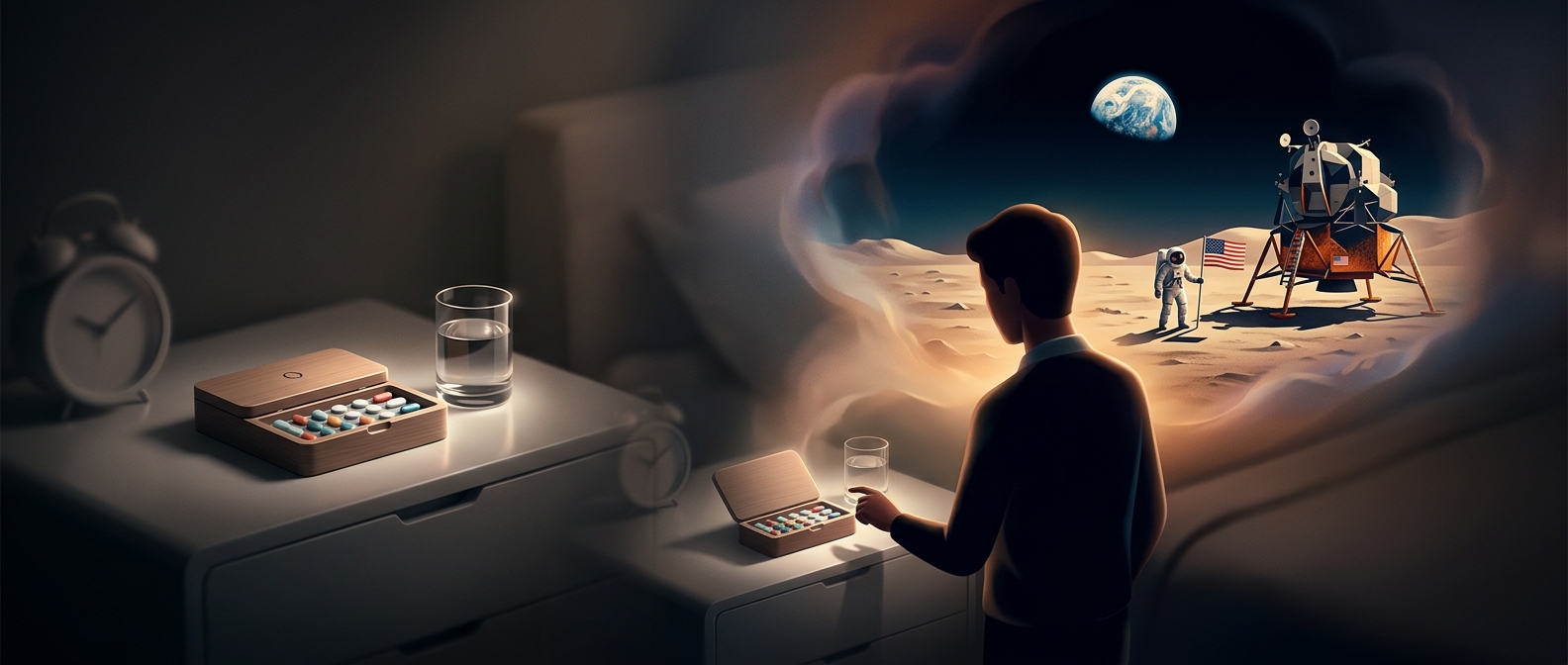
Why you remember the past but forget your plans
The past leaves memories your mind can retrieve when something points toward them. Future plans need a trigger—a time, place, or reminder—to bring the…
Discover more
Martin Luther confessed for hours over religious guilt
Martin Luther reportedly spent hours confessing because he feared leaving a sin unexamined. In a religious world where a hidden fault could feel spiritually…
Discover more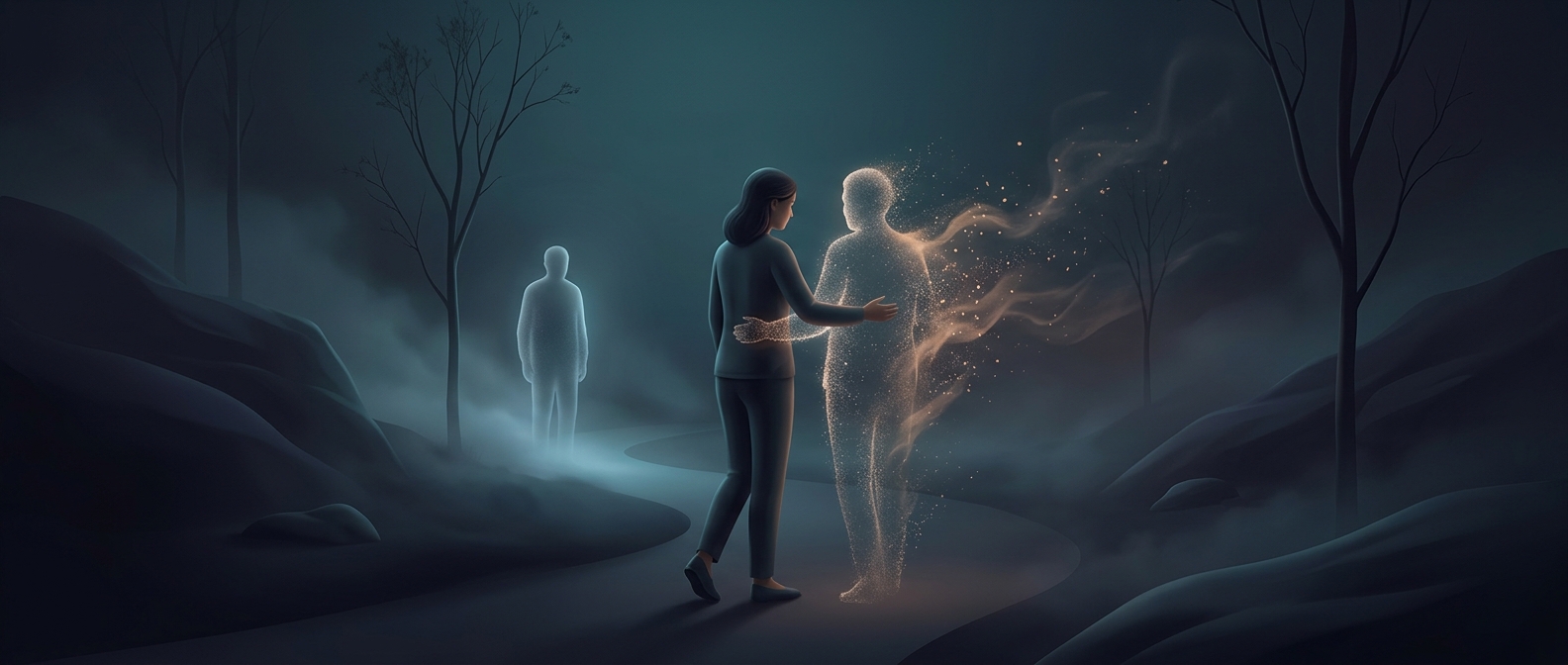
Why Alzheimer's caregivers can grieve before death
An Alzheimer’s caregiver can lose pieces of the person they love while that person is still alive: a familiar conversation, a shared joke, the old way of…
Discover more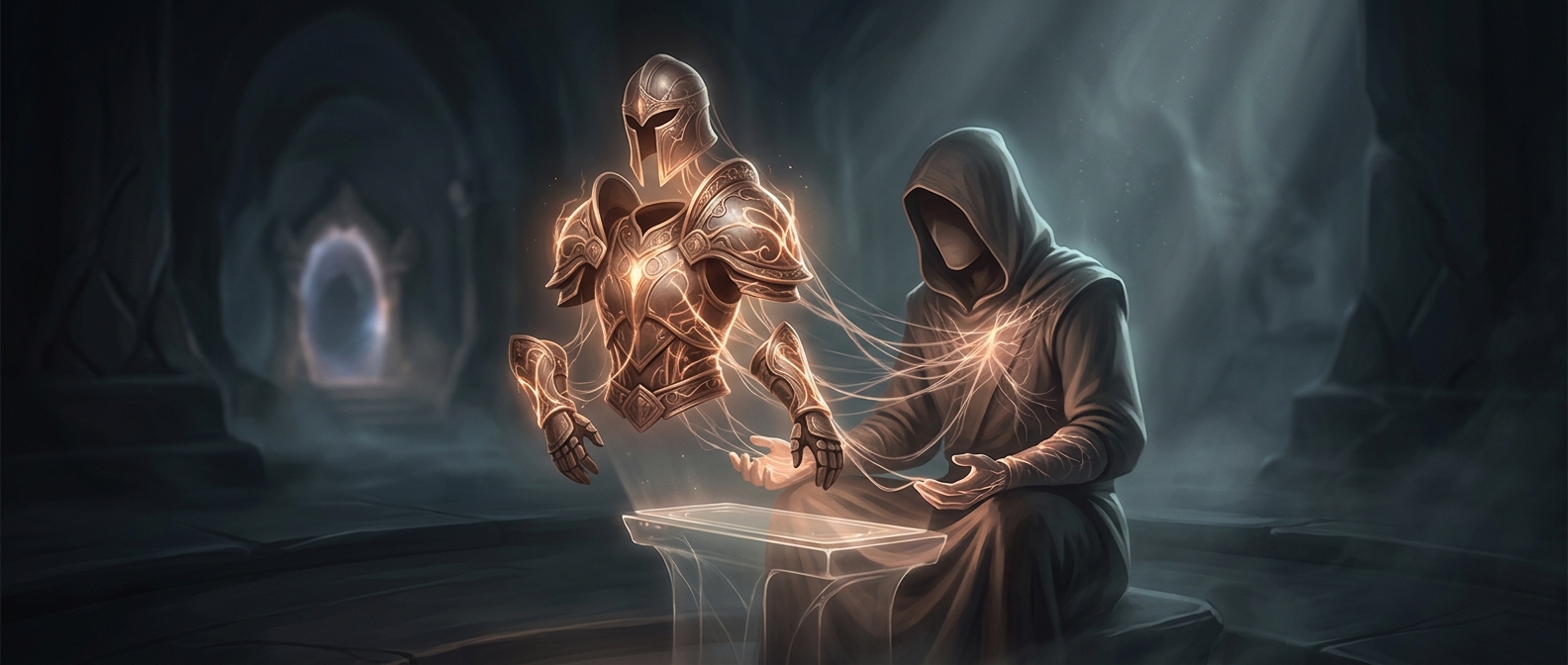
Why losing digital gear can feel genuinely painful
A vanished helmet can take more than pixels with it. It may represent the battles you won, the character you built, and the time you put in. Your mind treats…
Discover more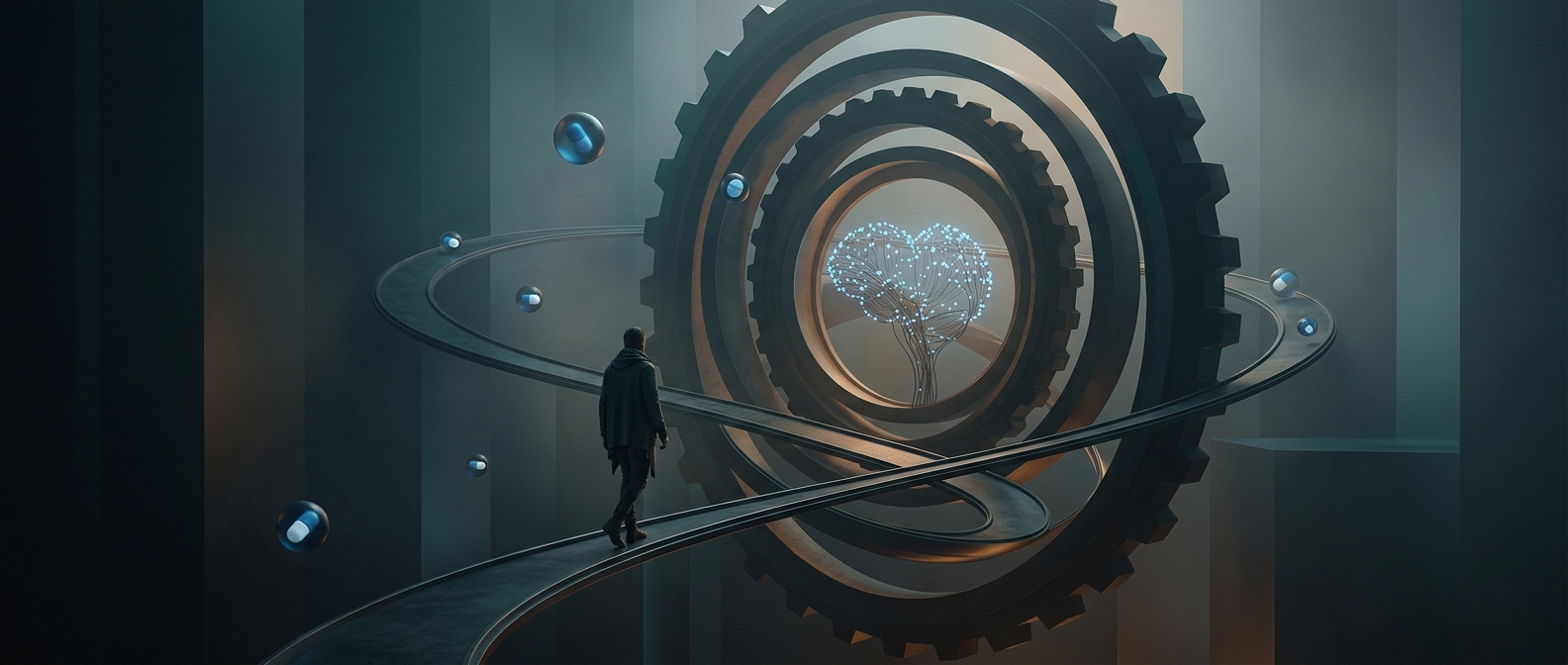
Remembering to take Lipitor is a prospective trap
Remembering what Lipitor is for is different from remembering to take it later. That second task—remembering to do something in the future—can vanish when…
Discover more