Psychology
Discover facts about psychology. Small discoveries that change the way you see familiar things.
Psychology
Individuals who can pinpoint their bad mood as specific existential ennui rather than just feeling generally terrible recover from profound psychological trauma significantly…
Words don't just describe your feelings; they actively regulate them. Emotional granularity is the ability to specifically identify what you're experiencing.…
Discover moreCorporate environments mirroring the cutthroat culture of Enron actively reward executives who possess a highly toxic cocktail of narcissism and psychopathy by mistaking their…
Welcome to the corporate jungle, where the absolute worst person in the room usually gets the corner office. Individuals possessing Dark Triad…
Discover more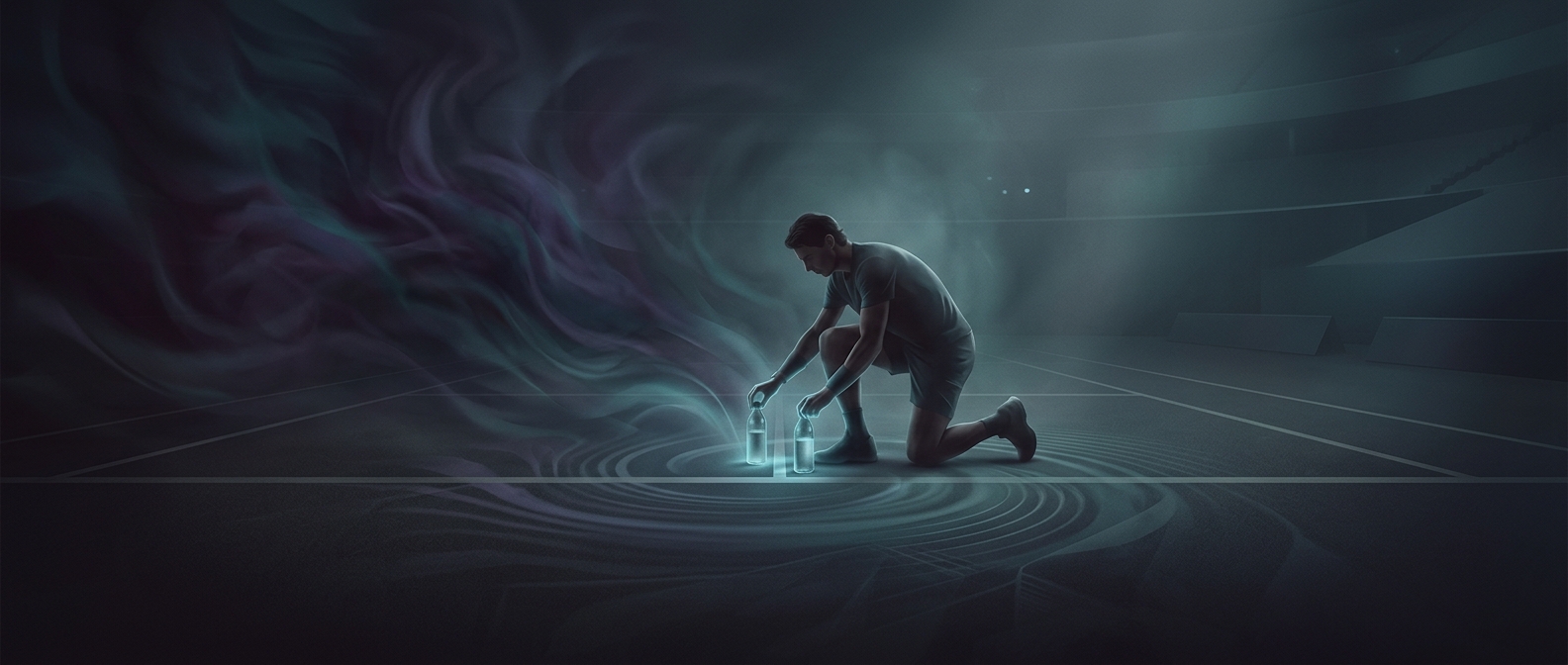
Why Nadal lines up his water bottles
Before serving, tennis legend Rafael Nadal performs a dizzying array of obsessive rituals, including perfectly aligning his water bottles so the labels face…
Discover more
Why some Chernobyl residents returned home
Following the 1986 nuclear disaster, hundreds of elderly residents defied strict military orders and actively snuck back into the deadly exclusion zone to…
Discover more
Why a crowd can feel lonelier than an empty forest
Loneliness has absolutely nothing to do with physical proximity to human bodies. In fact, extreme crowding can exacerbate it through the contrast effect. When…
Discover more
When GPS tells drivers to go straight into the water
We are quietly outsourcing our survival instincts to lines of code. In multiple bizarre incidents, drivers have plunged their cars into lakes or oceans simply…
Discover more STACKY FOR IPHONE
A bigger world.
One discovery
at a time.
Keep discovering with Stacky. Interesting facts in an app that is always within reach.

Why being proven wrong can strengthen a belief
Nothing solidifies a delusion quite like hard evidence proving it completely wrong. In 1954, psychologist Leon Festinger infiltrated a doomsday cult…
Discover more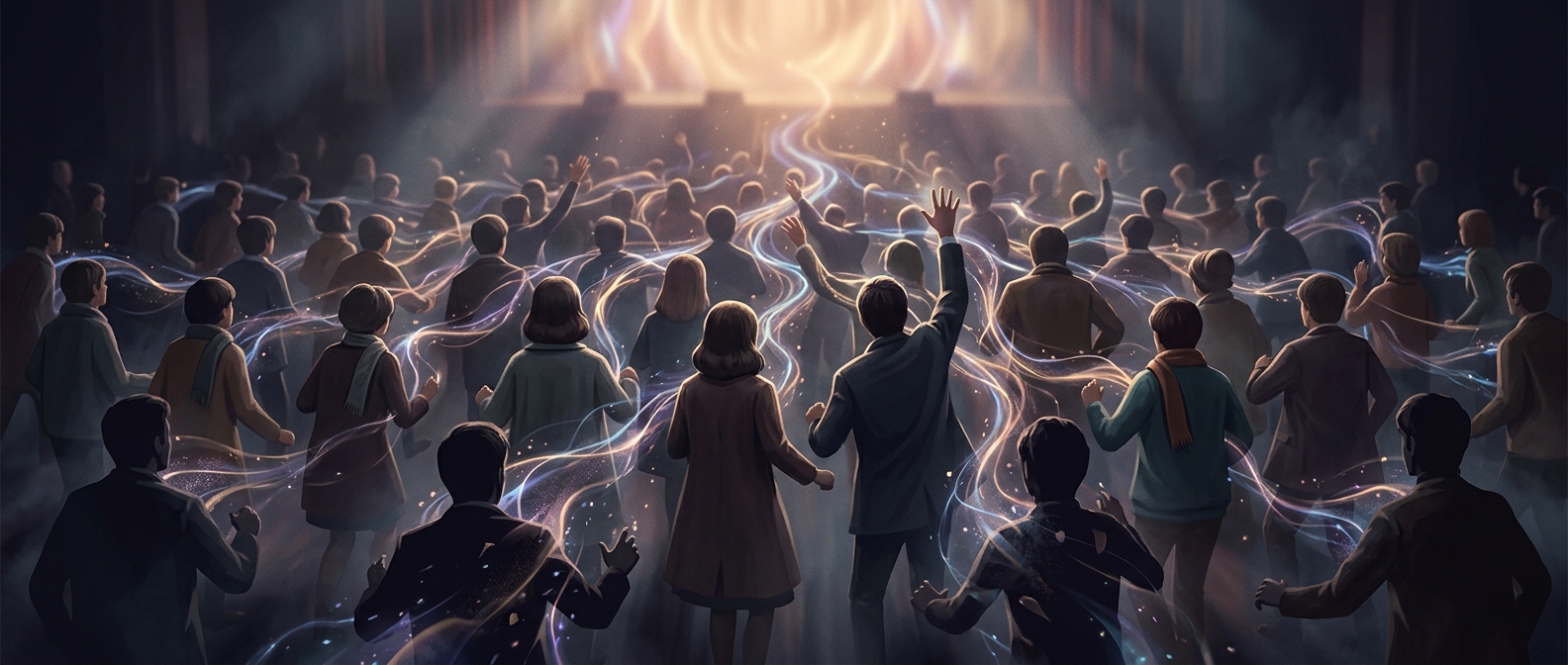
How Beatlemania spread through the crowd
Those screaming teenagers chasing John Lennon through airports weren’t all individual superfans; most were biologically hijacked by the crowd. Emotional…
Discover more
How tragedy becomes a shared national story
When a nation witnesses sheer horror, the collective consciousness violently reorganizes itself. Societal trauma forces millions of disjointed, terrified…
Discover more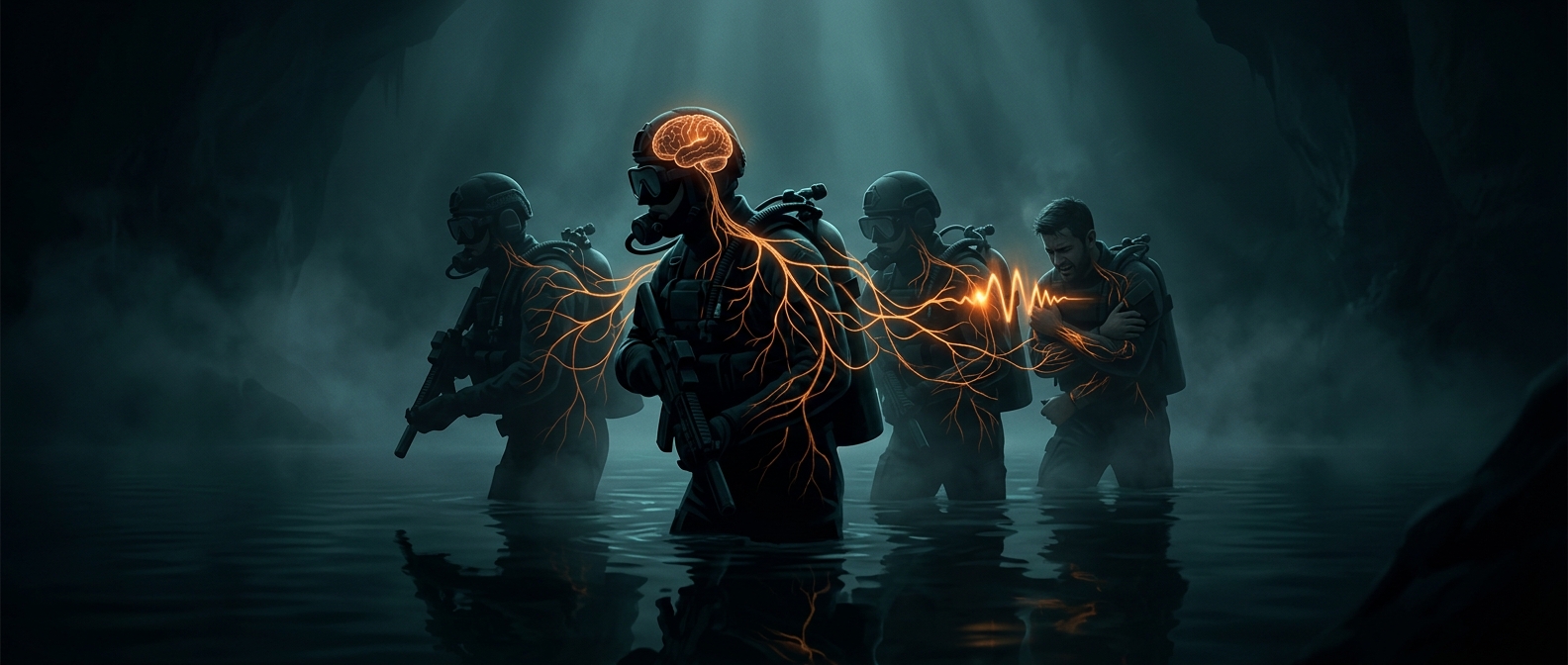
When a teammate's pain feels like your own
Teamwork is cute, but identity fusion is downright terrifying. Under intense shared suffering, the psychological barrier between 'me' and 'we' totally…
Discover more
Why abuse can make people seek comfort from the abuser
Cult leaders don't need magic mind control; they just hack your inner toddler. By oscillating unpredictably between extreme, loving affection and terrifying…
Discover more
How helpless dogs were shown how to escape
You aren't inherently broken; you just forgot how to jump the fence. When psychologist Martin Seligman discovered 'learned helplessness' by repeatedly…
Discover more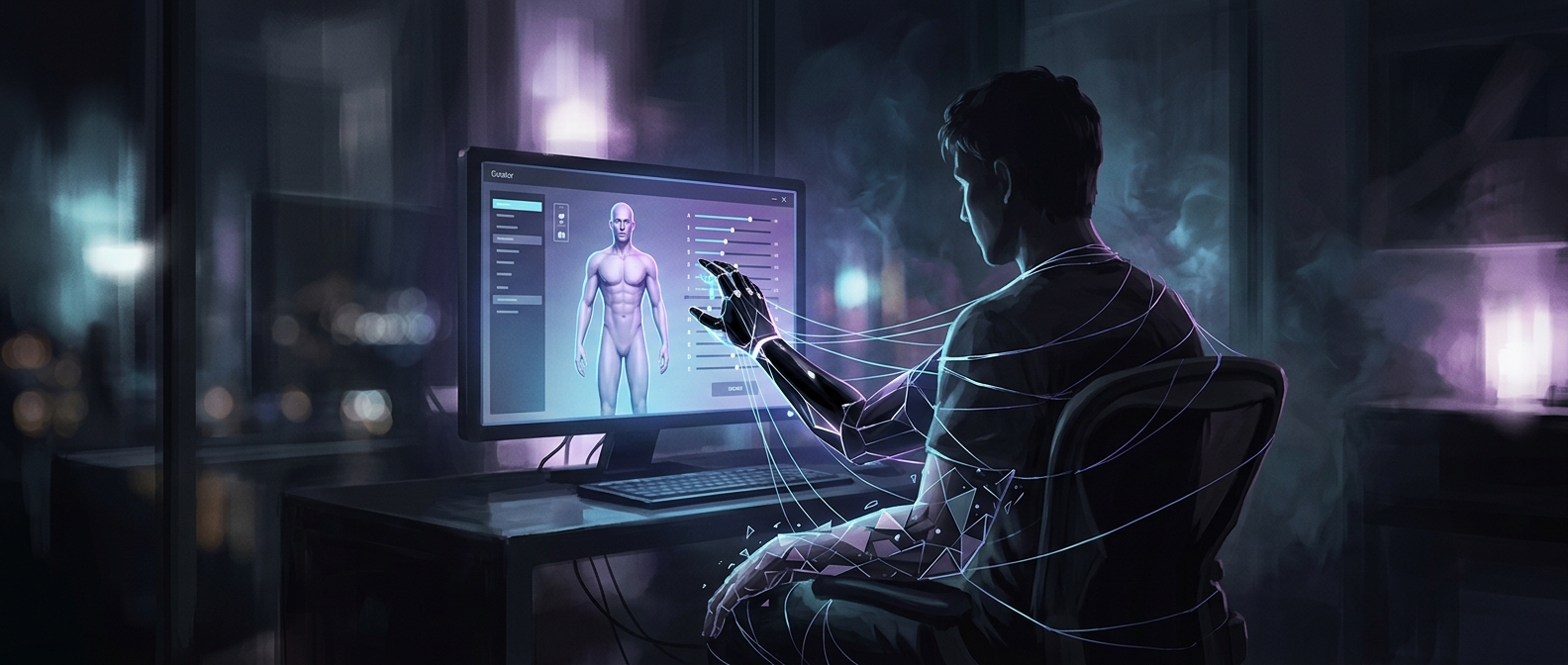
Why creating a perfect Sim can change how you see yourself
Spending three hours adjusting the cheekbones of a virtual avatar seems harmless until you look in the mirror. Thanks to the Proteus effect, customizing…
Discover more
The split-second parry that made gaming history
Executing a frame-perfect, 15-hit parry in front of thousands of screaming fans requires your brain to completely shut off its conscious thought. When Daigo…
Discover more
Why sugarcane farmers think more clearly after harvest
Being broke isn't a character flaw; it is a relentless, exhausting cognitive tax. Researchers found that Indian sugarcane farmers scored significantly higher…
Discover more
Why Strava can make your best run feel inadequate
Fitness tracking apps are heavily designed to motivate you, but they routinely hijack a primal instinct that makes you completely miserable. By constantly…
Discover more
How Facebook changed users' moods with a feed tweak
Misery really does love company, especially on the internet. In a highly controversial 2014 study, Facebook intentionally altered the feeds of nearly 700,000…
Discover more
Why sports fans can feel an insult as a physical threat
There is a biological reason why sports fanatics are willing to bleed for a team they do not actually play for. Psychologist William Swann describes identity…
Discover more
Talking about yourself by name can quiet rumination
LeBron James wasn't being an arrogant narcissist when he announced his team transfer in the third person; he was accidentally utilizing a genius psychological…
Discover more
Why saving for tomorrow can feel strangely impossible
You aren't just bad at saving money; you are chronologically trapped. The creator of the infamous Stanford Prison Experiment, Philip Zimbardo, shifted his…
Discover more
Can three minutes of arguing predict divorce
Malcolm Gladwell popularized it, but psychologist John Gottman perfected the terrifying art of thin-slicing. By observing just a three-minute snippet of a…
Discover more
How nostalgia can help you handle anxiety
Replaying Super Mario 64 isn't just a nerdy hobby; it is a sophisticated psychological defense mechanism. Psychologist Constantine Sedikides flipped the…
Discover more
Why judges set higher bail after thinking about death
You are an ape wearing a suit, terrified of the fact that you will eventually rot. According to Terror Management Theory, every cultural, political, and moral…
Discover more
John Watson terrorized Little Albert with furry animals to manipulate fear conditioning
If you were attacked by a dog as a kid, your brain permanently wired canine barks to sheer panic. This is classical fear conditioning, famously demonstrated…
Discover more