Psychology
Discover facts about psychology. Small discoveries that change the way you see familiar things.
Psychology
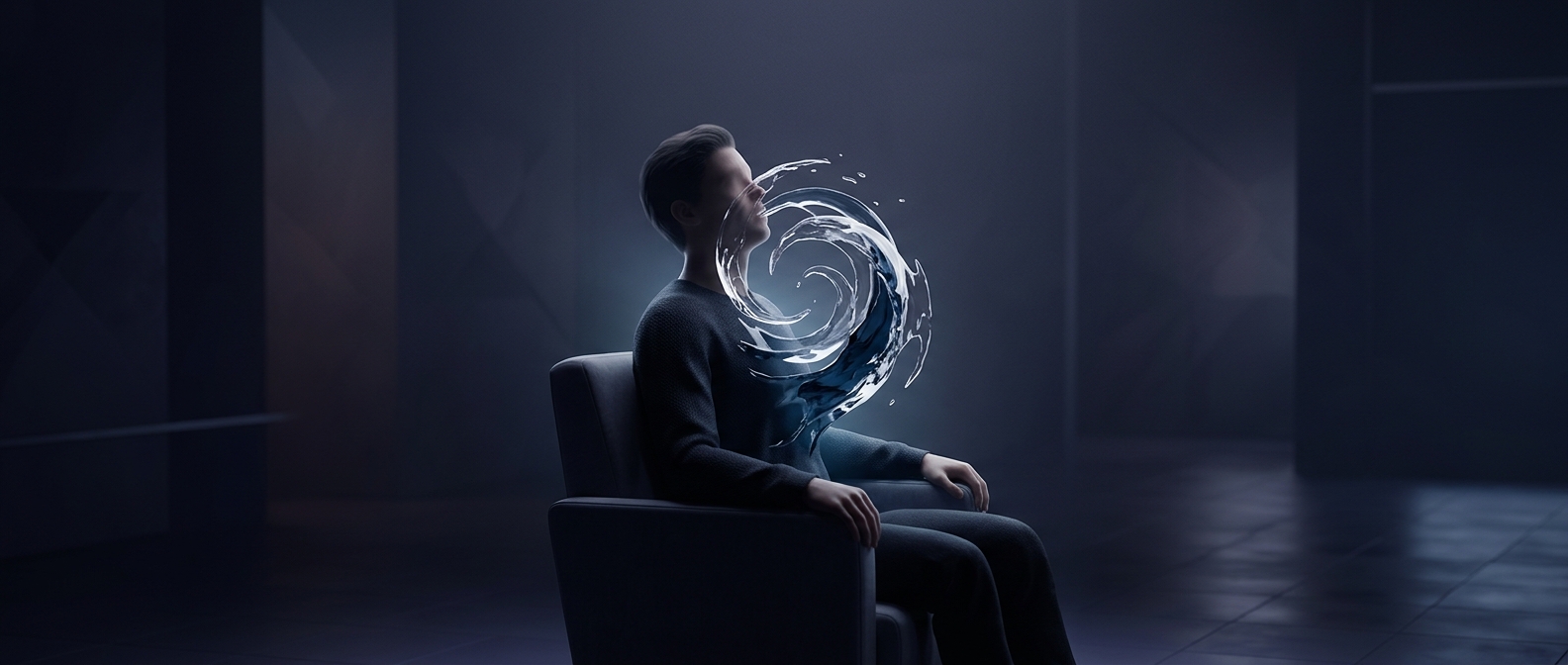
Why you sometimes choke on your own saliva
Your body normally handles saliva without asking for your attention. But swallowing has to coordinate with breathing, and a mistimed breath or movement can…
Discover more
When a long text becomes a thumbs-up
The thumbs-up compresses a whole response into a symbol. That can save effort for the sender, but it leaves the reader without the tone, explanation, or…
Discover more
Why you stop loving a band when everyone discovers it
A favorite band can become part of how you distinguish yourself. When everybody starts wearing the same shirt and singing the same chorus, the music may still…
Discover more
Why choosing nothing can feel easier than choosing
Every option gives you a chance to imagine what could go wrong, and more options mean more chances to regret the one you picked. Doing nothing avoids that…
Discover more
A familiar name can come from the wrong mental folder
Research on misnaming finds that people often substitute a name from the same relationship category, such as another family member. Familiarity makes a name…
Discover more
Waving back enthusiastically at a completely random stranger who was looking behind you
The wave happens because your brain fills in the missing information fast: a hand goes up, and you treat it as a message addressed to you. The awkwardness…
Discover more STACKY FOR IPHONE
A bigger world.
One discovery
at a time.
Keep discovering with Stacky. Interesting facts in an app that is always within reach.

Why hallway strangers mirror your every move
A stranger shifts their pace, and you may adjust yours before you consciously decide to. People automatically pick up and echo some of one another’s…
Discover more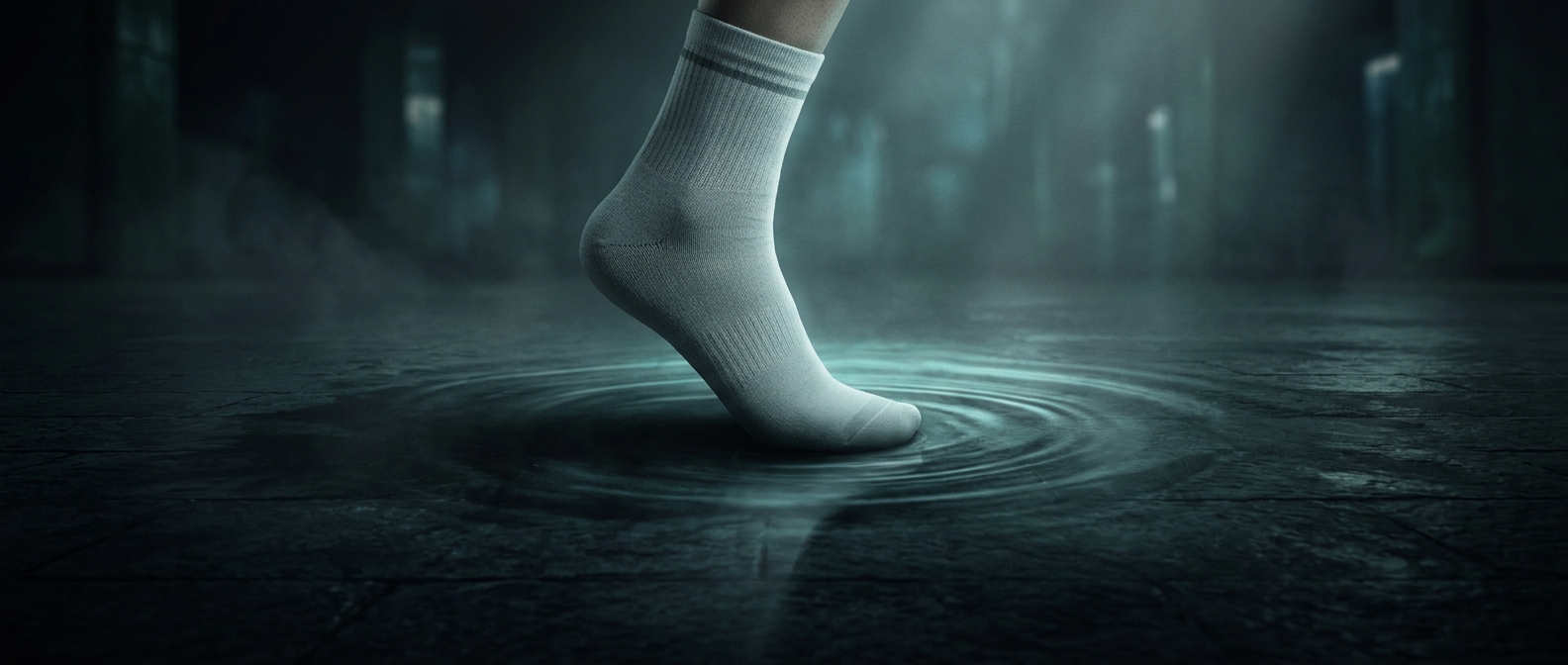
The horror of stepping in something wet in fresh socks
Your foot expects the same soft, dry feeling with every step. Wetness in a fresh sock is a sharp sensory mismatch, and the damp fabric clings where you…
Discover more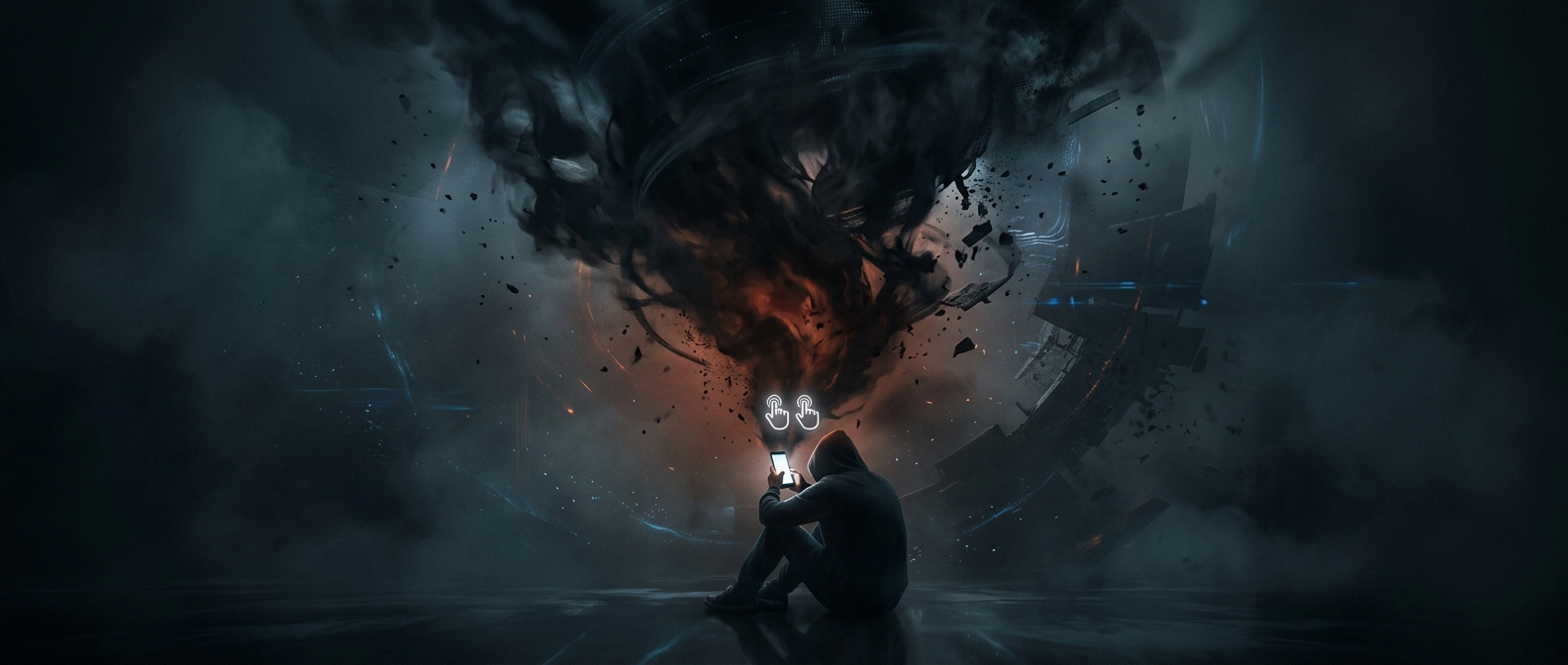
The panic of accidentally liking a decade-old post
Scrolling an old profile is usually invisible, which makes an accidental like feel like a trapdoor opening under you. A notification can turn a private moment…
Discover more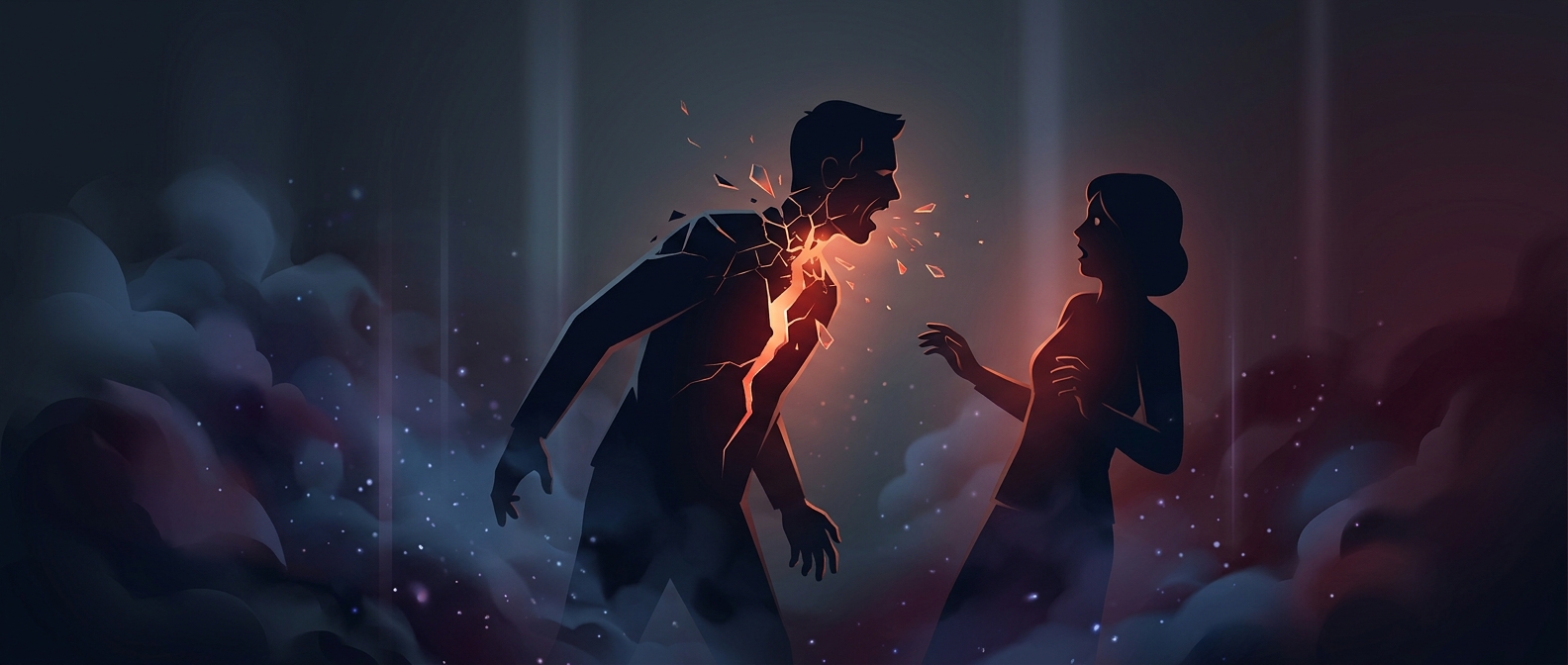
When your voice cracks in the middle of an argument
You may be trying to sound calm while your breath shortens and your throat tenses. Those changes can make your voice jump or crack, turning a private surge of…
Discover more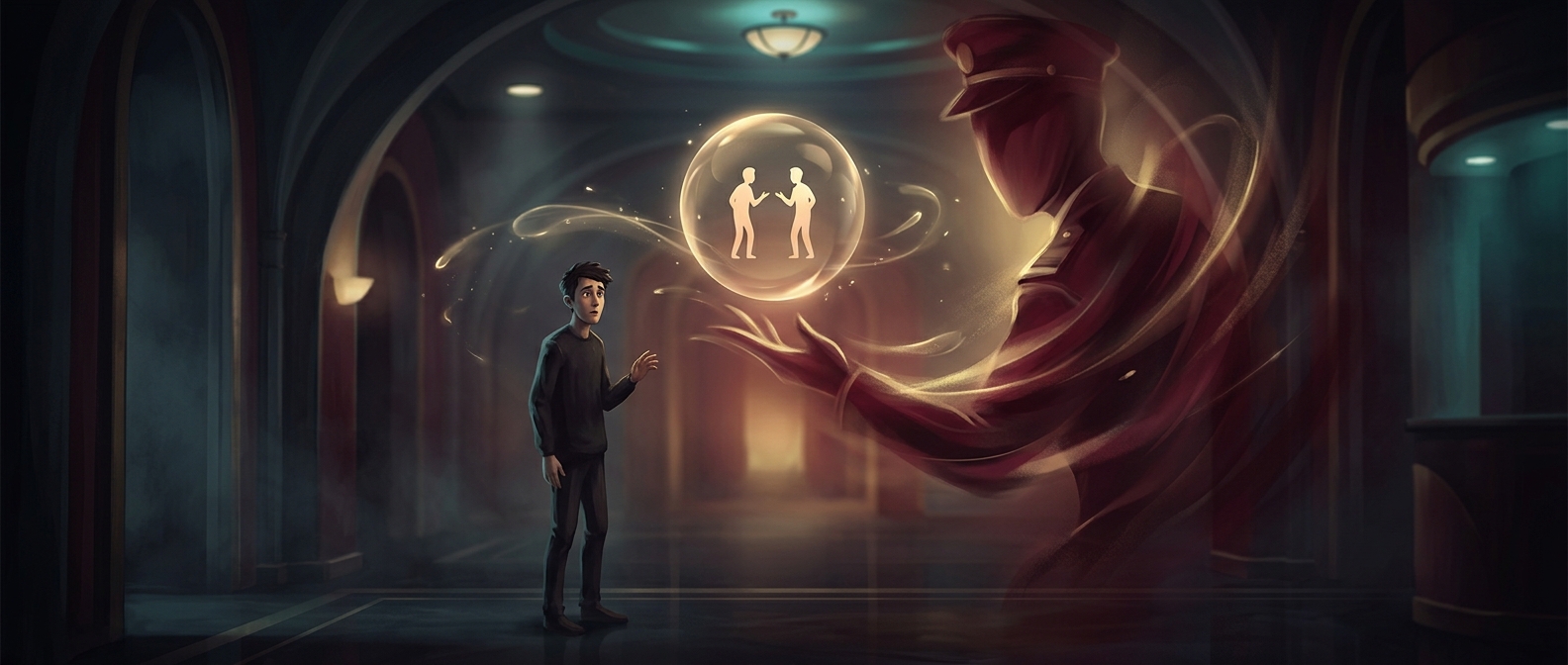
The awkward reply you give at the theater
The usher says, “Enjoy the show,” and your mouth answers, “You too.” Your brain has a ready-made reply for friendly send-offs, and it can launch that script…
Discover more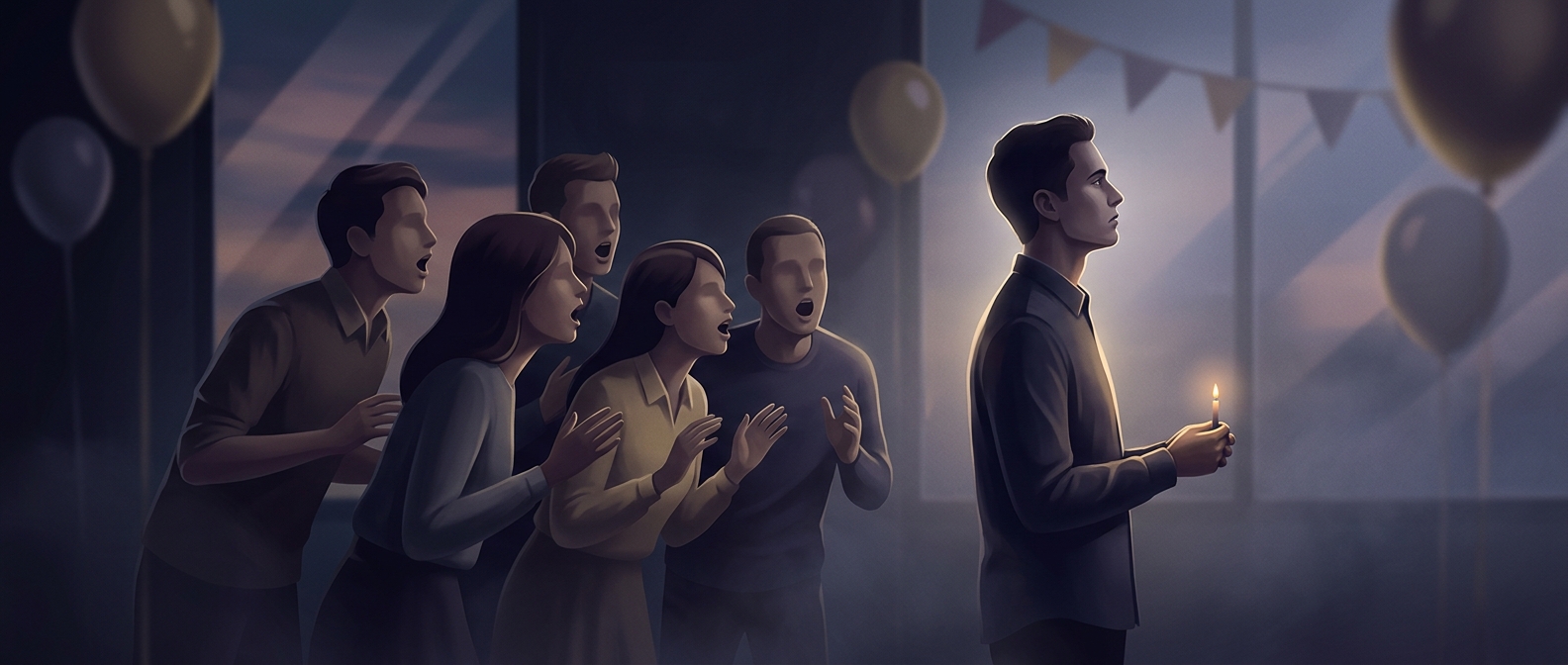
Why singing Happy Birthday feels so awkward
Everyone turns toward one person, then sings the same song at once, often in different keys and with no clear leader. The birthday person is on display while…
Discover more
The quiet thrill of spotting an obvious typo
Your eye expects a sentence to make sense, so an obvious typo creates a tiny snag: the word on the page fails to match the one your mind was already…
Discover more
When holding the door open forces someone to run
A person holding the door creates a social signal: “I’m waiting for you.” The approaching person may hurry because walking at their normal pace now feels like…
Discover more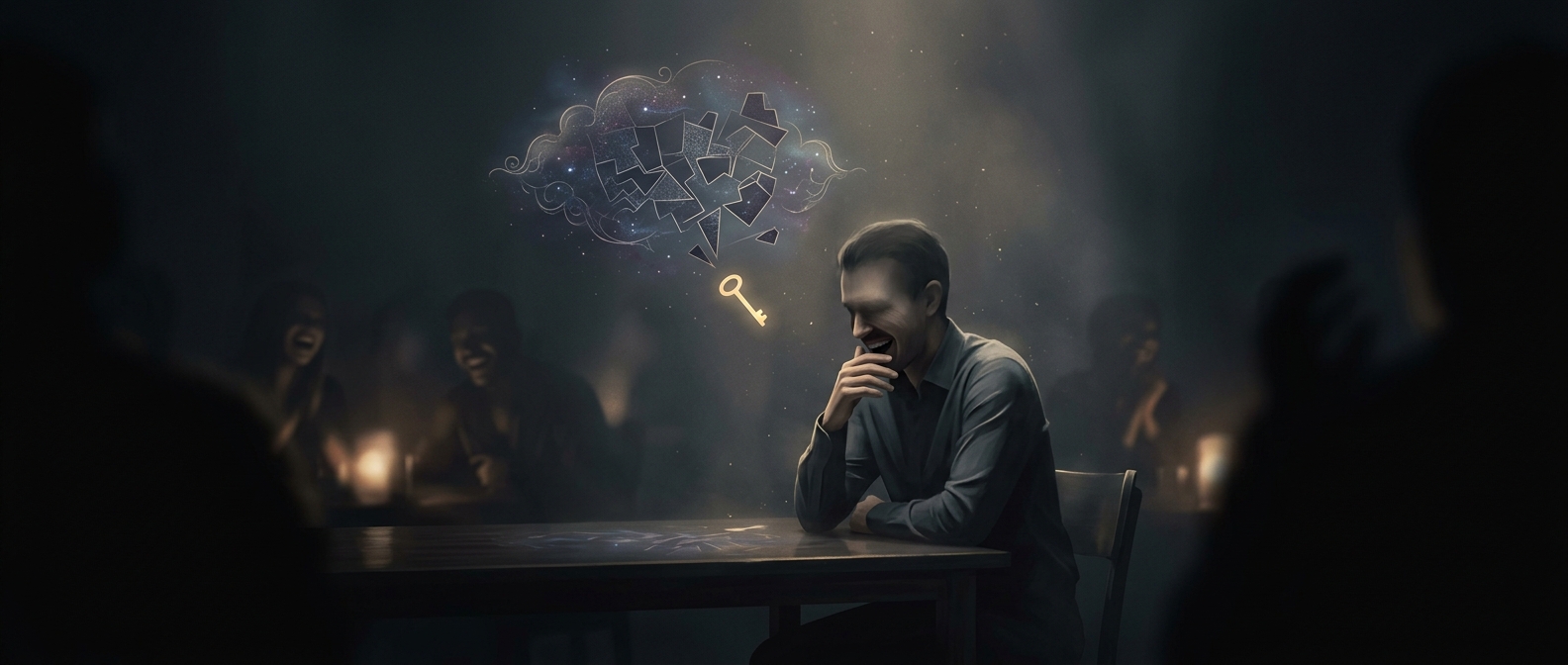
Sometimes your laugh means 'I'm with you,' not 'that's funny'
That laugh after a joke you didn’t get can be a quick cover for uncertainty. People use laughter to keep a conversation smooth and signal connection, not just…
Discover more
An 'aha!' moment can make the wrong thing feel true
In experiments, solving an anagram with a sudden flash of insight increased how true an accompanying statement felt. The satisfaction of finding an answer…
Discover more
Why you read warning labels to avoid your thoughts
A warning label offers your attention a narrow track: ingredients, directions, tiny print. That can feel easier than sitting with a thought you don’t want,…
Discover more
Why popping bubble wrap feels so satisfying
Popping bubble wrap is a miniature control fantasy. You choose a bubble, press it, and hear proof that the job is finished. That reliable burst of feedback…
Discover more
Why voicemails get painfully long
In a live conversation, the other person’s reactions help you stop talking. A voicemail gives you none, so you may keep going to cover every possible…
Discover more
When a high five meets a fist bump
You and your friend both move to greet each other, but your hands arrive with different plans. Because greetings rely on quick, learned expectations, a high…
Discover more
Why we blame the floor after tripping
After a stumble, blaming the floor gives the mishap an outside cause: a loose rug, an uneven step, anything but “I can’t walk.” People naturally look for…
Discover more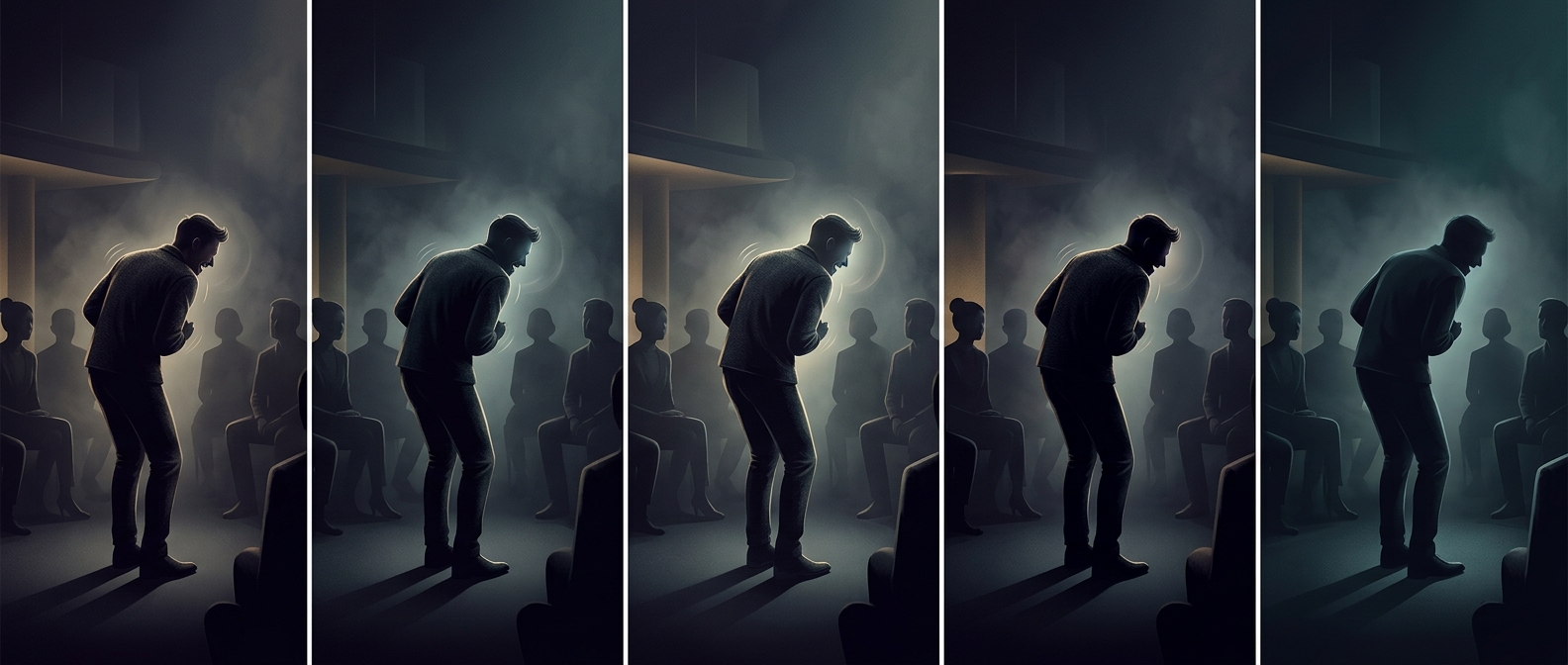
When you laugh at a joke you didn’t hear
People often laugh in response to other people’s laughter, not just to the joke itself. The sound tells you that something funny—or socially safe to treat as…
Discover more
Why you suddenly imagine throwing your phone into water
You’re holding your phone and suddenly picture tossing it into a lake. The jolt comes from imagining a forbidden action, not necessarily wanting it: your mind…
Discover more
Why some people feel in control of their fate
People tend to feel more in control when they see a link between their actions and what happens next. If effort has often changed the outcome, they’re more…
Discover more