Psychology
Discover facts about psychology. Small discoveries that change the way you see familiar things.
Psychology
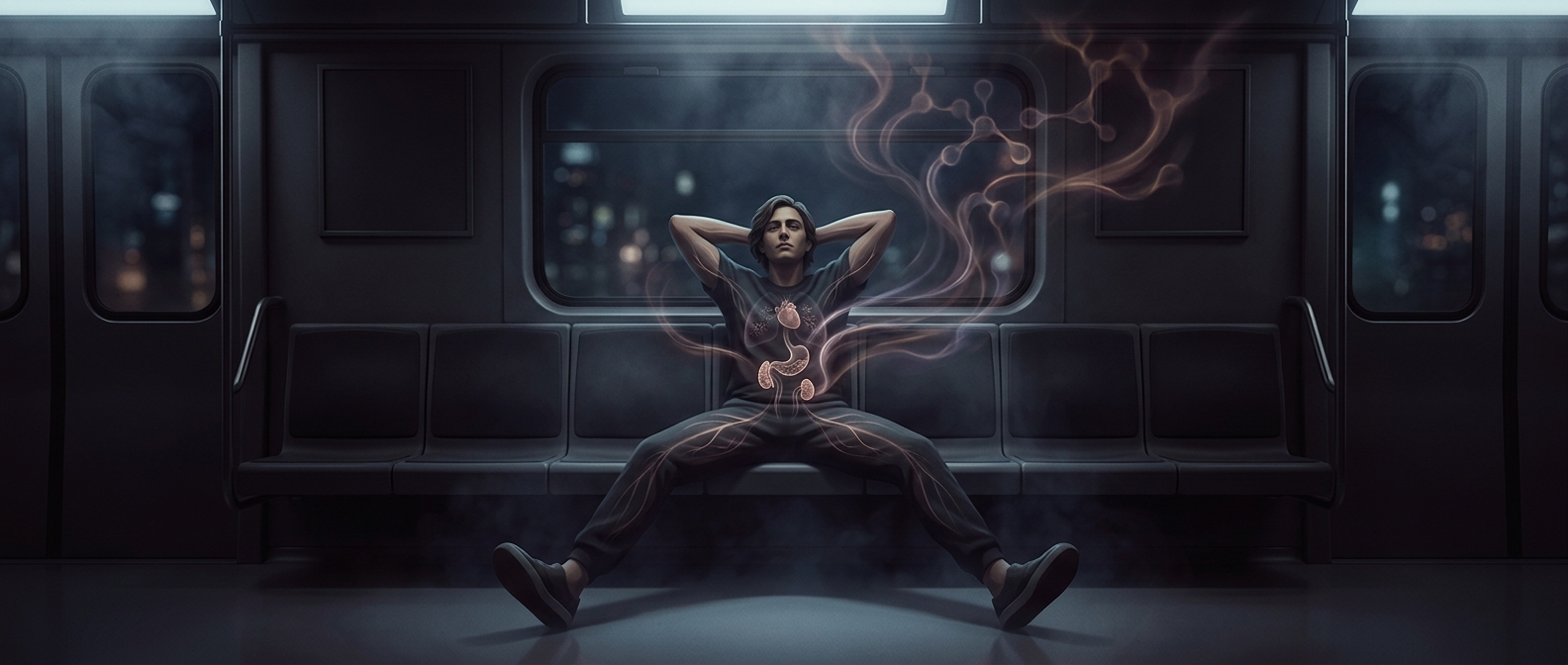
Can sprawling posture change your body chemistry
A wide stance and open arms can change how powerful you feel, and feelings feed back into the body. That shift can affect physiological responses tied to…
Discover more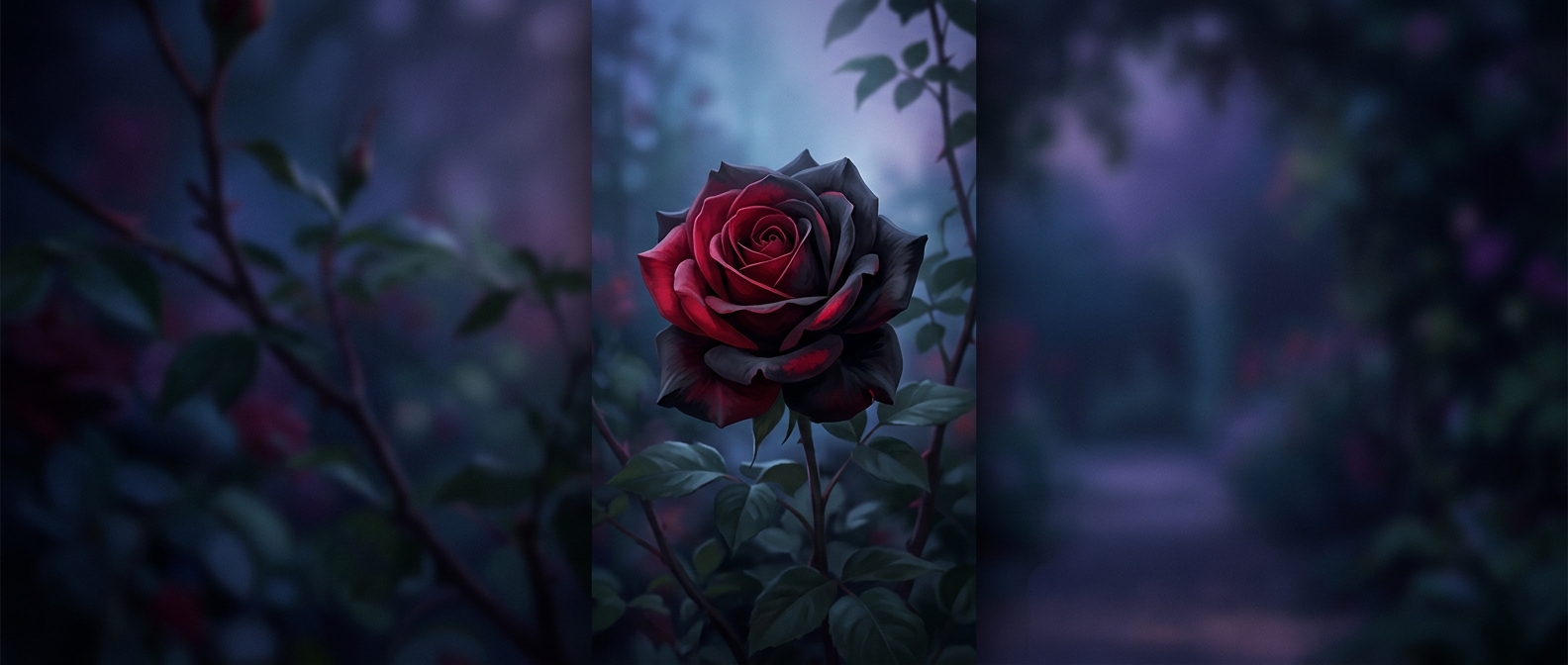
A red rose can fade into darkness before green leaves do
As light falls, vision relies increasingly on rods, which are more sensitive to shorter wavelengths than to red. A red flower can therefore look much darker…
Discover more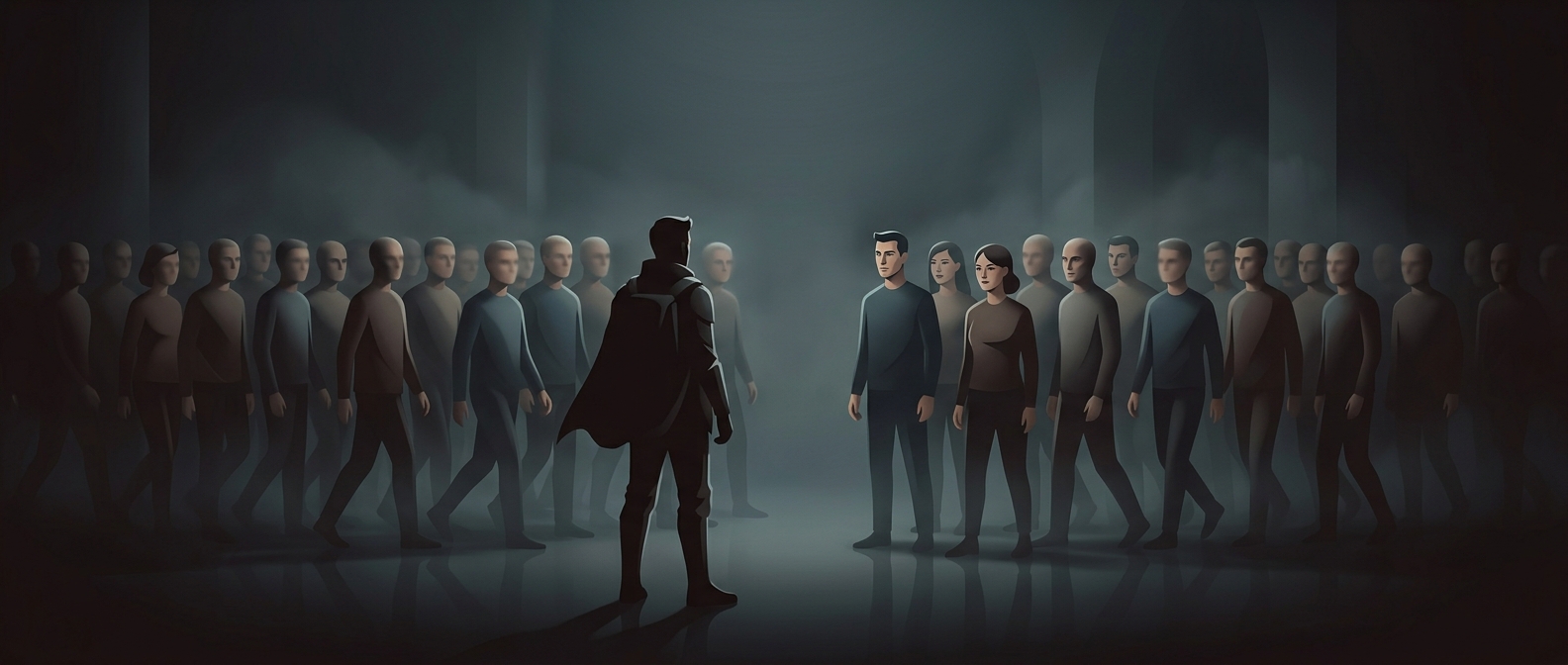
Failing to differentiate facial features outside your group
People get better at telling apart faces they see often because they learn the small differences between them. With faces from a less familiar group, those…
Discover more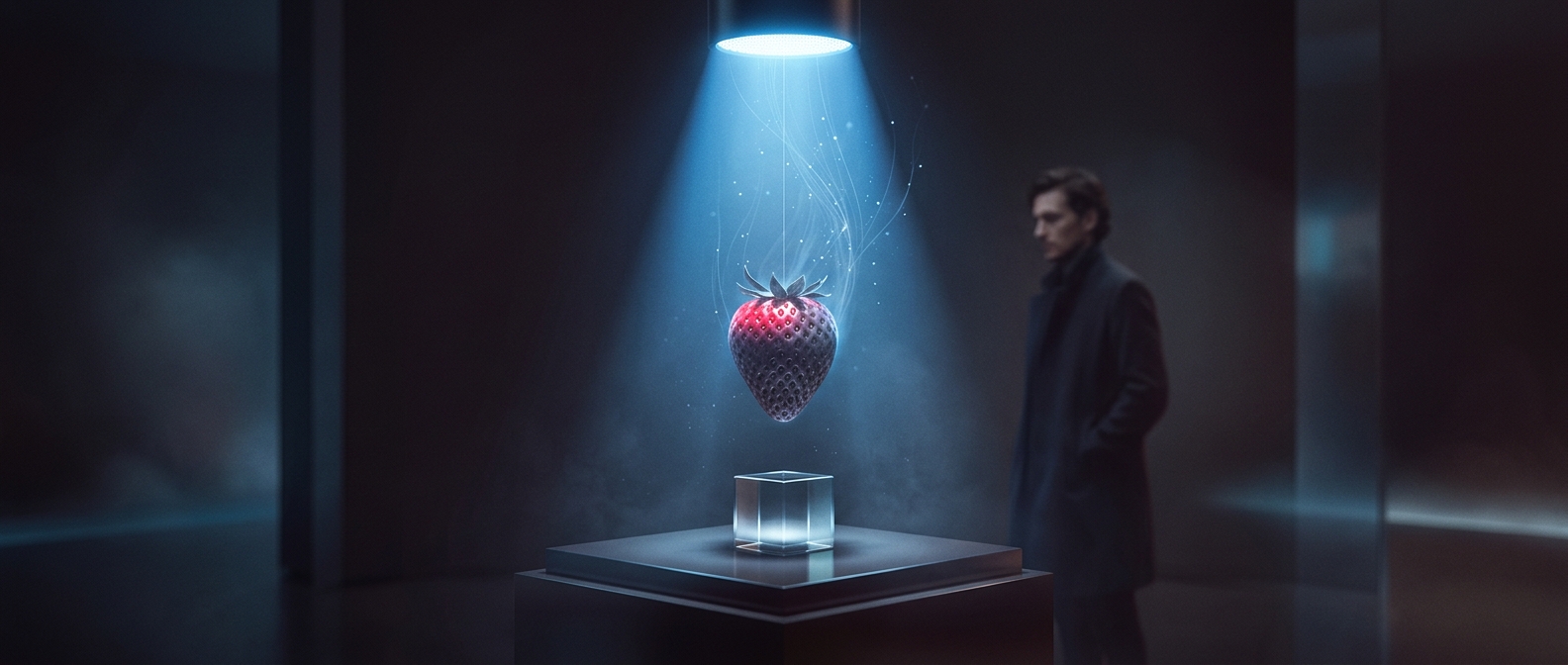
Seeing a bright red strawberry under harsh blue lighting
Under harsh blue light, a strawberry can still look red because your visual system estimates the color of the illumination and adjusts what you see. It’s…
Discover more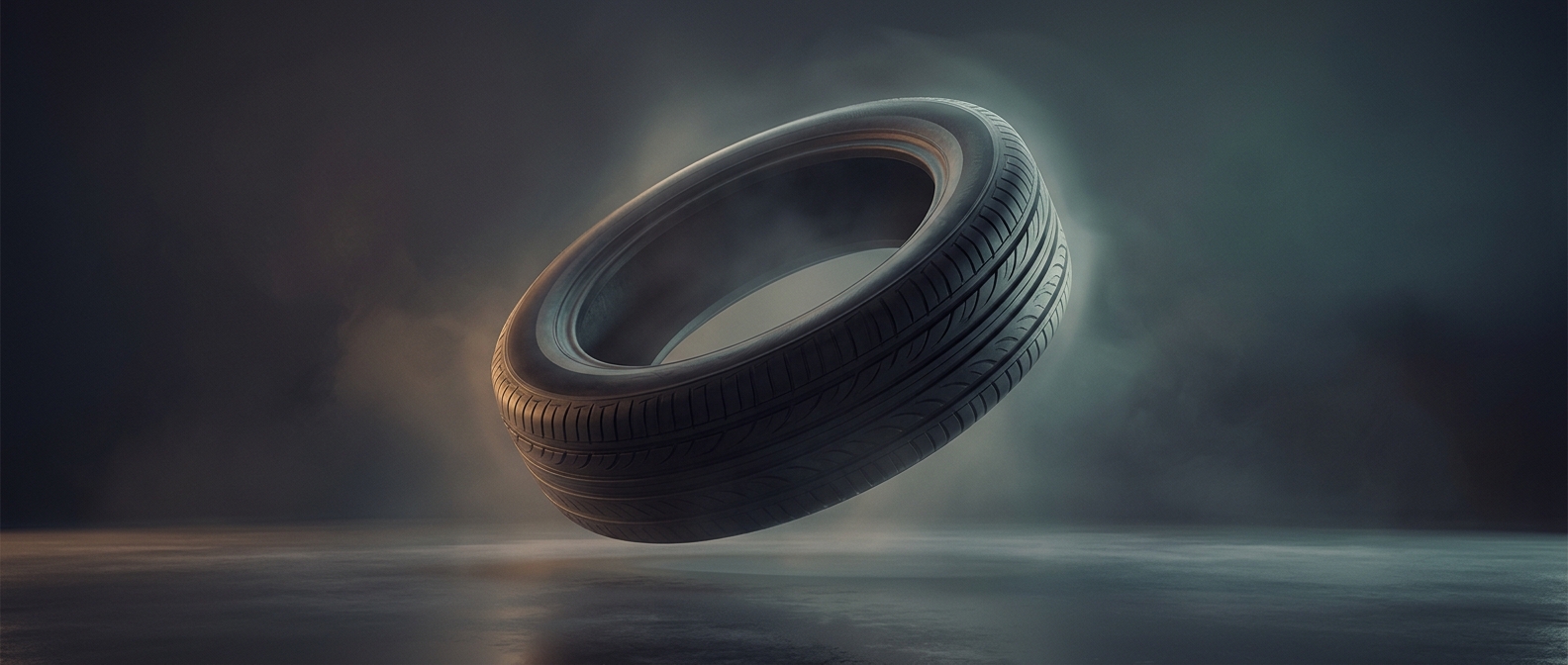
Watching a perfectly round tire warp into a bizarre oval
A round tire viewed at an angle projects an oval shape onto your eyes. Your brain uses perspective to read the object as three-dimensional, but the image on…
Discover more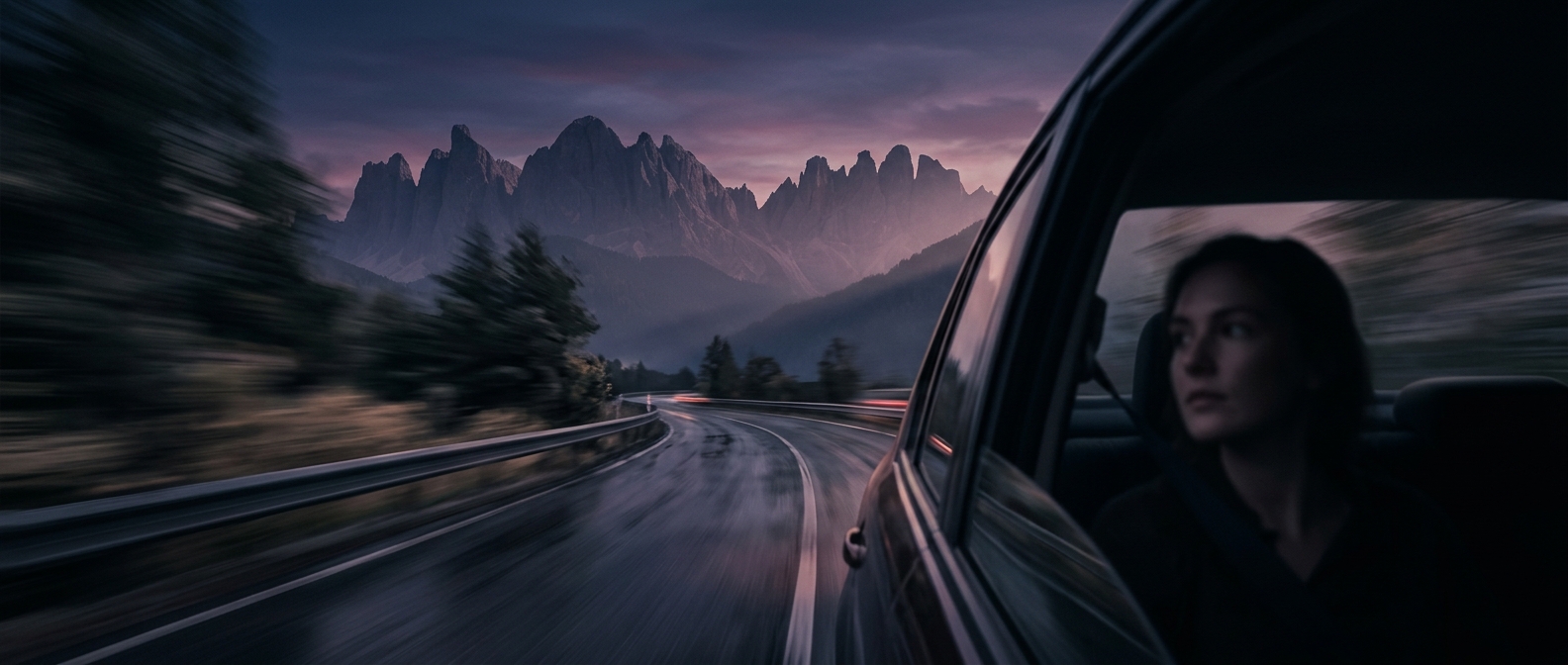
Why nearby trees blur while distant mountains stand still
Your view is a moving window. A tree beside the road races across it because you travel a large distance relative to something nearby; a mountain is so far…
Discover more STACKY FOR IPHONE
A bigger world.
One discovery
at a time.
Keep discovering with Stacky. Interesting facts in an app that is always within reach.
How grouping digits helps you remember phone numbers
A phone number is hard to hold as ten separate digits, so people break it into smaller groups. Each group becomes one chunk in working memory, making the…
Discover more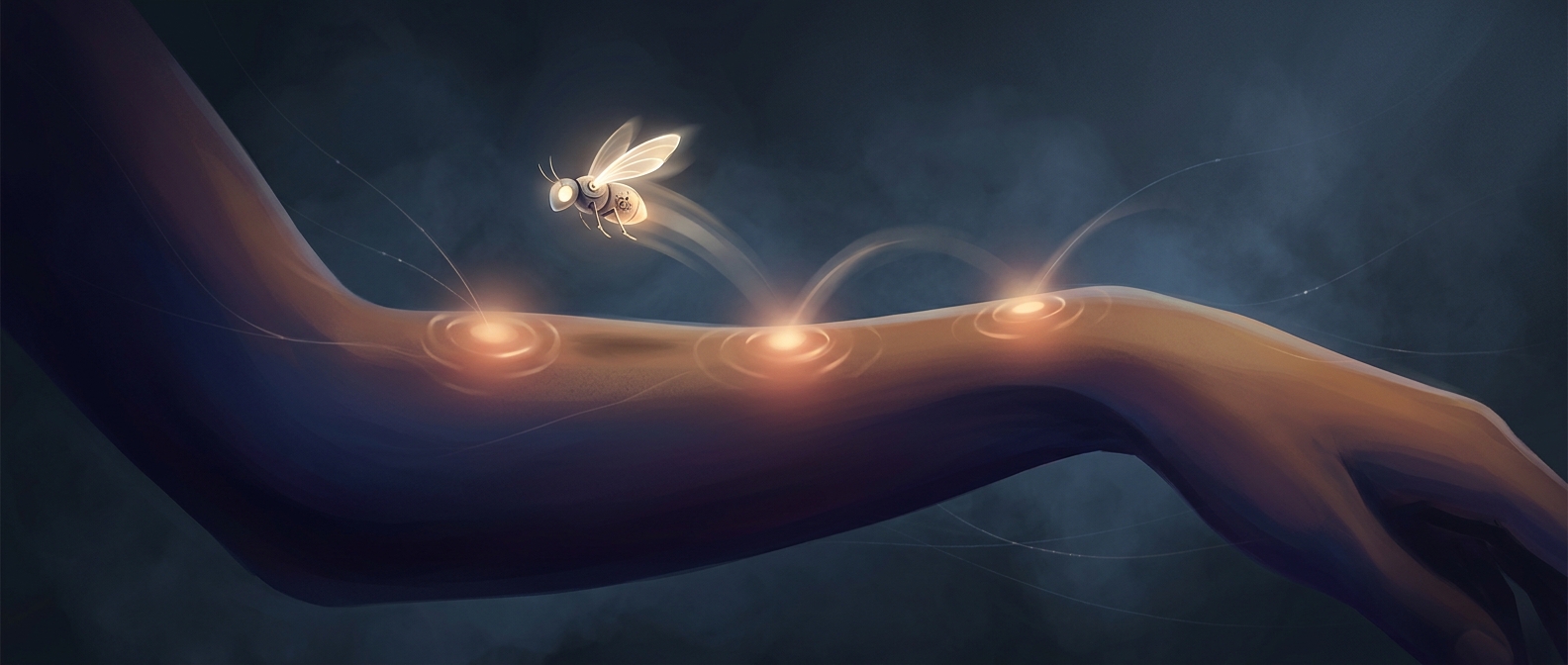
Two taps can make a bug seem to crawl across your arm
Your skin reports where it was touched, but your brain also tries to make a coherent event out of those signals. Two taps close together can be stitched into…
Discover more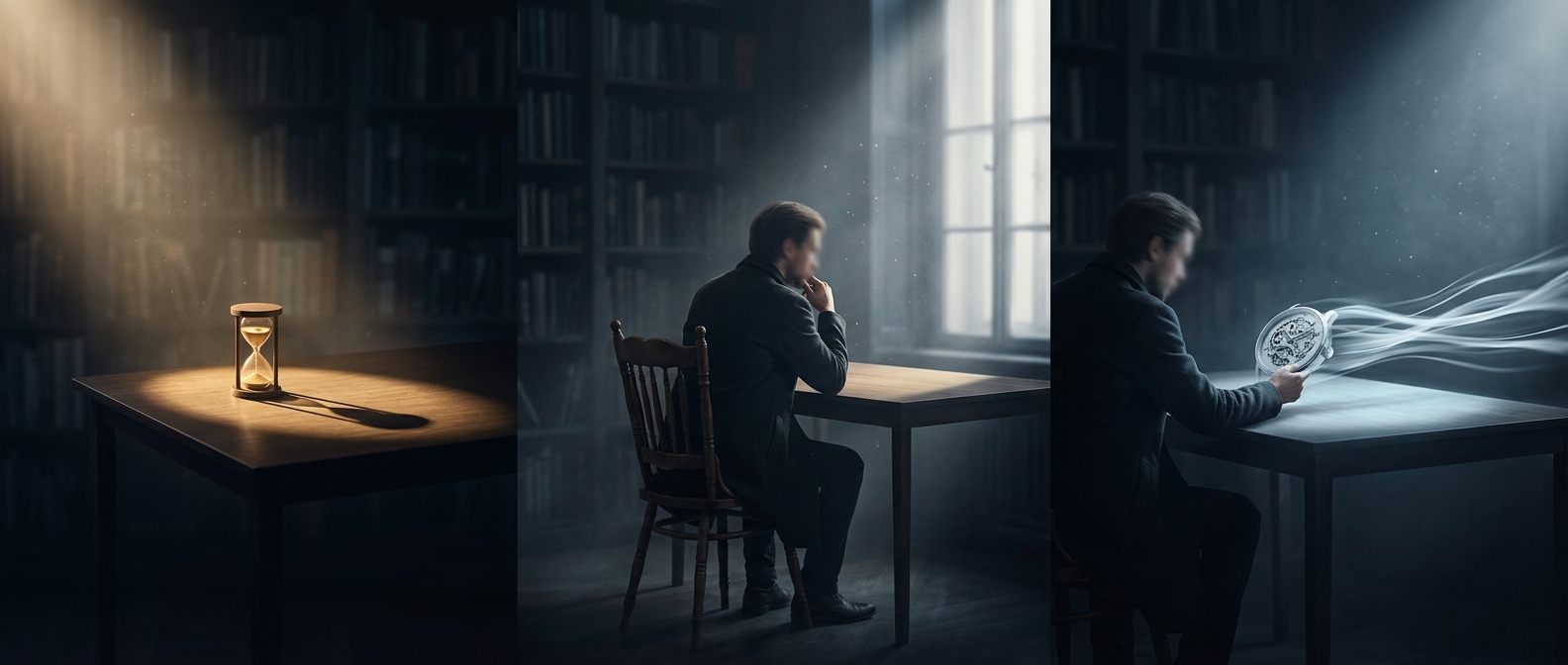
Why five minutes can feel like ten
When you’re waiting and keep checking the clock, attention stays fixed on time itself. Each minute gets noticed instead of disappearing into another activity,…
Discover more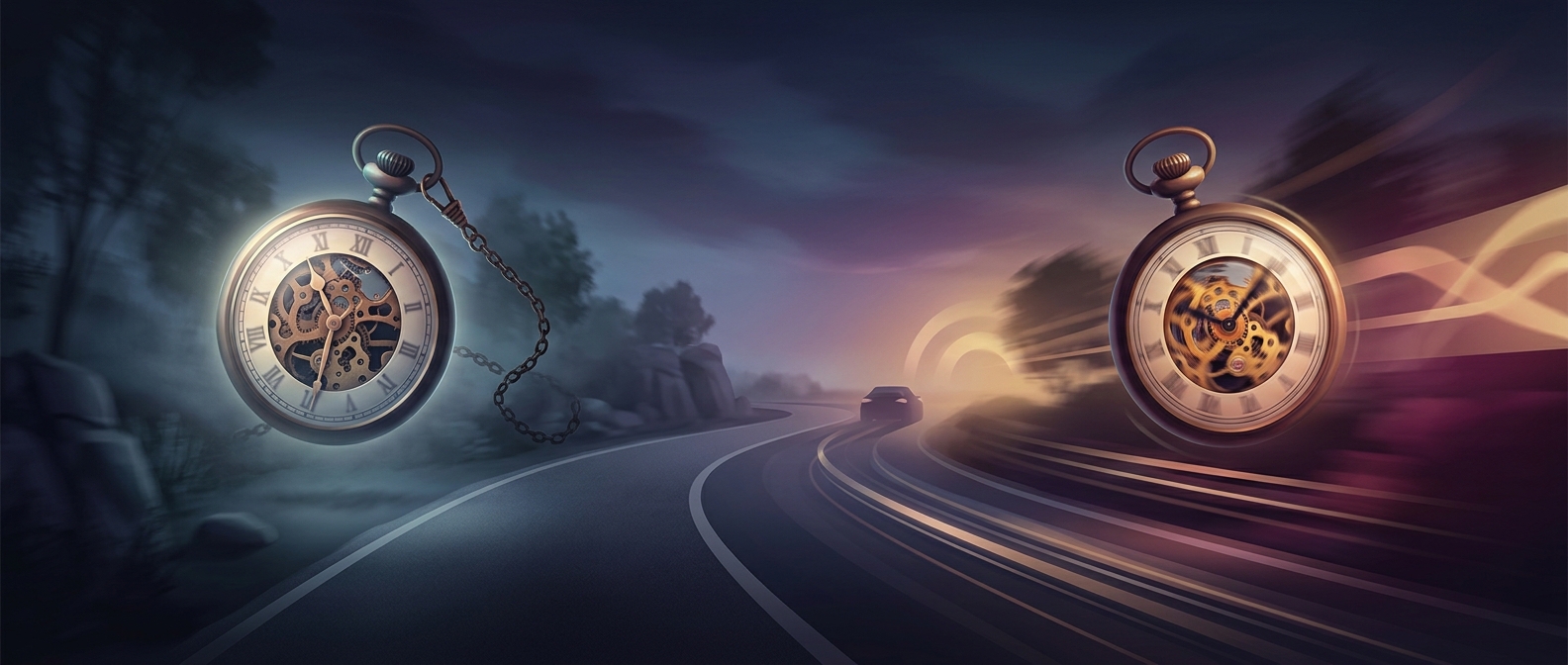
The trip home can feel shorter without taking less time
Research on the return-trip effect suggests expectations help explain it: an outward trip can feel longer than anticipated, resetting what you expect on the…
Discover more
Experiencing microscopic tissue damage before the pain hits
A small injury can happen before you feel it. Sensors in the tissue send signals along nerves, and those signals take time to reach the brain and become…
Discover more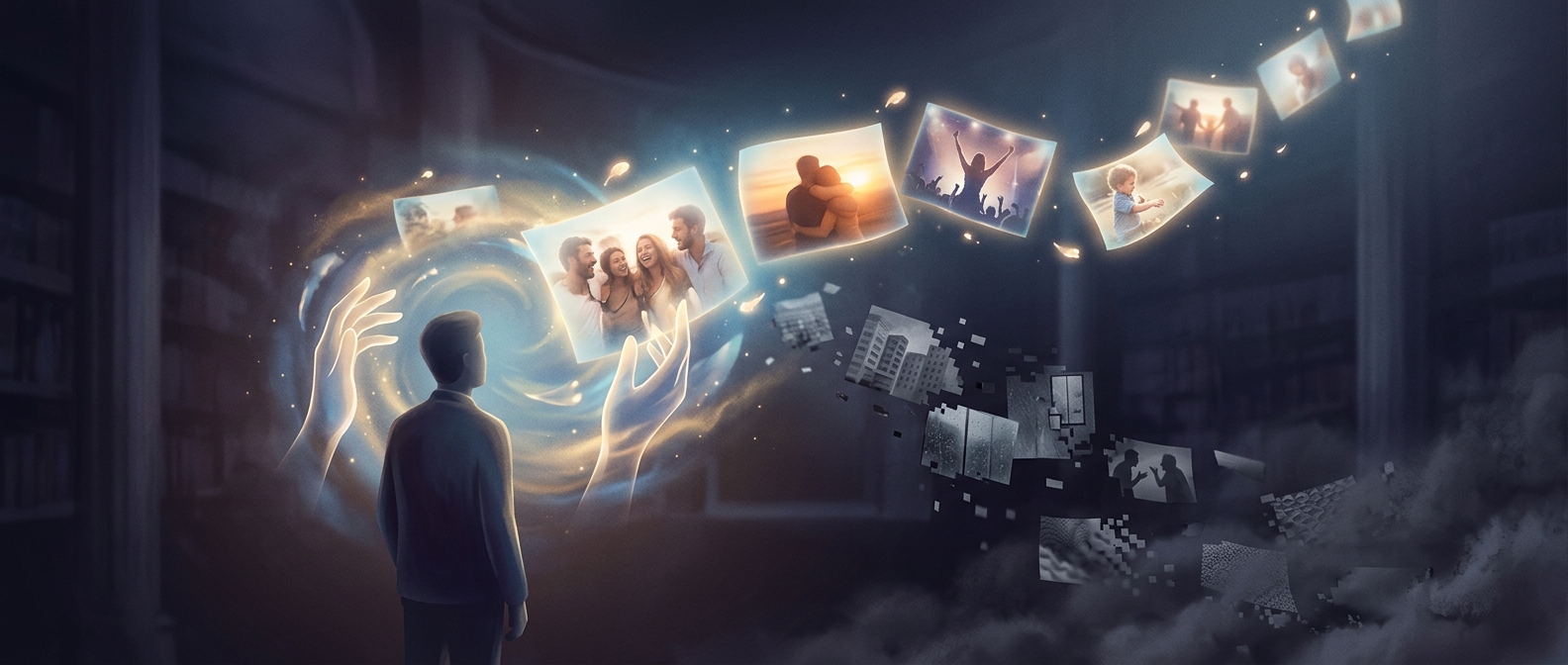
Why the past seems better than it was
Memory doesn’t keep the past as a complete recording. As time passes, the sharp edges of bad experiences often soften, while the moments that fit a good story…
Discover more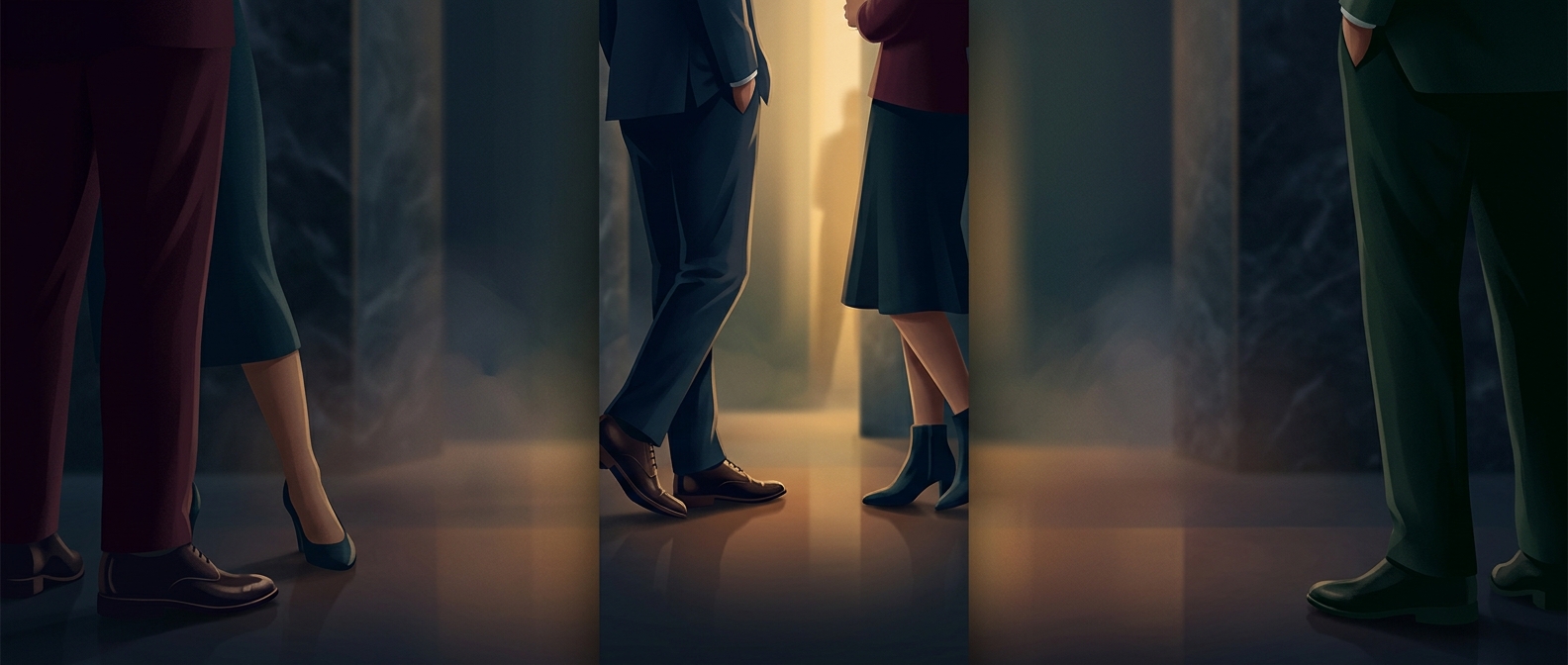
A dating photo can change its odds without changing the face
In a 2016 study, dating-profile photos with expansive posture attracted more interest than contracted poses. Taking up more space conveyed openness and…
Discover more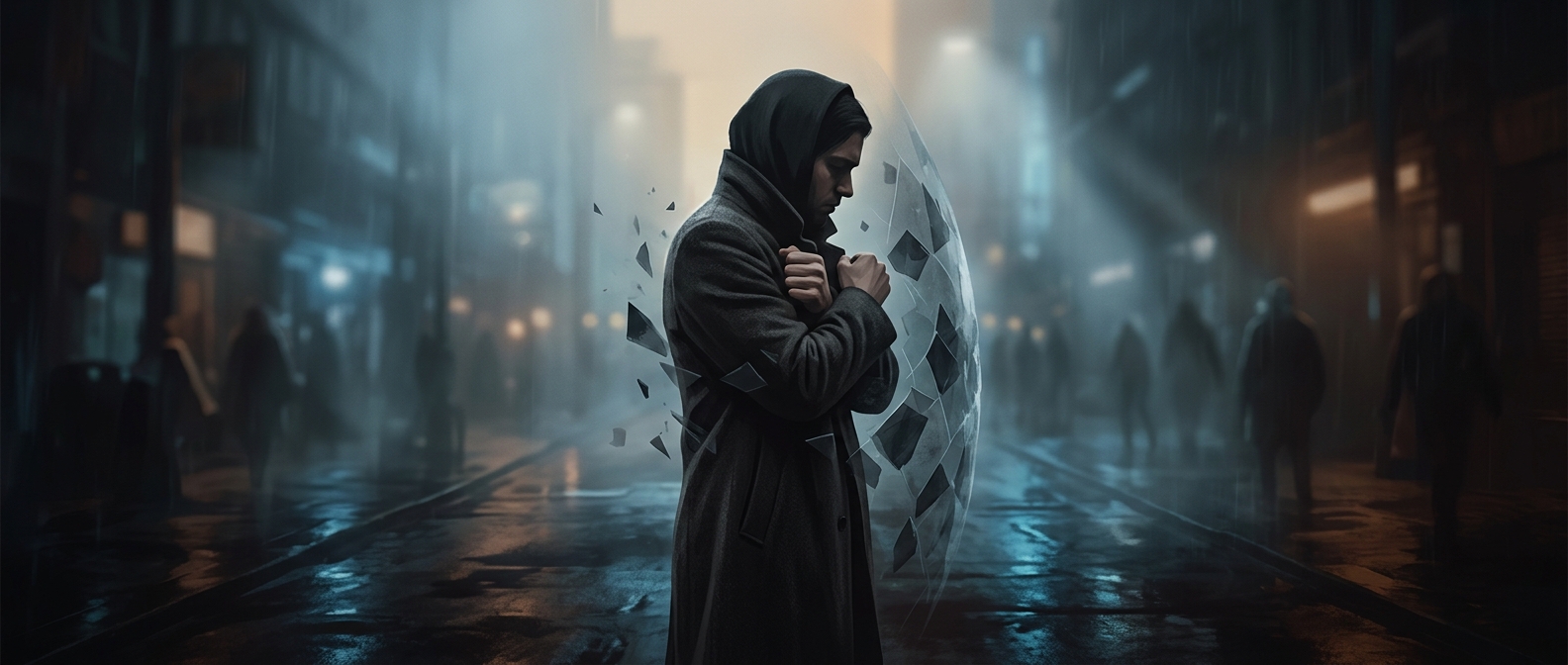
Why crossing your arms feels like armor
Fold your arms and your body suddenly has a boundary: your hands are tucked in, your chest is covered, and you’re holding yourself in place. That contained…
Discover more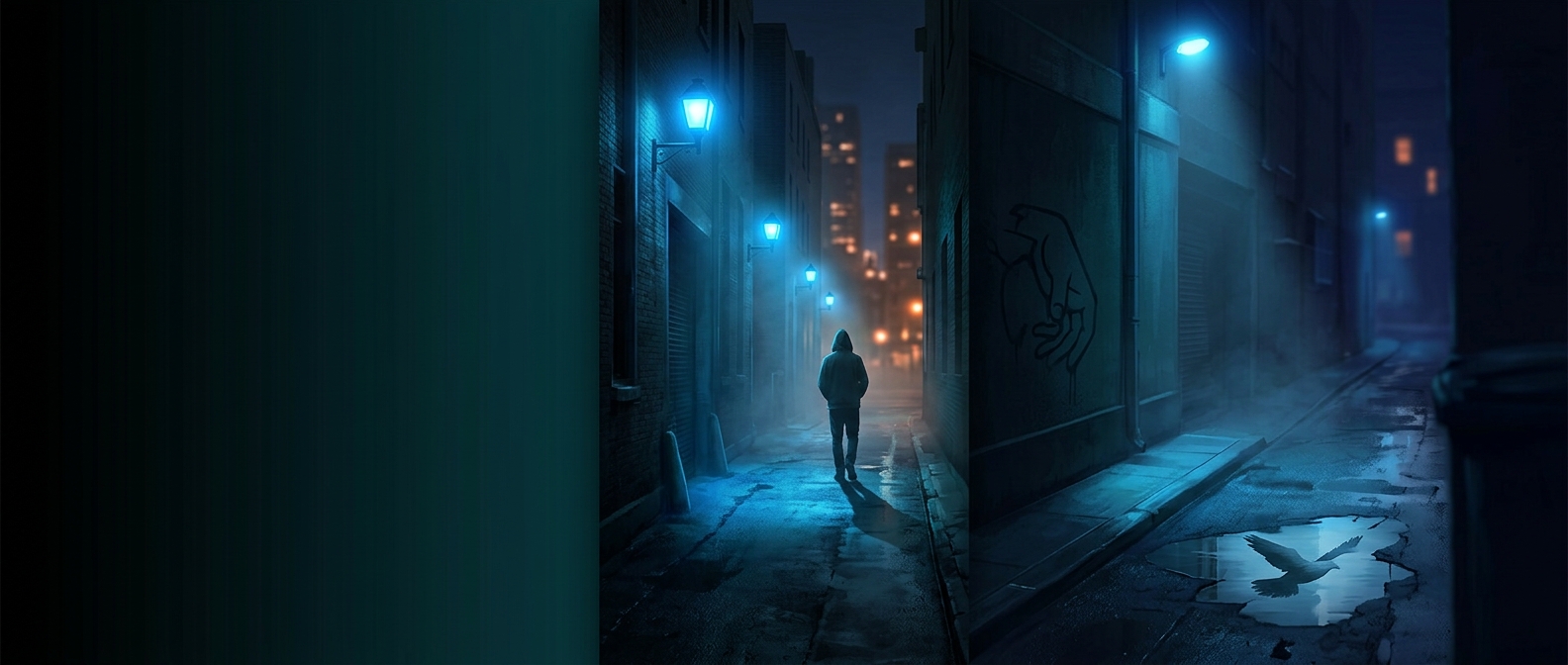
Blue streetlights became an experiment in behavior
Some cities installed blue lighting after reports linked it with calmer streets or lower crime. Those reports did not establish that the color itself caused…
Discover more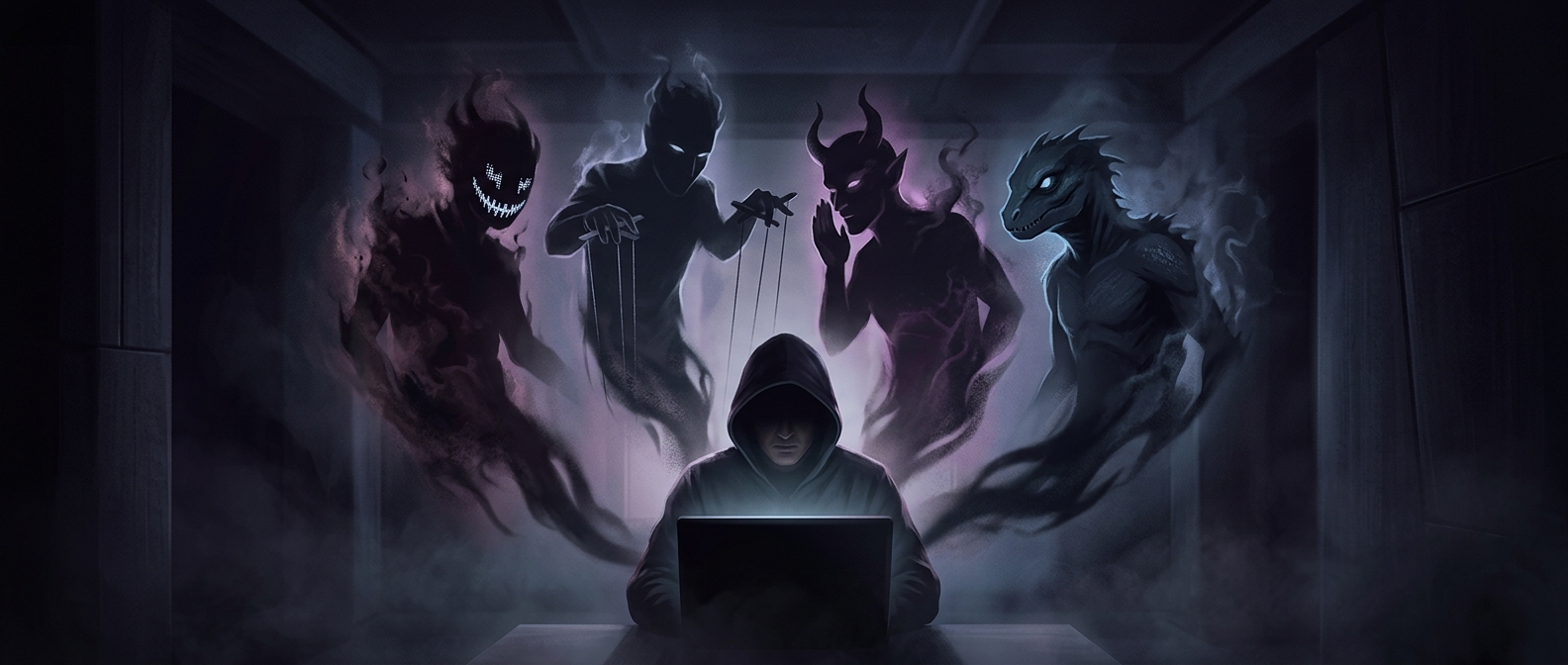
Why internet trolls score high on dark traits
Trolling can appeal to people high in traits such as sadism and psychopathy because provoking distress is part of the fun. Online distance makes the target’s…
Discover more
The rare panic that makes people fear their body is retracting
In koro, a person becomes intensely afraid that their genitals are retracting into the body, sometimes believing the change could be fatal. Panic can make…
Discover more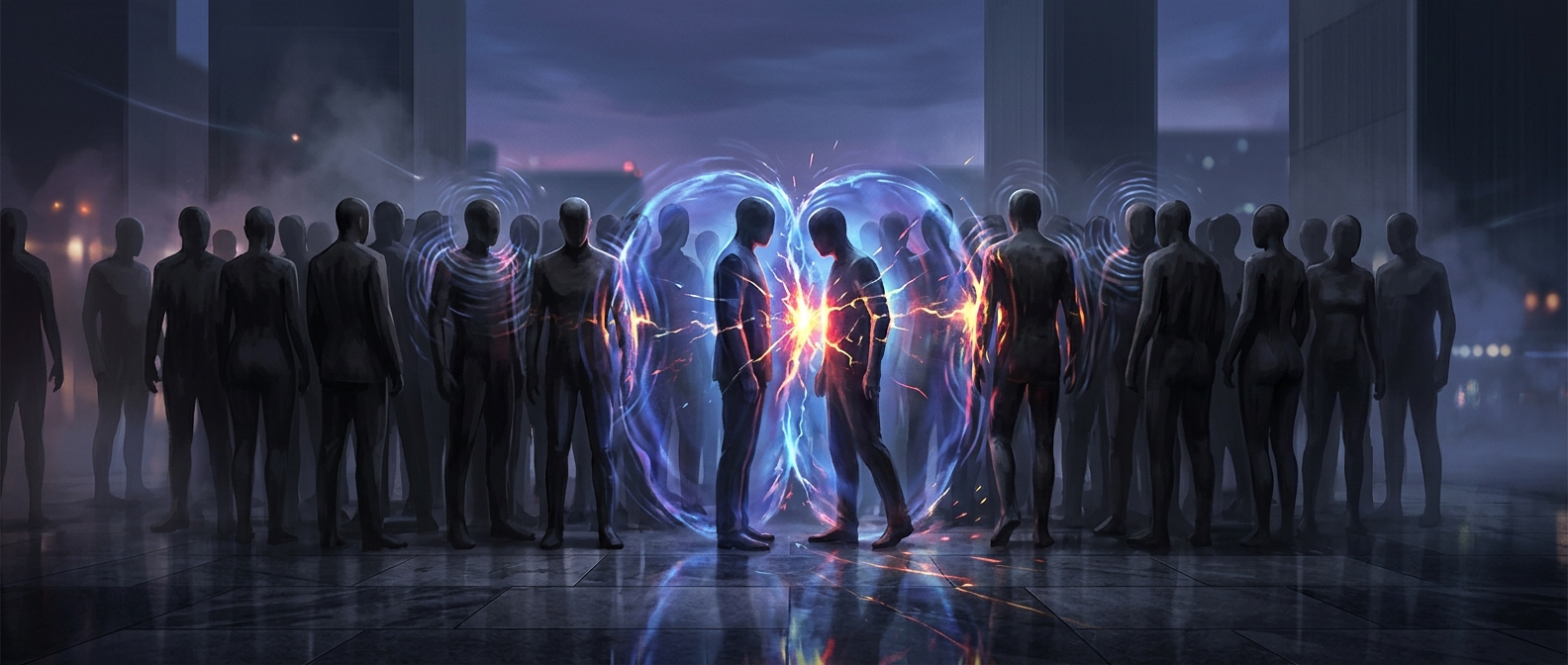
Invading personal space bubbles causes intense tension
When someone steps too close, your body may react before you decide what you think of them. Their proximity can feel like a loss of control over your space,…
Discover more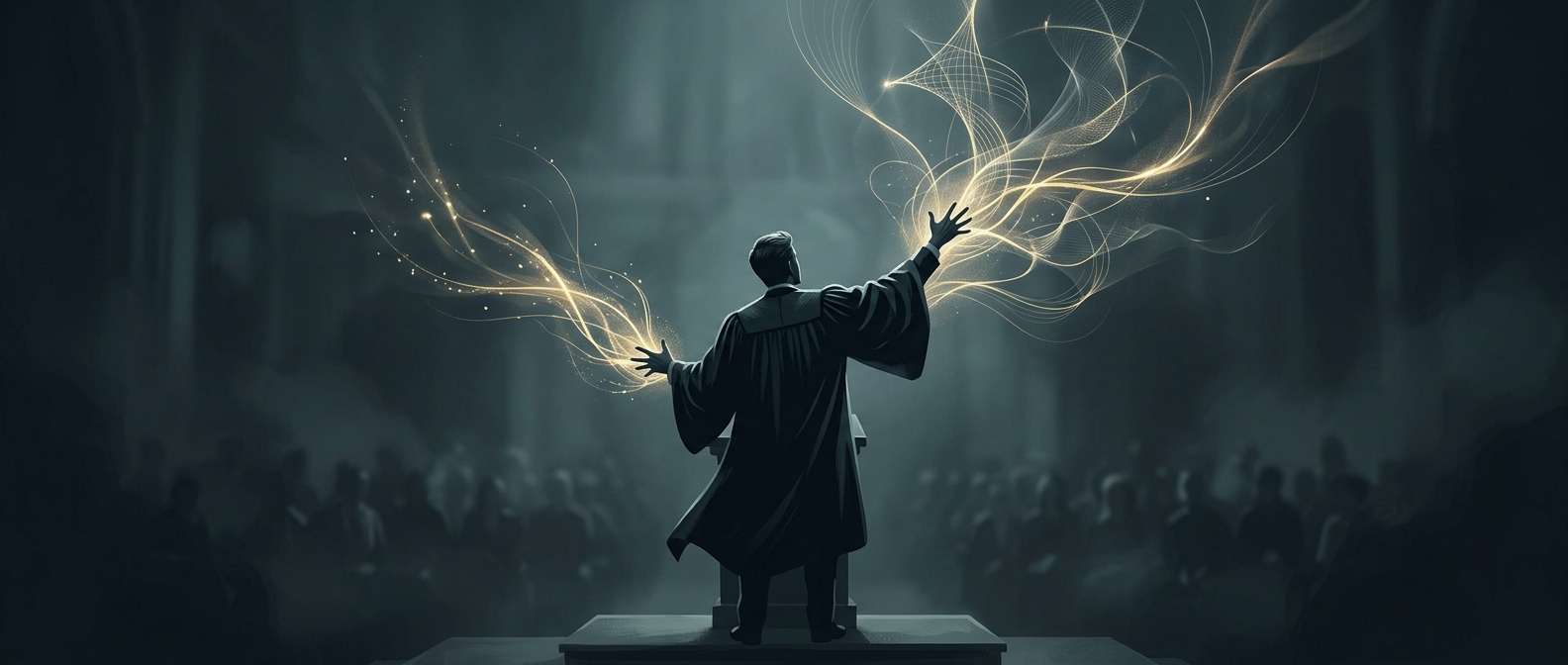
Why hand gestures make speakers seem smarter
A speaker who moves their hands gives an explanation a visible shape. A gesture can show where one idea sits in relation to another or trace a process in the…
Discover more
Your posture can change how powerful you feel
Studies of expansive and contracted poses have found changes in reported feelings of power, even though the famous hormone claims have not held up…
Discover more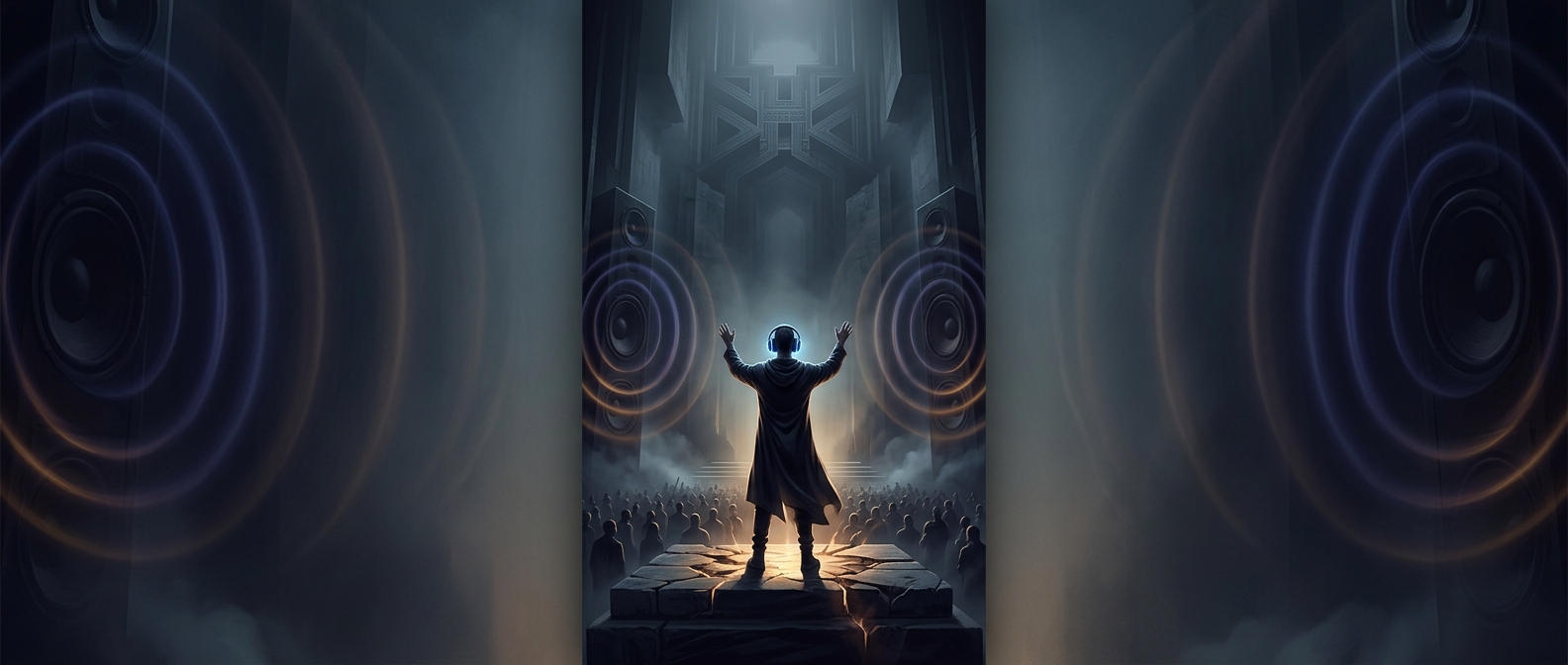
Researchers turned up the bass and listeners felt more powerful
In experiments published online in 2014, researchers changed the bass while holding other features of the music constant. Listeners reported a stronger sense…
Discover more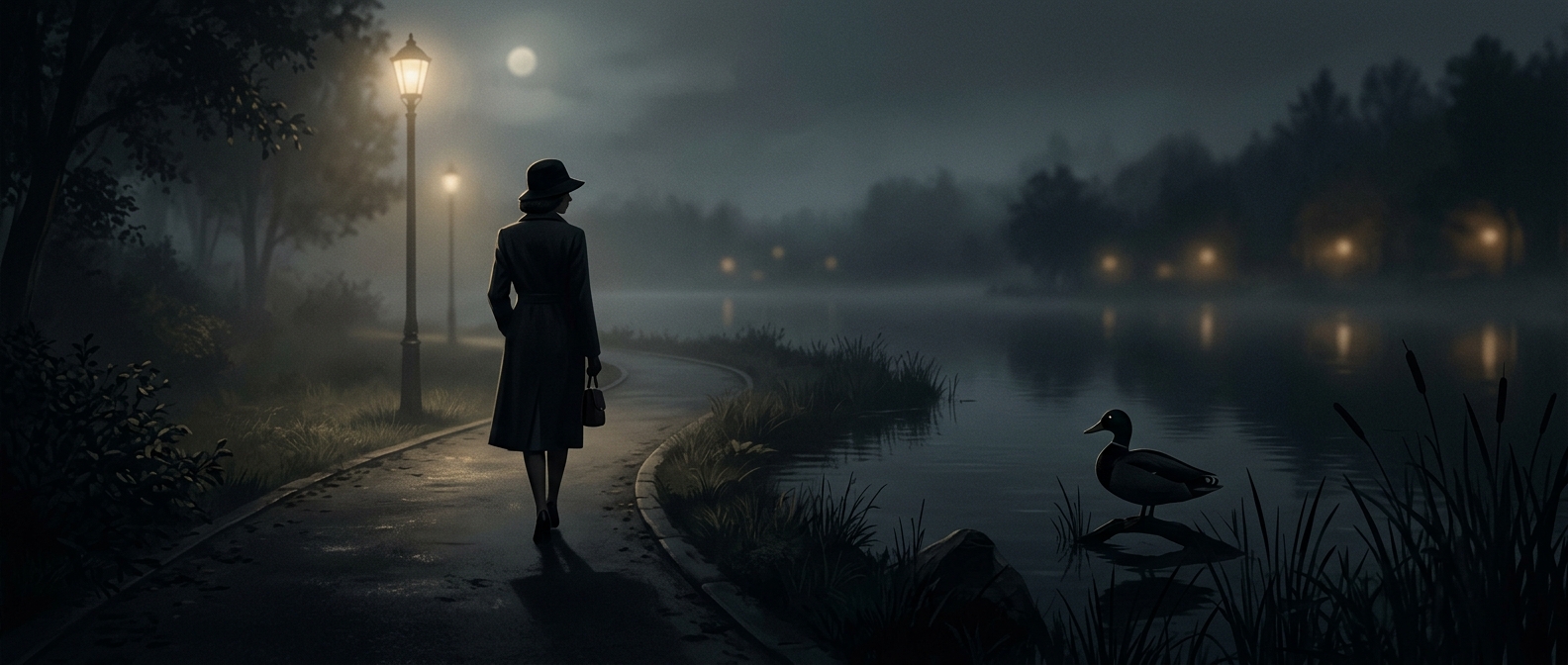
A cartoon invented the fear that a duck is watching you
Gary Larson's The Far Side introduced 'anatidaephobia' as a joke about being observed by a duck. The official-sounding word gave a ridiculous scene the tone…
Discover more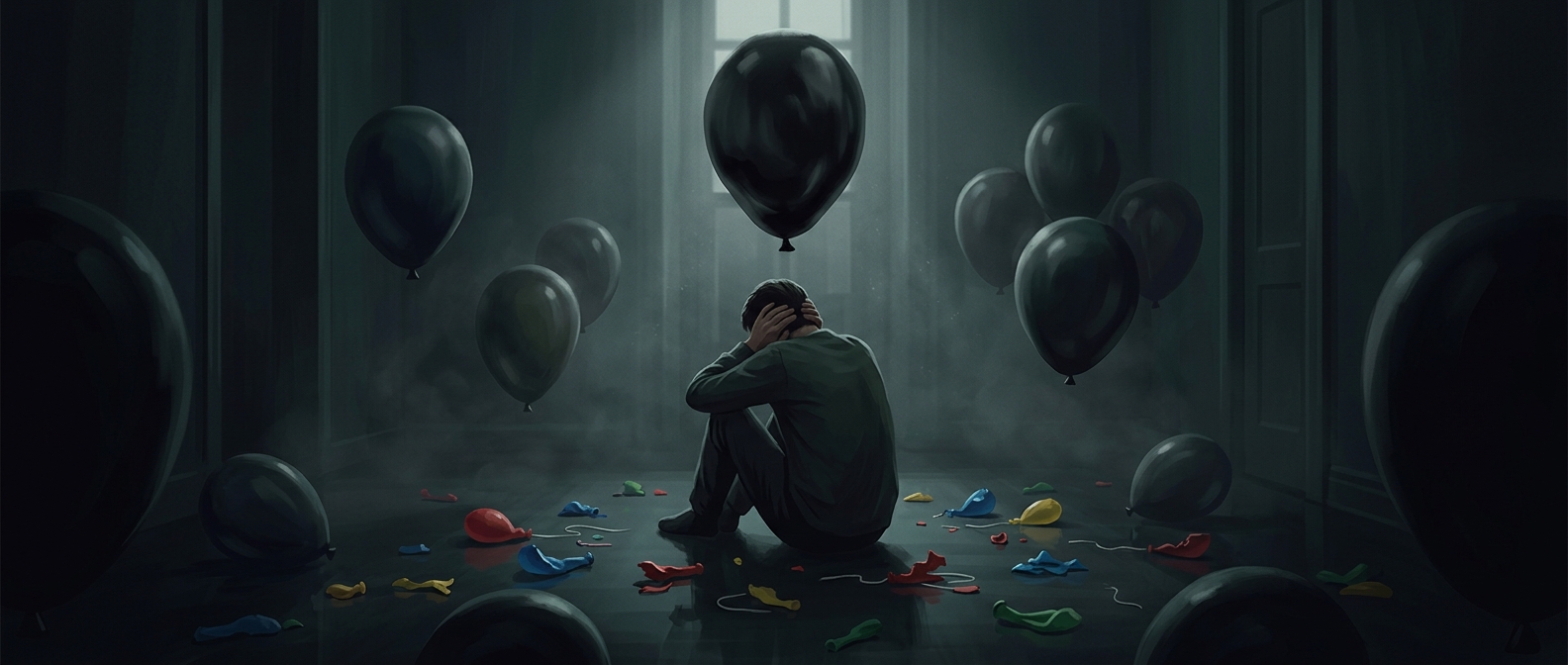
Popping balloons creates a hostile atmosphere for some
A balloon pop is a tiny explosion: sudden, loud, and hard to ignore. For some people, that jolt raises tension and makes the room feel more hostile, even…
Discover more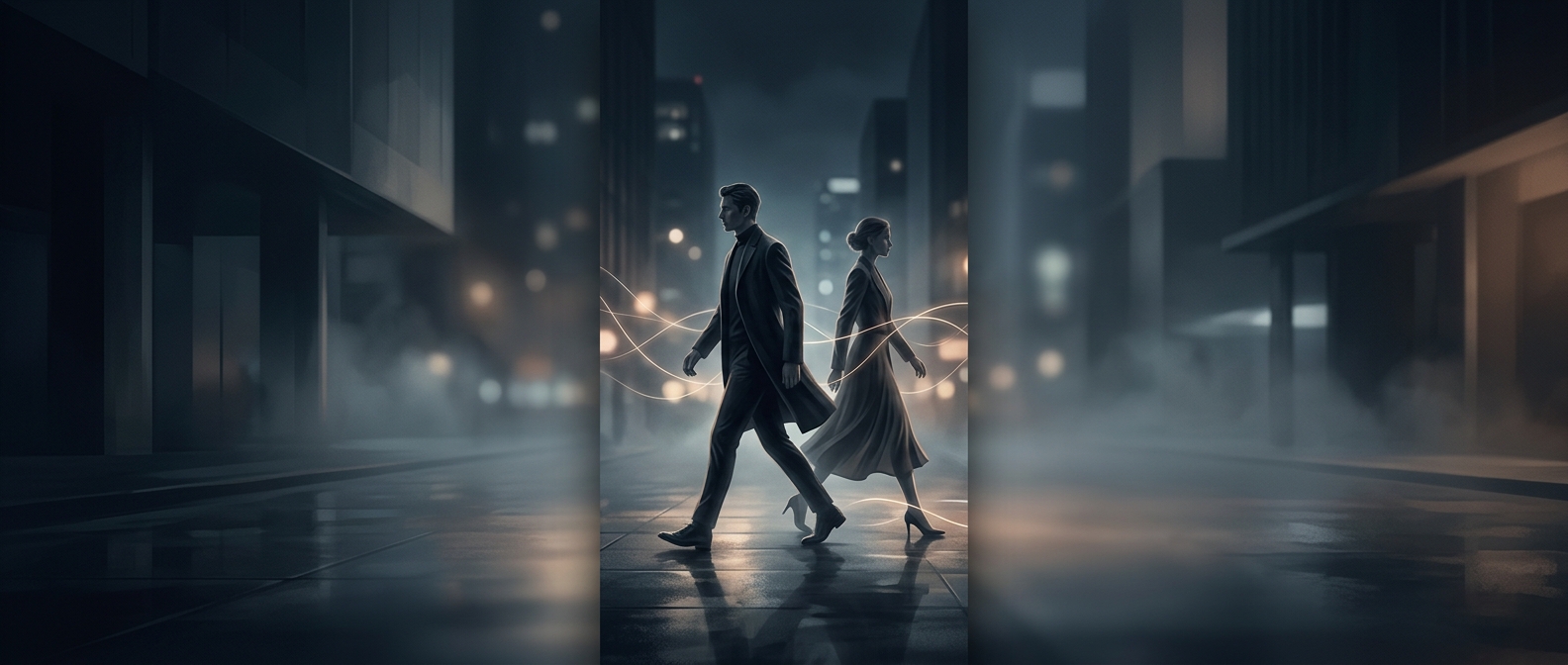
Why strangers start walking in sync
Walking beside someone gives your body a moving rhythm to match. Without planning it, you may adjust your pace and steps until the two of you fall into sync.…
Discover more