Psychology
Discover facts about psychology. Small discoveries that change the way you see familiar things.
Psychology

When thoughts jump from topic to topic
When thoughts hop topics, they often aren’t random: a word, image, or memory quietly supplies the next link. Because those links arrive faster than you notice…
Discover more
Your inner voice needs a mental return address
One leading explanation of hearing voices is that the brain misidentifies internally generated speech as coming from someone else. Researchers study how…
Discover more
Uncontrollably shouting profound obscenities in public
For someone experiencing coprolalia, an obscenity can come out as a tic rather than a deliberate insult. That gap between intention and speech is what makes…
Discover more
When confidence turns into grandiose delusions
A person who feels unusually certain may start reading success, coincidence, or attention as proof they have a special destiny. That leap from confidence to…
Discover more
Repeating the same exact answer to entirely different topics
Give the same answer to two unrelated questions and listeners first try to make it fit both. When it doesn’t, they notice the mismatch and start looking for a…
Discover more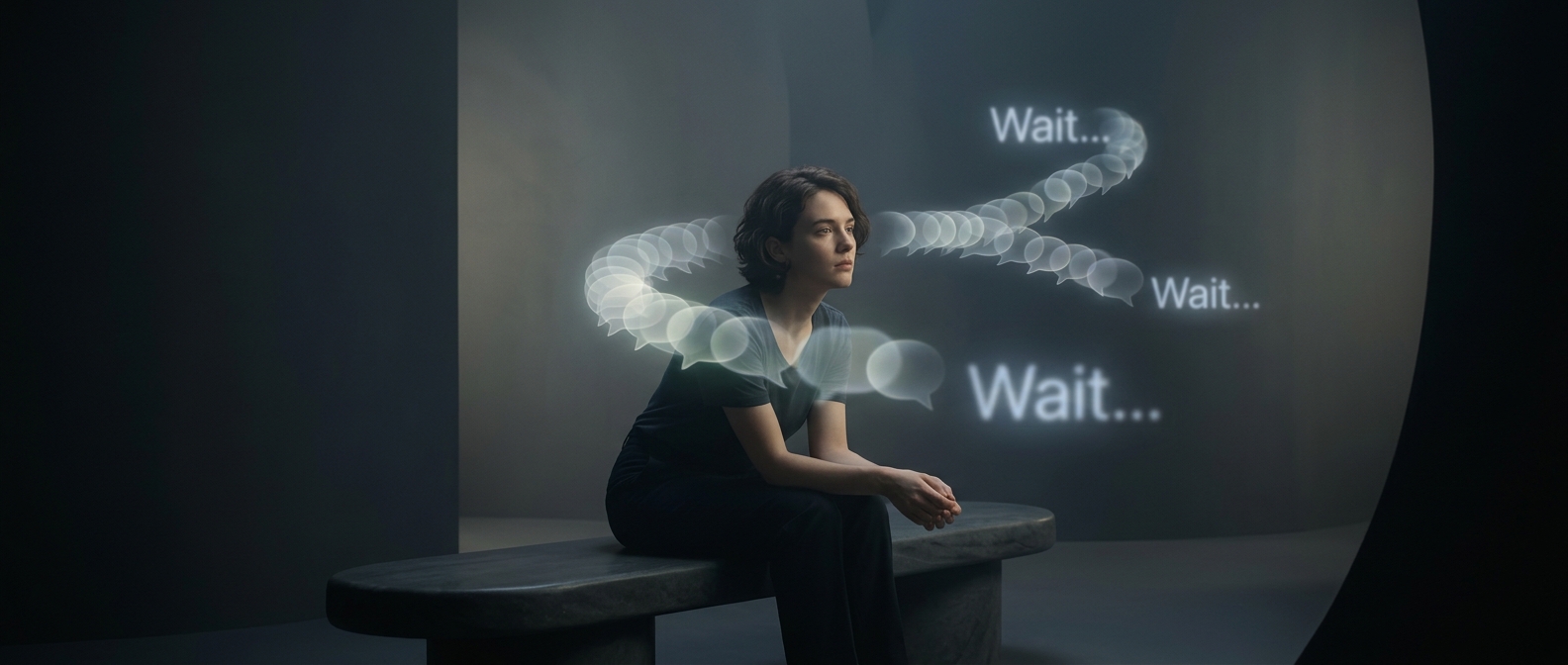
When repeating someone's words isn't a choice
Repeating another person's words can be echolalia: speech echoed aloud, sometimes immediately and sometimes much later. For some people, including some…
Discover more STACKY FOR IPHONE
A bigger world.
One discovery
at a time.
Keep discovering with Stacky. Interesting facts in an app that is always within reach.

Going off on a tangent and never actually returning
A conversation can take a wrong turn because thoughts arrive by association: one detail sparks another, and attention follows the newest spark. Meanwhile, the…
Discover more
Some people perform intimate acts while asleep
Sleep does not switch every behavior off at once. In sexsomnia, a person can act sexually during a partial awakening, when movement is possible but full…
Discover more
Refusing tasks because they will never be entirely flawless
If a task counts only when it is flawless, starting becomes risky: the first draft, first attempt, or first note will inevitably fall short. Avoidance offers…
Discover more
When severe stress mutes all your emotions
Under severe stress, feeling nothing can be the mind’s way of turning down an emotional load that has become too much to process at once. The numbness can…
Discover more
Lacking the basic human capacity for empathy
When someone cannot empathize, another person’s feelings may remain facts to observe rather than experiences that tug at their own emotions. They might…
Discover more
External pressure dictates most daily actions
A calendar alert, a coworker’s request, the line at the coffee shop: daily life keeps handing you cues that steer what you do next. You may experience the…
Discover more
Believing in your skills guarantees better output
When you expect to succeed, a setback looks like a problem to solve instead of proof you should quit. That extra attempt, revision, or question is where…
Discover more
Why doomscrolling keeps you awake
A frightening headline rarely feels like a natural stopping point; it makes you want to know what happened next. Endless updates keep that loop alive, and the…
Discover more
Why the finish line makes you speed up
When the finish line is close enough to picture, progress becomes a stronger cue than effort. Your goal feels within reach, so you push harder—turning the…
Discover more
Doing things for fun beats external rewards
A reward can get you to start, but it can also change what the activity means. If drawing becomes something you do for a prize, the prize may take over the…
Discover more
Why your body decides when you feel productive
You can make a plan at midnight, but your body still sets the conditions for carrying it out. Sleep, hunger, and the daily rhythm of alertness affect how much…
Discover more
Why everyone performs a version of themselves
The version of you telling a story at dinner may not be the one answering a job interview. Social settings cue different habits, feelings, and ways of…
Discover more
Do you feel in control of your fate
When you believe your choices can affect the outcome, a setback looks like a problem to work on. When you feel events are controlled by luck or other people,…
Discover more
A brief interruption helped people stay on task
In a sustained-attention experiment, occasional switches to a different task prevented the decline in performance seen with uninterrupted work. The…
Discover more
Charming individuals effortlessly persuade others
A charming person makes persuasion feel less like a sales pitch and more like a conversation with someone who gets you. Warmth and attention can make people…
Discover more
Missing out creates an irrational sense of urgency
Seeing other people get the thing you might miss turns a choice into a race. The fear of being left out makes acting now feel safer than thinking it…
Discover more
Time perception varies wildly across cultures
A clock gives everyone the same minute; it doesn’t make everyone experience time the same way. Cultures differ in whether they organize time around schedules,…
Discover more
Public commitments trap you into compliance
A promise made out loud becomes part of the story other people can tell about you. To stay consistent—and avoid looking unreliable—you may keep complying even…
Discover more