Psychology
Discover facts about psychology. Small discoveries that change the way you see familiar things.
Psychology

Why slow walkers can make you irrationally angry
When you’re trying to get somewhere, a slow walker can feel less like a person and more like a wall placed in your path. Your goal is active in your mind, so…
Discover more
Why a ringing phone can feel like an emergency
A phone ring is an unpredictable interruption with a built-in question: “What happened?” Your mind has learned that a call might bring urgent news, so it…
Discover more
Sarcasm makes your brain translate twice
First you understand the words, then use tone and context to decide whether the speaker means the opposite. A cheerful 'Great job' after a disaster demands…
Discover more
Why ironic self-praise can boost your ego
Ironic self-praise lets you try on a compliment without standing fully behind it. The humor softens the risk of sounding arrogant, while the positive words…
Discover more
Why overconfidence can hide insecurity
Sometimes certainty works like armor: if you never admit uncertainty, nobody gets a clear look at what scares you. A forceful answer can shut down questions…
Discover more
Why feeling like an impostor can come from perfectionism
If you believe competent people should get everything right, every small mistake becomes evidence against you and every success gets dismissed as luck or an…
Discover more STACKY FOR IPHONE
A bigger world.
One discovery
at a time.
Keep discovering with Stacky. Interesting facts in an app that is always within reach.
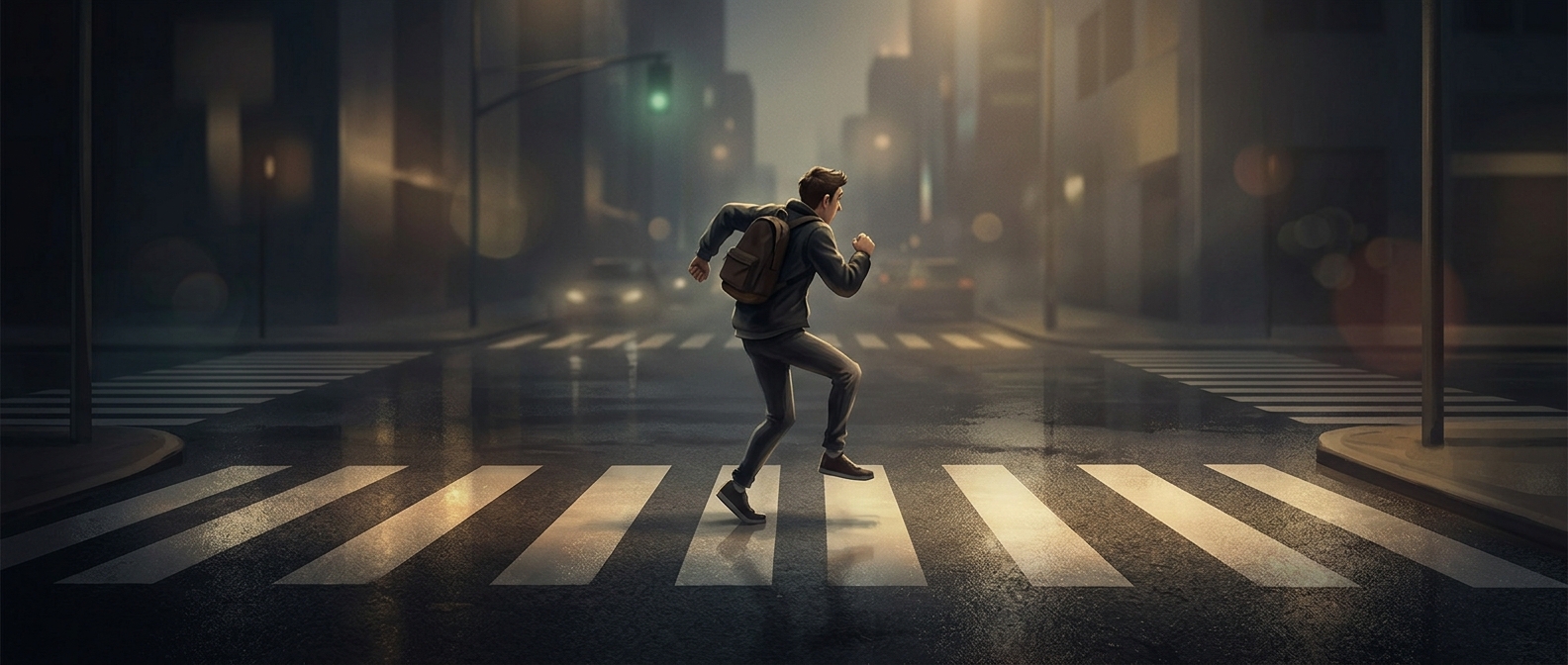
Why pedestrians awkwardly jog for drivers
When a car stops for you, the driver’s attention can make the crossing feel like borrowed time. A quick jog is a way to signal gratitude and prove you are not…
Discover more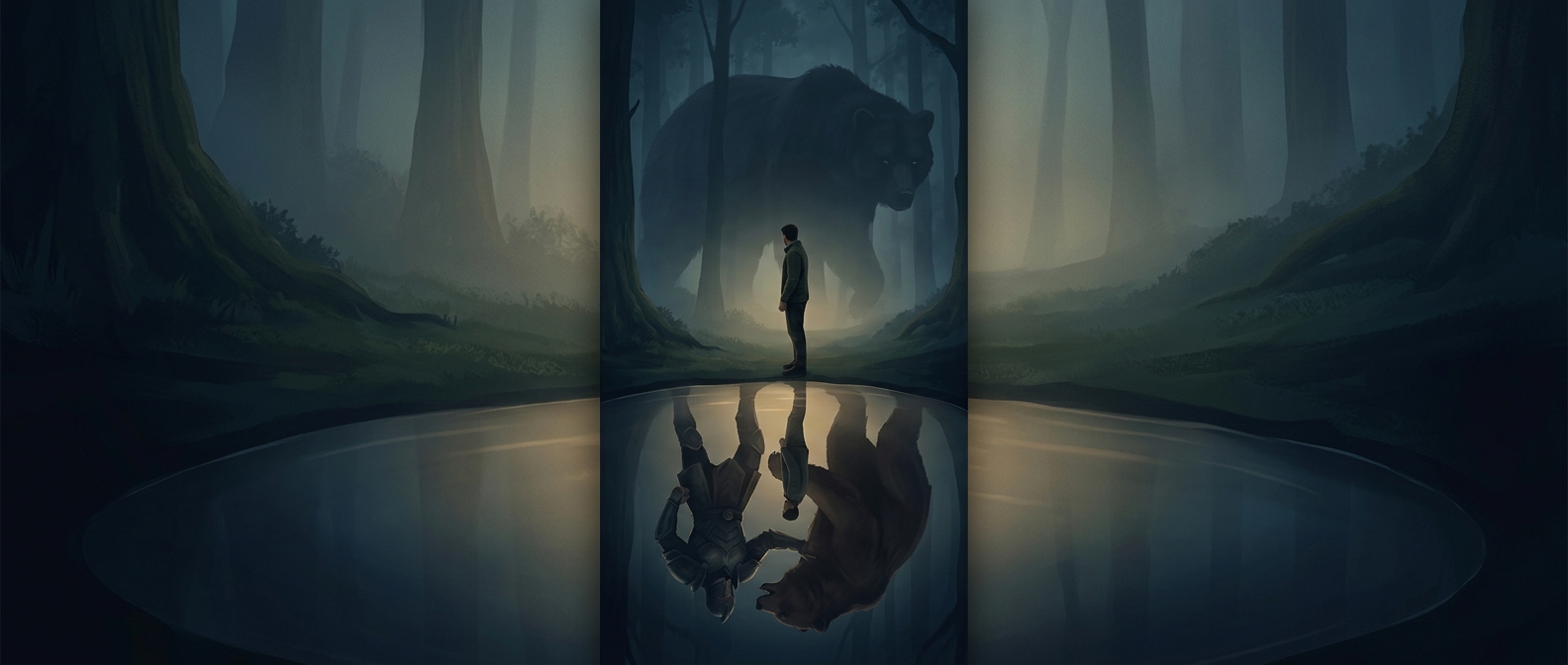
Why people think they could beat a bear
People picture the bear as a problem to solve, not a wild animal whose body can overwhelm them in seconds. That makes human advantages—planning, tools,…
Discover more
Why crowds can leave introverts physically exhausted
At a party, an introvert may be quietly tracking who’s talking, when to jump in, and how to keep up with several conversations at once. That constant social…
Discover more
An ice-chewing habit can be a clue to low iron
Persistent cravings to chew ice are called pagophagia and are often associated with iron deficiency, even without anemia. The connection is recognized, but…
Discover more
People recognized a better-looking version of their own face
In experiments using digitally altered portraits, participants tended to identify an attractively enhanced image as the most accurate version of themselves.…
Discover more
Why a forced smile can look like a threat
A forced grin can put teeth on display without the relaxed eyes and easy timing that help a smile feel warm. Your face is sending mixed signals, and other…
Discover more
A dense crowd can carry you without your consent
At extreme density, forces pass through bodies as people press against one another, producing surges that an individual cannot simply step away from. Panic is…
Discover more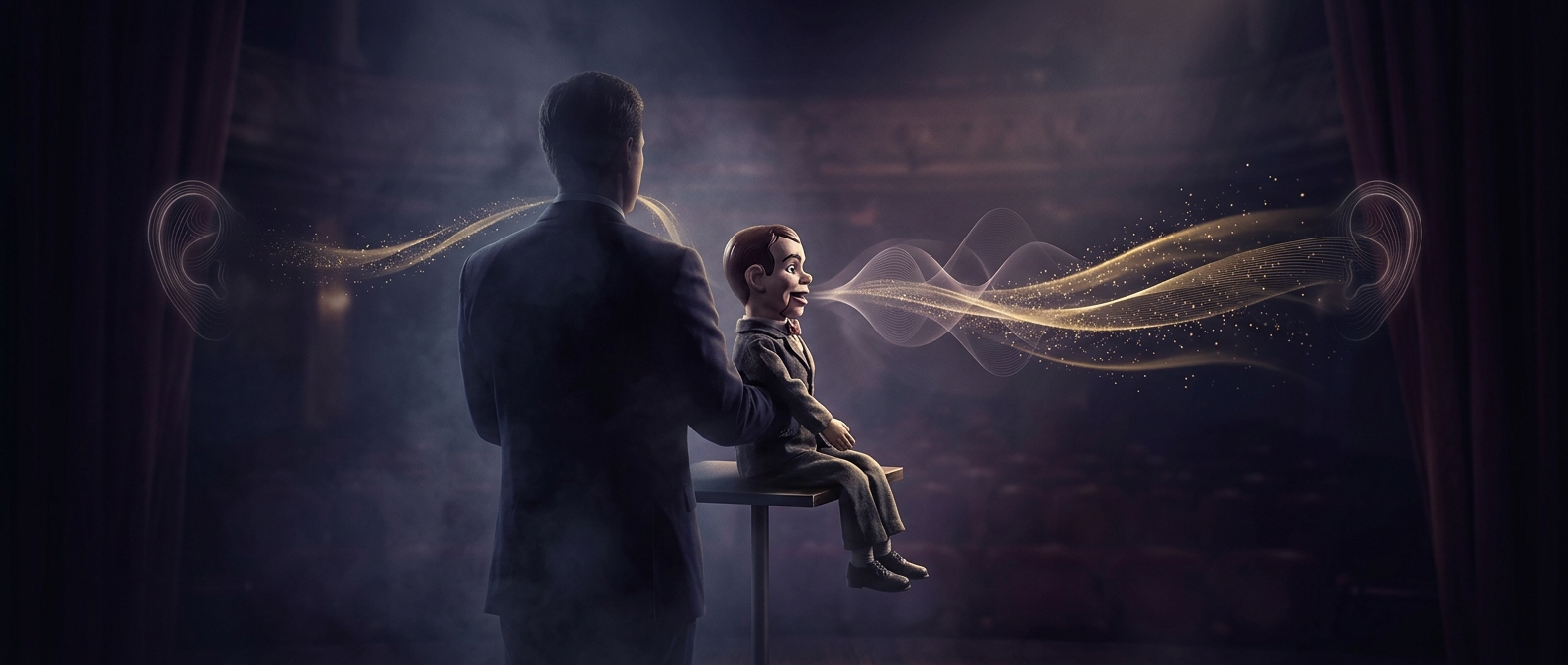
A ventriloquist makes your eyes help misplace a voice
When a puppet's movement and the words line up, your brain tends to combine them into one event. The visible character seems to supply the voice even though…
Discover more
Liking the smell of basement dust
That dusty basement smell can come with a whole scene attached: a childhood hideout, boxes of old toys, a relative’s house. Smell is closely tied to memory…
Discover more
Why talking about bugs can make you itch
Talk about lice or ticks and a faint skin sensation can suddenly feel like evidence. Your mind expects an itch, scans for one, and gives small signals more…
Discover more
Why pretending to be outgoing leaves you drained
A lively conversation can still feel like a shift at work when you are performing a more outgoing version of yourself. You may be choosing reactions, keeping…
Discover more
Your sweat can carry an emotional signal
In a laboratory experiment, people exposed to sweat collected during fear or disgust showed different facial and sensory responses. The chemical traces…
Discover more
perceiving colors differently than others
Color feels like a property sitting on the object, but your experience of it is built from signals your eyes send and your brain interprets. Differences in…
Discover more
Why small talk always turns to the weather
Talking about rain lets you speak without putting much at stake. You can agree, complain, or make a joke, then watch how the other person responds. The…
Discover more
Why sad music can make a bad mood worse
When you’re low, a sad song can focus your attention on the very feelings you’re trying to escape. Lyrics and melodies cue matching memories, giving the mood…
Discover more
Why complaining feels better when someone listens
When someone listens instead of interrupting with advice, you get room to put the mess into words. That can turn a churn of frustration into a story with a…
Discover more
Why silence makes some people uncomfortable
Conversation teaches us to expect a response after each turn. When none comes, the silence can feel like missing information: you do not know whether the…
Discover more
Hidden flashes fail to manipulate choices
A flash you don’t consciously notice may nudge attention or make an idea easier to access, but choosing between products or changing a plan takes more than a…
Discover more