Psychology
Discover facts about psychology. Small discoveries that change the way you see familiar things.
Psychology

Why anger makes bad bets look tempting
When you’re angry, a gamble can look less like a roll of the dice and more like a chance to prove you can force an outcome. Anger can make people feel…
Discover more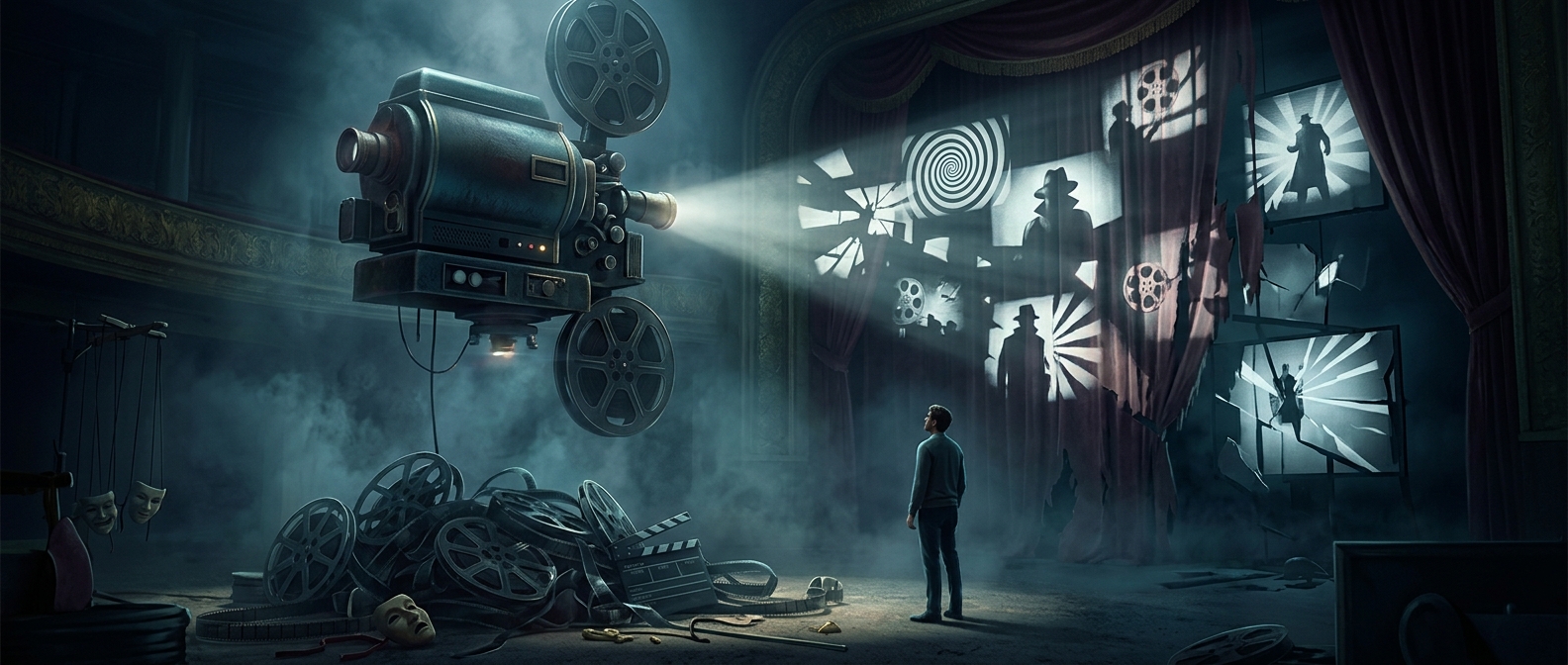
Brainwashing is persuasion, not instant mind control
There is no single switch that erases a person’s mind. Influence builds through repetition, isolation from competing views, and pressure to depend on the…
Discover more
Creating problems that do not exist
An unanswered text leaves a gap, and the mind is quick to fill gaps with explanations: “They’re angry,” “I said something wrong.” Rehearsing one of those…
Discover more
Subconscious preference for round numbers
When a number lands on an even, familiar boundary, it takes less mental work to grasp. That small ease can become a quiet preference: the round figure feels…
Discover more
Overestimating personal contribution
Ask a team to estimate who did how much, and each person can mentally replay their own effort in detail while seeing only fragments of everyone else’s. The…
Discover more
Why bad news can feel strangely reassuring
A disaster is awful—but knowing about it can make a vague fear feel more concrete. Once you can picture what went wrong, your mind can start sorting out what…
Discover more STACKY FOR IPHONE
A bigger world.
One discovery
at a time.
Keep discovering with Stacky. Interesting facts in an app that is always within reach.
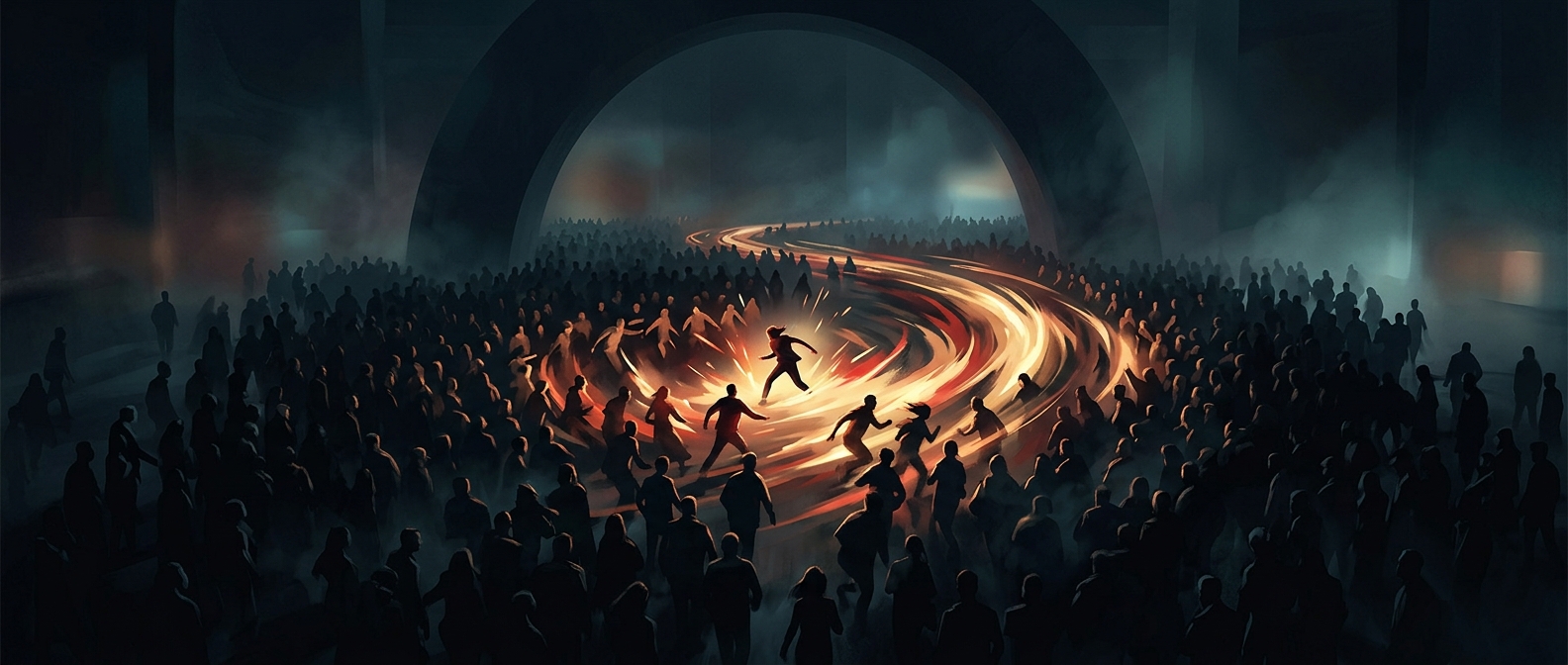
Panic is practically contagious in crowds
In a crowd, panic can pass from body to body through glances, shouts, and sudden movement. If you don’t know what’s happening, other people’s fear becomes…
Discover more
Why anger can make you cry
Anger and tears can arrive together because both involve intense bodily arousal. When anger surges, your breathing and facial muscles change; tears can be…
Discover more
Ignoring the first pancake since it usually looks bad
The first pancake often takes the blame for a pan that hasn’t reached an even temperature yet. It also teaches the cook how quickly the batter sets and how…
Discover more
Why 73 feels wrong on a thermostat
If 72 has become your household’s thermostat setting, it turns into a reference point. The display makes temperature feel like an exact choice, so 73 can seem…
Discover more
Why the same coffee order builds trust
Ordering the same coffee gives someone a small, repeated glimpse of you: what you like, how you behave, whether you show up consistently. Familiarity makes a…
Discover more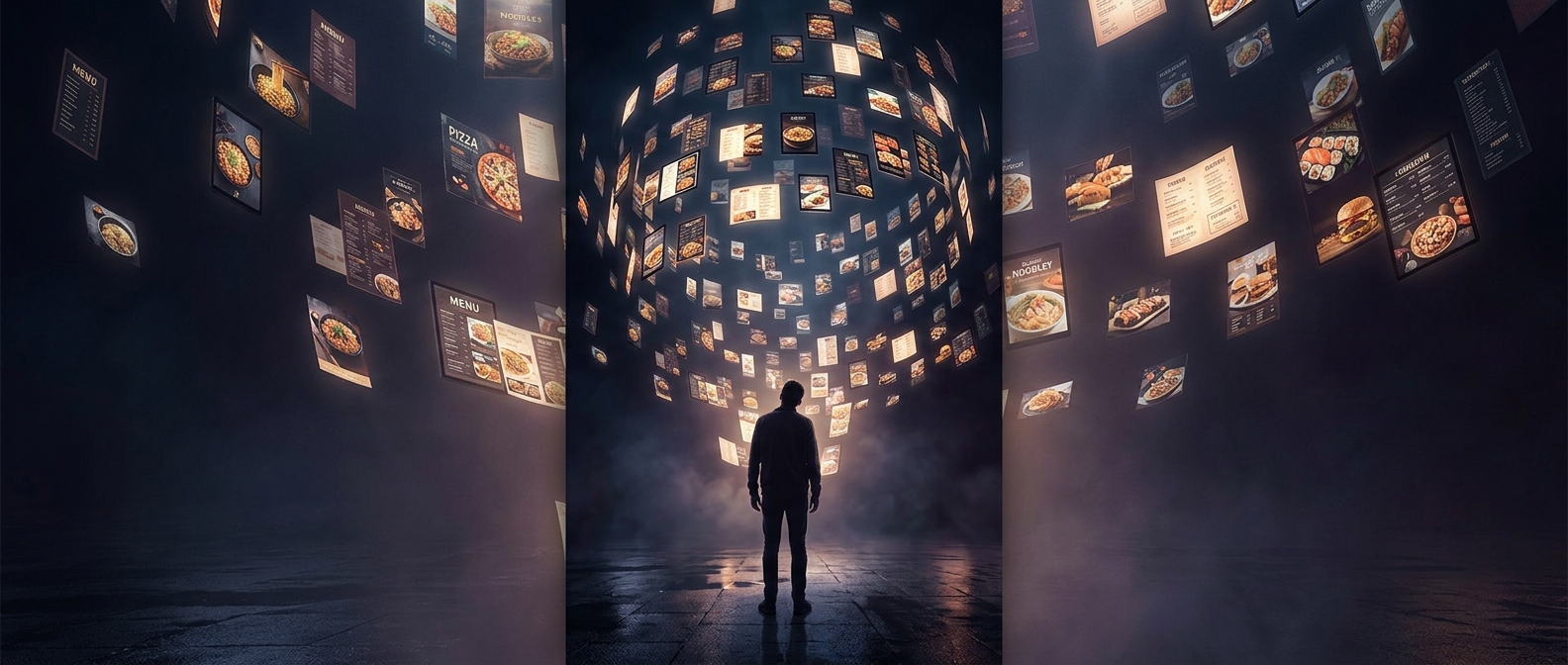
Why choosing a restaurant can start a fight
Picking a restaurant forces preferences into the open: price, distance, mood, appetite, and who gets their way. If one person keeps saying “I don’t care”…
Discover more
Why other people's struggles can drain you
Someone else’s pain can recruit your attention as if it were happening in the room: you watch their face, read their tone, and search for the right response.…
Discover more
Why everyone else can choose your coffee shop
When a group can’t pick a coffee shop, “You choose” can feel safer than making the call. Letting someone else decide also lets them own the risk of a bad…
Discover more
Why unsolicited advice feels good to give
Someone tells you a problem, and suddenly you’re arranging their life into steps. Advice feels good to give because it turns helpless listening into action:…
Discover more
Why an awkward moment can ruin your day years later
Your mind remembers a social mistake as if it were a warning worth keeping: “Don’t do that again.” Years later, a similar room or phrase can bring the scene…
Discover more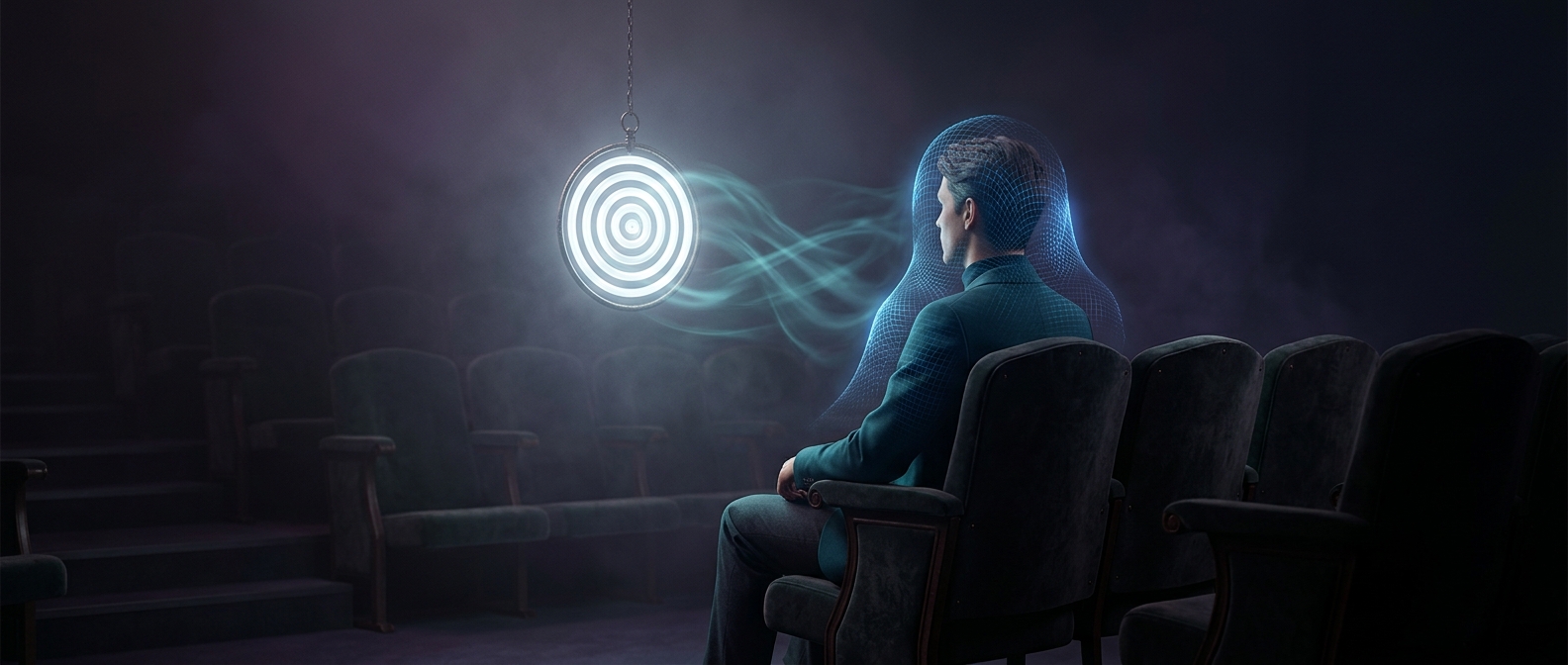
Why hypnosis requires your cooperation
A hypnotist can suggest that your arm feels light, but the suggestion has to become something you attend to and imagine. That cooperation is what makes…
Discover more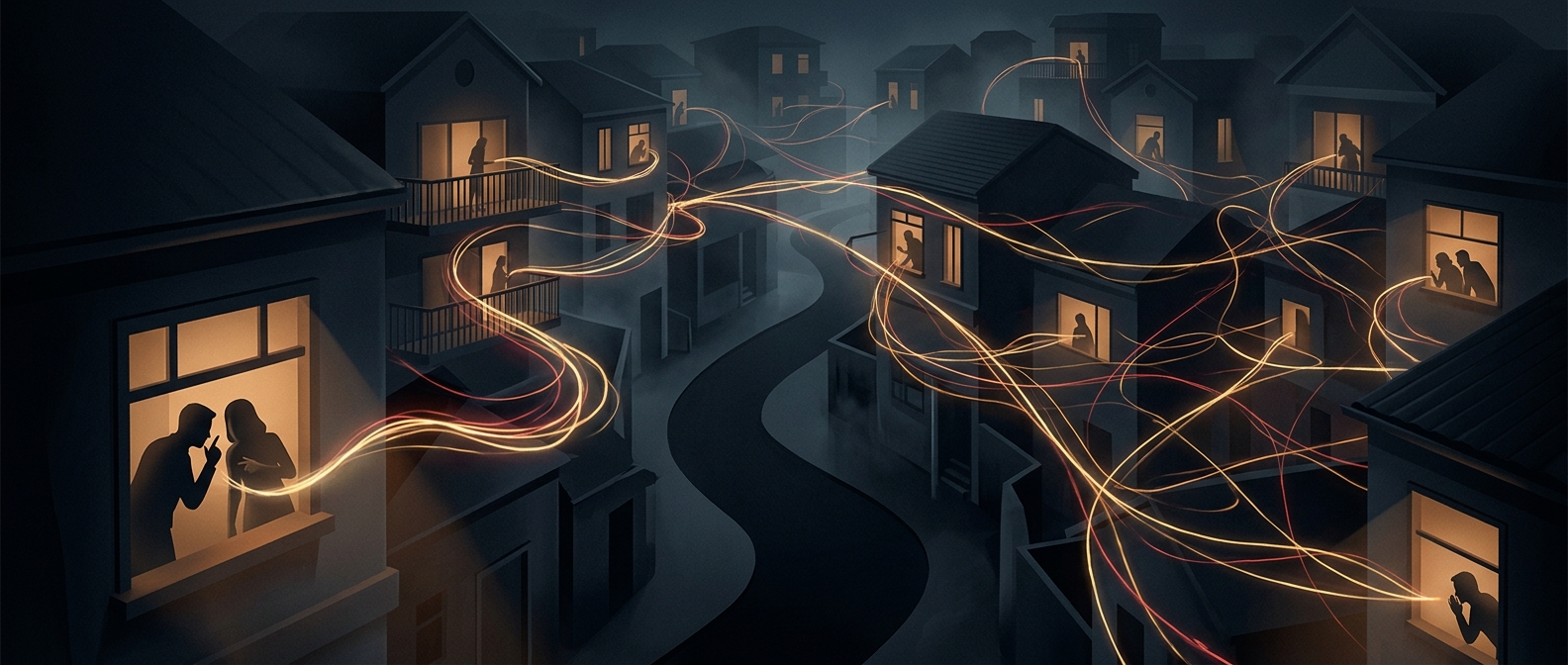
Spreading rumors about local neighbors
Local gossip travels because neighbors are part of the world you have to navigate. A story about someone nearby can shape whom people trust or avoid, so…
Discover more
Engaging in pointless mundane interactions
A quick chat about the weather can feel pointless because it delivers almost no new information. But small, low-stakes exchanges let people check that a…
Discover more
Constantly seeking external validation from strangers
A like from a stranger is a tiny answer to a much bigger question: Am I worth noticing? The trouble is that strangers can only respond to what they see, so…
Discover more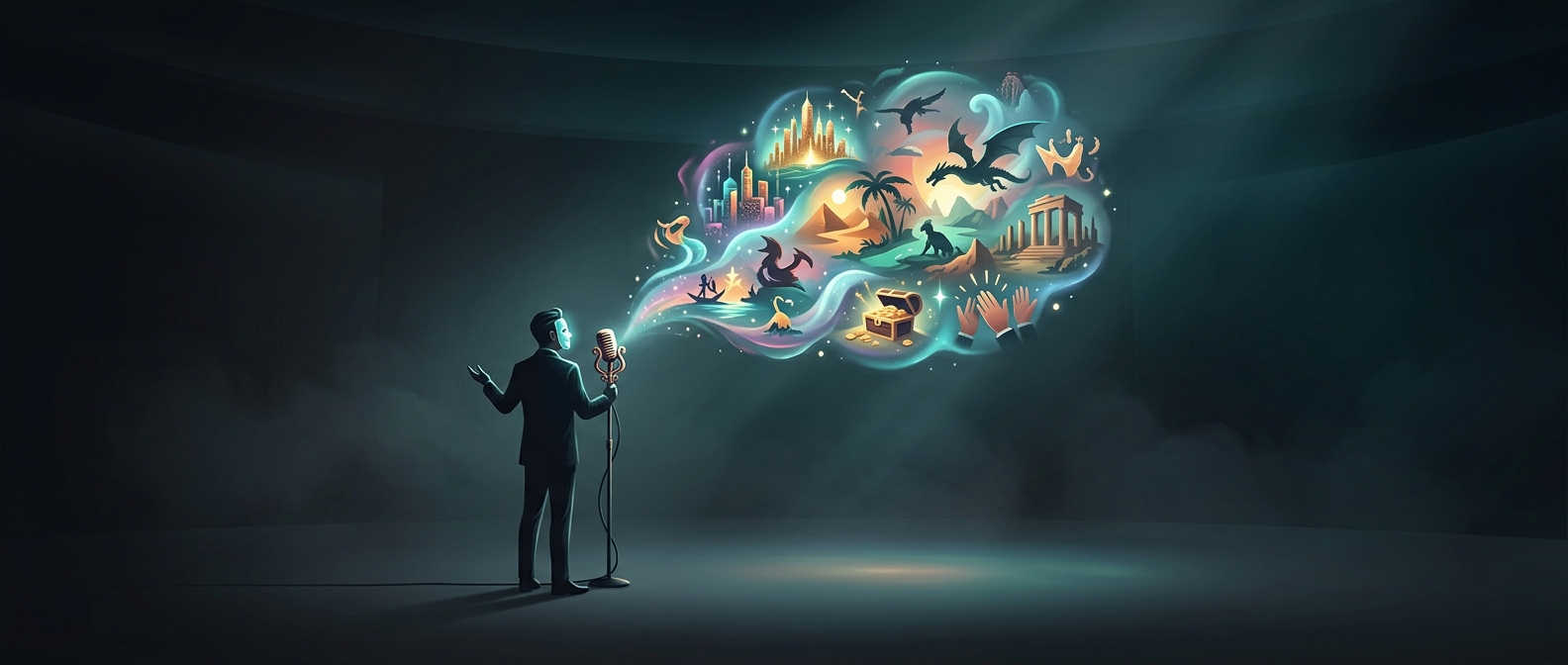
Lying blatantly just to make yourself sound interesting
A small lie can make a story land with more sparkle, and the reaction it earns can tempt the teller to keep embellishing. The audience hears an entertaining…
Discover more
Why people overlook obvious red flags
Red flags are easiest to miss when admitting what they mean would cost you something. You’ve invested time, affection, or money, so your mind gives reassuring…
Discover more
Sunday night lets Monday borrow your weekend
Sunday evening puts two selves in the same room: the person who wants the weekend to continue and the person already bracing for Monday. That approaching…
Discover more
Why a period in a text feels hostile
A period ends a sentence, but in a casual text it can also look like someone is deliberately ending the conversation. Without tone of voice, you use clues…
Discover more