Psychology
Discover facts about psychology. Small discoveries that change the way you see familiar things.
Psychology

Language has a childhood window that later lessons can't fully replace
Children build language through years of accessible conversation and interaction. When that input is missing during early development, learning it later can…
Discover more
Talking to yourself can help with difficult tasks
“First, find the edge; then lift slowly.” Saying each step aloud gives your attention a simple track to follow when a task gets complicated. The words can…
Discover more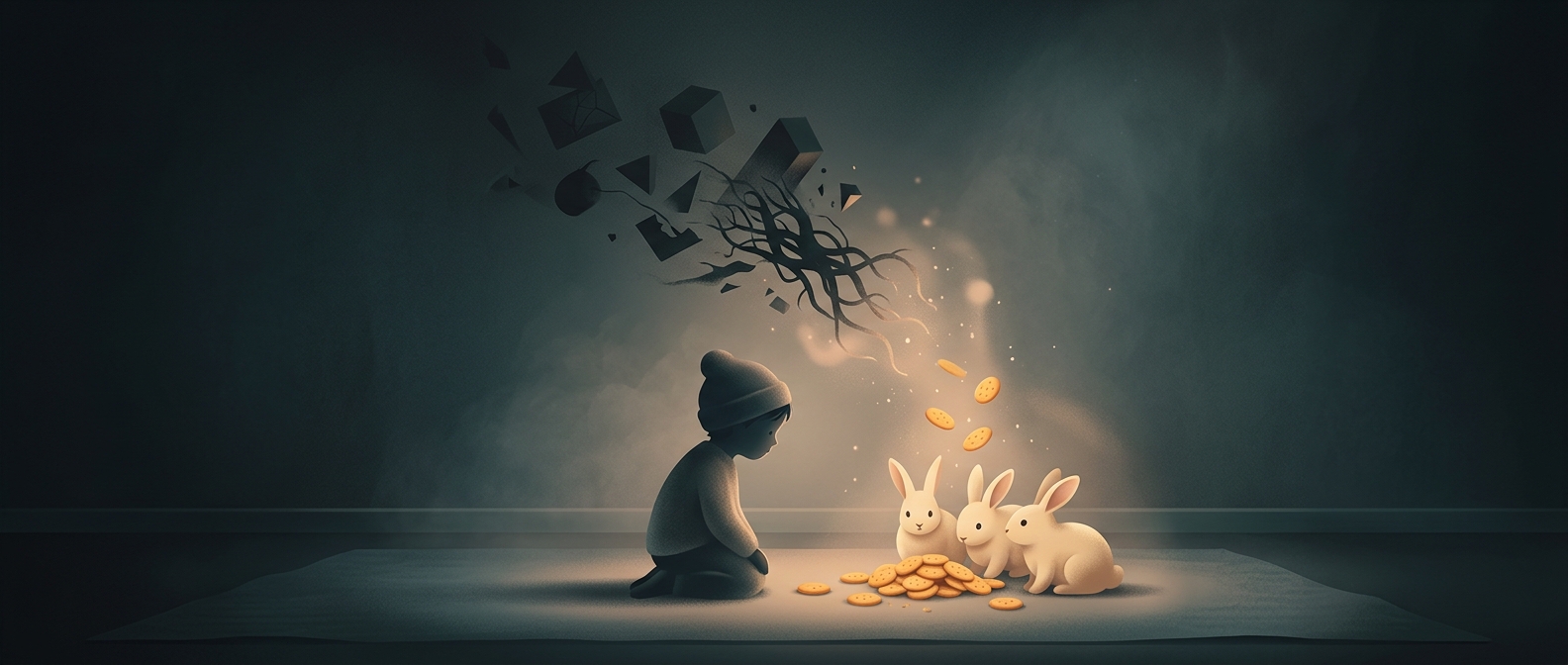
How snacks helped treat a child's rabbit phobia
In a classic treatment, a child who feared rabbits ate a favorite snack while a rabbit sat at a distance, then gradually came closer over time. The pleasant…
Discover more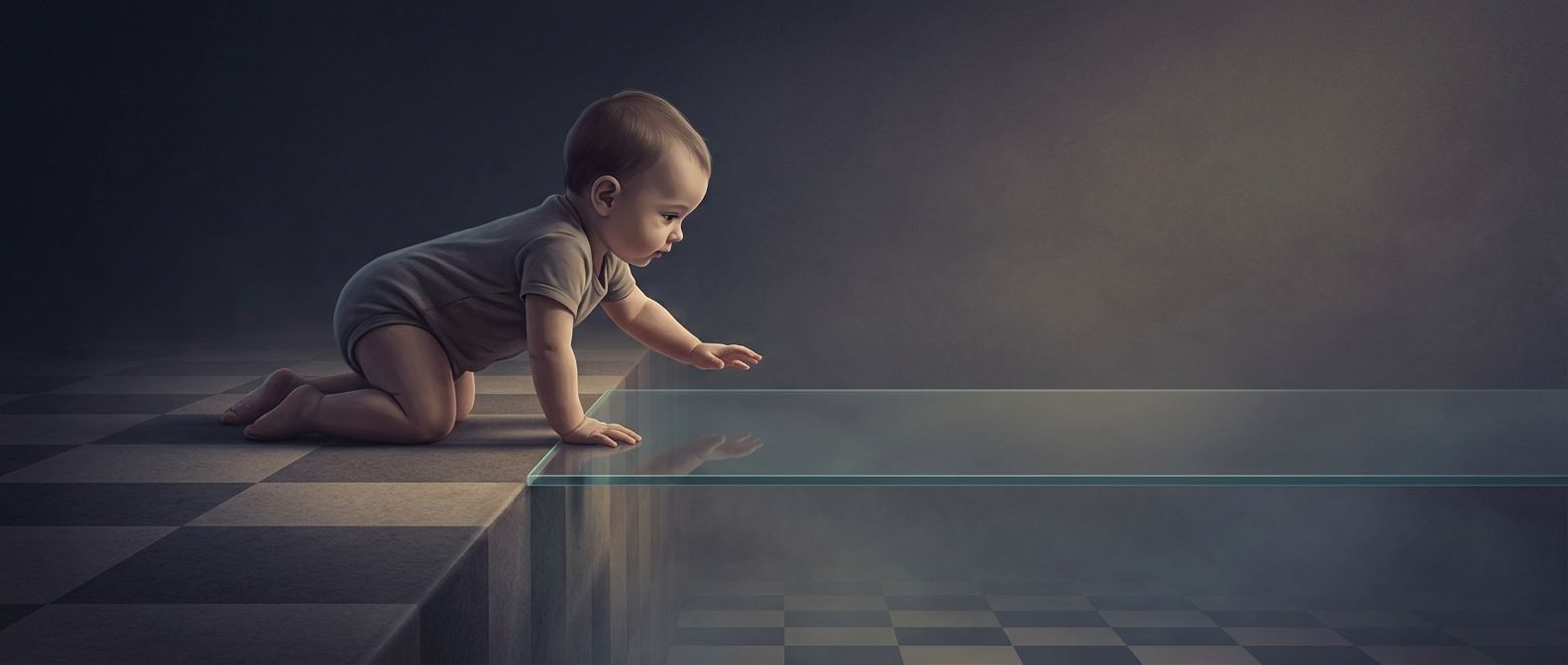
Why babies stop at the visual cliff
At the visual cliff, the surface looks solid on one side and like a sudden drop on the other. Babies who can move may pause because depth cues tell them the…
Discover more
The brain signal before a movement does not settle the free-will debate
A readiness potential can appear before people report deciding to move. One influential model explains the averaged signal partly through fluctuating neural…
Discover more
Groups can agree on a light that isn't moving
Stare at a fixed point in a dark room and it may seem to drift. Your eyes make tiny movements, but with no stable visual landmarks, your brain can mistake…
Discover more STACKY FOR IPHONE
A bigger world.
One discovery
at a time.
Keep discovering with Stacky. Interesting facts in an app that is always within reach.
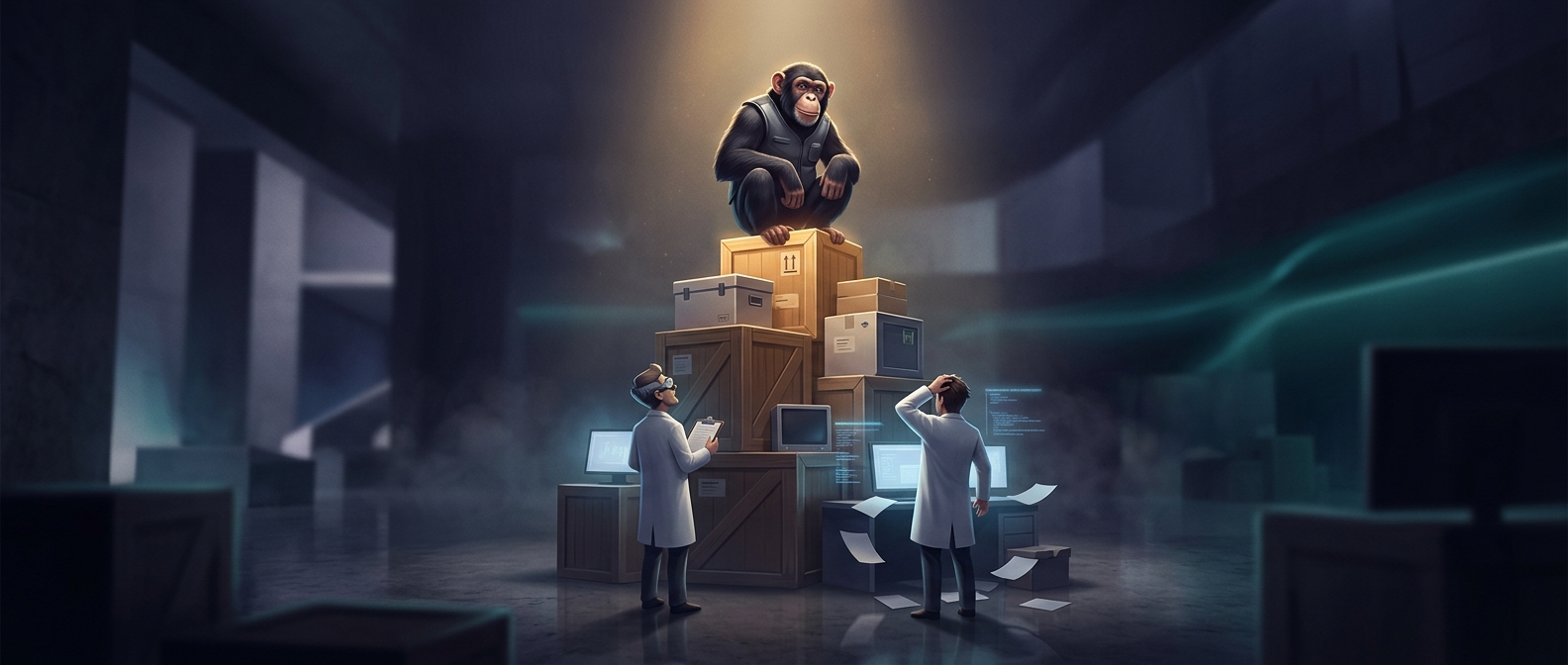
How chimpanzees solved a banana puzzle
A banana hanging overhead can turn a few ordinary boxes into a ladder. Chimpanzees have solved this kind of puzzle by moving and stacking objects until the…
Discover more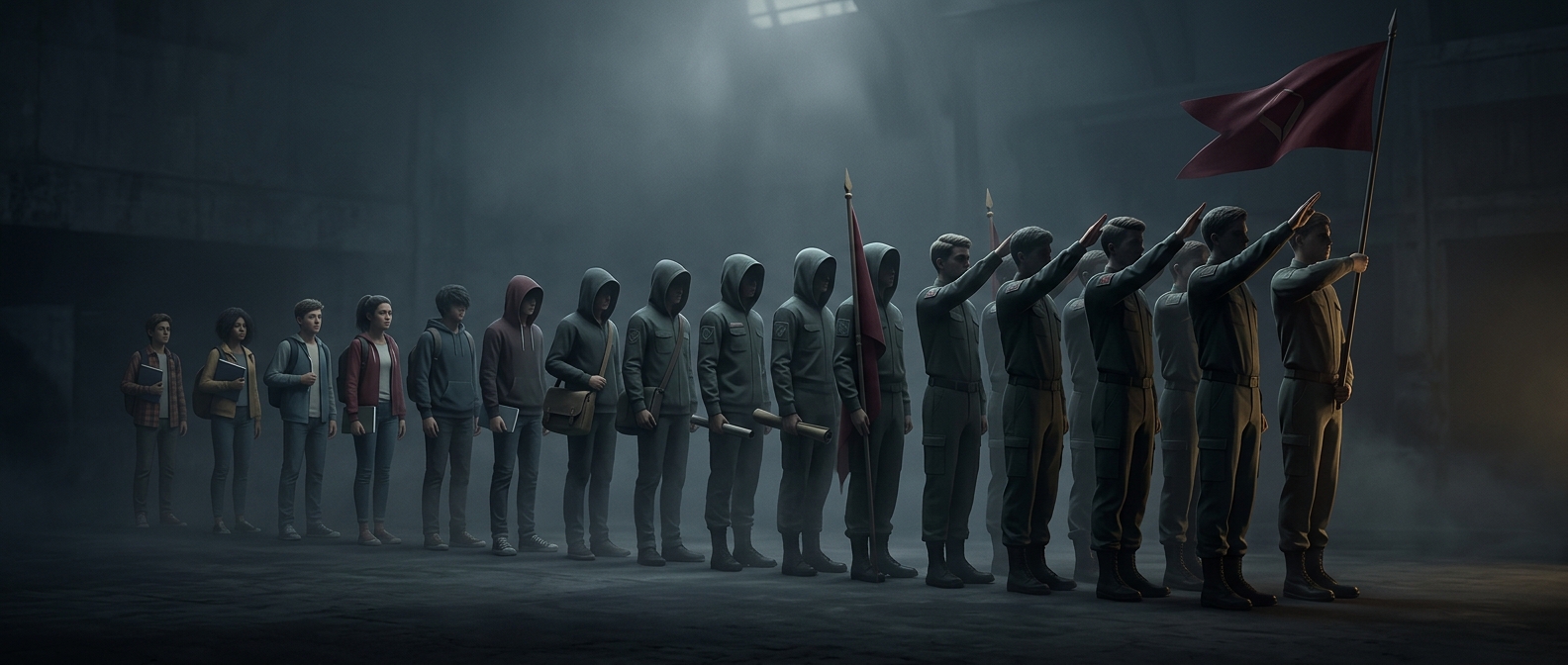
A classroom experiment turned into a fascist movement
The students didn’t need to begin as fascists. They needed a group identity, clear rules, and the feeling that they belonged to something powerful. In the…
Discover more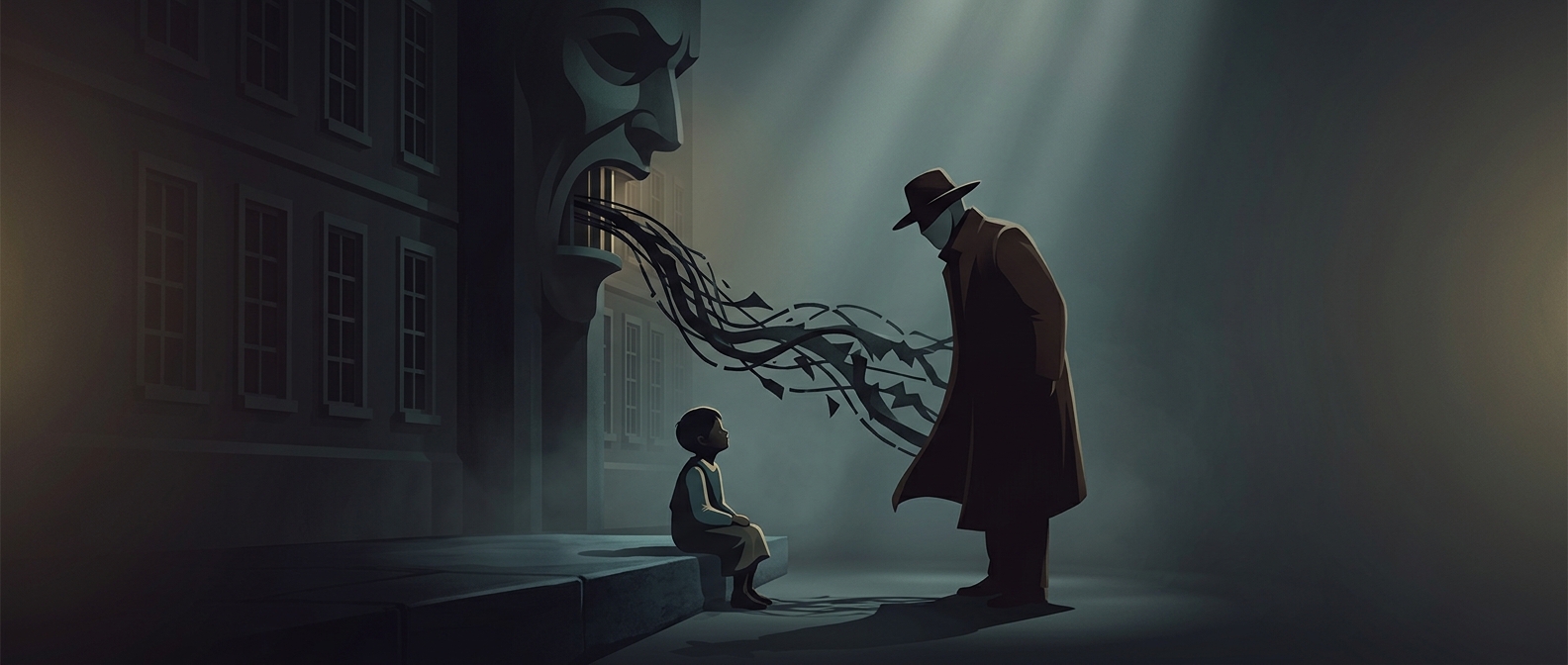
The cruel study that tried to create stutters
In the 1930s “Monster Study,” researchers tested whether harsh speech therapy could make children stutter. Some children at an orphanage were criticized and…
Discover more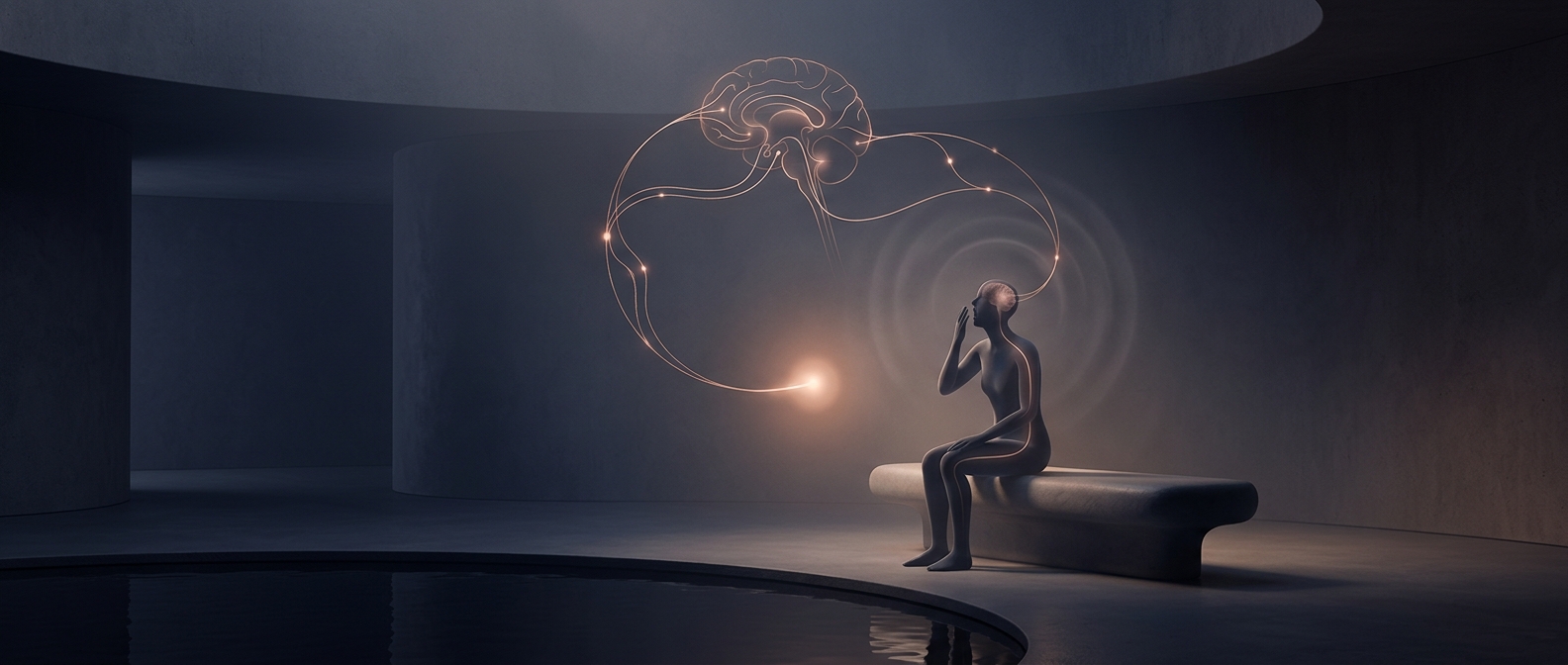
Yawning is just an involuntary reflex
A yawn can start before you decide to do anything about it: your mouth opens, your jaw stretches, and the breath comes. That automatic motor pattern is why…
Discover more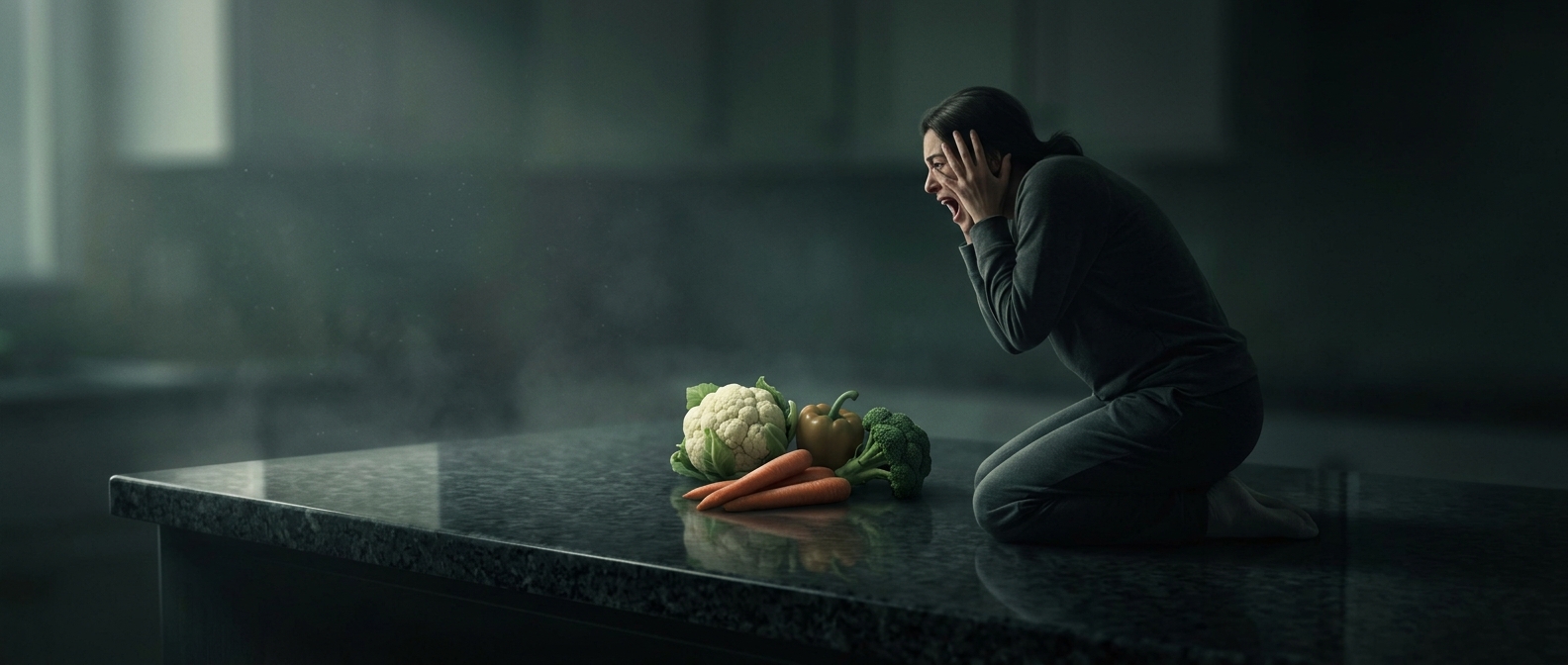
Screaming at completely harmless vegetables
Screaming at a vegetable gives anger a physical outlet while keeping the stakes comically low. The target is harmless, but the emotion is real; the mismatch…
Discover more
Why guilt returns after you make the same mistake
After you promise yourself “never again,” repeating the mistake can make guilt hit twice: you’re facing the original consequence and the broken promise. That…
Discover more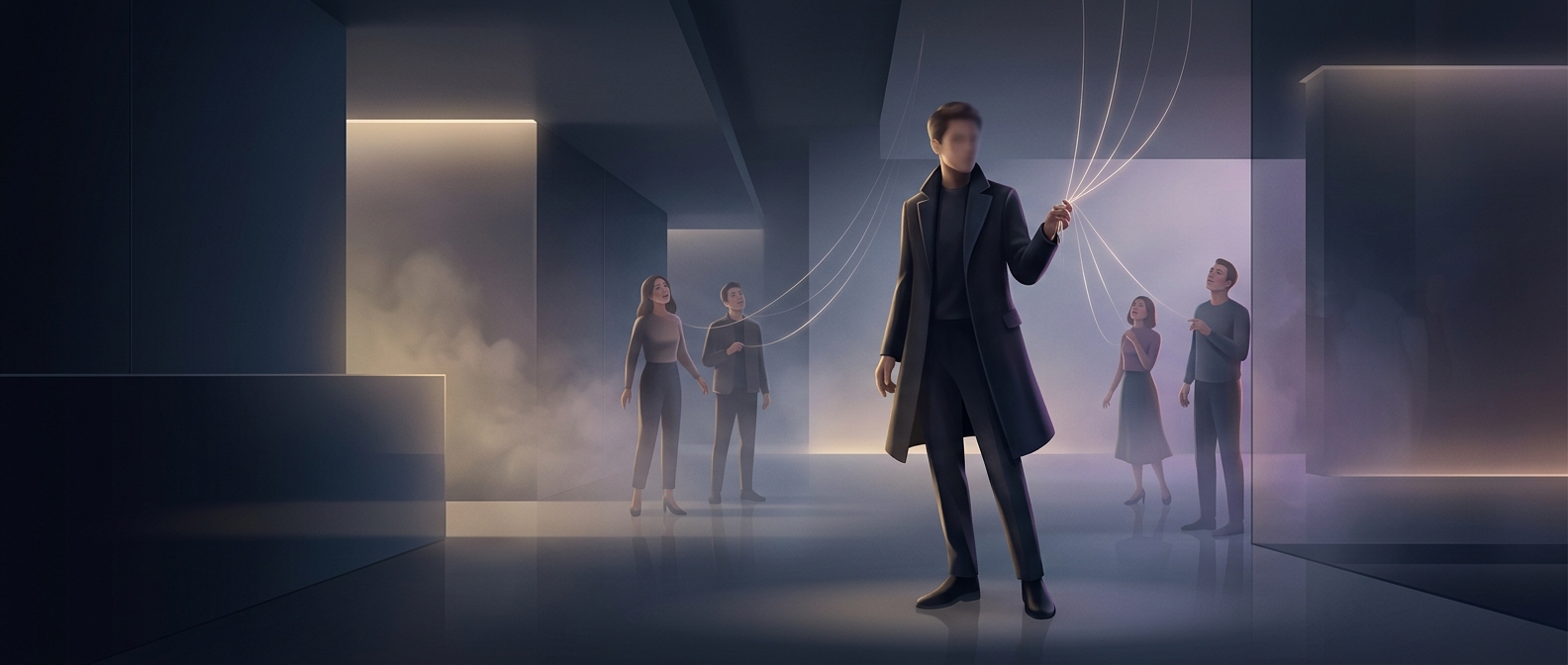
Someone can feel heard without knowing what you feel
Attention, follow-up questions, and time to answer are visible behaviors; your private motives are not. A listener can therefore create a better interaction…
Discover more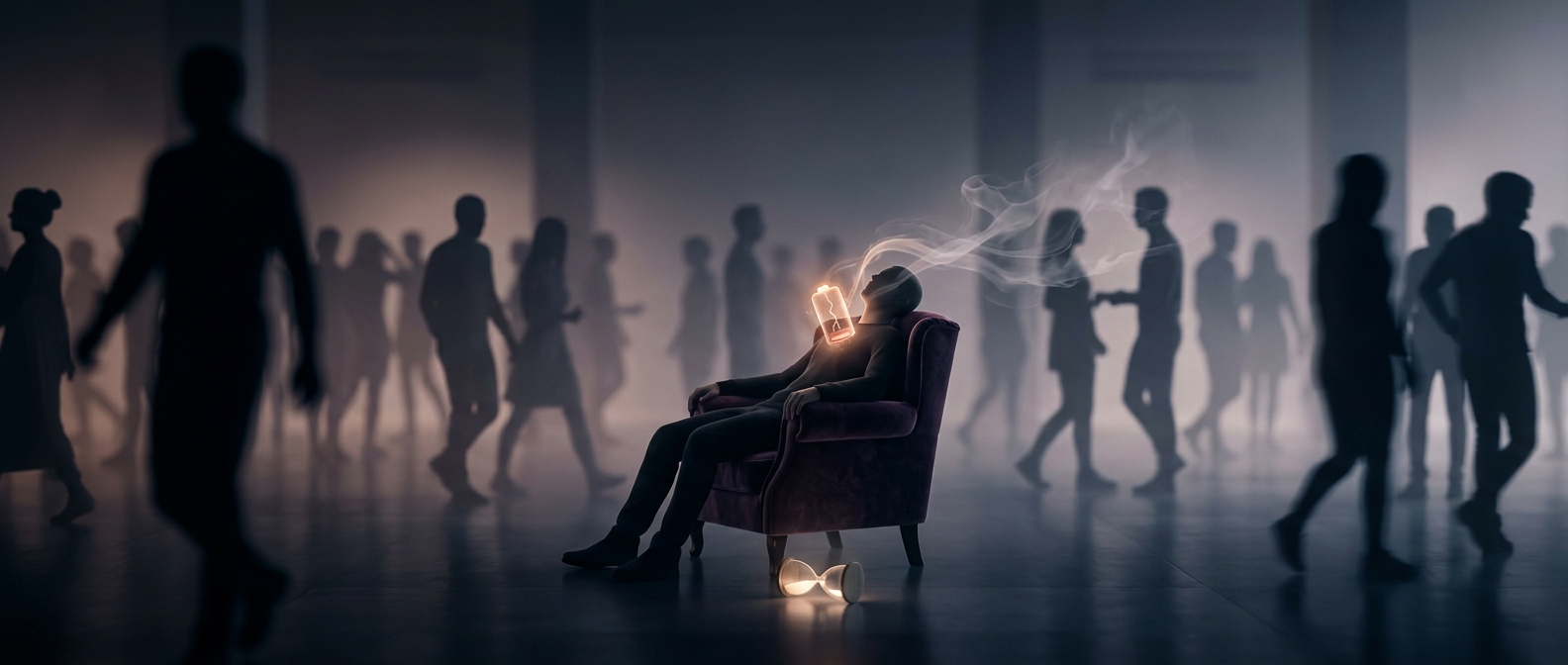
When your social battery dies at the party
At a party, your attention is doing more than hearing the person in front of you. It’s tracking side conversations, reading faces, finding your turn to speak,…
Discover more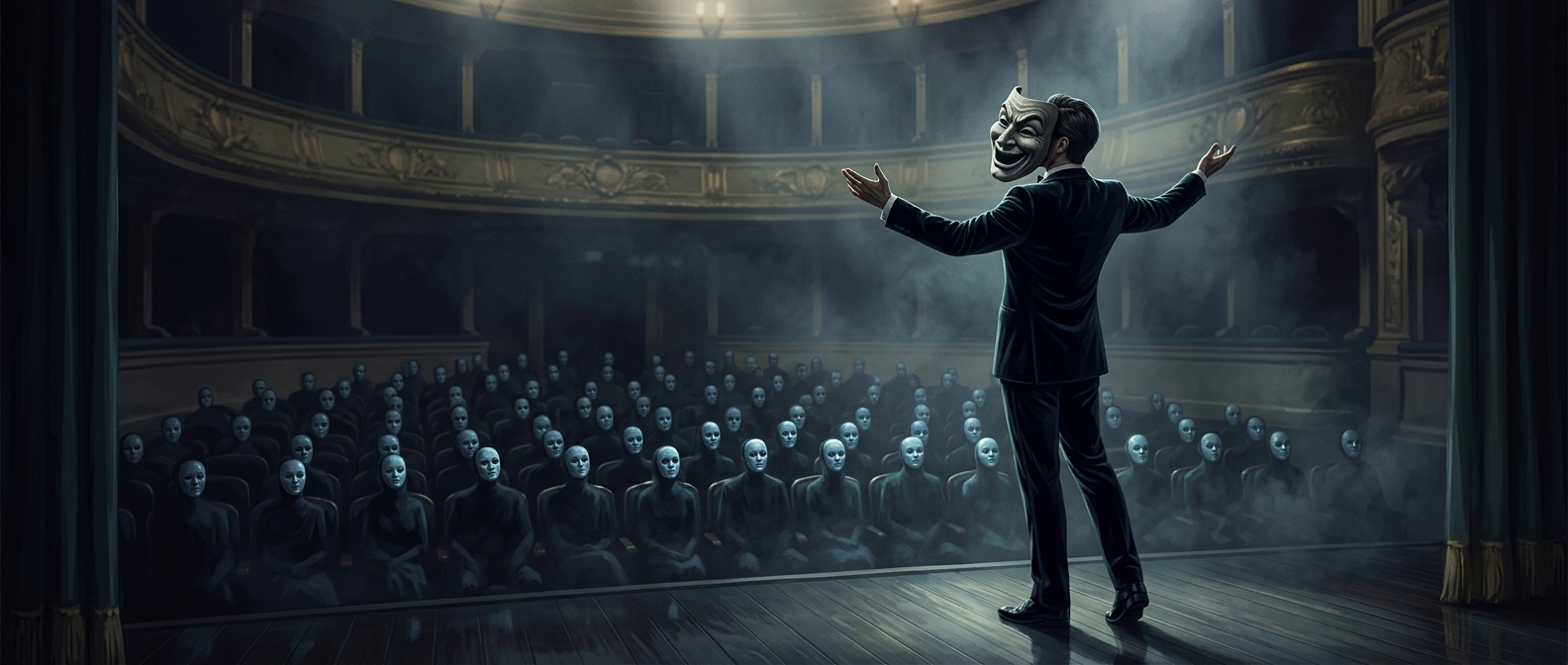
Mocking people with complete sincerity
A laugh can signal that an insult is play; a straight face can turn the same contempt into a verdict. When a person mocks someone sincerely, they treat their…
Discover more
Delaying tasks is just poor self regulation
You don’t always put off a task because you can’t manage a calendar. Sometimes you’re trying to manage how you feel: avoiding the email or assignment brings a…
Discover more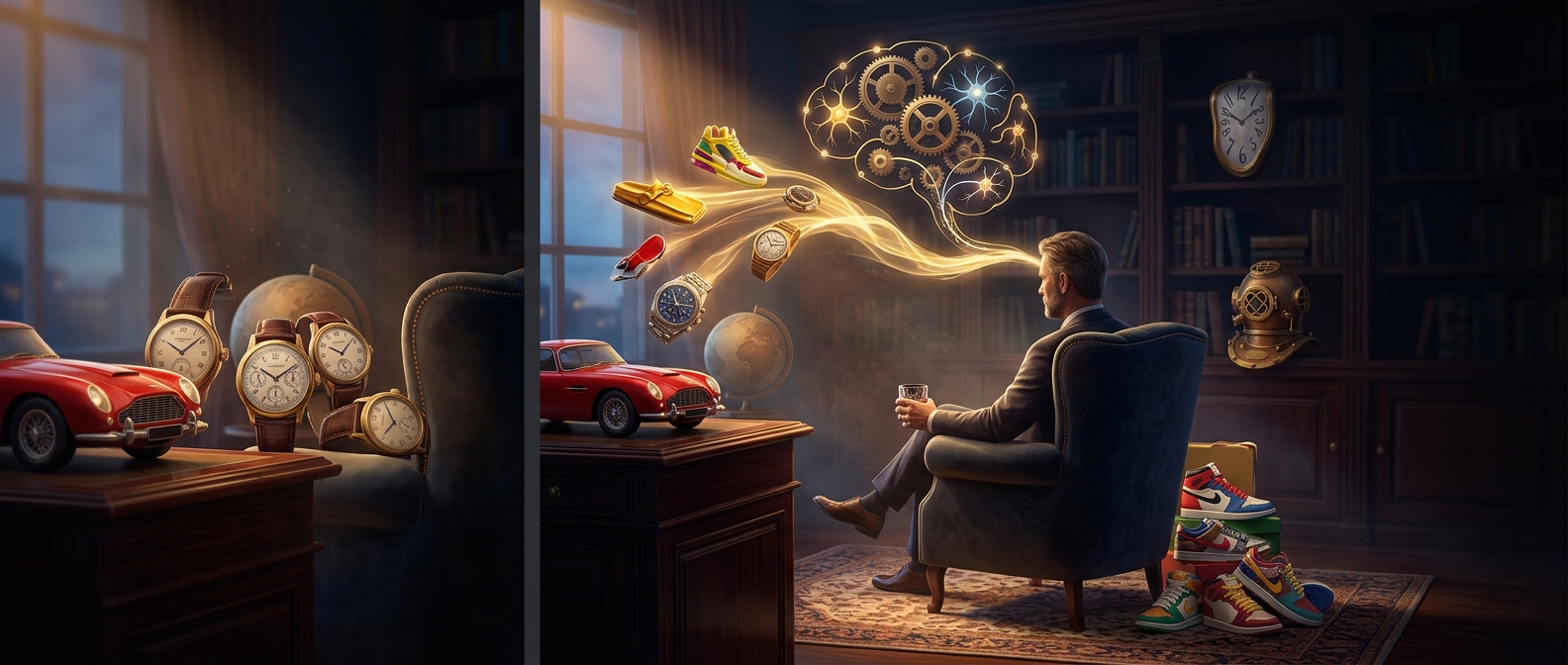
A deluxe grill can’t make life feel like yours
Buying the deluxe grill can feel like taking charge—choosing a symbol of comfort, success, or a life well built. But a purchase can’t settle the private…
Discover more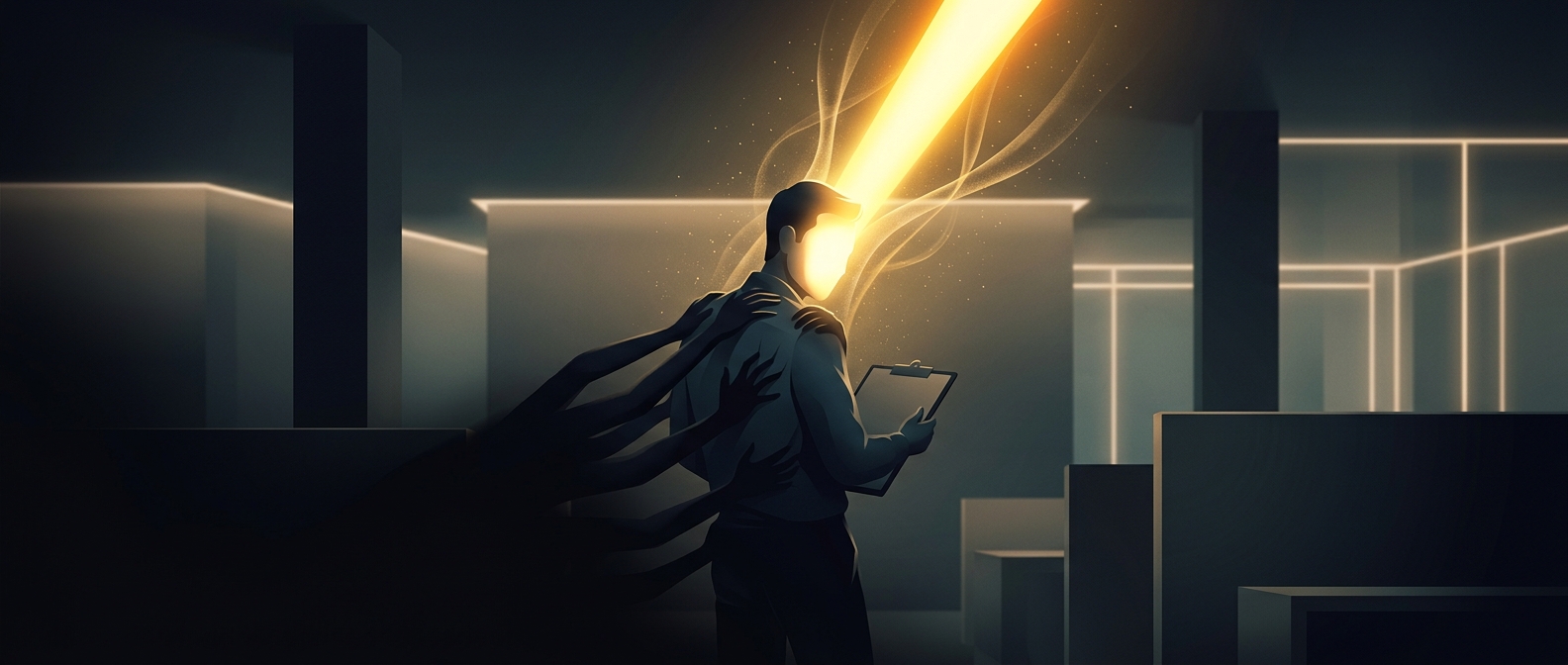
Enforcing toxic workplace positivity
A forced “good vibes only” rule can turn honesty into a social risk. Employees may smile through burnout or stay quiet about a bad decision because they don’t…
Discover more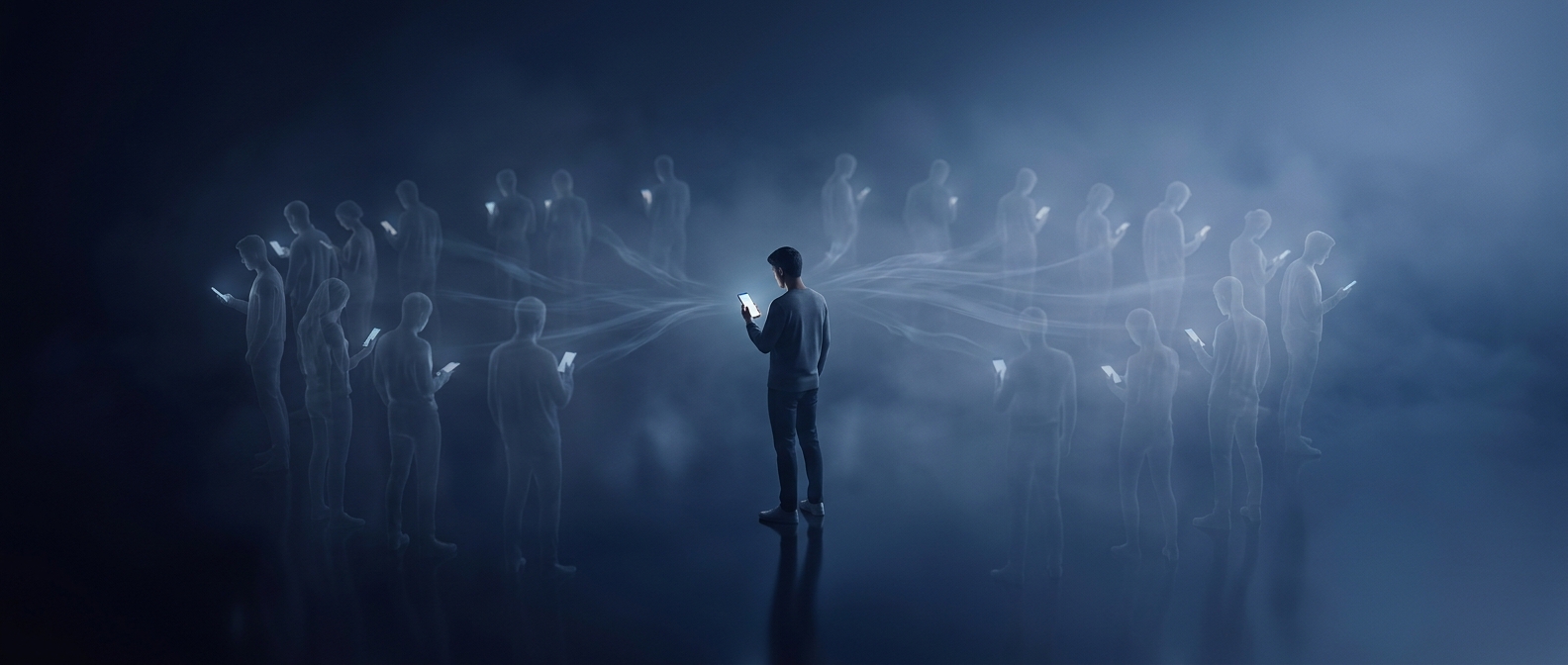
Why nobody answers the group chat
In a group chat, each person can assume someone else will answer first. Because no one feels solely responsible, everyone waits—and the silence starts to look…
Discover more
Some people see TV static everywhere
Visual snow can make a clear wall or dark room look speckled with moving dots. The effect comes from visual perception itself, rather than from a screen or…
Discover more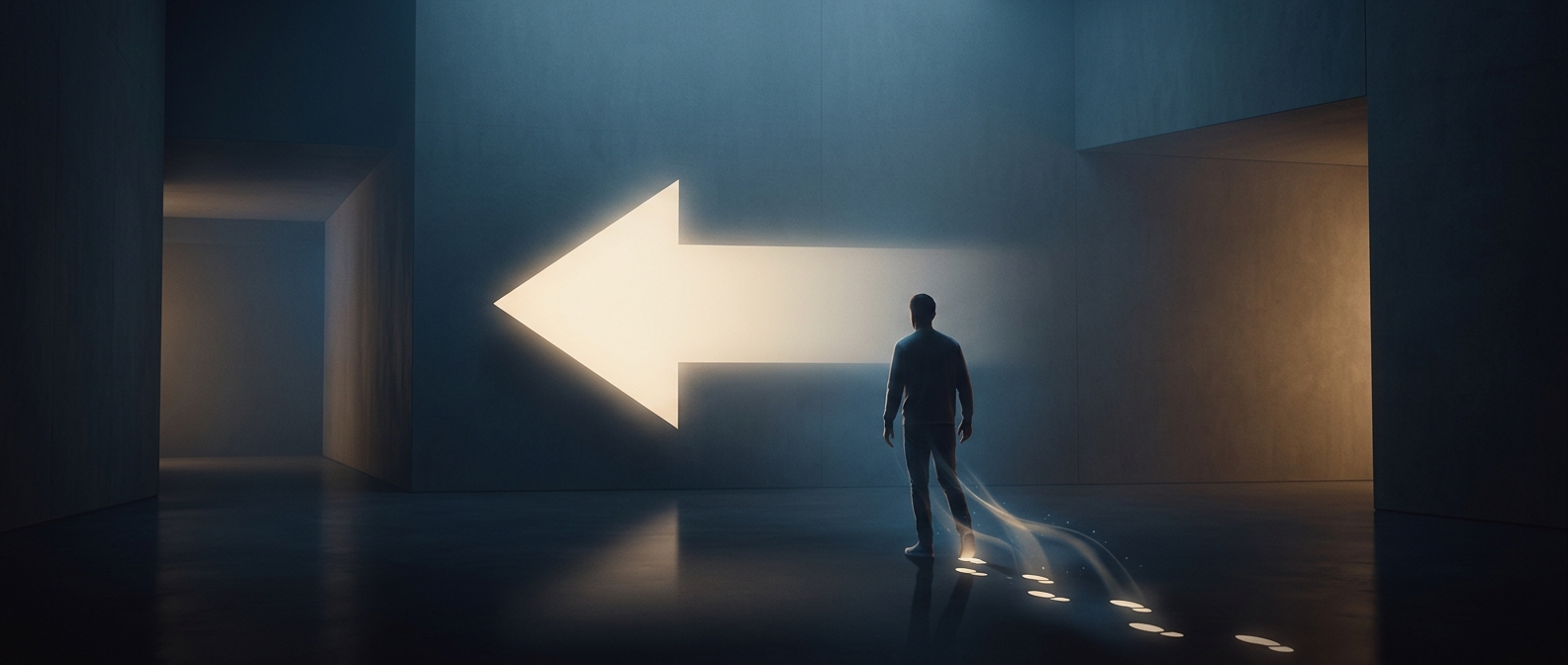
Doing the exact opposite of instructions
A command can turn compliance into a contest over who’s in charge. Doing the exact opposite restores the feeling of control, but it also lets the person…
Discover more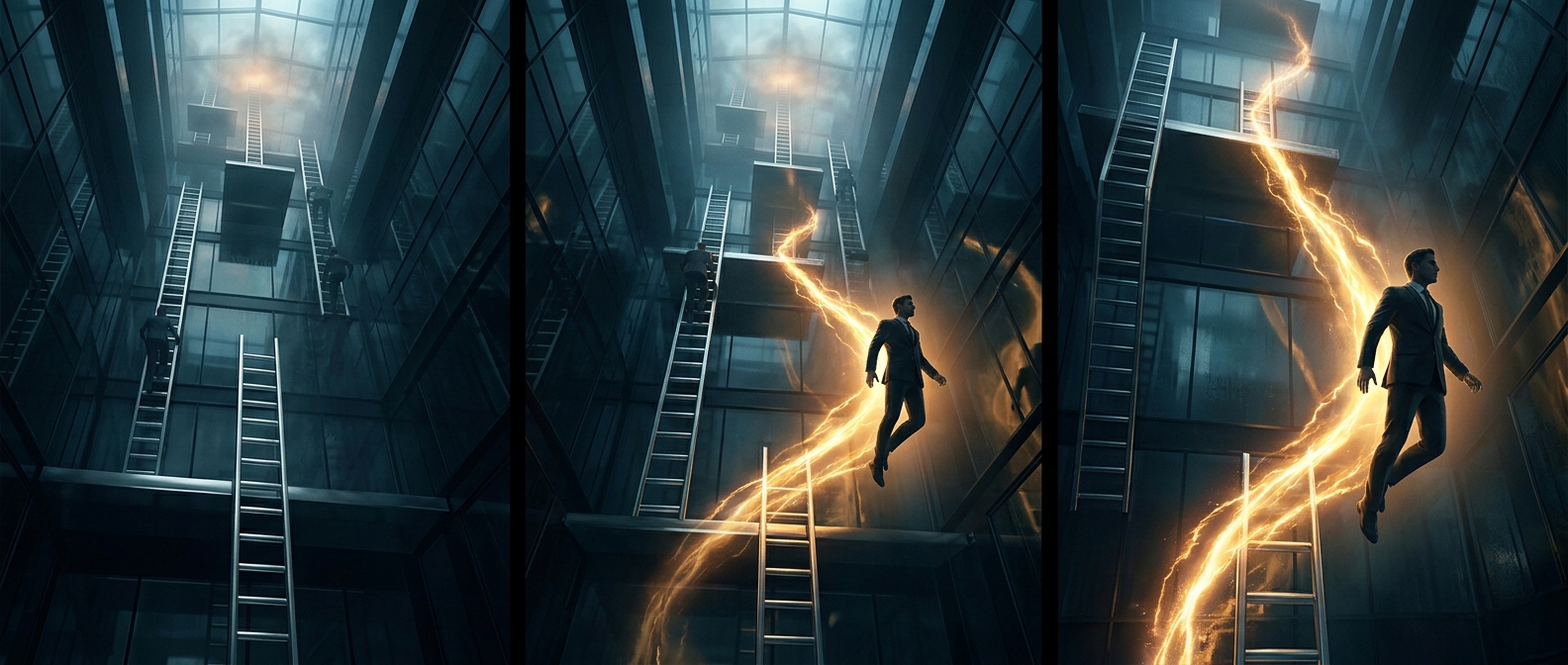
Why narcissists can look like executive material
In a job interview or meeting, the person who talks up their strengths can seem more executive than the person quietly doing careful analysis. Narcissistic…
Discover more
Controlling night visions requires effort
Trying to direct a dream is like trying to write a scene while you’re inside it. You have to hold onto the idea that you’re dreaming and keep choosing what to…
Discover more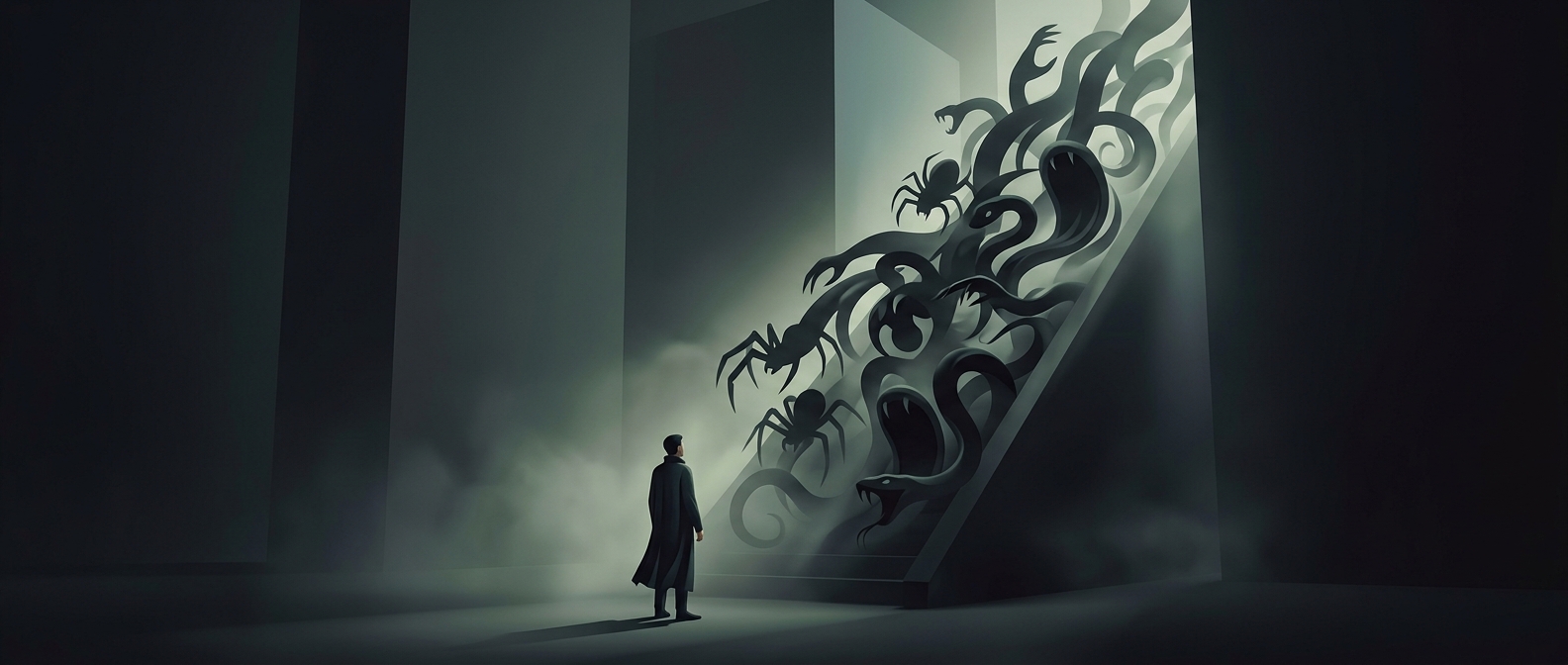
Treating phobias can mean facing them all at once
A phobia can shrink when the person stops organizing life around avoiding its trigger. In an intensive exposure session, they face it for long enough to…
Discover more