Psychology
Discover facts about psychology. Small discoveries that change the way you see familiar things.
Psychology
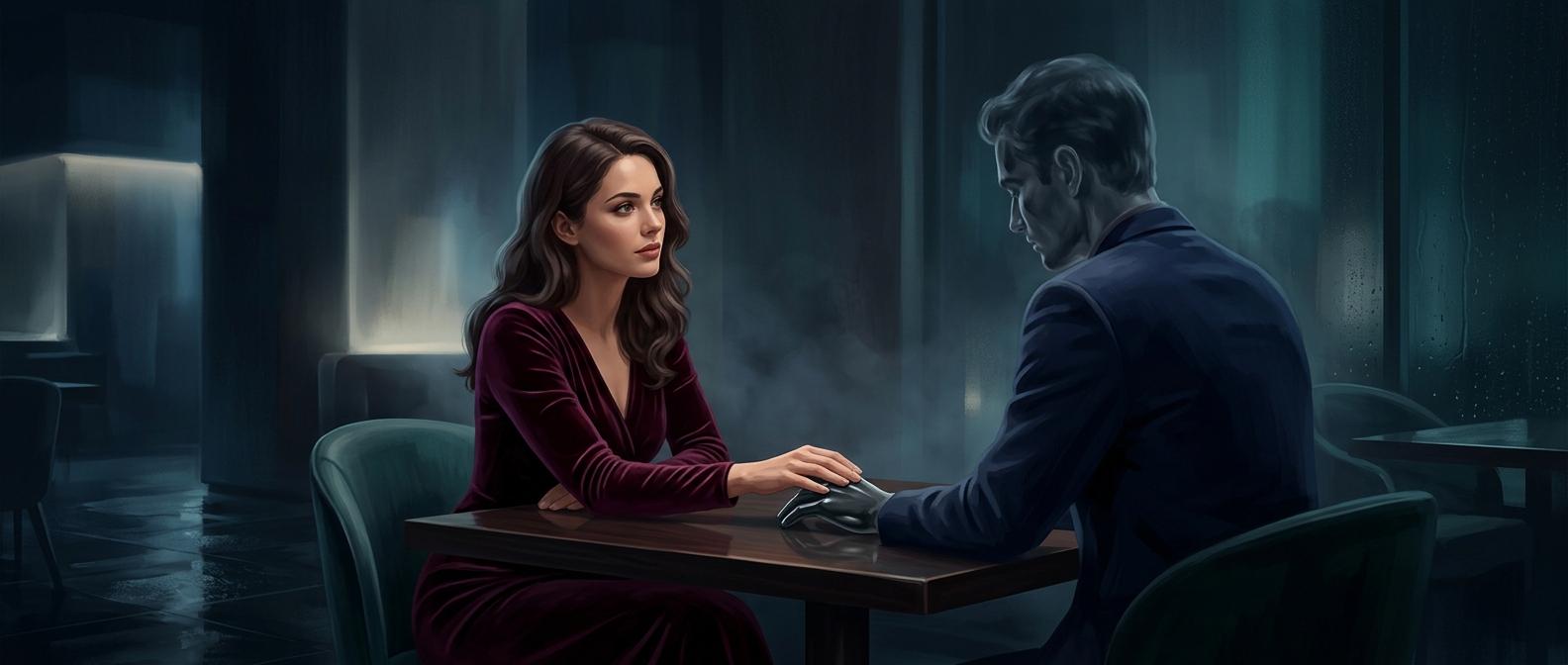
When falling in love feels like getting the flu
A new crush can bring a racing heart, poor sleep, a lost appetite, and thoughts that keep circling back to one person. Those sensations overlap with the…
Discover more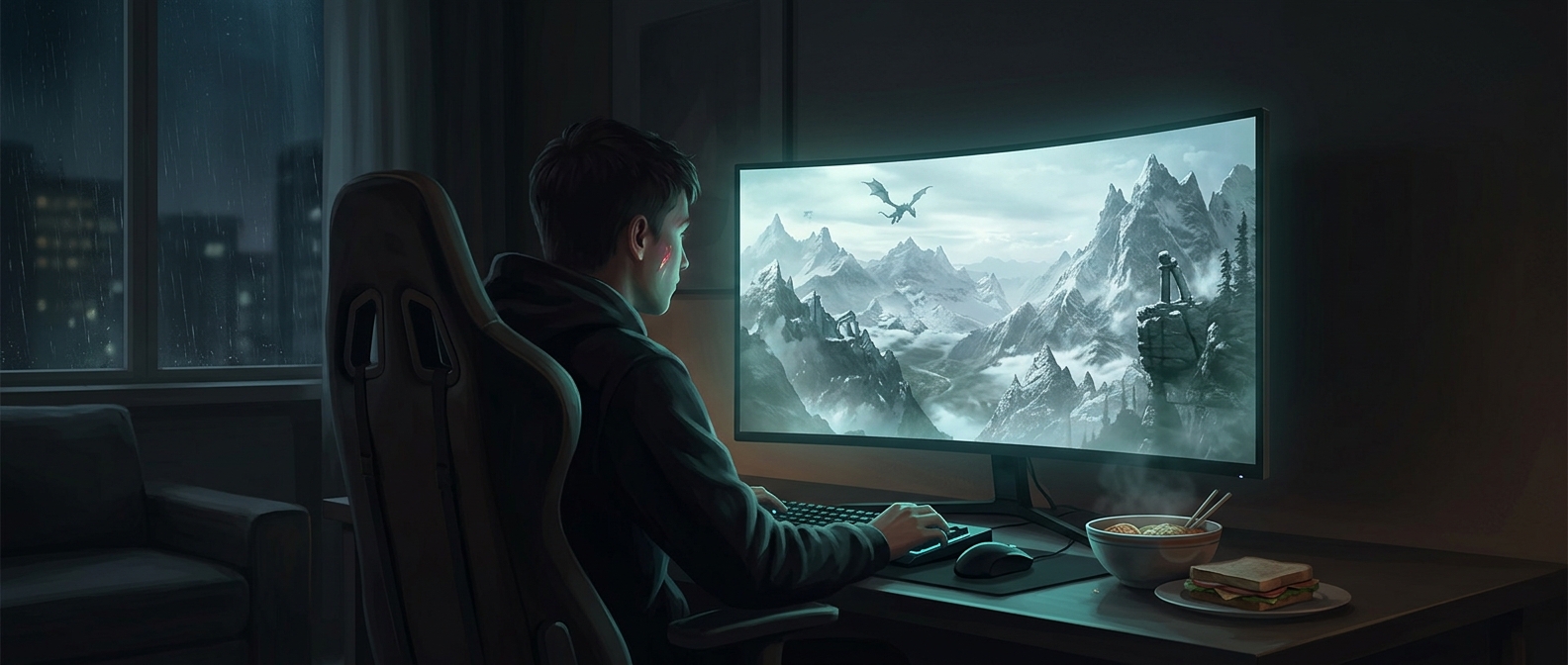
Why Skyrim makes you forget hunger and time
Skyrim keeps handing your attention a next thing to do: follow a trail, fight a dragon, search a cave. When the tasks are absorbing and rewarding, your focus…
Discover more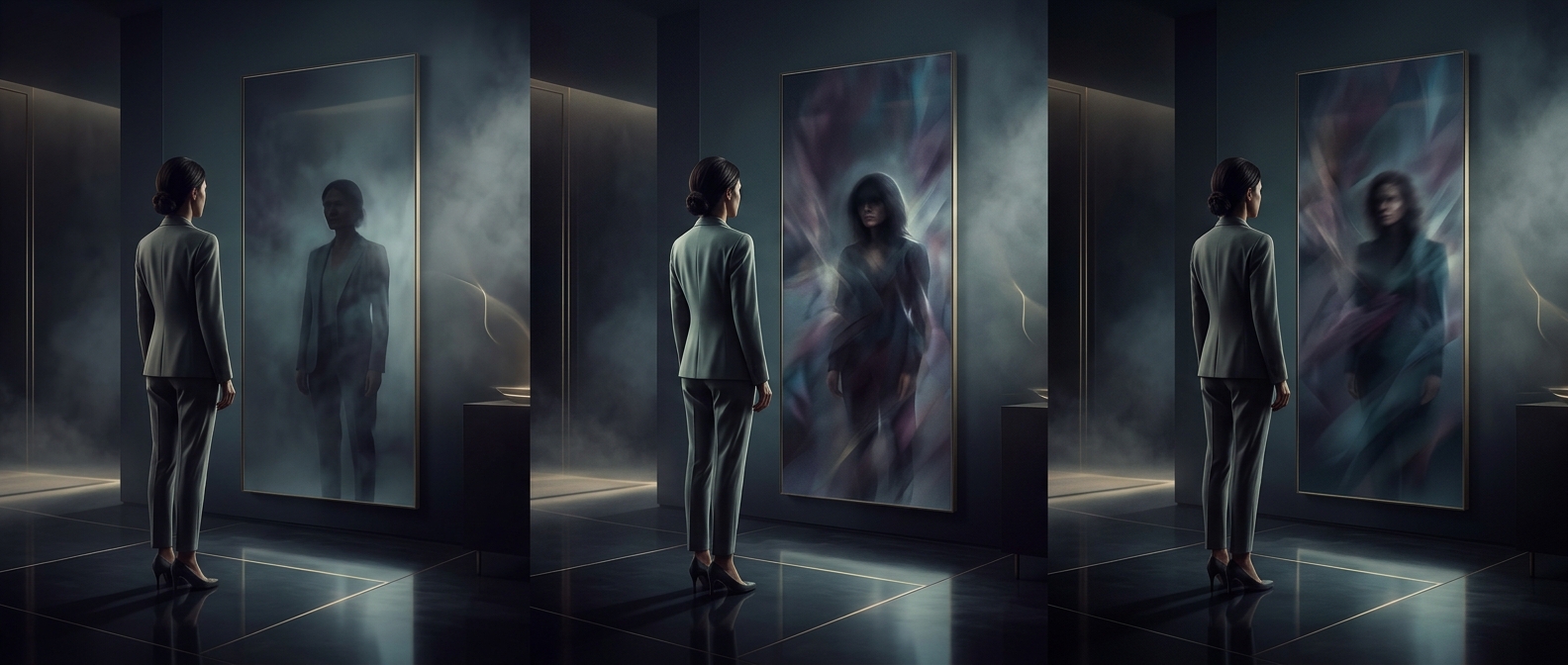
Trauma can make your past self feel like a stranger
After trauma, a person may remember what happened yet feel detached from the person who lived through it. When the experience is overwhelming, distance can…
Discover more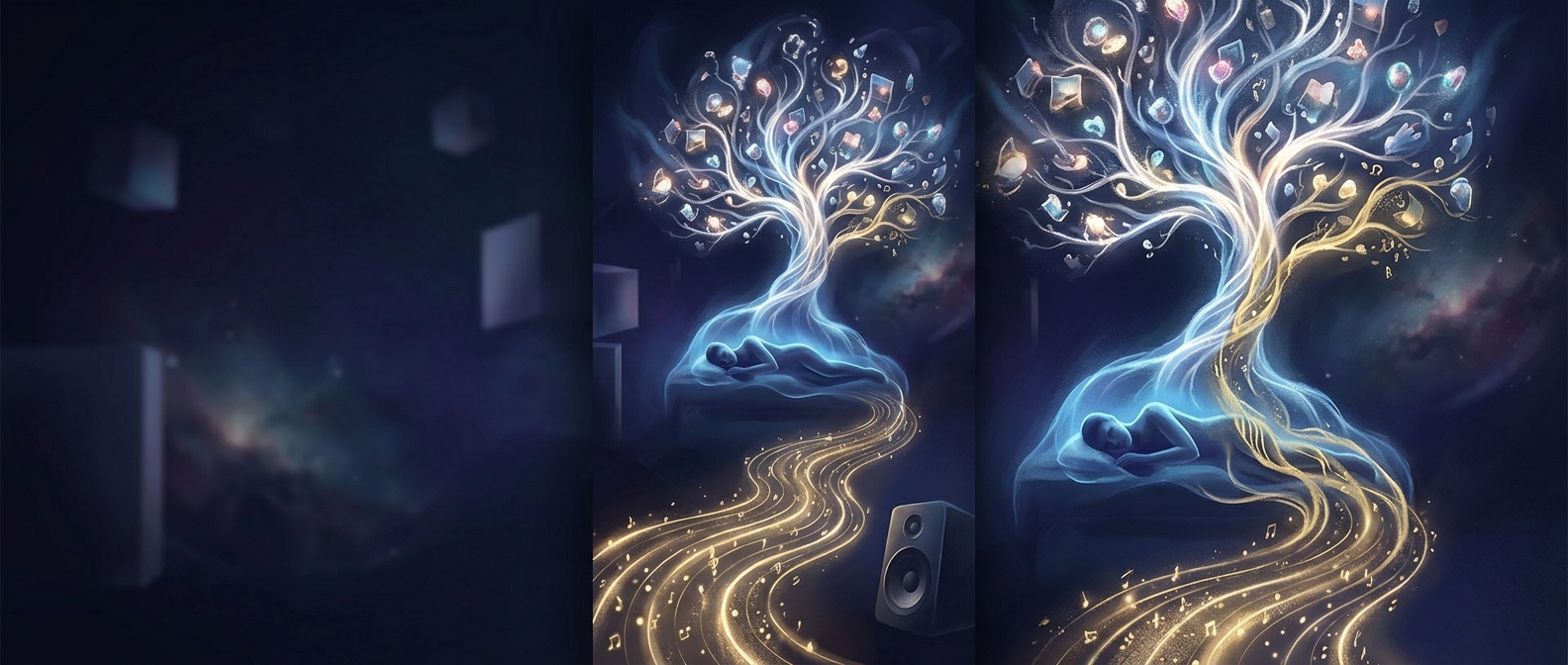
A smell can change a dream's emotional weather
In a small experiment with 15 women, researchers delivered pleasant and unpleasant odors during REM sleep. Dreams reported after the pleasant odor had a more…
Discover more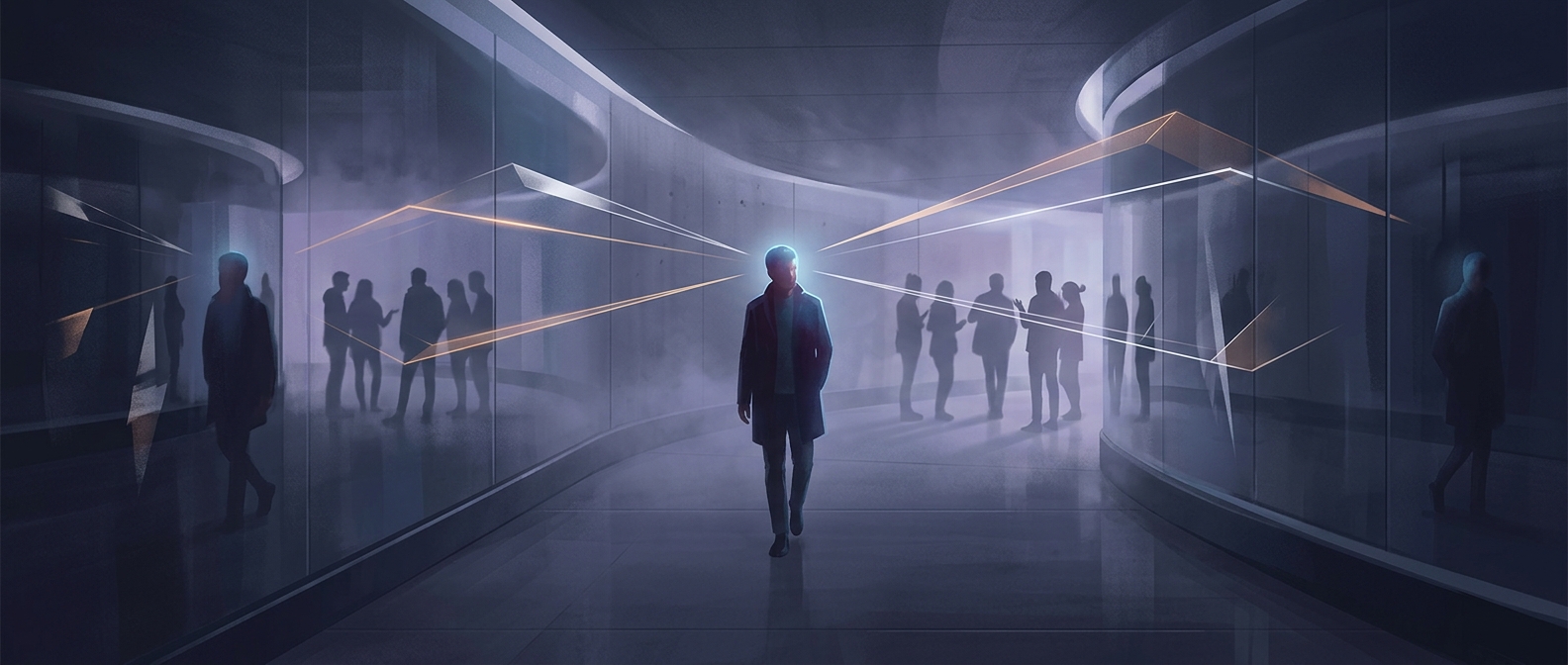
Loneliness can make rejection easier to spot
Loneliness can tune attention toward signs of exclusion. A delayed reply, a quiet room, or a glance away may stand out more sharply when you are already…
Discover more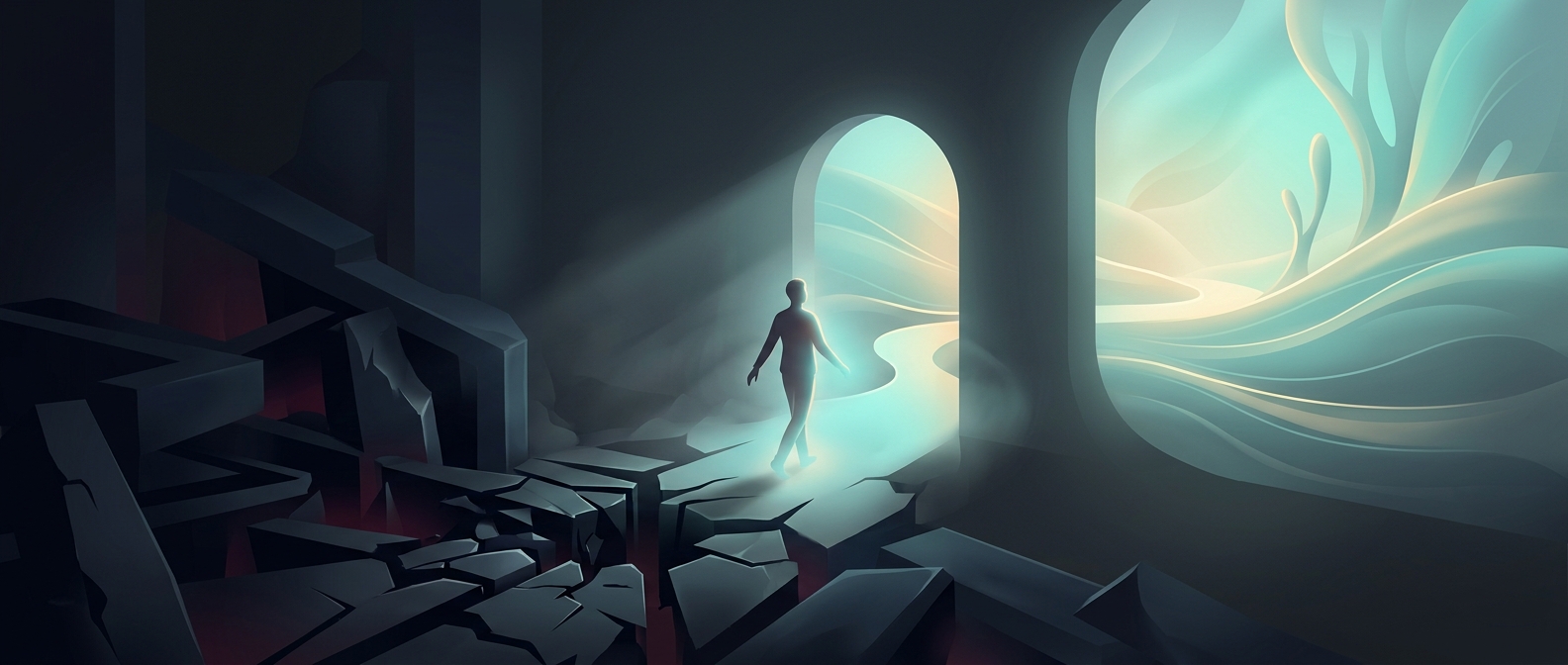
Trauma can make an imagined future feel hard to reach
When distressing memories dominate attention, picturing ordinary plans can become difficult. A specific future scene—a place, a person, a manageable…
Discover more STACKY FOR IPHONE
A bigger world.
One discovery
at a time.
Keep discovering with Stacky. Interesting facts in an app that is always within reach.
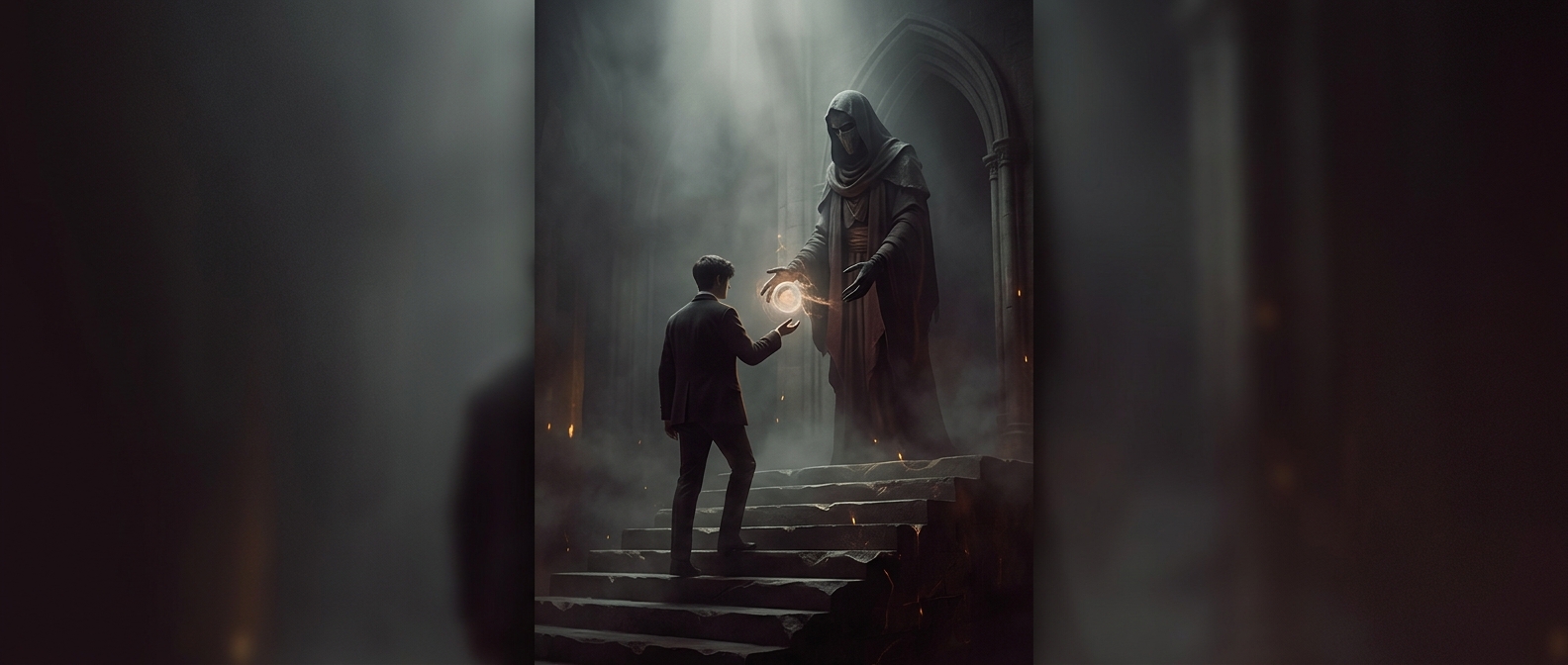
Why a painful initiation can make a group feel valuable
Hazing gives belonging a brutal price tag. Once someone has suffered to join, treating the group as precious helps make that suffering feel meaningful—and can…
Discover more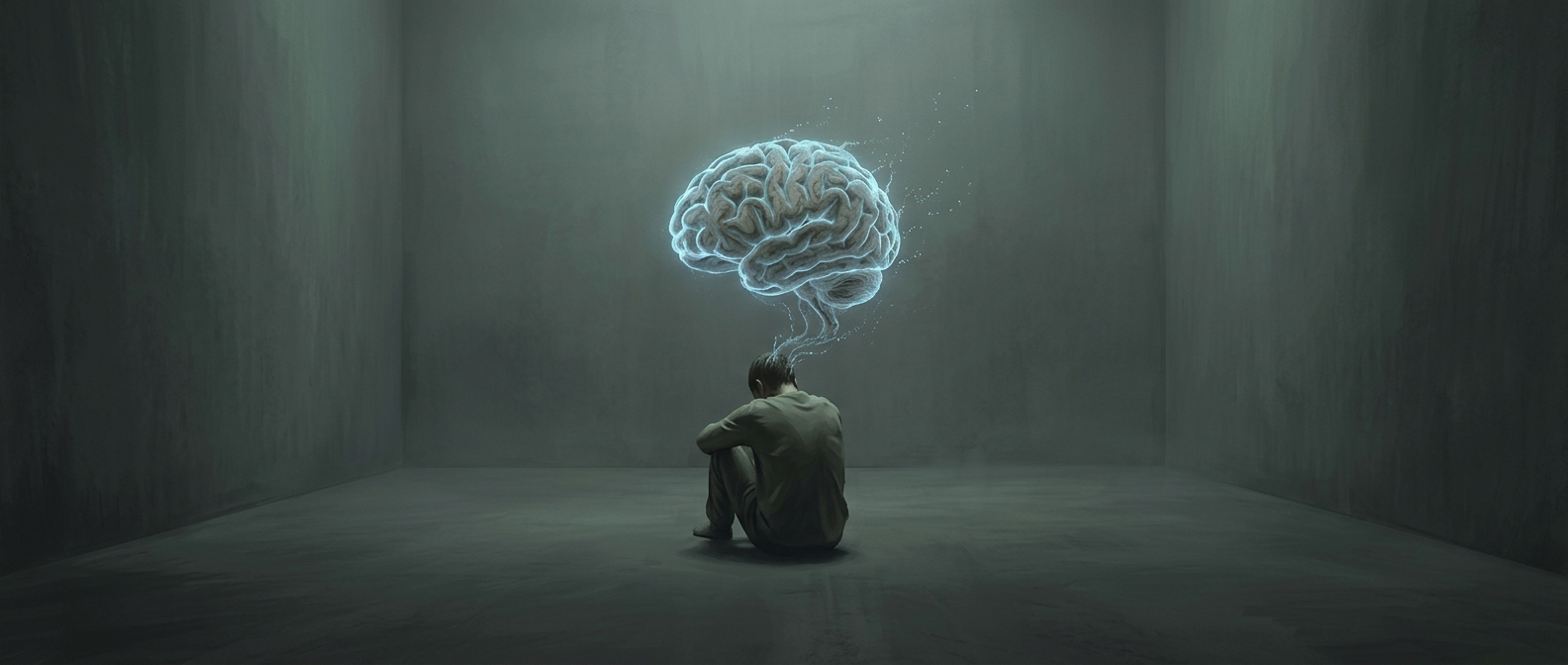
A richer environment can physically reshape the brain
Give an animal a more varied, stimulating environment and its brain can develop differently from one in a bare enclosure. The brain is not a fixed lump:…
Discover more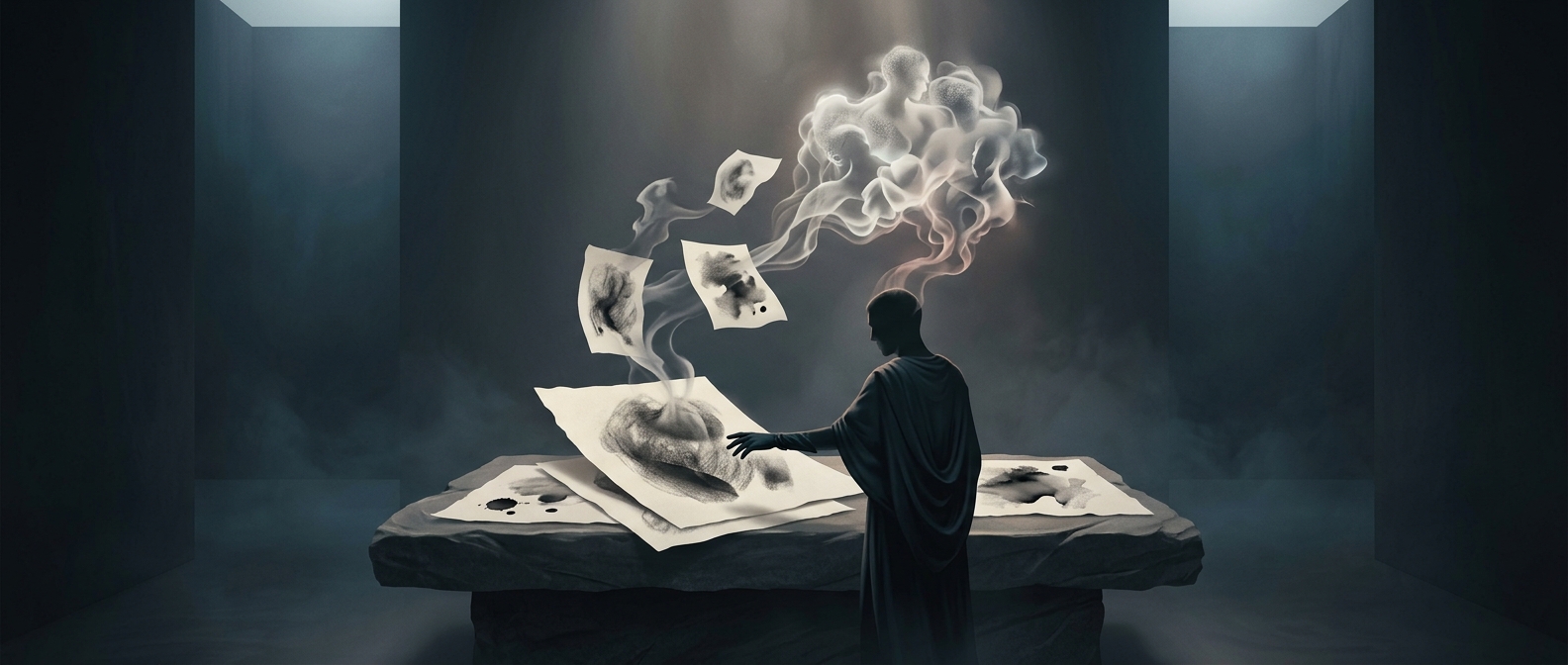
Why psychologists ask you to narrate strange pictures
A psychologist may ask you to narrate an odd picture because the image alone cannot explain your reaction to it. Your description shows how you turn ambiguous…
Discover more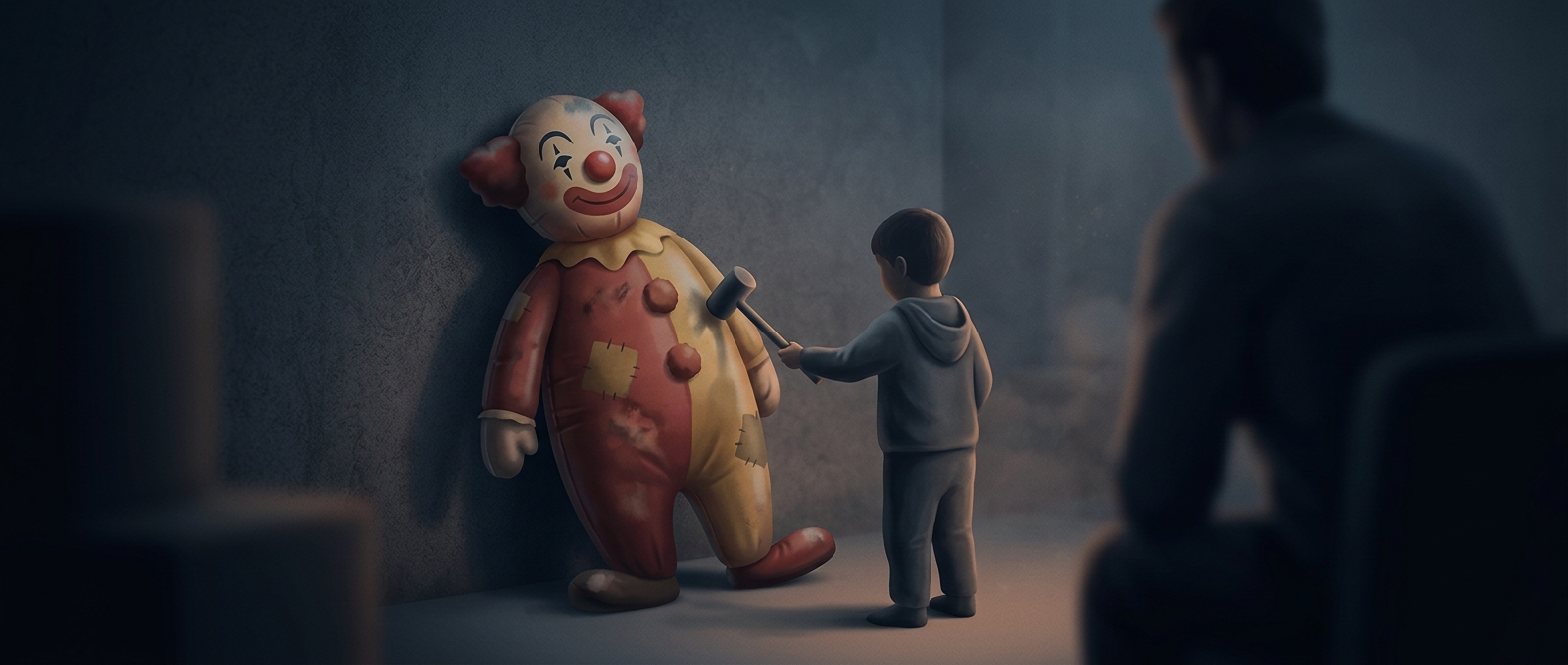
How a Bobo doll taught children to imitate aggression
In Albert Bandura’s Bobo-doll experiments, children who watched an adult act aggressively toward the inflatable doll later imitated some of those actions. The…
Discover more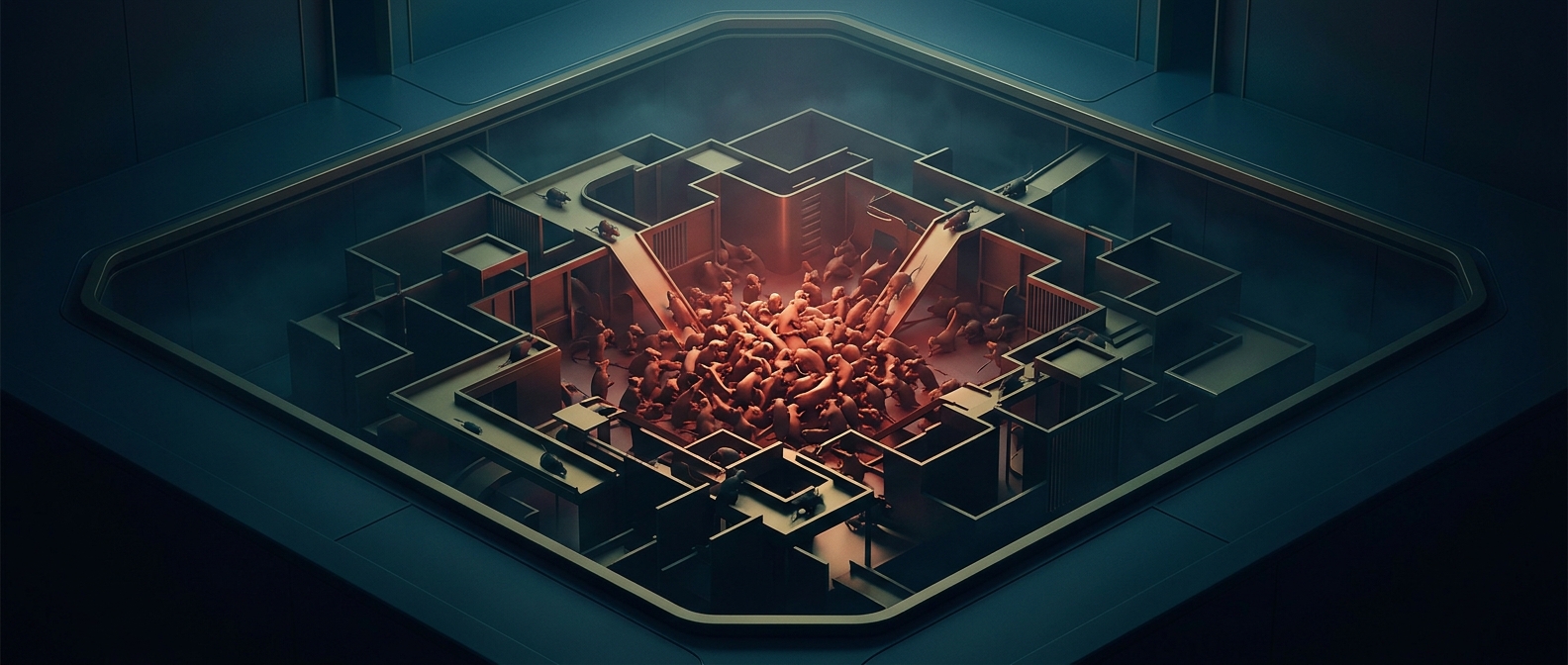
The mouse utopia that turned into a nightmare
In the “mouse utopia” experiments, researchers gave mice abundant food and water in a crowded enclosure. Over time, social behavior deteriorated: some stopped…
Discover more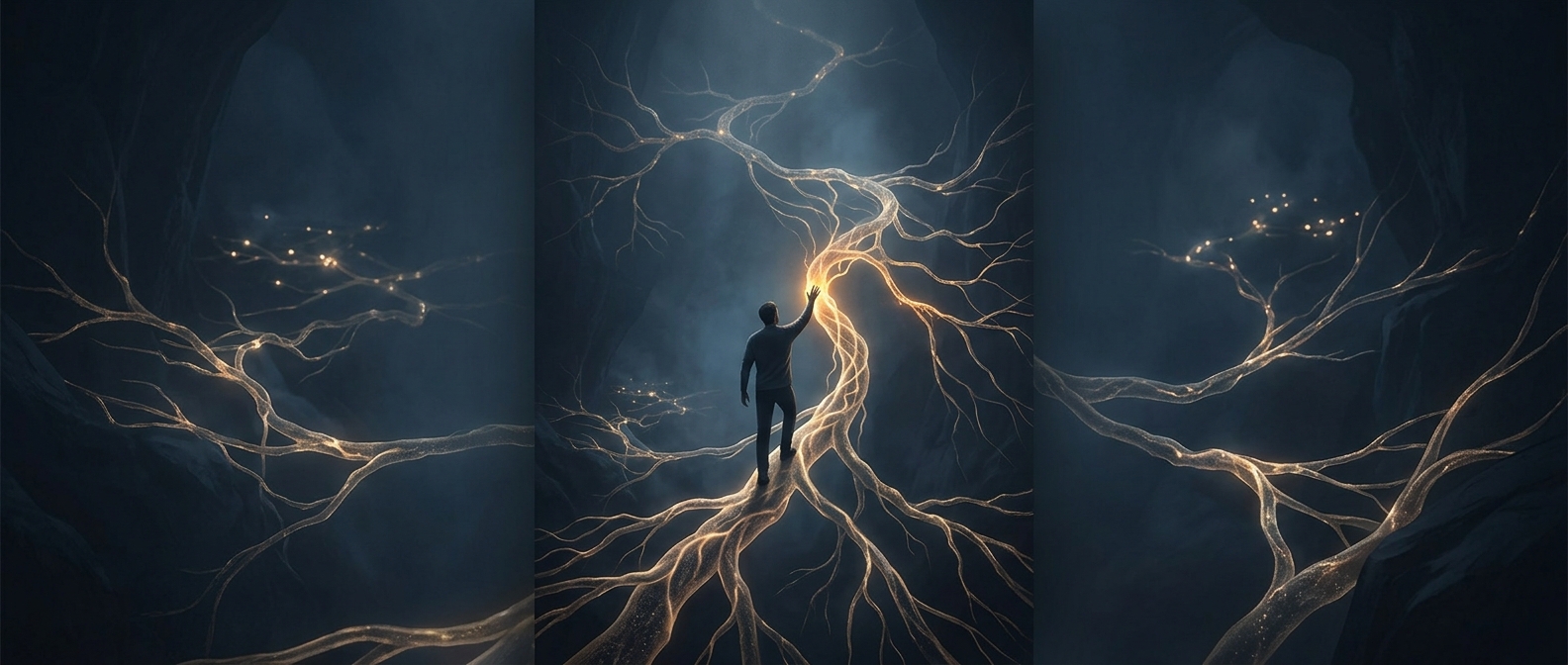
Why your brain won't forget that old phone number
You keep dialing an old number because repetition made its sequence easy to retrieve. Each time you practiced it, you strengthened the route from the first…
Discover more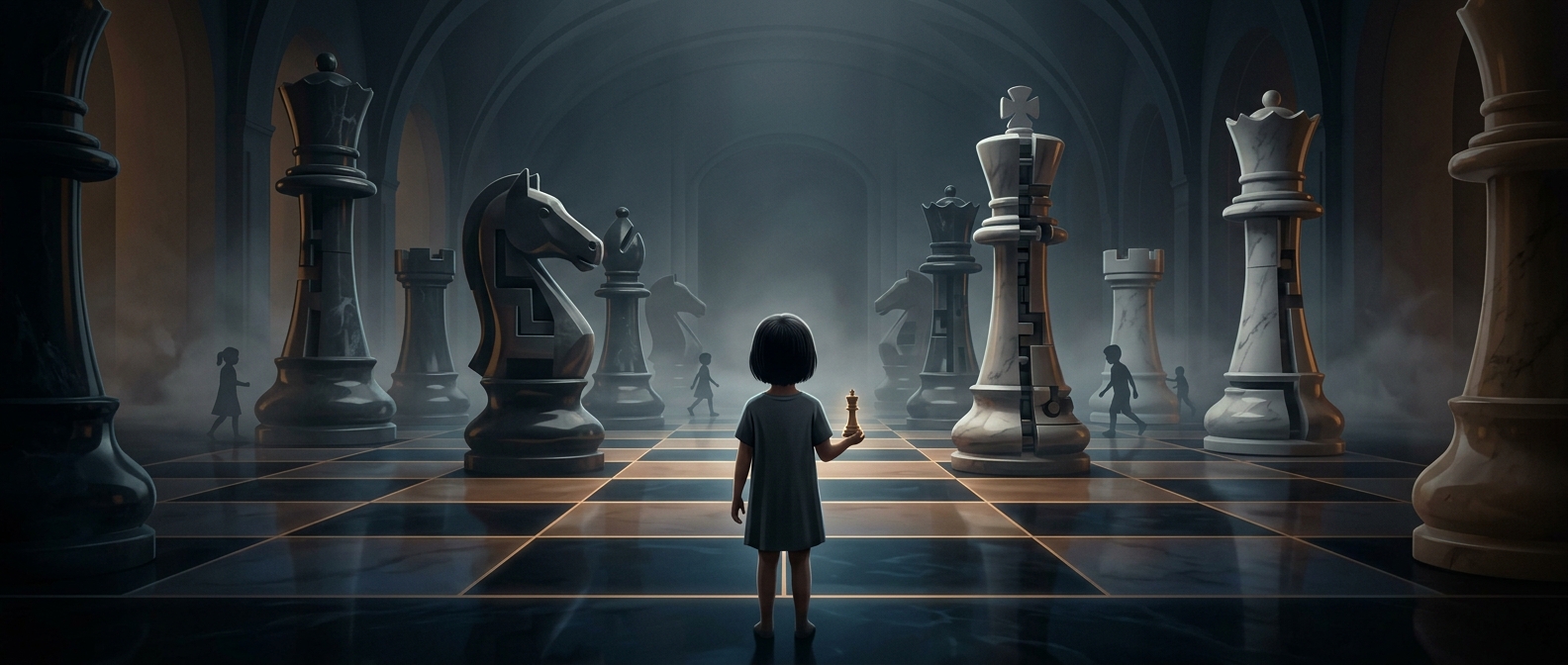
Treating your children like a giant chess experiment
When every choice is judged by what it might lead to—grades, a team spot, a future career—parenting starts to resemble a long experiment with a child as the…
Discover more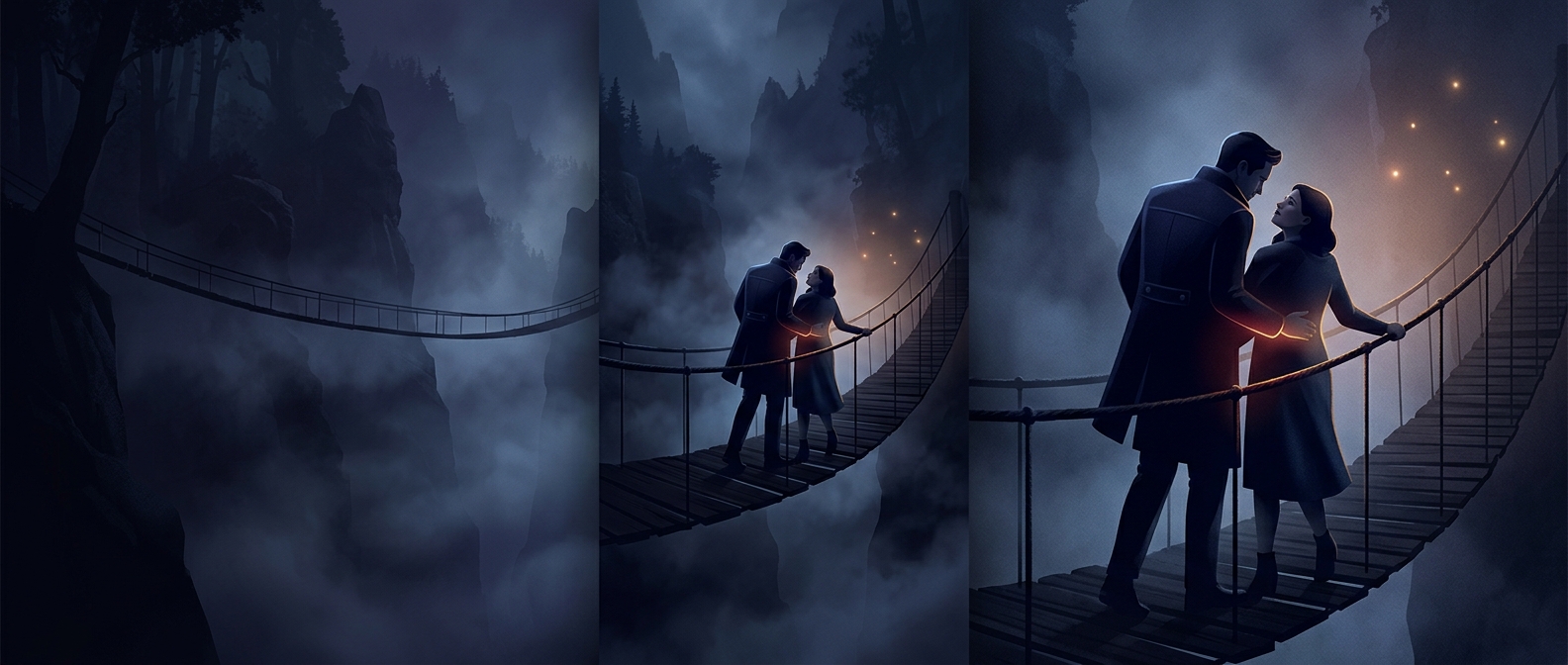
Why fear can feel like attraction
A pounding heart can mean fear or attraction; the body’s signal doesn’t arrive with a label. Your mind uses the situation to interpret the racing pulse. Near…
Discover more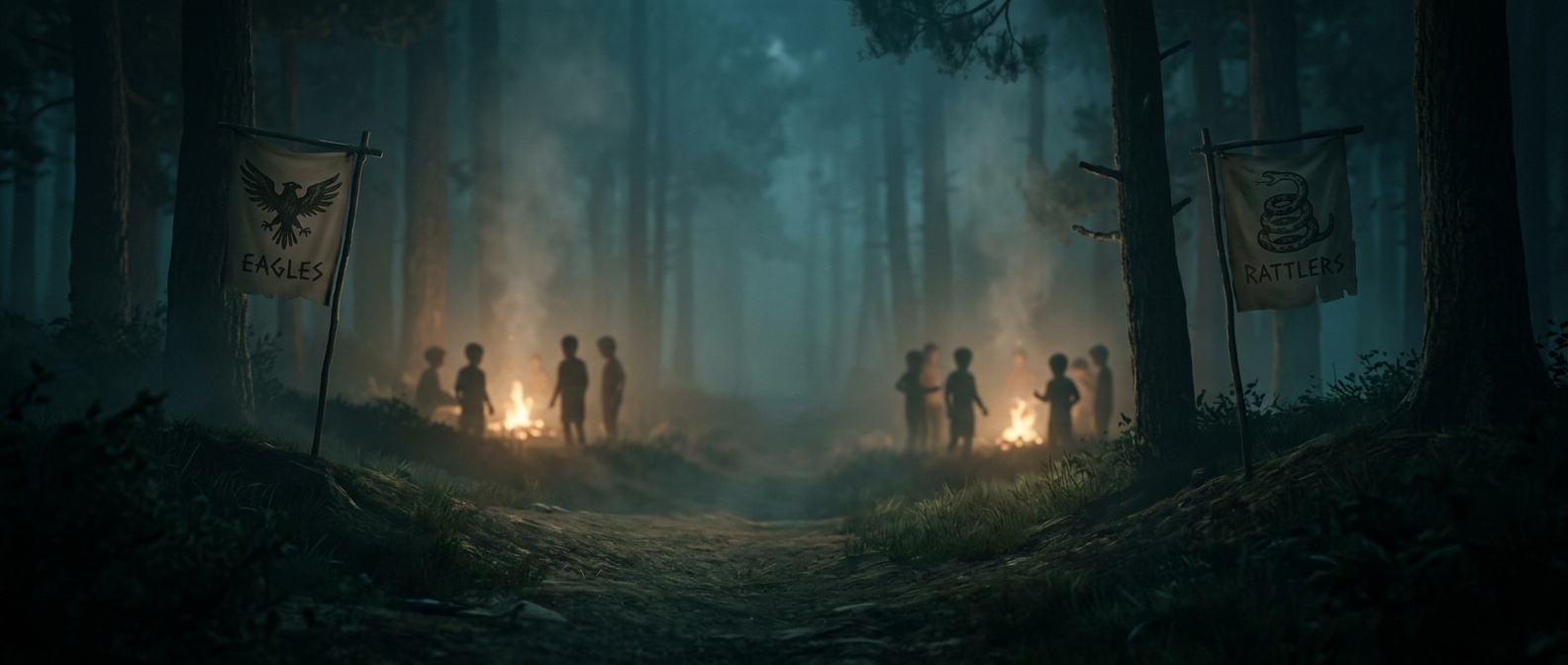
How a summer camp turned boys into rival gangs
At the summer camp known as Robbers Cave, boys became rivals after they were divided into groups and put in competition. Prizes made the other group seem like…
Discover more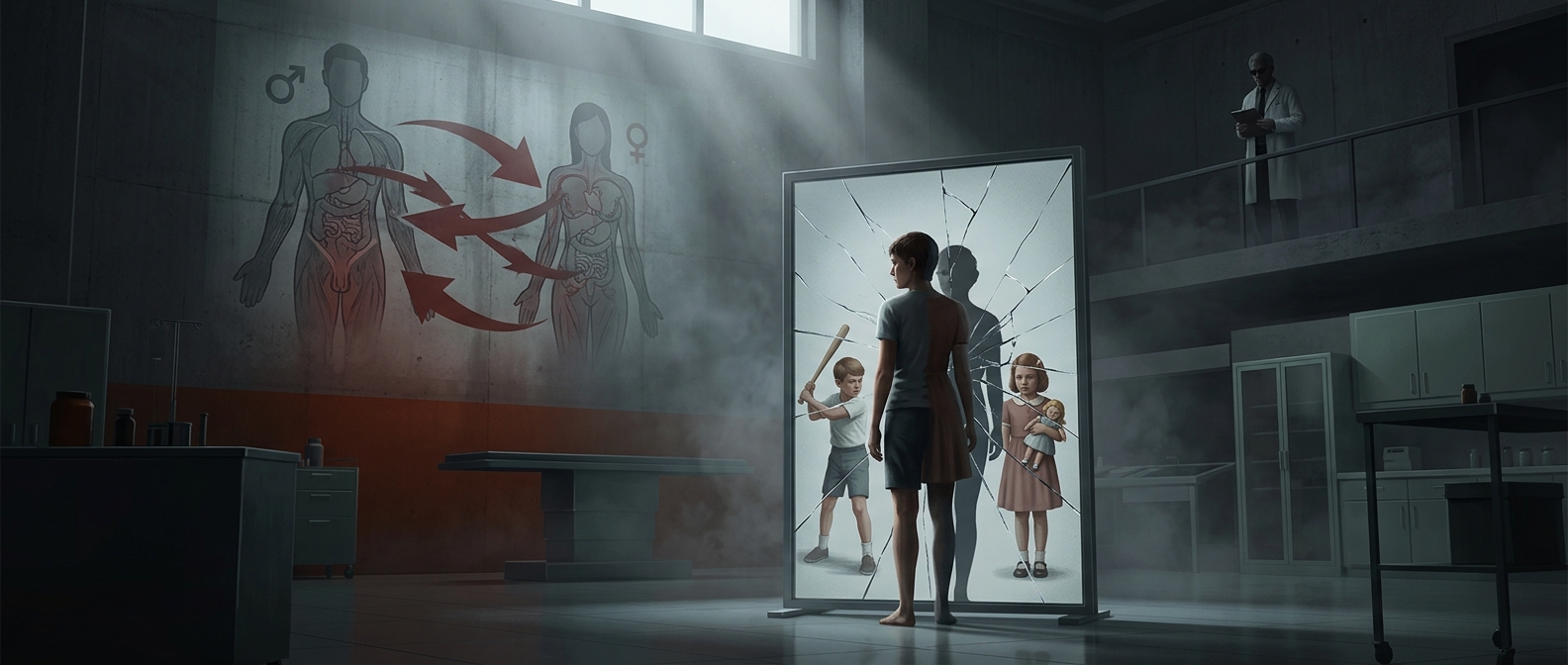
The gender experiment that devastated David Reimer
A surgical accident in infancy led adults to assign David Reimer a new sex and raise him as a girl. He did not accept that identity; he later lived as a man.…
Discover more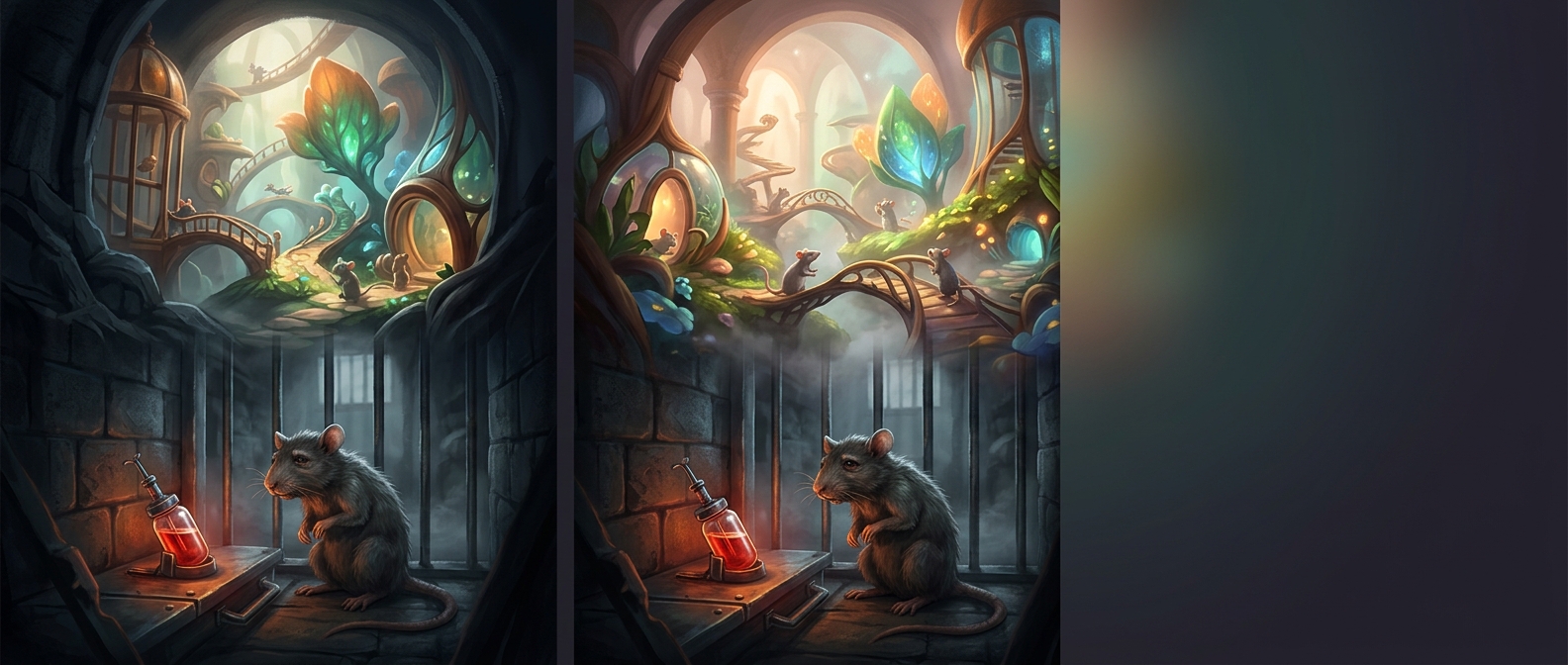
Rat Park tested how surroundings affect drug use
Researchers compared isolated rats with rats living together in a larger enclosure, measuring their consumption of morphine solution. Under the study's choice…
Discover more
Your eyes briefly see more than you can remember
Looking is not the same as remembering. Your visual system briefly preserves a rich impression, but that impression disappears fast; attention has to pick…
Discover more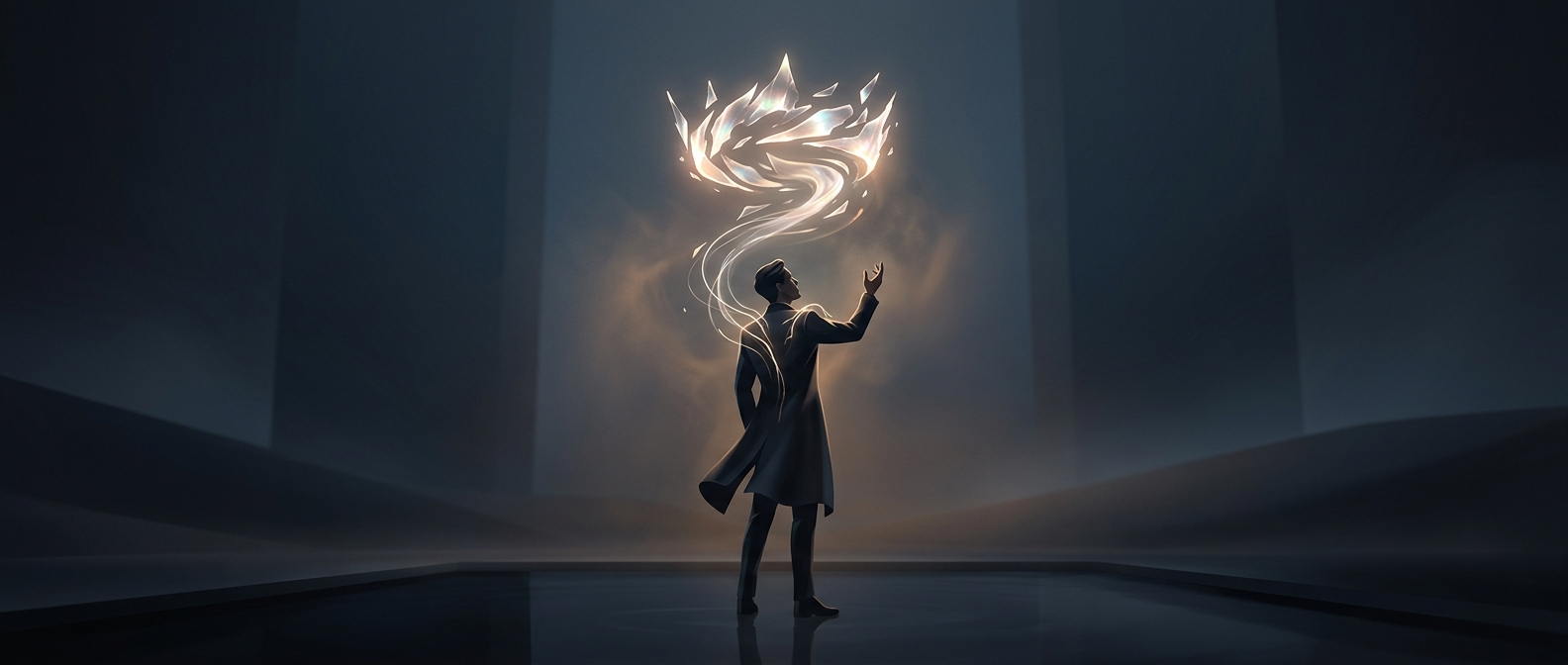
Why believing in yourself can help you persist
Confidence can act like a forecast: if you believe you can make progress, another attempt feels worth the effort. That extra attempt matters because…
Discover more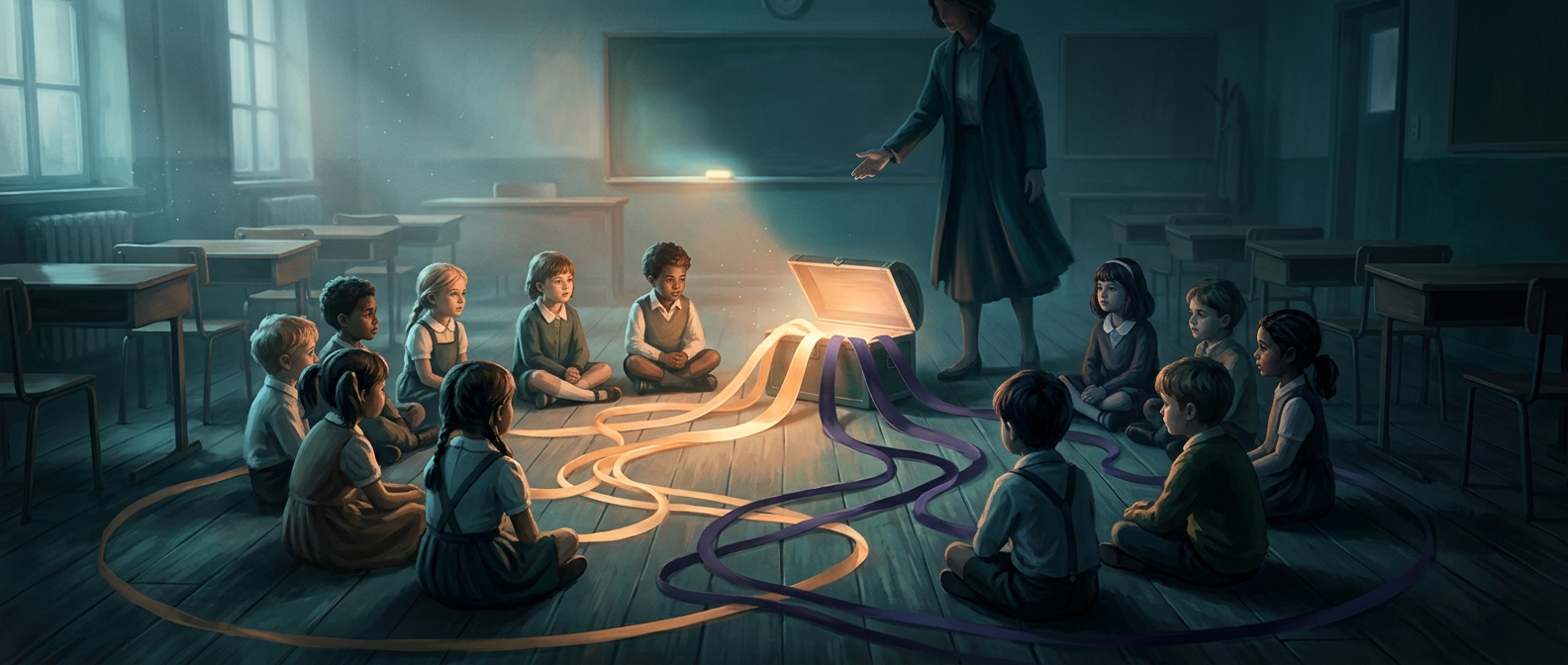
How quickly prejudice took hold in one classroom
A teacher can make a distinction as trivial as eye color feel important by giving one group extra status and the other extra scrutiny. Students soon absorb…
Discover more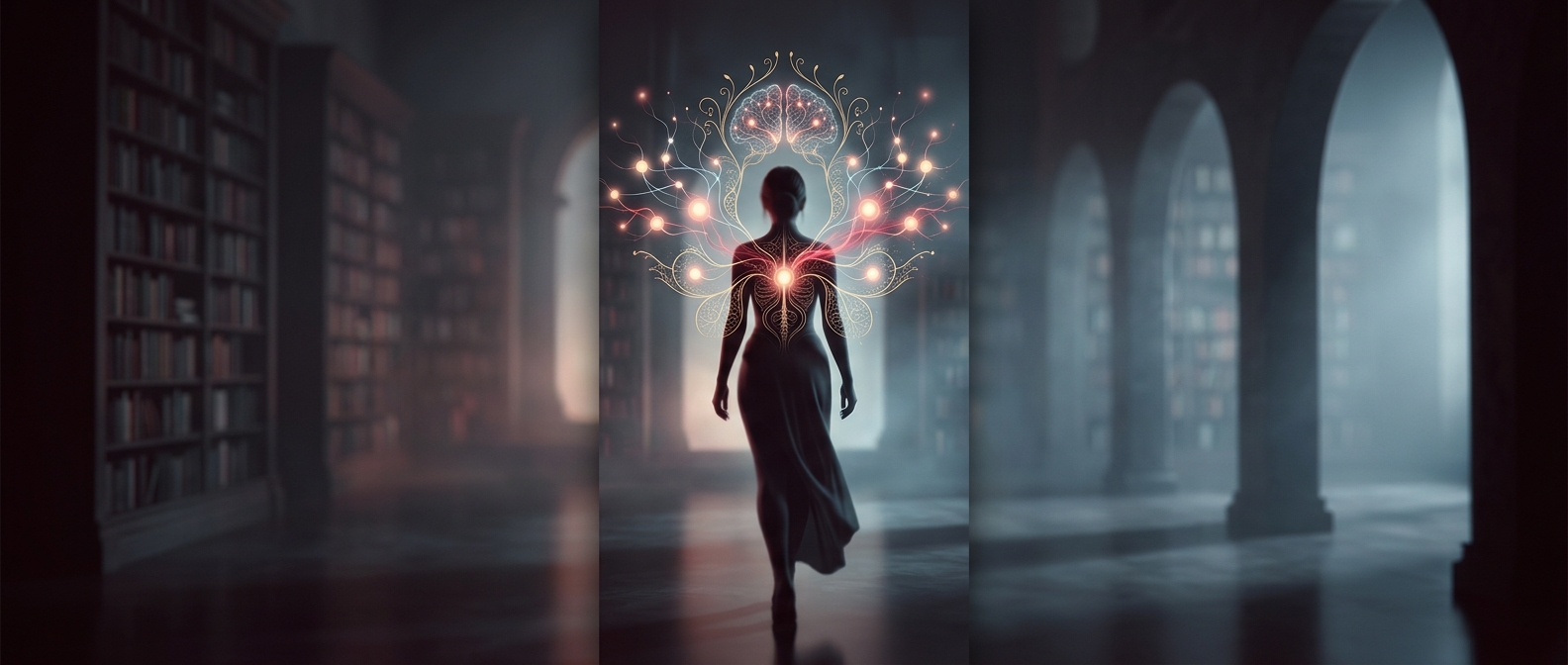
Proving menstruation does not melt female brains
A menstrual cycle can change hormone levels without switching the mind off. When researchers test memory, attention, and other cognitive skills across the…
Discover more
You can learn skills without remembering practice
Practice can change what your body can do without leaving you with a clear memory of doing it. Skills rely partly on procedural memory—the learning behind a…
Discover more
The Kitty Genovese story was wildly exaggerated
The famous account claimed that 38 people watched Kitty Genovese’s murder and did nothing. Later reporting found that the story had been distorted: the…
Discover more
Why some brain damage can erase fear and trigger hypersexuality
Damage to parts of the temporal lobes, including areas involved in processing fear and social cues, can change what feels frightening and what feels…
Discover more