Psychology
Discover facts about psychology. Small discoveries that change the way you see familiar things.
Psychology

The brain injury that can create a gourmet obsession
Gourmand syndrome is a rare but documented condition where damage to the brain's right frontal lobe triggers an obsessive focus on fine dining. Patients who…
Discover more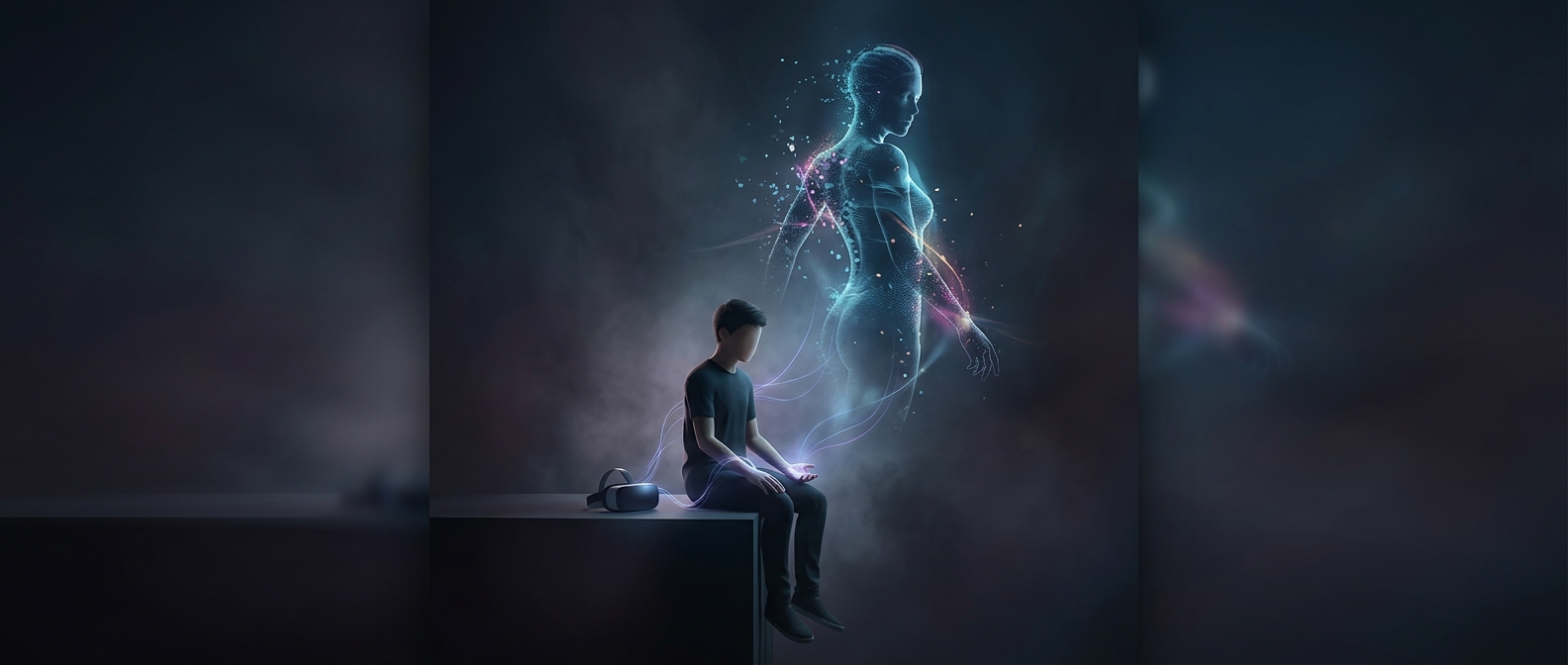
Your avatar may change how you act offline
The Proteus effect proves that the appearance of your digital avatar subconsciously dictates your behavior in real time. Users assigned taller or more…
Discover more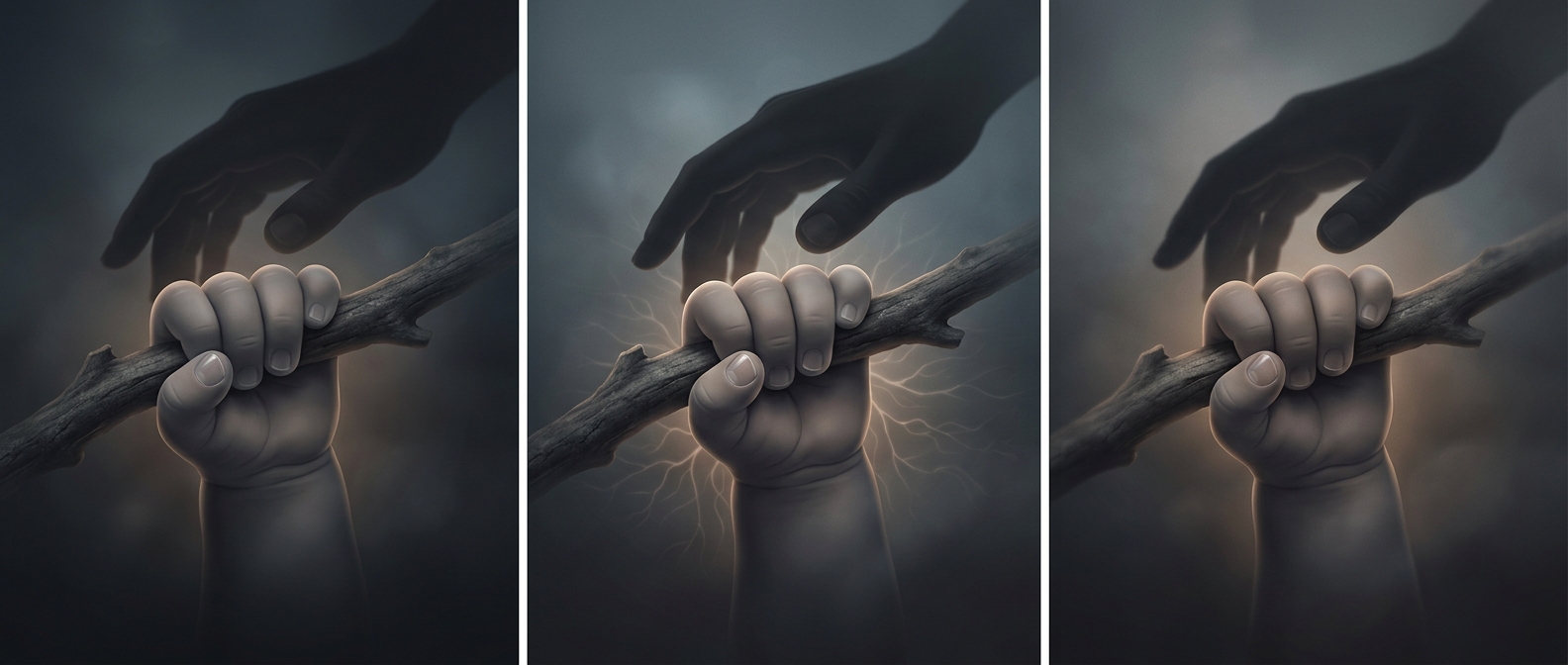
Newborns have a surprisingly powerful grip
Despite their extreme fragility, human newborns possess a palmar grasp reflex so incredibly powerful that they can briefly support their own entire body…
Discover more
Why looking at texture can feel like touching it
Visual haptics is a neurological crossover where looking at a highly textured image fires the exact same neurons as physically touching it. This means your…
Discover more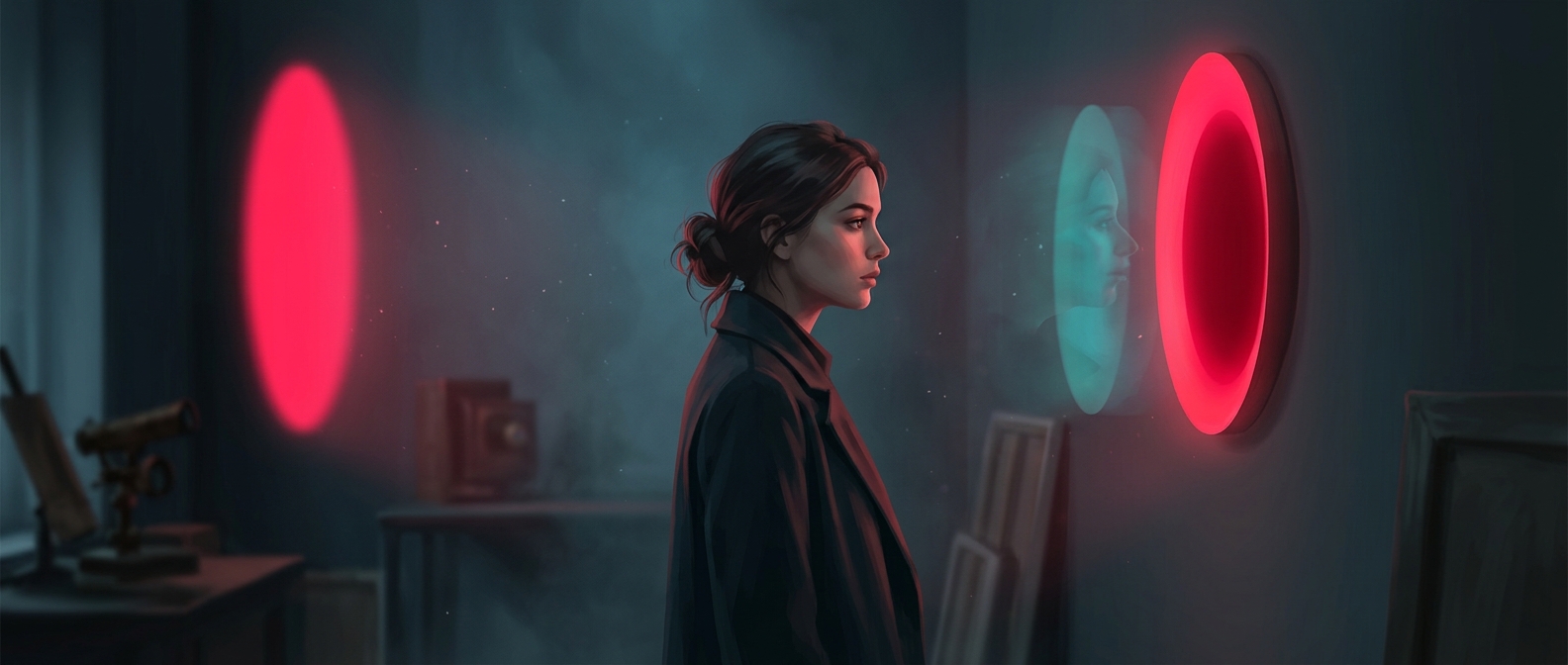
Stare at stripes now, see phantom colors later
The McCollough effect is a visual phenomenon that fundamentally rewires how your visual cortex processes orientation and color. Staring at specific striped,…
Discover more
How sugar can briefly sharpen your focus
Swishing a sugary drink in your mouth and spitting it out can temporarily improve your self-control and attention span. The sweet taste activates reward…
Discover more STACKY FOR IPHONE
A bigger world.
One discovery
at a time.
Keep discovering with Stacky. Interesting facts in an app that is always within reach.

Watching movies together synchronizes heartbeats
When an audience sits in a cinema watching an engaging film, their biometric signals actually begin to align. Researchers have recorded entire theaters of…
Discover more
Why mixing subjects beats cramming
Interleaved practice is a cognitive technique where studying completely distinct subjects in short, mixed bursts leads to vastly superior long-term retention…
Discover more
Why mourners sometimes see or hear the dead
When a loved one passes away, the human brain often struggles to instantly rewrite its predictive models of reality, causing up to 60% of grieving individuals…
Discover more
Why some people finish tasks too early
While procrastination is delaying work, precrastination is the overwhelming urge to complete tasks instantly just to clear mental space. People will literally…
Discover more
How abstract thinking can ease daily stress
When you conceptualize your problems from a distant, abstract perspective, your brain processes them with significantly less emotional intensity. By focusing…
Discover more
Some blind patients insist they can still see
In rare instances of Anton-Babinski syndrome, patients who have become completely blind will adamantly insist they can still see. Their brains actively…
Discover more
Why a minute can feel like 77 seconds
If your friend is always tardy, their internal clock might actually be ticking slower. Studies show that optimistic, relaxed individuals legitimately feel a…
Discover more
Why you pour less into a tall glass
Human perception is easily tricked by vertical dimensions over horizontal ones. Bartenders and scientists alike know that people will consistently pour less…
Discover more
Why sad movies can feel strangely comforting
Consuming sad media triggers a massive release of oxytocin in the brain, fostering a profound sense of human connection. We deliberately seek out…
Discover more
Can tapping your head set your wake-up time
Tapping your head specific times before sleep can program your internal clock to wake up on command. This bizarre phenomenon relies on the power of intention…
Discover more
Why people are more likely to lie later in the day
Your morality might be tied to your circadian rhythm. Researchers have documented the 'morning morality effect,' showing that as cognitive fatigue sets in…
Discover more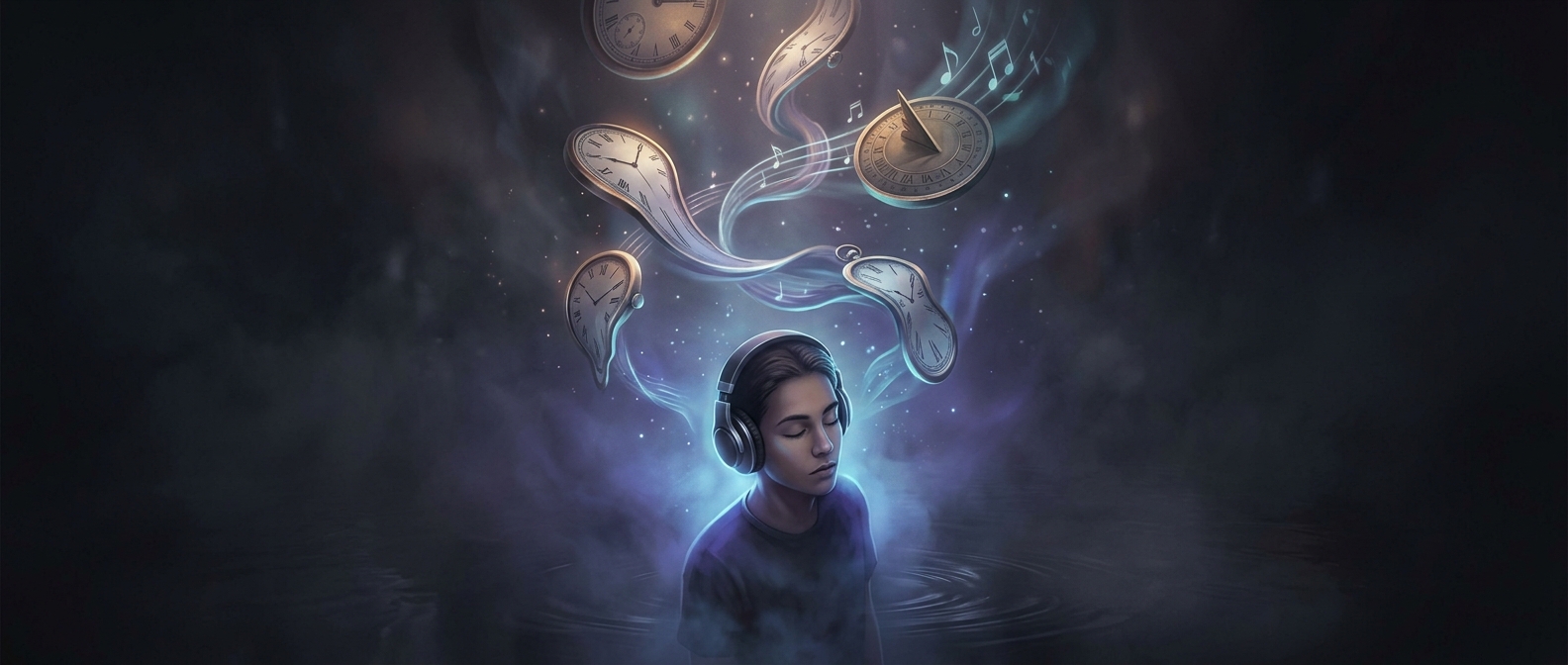
Why music can make time fly or drag
Listening to music you enjoy makes time seem to pass significantly faster by deeply engaging your brain's reward centers. Conversely, unfamiliar or disliked…
Discover more
Stop waiting for the perfect time to act
Waiting for a burst of motivation to start a difficult task is a psychological trap. Action actually precedes motivation; by forcing yourself to engage in a…
Discover more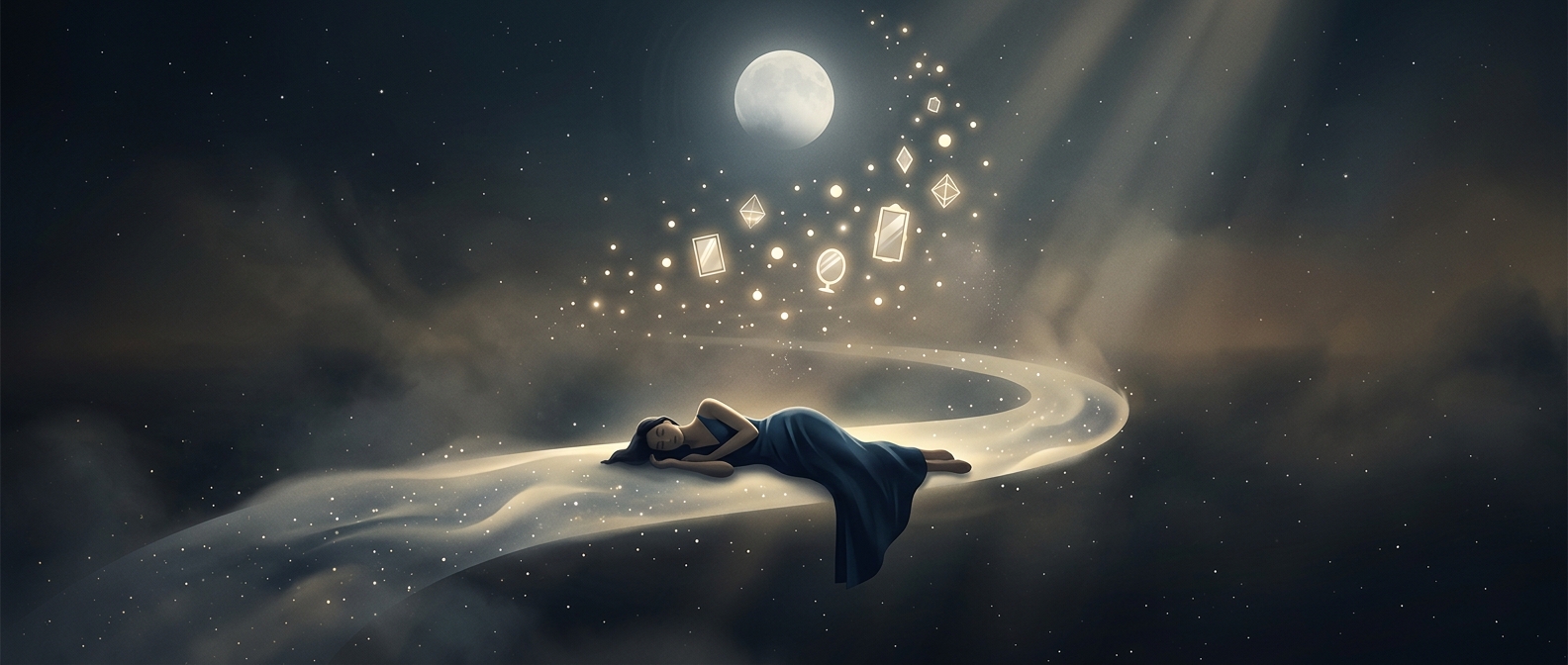
How lost sleep can change your self-worth
Sleep deprivation does not just make you tired; it actively skews how you perceive your own self-worth. Studies show that a lack of deep REM sleep heightens…
Discover more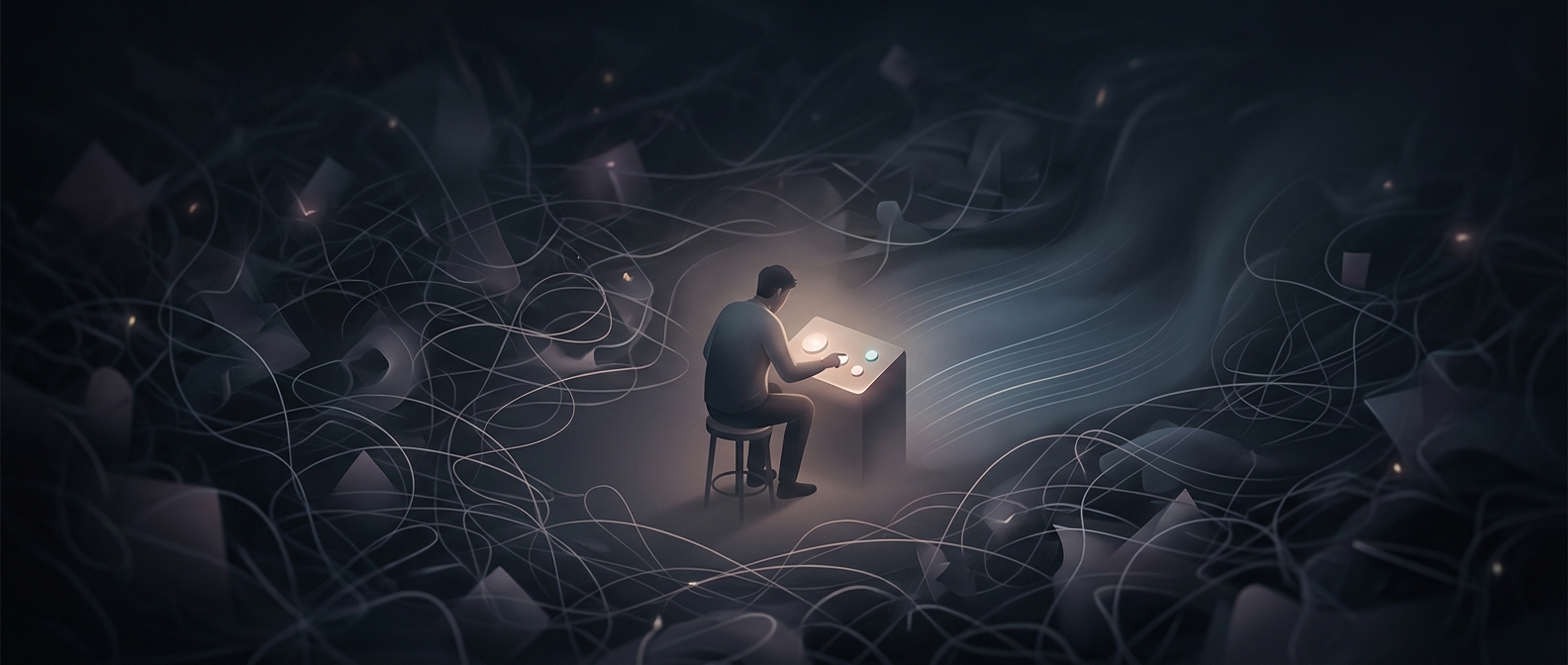
How small choices can protect you from stress
People who feel they have a choice in their daily routines experience significantly lower cortisol levels, even if the choices are trivial. By intentionally…
Discover more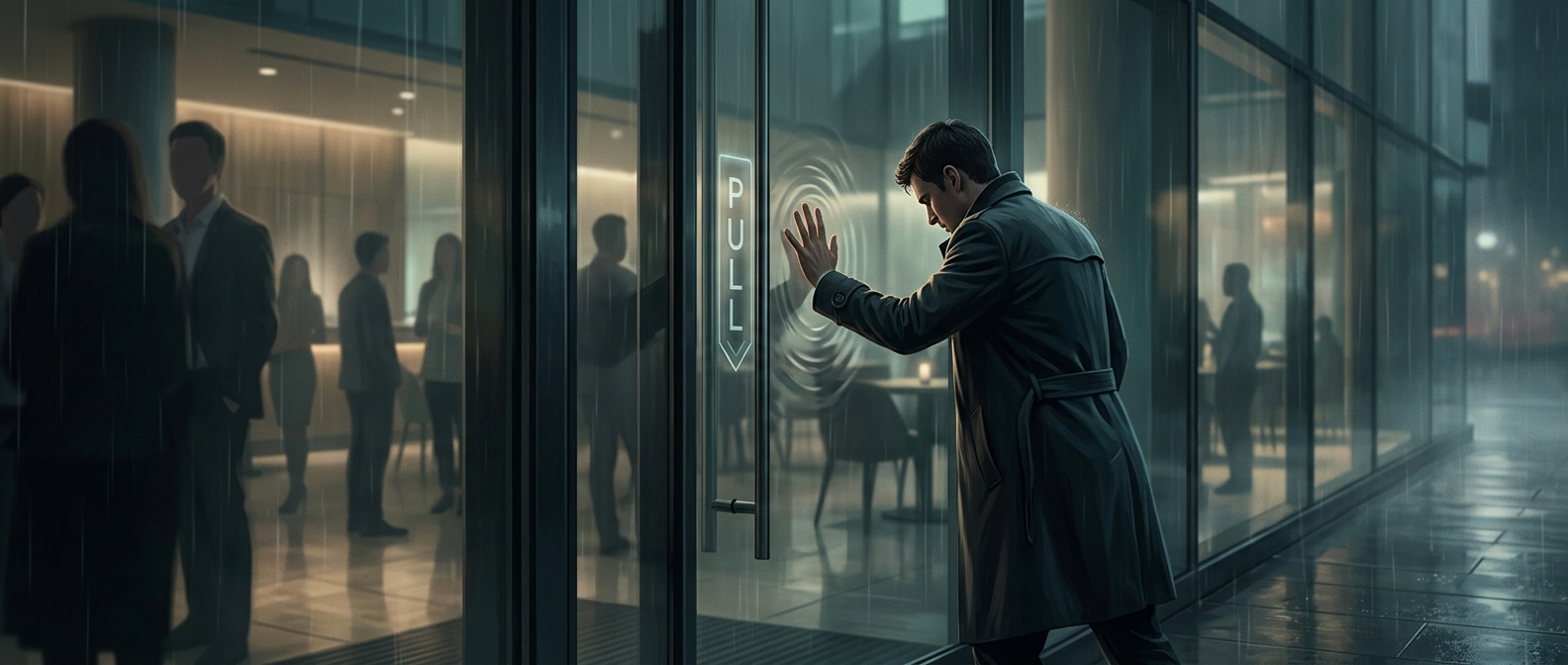
The glass door mistake everyone has made
You stride forward with main-character energy, ready to enter the cafe, only to slam face-first into an immovable sheet of glass. The loud thud echoes as…
Discover more
Why seeking rejection can make you bolder
By intentionally seeking out mild social rejections, like asking a stranger for a bizarre favor, you desensitize yourself to the fear of hearing the word no.…
Discover more
Why watching a tutorial can make you overconfident
Watching a ten-minute tutorial makes your brain release a rush of dopamine, giving you unearned confidence in a new skill. This illusion of competence…
Discover more