Psychology
Discover facts about psychology. Small discoveries that change the way you see familiar things.
Psychology
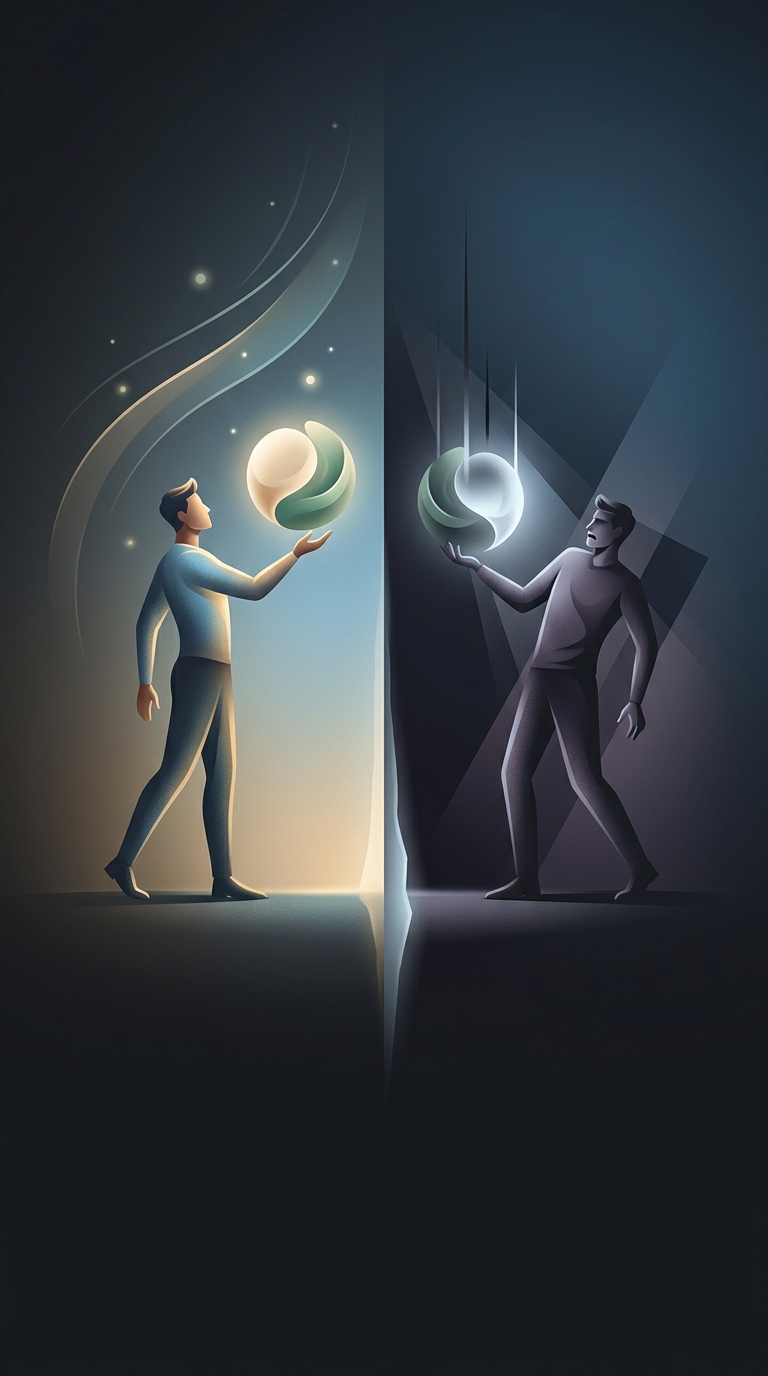
Framing effect is a cognitive bias where people decide on options based strictly on whether the options are presented with positive or negative connotations, such as a loss or a…
Framing effect is a cognitive bias where people decide on options based strictly on whether the options are presented with positive or negative connotations,…
Discover more
Ostrich effect is the cognitive bias that causes people to completely avoid information they perceive as negative by physically or metaphorically ignoring it, much like the…
Ostrich effect is the cognitive bias that causes people to completely avoid information they perceive as negative by physically or metaphorically ignoring it,…
Discover more
Horn effect is a cognitive bias that causes one's perception of another person to be unduly influenced by a single negative trait, leading to an unfairly harsh assessment of…
Horn effect is a cognitive bias that causes one's perception of another person to be unduly influenced by a single negative trait, leading to an unfairly…
Discover more
A promised reward can make a favorite activity feel like work.
A promised reward can make a favorite activity feel like work. In a classic study, children who expected a reward for drawing later spent less free time…
Discover more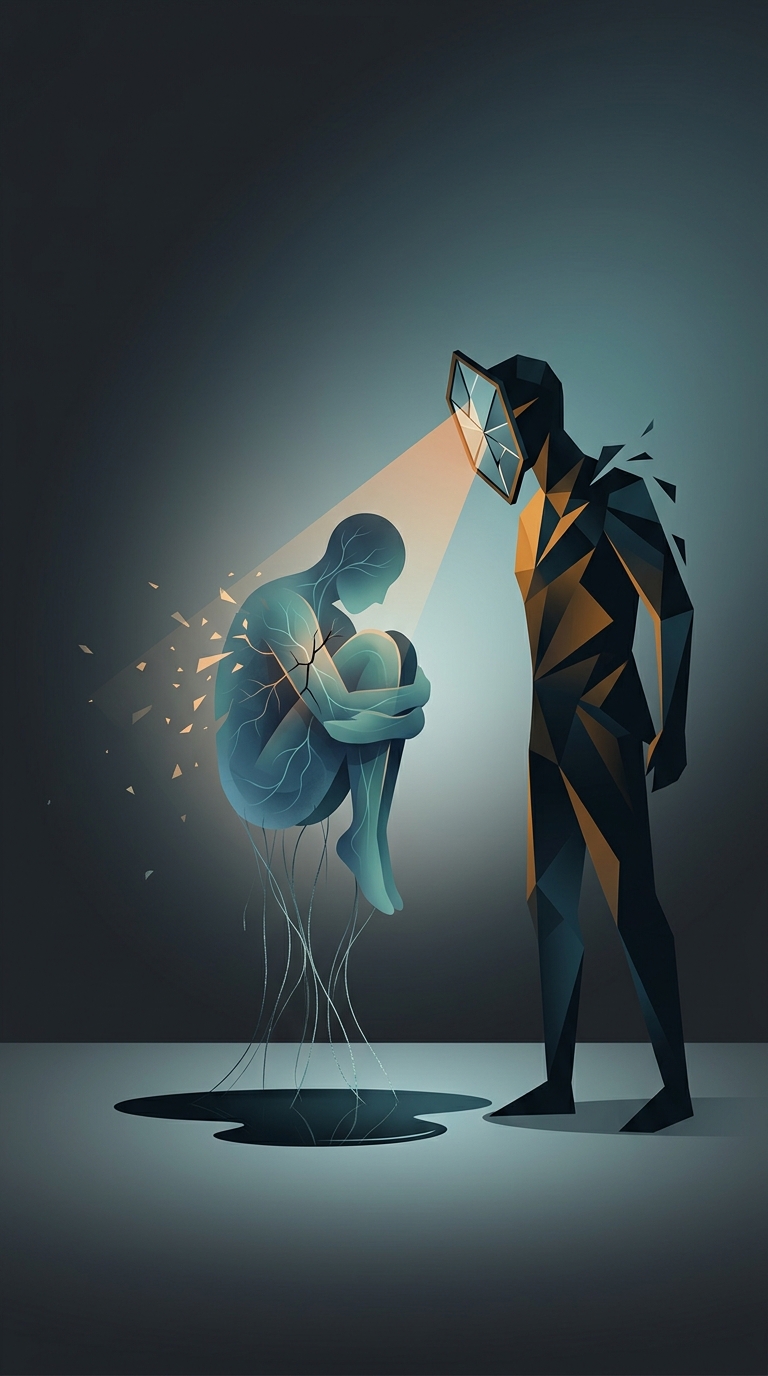
Othello error occurs when a suspicious observer discounts cues of truthfulness and falsely assumes that an anxious subject is lying.
Othello error occurs when a suspicious observer discounts cues of truthfulness and falsely assumes that an anxious subject is lying. Fear of being falsely…
Discover more
A group photo can flatter a face without editing it.
A group photo can flatter a face without editing it. In experiments on the cheerleader effect, people rated faces as more attractive in groups than when shown…
Discover more STACKY FOR IPHONE
A bigger world.
One discovery
at a time.
Keep discovering with Stacky. Interesting facts in an app that is always within reach.

Social rejection can hurt without leaving an injury.
Social rejection can hurt without leaving an injury. Brain-imaging experiments find that rejection and bodily pain engage some overlapping regions, but also…
Discover more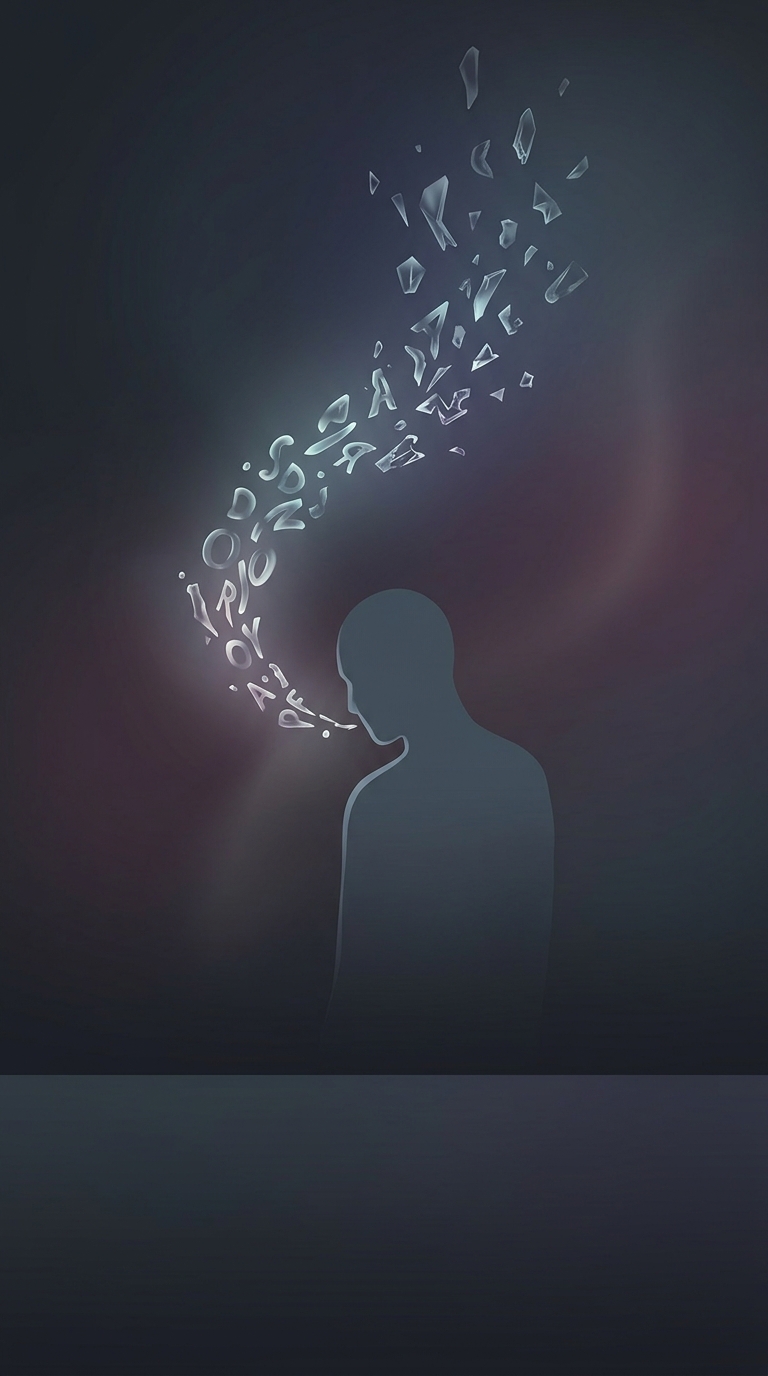
Repeating a word can make it stop feeling like a word.
Repeating a word can make it stop feeling like a word. With rapid repetition, a familiar word can temporarily lose its sense of meaning and start sounding…
Discover more
Slapping a white lab coat on a complete stranger and giving them a clipboard is all it takes to convince most people to inflict lethal electrical shocks on their peers.
Slapping a white lab coat on a complete stranger and giving them a clipboard is all it takes to convince most people to inflict lethal electrical shocks on…
Discover more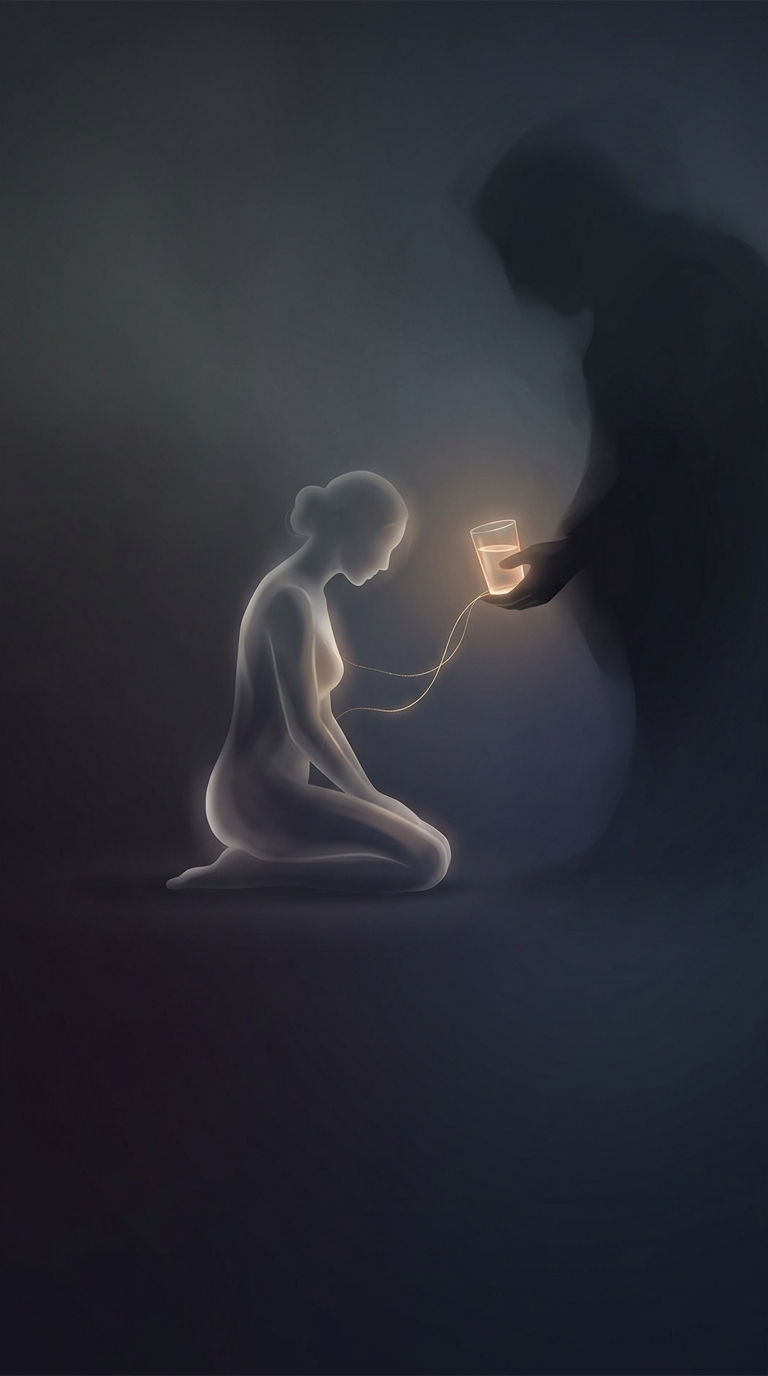
Captivity can make kindness from a captor feel enormous.
Captivity can make kindness from a captor feel enormous. Accounts grouped under the disputed label Stockholm syndrome describe some hostages forming positive…
Discover more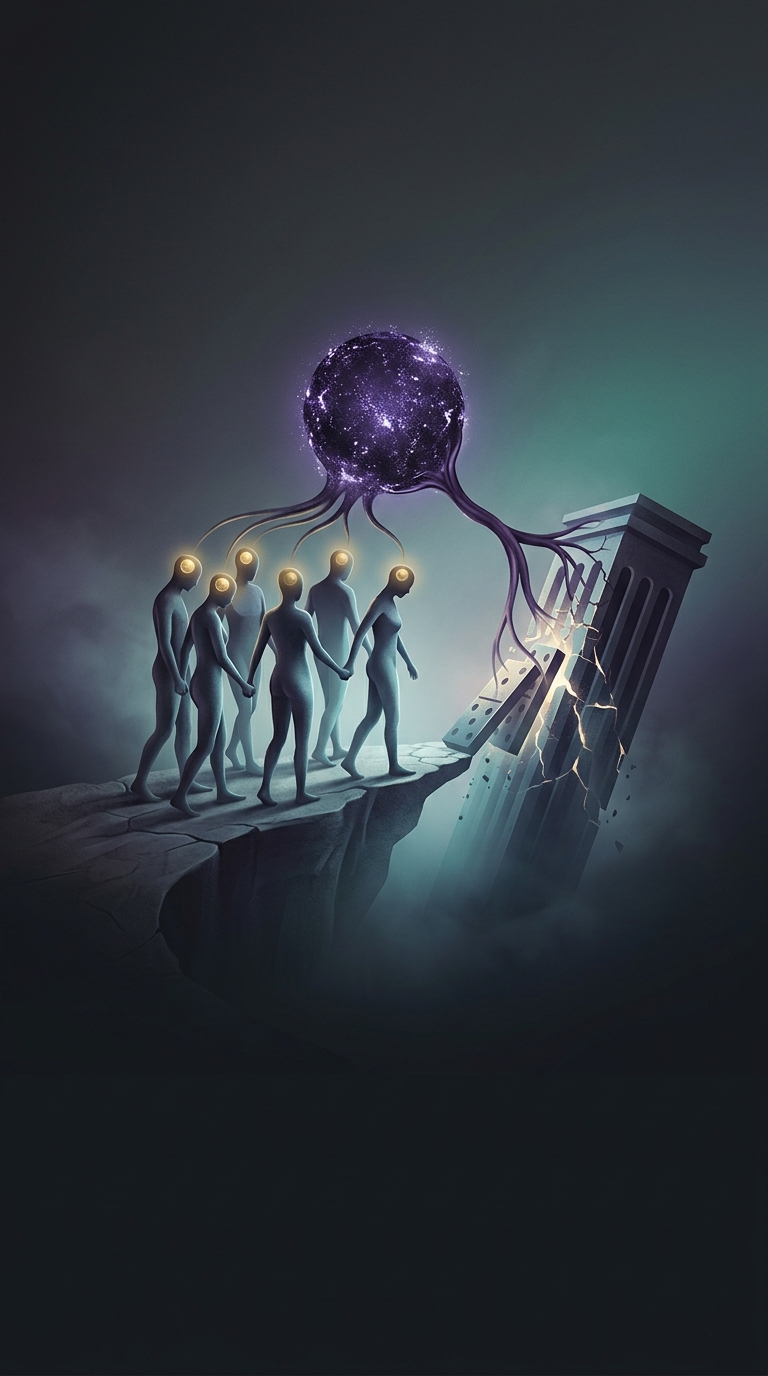
Groupthink is a psychological phenomenon that occurs within a group of people in which the desire for harmony or conformity results in an irrational or dysfunctional decision-making outcome.
Groupthink is a psychological phenomenon that occurs within a group of people in which the desire for harmony or conformity results in an irrational or…
Discover more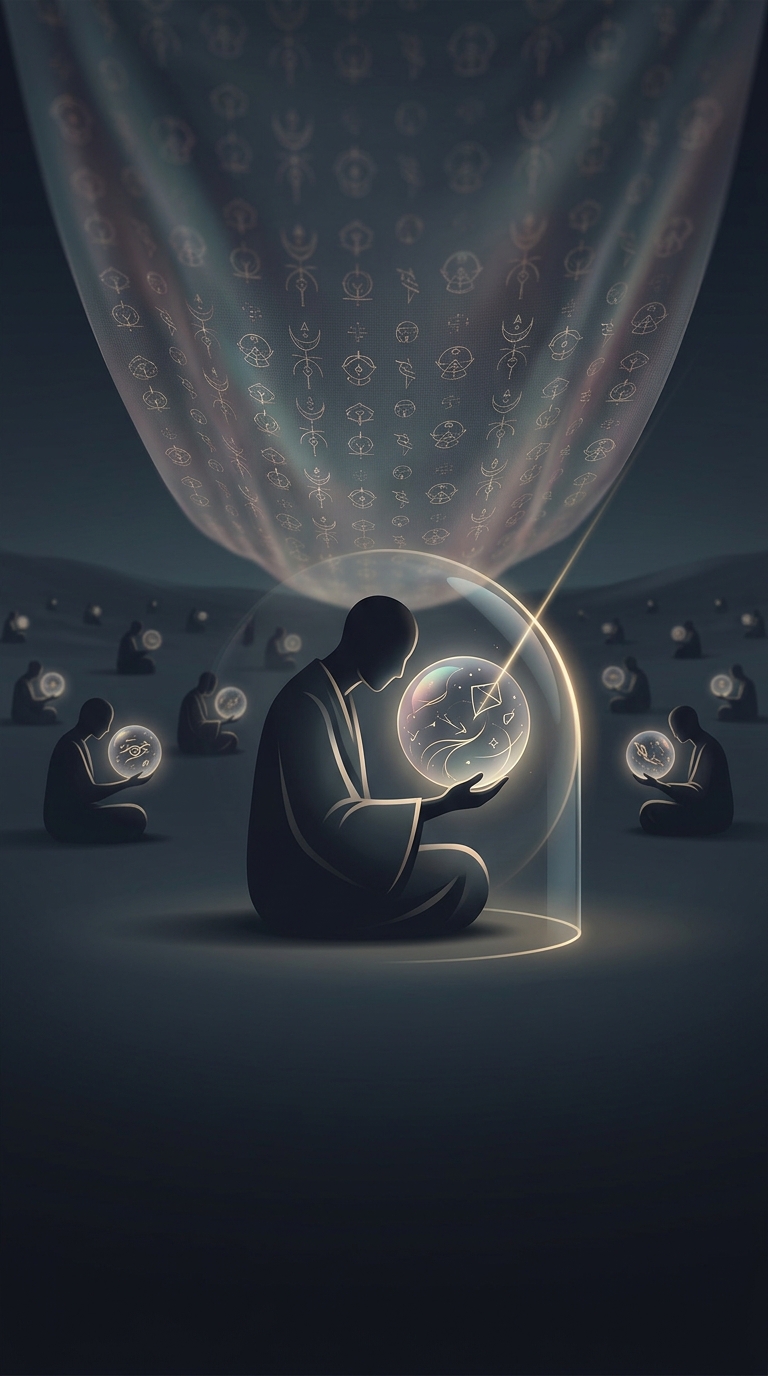
Giving high accuracy ratings to personality descriptions that are supposedly tailored specifically to you, but are actually vague enough to apply to a wide range of people, is known as the Forer effect.
Giving high accuracy ratings to personality descriptions that are supposedly tailored specifically to you, but are actually vague enough to apply to a wide…
Discover more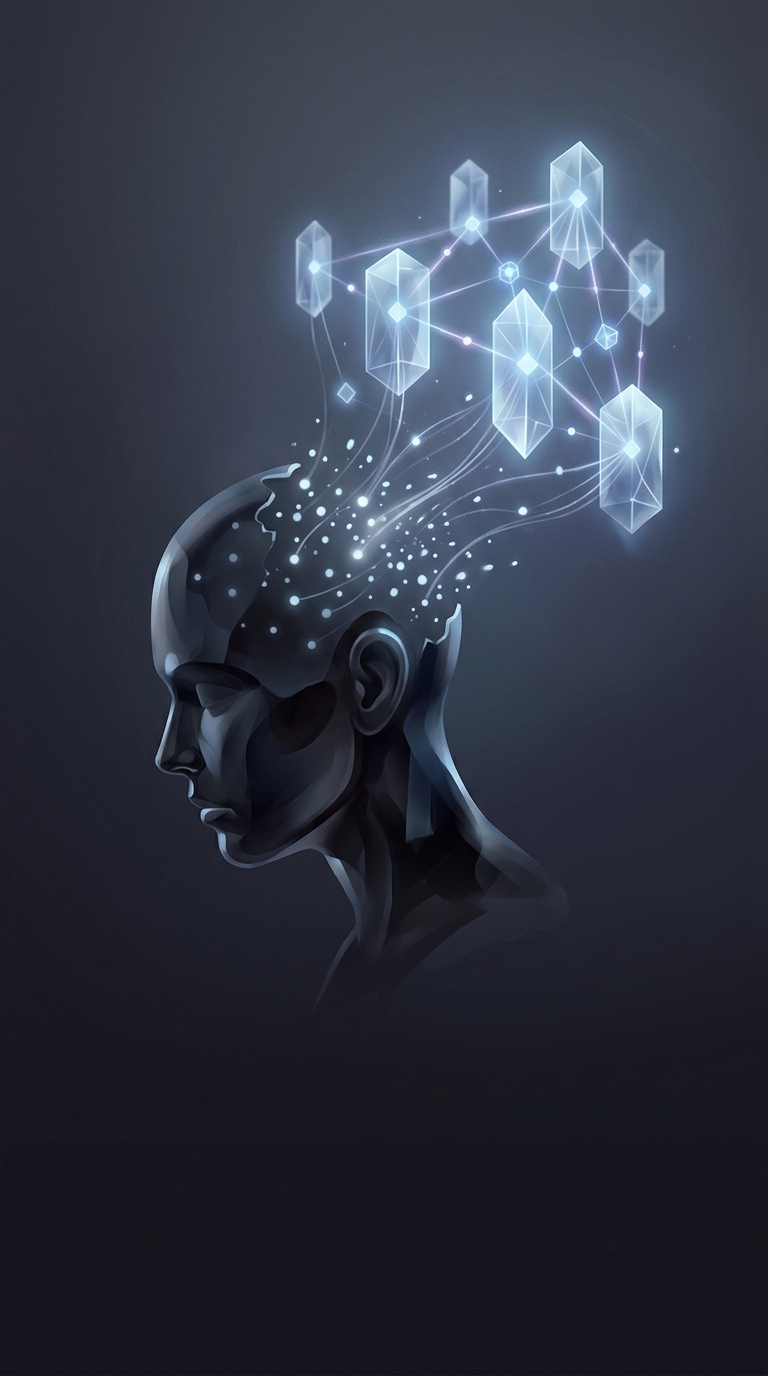
Forgetting information that can easily be found online using internet search engines is a modern memory phenomenon known as the Google effect or digital amnesia.
Forgetting information that can easily be found online using internet search engines is a modern memory phenomenon known as the Google effect or digital…
Discover more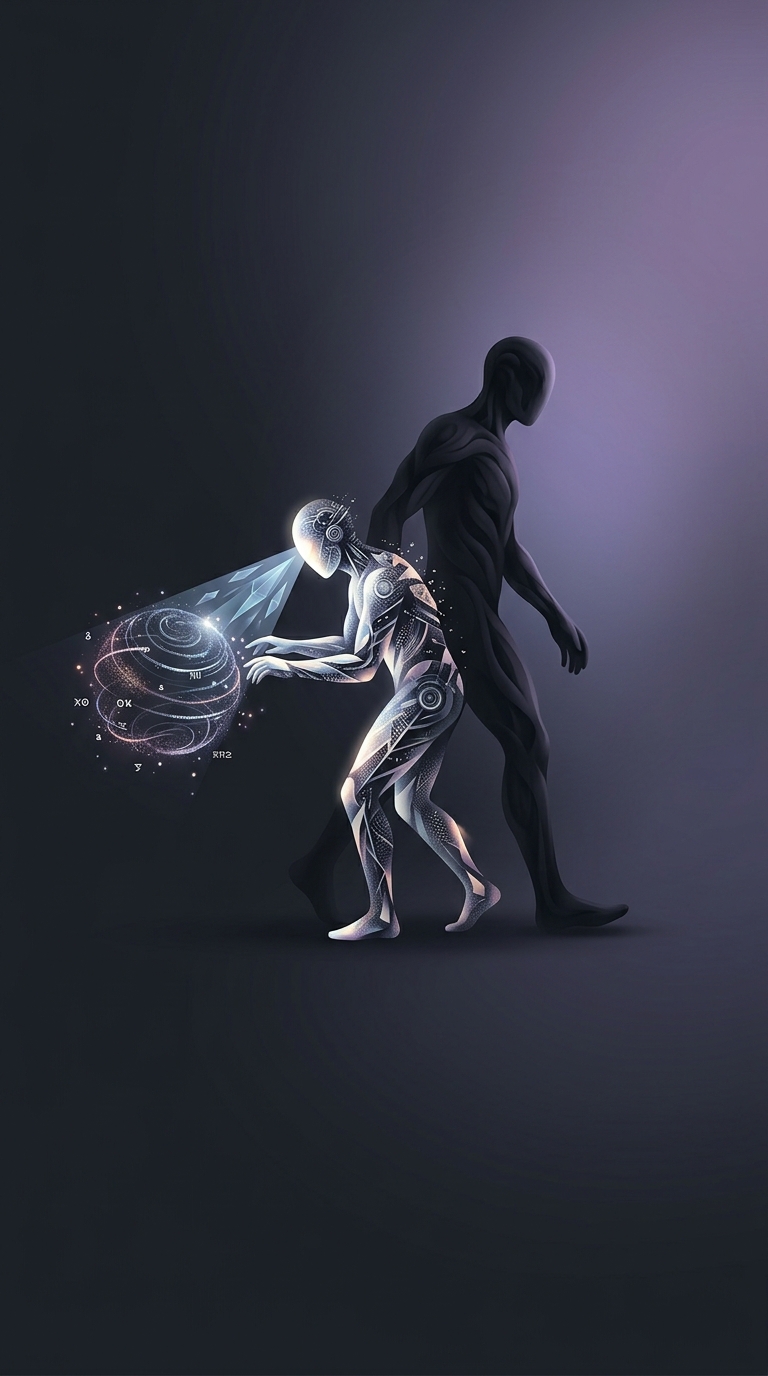
Inattentional blindness is the failure to notice a fully visible, but unexpected object because your attention was engaged on another task.
Inattentional blindness is the failure to notice a fully visible, but unexpected object because your attention was engaged on another task. In the famous…
Discover more
Hindsight bias is the common tendency for people to perceive past events as having been more predictable than they actually were.
Hindsight bias is the common tendency for people to perceive past events as having been more predictable than they actually were. After the outcome is known,…
Discover more
Scarcity principle dictates that humans place a higher value on an object that is scarce, and a lower value on those that are abundant, which directly overrides all rational…
Scarcity principle dictates that humans place a higher value on an object that is scarce, and a lower value on those that are abundant, which directly…
Discover more
Hot-cold empathy gap is a psychological dynamic in which people vastly underestimate the influence of visceral drives on their own attitudes, preferences, and behaviors.
Hot-cold empathy gap is a psychological dynamic in which people vastly underestimate the influence of visceral drives on their own attitudes, preferences, and…
Discover more
People tend to develop a strong preference for things or individuals merely because they are familiar with them.
People tend to develop a strong preference for things or individuals merely because they are familiar with them. Repeated exposure can make a tune or face…
Discover more
Something adorable can make people say 'I could crush it'.
Something adorable can make people say 'I could crush it'. Researchers call this mismatch cute aggression: an intense response to cuteness expressed in…
Discover more
People will pay to avoid having to resist temptation.
People will pay to avoid having to resist temptation. In experiments on self-control costs, researchers measured how much people would give up to avoid an…
Discover more
Purchasing a shiny new possession often spirals into an endless chain reaction of buying even more things to match the upgraded aesthetic of the original item.
Purchasing a shiny new possession often spirals into an endless chain reaction of buying even more things to match the upgraded aesthetic of the original…
Discover more
A ban can make a boring choice feel irresistible.
A ban can make a boring choice feel irresistible. Psychologists call the urge to reclaim a threatened freedom reactance. A restriction can shift your…
Discover more
A committee can debate a bike shed longer than a nuclear reactor.
A committee can debate a bike shed longer than a nuclear reactor. C. Northcote Parkinson illustrated his law of triviality with a fictional meeting. The…
Discover more
A racing heart does not arrive with an explanation attached.
A racing heart does not arrive with an explanation attached. In a classic suspension-bridge study, men crossing a frightening bridge responded differently to…
Discover more