Economy
Discover facts about economy. Small discoveries that change the way you see familiar things.
Economy

How one selfish player can destroy cooperation
Everyone’s contributions grow the shared payout, but a player can pocket their tokens and still claim a share. The short-term win can poison the game: others…
Discover more
Tiny nations sell titles that grant no real power
Some abandoned sea forts and unrecognized territories sell novelty noble titles to buyers who want to call themselves dukes. The title may sound grand, but it…
Discover more
Big drugmakers' sales and overhead bill exceeded research spending
A BMJ analysis of 15 large companies found $2.2 trillion spent on selling, general and administrative costs against $1.4 trillion on research and development…
Discover more
The ancient coin design that lasted 400 years
Athenian coins carried the same owl design for centuries because merchants far beyond Athens trusted their silver purity. Changing the look could have meant…
Discover more
Why tiny microfinance loans can carry huge interest
The loan may be tiny; the lender’s work isn’t. Processing and collecting each loan costs money, so a high interest rate can land on someone borrowing only…
Discover more
Why pregnant mares are used for livestock hormones
Pregnant mares are kept on specialized farms so their blood can be collected for hormones used to speed breeding cycles in pigs and sheep. The livestock…
Discover more STACKY FOR IPHONE
A bigger world.
One discovery
at a time.
Keep discovering with Stacky. Interesting facts in an app that is always within reach.

Your card rewards come from fees charged to merchants
A cardholder earns rewards, but the merchant pays an interchange fee of about 1% to 3% of the purchase. If the store folds that cost into its prices,…
Discover more
The Boston Tea Party was also a fight over monopoly
Colonial merchants had been making money smuggling tea, and the East India Company’s cheaper legal tea threatened their trade. The Tea Act was about taxes,…
Discover more
Toll free numbers are hoarded by telecom conglomerates
Some companies do not just pick a phone number; they pursue one that spells out their business. Brokers track and lease these vanity numbers, turning a keypad…
Discover more
Chicken game forces rivals to ruthlessly test mutual nerve
Each driver wants the other to swerve first, so both keep bluffing. If neither gives way, the cars collide—the very outcome each driver was trying to avoid.
Discover more
Even poker pros can lose for months
A long losing streak doesn’t cancel the hotel bills or tournament entry fees. Even top poker players may need one big win just to pay for the months of travel…
Discover more
Whistleblowers can earn a share of the money they expose
Some government programs pay whistleblowers a share of the money recovered from companies they report. The reward gives insiders a financial reason to bring…
Discover more
Some citizenship programs make investment part of the application
Dominica offers routes involving a qualifying fund contribution or approved real-estate investment, alongside checks and fees. Buying an arbitrary house is…
Discover more
Watermarks rely on varying thicknesses in the paper currency
A banknote's watermark is built into the paper, not printed on top. During manufacture, the paper is made thinner in that design, so light passing through…
Discover more
Rural firefighters often work for free
When a fire breaks out in many rural communities, the people responding may be volunteers earning no pay. Their unpaid shifts help keep local emergency…
Discover more
Why cartoon stars may earn surprisingly little
A cartoon franchise can earn billions from merchandise while its voice actors receive only the minimum pay set by their union. The toys may be everywhere; the…
Discover more
The South Sea Bubble sold investors a story about distant trade
In 1720, the South Sea Company combined a government-debt conversion scheme with expectations of profits from overseas commerce. Its soaring share price drew…
Discover more
Weddings have spawned entire mini-economies
Wedding spending pays for more than a ceremony: it keeps niche favor shops and weekend-trip organizers in business. Guests can end up footing the bill for…
Discover more
The market can reward guessing everyone else's guess
Keynes compared investing to a newspaper contest where entrants chose faces they thought other readers would select. Picking your own favorite missed the…
Discover more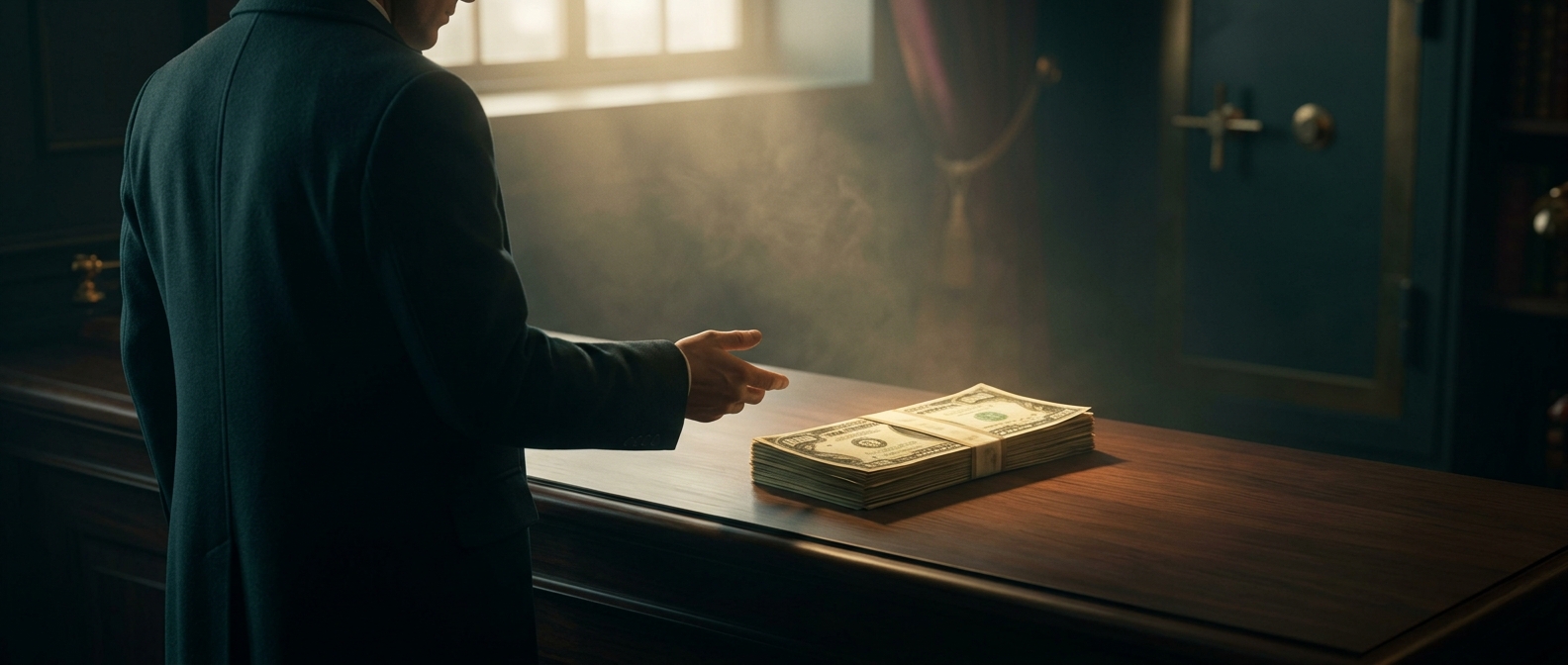
Those $10,000 bills are still legal tender
A $10,000 bill remains legal tender, but its collector value can exceed what it says on the front. Since the government stopped printing new ones after World…
Discover more
The French group policing the word Champagne
The name identifies wine from France's Champagne region, and the Comité Champagne also challenges uses that exploit that reputation on unrelated products.…
Discover more
The toy is complete—until you see what's in the other box
Want the character fully equipped? You may have to buy more than one figure. Toy makers can put essential gear in separate boxes, turning one toy purchase…
Discover more
How Enron made California blackouts pay
Enron traders asked power-plant operators to take plants offline for “maintenance.” With less electricity available, prices climbed—and the traders profited…
Discover more
Random numbers can make you bid more
Before bidding, participants wrote down the last two digits of their government ID. Those with higher numbers then bid more for random items, as if an…
Discover more