Economy
Discover facts about economy. Small discoveries that change the way you see familiar things.
Economy
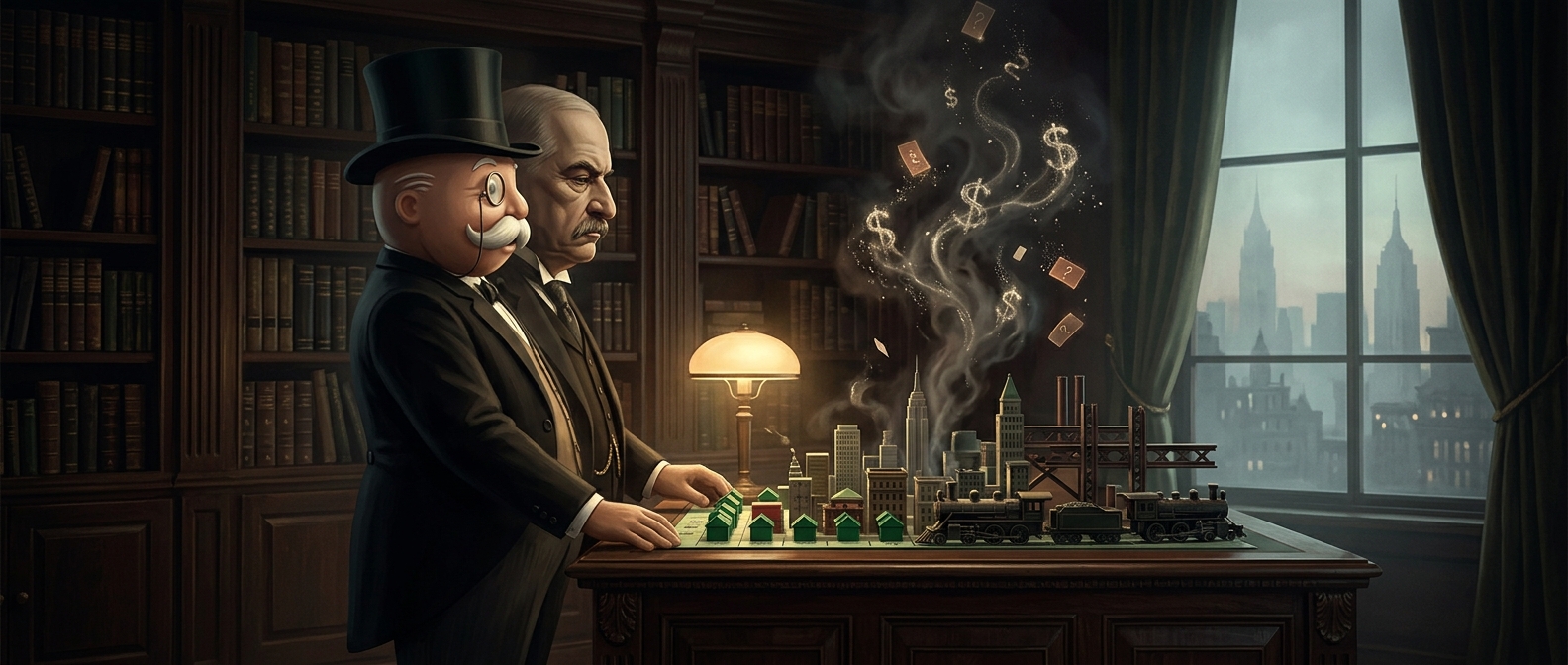
The Monopoly man used to have a different name
Hasbro identifies the mascot's former name as Rich Uncle Pennybags; he became Mr. Monopoly for the new millennium. The wealthy little character lost his more…
Discover more
Normal yield curves demand higher interest for time risks
Investors usually want more interest to leave their money untouched for longer. A rising yield curve is the price of waiting: longer-term loans typically pay…
Discover more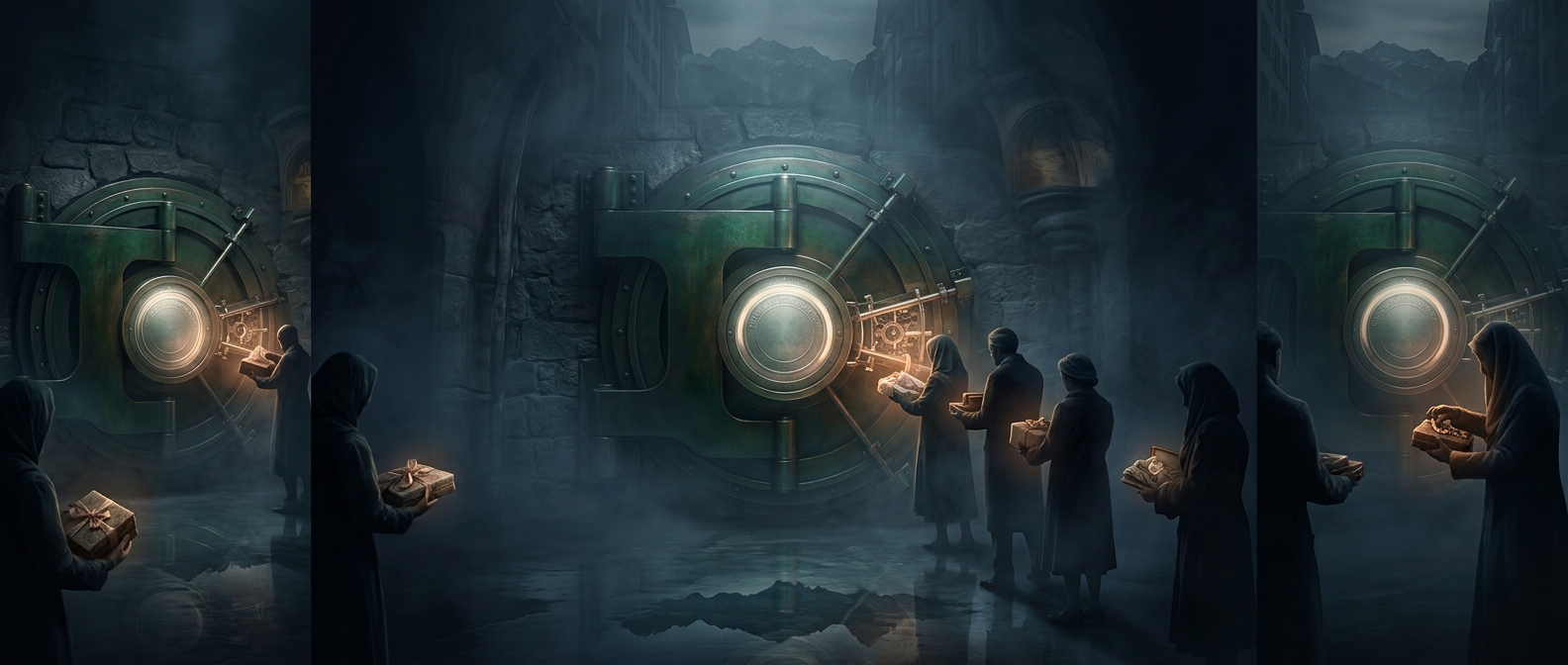
Swiss bank secrecy began as protection for Jewish assets
As Nazi Germany moved toward confiscating Jewish property, hiding an account holder’s identity could help protect assets. Switzerland’s 1934 banking law made…
Discover more
How merchants tested coins with a single drop
A coin’s sound could give away what its surface hid: merchants dropped it on a hard surface and listened for a clear, high-pitched ring that might expose lead…
Discover more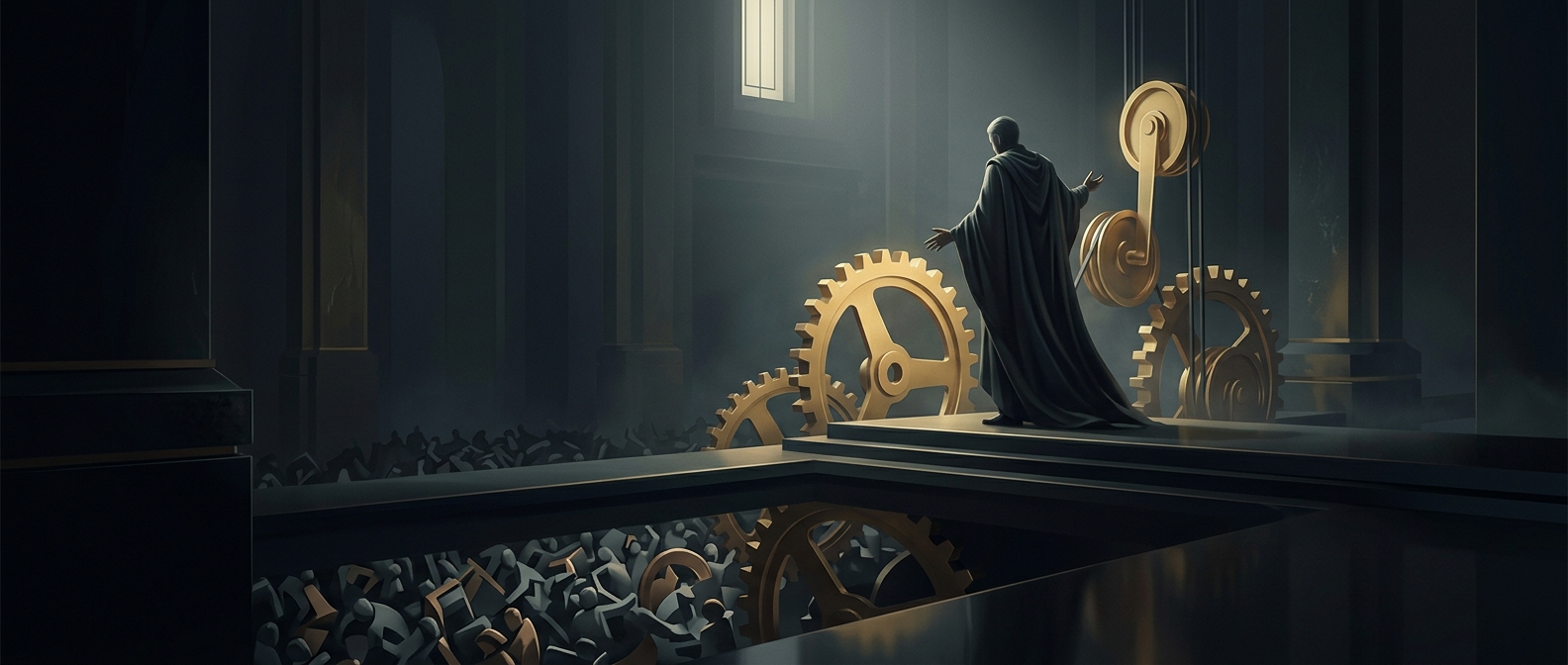
Politicians act strictly in massive self-interest
Public choice theory does not assume politicians stop wanting power when they enter office. It asks how that self-interest can shape the decisions they make…
Discover more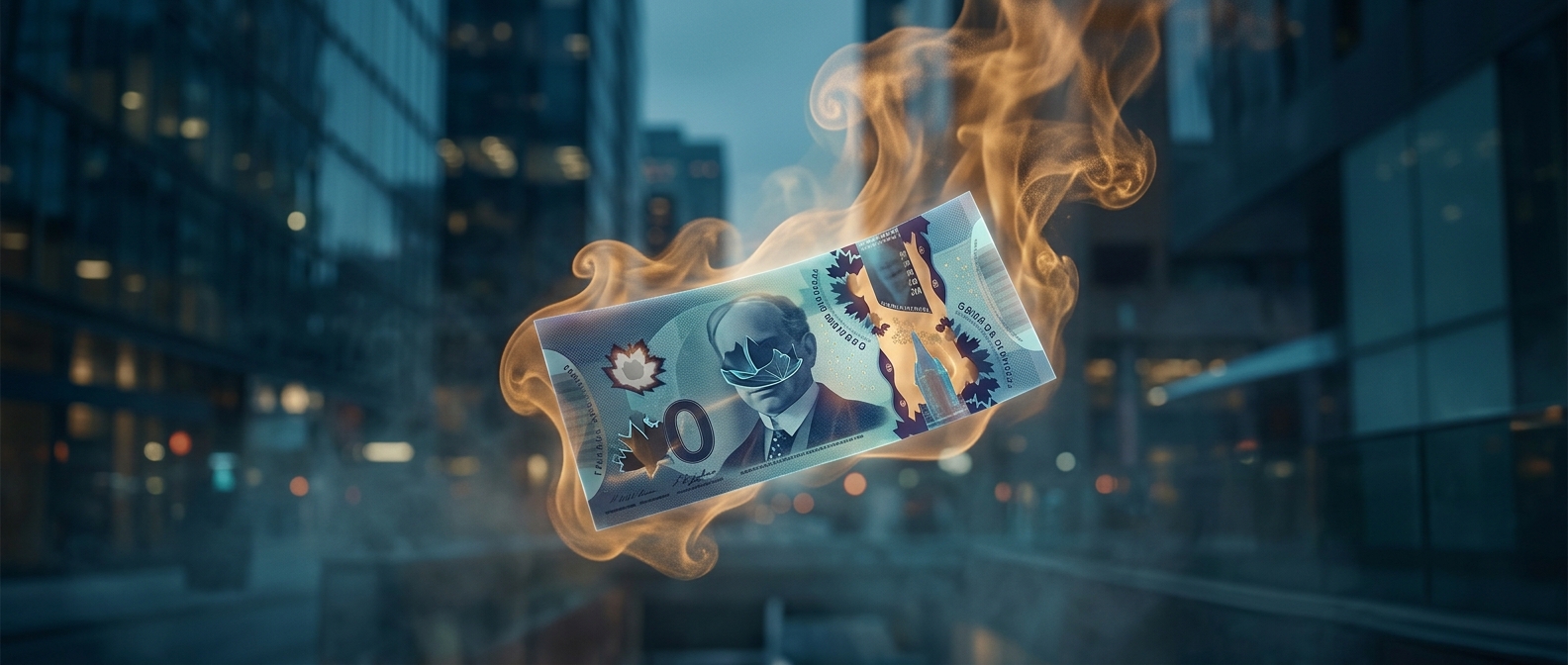
Why Canadian banknotes allegedly smell like maple syrup
The scent is strongest, some Canadians say, when the plastic bills are warm. The Bank of Canada says it didn’t add a maple smell, leaving the country with…
Discover more STACKY FOR IPHONE
A bigger world.
One discovery
at a time.
Keep discovering with Stacky. Interesting facts in an app that is always within reach.
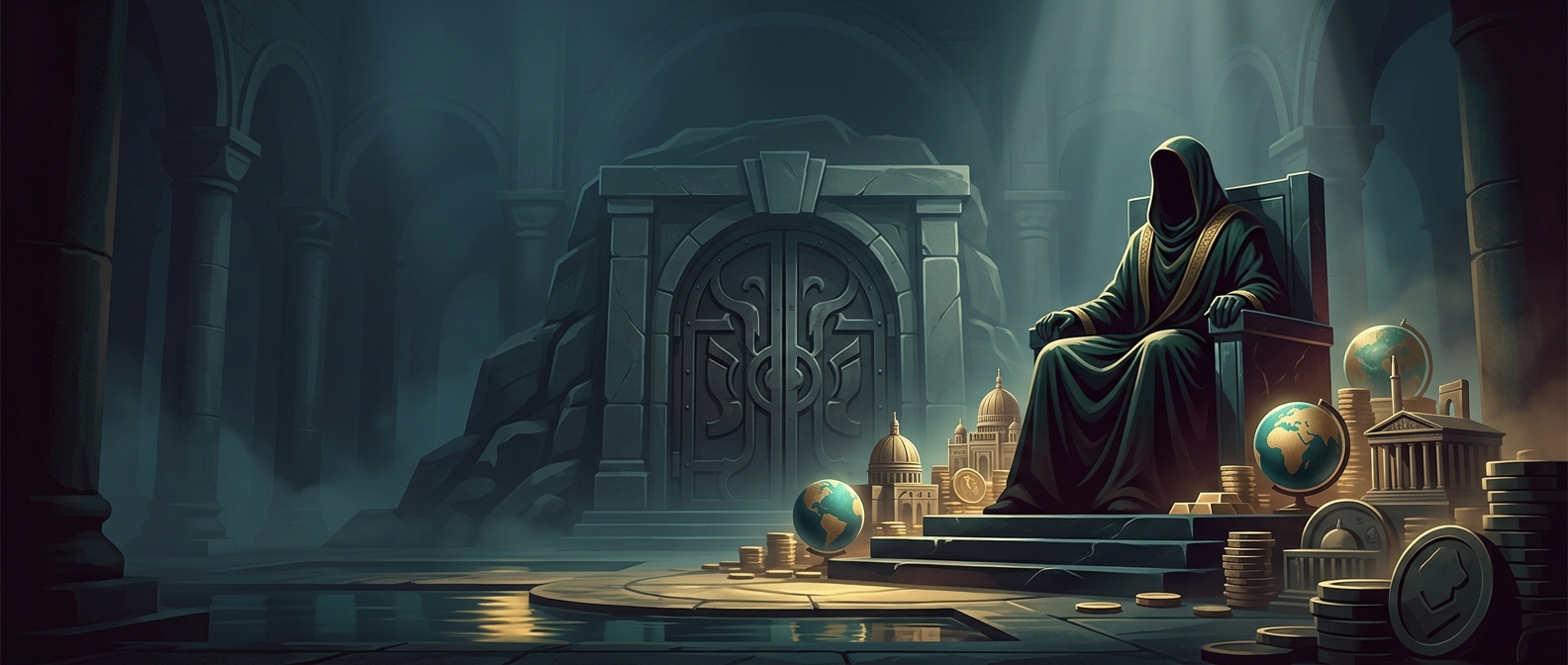
Sovereign wealth funds hoard national treasure
A sovereign wealth fund takes a country’s surplus revenue—often money from natural resources—and invests it. The government owns the fund, which puts the…
Discover more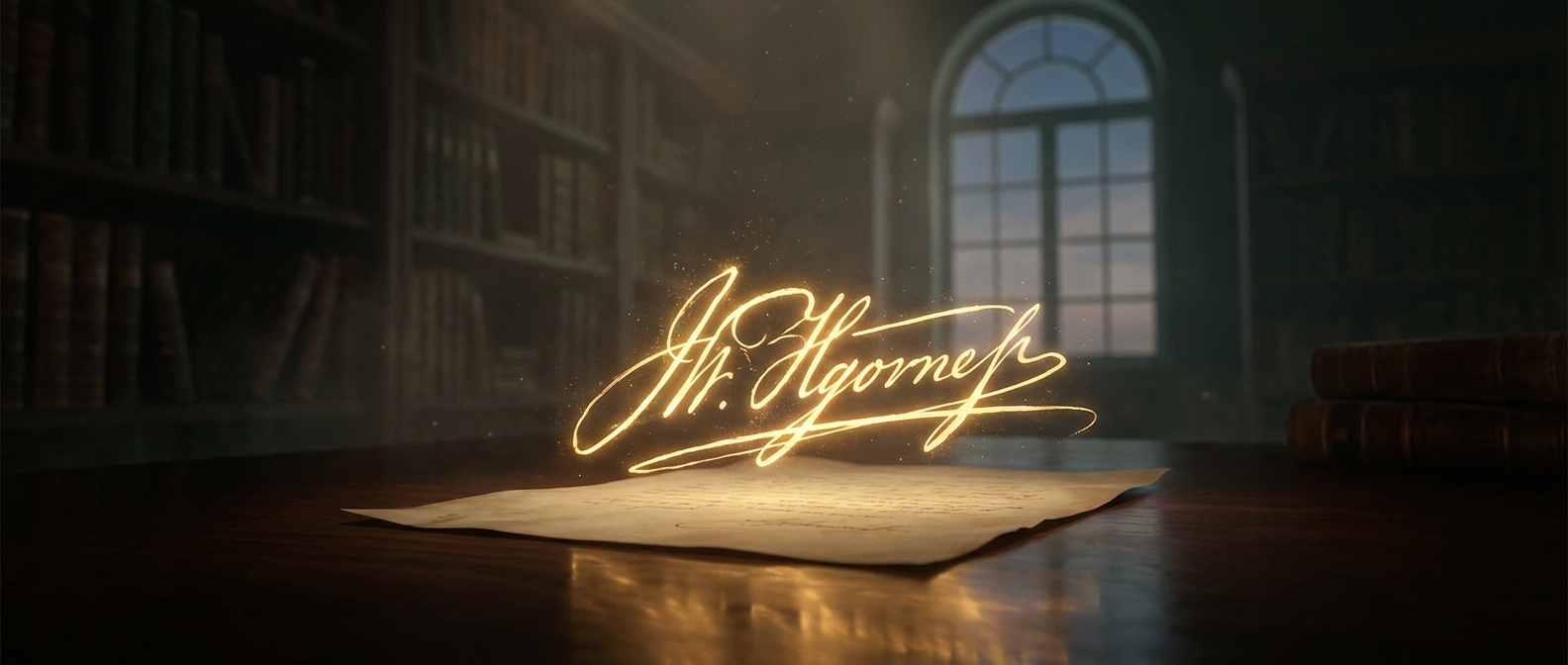
Historical autographs easily eclipse the value of the paper
A soldier’s letter might bring about $20; a routine note signed by Abraham Lincoln can be worth far more. The famous name, not the message, is what collectors…
Discover more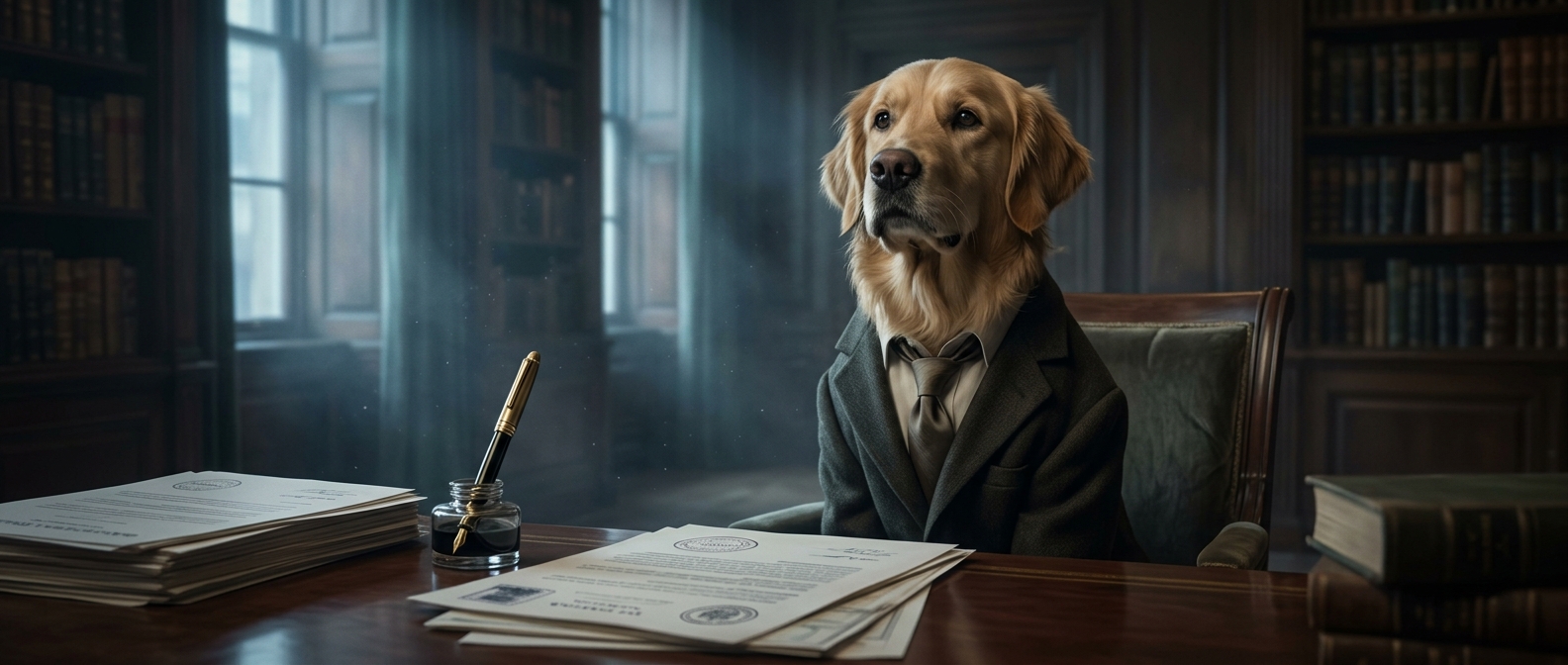
When mortgage brokers approved loans for pets
Loan officers paid by the loan had a reason to push applications through. During the subprime boom, some falsified them with borrowers’ pets’ names—putting…
Discover more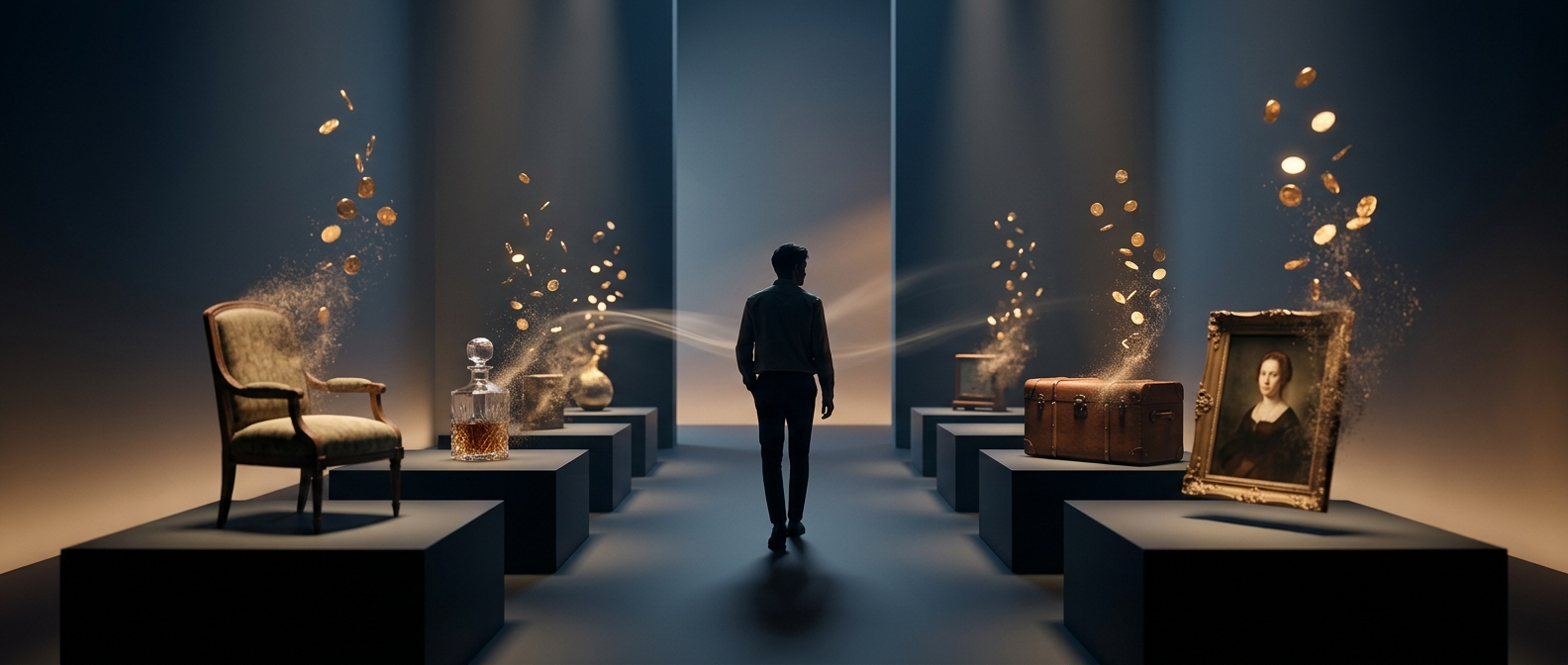
How a lifetime of memories becomes an estate sale
After someone dies, strangers may sort through the belongings they left behind and put them up for sale. The liquidators take a cut, while neighbors bargain…
Discover more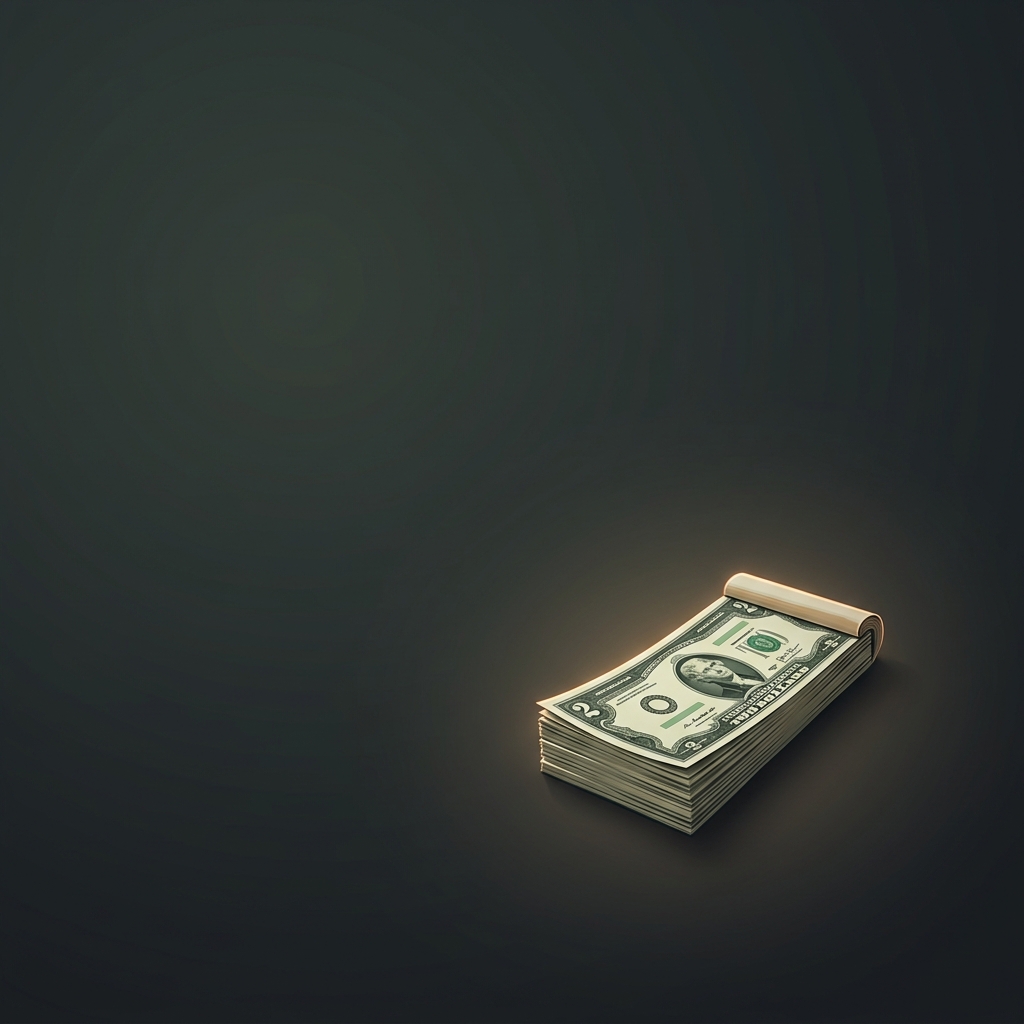
Steve Wozniak pays with tear-off pads of real money
Wozniak has used uncut sheets of genuine $2 bills to make perforated tear-off pads. He can peel off a note and spend it, making a legal payment look like a…
Discover more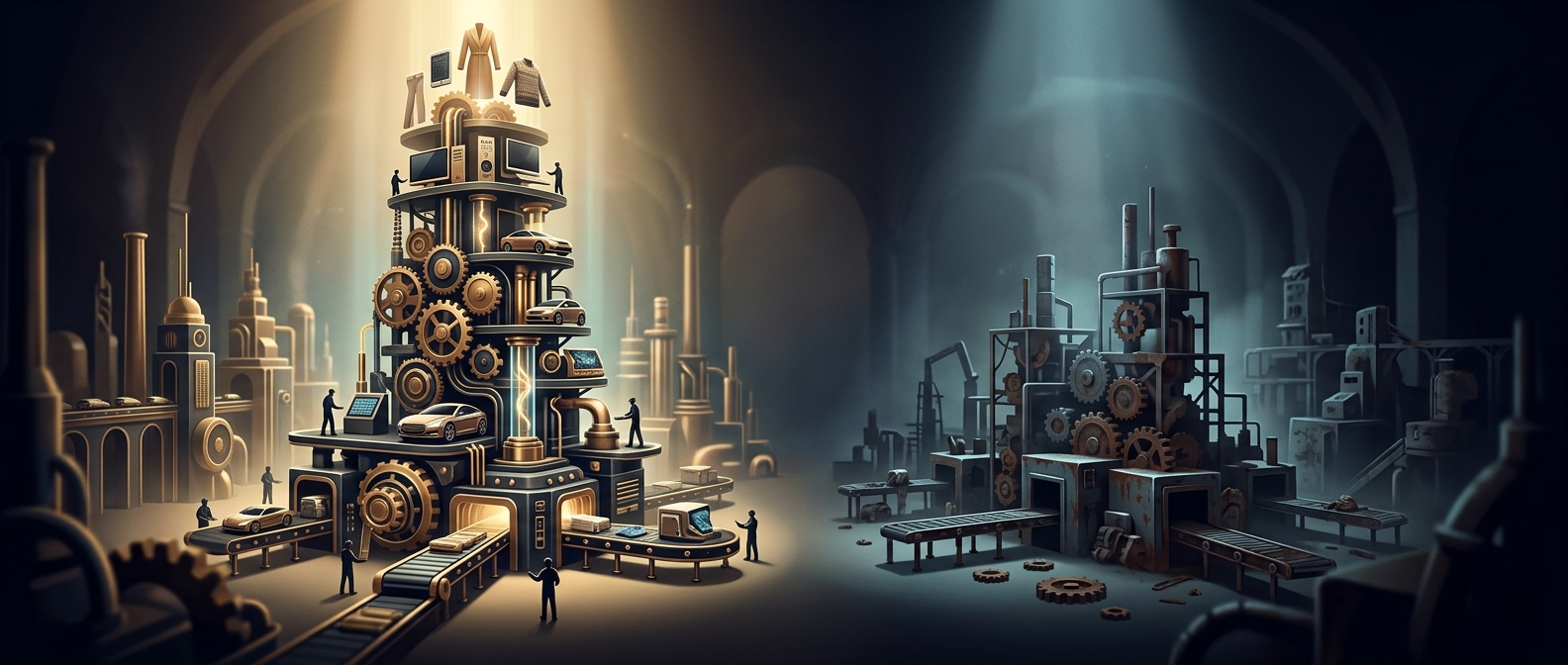
Some nations produce everything better than others
A country that gets more output from the same workers and materials can make goods more efficiently than its trading partners. That edge can help it compete…
Discover more
How one coworker's bad mood spreads through an office
One coworker's bad mood can change the room: people tend to mimic the emotional expressions they see around them. The expressions spread, and so can the mood.
Discover more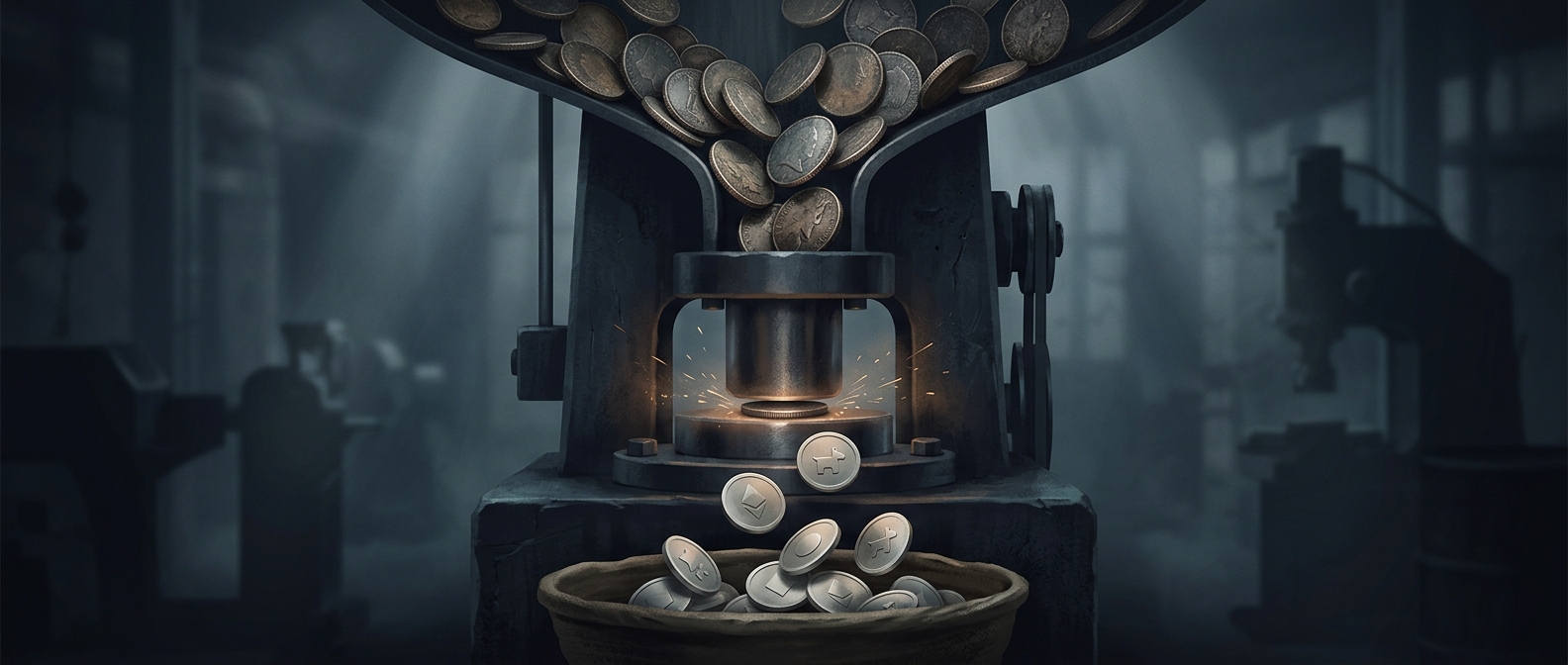
How old money becomes a five-dollar souvenir
Retired banknotes are shredded instead of spent again. Then some of the shredded money is sold in bags as souvenirs for five dollars.
Discover more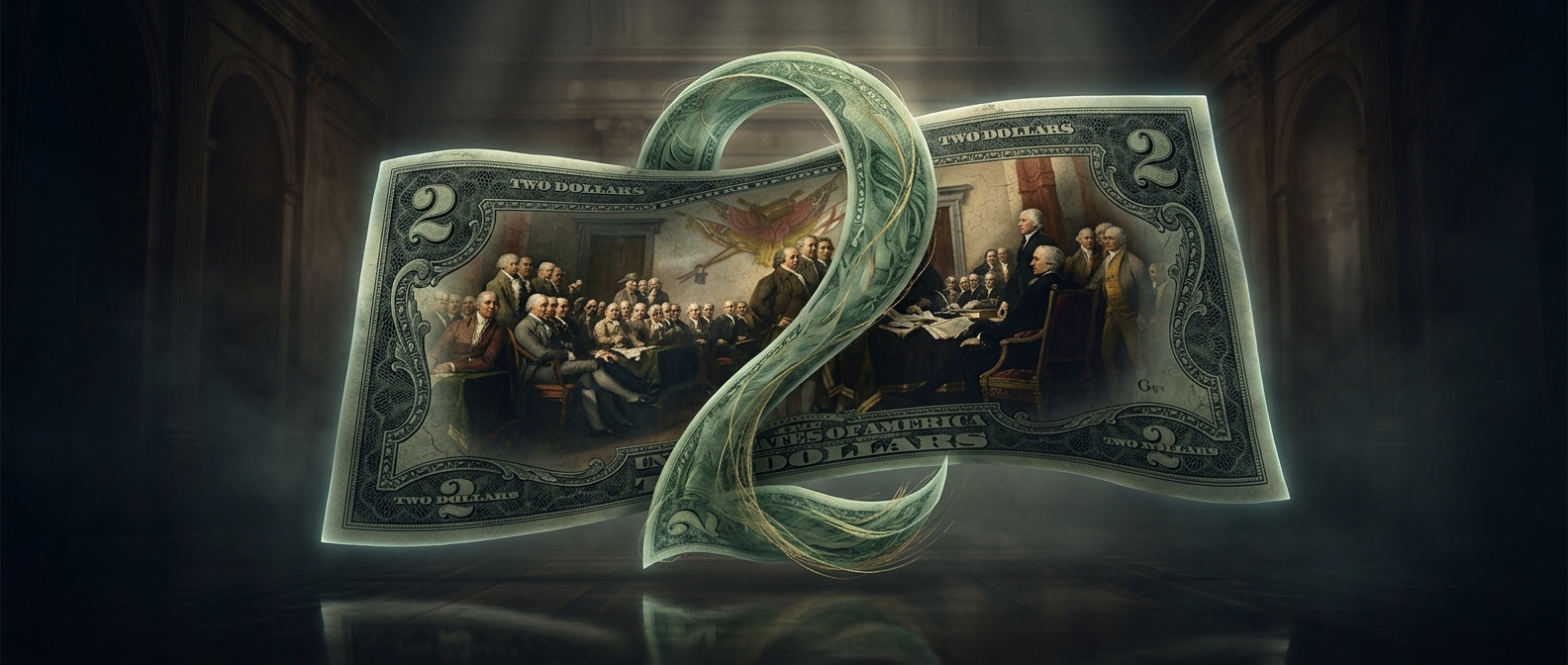
Two-dollar bills feature a massive historical painting
The original painting is much larger than the image on the bill: John Trumbull’s scene of the Declaration of Independence was scaled down to fit the reverse…
Discover more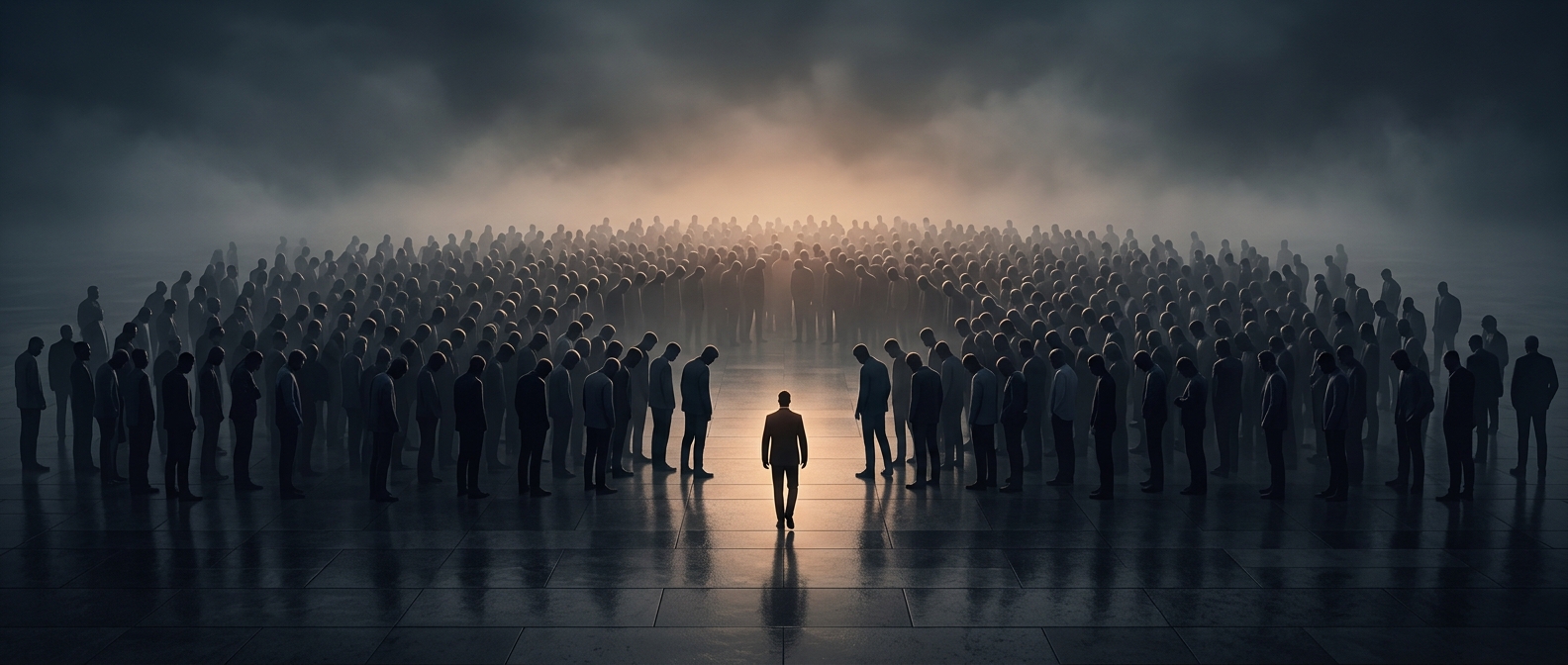
Group bargaining stalls until someone acts first
Everyone waits for someone else to name a price. Then the first offer lands, and it can anchor what the group considers reasonable for the rest of the…
Discover more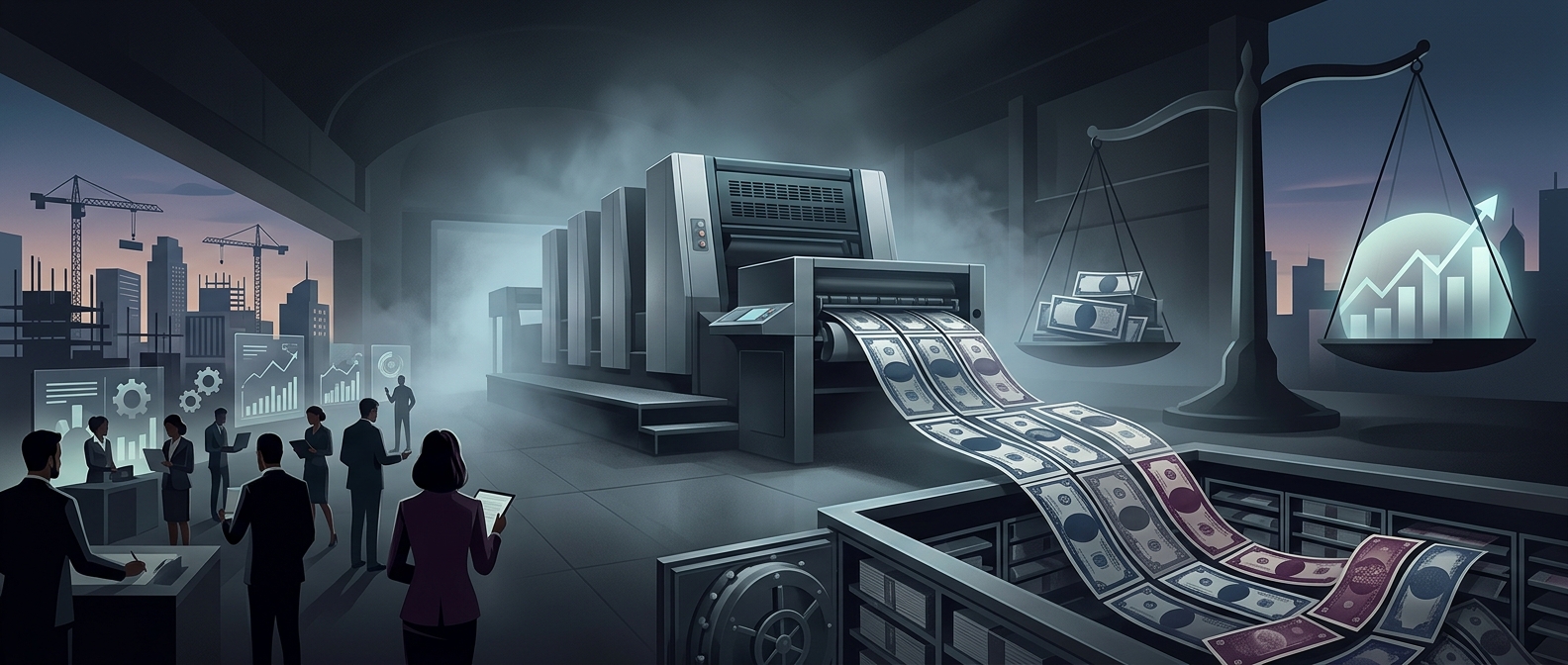
Why printing money doesn't always cause inflation
New money can sit in bank reserves instead of being spent in shops. If it doesn’t circulate through everyday purchases, it may not push up the prices shoppers…
Discover more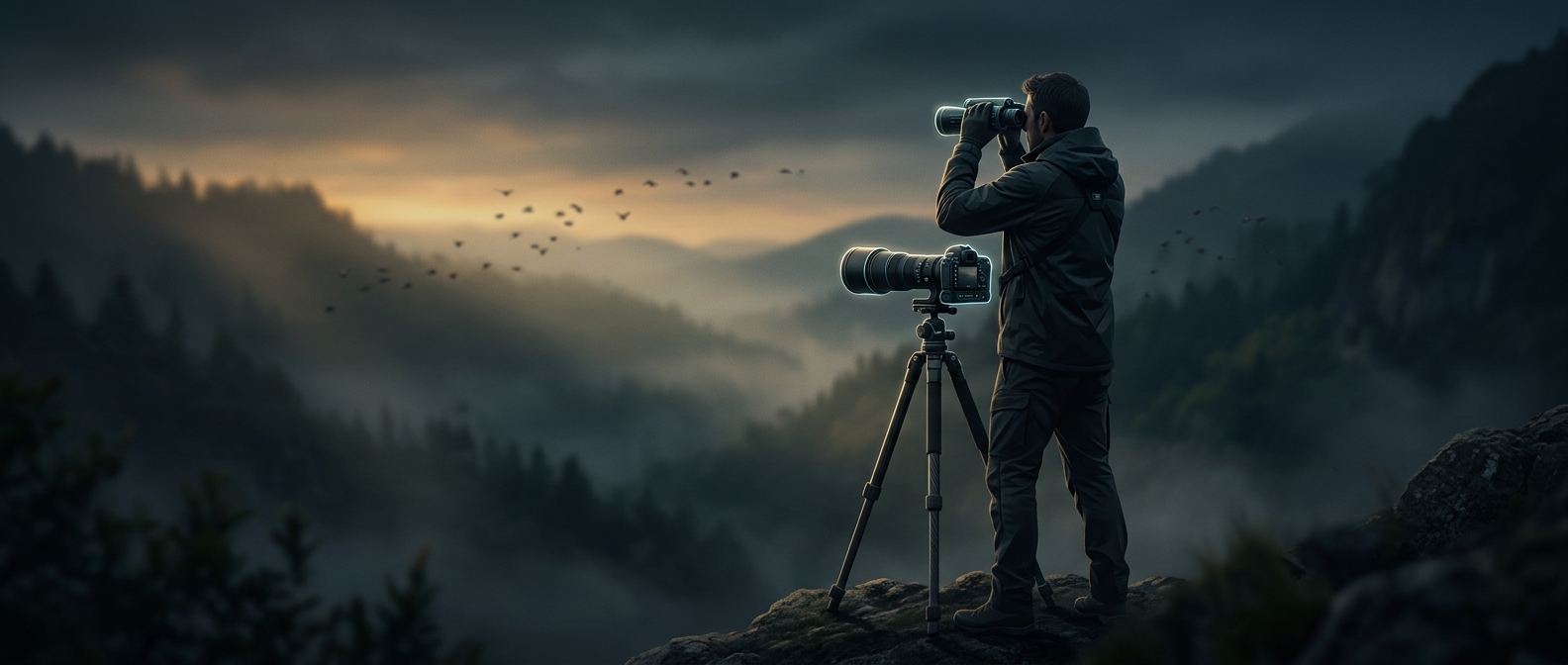
Extreme bird watchers spend heavily on high end optics
For some bird watchers, the expensive part isn’t the bird. It’s the binoculars, telephoto lens and waterproof equipment needed to spot distant or rare ones…
Discover more
Paternity leave is rarely fully utilized
The leave is paid, but some fathers still don’t take it: they worry that being away will hurt their careers. A benefit can sit unused when workers think their…
Discover more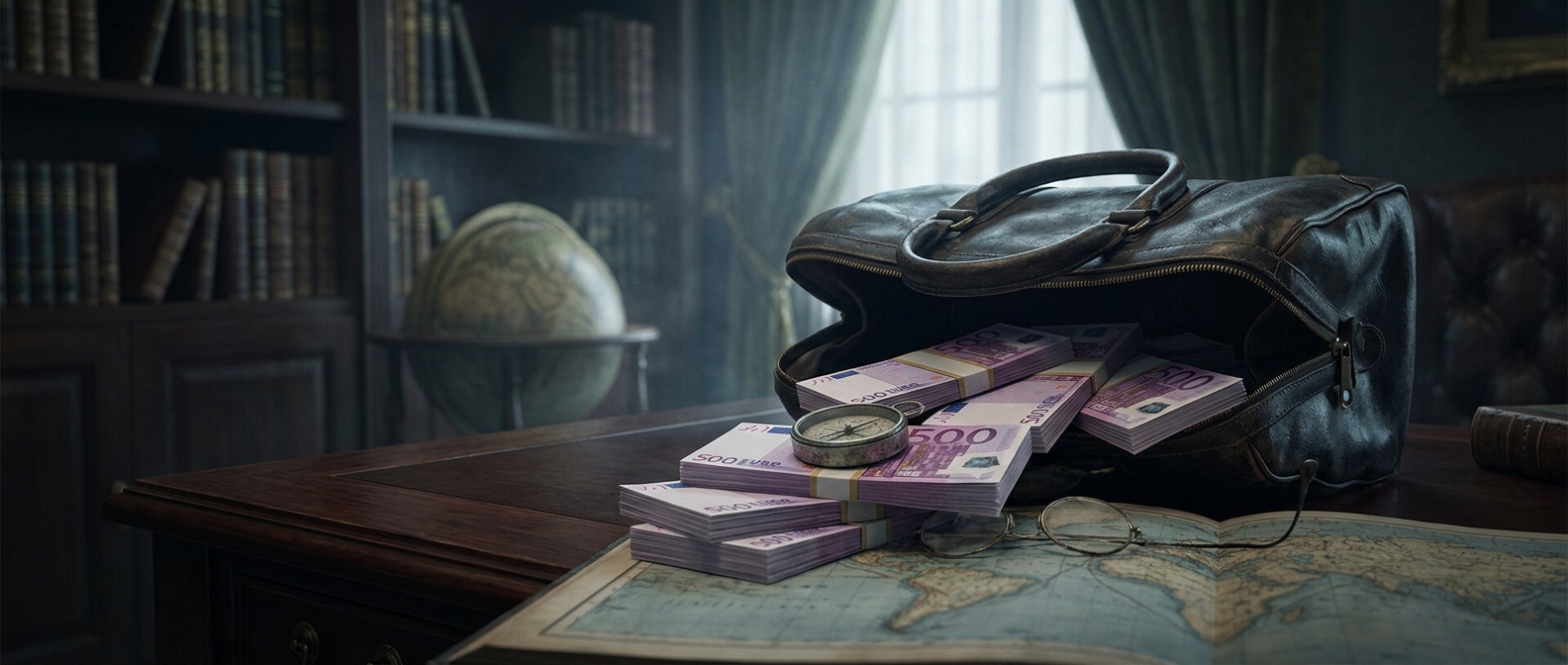
A €500 note could pack a fortune into a small space
Two thousand notes make a million euros, which is why high-denomination cash attracted concern about illicit transfers. The European Central Bank stopped…
Discover more
Why companies hold meetings about other meetings
As an organization grows, coordinating work gets harder. Employees can end up spending more time in meetings about future work than doing the work itself.
Discover more
Why cruise ships add automatic tips to your bill
On a cruise, the tip may already be on the bill before a guest checks out. Cruise lines automatically add gratuities to onboard accounts instead of relying on…
Discover more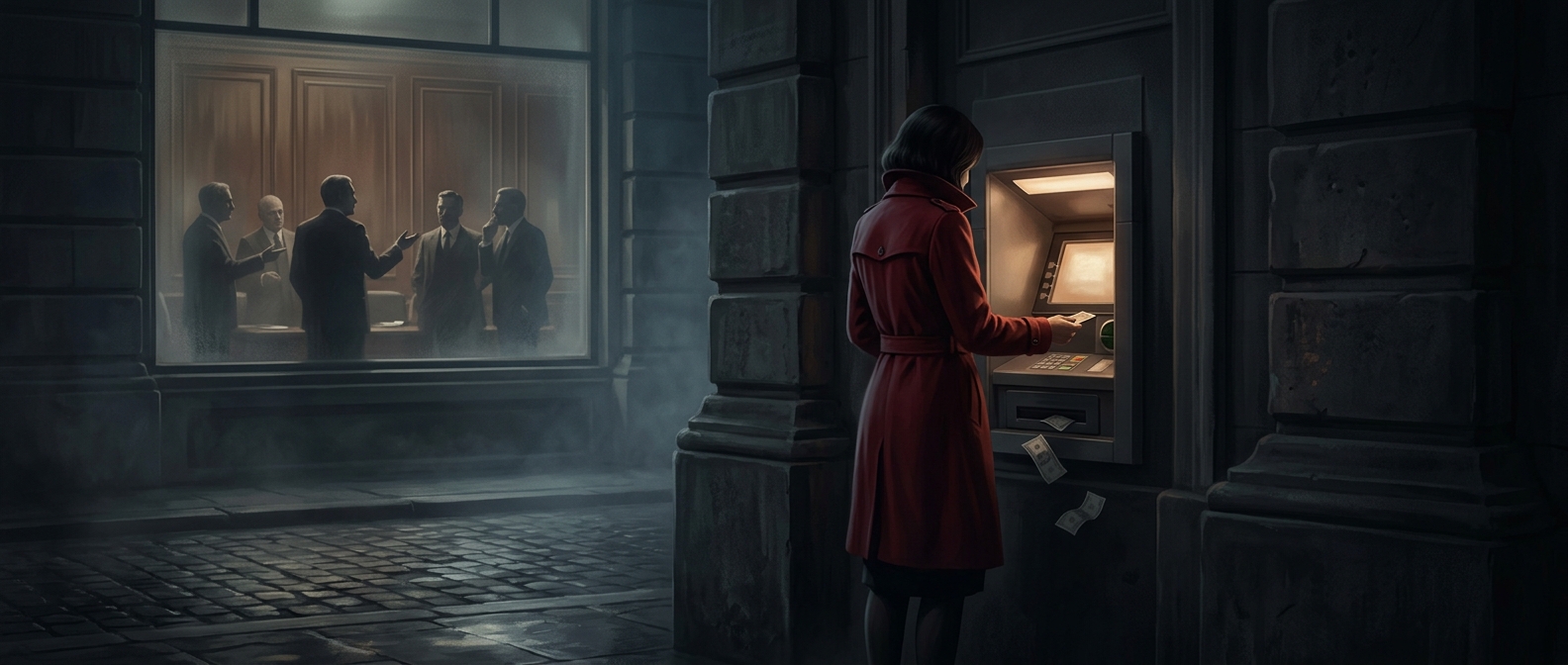
Why banks once dismissed ATMs
Early ATMs attracted people who needed cash after hours, including sex workers and gamblers—not the customers some bankers had in mind. Banks warmed to the…
Discover more
Tropical grass roots prevent severe agricultural erosion
On steep hillsides, vetiver sends dense roots deep into the soil and holds it together. When monsoon rain hits, that root network helps keep soil from washing…
Discover more