Health
Discover facts about health. Small discoveries that change the way you see familiar things.
Health
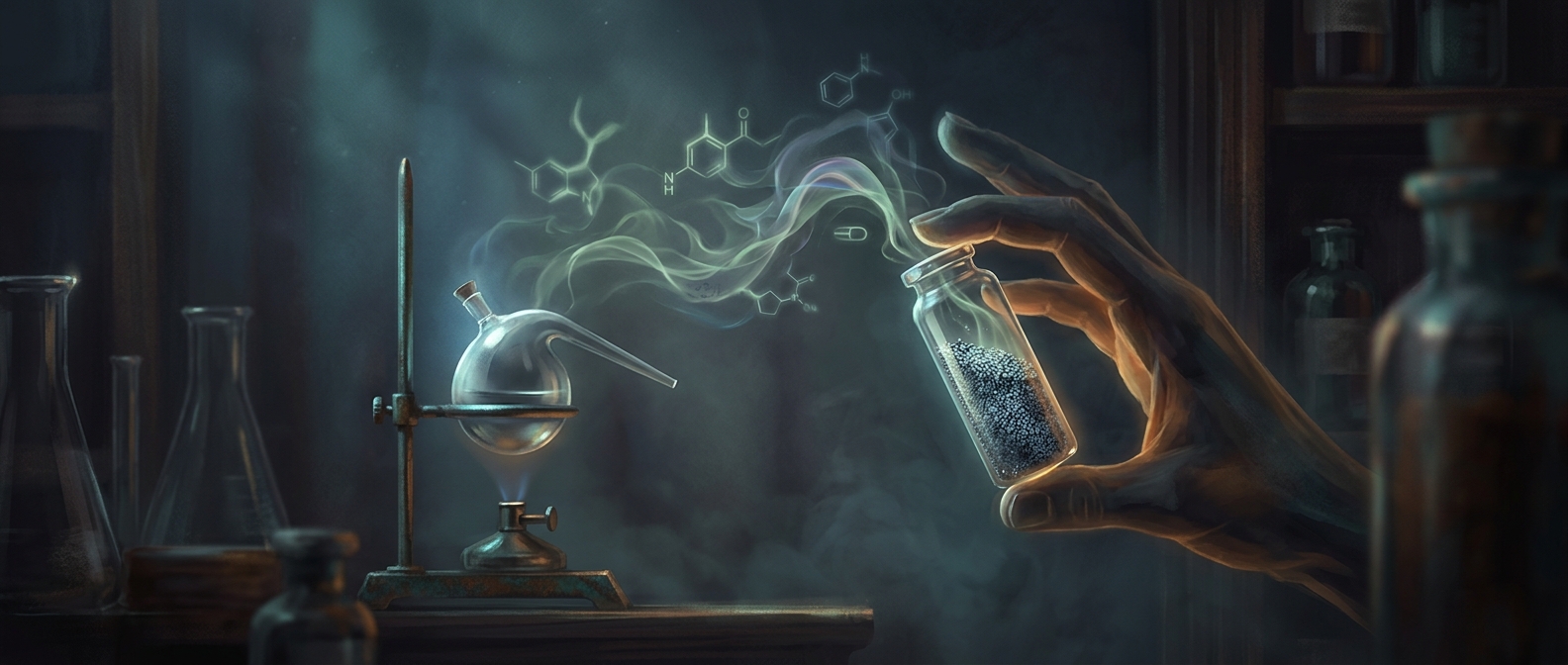
Could a poppy-seed bagel trigger a drug test
A poppy-seed bagel can leave more than seeds between your teeth: trace morphine compounds from the seeds may enter your body and pass into urine. Some…
Discover more
Blood acidity is strictly regulated around 7 point 4
Blood stays close to pH 7.4 because even a small shift can change how proteins behave. The body continually buffers and adjusts the blood’s chemistry to keep…
Discover more
Why jet lag takes days to shake
After a long flight, the local clock may say morning while your body clock still thinks it is the middle of the night. The internal clock shifts only about 60…
Discover more
Public water fountains remain entirely safe
A public fountain gets its water from a regulated supply, and routine flushing keeps water moving through the system to help limit contamination. The metal…
Discover more
One drug doubles as rat poison
Warfarin slows the body’s ability to form blood clots by interfering with the use of vitamin K. In people, carefully controlled amounts can prevent clots; in…
Discover more
Magnets were once sold as cures for everything
In the 19th century, healers marketed magnets as if one treatment could fix every illness. They passed them over patients and charged for the performance,…
Discover more STACKY FOR IPHONE
A bigger world.
One discovery
at a time.
Keep discovering with Stacky. Interesting facts in an app that is always within reach.

Eating fast can make you swallow the wrong extra ingredient: air
More swallowed air can mean belching, pressure, and bloating after a meal. The discomfort isn't always just the amount of food in the stomach. How the meal…
Discover more
Testicle placement strictly regulates optimal temperature
The testes need a cooler environment for sperm production, so the body keeps them outside its warm core. That temperature setup comes with an odd trade-off:…
Discover more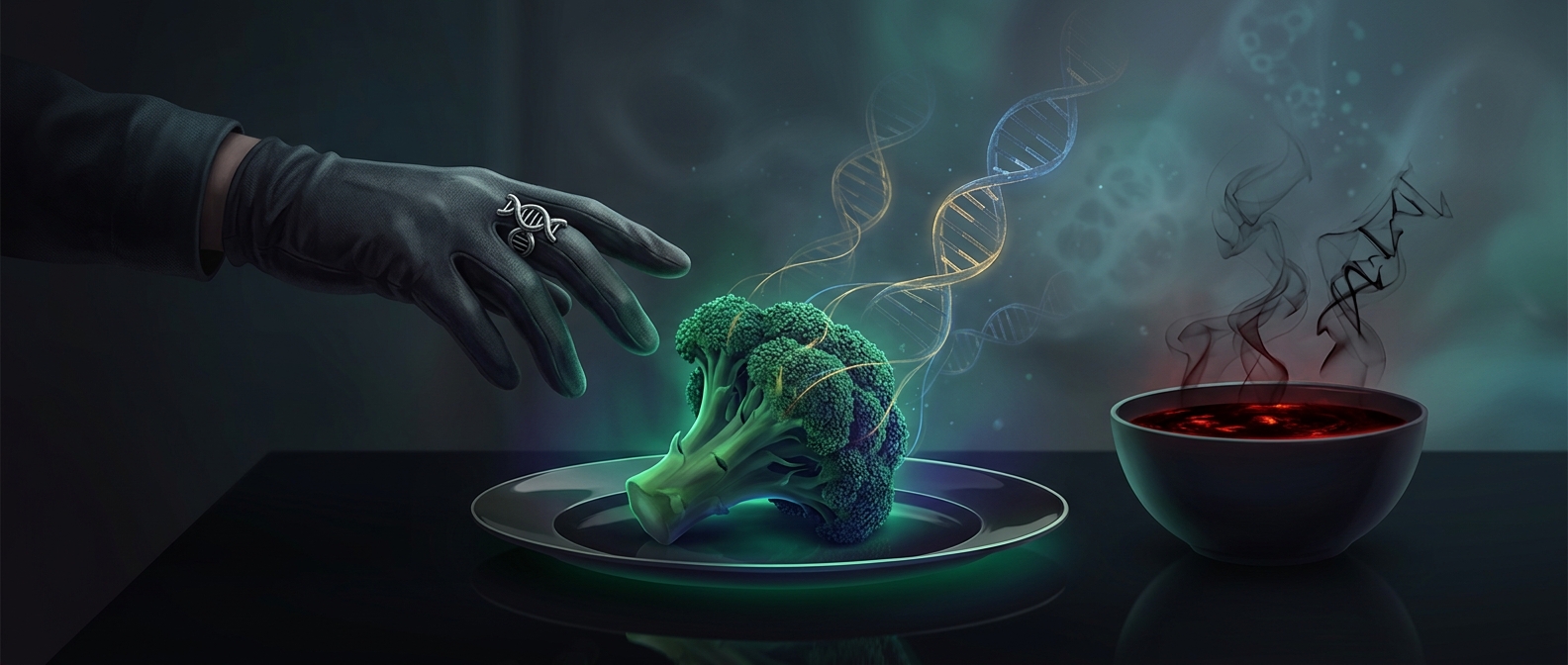
Why broccoli tastes unbearably bitter to some people
A gene variant can make the bitter-taste receptor TAS2R38 especially responsive to thiourea compounds found in broccoli. The vegetable has not changed; one…
Discover more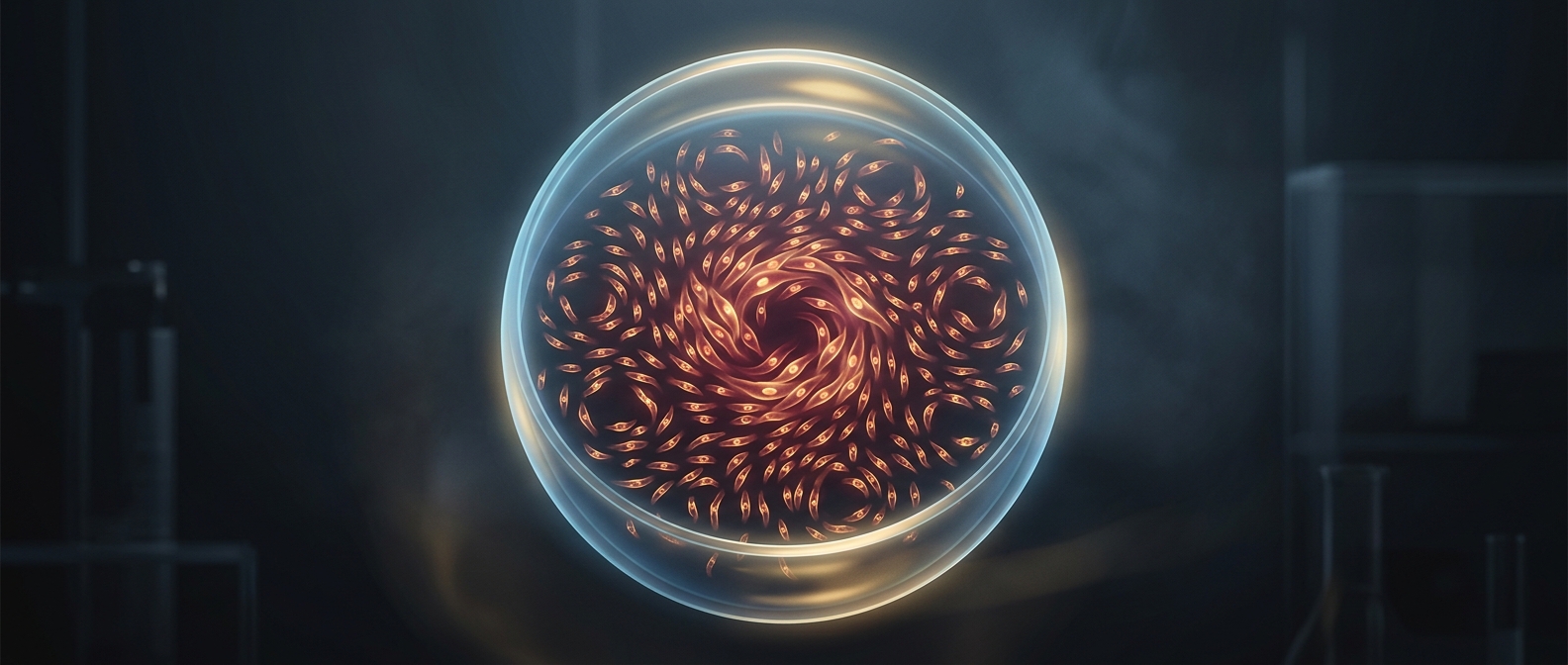
Heart cells keep beating outside the body
Some heart muscle cells can build up their own electrical signal, then pass it to neighboring cells and make them contract. They don’t need a message from the…
Discover more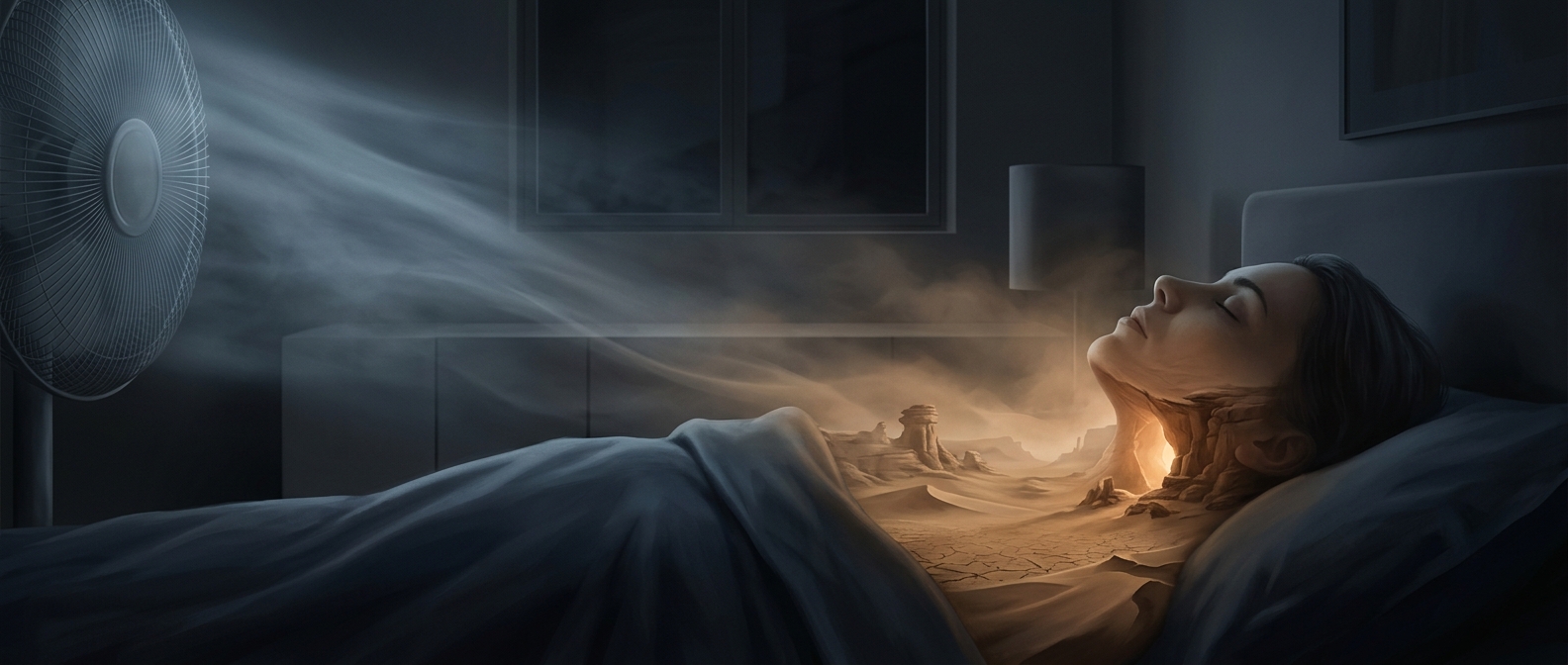
Why sleeping with a fan can dry out your throat
Air from a fan speeds up evaporation from the moist surfaces inside your nose and throat. After hours of that steady breeze, those surfaces can feel parched…
Discover more
Human DNA mutates at a highly predictable steady rate
Mutations accumulate in DNA at a roughly steady pace, leaving a trail that geneticists can compare across generations. Like marks on a clock, those changes…
Discover more
Why swimming after eating isn't deadly
Your muscles still get the blood and oxygen they need while you swim; digestion does not divert enough blood to switch them off. A big meal can leave your…
Discover more
An egg travels through a tube on a moving carpet of tiny hairs
The fallopian tube's lining has microscopic hairs called cilia that beat to help move the egg toward the uterus. Muscle contractions in the tube help too. The…
Discover more
Why very hot showers dry out your skin
Your skin’s surface oils help slow moisture loss. Very hot water strips away some of that layer, leaving the skin and scalp less able to hold water—one reason…
Discover more
Some men experience pregnancy symptoms too
A partner’s body can react to the major stress and change surrounding a pregnancy, with symptoms such as nausea or weight gain; some people also show hormonal…
Discover more
Tick vectors rapidly expand due to global warming
When winters are warmer, more ticks may survive in places that used to get cold enough to limit them. That can let their range expand and bring tick-borne…
Discover more
Why sleeping on your left side may ease heartburn
The stomach sits in a shape and position that make gravity matter: lying on your left tends to keep stomach acid below the valve leading into the esophagus.…
Discover more
When black licorice becomes dangerous
Glycyrrhizin, the compound in real black licorice, can make the kidneys lose potassium instead of keeping enough in the blood. Because the heart relies on…
Discover more
Byron's vinegar diet came with an audience
An 1811 dinner anecdote describes him refusing the meal and eating potatoes drenched in vinegar instead. When his host asked how long the diet would last,…
Discover more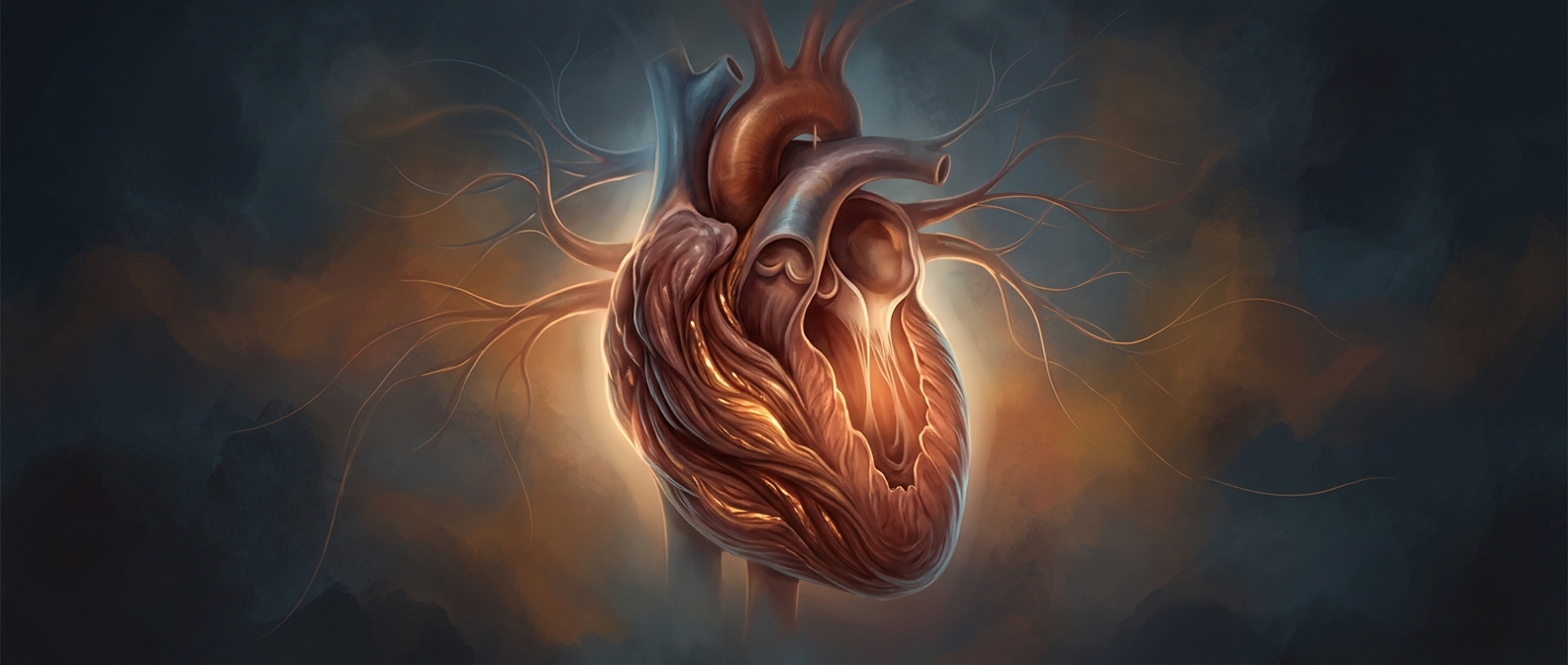
Left ventricle features overwhelmingly thicker muscle walls
The left ventricle’s thick muscle wall helps it generate the pressure needed to send blood throughout the body. The right ventricle only has to pump blood to…
Discover more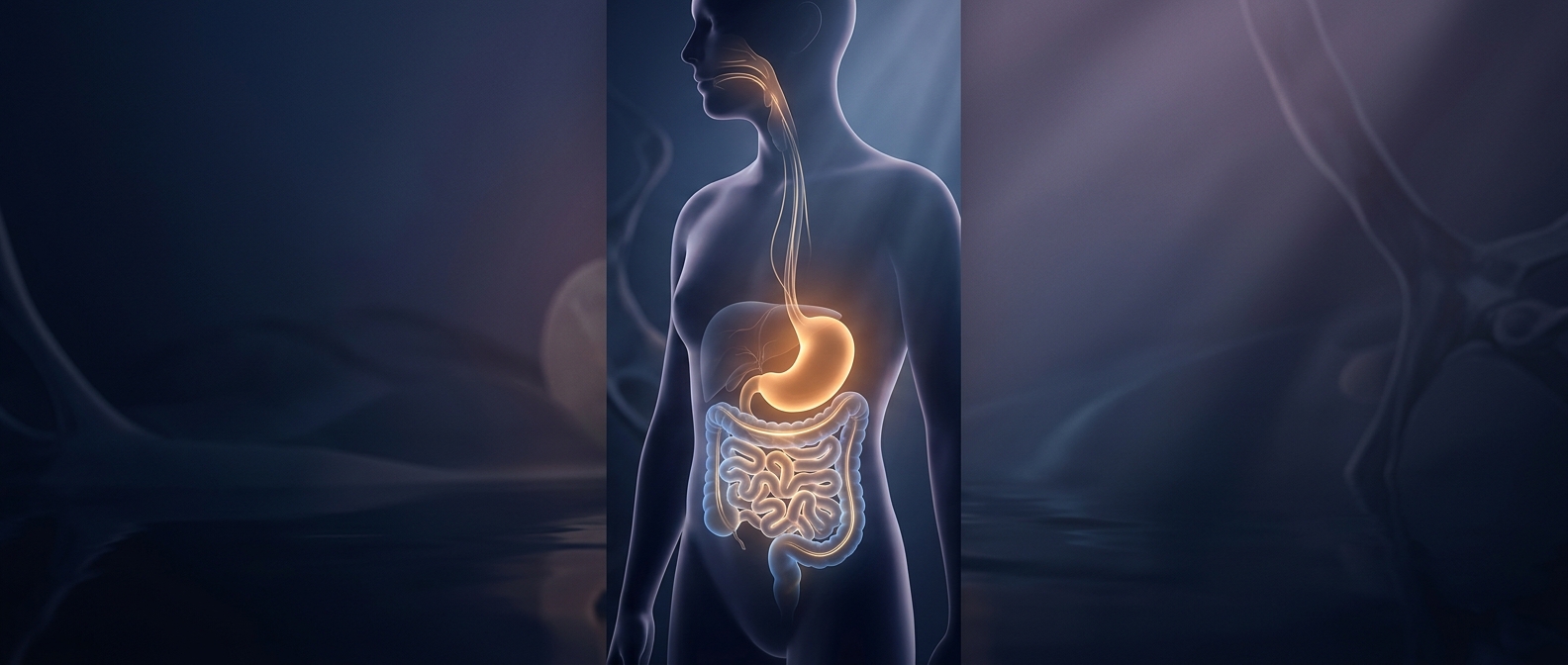
How people live without a stomach
After the stomach is removed, surgeons connect the esophagus to the small intestine, so swallowed food has a direct route into the intestine instead of…
Discover more
How soap gets grease down the drain
Soap surrounds oily grease in tiny droplets, with its water-friendly side facing outward. Water can then carry those droplets away—soap gives the grease a…
Discover more
The deadly insect jars Victorian collectors used
The jars killed butterflies with cyanide, a poison that disrupts cells’ ability to use oxygen. That made collecting easier, but the same deadly chemistry made…
Discover more