Health
Discover facts about health. Small discoveries that change the way you see familiar things.
Health

A Paris hospital put several patients in one bed
Accounts of the eighteenth-century Hôtel-Dieu describe severe overcrowding, with some beds holding four or even six patients. Reformers pressed for smaller…
Discover more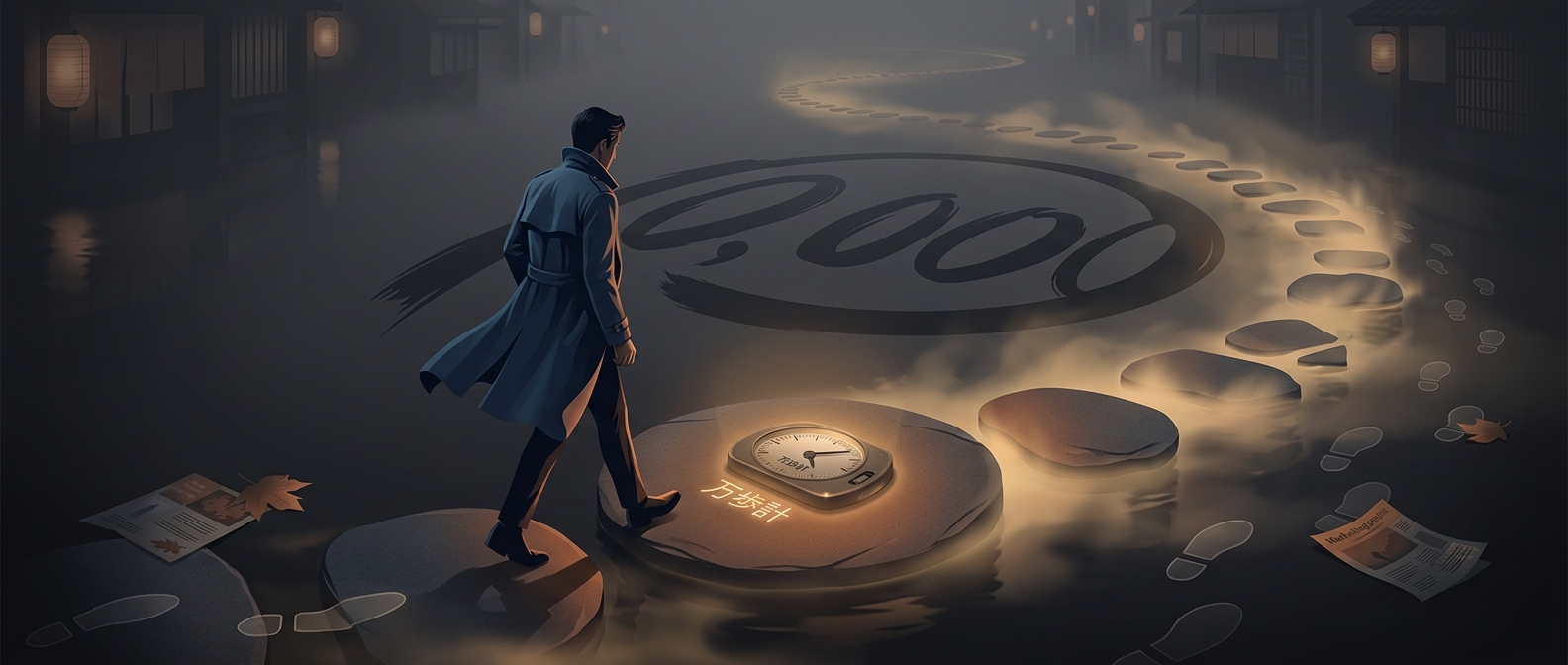
Ten thousand steps began as a sales-friendly target
A Japanese pedometer marketed in the 1960s helped popularize the number. A neat daily goal was easy to remember and advertise, but the body does not switch…
Discover more
Hand sanitizer does not completely replace washing your hands with good old soap and water
Sanitizer reduces many germs, but it does not lift dirt and grease off your skin, and some pathogens, including norovirus, can resist it. Soap loosens grime…
Discover more
Cassava's safety depends on processing, not just on being a vegetable
Its tissues contain compounds that can release cyanide. Preparation methods reduce them, but effectiveness depends on the variety, starting concentration and…
Discover more
Trachea expands significantly when gulping liquids
The cartilage rings around the trachea are open at the back, where the esophagus runs alongside it. When swallowed food bulges the esophagus, that flexible…
Discover more
Smooth muscles line internal hollow organs
You do not have to consciously contract the muscles lining your gut. Smooth muscle squeezes on its own to move material through hollow organs, doing the…
Discover more STACKY FOR IPHONE
A bigger world.
One discovery
at a time.
Keep discovering with Stacky. Interesting facts in an app that is always within reach.

Numbness can follow a glove-shaped boundary
“Glove anesthesia” describes loss of sensation across the hand rather than the territory of a single nerve. Clinicians examine that pattern alongside other…
Discover more
A barbecue's smoke can leave chemicals on the meat
When fat drips onto a hot surface or flame, the smoke can carry PAHs back onto the food. Other compounds called HCAs form through high-temperature reactions…
Discover more
Your fear can warn strangers through sweat
Fear can change the chemical cues in sweat, and other people may detect those cues without consciously noticing a smell. Those signals may make them more…
Discover more
The everyday movement shared by longevity hotspots
In many longevity hotspots, movement is built into ordinary life: walking hills, gardening, and doing physical work keep people using their bodies throughout…
Discover more
Handwriting beat typing in one school task, not every task
A 2025 study of 305 students found an advantage for younger pupils copying text by hand, including better spelling accuracy. In narrative writing, spelling…
Discover more
Why cowlicks always fight your hairstyle
At the crown or hairline, some follicles aim their strands across the surrounding hair’s natural flow. That change in direction is why a cowlick can pop back…
Discover more
Extreme cold practically halts biological degradation
When biological material cools quickly, the chemical reactions that dismantle it—including enzyme-driven ones—slow down. With less breakdown happening per…
Discover more
Male reproductive system shares a direct pathway with urine
The urethra is the tube that carries fluid out of the body, so both urine and semen use the same exit. During ejaculation, muscles at the bladder’s opening…
Discover more
A stress response becomes a problem when it never gets time off
A short burst of stress prepares the body for a challenge. Chronic stress keeps that system engaged over weeks or months and can disrupt sleep and immune…
Discover more
Celery's diet trick is water and bulk, not negative calories
Its high water content and fiber give a serving volume for relatively little energy. Your body spends energy processing food, but the claim that celery…
Discover more
Espresso contains less caffeine than standard drip brew
Caffeine concentration and caffeine dose aren’t the same thing. Espresso is more concentrated, but a standard serving is small; a mug of drip coffee is larger…
Discover more
Awake maintenance zones prevent early rest
Your body does not always slide smoothly from awake to asleep. A temporary wake-promoting signal can rise about two hours before your usual bedtime, briefly…
Discover more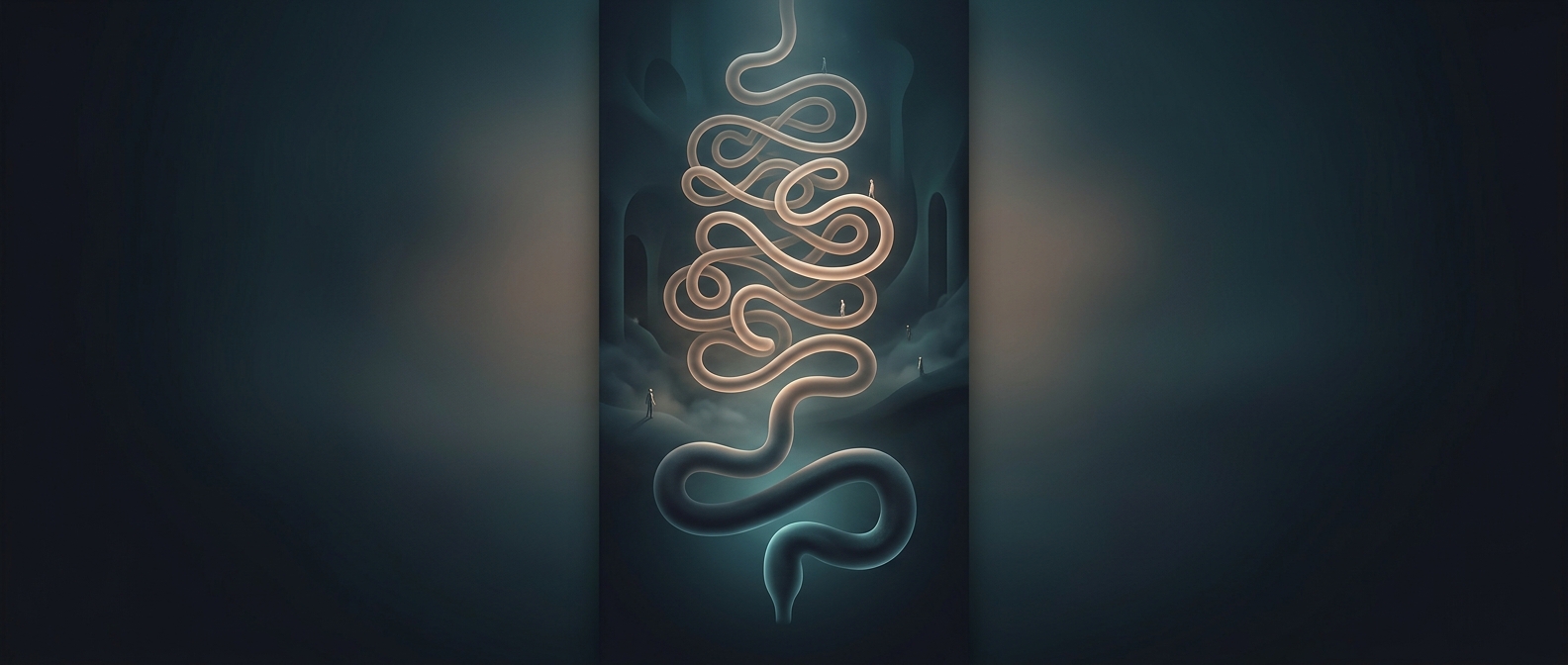
The small intestine is far longer than the large one
“Small” describes the intestine’s width, not its length. The narrow tube loops through the abdomen for about 20 feet, giving digested food a long route past…
Discover more
A headache can be a sign of dehydration
Not drinking enough fluid is one possible headache trigger, alongside symptoms such as thirst, tiredness, and darker urine. The clue is the wider pattern, not…
Discover more
Why carbs don't instantly turn into fat
Your body can use carbohydrates for energy, or store some for later. Fat gain depends on a sustained surplus of energy over what you use—not on pasta…
Discover more
Sciatic nerves are the thickest in human bodies
The sciatic nerve is about as thick as a thumb and runs from the lower back down toward the toes. Along that long route, it carries both movement commands and…
Discover more
Your body cools on a schedule before you wake
Core temperature follows a daily rhythm and generally reaches its low point late in the biological night. The exact clock time shifts with a person's sleep…
Discover more
Zombie cells never divide—but still disrupt the body
These cells have stopped dividing, but they have not gone silent. They can release signals that stir nearby cells and disrupt how tissues work, so a cell that…
Discover more