Health
Discover facts about health. Small discoveries that change the way you see familiar things.
Health

Your microwave may preserve more nutrients than boiling
The key difference is the water, not a special nutrient-saving power in the microwave. When food boils, some water-soluble vitamins can escape into the…
Discover more
Thick hair can mean two different things
A head can have many fine strands, or fewer strands that are individually coarse. Genetics influences strand diameter as well as texture, so density and…
Discover more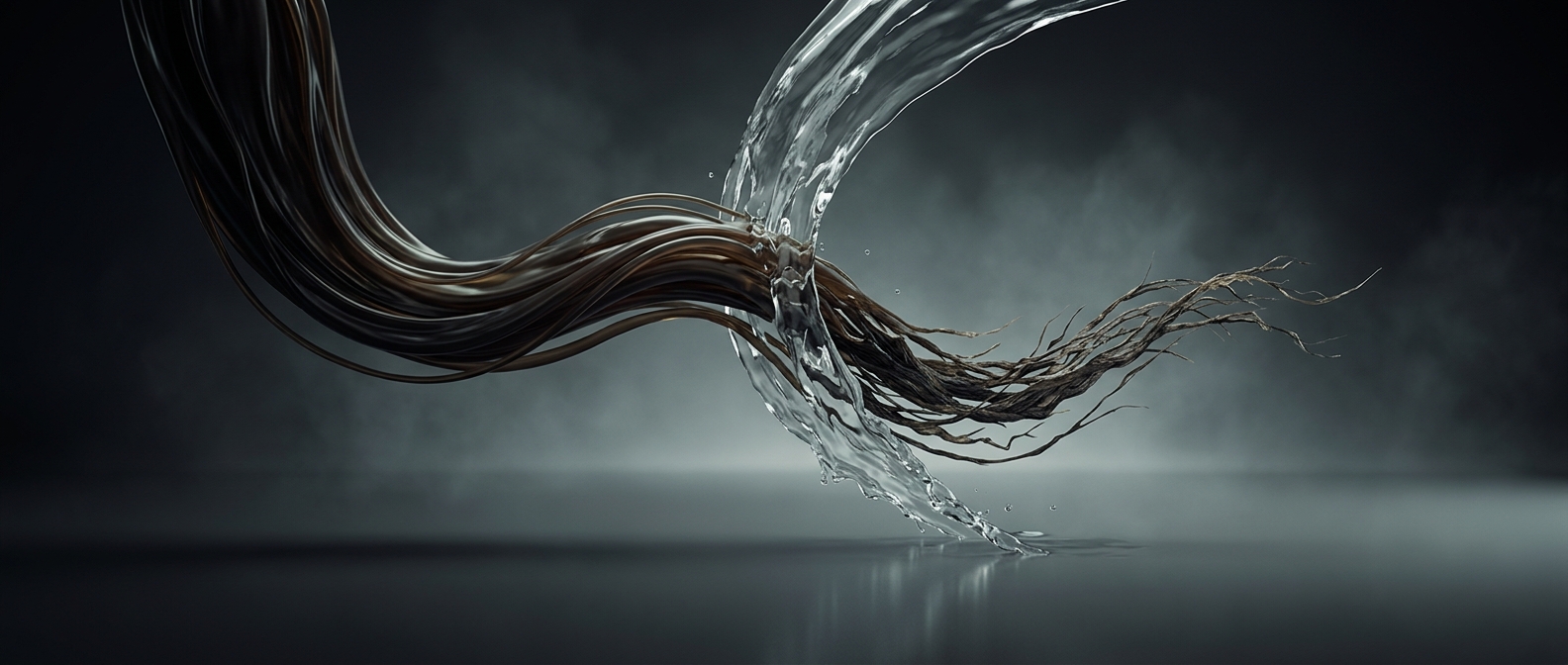
Shampoo and conditioner have different target zones
Dermatologists advise concentrating shampoo on the scalp, where oil and buildup collect, while conditioner helps protect the hair itself. Washing frequency…
Discover more
Skin makes a poor recording surface for a bite
A bite can stretch and distort skin, and the mark changes as the injury heals. NIST's review found insufficient scientific support for identifying a…
Discover more
How distraction dulls pain
Your brain has limited attention to spread around, and a demanding task can take up some of it. That can make pain feel less prominent—someone working through…
Discover more
A running metronome turns stride changes into a rhythm
A slightly quicker beat can help a runner practice taking more steps in the same time, often with shorter strides. The useful cue is the change from that…
Discover more STACKY FOR IPHONE
A bigger world.
One discovery
at a time.
Keep discovering with Stacky. Interesting facts in an app that is always within reach.

Essential human vitamin D relies on direct sun exposure
Sunlight does not simply contain vitamin D for your skin to absorb: UVB light prompts the skin to make it. Fortified foods, including some milk, can help fill…
Discover more
How Brazil nuts can cause selenium poisoning
The tricky part is that Brazil nuts are unusually rich in selenium, but each nut can contain a different amount. Eat enough and the total can exceed a safe…
Discover more
Appendix functions as a dead-end muscular intestinal tube
The appendix is a small pouch that branches off the digestive tract and ends in a closed tip. It has no immediate essential job in digestion, so if it becomes…
Discover more
Bladder strictly utilizes stretchable transitional tissue
As the bladder fills, cells in its lining change shape and the lining stretches with them. Instead of staying a rigid layer, the tissue unfolds to make room…
Discover more
Weight loss can change the energy budget you started with
A smaller body generally uses less energy, and additional metabolic adaptations can reduce expenditure during weight loss. That helps explain why progress can…
Discover more
Round ligaments physically stretch to support pregnancy
The uterus does not grow alone: the round ligaments that help support it stretch as it expands. They take on more tension, which can make a sudden movement…
Discover more
Yawning primarily acts as a bizarre jaw stretching motion
During a yawn, the jaw opens far wider than it does for ordinary speech, stretching muscles and tissues around the face. The movement may also help shift…
Discover more
Somatic systems govern all voluntary movements
The somatic nervous system carries signals from the brain and spinal cord to skeletal muscles. Those signals let you deliberately reach, walk, or turn your…
Discover more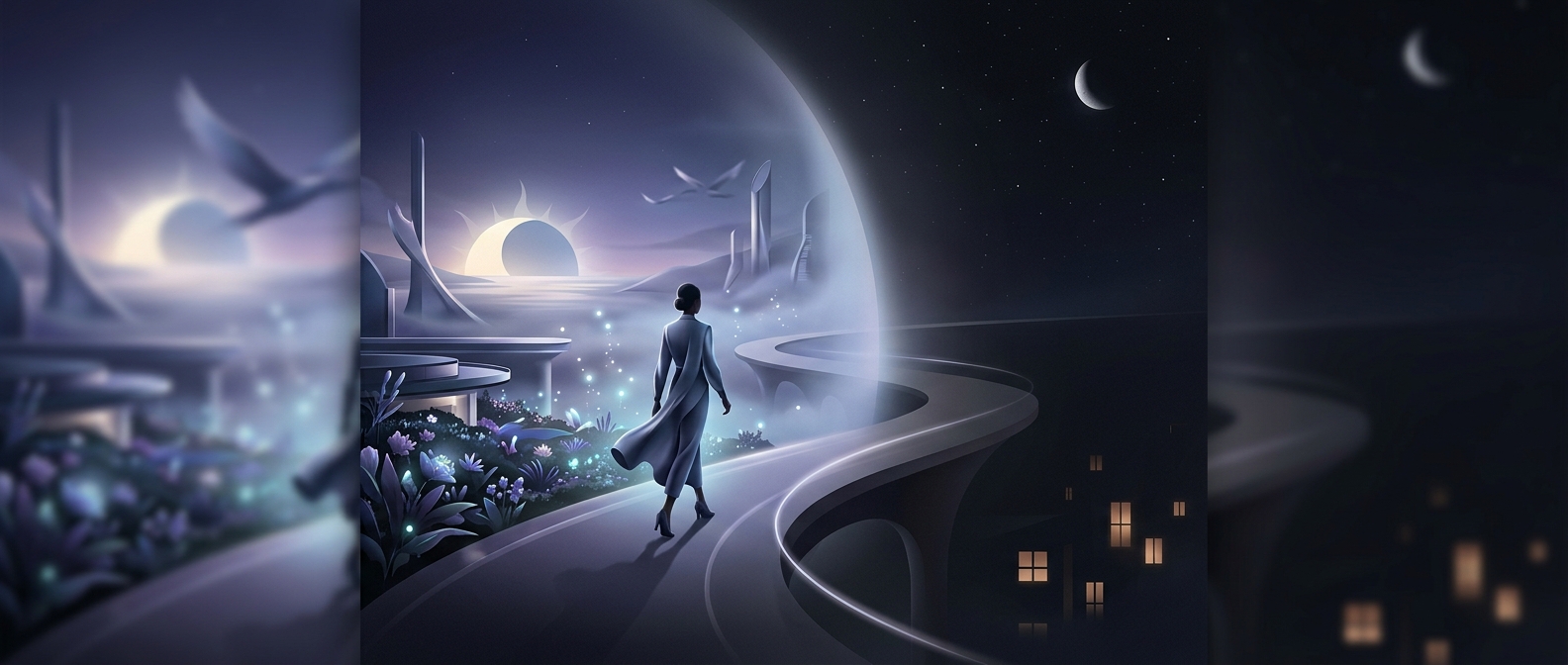
Early birds just have a drastically shifted daily rhythm
An early bird’s body clock sends its sleep and wake signals earlier than most people’s. That shift makes an early bedtime feel natural and an early alarm less…
Discover more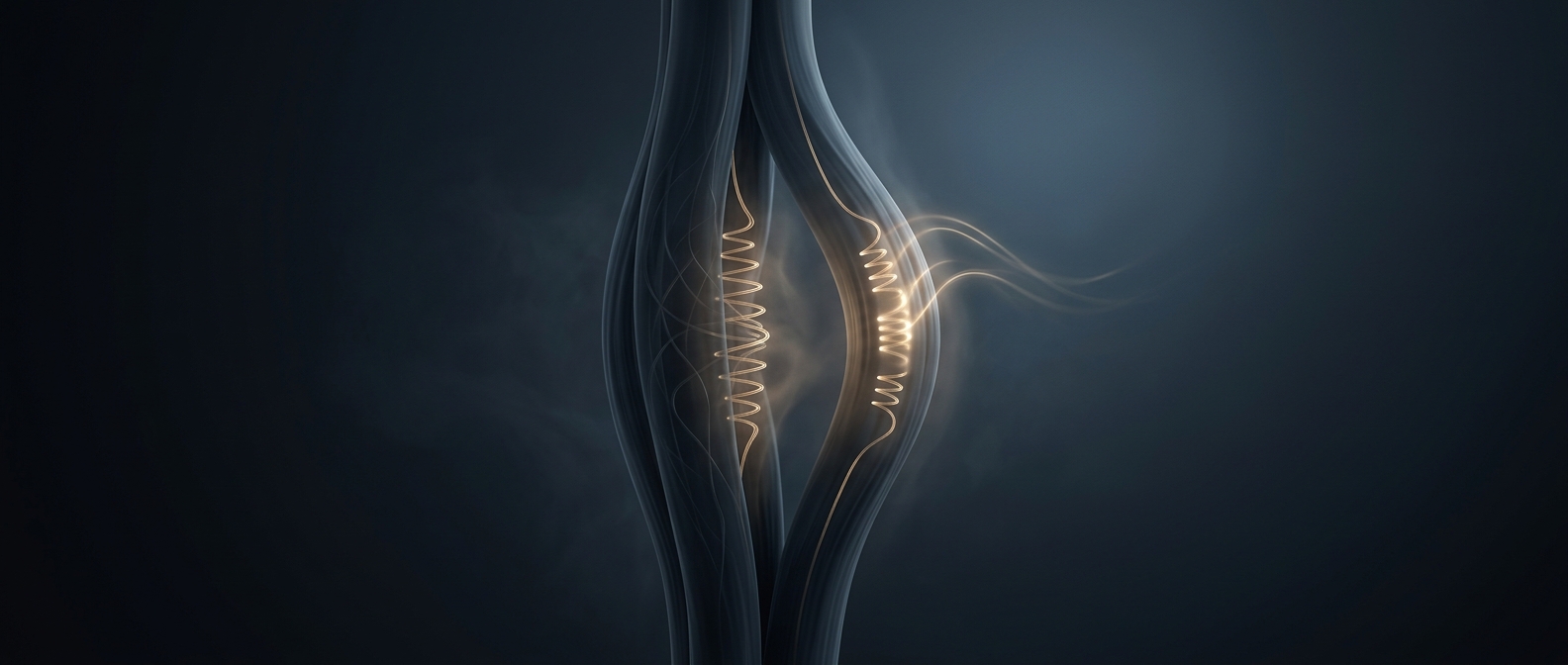
Muscle spindles constantly detect physical stretch
Sensors inside a muscle detect when it is being stretched. If the stretch is too great, they send a signal through the spinal cord that makes the muscle…
Discover more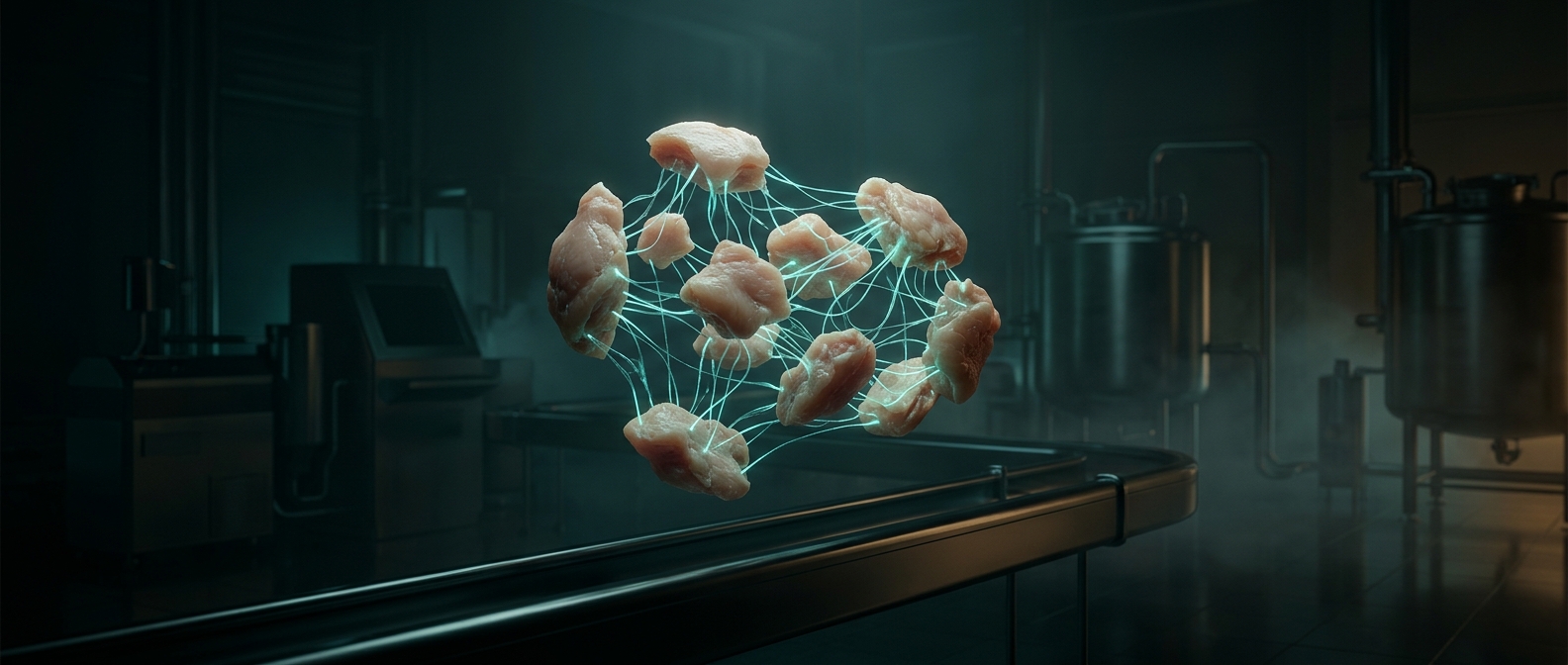
Chicken nuggets get their familiar shapes before the breading goes on
McDonald's describes mixing white-meat chicken with a marinade, then forming its four nugget shapes before coating and cooking them. Uniform pieces make…
Discover more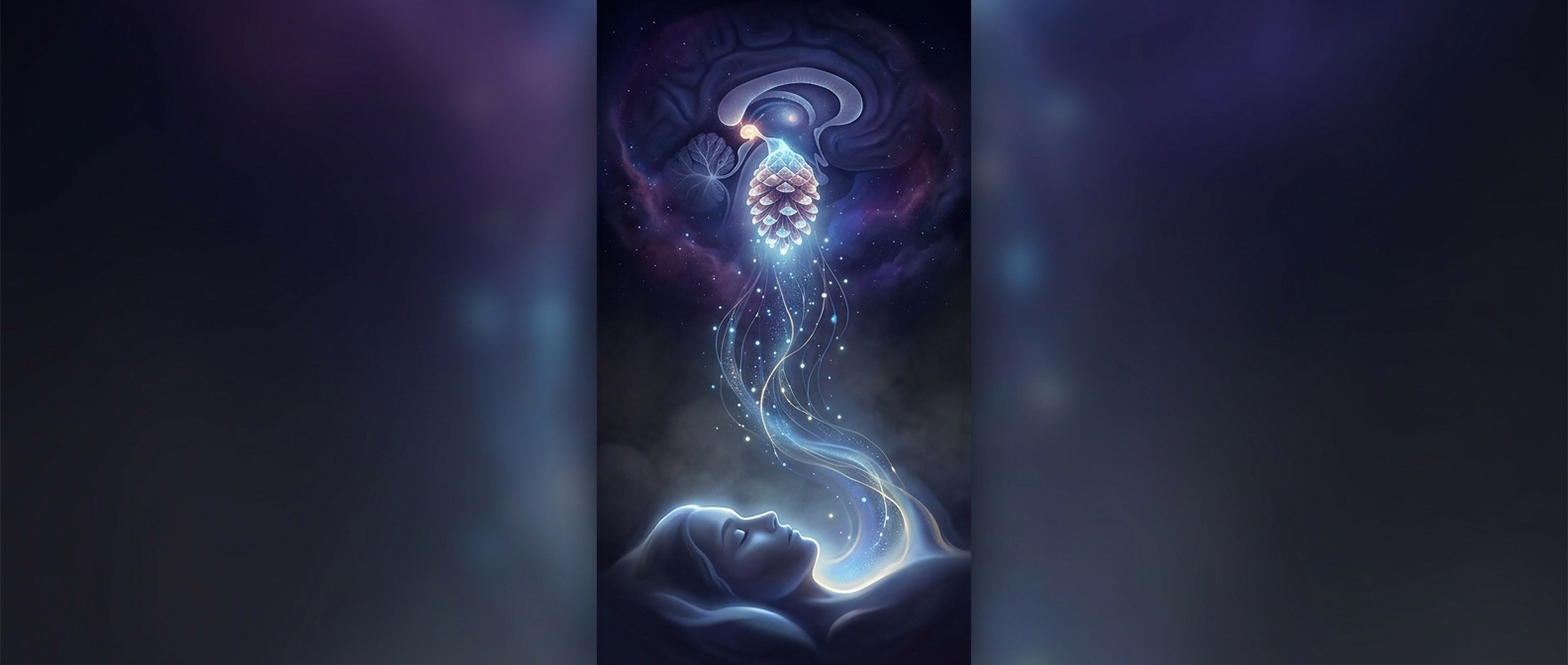
Pineal glands churn out melatonin in the dark
Light reaching the eyes helps set the brain’s internal clock; when light fades, that clock signals the pineal gland to release melatonin. The hormone tells…
Discover more
Jeanne Calment lived 122 years and 164 days
Born in 1875 and dead in 1997, she holds the longest fully authenticated human lifespan recognized by Guinness World Records. Her life began before the Eiffel…
Discover more
Why humans have to get vitamin C from food
The missing step is genetic: humans have an inactive version of a gene needed to make vitamin C. Without that working instruction, our bodies can’t…
Discover more
Double-blind tests rarely find MSG reactions
When a test is double-blind, neither the person eating the food nor the researcher knows whether it contains MSG. That makes it easier to see whether symptoms…
Discover more
Organic is a rulebook, not a promise of zero pesticides
US organic standards restrict which pest controls farmers may use, but allow some natural substances and specifically approved synthetic ones. The…
Discover more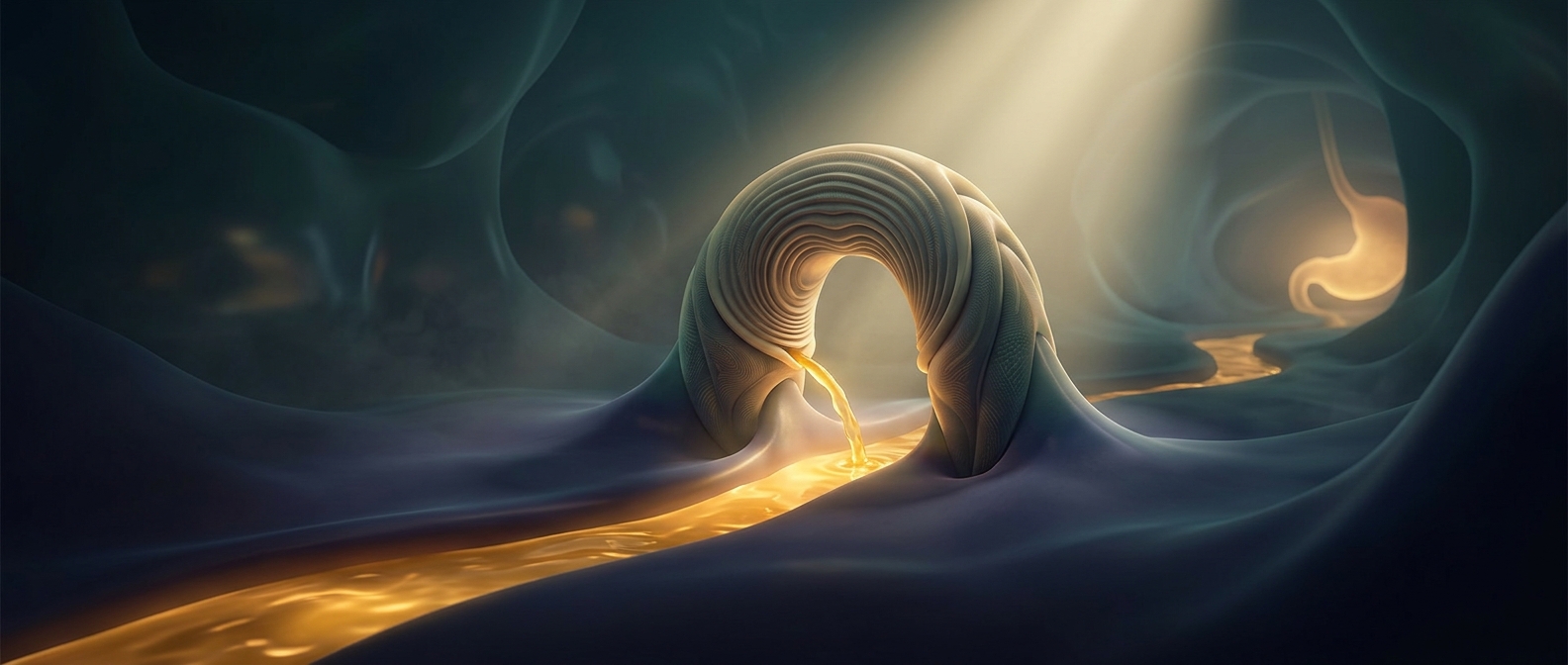
Sphincter of Oddi strictly regulates essential bile flow
The sphincter of Oddi is a ring of muscle that opens to let bile flow into the intestine, then helps regulate that flow. If it spasms or fails to work…
Discover more
Parasympathetic networks force physical resting
After danger passes, the parasympathetic system helps turn down the body’s high-alert activity. Heart rate can slow and digestion can resume, shifting…
Discover more