Health
Discover facts about health. Small discoveries that change the way you see familiar things.
Health

How your fist-sized stomach makes room for a feast
When your stomach is empty, deep folds in its lining are tucked in. As food and liquid arrive, those folds unfold, letting the stomach expand far beyond its…
Discover more
Humans exhale carbon dioxide at 4 percent volume
Air you breathe out contains about 4% carbon dioxide, much more than the air you breathe in. Each exhale adds some CO₂ to the room, so the air around you…
Discover more
What the white crescent on your nail really is
The white lunula is the visible edge of the nail matrix, where new cells are being made. Those cells have not yet formed the translucent, flattened nail that…
Discover more
Why people swish oil instead of using mouthwash
The idea behind oil pulling is that swishing sesame or coconut oil through the mouth lets it mix with saliva and pick up material as it moves around the teeth…
Discover more
The tiny patch between your eyebrows has a name
The flat patch between your eyebrows and above your nose is the glabella. It is mostly a quiet bit of facial real estate—until the muscles around it pull the…
Discover more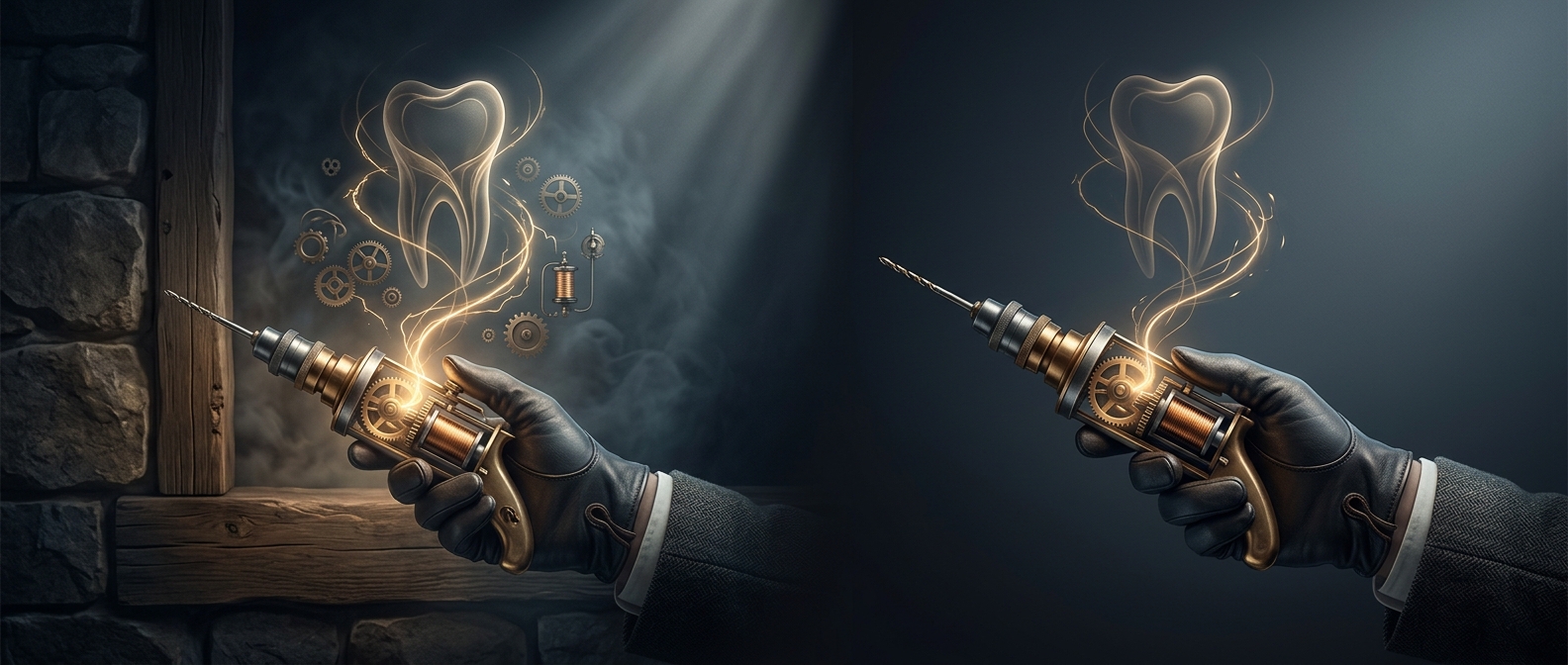
The dentist's electric drill is 150 years old
George F. Green patented the first electric dental drill in 1875. Before electricity, dentists had to turn drills by hand or foot, supplying the motion…
Discover more STACKY FOR IPHONE
A bigger world.
One discovery
at a time.
Keep discovering with Stacky. Interesting facts in an app that is always within reach.

The man behind graham flour treated diet as a moral mission
Preacher Sylvester Graham promoted coarsely ground whole-wheat flour and opposed foods and habits he associated with excess. His campaign joined nutrition to…
Discover more
Parathyroid glands aggressively monitor calcium reserves
When calcium in the blood falls, the parathyroid glands release a hormone that tells bones to send some stored calcium into the bloodstream. The bones are not…
Discover more
Researchers have tested acne by changing what people eat
Some small trials found fewer acne lesions with lower-glycemic diets—foods that raise blood sugar less sharply. Other studies have not found the same benefit.…
Discover more
Researchers took a model kidney on a roller coaster
For a 2016 study, a kidney model containing actual stones rode Disney's Big Thunder Mountain Railroad 20 times. Researchers measured whether stones moved out…
Discover more
An açaí bowl can wear a health halo over a dessert's worth of sugar
The sugar can come from the whole construction, not just the açaí: a large blended base topped with honey, clusters, and extra fruit. Add those layers…
Discover more
Why pinworms make you scratch
Pinworms lay eggs around the anus at night, and that egg-laying can make the area itch. Scratching feels like a response to the irritation, but it can carry…
Discover more
Direct sunlight exposure instantly elevates your mood
Bright light entering your eyes signals brain systems that help set the body’s daily clock and support daytime alertness. That can influence how awake or…
Discover more
Celery fills space without bringing many calories
Most of its weight is water, and its fibrous structure gives it plenty to chew for relatively little energy. Digestion uses energy too, but that doesn't…
Discover more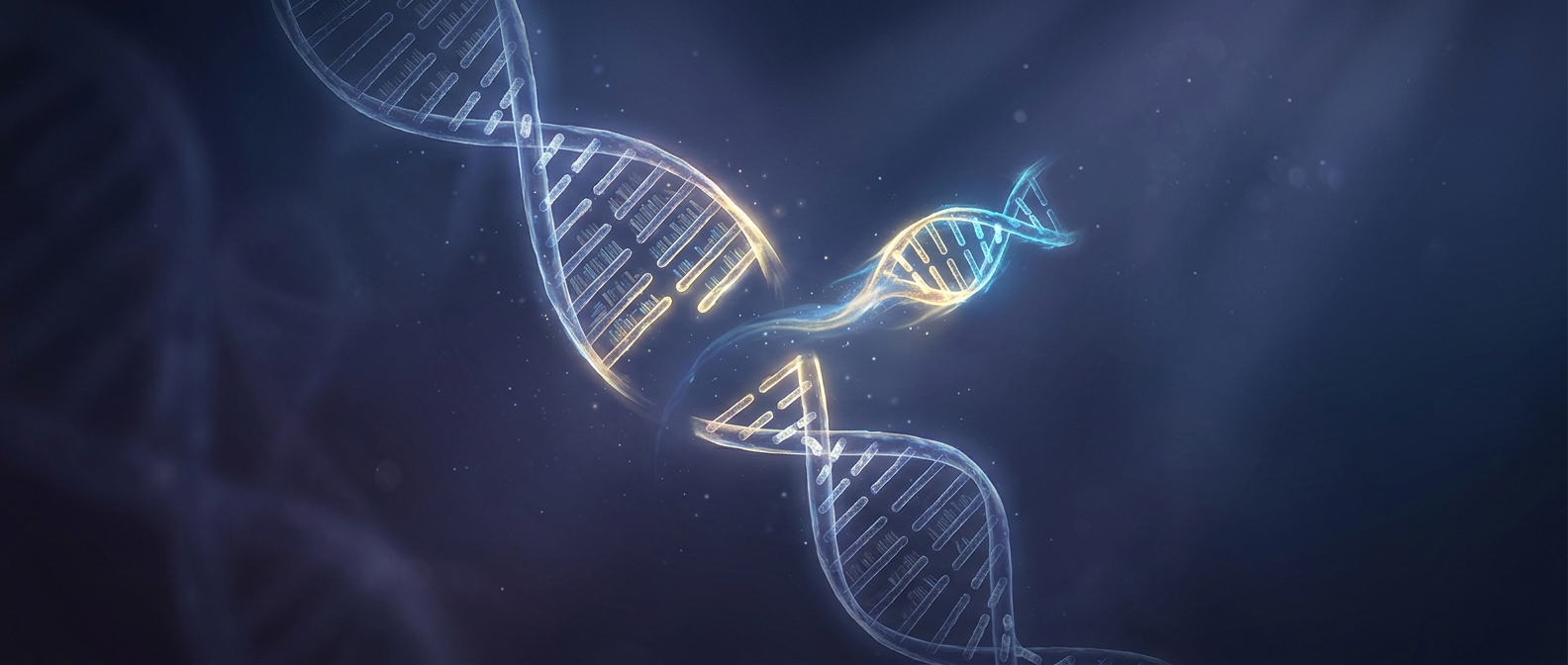
Your genes can jump around the genome
Some stretches of DNA can move to new positions in the genome; these are called transposons. Their movement means DNA is not always a fixed line of…
Discover more
Your internal sphincter works without conscious control
The internal anal sphincter opens automatically, while the external sphincter is the muscle you can deliberately tighten. That division lets the body move…
Discover more
The image on your retina arrives upside down
Your eye's lens bends light so the top of a scene lands on the bottom of the retina and vice versa. The brain interprets these signals together with…
Discover more
Oat milk can make sugar from the oats themselves
Some makers add enzymes that break oat starch into smaller molecules, including the sugar maltose. That gives the drink sweetness without simply tipping table…
Discover more
Why Jurassic Park's dinosaurs can't be cloned
DNA is a chemical molecule that gradually breaks apart after death. With an estimated half-life of about 521 years, it loses intact genetic information over…
Discover more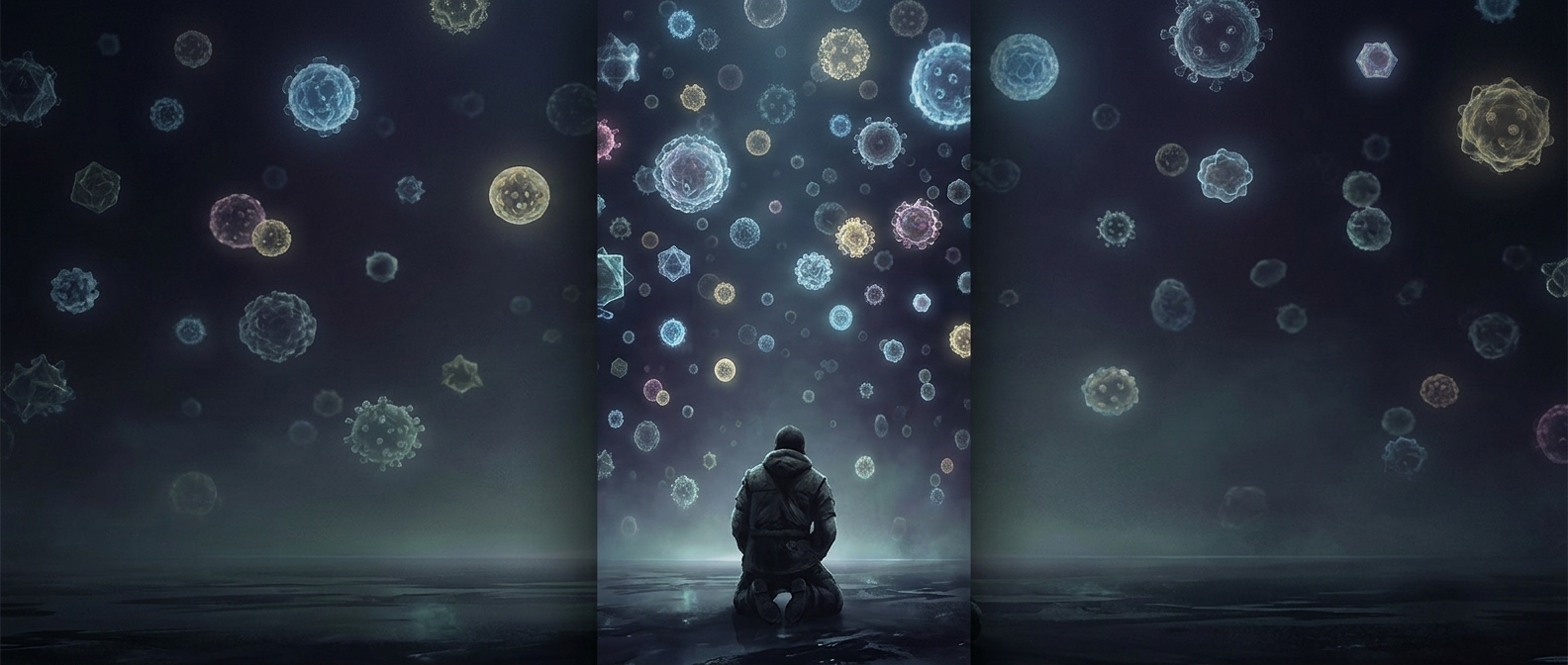
Why there is no single common cold
A cold is a familiar set of symptoms, not the name of a single virus. Different viruses can produce that same runny-nose-and-sore-throat package, which is why…
Discover more
Bare feet can let hookworms into your bloodstream
In warm soil contaminated with human feces, hookworm larvae can penetrate bare skin, often on the feet. They travel through the bloodstream to the lungs, move…
Discover more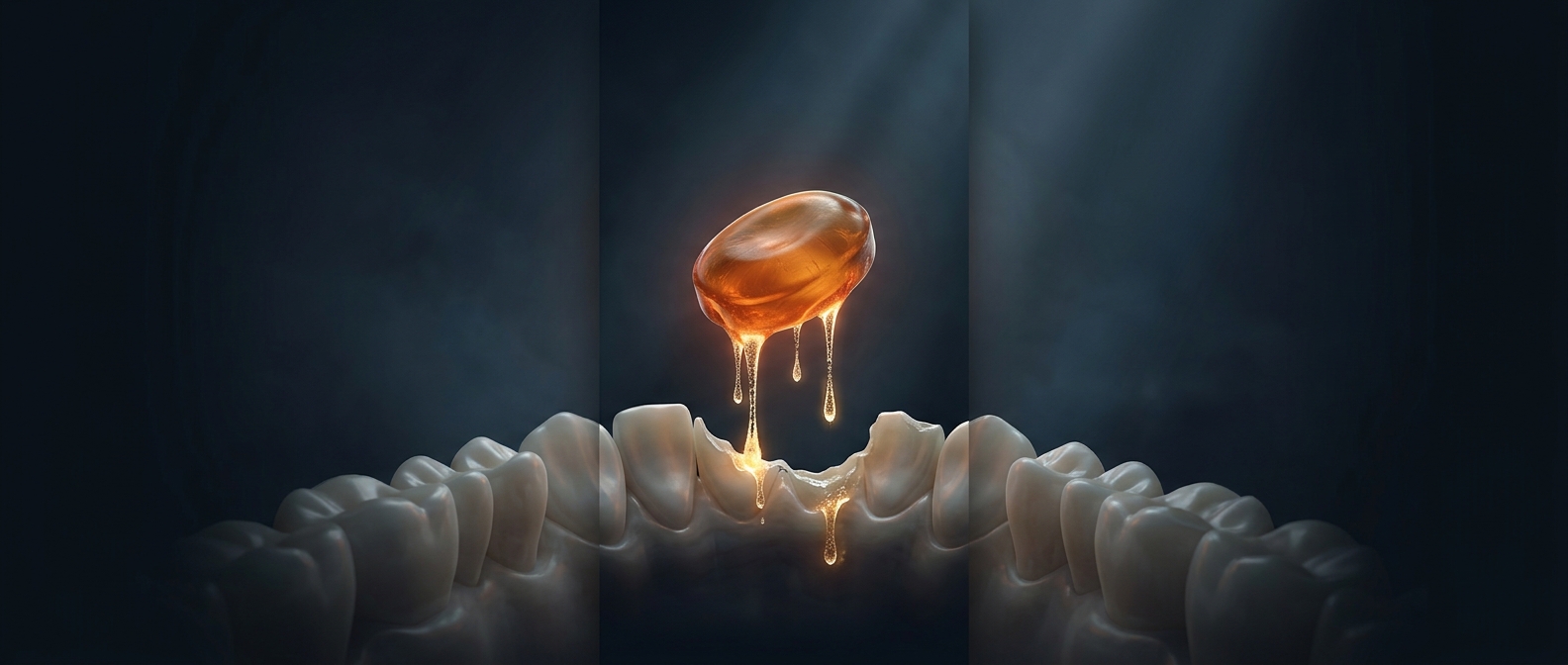
Hard candy exposes teeth to prolonged sugar attacks
A hard candy dissolves slowly, leaving sugar in contact with your teeth for longer than a quick bite would. Mouth bacteria can use that sugar and produce…
Discover more
A medicine-ball throw tests how quickly you can produce force
Launching a weighted ball requires the body to accelerate a load, not just hold it still. Researchers have used standardized throws to assess explosive power.…
Discover more
Why humans keep juvenile traits into adulthood
Compared with many animals, humans mature slowly. That leaves more time for development to unfold—and means some youthful traits persist even after the rest…
Discover more