Health
Discover facts about health. Small discoveries that change the way you see familiar things.
Health

Why human eyes have such white sclera
The bright white around the iris makes shifts in eye direction visible. That lets another person tell what you're looking at and follow your gaze, even when…
Discover more
Why burning off your fingerprints won’t erase them
Fingerprint ridges are shaped in a deeper skin layer, not just in the surface you can burn or scrape. If that underlying pattern-forming tissue survives,…
Discover more
Losing 100 hairs a day is normal
Hair follicles take turns growing a strand, resting, and releasing it. Because those cycles don’t all happen at once, some hairs normally come loose each day…
Discover more
Sunscreen gives ultraviolet energy somewhere else to go
UV filters absorb radiation and dissipate its energy, helping keep it from damaging skin. Mineral filters such as zinc oxide absorb UV too, as well as…
Discover more
Why dreams vanish after you wake up
You may wake with the feeling that a dream was there, but not the details. The brain has to encode those details as memories, and that process is unreliable…
Discover more
Why your eyes won’t pop out when you sneeze
The eyeballs are anchored in their sockets by six muscles and surrounding tissue, which hold them in place even when pressure briefly rises during a sneeze.…
Discover more STACKY FOR IPHONE
A bigger world.
One discovery
at a time.
Keep discovering with Stacky. Interesting facts in an app that is always within reach.

Why deep-sea divers can get drunk underwater
At high pressure, nitrogen can cause narcosis, bringing on euphoria and impaired judgment that can lead divers to make dangerous decisions underwater.
Discover more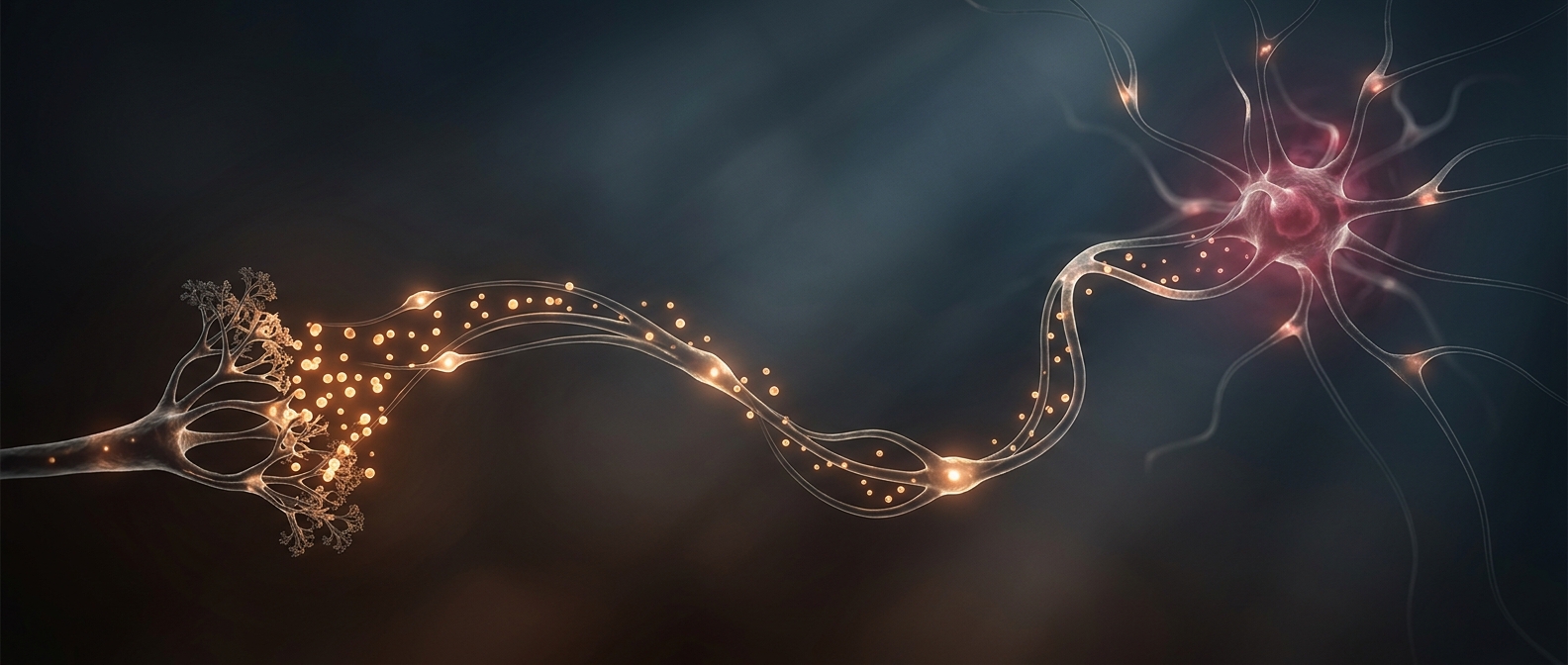
Substance P specializes in transmitting agony
When tissue is damaged, nearby nerves release Substance P along pathways that carry pain signals toward the spinal cord and brain. It helps relay the alarm…
Discover more
Your body's phosphorus does much more than build bones
Most of it is stored in bones and teeth, but phosphorus also helps form DNA, cell membranes and ATP—the molecule cells use to transfer energy. The same…
Discover more
Deltoid neatly divides into three distinctly separate heads
The deltoid has front, middle, and rear sections whose fibers pull the arm in different directions. Working together, they let the shoulder lift and move the…
Discover more
Milk doesn’t actually make your cold worse
Milk can mix with saliva and briefly leave a coating in your throat, which may make existing mucus feel thicker. That sticky feeling is not proof that your…
Discover more
An extra row of eyelashes can scratch the eye it surrounds
Distichiasis adds a second row of eyelashes, but the new hairs may grow toward the eye instead of away from it. Each blink can drag them across the eye’s…
Discover more
Humans may be the only animals that cry from sadness
Emotional tears may have served as a visible, quiet signal that a person was distressed and needed help. Unlike a loud cry, tears can communicate…
Discover more
When your gut brews alcohol without a drink
In rare cases of auto-brewery syndrome, microbes in the gut ferment carbohydrates into enough alcohol to cause intoxication. The alcohol is absorbed from the…
Discover more
Custom immune responses take an entire week to build
Your adaptive immune system doesn’t keep a ready-made army for every possible invader. It has to activate the right cells and multiply them—work that can take…
Discover more
How a sneeze can fracture a rib
During a powerful sneeze, the muscles that drive breathing clamp down in a sudden burst. The diaphragm and muscles between the ribs tug hard on the chest…
Discover more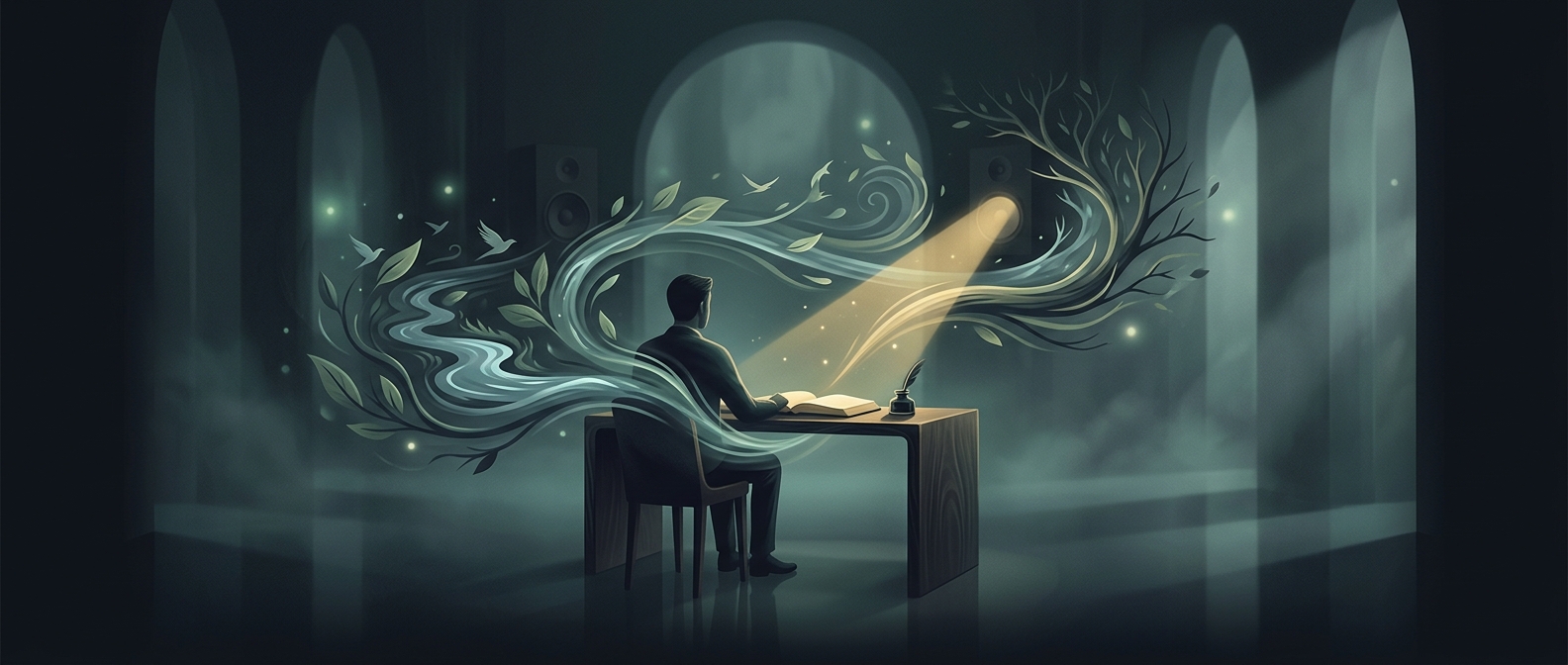
Nature sounds can reset your ability to focus
When a door slams or someone talks nearby, your attention may jump toward it. Soft, continuous sounds such as running water can blur those interruptions into…
Discover more
Cold sores can hide in your nerves for years
After the first infection, HSV-1 can retreat into facial nerve cells and remain dormant there for years. A trigger such as stress or sunlight can prompt it to…
Discover more
Why a hit below the belt can make you nauseous
The testicles have many pain-sensitive nerves, and some of their signals travel along pathways that also communicate with the abdomen and the brain’s vomiting…
Discover more
Some blood-pressure drugs began as snake venom
The useful clue in pit-viper venom was that certain peptides could bring blood pressure down. Researchers studied how they worked and used that biology as a…
Discover more
Spleen physically enlarges when actively fighting threats
The spleen filters blood and helps coordinate immune responses. During an infection it may enlarge as that work increases, so the organ can physically swell…
Discover more
Why dynamic warmups can preserve your power
Dynamic warmups keep you moving while your muscles and body temperature rise. Unlike holding a long static stretch, that active movement doesn’t tend to cause…
Discover more
Rust doesn’t cause tetanus—the dirt does
The danger comes from Clostridium tetani bacteria in soil or manure, not from rust itself. A puncture wound can push the bacteria deep into tissue, where they…
Discover more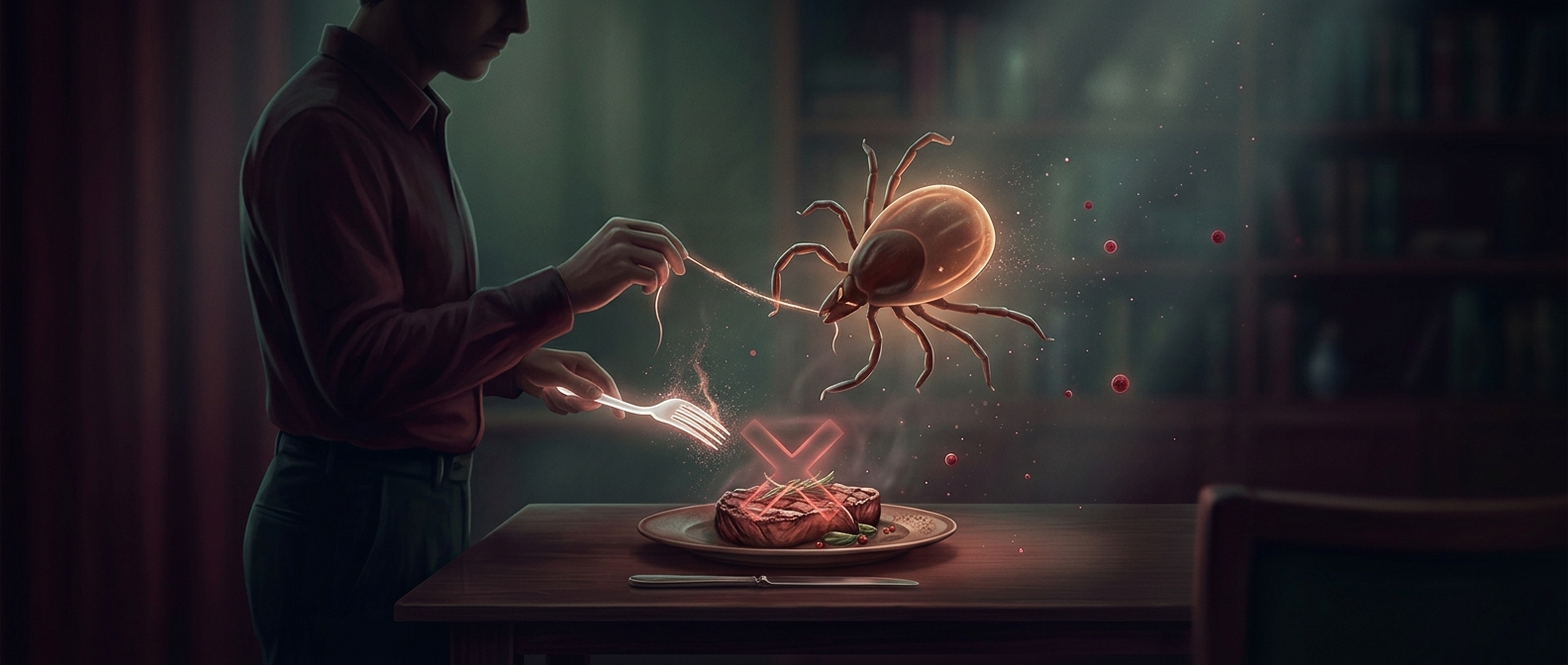
A tick bite can make burgers off-limits
Some tick bites can make the immune system react to alpha-gal, a sugar found in red meat from mammals. After that, eating red meat can trigger an allergic…
Discover more